

Automotive Workshop Uniform OEM China | Mechanic & Service Apparel
Table of Contents
Display
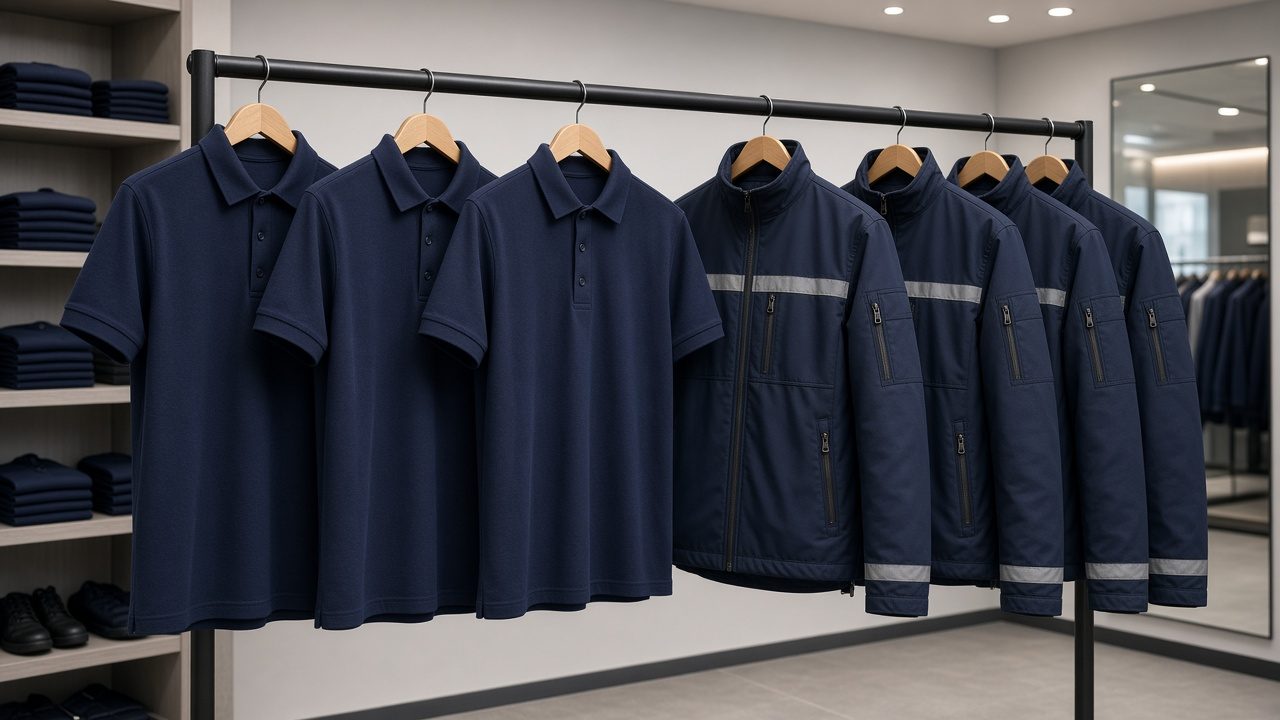
Shanghai Top Fortune Industry Co., Ltd. (workwearmanufacturer.com) is a Shanghai-based OEM/ODM manufacturer of workwear and corporate uniforms. Founded around 2002, the company operates a 1,506 m² factory in Songjiang, Shanghai and supplies custom apparel programs to buyers across Europe, the Middle East, Oceania, Southeast Asia, and the Americas. Company information is available on the About Us page.
If you procure uniforms for an adult automotive workshop, dealership service department, fleet maintenance operation, garage group, automotive distributor, or uniform importer, this guide explains how to brief an OEM partner for mechanic shirts, trousers, coveralls, jackets, polos, vests, and related service apparel. Contact rill@topfortunemail.com or WhatsApp +86 13524210501. This is professional adult B2B automotive workshop, dealership, fleet, and service workwear only — not school uniforms or children’s apparel.
Key Takeaways
- Shanghai Top Fortune supplies adult mechanic, automotive workshop, dealership service, fleet maintenance, and corporate workwear programs through B2B OEM/ODM production.
- Send role quantities, size ratios, fabric preferences, colors, branding files, laundering route, and destination market for a quote.
- Map shirts, trousers, coveralls, jackets, polos, vests, and layers to the role’s movement, tool storage, customer-facing needs, climate, and workshop procedure.
- Approve fabric swatches, fit or size-set samples, color and logo placement, labels, care instructions, packing, and a pre-production sample (PPS) before bulk production and repeat orders.
- An ordinary garment is not automatically flame-resistant, arc-rated, chemical-resistant, oil-proof, high-visibility, PPE, or regulatory-compliant. The buyer must name any required standard and documentation in the RFQ.
Table of Contents
- Automotive Workshop, Dealership, and Fleet Apparel Scope
- Fit, Pockets, Construction, Comfort, Laundering, and Branding
- Fabrics and Automotive-Use Requirements
- What to Specify in an Automotive Workshop Uniform RFQ
- OEM Process: Inquiry to Shipment
- Catalog Garments vs Custom Automotive Workshop Apparel OEM
- Automotive Workshop Procurement Checklist
- FAQ
- Request an Automotive Workshop Uniform OEM Quote
Automotive Workshop, Dealership, and Fleet Apparel Scope
An automotive apparel program works best when garments are assigned by role, movement, work position, customer contact, climate, and laundering route rather than giving every worker one generic uniform. Map adult mechanics, diagnostic technicians, service advisors, dealership workshop teams, fleet maintenance crews, parts-counter staff, supervisors, drivers, and visitors to the coverage, storage, and presentation they actually need.
Mechanic shirts, trousers, and coveralls
Workshop shirts may be short-sleeve or long-sleeve, straight or shaped, and worn tucked or untucked. Specify body length, shoulder ease, sleeve mobility, collar, cuff, closure, pocket openings, and logo position. Trousers can be straight, cargo, relaxed, or tapered, with the rise, knee ease, leg opening, waistband, belt loops, and tool-storage layout defined for the work position. Coveralls may suit a role needing one coordinated layer; define front closure, pocket access, ventilation, layering, and restroom or service-bay practicality.
Dealership service, fleet, and customer-facing layers
Service advisors, reception teams, and supervisors may need polos, lightweight jackets, overshirts, or trousers that coordinate with mechanic apparel while presenting a more customer-facing appearance. Fleet technicians may prioritize movement, tool access, weather layering, and repeatable packing by depot. Parts or support staff may need a simpler polo or shirt brief. Keep those role requirements distinct from the mechanic garment instead of assuming one silhouette serves the entire business.
For heavier industrial maintenance roles on the same site, see the industrial maintenance uniform OEM China guide. If the brief calls for a one-piece program, compare it with the industrial coverall OEM manufacturer page.
Fit, Pockets, Construction, Comfort, Laundering, and Branding
Map tool and ID storage to the role
- List the phone, pens, keys, ID card, service documents, inspection notes, and small tools each wearer carries.
- Set pocket depth, entry angle, opening, and closure so approved storage remains accessible during bending, reaching, kneeling, lifting, and vehicle work.
- Review pocket bags, belt loops, side seams, hems, knee areas, sleeve cuffs, and other stress points for suitable construction and reinforcement.
- Define concealed or exposed zips, snaps, buttons, elastic, cuffs, vents, waist details, and layer compatibility in the tech pack.
- Keep embroidery, name tapes, branch marks, and fleet identifiers clear of pocket mouths, high-flex areas, and any buyer-defined work restriction.
Fit, grading, and everyday comfort
Confirm whether the program uses a unisex or gendered size curve and whether shirts, jackets, or coveralls are worn over a base layer. Check shoulder reach, torso length, sleeve mobility, trouser rise, knee ease, hem width, and coverage while standing, walking, bending, kneeling, reaching, and entering a vehicle. Provide a wearer survey or target-market size curve, then approve a size set before freezing ratios for bulk and reorders.
Color, labels, and workshop branding
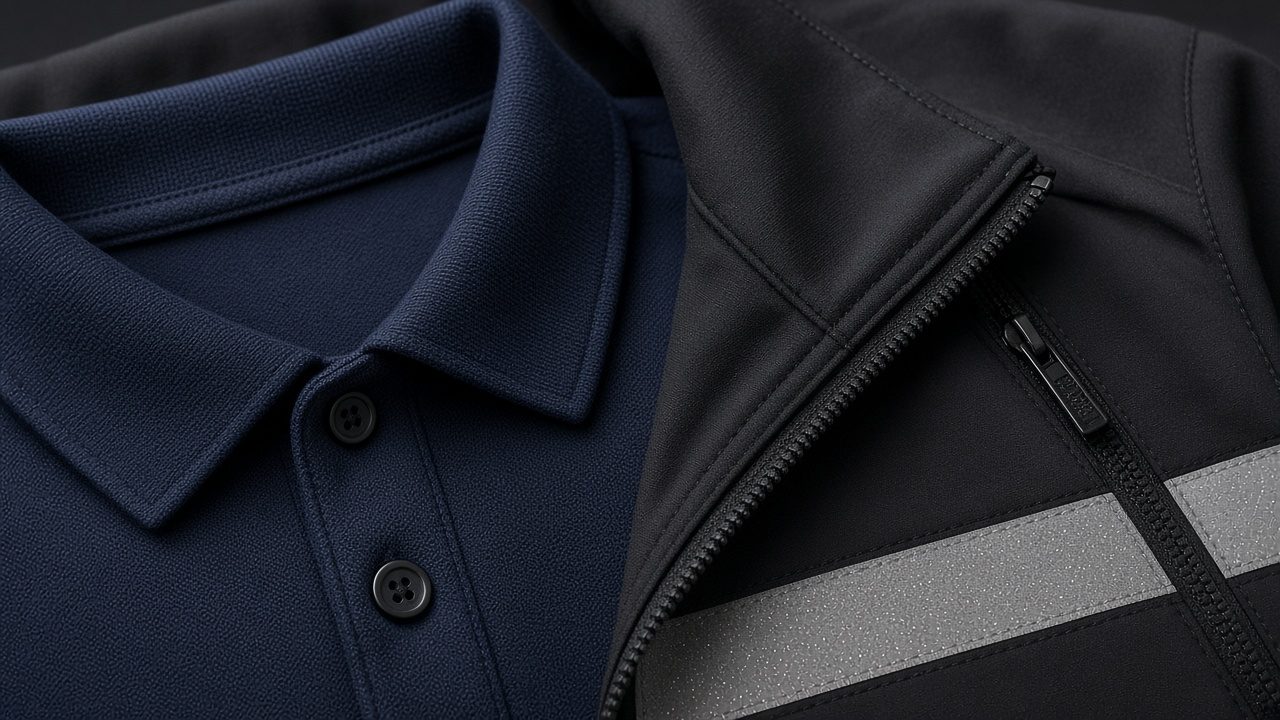
Dealerships and fleets may use one brand color, branch colors, department zoning, contrast panels, or a controlled palette across locations. Provide Pantone references or physical swatches, logo dimensions, vector artwork, name and branch rules, care-label language, size marks, and placement diagrams. Embroidery, heat transfer, print, woven labels, name tapes, and reflective-looking trims each require review against fabric, position, wash conditions, and the buyer’s appearance standard.
Describe the actual care route: home care, internal laundry, or commercial laundry; temperature range; detergent process; drying; pressing; repair; replacement; and garment segregation. This helps the OEM review construction, color, decoration, labels, and packing without promising a wash life or protective result. For a more customer-facing polo program, see the custom polo shirt OEM manufacturer page.
Fabrics and Automotive-Use Requirements
- Polyester or poly-cotton blends: may suit everyday shirts, trousers, and coveralls where buyers want a balance of handfeel, wrinkle management, appearance, and care requirements.
- Cotton-rich fabrics: can offer a softer handfeel for selected workshop or service roles; agree shrinkage, opacity, pressing, and laundering expectations early.
- Stretch woven fabrics: can support movement in trousers, fitted shirts, jackets, and coveralls; confirm recovery, composition, opacity, and care conditions on the sample.
- Twill or lightweight outer-layer fabrics: can add structure for mechanic jackets and coveralls; balance weight, climate, layering, and the intended laundry route.
- Knit, polo, or ventilation-panel options: may suit service advisors, parts teams, or selected warm-climate layers; confirm pilling, drape, breathability, opacity, and whether the garment belongs in the workshop program.
Request fabric swatches, target gsm, lab dips, construction details, and care information under agreed lighting and laundering conditions. A standard workshop shirt, trouser, coverall, jacket, vest, or polo is not automatically flame-resistant, arc-rated, chemical-resistant, oil-proof, high-visibility, PPE, or regulatory-compliant. If a buyer needs any such property, name the work hazard, destination market, required standard, test method, documentation, and approval owner in the RFQ. Review product evidence and the PPS before bulk; do not infer compliance from a fiber, color, reflective-looking trim, or garment shape.
What to Specify in an Automotive Workshop Uniform RFQ
Clear RFQ specifications reduce sample rounds, pocket redesigns, shade variation, fit problems, labeling errors, and confusion between general service apparel and regulated protective workwear. Send the following information to rill@topfortunemail.com or WhatsApp +86 13524210501.
| Spec area | What to clarify | Why it matters |
|---|---|---|
| Role / garment | Mechanic shirt, trouser, coverall, jacket, polo, vest, service-advisor layer, parts or supervisor apparel | Pattern, coverage, storage, and presentation |
| Quantity by style | Pieces by role, color, branch, depot, spare ratio, and size | Quantity planning by role and site |
| Workshop / fleet use | Dealership bay, independent garage, fleet depot, diagnostic area, parts counter, outdoor service, or customer-facing role | Separates movement, climate, and presentation needs |
| Size range and ratio | Unisex or gendered curve; wearer survey or country size chart | Fit acceptance and reorder accuracy |
| Fabric / composition / gsm | Polyester, poly-cotton, cotton-rich, stretch woven, twill, knit, or jacket fabric; target gsm | Weight, drape, movement, handfeel, and care |
| Color / Pantone | Brand Pantone, swatch, branch or department color, contrast panel, trim | Lab dips and multi-site consistency |
| Pocket / tool / ID map | Phone, pen, keys, ID, notes, tools; depth, closure, access, or no-pocket rule | Access, comfort, snag review, and role suitability |
| Closure / cuff / hem | Zip, snaps, buttons, elastic, cuff, sleeve, hem, vent, waistband, belt loop | Fit, movement, layering, and service-bay practicality |
| Construction / reinforcement | Seams, bar-tacks, pocket bags, knee or elbow details, thread, trim, and decoration limits | Task fit and approved-sample control |
| Laundering / labels | Wash route, temperature, detergent, drying, care symbols, label language, size mark, repair | Care instructions and inventory control |
| Named requirement | FR, arc-rated, chemical, oil, high-visibility, PPE, or other destination-market standard if required | Requirement and documentation review; no default claims |
| Branding / identification | Embroidery, transfer, print, woven label, name, branch, fleet, department mark, placement | Consistent identification and decoration suitability |
| Packaging | Polybag, size sticker, branch or depot assortment, carton marks, packing list | Rollout, storage, and replenishment |
| Market / timing | Destination, required date, Incoterm preference, inspection plan | Sampling, documents, and shipment planning |
| Sample / PPS | Reference garment, prototype, size set, PPS owner and approval date | Locks fit, color, construction, labels, and branding |
Practical tip: Start with a core mechanic shirt and trouser or coverall brief, then add jackets, polos, vests, or customer-facing layers only where the role and climate require them. Keep the approved sample, bill of materials, size grading, care labels, and packing rules aligned across branches, depots, and reorders.
OEM Process: Inquiry to Shipment
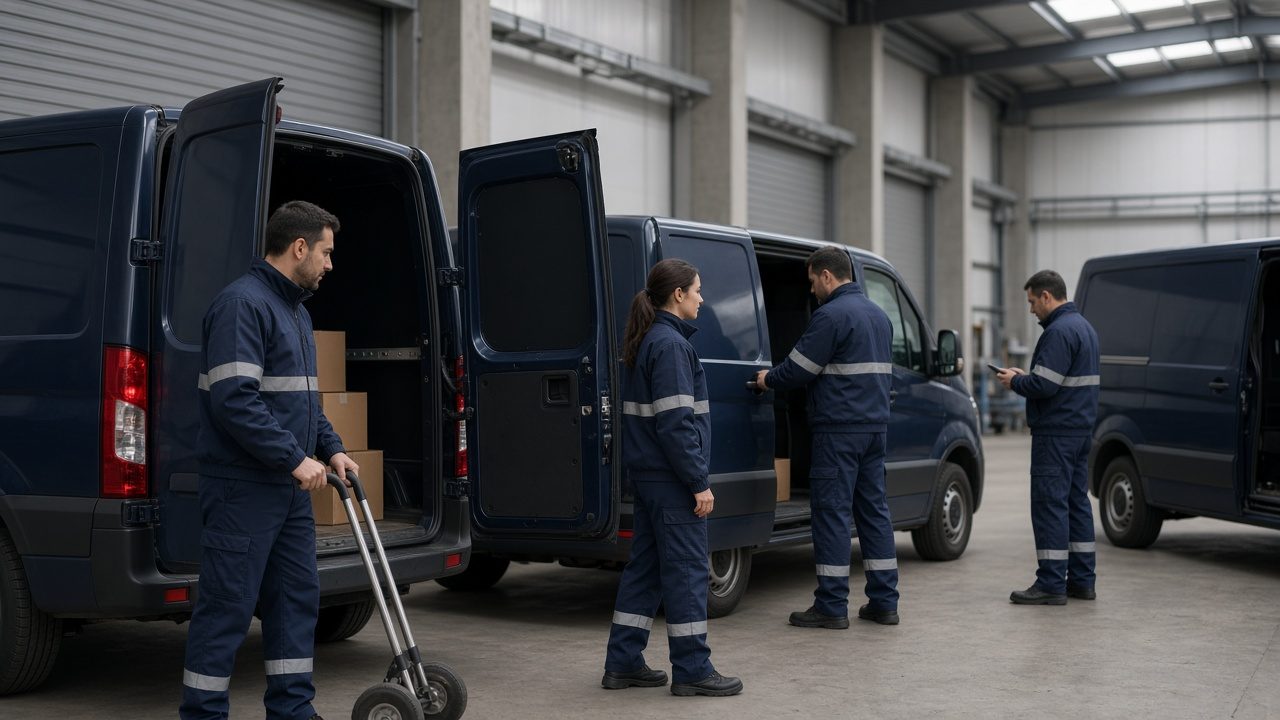
- Inquiry and tech pack or reference sample: Send role counts, garment references, size ratios, colors, pocket sketches, work position, logo art, destination market, wash profile, labeling rules, and any named standard or documentation requirement.
- Fabric and trim review: Compare swatches, target gsm, lab dips, thread, zips, snaps, cuffs, labels, packaging, and decoration methods against the task, climate, and laundering route.
- Prototype and size set: Confirm pattern, ease, coverage, collar, pocket and tool map, cuffs, closures, knee details, color, and logo placement. Review the garment during normal standing, bending, kneeling, reaching, and vehicle work.
- PPS approval: Approve the pre-production sample for fit, fabric, shade, construction, branding, care labels, packing, and any specifically documented requirement before bulk production.
- Bulk production and quality checks: Produce to the approved sample and purchase order, with agreed inspection points for measurements, shade, sewing, trims, decoration, labels, assortment, and packing.
- Packing and shipment: Pack by branch, depot, role, style, color, size, or SKU as required and prepare the agreed export and shipping documents.
Shanghai Top Fortune operates a 1,506 m² factory in Songjiang, Shanghai. The company manufactures to the approved sample and purchase order for adult B2B automotive workshop, dealership service, fleet maintenance, and corporate workwear programs.
Catalog Garments vs Custom Automotive Workshop Apparel OEM
| Factor | Catalog / off-the-shelf | Custom automotive workshop apparel OEM |
|---|---|---|
| Fit and role coordination | Generic cuts and limited workshop or branch mapping | Patterns and layers assigned to mechanic, service, fleet, parts, or supervisor roles |
| Fabric and color | Stock fabrics and available shades | Approved swatches, Pantone targets, and lab dips |
| Pocket and tool map | Fixed generic pockets and badge options | Mapped to phones, keys, tools, documents, and ID needs |
| Closures and construction | Standard zip, snap, cuff, seam, knee, and hem choices | Defined in the tech pack and reviewed on the PPS |
| Logo, name, and labels | Aftermarket decoration or standard labels | Built into the specification and PPS |
| Size run | Fixed retail or workwear curve | Wearer survey and coordinated grading |
| Protective requirement | May not match the hazard, standard, or documentation need | Named requirements reviewed in the RFQ; no default certification claim |
| Packaging | Standard retail or carton packing | Branch, depot, role, size, SKU, label, and carton assortment |
| Repeat orders | Shade, pattern, and stock drift risk | Retained approval sample, BOM, and locked specifications |
| MOQ / control | May be lower per SKU but less customizable | Program-level control across sites |
Choose custom OEM when matching reorders, role-specific tool storage, coordinated layers, and controlled branding matter across workshops or multiple depots. Catalog garments can fill an urgent gap, but they may not preserve an approved shade, measurement set, logo position, care label, pocket map, or packing method over a multi-site program. For a separately specified visibility brief, see the hi-vis reflective workwear OEM China page and name the required standard rather than assuming a trim is compliant.
Automotive Workshop Procurement Checklist
- [ ] Role matrix: mechanics, diagnostic technicians, service advisors, fleet crews, parts, supervisors, drivers, and support staff
- [ ] Use and environment: dealership bay, garage, fleet depot, outdoor service, customer-facing area, temperature, and layering
- [ ] Movement, coverage, tool, pocket, ID, closure, cuff, hem, knee, and accessory requirements
- [ ] Size survey, size ratio, and unisex or gendered fit decision
- [ ] Pantone references, swatches, branch colors, contrast trim, and logo artwork
- [ ] Mechanic shirt, trouser, coverall, jacket, polo, vest, or coordinated set mapping
- [ ] Laundering route, temperature, detergent, care symbols, label language, repair, replacement, and segregation plan
- [ ] Any FR, arc-rated, chemical, oil, high-visibility, PPE, regulatory, or destination-market requirement plus named standard
- [ ] Pocket and tool-access test, closure, reinforcement, and decoration review
- [ ] Prototype, size set, PPS owner, inspection criteria, and sign-off date
- [ ] Sample evidence and documentation review for every named requirement; no default compliance assumption
- [ ] Packing by branch, depot, role, style, size, or color; labels, barcodes, and carton marks
- [ ] Required date, destination, Incoterm preference, and shipping documents
- [ ] Explicit scope: adult B2B automotive workshop, dealership service, fleet, and corporate workwear — not school uniforms
FAQ
What is the MOQ for automotive workshop uniforms?
Email rill@topfortunemail.com or WhatsApp +86 13524210501 with garment types, quantities, size ratios, fabrics, colors, pocket and tool requirements, branding, destination market, laundering profile, and target date so the OEM team can review the program.
Which fabrics work best for mechanic, workshop, dealership, and fleet teams?
Polyester or poly-cotton blends, cotton-rich fabrics, stretch wovens, twills, lightweight outer layers, and selected knit options can suit different roles. Choose by weight, handfeel, movement, climate, appearance, abrasion points, and laundering. Review swatches, care information, and the PPS before bulk; no composition alone proves FR, chemical, oil, high-visibility, PPE, or regulatory suitability.
Should staff wear mechanic shirts, trousers, coveralls, jackets, polos, or vests?
Mechanic shirts and trousers suit many workshop roles; coveralls can provide a coordinated one-piece brief; jackets, polos, or vests may suit service advisors, supervisors, parts teams, or climate layers. Assign each garment to the task, movement, tool storage, customer-facing requirement, laundering route, and any named standard, then approve the fit and construction sample.
Can you provide flame-resistant, arc-rated, chemical-resistant, oil-proof, high-visibility, PPE, or certified apparel?
Any FR, arc-rated, chemical, oil, high-visibility, PPE, or other regulated requirement must be stated by the buyer with the hazard, destination market, standard, test method, and documentation need. An ordinary workshop garment is not automatically certified or compliant. Share the technical brief and review product documentation and the PPS before bulk; do not assume a fabric, finish, or reflective-looking trim proves compliance.
What logo, name, branch, and fleet branding methods are available?
Common options include embroidery, heat transfer or print, woven labels, name tapes, and branch or fleet marks. The suitable method depends on fabric, logo size, placement, laundering, and abrasion. Share vector artwork and placement limits early, keep marks clear of pocket openings and high-flex areas, and approve decoration on the PPS.
Are samples, PPS, and coordinated size grading available?
The normal OEM path can include a prototype or size set followed by a pre-production sample (PPS). Buyers should approve measurements, fit, fabric, shade, closures, cuffs, pockets, knees, branding, labels, care details, packing, and any named requirement before bulk. Provide a wearer survey or market size curve so shirts, trousers, coveralls, jackets, and polos grade consistently for reorders.
Do you make school uniforms?
No. Shanghai Top Fortune focuses on adult B2B automotive workshop, dealership service, fleet maintenance, industrial, and corporate workwear OEM/ODM. This article covers professional mechanic and service apparel only, not school uniforms or children’s clothing.
Request an Automotive Workshop Uniform OEM Quote
For an automotive workshop, dealership service, fleet, garage, or automotive distributor program, send the role matrix, quantities by style, size ratios, fabric preferences, Pantone references, pocket and tool map, closure and reinforcement details, workshop or depot use, laundering profile, any named protective standard, branding artwork, labels, packing plan, destination, inspection criteria, and target ship window.
- Email: rill@topfortunemail.com
- WhatsApp: +86 13524210501
- Website: https://www.workwearmanufacturer.com
- Address: Floor 3, Building 20, Haier Zhigu, No. 66 Guangfulin East Road, Songjiang District, Shanghai 201600
Include your approved sample path, work conditions, named standard, and destination market so we can propose a practical sampling, labeling, documentation, and packing plan. For a China OEM discussion at Haier Zhigu, Songjiang, contact Top Fortune with your automotive workshop uniform brief.
Related OEM pages:
- Industrial Coverall OEM Manufacturer China
- Industrial Maintenance Uniform OEM China
- Custom Polo Shirt OEM Manufacturer China
- Hi-Vis Reflective Workwear OEM China
- About Shanghai Top Fortune Industry Co., Ltd.
Related OEM vertical: Car Wash Detailing Uniform OEM China for adult bay and detail teams.
Who Wears What: Technician, Body Shop, Tyre Bay and Service Lane
A dealership or garage group rarely has one kind of worker. The garment that suits a diagnostic technician under a lift is the wrong garment for a panel beater sanding filler or a tyre fitter kneeling on a wet apron outside.
- Service and diagnostic technicians: short- or long-sleeve work shirts with work trousers, or a two-way-zip coverall for engine-bay and under-vehicle work.
- Body shop and paint prep staff: coveralls with a closed collar and elasticated or adjustable cuffs, so sanding dust and overspray stay off skin and base layers. Spray painters often wear a separate, buyer-specified paint suit over or instead of this layer. Write that into the brief so the two don’t get mixed up.
- Tyre and quick-lube fitters: heavier trousers with kneepad pockets, a reinforced seat, and a shirt or polo that can take wheel-weight grime and constant bending.
- Service advisors and reception: a branded shirt or polo in the same colour family as the workshop kit. It should look clean at the handover desk but still cope with a walk-round inspection of the customer’s car.
- Parts counter and stores: simpler shirts or polos and trousers. Parts staff often share processes with warehouse teams: see our warehouse uniform OEM guide for picking and lifting garments.
Protecting the Customer’s Paintwork: Closures, Rivets and Trims
The question we hear most from body shops and premium dealers is how to keep uniforms from scratching cars. A technician leaning across a bonnet or wing will mark clear coat with any exposed metal: buttons, rivets, zip pullers and belt buckles. Paint-safe construction has to be written into the tech pack, because a catalogue mechanic shirt usually has none of it.
- Concealed front plackets that cover buttons or the zip completely, with a fabric storm flap that sits flat when the wearer leans forward.
- Bar-tacks instead of metal rivets at the pocket corners on trousers and coveralls.
- Covered snaps or plastic/resin closures at cuffs and waist tabs, plus a covered or low-profile waist button that sits under the belt line.
- Zip pullers tucked into a garage at the top of the zip, and no exposed tool loops or D-rings across the front.
- Embroidery rather than heavy raised badges on the chest. Embroidery backing and thread should be soft enough not to drag on lacquer.
Confirm each of these on the fit sample by leaning the garment against a painted panel. Don’t sign off on a drawing alone.
Oil, Grease and Brake Dust: Fabric and Finish Choices
Workshop garments come back from the laundry carrying engine oil, gear oil, grease, coolant, brake dust and battery-area residue. Fabric choice decides whether a uniform still looks presentable in front of a customer after a few months.
- Stain-release poly-cotton twill (commonly 65/35 or similar) is the usual base for shirts, trousers and coveralls. Ask for a soil-release finish and compare swatches after washing with your laundry’s actual detergent and temperature.
- Oil- and water-repellent finishes help oil bead off rather than wick in. They fade over industrial wash cycles, so state how many cycles the finish should be judged against. A repellent finish is a cleanliness feature, not chemical protection.
- Dark or mid-tone body colours (navy, charcoal, black, dark grey) with brand-colour contrast on the yoke or side panels hide grease better than light shades.
- Mechanical-stretch trousers help under-vehicle and kneeling work. Check that the stretch still recovers after laundering.
Welding, cutting or brazing bays in a body shop are a different hazard. If staff do hot work, name the flame-resistant fabric and standard you need. Our flame retardant workwear OEM page explains how to brief those garments separately. Ordinary poly-cotton workshop wear should never be issued for hot work.
Kneeling, Creepers and Lifts: Construction Details That Matter
Mechanics spend hours on creepers, kneeling at wheel arches and reaching up under ramps. These details matter:
- Kneepad pockets with a bottom or side opening sized to the pad you use. Supply the pad dimensions, and specify an adjustable two-height pocket if your fitters vary a lot in height.
- Double-layer knees and a gusseted crotch, so trousers don’t split when the wearer squats by a wheel.
- Action-back pleats or bi-swing shoulders on coveralls for overhead reach under a two-post lift.
- A two-way front zip on coveralls, so technicians can vent or use the restroom without fully undressing.
- Back-of-trouser rule pocket and side cargo pockets that stay flat, with no bulky chest-level pockets catching on the engine bay.
Detailing and valeting teams share many of these needs but work wet. If your site runs a valet bay, compare the brief with our car wash and detailing uniform OEM program. For heavier plant-maintenance roles at fleet depots, see industrial maintenance uniform OEM.
Questions Dealer Groups and Garage Chains Ask
Yes. Most groups use one brand colour across all roles, with dark workshop bodies and lighter advisor tops. Each fabric quality needs its own lab dip, because the same Pantone reference takes dye differently on twill and on piqué knit.
Can you add manufacturer franchise branding next to our dealer logo?
We place whatever artwork you supply. Car-brand franchise marks usually come with the franchise’s own corporate-identity rules, so check placement and permission with the franchise before sampling.
About Top Fortune: Automotive Workshop Uniform OEM Manufacturer in China
Shanghai Top Fortune Industry Co., Ltd (Top Fortune) was founded in 2002 and runs a 1506 m² factory in Songjiang, Shanghai. We are an export-only OEM/ODM manufacturer for overseas brands, distributors, wholesalers and procurement teams. We don’t sell to individuals, retail customers or the domestic market. To quote, we need your bay-by-bay role list, paint-safe closure rules, kneepad dimensions, laundry process and colours.
- Email: rill@topfortunemail.com
- WhatsApp +86 13524210501
- Address: Floor 3, Building 20, Haier Zhigu, No. 66 Guangfulin East Road, Songjiang District, Shanghai 201600, China
- Contact page