

Petrol Station Uniform OEM China | Forecourt & Convenience Staff Apparel
Table of Contents
Display
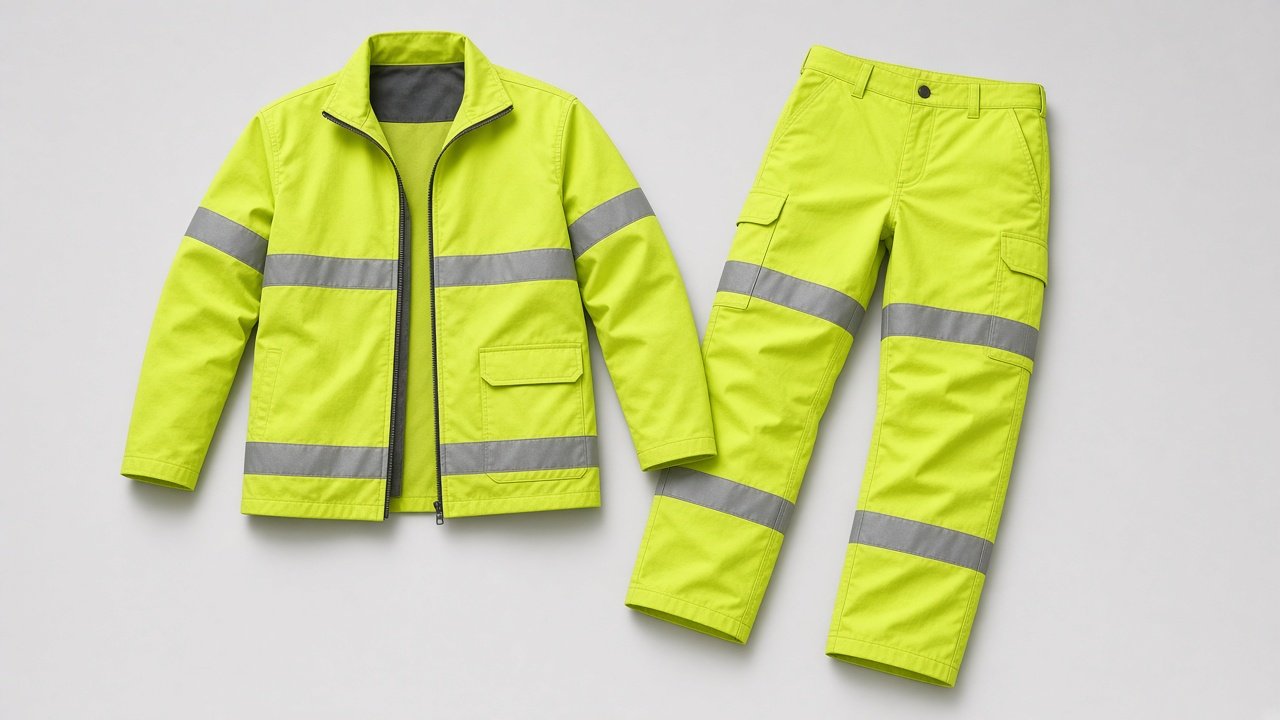
Shanghai Top Fortune Industry Co., Ltd. (workwearmanufacturer.com) is a Shanghai-based OEM/ODM manufacturer of workwear and corporate uniforms. Founded around 2002, the company operates a 1,506 m² factory in Songjiang, Shanghai and supplies custom apparel programs to buyers across Europe, the Middle East, Oceania, Southeast Asia, and the Americas. Company information is available on the About Us page.
If you procure uniforms for a petrol-station operator, fuel-retail group, convenience-store chain, forecourt contractor, fleet or vehicle-service company, site manager, distributor, or uniform importer, this guide explains how to brief an OEM partner for adult forecourt, convenience-store, and service-station apparel — not school uniforms or children’s apparel. Typical MOQ is about 1,000 pieces per style. Contact rill@topfortunemail.com or WhatsApp +86 13524210501.
Key Takeaways
- Shanghai Top Fortune supplies adult petrol-station, forecourt, convenience-store, vehicle-service, and corporate uniform programs through B2B OEM/ODM production.
- Typical MOQ is about 1,000 pieces per style; send role quantities, size ratios, fabric preferences, branding files, and destination market for a quote.
- Map polos, shirts, trousers, aprons, vests, lightweight jackets, softshells, and coordinated layers to each role’s customer visibility, climate, movement, tool or radio load, laundering, and site formality.
- Specify any FR, hi-vis, chemical, arc, antistatic, or other protective requirement and the destination-market standard; an ordinary station uniform should not be assumed to provide compliance.
- Approve fabric swatches, fit or size-set samples, logo and ID placement, and a pre-production sample (PPS) before bulk production and repeat orders.
Table of Contents
- Petrol Station Uniform Scope
- Fit, Pockets, Construction, Comfort, and Branding
- Fabrics and Protective Requirements
- What to Specify in a Petrol Station Uniform RFQ
- OEM Process: Inquiry to Shipment
- Catalog Garments vs Custom Petrol-Station OEM
- Forecourt Procurement Checklist
- FAQ
- Request a Petrol Station Uniform OEM Quote
Petrol Station Uniform Scope
Petrol-station programs work best when garments are assigned by role, forecourt exposure, customer visibility, movement, and brand presentation rather than giving every worker one generic shirt. Map pump attendants, forecourt customer-service teams, convenience-store associates and cashiers, shift supervisors, site managers, car-wash or vehicle-service staff, stockroom and receiving roles, fleet-service teams, contractors, and regional or corporate visitors to the coverage and pocket access they actually need.
Forecourt attendants and customer-service teams
Polos, woven shirts, and coordinated trousers suit many forecourt roles where clear identification, comfort, and consistent brand presentation matter. Specify collar, sleeve, cuff, hem, pocket depth, radio or pen position, and logo placement. Confirm whether staff move between pumps, payment areas, air or wash points, and the store so the pattern supports walking, reaching, bending, and changing weather.
For selected vehicle-service, car-wash, or maintenance roles, one-piece coveralls can suit a coordinated pocket system when the task and buyer brief call for them. Confirm zipper direction, sleeve ease, back or side ease, knee construction, pocket map, and access for normal movement. For multi-site store and cashier coordination, see the retail chain staff uniform OEM guide.
Convenience stores, cashiers, and stockroom roles
Convenience-store uniforms should balance a clean front appearance with movement, practical storage, and the laundering routine used by the operator. Polo shirts, button-front shirts, stretch trousers, aprons, light jackets, and utility vests can be assigned by task and site. Confirm whether staff carry keys, radios, receipts, scanners, gloves, ID cards, or small tools, then make pocket size and closure part of the tech pack.
Where fuel-related tasks, cleaning products, wet work, or other exposures are present, describe the task and required protection in the RFQ. A normal uniform is not automatically chemical-resistant or PPE. Specify the destination market, safety assessment, and applicable standard before selecting any protective garment or layering system.
Supervisors, vehicle service, and weather layers
A utility vest can add storage and visual separation for supervisor, inspection, or vehicle-service roles without redesigning every base shirt. Define pocket load, radio access, ID window, closure, and whether the vest is worn over a polo, shirt, or jacket.
Supervisors, contractors, and staff moving between indoor and outdoor areas may need a coordinated softshell or lightweight jacket. Use the facility management uniform OEM guide for adjacent building-service planning when useful; confirm the climate, layering space, pocket access, and any visibility requirement rather than treating a jacket as protective equipment by default.
Fit, Pockets, Construction, Comfort, and Branding
Map storage to the station task
- List the phone, radio, keys, scanner, pens, receipts, gloves, access card, flashlight, and small service tools each role actually carries.
- Set pocket depth, flap or zipper, entry angle, and position so items remain accessible without restricting walking, bending, reaching, stocking, or vehicle-service movement.
- Reinforce pocket bags, openings, belt loops, knees, elbows, seat, and crotch points according to the work pattern.
- Use suitable seam construction and bar-tacks at stress points, then wear-test a loaded sample before freezing the pattern.
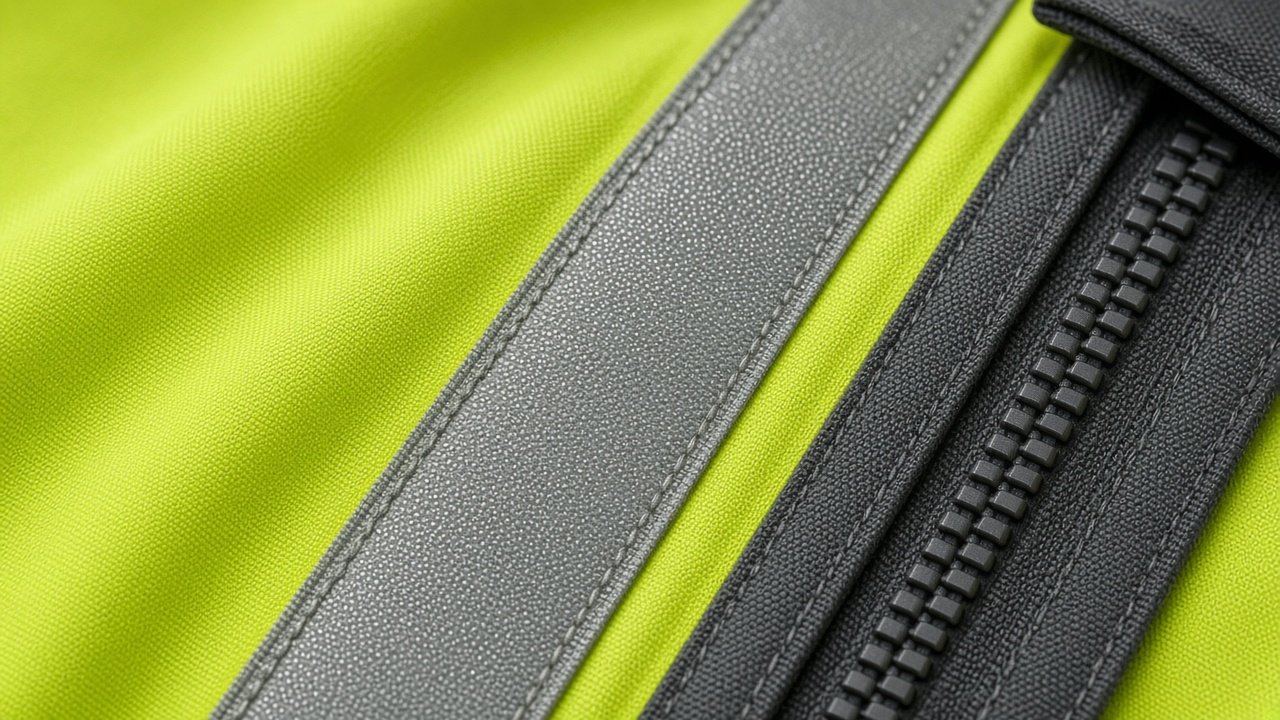
- Keep large logos, name tapes, and ID windows clear of high-flex areas, pocket mouths, reflective trim, and any required protective detail.
Fit, closures, and comfort
Confirm whether the program uses a unisex or gendered size curve and whether garments are worn over a base layer, sweater, or jacket. Check sleeve reach, rise, knee articulation, torso length, collar, cuff, hem, and ease during bending, lifting, stair work, and vehicle entry. Zippers, snaps, buttons, elastic, and covered closures should be selected around glove use, laundering, repair, and replacement planning.
For mixed teams, keep the core color and brand system consistent while allowing task-specific garments. A lighter polo may suit indoor convenience-store or forecourt associates, while a woven shirt, apron, trouser, vest, or jacket may suit supervisors, vehicle-service roles, or cooler entrances. A custom polo shirt OEM can be useful for a coordinated base layer when the buyer has approved fabric, collar, fit, and decoration details.
Branding, identification, and labels
Embroidery can suit many chest logos, while heat transfer, print, woven labels, name tapes, and ID windows may suit other garments or positions. Provide vector artwork, logo dimensions, thread or ink colors, placement diagrams, employee or site identification rules, and care-label language. Approve decoration on the PPS rather than relying only on a digital mock-up.
Fabrics and Protective Requirements
- TC or poly-cotton blends: a practical balance of comfort, wrinkle management, and everyday durability for many station shirts and trousers.
- Polyester blends: useful where color retention, easy care, and quick drying are priorities; confirm handfeel and breathability on a swatch.
- Cotton-rich fabrics: a softer handfeel and natural drape for selected indoor, customer-facing, or presentation-focused roles; agree shrinkage and pressing expectations early.
- Stretch woven fabrics: extra mobility for trousers, fitted work shirts, and staff who walk, bend, reach, stock shelves, or work around vehicles.
- Twill or canvas: structured choices for abrasion-prone work and pocket support; confirm weight and comfort for the climate.
- Pique or jersey polo fabrics: practical knit options for branded everyday forecourt and convenience-store teams; confirm opacity, drape, pilling expectations, and care conditions.
- Softshell layers: useful for supervisors, outdoor forecourt duties, delivery doors, and seasonal transitions when wind or light rain is part of the brief; confirm the actual requirement and construction.
Request fabric swatches, target gsm, lab dips, and care information under agreed lighting and laundering conditions. FR, hi-vis, chemical, arc, antistatic, and other PPE requirements are separate specification questions: name the destination market and required standard in the RFQ, then have the supplier confirm the product brief and documentation. Do not describe an ordinary petrol-station uniform as certified, fuel-proof, or protective by default.
What to Specify in a Petrol Station Uniform RFQ
Clear RFQ specifications reduce sample rounds, pocket redesigns, shade drift, and size problems across stations and regions. Send the following information to rill@topfortunemail.com or WhatsApp +86 13524210501.
| Spec area | What to clarify | Why it matters |
|---|---|---|
| Role / garment | Forecourt polo, station shirt, cashier top, trouser, apron, supervisor vest, service layer, jacket | Coverage, pattern, pocket density, and site formality |
| Quantity by style | Pieces by station, role, color, region, spare ratio, and size | MOQ planning; typical MOQ is ~1,000 pieces per style |
| Size range and ratio | Unisex or gendered curve; site, country, or wearer survey | Fit over layers and reorder accuracy |
| Fabric / composition / gsm | TC, polyester blend, cotton-rich, stretch woven, twill, canvas, polo knit, softshell | Breathability, weight, abrasion, drape, care |
| Color / Pantone | Brand Pantone, swatch, contrast color, role or station zoning | Lab dips and consistent multi-site identity |
| Pocket / tool / ID map | Phone, radio, keys, scanner, pen, receipt, gloves, access card, badge, flap or zipper | Access, weight distribution, and wear planning |
| Collar / closure | Polo collar, shirt collar, stand collar, zip, snaps, buttons, cuff, elastic | Movement, gloves, comfort, and laundry |
| Reinforcement / trim | Knee, elbow, seat, crotch, pocket, contrast panels, reflective trim | Task fit and visibility planning |
| Protective requirement | FR, hi-vis, chemical, arc, antistatic, or other requirement and named standard | Market-specific construction and documentation review |
| Logo / identification | Embroidery, transfer, print, woven label, name tape, ID window, placement boxes | Brand consistency and decoration suitability |
| Labels / packing | Care language, size mark, station or SKU tag, polybag, carton assortment, barcode | Site rollout, inventory, and replenishment |
| Market / timing | Destination, required date, Incoterm preference, inspection plan | Sampling, documents, and shipment planning |
| Sample / PPS | Reference garment, prototype, size set, PPS owner and approval date | Locks fit, color, construction, branding before bulk |
Practical tip: Start with a core polo or shirt-and-trouser program, then add utility vests, coveralls, jackets, or softshell layers only where the role and market brief require them. Keep color, logo, size grading, and packing rules aligned with forecourt, store, vehicle-service, and regional teams.
OEM Process: Inquiry to Shipment
- Inquiry and tech pack or reference sample: Send station and role counts, garment references, size ratios, colors, pocket sketches, logo art, destination market, task and exposure notes, wash profile, protective requirements, and target ship window.
- Fabric and trim review: Compare swatches, target gsm, lab dips, zippers, snaps, buttons, reflective trim, labels, ID windows, and decoration methods.
- Prototype and size set: Confirm pattern, ease, pocket and ID map, closures, reinforcement, and logo placement. Wear-test a loaded garment where tools, keys, or radios affect fit.
- PPS approval: Approve the pre-production sample for fit, fabric, shade, construction, branding, labels, packing, and any required protective detail before bulk production.
- Bulk production and quality checks: Produce to the approved sample and purchase order, with agreed inspection points for measurement, shade, sewing, trims, decoration, and assortment.
- Packing and shipment: Pack by station, region, role, style, size, or SKU as required and prepare the agreed export and shipping documents.
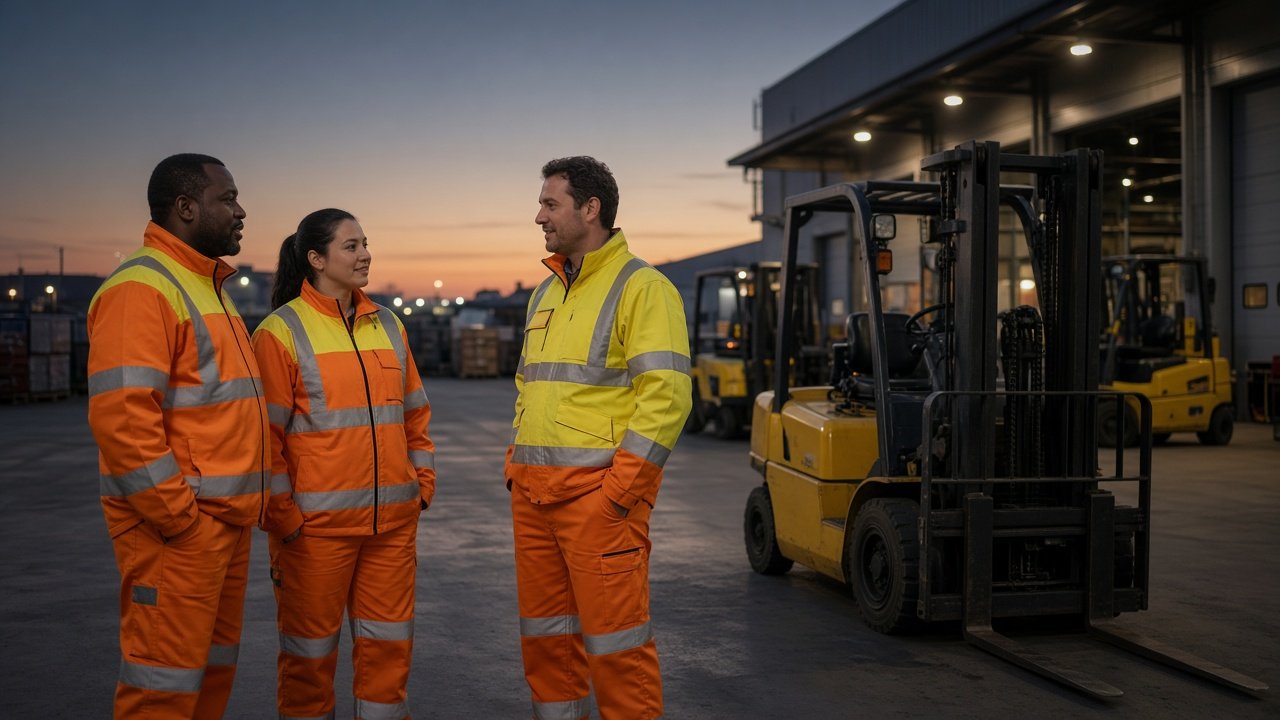
Shanghai Top Fortune operates a 1,506 m² factory in Songjiang, Shanghai. The company manufactures to the approved sample and purchase order for adult B2B petrol-station, forecourt, convenience-store, vehicle-service, and corporate workwear programs.
Catalog Garments vs Custom Petrol-Station OEM
| Factor | Catalog / off-the-shelf | Custom petrol-station OEM |
|---|---|---|
| Fit and role coordination | Generic cuts and limited role mapping | Patterns and layers assigned to forecourt, store, supervisor, and service tasks |
| Fabric and color | Stock fabrics and available shades | Approved swatches, Pantone targets, and lab dips |
| Pocket and ID map | Fixed generic pockets and ID options | Mapped to phones, radios, keys, scanners, pens, gloves, receipts, and IDs |
| Logo, name, and labels | Aftermarket decoration or standard labels | Built into the tech pack and PPS |
| Size run | Fixed retail or workwear curve | Site survey and coordinated grading |
| Protective detail | May not match the market brief | Requirement named and reviewed in the RFQ |
| Packaging | Standard retail or carton packing | Station, region, SKU, size, label, and carton assortment |
| Repeat orders | Shade, pattern, and stock drift risk | Retained approval sample, BOM, and locked specifications |
| MOQ / control | May be lower per SKU but less customizable | Typical ~1,000 pieces per style with program control |
Choose custom OEM when matching reorders, task-fit storage, coordinated layers, and controlled branding matter across stations or regions. Catalog garments can fill an urgent gap, but they may not preserve an approved shade, measurement set, logo position, or pocket map over a multi-site program.
Forecourt Procurement Checklist
- [ ] Role matrix: forecourt attendant, cashier, convenience associate, shift supervisor, site manager, car wash, vehicle service, stockroom, receiving, contractor, regional or corporate staff
- [ ] Station environment: indoor/outdoor, heat, cold, rain, wind, moisture, vehicle routes, delivery areas, customer-service zones, and opening-hour shifts
- [ ] Task and exposure review: phone, radio, keys, scanner, receipts, gloves, tools, cleaning products, wet work, fuel-related task boundaries, and required PPE
- [ ] Pocket, ID, name-tape, and access-card wear-test plan
- [ ] Climate and layering plan: polo, shirt, trouser, apron, vest, jacket, softshell, or other approved layer
- [ ] Size survey, size ratio, and unisex or gendered fit decision
- [ ] Pantone references, swatches, role or contract colors, contrast panels, and logo artwork
- [ ] FR, hi-vis, chemical, arc, antistatic, or other protective requirement plus destination standard
- [ ] Fabric family, target gsm, care label, laundry temperature, stain expectations, and repair plan
- [ ] Prototype, size set, PPS owner, inspection criteria, and sign-off date
- [ ] Spare and replacement policy for high-use polos, shirts, trousers, aprons, vests, and jackets
- [ ] Packing by station, region, SKU, size, or color; labels, barcodes, and carton marks
- [ ] Required date, destination, Incoterm preference, and shipping documents
- [ ] Typical MOQ confirmation: about 1,000 pieces per style
- [ ] Explicit scope: adult B2B petrol-station, forecourt, convenience-store, vehicle-service, and corporate workwear — not school uniforms
FAQ
What is the MOQ for petrol station uniforms?
Typical MOQ is about 1,000 pieces per style. Email rill@topfortunemail.com or WhatsApp +86 13524210501 with roles, quantities, size ratios, fabrics, colors, pocket and ID requirements, branding files, destination market, and target date so the OEM team can review the program.
Which fabrics work best for petrol-station and convenience teams?
TC or poly-cotton, polyester blends, cotton-rich fabrics, stretch wovens, twill, canvas, polo knits, and softshell can each suit different roles. Choose by breathability, weight, abrasion, drape, movement, climate, exposure, and laundering. Approve swatches and the PPS rather than assuming that any composition provides a particular protective performance.
Should station staff wear polos, shirts, trousers, aprons, jackets, vests, or coveralls?
Use polos or shirts for everyday forecourt, store, and service roles; trousers or aprons according to the task and brand; and vests or jackets when storage, supervisor identification, or layering matters. Selected vehicle-service or maintenance roles may need a coverall, but the choice depends on movement, climate, equipment, laundering, and the buyer’s task review. Define the role matrix and approve fit on a prototype or size set.
How should buyers specify FR, hi-vis, chemical, arc, antistatic, or other PPE workwear?
FR, hi-vis, chemical, arc, antistatic, and other protective details must be specified by destination market and required standard in the RFQ. Reflective trim, fluorescent colors, or a special fabric should not be treated as automatic proof of compliance. Share the technical requirement, then review construction, documentation, and the PPS before bulk.
What logo, name, and ID branding methods are available?
Common options include embroidery, heat transfer or print, woven labels, name tapes, and ID windows. The suitable method depends on fabric, logo size, placement, wash conditions, and abrasion. Share vector artwork and placement limits early, keep marks clear of required protective details, and approve the decoration on the PPS.
Are samples, PPS, and coordinated size grading available?
The normal OEM path can include a prototype or size set followed by a pre-production sample (PPS). Buyers should approve measurements, fit over layers, fabric, shade, pockets, ID placement, branding, labels, and packing before bulk. Provide a wearer survey or market size curve so polos, shirts, trousers, aprons, vests, jackets, and service garments grade consistently for reorders.
Do you make school uniforms?
No. Shanghai Top Fortune focuses on adult B2B petrol-station, forecourt, convenience-store, vehicle-service, and corporate workwear OEM/ODM. This article covers professional fuel-retail uniform programs only, not school uniforms or children’s clothing.
Request a Petrol Station Uniform OEM Quote
For a petrol-station, fuel-retail, convenience-store, forecourt, car-wash, fleet-service, or multi-site station program, send the role matrix, quantities by style, size ratios, fabric preferences, Pantone references, pocket and ID map, task and exposure description, any protective requirement and market standard, visibility layout, branding artwork, laundry profile, packing plan, destination, inspection criteria, and target ship window.
- Email: rill@topfortunemail.com
- WhatsApp: +86 13524210501
- Website: https://www.workwearmanufacturer.com
- Address: Floor 3, Building 20, Haier Zhigu, No. 66 Guangfulin East Road, Songjiang District, Shanghai 201600
Typical MOQ is about 1,000 pieces per style. Include your approved sample path, station or region packing plan, and delivery market so we can propose a practical sampling and rollout plan without assuming protective performance.