

Industrial Coverall OEM Manufacturer China | Workwear Factory
Table of Contents
Display
Shanghai Top Fortune Industry Co., Ltd. (workwearmanufacturer.com) is a Shanghai-based OEM/ODM workwear and corporate uniforms manufacturer. Founded around 2002, the company operates a 1,506 m² production facility in Songjiang and supplies custom apparel programs to buyers across Europe, the Middle East, Oceania, Southeast Asia, and the Americas.
If you are a procurement, HSE, or operations buyer specifying industrial coveralls / one-piece workwear for factories, plant maintenance, utilities, warehouses, or field service teams, this guide explains how to brief an OEM partner, which construction details drive durability, and how Top Fortune supports fabric-to-packaging coverall programs.
Typical MOQ is about 1,000 pieces per style. Contact: rill@topfortunemail.com | WhatsApp +86 13524210501.
—
Why Industrial Coveralls Need a Clear OEM Brief
A coverall is a full-body work garment. Fit, zipper quality, pocket layout, and reinforced stress points determine whether wearers keep using the program—or abandon it for mismatched separates. B2B buyers typically need:
- Consistent color, sizing, and branding across multi-site fleets
- Durable construction for kneeling, climbing, and tool carry
- Wash performance that survives industrial or frequent commercial laundry
- Optional coordination with hi-vis reflective workwear when site rules require visibility layers
Getting zipper specs, crotch reinforcement, or sleeve length wrong creates costly remakes. A structured tech pack protects both wearer comfort and budget.
—
What Buyers Should Specify: Construction & Use Environment
Top Fortune manufactures custom workwear to buyer specifications. State the work environment and performance targets in the RFQ; do not assume a factory “holds” a certification simply because it can sew coveralls.
| Spec area | Typical options / notes | Clarify in RFQ |
|---|---|---|
| Shell fabric | Cotton, TC, ripstop, polyester blends (buyer-defined) | Weight (gsm), weave, finish |
| Color | Navy, royal blue, grey, khaki, orange programs | Pantone / lab-dip approval |
| Closure | Front zipper, studs, storm flap | Zipper brand preference if any |
| Pockets | Chest, thigh, tool, rule, phone | Count, placement, closure type |
| Reinforcements | Knees, elbows, seat, crotch | Patch fabric and stitch plan |
| Visibility | Contrast panels or reflective tape if required | Tape width / layout if needed |
| Fit | Regular / roomy work block; size run | Gender mix, height range |
Practical tip: Attach photos of the current garment’s failure points (broken zippers, torn pockets, faded panels). That is often more useful than a vague “heavy duty” request. If teams also wear security uniforms or staff corporate polos, align pantones so site kits look intentional.
We do not invent or claim factory-held certifications in this article. Your purchase order and approved sample define the performance target.
—
Product Range: One-Piece Workwear for Industry
Standard industrial coveralls
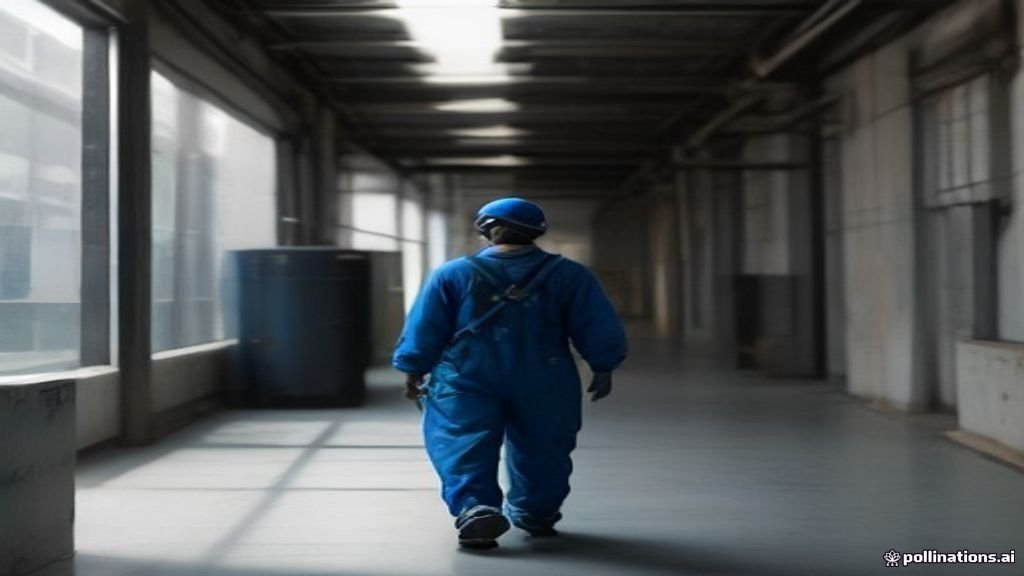
Navy or royal blue one-pieces with center-front zipper, chest pockets, and side or thigh pockets are the volume workhorse for maintenance and factory floors.
Utility & field service coveralls
Buyers often add radio loops, pen slots, knee-pad pockets, and action-back pleats for mobility. Pairing with logistics and courier uniform programs helps multi-role fleets stay consistent.
Seasonal / layered systems
In colder sites, coveralls may sit under or over fleeces and softshell jackets. Confirm sleeve and torso ease so layering does not restrict movement.
Hi-vis or contrast coveralls
When plant or roadside work requires visibility, specify fluorescent panels and reflective tape layout separately—see our hi-vis OEM guide for class/layout briefing language.
—
Fabric, Zippers, Pockets & Reinforcement
Fabric durability checklist
- Expected wash cycles and temperature
- Abrasion zones: knees, elbows, seat, inner thigh
- Colorfastness after UV and laundry
- Tear resistance for ripstop programs when specified
- Static, flame, or chemical notes only if your end customer requires them—buyer specifies; factory builds to approved sample
Closures and hardware
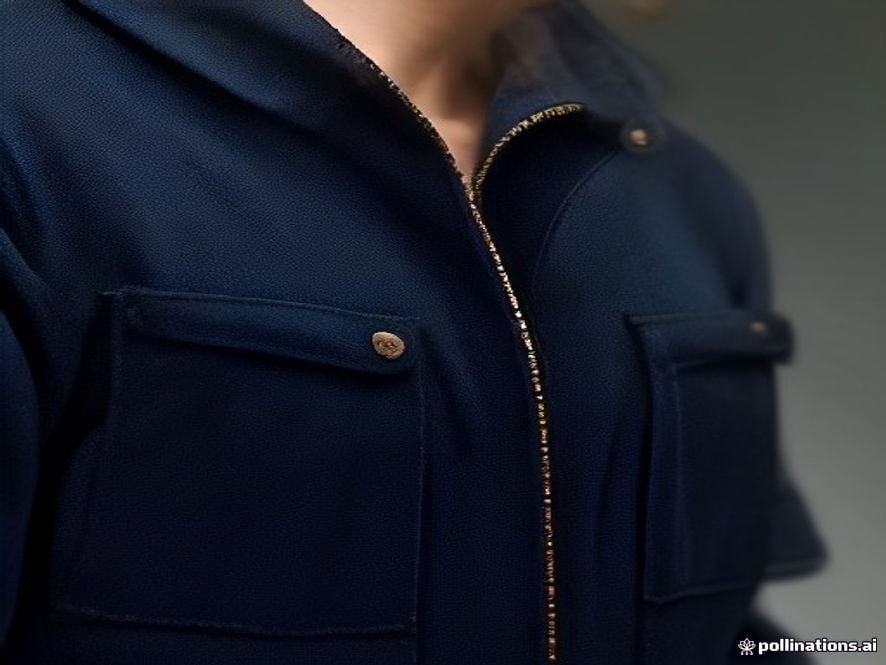
Zipper failure is a top field complaint. Ask suppliers to confirm:
- Zipper length, gauge, and preferred brand (if any)
- Presence of a storm flap or chin guard
- Stud / snap quality at cuffs and ankles
- Elastic or adjustable waist options
Pocket and stitch planning
Industrial users load tools. Over-specified pockets add cost; under-specified pockets reduce adoption. Map must-have pockets in the tech pack and keep secondary pockets optional by size or role.
—
OEM Process at Shanghai Top Fortune
A typical industrial coverall program with Top Fortune follows this path:
- Inquiry & brief — Quantities, sizes, colors, markets, logo art, delivery window
- Fabric & trim sourcing — Lab dips, zipper samples, reinforcement fabrics
- Proto / fit sample — Confirm pattern, mobility, pocket layout, branding
- Pre-production sample (PPS) — Lock construction before bulk
- Bulk production — Cutting, sewing, QC, packing (carton labels to your format)
- Shipment — Export packing; destination Europe, Middle East, Oceania, SE Asia, Americas as needed
Factory footprint: 1,506 m² in Songjiang, Shanghai. Address: Floor 3, Building 20, Haier Zhigu, No.66 Guangfulin East Road, Songjiang, Shanghai 201600. Scope spans fabric selection through packaging.
Hospitality or kitchen programs use different garments—see custom chef uniforms when your site also needs kitchen staff sets.
—
Comparison: Two-Piece Work Kit vs One-Piece Coverall
| Factor | Jacket + trousers kit | Industrial coverall (one-piece) |
|---|---|---|
| Coverage | Separates; gaps at waist possible | Continuous torso-to-leg coverage |
| Speed to don | Familiar for many crews | Slightly slower; better containment |
| Mobility | High if patterns are good | Depends on action pleats / crotch design |
| Branding surface | Chest, back, sleeves, legs | Large continuous panels |
| Laundry | Can wash pieces separately | Single garment wash cycle |
| Best for | Mixed office/field roles | Maintenance, utilities, plant floors |
| MOQ planning | Two styles to manage | One style focus (~1000/piece typical) |
Many industrial buyers standardize coveralls for dirty or confined tasks and keep trousers/jackets or polos for lighter roles.
—
Procurement Checklist (Copy into Your RFQ)
- [ ] Work environment (factory / maintenance / utilities / warehouse / field)
- [ ] Fabric type, gsm, and color (pantone if known)
- [ ] Zipper and closure preferences
- [ ] Pocket map and tool-carry needs
- [ ] Knee / seat / elbow reinforcement plan
- [ ] Size run and height range
- [ ] Logo method and placement (chest, back, sleeve)
- [ ] Reflective tape or contrast panels if required
- [ ] Wash and care expectations
- [ ] Packing: polybag, hangtag, carton marking, barcode
- [ ] Target ship date and Incoterm preference
- [ ] MOQ confirmation (~1000 pieces per style typical)
—
FAQ: Industrial Coverall OEM China
What is a typical MOQ for industrial coverall OEM orders?
About 1,000 pieces per style is typical. Complex pocket or reinforcement builds may affect sampling time—share the tech pack early.
Can you add reflective tape to coveralls?
Yes, when your brief includes tape width, placement, and any visibility layout rules. For class-oriented hi-vis programs, detail the standard your market requires in the RFQ.
Do you fabricate flame-resistant or chemical-protective coveralls by default?
We build to your approved materials and sample. If your end customer requires specific protective performance, state the fabric and test expectations in the RFQ; do not assume default FR/chemical certification.
Yes—through shared pantones and coordinated branding. Many buyers align coveralls with corporate polos or softshells under one OEM partner.
What causes most field failures on coveralls?
Zippers, crotch seams, overloaded pockets, and knee abrasion. Address those four in the proto sample before bulk.
How long does sampling take?
Depends on fabric and trim availability. Clear measurements, pocket maps, and artwork shorten revision rounds.
Do you export coverall programs outside China?
Yes. Top Fortune ships to Europe, the Middle East, Oceania, Southeast Asia, and the Americas.
Who is the commercial contact?
Email rill@topfortunemail.com or WhatsApp +86 13524210501.
—
Request an Industrial Coverall OEM Quote
Ready to brief one-piece industrial workwear?
- Email: rill@topfortunemail.com
- WhatsApp: +86 13524210501
- Website: https://www.workwearmanufacturer.com
- Address: Floor 3, Building 20, Haier Zhigu, No.66 Guangfulin East Road, Songjiang, Shanghai 201600
Include quantities, size runs, fabric/color preferences, pocket needs, and logo artwork so we can respond with a practical sampling plan.
—
Related Resources
- Shanghai Top Fortune — Workwear Manufacturer Home
- Hi-Vis Reflective Workwear OEM China
- Custom Softshell Jacket OEM Workwear
- Logistics & Courier Delivery Uniforms Manufacturer
- Corporate Polo Shirts OEM China Manufacturer
- Security Uniform Manufacturer China OEM
- Custom Chef Uniform Manufacturer China
For adjacent workwear programs, compare construction-site uniforms, facility-management uniforms, and industrial-maintenance uniforms when one procurement team covers multiple sites.
Plant Roles That Change the Coverall Spec
Industrial coveralls serve very different jobs on the same site. A paint-booth operator, a millwright, a chemical-handling tech and a warehouse forklift driver may all wear a one-piece garment, yet the fabric weight, pocket layout and closure type should not be identical. Shanghai Top Fortune Industry Co., Ltd., founded in 2002, builds export-only OEM/ODM coveralls in a 1506 m² factory in Songjiang (Haier Zhigu, No. 66 Guangfulin East Road, Shanghai 201600). When you brief us, name the role first; that single detail usually decides whether you need a light poly-cotton for warm plant halls, a heavier twill for abrasion, or a coverall that can sit under a welding jacket without bunching at the shoulders.
- Maintenance and millwrights: need deep tool pockets, reinforced knees and a fit that allows kneeling and ladder work without seam stress at the crotch or underarm.
- Paint, coating and finishing: favor smooth outer faces that shed overspray, fewer external flaps, and dark or mid tones that hide small stains between laundry cycles.
- Machine operators and press lines: prefer snag-resistant closures and minimal loose straps near rotating equipment.
- Warehouse and shipping inside the plant: often a lighter coverall or a two-piece kit; if you still want one-piece for branding consistency, drop the weight and keep reflective optional.
Abrasion Hotspots: Knees, Elbows and Crotch Gussets
Coveralls fail first where the wearer kneels, leans or climbs. Buyers who only specify fabric GSM miss the reinforcement map. Ask for double-layer knees (or cordura-style patches if your market accepts them), bartacked pocket corners, and a crotch gusset that reduces tearing when workers straddle equipment. Elbow reinforcement matters for pipefitters and electricians who work from crouched positions. We sew these details into the pattern before sampling so the approved sample matches bulk—not as an afterthought on a later order. For related two-piece plant kits, see our industrial maintenance uniform OEM page.
Closures, Contaminants and How Workers Get In and Out
A coverall is only useful if crews can put it on and take it off without spreading oil, dust or chemical residues onto street clothes. Front zippers with storm flaps keep grit out of teeth; studs or Velcro at the cuff and ankle let wearers seal or open quickly for boot changes. Some plants ban metal zippers near certain processes—tell us early so we quote resin or covered options. If workers must strip the coverall in a dirty-side locker room, a two-way zipper and a longer fly make that faster. None of this replaces your site PPE rules; it simply matches the garment to how your teams actually change.
When Reflective Trim or Flame Resistance Belongs on the Same Garment
Not every industrial coverall needs hi-vis or FR. Mixing both without a clear hazard map creates cost and compliance confusion. Use reflective banding when workers cross yards, dock lanes or dim plant aisles; keep bands away from high-abrasion knees so tape does not peel in the first wash cycles. Flame-resistant constructions belong only where your risk assessment names flash fire or arc exposure—do not invent a certification claim in the RFQ; send the standard your buyer market requires and we will quote fabric options that meet it. Parallel ranges are covered on our hi-vis reflective workwear and flame-retardant workwear OEM pages.
Coverall RFQ Spec Table for Plant Buyers
| Spec item | What to decide | Why it matters |
|---|---|---|
| Role mix | Maintenance / paint / operators / warehouse % | Drives pocket map and fabric weight |
| Fabric | Poly-cotton ratio, GSM, colorfastness target | Wash life and heat comfort |
| Reinforcement | Knees, elbows, seat, tool-pocket bartacks | Stops early failures on plant floors |
| Closures | Zip type, cuff/ankle seals, two-way fly | Contamination control and PPE layering |
| Branding | Chest logo, back print, name-badge tab | Affects print placement and pocket layout |
| Volume | ~1000 pcs per style as a planning MOQ | Lets us schedule a dedicated production run |
Fit Notes Coverall Buyers Often Skip
One-piece garments punish a bad size chart more than two-piece kits do. Tall workers need extra body length without ballooning the waist; shorter stocky workers need thigh room without a cuff that puddles over boots. Ask for a graded size run in the sample stage and have a few real operators wear the sample for a full shift—sitting in a forklift, climbing a ladder, and working overhead. Record where the garment binds. We adjust pattern blocks before bulk so you do not discover fit issues after 1000 pcs have already shipped.
Questions Plant Buyers Ask Before Ordering Coveralls
Can one coverall style cover several plant roles?
Yes, if pocket and reinforcement needs are similar. When paint-booth and millwright needs diverge sharply, two styles usually cost less in replacements than one compromised design.
Do you supply FR-certified fabric by default?
No. We quote FR constructions only when your RFQ names the performance target. Send the market requirement and we align fabric options accordingly.
What is a realistic first order size?
Plan around about 1000 pcs per style. Mixed colors count as separate styles for production planning.
Can coveralls match our existing two-piece plant kit?
Send a sample garment and pantone references. We can develop a close color and branding match so one-piece and two-piece workers look like one program.
Request an Industrial Coverall Spec Review
Email role lists, fabric preferences and size curves to rill@topfortunemail.com, or use the form on our contact page. For construction-site layering that sits alongside plant coveralls, see construction site uniform OEM.