

Tire Service Center Staff Uniform OEM | Retail & Bay Teams
Table of Contents
Display
5)
Retail Vs. Bay Team Needs
6)
Spec Stack: Polos And Light Outer Layers
7)
Key Factors In Selecting OEM Suppliers

Sourcing a tire service center staff uniform OEM program means running one branded system with two spec tracks. You build a retail track for counter staff and a bay-adjacent track for customer-facing service teams. This guide shows you how to run both tracks under one brand.
The focus stays on branded staff apparel for overseas tire retail and service-center chains. This is not a PPE or hi-vis workshop catalog, not dealership showroom uniforms, and not petrol-forecourt programs. You get a program that looks like one retail brand up front and holds up in daily service-center use.
One program, two spec tracks: retail counter and bay-adjacent teams.
Polos and light outer layers form the core stack.
Plan around an MOQ of about 2,000 pieces per style.
Clear sample-to-PPS gates come before bulk.
Request compliance documents; never assume them.
Key Takeaways
Run one uniform program with two spec sheets: one for counter staff and one for bay teams.
Counter polos need a clean look and comfortable fit for all-day wear.
Bay-adjacent polos need reinforced seams and dark colors to hide grease and dust.
Plan for a minimum order of about 2,000 pieces per style to cover both teams.
Always ask for compliance documents like fiber content and flammability files.
Approve samples for both teams before you commit to bulk production.
Combine both teams in one order to reach the volume threshold and save costs.
Keep approved specs on file to make future reorders consistent.
Who This Guide Is For
This guide is for adult B2B buyers overseas. You work in procurement, operations, or brand management for a tire business. You buy apparel for staff who meet customers every day. The advice here assumes you buy in bulk, negotiate specs, and answer to a budget. It also assumes you need a paper trail for compliance and quality.
Tire Retail Chains And Service-Center Operators
You run a chain of tire retail stores, or you operate multi-bay service centers. Your staff split into two groups. Counter teams handle pricing, bookings, and customer questions. Bay-adjacent teams greet drivers, move vehicles, and support the service floor. Both groups wear your brand in front of paying customers.
Your sourcing problem is consistency. A store in one region should look like a store in another. You need one program that covers both teams without forcing a single garment on everyone. You also need size ranges that fit mixed staff and reorder paths that keep new hires in uniform. This guide speaks directly to that problem.
Tire Brands Outfitting Staff
You work for a tire brand that sells or issues apparel to staff. Maybe you supply branded polos to retail partners. Maybe you equip your own service network. Either way, the garment carries your brand name into customer view. A faded collar or a poor fit undercuts the brand promise.
You need an OEM partner who can hold a spec across repeat orders. You also need decoration that survives daily washing and wear. This guide covers the supplier criteria, the spec stack, and the approval gates that protect your brand. It treats apparel as a brand asset, not a giveaway item.
This guide does not cover schools, student groups, or individual consumer buyers. It also skips one-off custom orders for personal use. The content assumes bulk procurement, written specs, and a formal quote process. If you buy uniforms for a school district or a single retail shop, other resources will serve you better.
Tire Service Center Staff Uniform OEM: Who Makes It and Who Buys It
Shanghai Top Fortune Industry Co., Ltd.
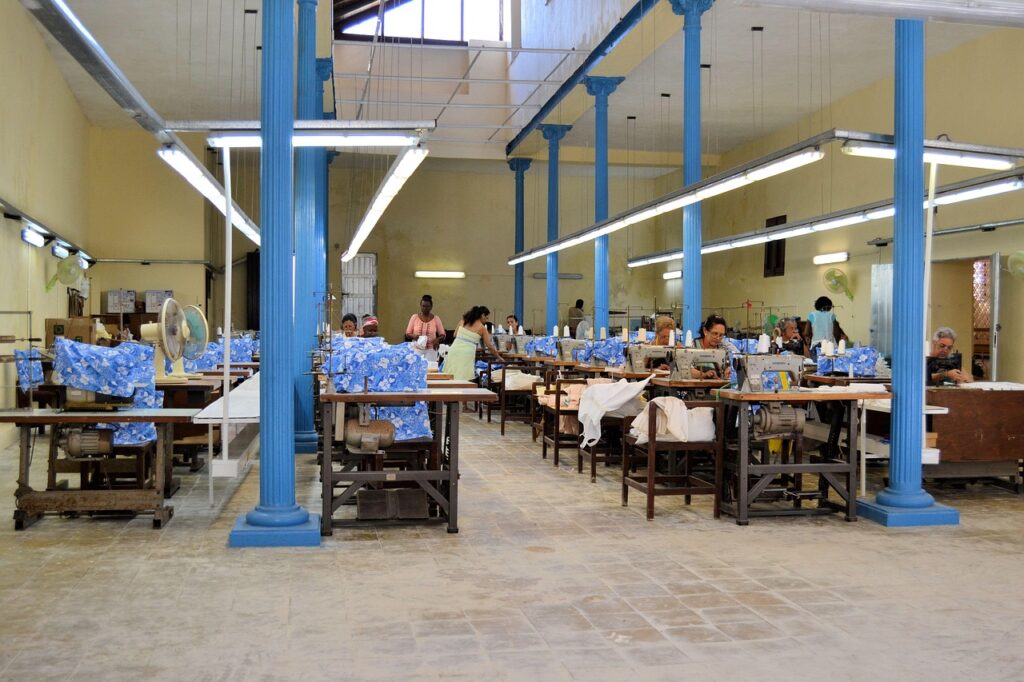
Shanghai Top Fortune Industry Co., Ltd. is the factory that makes this tire service center staff uniform OEM program. The company began around 2002. It runs a 1,506 m2 factory in Songjiang, Shanghai. The team does OEM and ODM workwear production and ships to Europe, the Middle East, Oceania, Southeast Asia, and the Americas.
You can look over the company profile and the full product range before you send a brief. Start at workwearmanufacturer.com for the catalog overview. Then read the about-us page for factory details and background. These pages give you the context you need to judge fit before any quote talk.
The factory builds programs around written specs. You set the fabric, the construction, the decoration, and the size range. The production team then matches those details across repeat orders. This matters for tire chains that add stores and hire staff through the year.
MOQ, Contacts, And Next Step
Plan your program around an MOQ of about 2,000 pieces per style. This volume covers both spec tracks when you combine counter and bay-adjacent teams into one order. Split the quantity across sizes and colors to match your store network.
Reach the team through these channels:
Email: rill@topfortunemail.com
WhatsApp: +86 13524210501
Address: Floor 3 Building 20 Haier Zhigu No.66 Guangfulin East Road Songjiang Shanghai 201600
Buyers come to this page with a clear goal. You want branded polos and light outer layers for counter teams and bay-adjacent teams. You also want a quote path that moves fast. Send your style list, target quantities, size breakdown, and decoration notes by email or WhatsApp. The team will reply with spec templates and a quote framework. From there, you can ask for samples for both teams and lock in the details before bulk production starts.
Table Of Contents
Use this linked list to go right to the part of the guide you need. Each link matches one choice in your uniform program, from figuring out who wears it to getting the bulk order delivered.
Who This Guide Is For
Tire Service Center Staff Uniform OEM: Entity And Buyer Intent
Retail Vs. Bay Team Needs
Spec Stack: Polos And Light Outer Layers
Key Factors In Selecting OEM Suppliers
Comparing Options By Team
RFQ And Specs Table
Sample To PPS To Bulk Gates
Procurement Checklist
CTA And Next Steps
Internal Links
The first two sections set the stage. You check that your buying role fits the audience, then you meet the factory behind the program and learn how to ask for a quote.
The middle sections hold the technical details. Retail Vs. Bay Team Needs splits counter needs from bay-adjacent needs. Spec Stack: Polos And Light Outer Layers turns those needs into fabric, construction, and decoration picks. Key Factors In Selecting OEM Suppliers covers the papers you ask for and the costs you plan around. Comparing Options By Team sets catalog stock against private-label production so you can see where each one fits.
The last sections move you into action. RFQ And Specs Table gives you columns you can copy for your brief and for scoring supplier replies. Sample To PPS To Bulk Gates defines the three approval checkpoints that protect both spec tracks. Procurement Checklist packs everything into a quick list for busy buyers. CTA And Next Steps ends with the fastest way to get spec templates and samples.
Read in order for a full procurement walkthrough. Jump to one heading if you already know your team structure and only need the spec or approval detail. Either path leads to the same place: a written brief you can send out for a quote.
Retail Vs. Bay Team Needs
Retail Counter Staff Requirements
Customer-Facing Appearance And Fit
Counter staff stand at the front line of your brand. A customer walks in, sees the polo, and forms an impression before anyone speaks. The garment needs a clean collar, a straight placket, and a fit that looks intentional on different body types. Loose shoulders and short hems read as careless. You should specify a size range that covers your actual staff mix, not a generic range borrowed from a catalog. Ask for a graded size chart and check the fit on real counter staff during sampling.
All-Day Comfort At The Counter
Counter teams wear the same shirt through a full shift. They stand, reach across a desk, and move between the phone and the till. Fabric that traps heat or restricts the arms shows up as fidgeting and rolled sleeves. Choose a breathable knit with enough stretch for overhead reaching. Keep the collar structured enough to hold shape after repeated washing. Comfort here is a retention issue as much as a looks issue, because staff who dislike the shirt stop wearing it properly.
Bay-Adjacent Team Requirements
Durability Against Grease And Tire Dust
Bay-adjacent teams work near tires, tools, and vehicles. Their shirts pick up grease marks and fine rubber dust within a single shift. You need a fabric that releases soil in a normal wash cycle and a dark color that hides the marks between washes. Reinforce the stress points: shoulder seams, side seams, and the placket. A lighter-weight counter polo will not survive this environment, so treat the bay-adjacent spec as a separate build rather than a color variant.
Mobility For Bending And Lifting
These staff bend to check tires, lift equipment, and move around vehicles. A tight armhole or a short body length binds during these movements. Specify a fuller cut through the chest and armhole, plus a longer body that stays tucked or stays put when the wearer reaches up. Test the sample through a bending and overhead-reach routine before you approve it. Mobility problems rarely appear on a hanger, and they surface fast on the floor.
Shared Brand Threads
Color, Logo Placement, And Consistency
Both teams must look like one company. Set a primary brand color and apply it across both spec sheets. Place the logo in the same position on every garment, typically the left chest, and keep the embroidery size consistent. A customer should recognize your brand from the counter to the bay door. Write the color reference and logo placement into both spec sheets so a reorder years later still matches.
One Program, Two Spec Sheets
Run a single program with two written specifications. The retail sheet covers the lighter, cleaner counter build. The bay-adjacent sheet covers the reinforced, darker service build. Both sheets share color, logo, and size grading logic. This structure keeps your branding unified and your purchasing simple. It also gives the factory clear instructions, which reduces the chance of a mixed or mismatched bulk delivery.
Spec Stack: Polos And Light Outer Layers
Your stack begins with two polo builds and one light outer layer. Keep the product range small. A focused core set covers most shifts, weather, and body types. It also cuts down on exchanges and exceptions later.
Polo Specs For Counter Teams
Fabric Weight And Decoration Methods
Counter polos need a steady surface for decoration and a clean drape at the desk. Cotton-poly blends at 65/35 or 50/50 balance breathability, shrink control, and ink adhesion. That blend range is the sweet spot for uniform polos. Weight matters too. Fabric between 180 and 220 g/m² gives a clean laydown, good opacity, and stable performance on press. Avoid fabric below 160 g/m² for print-forward programs, because show-through risk rises. Heavier knits above 240 g/m² give solid opacity but less drape.
Fabric Weight | Blend Ratio | Print Quality | Best Use Case |
|---|---|---|---|
180–220 g/m² | 65/35 cotton-poly or 50/50 | Clean laydown, good opacity, stable on press | Team polos, uniform runs |
Below 160 g/m² | 65/35 or lighter blends | Higher show-through risk, fragile finish | Avoid for print-forward programs |
Above 240 g/m² | Heavier cotton-rich or dense knits | Solid opacity, less drape, slower pressing | Structured premium pieces |
Pique knit gives the polo a visual structure that smooth jersey lacks. That texture suits a customer-facing counter role and pairs well with embroidery. For decoration, embroidery creates a dimensional, polished finish on small logos. Screen printing suits bold graphics and volume runs. Field staff and client-facing polos lean toward embroidery because the texture signals restraint and polish.
Fit And Sizing Across Mixed Staff
Write inclusive sizing into your program policy. A policy that lists only colors and logos is incomplete. Require extended sizes and gender-neutral options in the approved catalog. Document exchange procedures in writing so staff know what happens when the first fit is wrong.
Run a wear trial before full rollout. Pick a small test group that spans different body types and job roles. Collect written feedback on fit, comfort, mobility, and care. Then adjust styles before you place the full order. Provide actual size charts, not generic “runs true to size” language. Offer fit samples for polos and jackets, collect size selections in one central place, and assign a single approval owner.
Polo Specs For Bay-Adjacent Teams
Reinforced Construction And Darker Colors
The bay-adjacent polo is a separate build, not a color variant. Reinforce shoulder seams, side seams, and the placket. Choose a darker color that hides grease marks and tire dust between washes. Specify a fabric that releases soil in a normal wash cycle. Pre-shrunk or synthetic-blend fabrics hold dimensions better, which matters because embroidery adds weight and tension. A polo that shrinks after washing can pucker the embroidered area. Ring-spun cotton or performance synthetics resist pilling better under commercial washing.
Layering Under Or Over Safety Gear
Frame this layer as PPE-compatible, not PPE replacement. Your bay-adjacent team may wear safety gear over the polo or under a light jacket. Keep the polo close to the body without binding, and check that it sits flat under outer layers. Test the sample through a bending and overhead-reach routine. Confirm the collar does not interfere with gear worn at the neck. Ask your supplier for workplace safety compatibility notes and fiber content files. Request flammability documentation rather than assuming it.
Brand Visibility Without PPE Framing
Logo Placement And Embroidery Options
Choose the primary placement based on how customers see staff. Left chest suits front-facing counter interactions. A sleeve placement keeps the front readable when badges or radios occupy the chest. A back yoke gives visibility from behind without a full back print. Limit the number of placements, since each added embroidery location raises cost and complexity. Keep the logo clear of pockets and placket lines.
Light Outer Layers For Cooler Months
Add one light outer layer that works for both teams. A softshell or lightweight jacket carries the same logo placement and brand color as the polos. This keeps the tire service center staff uniform OEM program unified across seasons. Verify that the jacket fits over the bay-adjacent polo without restricting arm movement. Check sleeve length when the wearer reaches overhead. Confirm the outer layer does not hide the chest logo entirely when worn open.
Key Factors In Selecting OEM Suppliers
Compliance Documents To Request
Fiber Content, Care, And Flammability Files
Ask every supplier you are considering for written fiber content and care documents before you compare quotes. The spec sheet should list the fabric blend and weight, the weave and finish, and the care label text and symbols. Ask for test methods by name, like AATCC 61 for colorfastness and AATCC 150 for dimensional stability. A supplier who sends a generic brochure has not read your brief. A supplier who sends a dated document with test references is ready to work.
Flammability files should get the same care. Ask for the documents instead of assuming they exist. Make sure the file covers the exact fabric you plan to order, not a similar style from an older range. Keep these files with your signed spec sheet so a reorder years later still traces back to the same evidence.
Workplace Safety Compatibility Notes
Your bay-adjacent team may wear safety gear over the polo or under a light jacket. Ask the supplier for notes on how the garment sits under outer layers and whether the collar gets in the way of gear worn at the neck. Call this compatibility, not certification. The supplier documents fit and layering behavior; your safety officer makes the PPE decision.
Cost Structure And MOQ Planning
Unit Cost Drivers: Fabric, Construction, Decoration
Four things change your unit price: fabric choice, construction complexity, order volume, and production timeline. Material cost varies with composition, weight, finish, and certification. Extra seams, pockets, and special techniques add labor. Larger quantities usually lower the per-unit cost through economies of scale. Rush orders and off-peak scheduling also affect pricing and factory availability.
Fabric selection: composition, weight, finish, and certification
Construction complexity: seams, pockets, specialized techniques
Order volume: economies of scale at higher quantities
Production timeline: rush orders and scheduling
Planning Both Teams Into One Program
Fixed costs do not go away at low volume. Pattern and grading cost the same whether you order 50 or 500 pieces. Fabric minimum cuts often run 50–100 m per color, and trim, label, and embroidery setup carry their own charges. Spread those fixed costs across too few garments and the per-unit price becomes too high to work. Combining both spec tracks into one order helps you clear that threshold.
Communication And Quality Systems
Spec Sheets, Size Charts, And Tolerances
Treat the spec sheet as a contract document. It should cover product ID, bill of materials, color and finish, measurement chart, stitching and construction, branding placement, and testing requirements. Each version needs a date and signatures from both sides. Ask for clear tolerances, such as plus or minus 0.5 cm at the chest and 1.0 cm at the length, with grading increments across sizes. Stitch density should reach 10–12 stitches per inch at minimum.
Sampling Responsiveness And Defect Handling
Watch how fast a supplier answers sample questions and how clearly they explain defects. A supplier who points out a fit problem before you see it protects your rollout. Ask for revision tracking with dates and dual approval signatures. Confirm the defect process in writing: who inspects, who decides, and who pays for rework.
Comparing Options By Team

You now have two spec tracks in front of you. The next step is to compare the real options for each team. This section sets retail needs against bay-adjacent needs, then puts catalog stock next to private-label production. The goal is a clear fit decision for each team, not one answer for the whole program.
Retail Team Options
Fabric And Decoration For A Polished Look
Counter staff need a garment that looks clean and intentional up close. A pique knit polo in a mid-weight cotton-poly blend gives you that structure. The texture holds its shape through a shift and takes embroidery well. Embroidery on the left chest gives the most polished result for a small logo. Screen printing works for larger graphics, but it can look flatter on a fine knit. Choose embroidery when the logo is small and the brand impression matters most. Choose print when you need bold color blocks or a large back graphic.
Sizing For Mixed Front-Counter Staff
Front-counter teams often include a wide spread of body types and heights. A narrow size run forces poor fits and leads to exchanges. Ask for a graded size chart with clear steps across the full range. Include extended sizes and gender-neutral cuts in the approved catalog. Run a wear trial with a small group that covers different builds. Collect written feedback on fit and comfort before you commit. This step costs little and prevents a costly mismatch across many stores.
Bay-Adjacent Team Options
Reinforced Construction And Color Practicality
The bay-adjacent polo is a different build. Reinforce the shoulder seams, side seams, and placket. Pick a darker color that hides grease marks and tire dust between washes. Choose a fabric that releases soil in a normal wash cycle. A mid-weight blend with a tight knit resists pilling under repeated commercial washing. Treat this spec as its own sheet, not a color variant of the counter polo. The construction and the color both serve the work environment.
Layering With Safety Gear
Bay-adjacent staff may wear safety gear over the polo or under a light jacket. Keep the polo close to the body without binding. Check that it sits flat under outer layers. Test the sample through a bending and overhead-reach routine. Confirm the collar does not interfere with gear worn at the neck. Frame this layer as PPE-compatible, not PPE replacement. Your safety officer makes the final call on protective equipment.
Catalog Vs. Private-Label Tire Service Center Staff Uniform OEM
Both routes can serve a tire service center staff uniform OEM program. The right choice depends on your timeline, your branding goals, and your volume. The table below sets the two options side by side.
Option | Best-Fit Buyer | Customization Level | Decoration Options | MOQ Implications | Lead Time | Where It Fits Best |
|---|---|---|---|---|---|---|
Catalog stock | Buyer needing uniforms fast, or testing a new market | Low; color and size selection only | Standard placements; limited methods | Lower entry volume | Shorter | Pilot rollouts, urgent store openings, small chains |
Private-label OEM | Chain with a defined brand and steady volume | High; fabric, construction, color, and fit | Full range: embroidery, print, custom placement | Higher volume threshold per style | Longer, with sample and PPS gates | Multi-store networks, brand-led programs, repeat orders |
When Catalog Stock Fits Best
Catalog stock suits a buyer who needs uniforms on the floor quickly. You pick from existing colors and sizes, add decoration, and move. This route works well for a pilot rollout or a single new store. It also fits a small chain that has not yet locked its brand standards. You get a professional look without a long development cycle.
When Private-Label OEM Fits Best
Private-label production fits a chain with a clear brand and steady volume. You control the fabric, the construction, the color, and the fit across both teams. You get one program with two spec sheets and consistent branding from counter to bay. This route rewards planning. It carries a higher volume threshold per style, so combine both teams into one order. The result is a uniform that looks like your brand and holds up in daily use.
RFQ And Specs Table
Building The RFQ
Technical Specs To Include
A good RFQ starts with one row for each style, and every row should show the full technical details. You list the style name, which team it is for, the fabric and blend, the fabric weight, the color reference, the size range, and the target quantity. Add a column for the compliance documents you want back. This setup makes every supplier answer the same questions in the same way.
Name your test methods instead of asking for “certificates” in general terms. Ask for fiber content files, care label text, and flammability documents for the exact fabric you plan to order. A supplier who sends back a dated document with test references has read your brief.
Decoration And Sizing Details
Decoration should be in the RFQ, not in a later email. State the logo placement, the decoration method, and the approximate logo size for each style. Ask the supplier to confirm the method works with the fabric. Embroidery acts differently on a fine knit than on a heavy pique, and the supplier should tell you this before quoting.
Sizing needs the same care. Attach your graded size chart and ask for confirmation of tolerances across the range. Include extended sizes and gender-neutral cuts in the request. A supplier who quotes without checking your size spread has not priced the real order.
The RFQ Comparison Table
Columns To Compare Supplier Responses
Build a second table for the replies. Compare unit cost drivers, MOQ, sample lead time, bulk lead time, decoration method, and documents provided. Do not rank suppliers until you line up the rows. Confirm the same product revision, quantity, packing scope, currency, and Incoterm for every quote. Measure lead time from a set trigger, such as deposit plus approved sample. Show tooling, testing, and sample costs on their own.
Style | Team | Fabric | Weight | Color | Decoration | Size Range | Target Qty | Documents Requested |
|---|---|---|---|---|---|---|---|---|
Counter polo | Retail | Cotton-poly pique | Mid-weight | Brand primary | Left-chest embroidery | Graded, extended | Per store plan | Fiber content, care, flammability |
Service polo | Bay-adjacent | Soil-release blend | Mid-weight | Dark neutral | Left-chest embroidery | Graded, extended | Per store plan | Fiber content, care, flammability |
Light jacket | Both | Softshell | Light | Brand primary | Left-chest embroidery | Graded | Per store plan | Fiber content, care |
Score each reply against weighted criteria before you make a shortlist. Technical and specification compliance can carry the largest share, with similar landed cost and quality capability close behind. Lead time, capacity, payment terms, and responsiveness fill out the rest. Adjust the weights to your situation, then rank only the rows that match.
Sample To PPS To Bulk Gates
You protect both spec tracks with three approval gates. Each gate has one owner and one deadline. A gate that slips blocks the next step, so treat each one as a hard stop rather than a formality.
Gate 1: Sample Approval
Fit, Fabric, And Decoration Review
The first gate moves through four sample stages. You check the idea at proto, test body fit at the fit stage, and confirm grading across the full size range at the size set. Each stage builds on the last, so you approve in order.
Sample Stage | Purpose | Timing | Key Approval Checkpoints |
|---|---|---|---|
Proto | Validate initial concept and construction | After design is finalized | Silhouette and basic construction feasibility |
Fit | Test body fit and sizing | After proto approval | Measurements, comfort, adjustments |
Size Set | Confirm fit across the full size range | After fit sample | All size tolerances met, correct grading |
PPS | Final approval before bulk production | After size set approval | Bulk fabric/trims/labels, packaging, full colorways and decorations, compliance and safety, zero unexpected defects |
Review the counter polo and the bay-adjacent polo on their own terms. Check the counter build for collar shape and drape. Check the service build for seam reinforcement and soil release. Confirm the logo placement and embroidery size match on both.
Gate 2: Pre-Production Sample
Sign-Off On Specs And Sizing
The pre-production sample is your green light for mass production. It must use bulk fabric, trims, packaging, and confirmed construction methods. Before you sign, freeze the spec sheet and lock dimensions, fabrics, trims, and finishing details. Confirm the size set fits correctly, then book bulk fabric and allow the supplier lead time to procure, dye, or cut it. Buttons, zippers, labels, and tags must match the approved sample exactly. Release the purchase order only after all confirmations are complete, and build in a 1–2 week buffer for trims, fabric sourcing, or approval delays.
Gate 3: Bulk Production And Inspection
Inline Checks And Final Inspection
Before bulk cutting, ask the factory to confirm in writing, ideally with a photo, that bulk fabric and trims match the approved sample. This is your last chance to catch fabric substitution. Conduct a during-production inspection partway through sewing, once meaningful units exist. Early defects such as seam problems, wrong trims, or measurement drift are still fixable at that point. Ongoing checks cover measurements, stitch density, seam strength, embroidery placement and adhesion, and finishing details, typically inspected against AQL 2.5. Finish with a pre-shipment inspection that verifies quantity against the purchase order, correct packing and labeling, and a final visual and functional defect check.
Procurement Checklist
Use this checklist as your working document. Copy it into your project file and check off each item before you place a purchase order. It covers both spec tracks and keeps your retail and bay-adjacent teams on the same schedule.
Pre-Order Checklist
Specs, Sizing, And Decoration Sign-Off
Confirm every item below before you approve the order. A missing signature here turns into a defect later.
Signed spec sheet for the retail polo, with fabric blend, weight, and color reference.
Signed spec sheet for the bay-adjacent polo, with reinforced seams and soil-release finish noted.
Signed spec sheet for the light outer layer, with layering notes for both teams.
Graded size chart covering the full range, including extended sizes and gender-neutral cuts.
Logo placement, embroidery size, and thread color confirmed on both garments.
Decoration method approved against the actual fabric, not a similar style.
Wear trial feedback collected and any fit changes written into the final spec.
Compliance Files And Delivery Terms
Collect the paperwork before you compare final quotes. Ask for documents that cover the exact fabric you plan to order.
Fiber content and care label text for each style.
Flammability documentation for the fabrics in both spec tracks.
Workplace safety compatibility notes for the bay-adjacent layer.
Delivery terms stated in writing: Incoterm, packing scope, and shipment schedule.
Payment terms and currency locked for every line item.
Rollout Checklist
Phased Distribution And Size Exchange Plan
Roll out in phases so early stores catch problems before the full network gets stock. Ship to a small group of pilot stores first and collect fit feedback within the first weeks. Publish a written size exchange procedure. Name the person who approves exchanges and set a clear window for staff to ask for a different size.
Reorder And Refresh Cadence
Set a reorder trigger based on new hires and replacement needs, not on a calendar guess. Keep the approved spec sheet and PPS on file so a repeat order matches the original. Review the program each year and refresh colors or trims only after a new sample passes the same gates.
CTA And Next Steps
Request A Quote
You now have the full picture: two spec tracks, one brand, and a clear approval path. The fastest way to turn that into a real program is to ask for spec templates and an RFQ response. Email rill@topfortunemail.com or message WhatsApp +86 13524210501. Include your style list, target quantities, size breakdown, and decoration notes. The team will send back templates you can fill in and a quote framework you can compare against other suppliers.
A complete brief shortens the quote cycle. Tell the supplier which teams you outfit, how many stores you run, and when you need stock on the floor. Name the fabric weights and colors you have in mind, even as a starting point. Mention the compliance documents you want back with the quote. A supplier who receives this detail can price the real order instead of guessing at a generic one.
Start With Samples For Both Teams
Do not commit to bulk on a spec sheet alone. Ask for samples of the counter polo and the bay-adjacent polo before you sign anything. Wear each sample through a real shift. Check the counter build for collar shape and drape at the desk. Check the service build for seam reinforcement and soil release near the bays. Confirm the logo placement and embroidery size match on both garments.
Run the samples past a small group that covers different body types and roles. Collect written feedback on fit, comfort, and mobility. Then fold any changes into the final spec before you approve the pre-production sample. This step costs little and protects the whole rollout.
Plan the volume with both teams in one order. An MOQ of about 2,000 pieces per style is easier to reach when counter and bay-adjacent styles ship together. Send your brief today, review the samples, and move into bulk with confidence.
Internal Links
The pages below help with the two-track program in this guide. Use them as your next reading stop. Each link covers one part of the sourcing job, from factory background to decoration methods to rollout planning.
Start with the main site to see the full product range and the factory profile. The workwearmanufacturer.com homepage gives you the catalog overview before you write a brief. The about-us page adds the company background, the Songjiang facility details, and the export markets. Read both pages first. You will judge supplier fit faster once you know the factory behind the quote.
Next, go to the product pages that match your core stack. The custom polo shirt manufacturer page covers the counter and bay-adjacent polo builds in this program. The corporate polo shirts OEM China manufacturer page explains how branded polo programs work for staff apparel buyers. The custom jacket manufacturer page covers the light outer layer for cooler months. Read these three pages together. They line up directly with the spec stack in this guide.
Two more pages help you plan the program and stay on scope. The chain store staff uniform OEM checklist gives you a store-network view of specs, sizing, and distribution. Use it with the procurement checklist in this article. The petrol station uniform OEM China page shows a different forecourt program type. Read it to see how that model differs from a tire service center program. Your counter and bay-adjacent teams need their own spec sheets, and that page makes the contrast clear.
The blog holds the wider library on fabrics, decoration, sampling, and supplier selection. Browse it when you need more detail than this guide gives. Bookmark the pages that fit your current stage, then go back to your RFQ with sharper questions.
Homepage — catalog overview and product range
About us — factory background and export markets
Custom polo shirt manufacturer — polo builds for both teams
Corporate polo shirts OEM China — branded staff polo programs
Custom jacket manufacturer — light outer layers
Chain store staff uniform OEM checklist — network rollout planning
Petrol station uniform OEM China — a different forecourt program type
Blog — deeper reading on fabrics and sampling
You now have a clear plan for your tire service center staff uniform OEM program. Run one program with two spec sheets: a polished retail build for counter teams and a reinforced build for bay-adjacent teams. Keep color, logo placement, and sizing shared so the brand reads as one company.
Start with what each team needs. Judge suppliers on compliance documents and communication, not cost alone. Then lock every detail through sample approval, PPS sign-off, and a written checklist.
Plan both teams in one order from day one. Combining styles helps you reach the volume threshold per style and keeps your rollout on schedule.
Email rill@topfortunemail.com or message WhatsApp +86 13524210501 for spec templates and an RFQ response. Request samples for both teams before you commit to bulk.
FAQ
What is the minimum order quantity for a tire service center staff uniform OEM program?
Plan for about 2,000 pieces per style. Put your counter and bay-adjacent styles in one order to reach that volume. Divide the quantity across sizes and colors to match your store network.
How do I request a quote for both teams?
Send your style list, target quantities, size breakdown, and decoration notes to rill@topfortunemail.com or WhatsApp +86 13524210501. Ask for spec templates along with the quote. A complete brief lets the factory price the real order instead of a generic one.
Is this a PPE or hi-vis program?
No. This program covers branded retail staff apparel: polos and light outer layers. Treat the bay-adjacent layer as PPE-compatible, not PPE replacement. Your safety officer makes the final call on protective equipment.
How does this differ from dealership, workshop, or petrol-forecourt uniforms?
Dealership programs lean toward showroom styling. Workshop programs center on protective gear. Petrol-forecourt programs follow a different forecourt model. This program serves tire retail and service-center teams with one brand and two spec tracks.
Should I start with samples before bulk?
Yes. Ask for samples of the counter polo and the bay-adjacent polo first. Wear each one through a real shift. Check collar shape, seam reinforcement, and logo placement. Add any changes to the spec before you approve the pre-production sample.
Which compliance documents should I request?
Ask for fiber content, care label text, and flammability files for the exact fabric you plan to order. Request workplace safety compatibility notes for the bay-adjacent layer. Name your test methods, such as AATCC 61 for colorfastness.
When does catalog stock fit better than private-label production?
Catalog stock suits a fast pilot rollout or a single new store. Private-label production fits a chain with a defined brand and steady volume. Both routes can serve a tire service center staff uniform OEM program; match the route to your timeline and branding goals.
How do I keep reorders consistent years later?
Keep the approved spec sheet and pre-production sample on file. Write color references and logo placement into both spec sheets. A repeat order then matches the original build, even after staff or suppliers change.