

How to Choose the Right Custom Work Jackets with Logo for Your Team
Table of Contents
Display
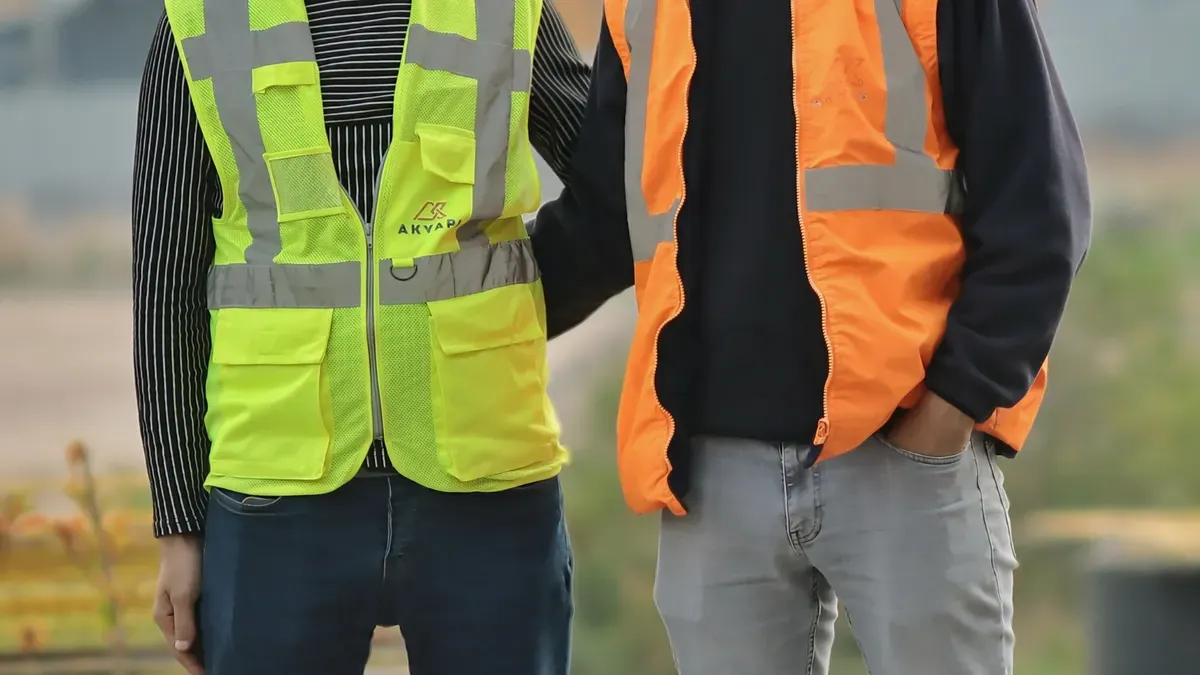
You need work jackets that last and show your brand. The choices can feel like too much. How do you pick the right custom work jackets with logo without wasting time or money? This guide covers fabric, decoration methods, safety rules, sizing, and quality checks. It is made for procurement managers who order 50 or more jackets. To start easily, contact our factory for a quote.
Key Takeaways
Choose fabric that fits your team’s work setting. Softshell works well for active teams, canvas stands up to heavy use, and fleece keeps you warm.
Choose embroidery for logos that need to last through many industrial washes. It resists peeling and cracking better than printing methods.
Always follow the safety rules for high-visibility jackets. In Europe, use EN ISO 20471, and in North America, use ANSI/ISEA 107 to keep workers safe.
Get exact measurements for each team member. Try sample jackets over regular work clothes to avoid costly size mistakes.
Ask for a sample before you place a big order. Check the fit, fabric, logo placement, and stitching to find problems early.
Use lab dips to approve the exact colors before production. This step stops shade differences across your jacket order.
A custom work jacket helps your brand get noticed and brings your team together. It makes every worker a moving ad for your company.
Think about both the price you pay now and the value you get later. A strong jacket that holds up to hard use means you buy new ones less often.
Why Custom Work Jackets Matter
Benefits of Branded Jackets
Professional Appearance and Team Unity
Branded jackets do more than keep workers warm. They let clients know your team right away. They work like a walking ad for your brand. They also help staff feel proud and like they belong. When everyone wears the same good jacket, from bosses to new workers, it shows all team members are equal.
Survey data backs this up. About 64% of people said branded clothing made them think better of a business. Another 46% said it showed team unity. Among workers, 47% felt more professional wearing branded items, and 41% felt a stronger sense of belonging. These numbers show a well-made work jacket shapes how outsiders see your company and how your people see themselves.
Brand Visibility in the Field
Your logo on a jacket shows up again and again during a normal workday. A high-visibility vest, jacket, or shirt with your company mark creates steady brand visibility. It helps people spot employees fast. It also builds a professional image when customization follows safety standards.
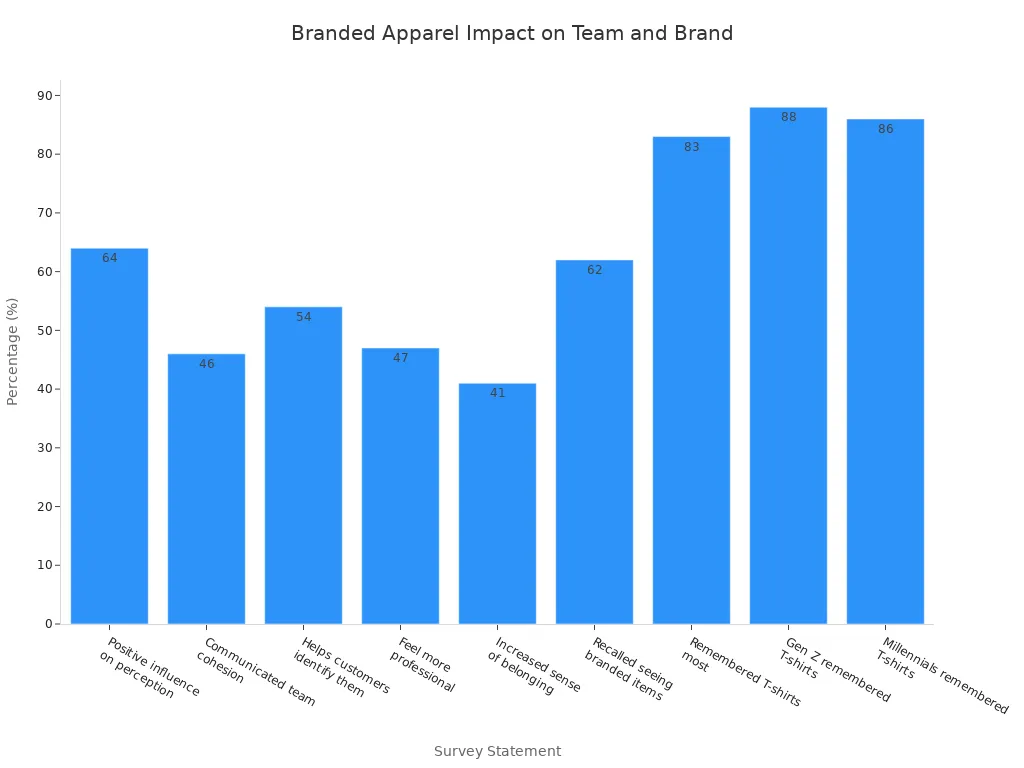
About 62% of people remembered seeing workers wear branded items in the past six months. Of those, 83% recalled T-shirts most. Recognition was very high among younger groups: 88% of Gen Z and 86% of Millennials knew and remembered custom branded T-shirts. A softshell jacket is often the best all-around pick for corporate teams. It works for daily wear in many climates and takes embroidery well. Good brands that offer customization help match the final product to your company style and quality standards.
Work safety gear can create steady brand visibility, help people spot employees fast, and build a professional image when customization follows safety standards. A logo on a high-visibility vest, jacket, shirt, or approved hard hat can show up again and again during a normal workday, and matching apparel can help teams look more unified and professional.
Potential Drawbacks
Higher Upfront Investment vs. Off-the-Shelf
Custom work jackets cost more upfront than off-the-shelf options. You pay for the garment, the decoration, and the quality checks. That higher starting cost can feel hard to justify. But the investment often pays off through longer wear life and stronger brand impact. A durable jacket that survives industrial washes means you replace it less often over time.
Minimum Order Quantities and Lead Times
Most factories set minimum order quantities, often starting at 50 pieces. Lead times for custom orders run longer than buying stock items. You need time for sampling, lab dip approval, and bulk production. Plan ahead if your team needs jackets for a certain season or event. Rushing a custom order can lead to compromises on quality or fit.
When Custom Jackets Fit
Public-Facing Roles
Custom jackets fit best for public-facing roles. If your employees talk with customers, clients, or the public daily, branded outerwear makes your business more recognizable. It turns every worker into a visible representative of your company. For these teams, personalized jackets with logos are a practical marketing tool.
Safety or Durability Demands
Custom jackets also fit when safety or durability demands are high. Teams working outdoors in cold, wet, or windy conditions need gear that performs. A well-made work jacket with reinforced stitching and weather-resistant fabric protects workers and extends wear life. Off-the-shelf may be enough for low-visibility or short-term teams. For everyone else, custom work jackets with logo deliver lasting value.
Shanghai Top Fortune Industry brings 22 years of workwear OEM/ODM experience to every order. Their monthly capacity reaches 70,000 pieces, with in-house embroidery and printing. They also provide free 2D/3D design mockups to help you finalize your look before production begins.
Fabric Choices for Custom Work Jackets
When you order custom work jackets, the fabric decides comfort, how long it lasts, and if it fits the job. Three main materials are used: softshell, canvas, and fleece. Each one works best for different needs.
Softshell vs. Canvas vs. Fleece
Softshell: Flexibility and Weather Resistance
Softshell fabric stretches and moves with your body. It blocks wind and light rain without being as bulky as a heavy coat. This material works well for teams that move a lot — warehouse staff, delivery drivers, or field technicians. Softshell also takes embroidery cleanly, so it is a top choice for company logos. You get a professional look that performs well in different weather.
Canvas: Heavy-Duty Durability
Canvas can handle rough use. This tightly woven cotton or cotton-poly blend resists rubbing, sparks, and heavy wear. Construction crews, mechanics, and manufacturing teams do well with canvas jackets. The fabric fights tearing and keeps its shape after many industrial washes. Canvas jackets weigh more, but that weight shows toughness on the job.
Fleece: Warmth and Comfort
Fleece traps body heat without adding weight. It lets air move, so workers stay warm without getting too hot during active tasks. Fleece works best as a mid-layer under a shell or as a jacket on its own in mild cold. Teams in cool warehouses or dry outdoor places like its soft feel and easy movement.
GSM Ranges Explained
GSM stands for grams per square meter. It measures how dense a fabric is. Higher GSM means heavier, thicker material with more warmth. Lower GSM means lighter fabric that breathes better.
Lightweight (200–280 GSM)
Lightweight jackets fit indoor places where the temperature stays mild. For indoor-only needs, lightweight poly cotton fabric usually ranges from 150 to 220 GSM. These jackets cover you without making you too hot. They work for office-adjacent jobs, light warehouse work, or spring and fall outdoor tasks. You trade some warmth for being able to move and stay comfortable.
Midweight (280–400 GSM)
Midweight fabrics balance warmth and flexibility. You get enough heat for cool conditions without losing freedom of movement. This range covers most office and work environments — from loading docks to outdoor event staff. A midweight jacket works well across seasons in moderate climates.
Heavyweight (400+ GSM)
Heavyweight jackets handle cold weather and tough tasks. Thick fabric blocks wind and keeps in heat. These jackets are good for outdoor teams in northern climates or winter conditions. The extra density also helps resist rubbing on rough job sites.
Matching Fabric to Work Environment
Your team’s work setting guides every fabric choice. Climate is the most important factor.
Indoor vs. Outdoor Use
Indoor teams need breathable fabrics that stop them from overheating. A lightweight jacket around 150-220 GSM works well for climate-controlled spaces. Outdoor teams face wind, rain, and cold. They need insulation, water resistance, and strong outer layers.
Pick water-resistant or insulated fabrics for rainy and cold conditions, while lightweight materials work well for warmer climates.
This idea helps you make a smart fabric choice for custom work jackets with logo.
Cold, Wet, or Windy Conditions
Different weather needs different fabric features. The table below matches climate to fabric performance.
Fabric | GSM Range | Best Use Case | Weather Resistance |
|---|---|---|---|
Softshell | 200–350 | Active daily wear | Wind resistant, water repellent |
Canvas | 300–450+ | Heavy labor, rough sites | Abrasion resistant, durable |
Fleece | 200–300 | Mid-layer, mild cold | Breathable insulation |
Lightweight Poly Cotton | 150–220 | Indoor tasks, mild climates | Limited weather protection |
Insulated Polyester | 250–400+ | Cold weather, outdoor roles | Heat retention, wind blocking |
Canvas and heavyweight insulated fabrics give your team the extra protection they need in harsh conditions. Choose based on your team’s actual environment, not just a general suggestion. The right custom fabric choice balances comfort, protection, and performance for your specific work climate.
Quality starts with fabric choice. A well-picked material stops early wear and keeps your team comfortable all day. Always ask for fabric samples or a pre-production sample before you approve a large order.
Logo Decoration Methods Compared
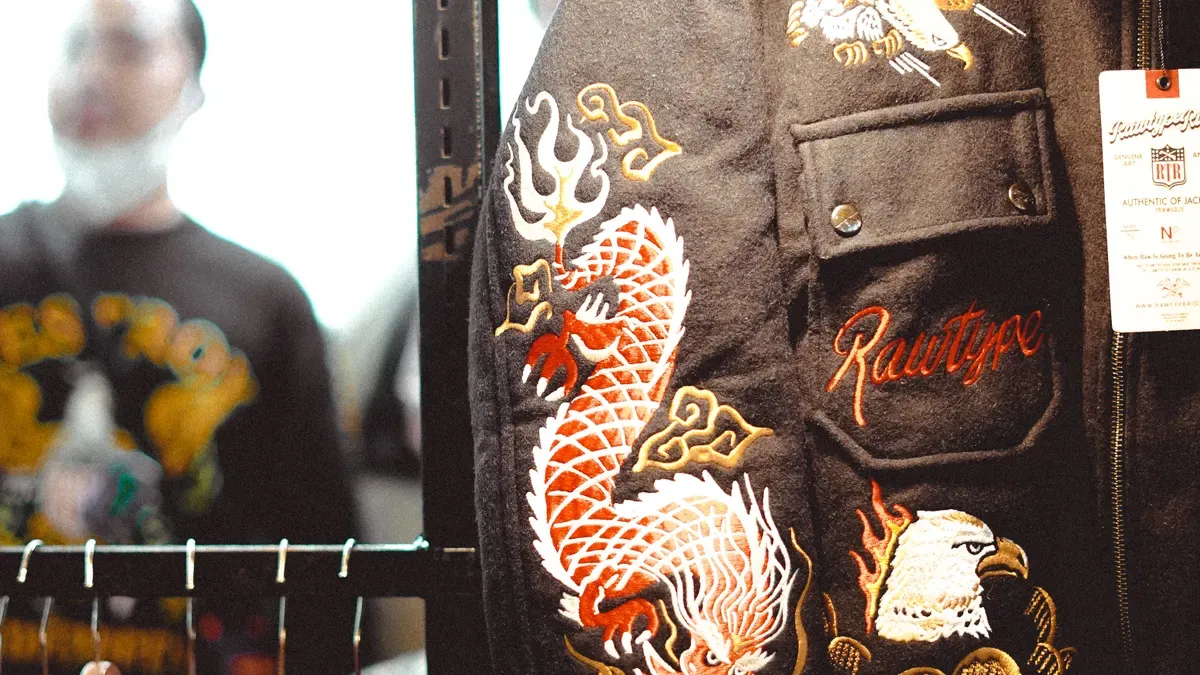
The method you pick for putting your logo on a jacket changes how long it lasts, how it looks, and how it holds up over time. Three methods are most common: embroidery, screen printing, and heat transfer. Each one acts differently when washed in industrial machines. Matching the method to how your team really uses the jackets stops early wear and keeps your professional look for work jackets that carry your brand identity.
Embroidery
Embroidery uses thread to sew your design into the fabric. It makes a raised, textured finish that looks high-end and professional. This method adds depth and dimension that printed methods cannot match.
Durability After Industrial Washes
Embroidery holds up very well through repeated industrial washes. The thread goes through the fabric layers and locks itself tightly in place. It cannot peel or crack like printed methods because the stitches are physically stuck in the material. Over time, some threads may fray a little at the edges, but good embroidery stays whole for the full life of the garment. Your custom work jackets with logo will keep showing your brand clearly after hundreds of wash cycles. A tight stitch pattern with quality polyester thread resists rubbing and keeps its look wash after wash. Thread thickness also changes the result. Thicker threads make a bolder look while thinner threads allow more detailed stitching. Your supplier can advise on the best approach for your specific design.
Best for Fine Detail
Embroidery captures fine details well, including small text and complex shapes. Letters smaller than about 6mm tall can become unclear because the threads blur the edges. A free design check from your supplier makes sure your logo suits embroidery. Complex logos may need simplifying to keep them readable at small sizes. Removing very small text parts or merging them into larger blocks often improves the final result. Embroidery remains the most common choice for corporate logo decoration. It pairs naturally with softshell and canvas fabrics that give enough structure to support the stitched design.
Screen Printing
Screen printing pushes ink through a mesh stencil onto the fabric. It makes a flat, smooth design with bright colors and clean edges. This method works well for simple logos that need strong color.
Durability After Industrial Washes
Screen printing can crack or fade after repeated industrial washes. The ink sits on top of the fabric surface instead of going through it. Over time, the design may get small cracks, especially in areas that bend during movement. High-quality plastisol inks and proper curing temperatures improve wash performance. Screen printing generally does not match embroidery in long-term durability for heavy industrial use. For teams that wash jackets often, embroidery remains the stronger choice for lasting logo visibility.
Best for Bold Designs
Screen printing works best for bold designs with solid colors and large areas. It gives sharp edges and bright, solid colors that catch attention from a distance. If your logo uses only a few solid colors without fine details or gradients, screen printing produces great results. It also works well for large quantities where consistency across pieces matters.
Heat Transfer
Heat transfer applies your design using heat and pressure to bond a transfer film to the fabric surface.
Durability After Industrial Washes
Heat transfer has the lowest durability under industrial wash conditions. The edges of the transfer can peel or lift over time, especially after repeated high-temperature washing and drying. The design may also crack or fade as the transfer film breaks down. Polyester fabrics accept heat transfer well because the heat bonds the film firmly to the synthetic fibers. For short-term use or low-wash environments, heat transfer works well enough. But for custom work jackets that face regular industrial laundering, other methods give better long-term value.
Best for Multi-Color Logos
Heat transfer excels at reproducing multi-color logos and photographic images. It applies unlimited colors without extra setup costs. Complex designs with gradients, shadows, or many colors come through clearly. If your brand includes several colors or fine tonal variations, heat transfer offers an efficient way to reproduce it accurately.
Choosing the Right Method
Your choice depends on your team’s work environment and wash frequency. For teams that wash jackets often, embroidery gives the best long-term value. For teams that need colorful, complex designs on lower-wash garments, heat transfer works well. Screen printing fits bold, simple logos on moderate-use jackets. Consider ordering a pre-production sample with your chosen method. A sample lets you check the logo appearance and test wash durability before committing to the full order. Shanghai Top Fortune Industry offers a range of customization options for your order. You can request a free design mockup to see how your logo looks with each method before production begins.
Hi-Vis and Safety Compliance
High-visibility jackets keep workers safe in risky places. These clothes must follow strict rules. The rules are different depending on where you live. Teams in Europe follow EN ISO 20471. Teams in North America follow ANSI/ISEA 107. You need to know which rule fits your custom work jackets.
EN ISO 20471 Explained
This European rule sets the requirements for high-visibility clothing. It checks how well a jacket helps the wearer stand out against different backgrounds.
Class 1, 2, and 3 Requirements
Class 1 gives the lowest level of visibility. It works for workers in low-risk areas with slow-moving vehicles. Class 2 has more reflective material and bright fabric. This class fits most road work and building jobs. Class 3 gives the highest visibility. It covers workers near fast traffic or in bad weather. Higher classes need more reflective tape and bigger bright areas.
When EN ISO 20471 Is Required
Your team needs EN ISO 20471 garments when they work near moving vehicles or machines. This rule applies in European Union countries. It also applies in other regions that use European safety rules. Road crews, railway workers, and warehouse staff near forklifts often need this gear.
ANSI/ISEA 107 Explained
This American rule groups high-visibility garments by how they are used. The type system helps you pick the right garment for your work setting.
Type O, R, and P Categories
Type O (off-road) garments fit workers who face vehicle or machine hazards but are not near roads. Warehouse insides and off-road building sites fit this group. Type R (roadway) garments meet MUTCD rules for workers in temporary traffic control zones on public roads. Type P (public safety) garments are for police, fire, and emergency workers. Construction and industrial teams usually need Type R for road work.
When ANSI/ISEA 107 Is Required
Your team needs ANSI/ISEA 107 garments when they work on or near public roads in the United States. The MUTCD requires Type R garments for workers in temporary traffic control zones. This rule also applies to workers in parking lots and warehouse jobs where struck-by hazards exist.
Hi-Vis with Custom Logos
Adding your logo to reflective jackets takes care. The logo must not lower the garment’s safety performance. Your supplier must confirm that customization keeps the garment compliant.
Placement Rules for Compliance
Follow these placement rules to keep compliance:
Total logo area cannot be more than 72 square inches.
Logos must not make gaps bigger than 2 inches across in retro-reflective material.
Keep at least 1 to 1.5 inches of buffer space between the logo and reflective material, zippers, pockets, or seams.
Do not put logos on retro-reflective strips.
Avoid multi-colored logos that mess up the fluorescent background color.
Reflective Tape and Logo Integration
Imprinting over reflective material is not advised. This practice lowers reflectivity and weakens the garment’s safety performance. Front logos should stay small to avoid blocking the fluorescent background. The reflective strips must stay whole and clear for visibility in low light. Always ask your supplier to confirm that your custom work jackets with logo meet the required standard before production.
Sizing Sets and Size Run Planning
Getting sizes right saves your money and your time. A wrong size run leads to returns, exchanges, and unhappy team members. You can avoid these problems by planning carefully before you place a bulk order.
Building a Size Set
Fit vs. Comfort
Fit and comfort are not the same. A jacket can match the size chart and still feel wrong during real work. You need to test both. Try one jacket before you commit to a large order. This step stops fit mistakes and checks how it works with layers and job movements. Pick a fit style first — slim, regular, or relaxed. Each style needs different measuring plans. Tell your supplier your fit preferences clearly when ordering. Personalization makes sure the final product meets your expectations.
Unisex vs. Women’s Cuts
Do not think a unisex shape fits everyone. Test both unisex and women’s cuts to see which works better for your team. Use gender-specific size charts because key measurements like chest, waist, hips, and shoulders differ a lot. Offer both cuts when your team needs it. Handle unique body shapes by asking for changes like a tapered waist or extra chest room. A uniform that ignores body diversity causes discomfort and makes people less willing to wear it.
Planning Your Size Run
Collecting Accurate Measurements
Lock the exact garment first. Then collect sizes using that product’s size chart. Sample if your team has mixed fit needs. Accurate measurements stop costly size mismatches. Follow this process: give sample jackets in a range of sizes, let employees try them on over their normal work clothing, record the confirmed sizes, review the overall size spread, order a few replacement sizes, and keep future starters and staff turnover in mind.
Accounting for Layering
Measure over the clothing usually worn under the jacket. This method gives the most accurate layering results. If your team always wears a certain hoodie or sweater with the jacket, wear it during chest and sleeve measurements. This builds in the needed ease without manual math. Jackets worn in colder months over many layers need more ease than those worn in mild weather over light clothing.
A winter or all-season jacket may be worn over shirts, fleeces or protective clothing. Sizing should account for these layers without creating too much bulk. Buyers should test the jacket over the clothing employees will actually wear during work.
Size Run Approaches
Top-Down vs. Bottom-Up Planning
Top-down planning starts with your total budget and works backward to individual sizes. Bottom-up planning starts with each team member’s measured size and builds up to the full order. Each approach has strengths and weaknesses.
Approach | Best For | Pros | Cons |
|---|---|---|---|
Top-Down | Fixed budgets, large teams | Predictable spending, simple approval | May not match actual size needs |
Bottom-Up | Mixed sizes, specialized roles | Accurate fit, higher satisfaction | Takes more time to collect data |
Handling Outliers and Special Sizes
Every team has outliers. Some workers need extra-small or extra-large sizes that fall outside standard ranges. Plan for these needs early. Order a few replacement sizes to cover turnover. Custom work jackets with logo work best when every team member gets a proper fit. Your supplier should support special size requests for custom orders.
Sampling and Quality Inspection
Sampling finds problems before bulk production starts. This step keeps your money safe. A pre-production sample, or PP sample, is the final approved sample made before bulk production begins. For custom work jackets, the PP sample should confirm the approved fabric, collar, placket, logo placement, labels, measurements, workmanship, and packaging standard. You should always include a pre-production sample approval step in customization orders.
The Sampling Process
Requesting Pre-Production Samples
Ask your supplier for a PP sample before you agree to a full run. This sample sets the production standard for bulk. A written approval counts more than a verbal “looks good.” Your supplier should write down exact fabrics, trims, and colors. They should also confirm critical points of measure within approved tolerances.
Evaluating Fit, Fabric, and Logo Placement
Check the sample against your design mockup. Make sure the fabric matches your approved specification. Confirm the logo sits in the right spot and uses the correct colors. Look for seam popping, puckering, or twisting. These warning signs point to construction problems. If you find issues, ask for a revision and resubmit. Shanghai Top Fortune Industry provides free 2D/3D design mockups to help you finalize your look before sampling begins.
Key Quality Inspection Points
SPI Stitching Density
SPI means stitches per inch. This number tells you how tight and strong a seam is. Factory quality teams check SPI with a pick glass or stitch counter. They measure across one inch of seam and count each stitch. The right SPI depends on the material.
Material / Patch Type | Recommended SPI Range |
|---|---|
Heavyweight fabrics (canvas, denim, heavy twill) | 6–8 |
Embroidered patches | 10–14 |
Woven patches | 8–12 |
PVC patches | 6–8 |
Lower SPI lets the needle and thread go through thick material without breaking. Too high SPI risks needle breakage and skipped stitches. Your supplier should verify SPI on every seam that carries stress.
Colorfastness and Lab Dips
Lab dips control color. A lab dip is a small fabric sample dyed to match your target color. Your supplier dips fabric in the dye bath and compares the result to your color standard. They check under different lighting conditions to confirm the match. Colorfastness testing then checks how well the color holds after washing, rubbing, and light exposure. This step matters for custom work jackets that face industrial laundering.
Final Checks Before Bulk Production
Approving Lab Dips and Strike-Offs
You must approve lab dips and strike-offs before bulk runs. A strike-off shows how your logo will look on the actual fabric. The best quality jacket results from approving these items first. Without approval, bulk production may use the wrong shade or logo appearance.
Confirming Size Run and Quantities
Confirm your size run and quantities one final time. Check that the PP sample measurements match your approved size chart. Verify that every size in your run meets the fit standard. Then release the order for bulk production.
Fabric, decoration method, safety rules, sizes, and quality checks guide your choice. Choose for durability and team needs, not just the lowest price. Request samples and lab dips before ordering bulk. A good supplier that helps with custom design and safety checks gives you the best jackets. The right branded jackets boost team morale and brand performance. They act as employee gifts that improve work safety and brand visibility. Durable jackets ensure lasting work performance out in the field. Contact our factory for a quote.
FAQ
Which fabric works best for most teams?
Softshell suits most corporate teams. It moves well, blocks wind, and handles light rain. Softshell also takes embroidery cleanly. Canvas fits heavy labor and rough sites. Fleece works as a warm mid-layer. Match your fabric to your team’s daily environment.
How do I know if my logo works for embroidery?
Small text and fine details blur during stitching. Letters under about 6mm tall become hard to read. Ask your supplier for a free design check. They will tell you if your logo needs simplification before production starts.
What is the difference between EN ISO 20471 and ANSI/ISEA 107?
EN ISO 20471 covers European high-visibility rules with three classes. ANSI/ISEA 107 covers North American rules with Type O, R, and P categories. Your region and work setting decide which standard applies to your custom work jackets.
Can I add a logo to a hi-vis jacket without breaking compliance?
Yes, if you follow placement rules. Keep the total logo area under 72 square inches. Leave at least 1 to 1.5 inches of buffer around reflective tape. Never print over reflective strips. Your supplier must confirm compliance after customization.
How many sizes should I order for a team of 50?
Collect each team member’s measured size before ordering. Build your size run from real measurements, not guesses. Order a few extra pieces for turnover and new hires. Account for layering if your team wears hoodies under jackets.
What is a pre-production sample and why does it matter?
A pre-production sample is the final approved piece made before bulk production. It confirms fabric, logo placement, measurements, and workmanship. Always approve this sample in writing. It protects your investment and sets the quality standard for the full order.
What SPI should I check on jacket seams?
SPI means stitches per inch. Heavyweight fabrics like canvas need 6 to 8 SPI. Embroidered patches need 10 to 14 SPI. Lower SPI prevents needle breakage on thick material. Ask your supplier to verify SPI on every stress seam.
Why do lab dips matter for custom orders?
Lab dips show the exact color your fabric will be. You approve the dip before bulk dyeing begins. This step prevents shade differences across your order. Colorfastness testing then confirms the color holds after washing and rubbing.