

Choosing Between a Winter Vest and Jacket for Cold-Weather Jobs
Table of Contents
Display
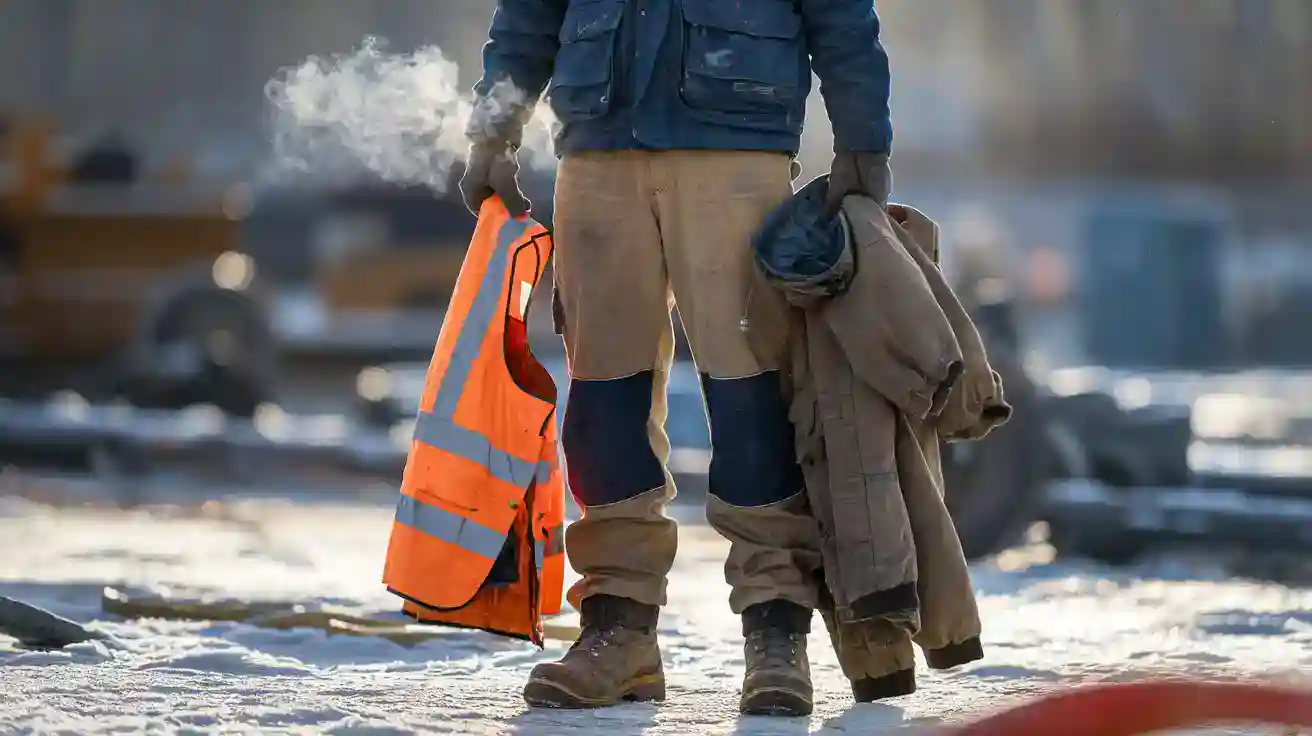
When you face cold-weather jobs, you often ask yourself which option works best. Winter Vest vs Winter Jacket depends on your work environment and activity level. You should consider several critical factors:
Warmth matters most, especially with thick, insulated fabrics.
Mobility helps you move freely without feeling restricted.
Layering gives you flexibility to adjust your comfort.
Durability ensures your gear stands up to tough conditions.
Job suitability addresses specific needs like visibility or moisture control.
Evaluate your unique situation before making a choice.
Key Takeaways
Consider warmth and coverage when choosing between a vest and a jacket. Jackets provide full-body insulation, while vests focus on core warmth.
Mobility is crucial for active jobs. Vests allow greater freedom of movement, making them ideal for tasks that require agility.
Layering is essential for adapting to changing temperatures. Use a vest for flexibility and a jacket for comprehensive protection.
Evaluate the cost versus value. Vests are generally cheaper, but jackets offer better durability and weather resistance for harsh conditions.
Match your outerwear to your work environment. Choose jackets for outdoor jobs in severe weather and vests for indoor or high-activity roles.
Prioritize breathability in your gear. Jackets with ventilation help manage moisture, while vests allow heat to escape during physical tasks.
Look for practical features like pockets and visibility enhancements. These elements improve convenience and safety on the job.
Test different combinations of layers to find the best fit for your comfort and mobility needs during your work shifts.
Winter Vest vs Winter Jacket

Warmth & Coverage
Insulation
When you compare insulation, you notice that both vests and jackets use advanced materials to trap heat. Jackets typically offer full-body coverage, which increases warmth in extreme cold. Vests focus on insulating your core, helping you maintain blood flow to your arms and legs. This design keeps your vital organs warm and supports overall body temperature. You can rely on a vest paired with a long sleeve shirt for physical activity in cold conditions. Insulation effectiveness is measured by CLO ratings, which reflect how well each garment retains heat. These ratings consider your activity level, so you should choose gear that matches your work intensity. For subzero temperatures, jackets often outperform vests in static or low-activity jobs, while vests excel during high-movement tasks.
Vests insulate your core, supporting circulation to extremities.
Jackets provide full coverage, maximizing warmth for stationary work.
CLO ratings help you compare insulation performance for different activity levels.
Arm & Core Protection
Jackets shield both your arms and core from cold, wind, and moisture. You benefit from this extra protection when you work outdoors or face harsh weather. Vests leave your arms exposed, which increases mobility but reduces coverage. If your job requires frequent lifting or reaching, a vest allows you to move freely. For tasks in freezing temperatures or wet conditions, a jacket offers better defense against the elements.
Tip: Choose a jacket for extended outdoor exposure. Opt for a vest if you need flexibility and your arms stay active.
Mobility & Comfort
Range of Motion
You gain greater freedom of movement with a vest. The absence of sleeves lets you reach, lift, and bend without restriction. This advantage makes vests popular for jobs that demand agility, such as warehouse work or construction. Jackets, while warmer, can limit your range of motion, especially if they lack ergonomic features. Some modern jackets include articulated sleeves and stretch panels to improve flexibility, but they rarely match the mobility of a vest.
Vests maximize arm mobility for physically demanding tasks.
Jackets with ergonomic design offer improved movement but may still restrict you compared to vests.
Breathability
Breathability plays a key role in comfort during long shifts. Jackets often use waterproof and breathable fabrics, along with vents, to manage moisture and prevent overheating. You stay dry and comfortable even when you sweat. Vests provide insulation but usually lack advanced moisture control features. If you work in a high-activity environment, you may find a vest more comfortable because it allows heat to escape from your arms. However, jackets with proper ventilation outperform vests in moisture management during extended wear.
Note: For jobs with heavy physical activity, prioritize breathability to avoid sweat buildup and discomfort.
Layering
Over/Under Clothing
Layering helps you adapt to changing temperatures and work conditions. You can wear a vest over a thermal shirt or under a shell jacket for added warmth. Jackets serve as outer layers, blocking wind and rain. The best practice involves combining base, mid, and outer layers to maximize warmth and flexibility. For example, you might start with a moisture-wicking shirt, add a fleece vest, and finish with a waterproof jacket. This approach lets you adjust your clothing as your activity level or environment changes.
Base Layer: Lightweight thermal shirt.
Mid Layer: Fleece or wool vest for targeted warmth.
Outer Layer: Windproof and insulated jacket for maximum protection.
Versatility
You benefit from the versatility of both vests and jackets. Vests adapt easily to different outfits and work scenarios. You can wear them alone or as part of a layered system. Jackets offer more comprehensive protection but may feel bulky when combined with other layers. Avoid wearing too many thick layers, as this restricts movement and creates uneven warmth. Always consider ventilation to prevent sweat buildup.
Tip: Use a vest for flexible layering and mobility. Choose a jacket for all-in-one protection in severe weather.
Winter Vest vs Winter Jacket remains a central decision for cold-weather jobs. You should weigh insulation, coverage, mobility, comfort, and layering options to select the best gear for your needs.
Cost
Price Comparison
When you compare the cost of winter vests and jackets, you notice a clear difference. Winter vests usually cost less than jackets. You pay for less material and fewer features. Most basic insulated vests range from $30 to $80. High-performance models with advanced insulation or water resistance can reach $100 or more. Jackets, on the other hand, often start at $60 and can exceed $200 for premium brands or heavy-duty designs.
Item Type | Entry-Level Price | Mid-Range Price | Premium Price |
|---|---|---|---|
Winter Vest | $30 | $60 | $100+ |
Winter Jacket | $60 | $120 | $200+ |
You should consider your budget and the demands of your job. If you need maximum warmth and protection, investing in a quality jacket makes sense. For jobs that require mobility and layering, a vest offers a cost-effective solution.
Tip: Always check for workwear discounts or bulk purchase deals. Many suppliers offer savings for teams or repeat customers.
Value
Value goes beyond the initial price tag. You need to assess durability, versatility, and long-term performance. Winter vests deliver excellent value for active jobs. You get core warmth and freedom of movement. Vests work well for layering, so you can use them in different seasons. Jackets provide full coverage and advanced features like waterproofing, wind resistance, and extra pockets. These benefits justify the higher cost if you work outdoors or face harsh conditions.
Consider these factors when you evaluate value:
Durability: Jackets often use tougher fabrics and reinforced seams. You get longer wear in demanding environments.
Versatility: Vests adapt to changing weather and activity levels. You can wear them alone or as part of a layered system.
Job Suitability: Choose gear that matches your work tasks. For heavy-duty outdoor jobs, jackets offer better protection. For indoor or high-movement roles, vests provide comfort and flexibility.
Winter Vest vs Winter Jacket decisions often come down to balancing cost and value. You should invest in gear that meets your needs and lasts through the season.
Work Conditions
Outdoor vs Indoor
Weather Exposure
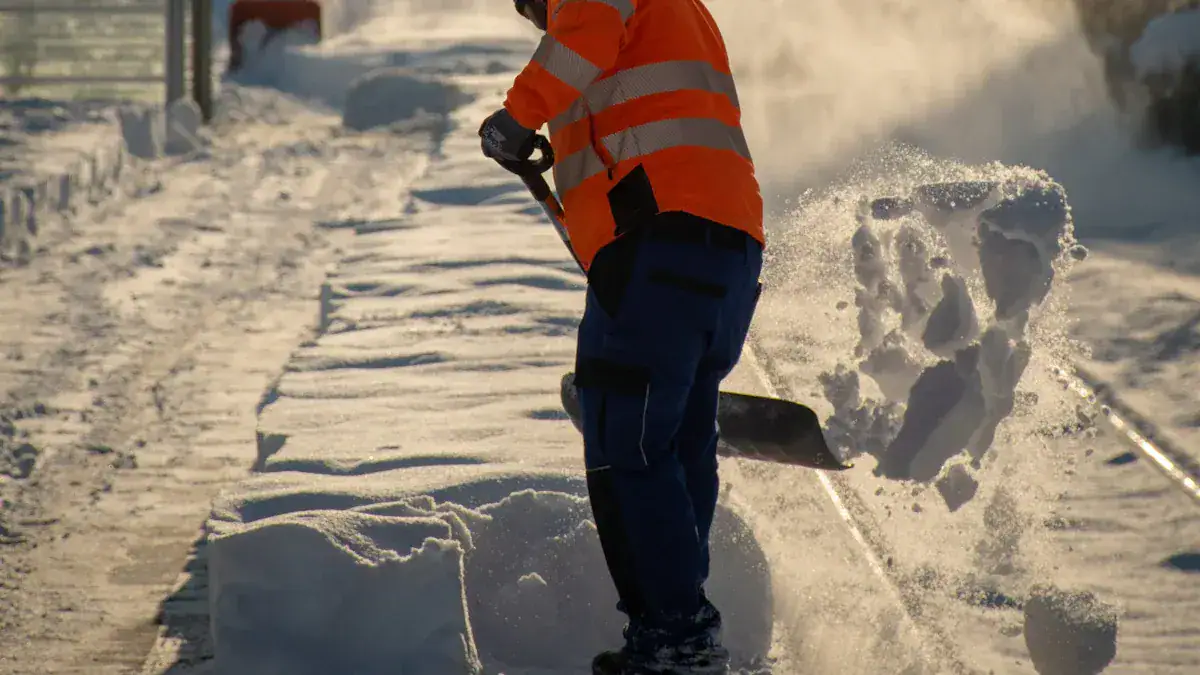
You face different challenges depending on your work environment. Outdoor jobs expose you to wind, rain, and snow. In extremely cold climates, you need heavily insulated gear to maintain warmth. Jackets with windproof and waterproof materials protect you from harsh elements. These features keep your inner layers dry and block cold air. If you work in milder but wet conditions, prioritize waterproofing over heavy insulation. You should select a jacket with a hood for maximum protection. For indoor jobs, especially in heated spaces, a vest often provides enough warmth without causing overheating.
Tip: Always match your outerwear to the temperature and weather conditions. Choose waterproof jackets for wet environments and insulated options for freezing temperatures.
Unheated Spaces
Unheated spaces present unique challenges. You may work in warehouses, garages, or temporary shelters where temperatures drop quickly. Consider these points when choosing your gear:
Vests suit moderate activity levels and allow free arm movement.
Insulated vests work well for energetic tasks in cold indoor areas.
Add a shell layer for wind and water protection in extreme cold.
Jackets with hoods offer year-round versatility and extra warmth.
You should layer your clothing to adapt to changing conditions. Start with a thermal base, add a vest for mobility, and finish with a jacket if you need more coverage.
Activity Level
High-Activity
Your activity level strongly influences your choice. If you move constantly—lifting, reaching, or walking—mobility becomes essential. Vests provide core warmth and allow your arms to move freely. You avoid overheating and maintain comfort during strenuous tasks. Breathable fabrics help regulate your temperature and wick away sweat.
Low-Activity
If your job keeps you stationary, such as security or equipment monitoring, you need extra insulation. Jackets offer full-body coverage and trap heat more effectively. Windproof and waterproof jackets prevent cold air and moisture from reaching your body. You stay warm even when you move less.
Note: For high-activity roles, choose flexible and breathable clothing. For low-activity jobs, prioritize insulation and weather resistance.
Features
Storage
You need practical features for your workwear. Multiple secure pockets allow you to store tools, devices, and personal items. Jackets often include tablet pockets and retractable ID holders for convenience. Vests may offer fewer pockets but still provide essential storage.
Visibility
Safety remains a top priority. High-visibility enhancements help you stay seen in low-light conditions. Jackets that meet ANSI 107 Class 3 standards use 2-inch reflective tape for 360-degree visibility. Both vests and jackets can feature reflective elements and bright colors to improve safety.
Feature | Description |
|---|---|
Visibility Enhancements | 2-inch reflective tape for 360° visibility, ANSI 107 Class 3 compliance |
Storage Pockets | Multiple secure pockets, tablet pocket, retractable ID holder |
Weather Resistance | Waterproof and insulated materials |
Comfort | Ergonomic cuts, adjustable elements for movement and layering |
Durability | Tough fabrics, reinforced stitching |
Customization | Areas for company logos without affecting safety features |
You should look for workwear that combines durability, comfort, and safety. Adjustable features and ergonomic cuts improve fit and ease of movement. Weather-resistant materials keep you dry and warm. Durable construction ensures your gear lasts through tough conditions.
Tip: Select vests and jackets with high-visibility features and ample storage to enhance safety and convenience on the job.
Pros and Cons
Vest Pros
You gain several advantages when you choose a winter vest for cold-weather jobs. Vests offer excellent core insulation while allowing your arms to move freely. This design helps you perform tasks that require reaching, lifting, or bending. You can layer a vest over different shirts or under a jacket, which gives you flexibility as temperatures change throughout the day. Vests weigh less than jackets, so you experience less fatigue during long shifts. Many vests feature breathable fabrics that help regulate your body temperature. You can wear a vest in both indoor and outdoor environments, making it a versatile choice for many job sites.
You maintain full range of motion for your arms.
You adjust your layers easily for changing conditions.
You experience less bulk and weight compared to jackets.
You benefit from improved comfort during high-activity tasks.
You find vests easier to store and transport.
Tip: Choose a vest if your job demands frequent movement and you need to stay agile.
Vest Cons
While vests offer many benefits, you should consider their limitations before making a decision. Workers in cold environments often report several disadvantages with winter vests:
High-quality vests can be expensive, especially those designed for extreme cold.
Bulkier vests may restrict your mobility, making some tasks harder.
You need to inspect and maintain vests regularly to ensure effectiveness.
A poor fit reduces insulation and leaves you exposed to cold air.
Vests can cause overheating when temperatures fluctuate rapidly.
Some vest materials lack eco-friendly properties.
Durability drops in extremely harsh conditions, leading to faster wear and tear.
Specialized vests may not be available for every job type.
You may require training to use advanced vests properly.
Relying only on a vest can lead you to neglect other important safety practices.
Note: Always check the fit and durability of your vest before starting work. Combine your vest with other safety gear for complete protection.
Jacket Pros
Winter jackets provide comprehensive protection against cold, wind, and moisture. You benefit from full-body insulation, which keeps you warm during low-activity or outdoor jobs. Jackets often feature advanced materials such as waterproof shells and windproof linings. You find multiple pockets for tools and personal items, which adds convenience on the job. Many jackets include high-visibility elements, improving your safety in low-light conditions. You can select jackets with adjustable cuffs, hoods, and ergonomic designs for a better fit. Jackets withstand tough environments and offer longer-lasting durability.
You receive maximum warmth and coverage for harsh weather.
You stay dry and comfortable with waterproof and wind-resistant features.
You access secure storage for work essentials.
You improve your visibility and safety on busy job sites.
You rely on jackets for long-term performance in demanding conditions.
Tip: Select a winter jacket if you work outdoors for extended periods or need extra protection from severe weather.
Jacket Cons
While winter jackets offer strong protection, you should consider several drawbacks before making your choice. Jackets can create challenges in certain work environments and may not always suit your specific needs.
Reduced Mobility:
You may notice that jackets restrict your movement, especially when you need to reach, lift, or bend. Bulky insulation and stiff materials can make it harder to perform tasks that require agility. Even jackets with ergonomic designs rarely match the freedom of a vest.Increased Weight and Bulk:
Jackets often weigh more than vests. You might feel fatigued after wearing a heavy jacket for long shifts. The extra bulk can also make it difficult to layer clothing or move through tight spaces.Overheating Risk:
You can easily overheat in a well-insulated jacket, especially during high-activity work. When your body generates heat, a jacket may trap too much warmth and cause discomfort. Removing the jacket to cool down exposes you to cold air, which can be risky.Higher Cost:
Jackets usually cost more than vests. Advanced features like waterproofing, windproofing, and extra pockets add to the price. If you need multiple jackets for different conditions, your expenses increase quickly.Maintenance Demands:
You must care for your jacket to maintain its performance. Washing, drying, and reapplying water-repellent coatings take time and effort. Neglecting maintenance can reduce insulation and weather resistance.Limited Versatility:
Jackets may not adapt well to changing temperatures. You might find it hard to adjust your layers without removing the entire jacket. This lack of flexibility can lead to discomfort as your activity level or environment changes.Storage Challenges:
Storing a bulky jacket can be inconvenient. You need more space in your locker, vehicle, or work bag. Carrying a jacket when not in use adds extra weight to your gear.
Note: Always weigh the benefits of warmth and protection against these potential drawbacks. You should select a jacket only if the advantages outweigh the limitations for your specific job.
Jacket Cons | Impact on Your Work |
|---|---|
Reduced Mobility | Limits range of motion, slows task speed |
Increased Weight | Causes fatigue, harder to layer |
Overheating Risk | Leads to discomfort, frequent adjustments |
Higher Cost | Increases gear expenses |
Maintenance Demands | Requires regular care for best performance |
Limited Versatility | Harder to adapt to changing conditions |
Storage Challenges | Needs more space, less convenient to carry |
You should review these cons carefully. Understanding the limitations of winter jackets helps you make an informed decision for your cold-weather workwear.
Choosing
Assess Environment
You need to evaluate your work environment before selecting between a winter vest and a jacket. Start by identifying the main factors that affect your comfort and safety. Cold temperatures demand reliable warmth. Wet conditions require waterproofing to keep you dry. Low-light areas call for high-visibility features. Tough job sites need durable gear. Layering options help you adapt to changing weather.
Factor | Description |
|---|---|
Warmth | Essential for low-temperature environments to prevent hypothermia. |
Waterproofing | Keeps you dry in rain or snow, maintaining warmth even when wet. |
Visibility | Reflective strips enhance visibility in low-light conditions, reducing accident risks. |
Durability | Ensures the jacket withstands wear and tear in tough working environments. |
Layering | Ability to layer clothing effectively for added warmth and flexibility in varying conditions. |
Tip: Always match your outerwear to the most challenging condition you expect to face. If your job exposes you to rain or snow, prioritize waterproof jackets. For indoor or mild climates, a vest may offer enough protection.
Consider Activity
Your activity level shapes your choice of winter gear. If your job involves constant movement, you benefit from a vest. Vests allow full range of motion and keep your core warm, which supports blood flow to your arms and legs. You avoid overheating during vigorous tasks. For less active roles or extremely cold conditions, jackets provide better insulation and coverage.
Vests suit jobs that require agility and frequent movement.
Jackets work best for stationary tasks or severe cold.
Vests maintain core warmth, helping you stay comfortable during physical activity.
In mild temperatures or high-activity jobs, vests prevent overheating while still offering protection.
Note: Choose a vest if you need flexibility and freedom to move. Select a jacket if you spend long periods outdoors with limited activity.
Balance Warmth & Flexibility
You must find the right balance between staying warm and maintaining flexibility. Select fabrics with a high warmth-to-weight ratio, such as merino wool or advanced synthetic blends. These materials keep you warm without adding bulk. Ensure your layers fit slightly loose to allow air circulation and retain heat. Avoid tight clothing that restricts movement.
Pick vests that complement your work wardrobe and provide adequate warmth.
Prioritize functional pieces that adapt to changing conditions.
Layer your vest over a lightweight, breathable base to regulate temperature.
Use moisture-wicking synthetics or merino wool for warmth without excess weight.
Tip: Test different combinations of layers before your shift. You will discover which setup offers the best comfort and flexibility for your job.
Budget
You must consider your budget when selecting cold-weather workwear. The price of winter vests and jackets varies widely, depending on materials, insulation, and brand reputation. You should start by setting a clear spending limit. This step helps you narrow down your options and prevents overspending.
You find that entry-level vests cost less than most jackets. Basic insulated vests often range from $30 to $80. Premium models with advanced features can reach $100 or more. Jackets typically start at $60 and may exceed $200 for heavy-duty or specialized designs. You need to weigh the upfront cost against the expected durability and performance.
Item Type | Entry-Level | Mid-Range | Premium |
|---|---|---|---|
Winter Vest | $30 | $60 | $100+ |
Winter Jacket | $60 | $120 | $200+ |
You should not focus only on the initial price. You must evaluate the long-term value. A higher-priced jacket may last several seasons and offer better protection. You save money over time if you invest in quality gear that withstands tough conditions. Cheaper options may wear out quickly, forcing you to replace them more often.
You need to consider the specific requirements of your job. If you work outdoors in harsh weather, you benefit from investing in a jacket with waterproofing and reinforced seams. These features justify the higher cost. If your job involves frequent movement indoors, a mid-range vest may provide enough warmth and flexibility without breaking the bank.
Tip: Look for workwear brands that offer warranties or satisfaction guarantees. These policies protect your investment and ensure you get reliable gear.
You can also take advantage of seasonal sales, bulk discounts, or employee programs. Many suppliers offer special pricing for teams or repeat customers. You should compare prices across different retailers and read reviews to assess quality and performance.
You must factor in maintenance costs. Jackets with waterproof coatings may require special cleaning products. Vests made from synthetic materials often need less care. You save money and time by choosing gear that matches your maintenance preferences.
You should balance your budget with your safety and comfort needs. Do not sacrifice essential features for a lower price. Prioritize durability, insulation, and weather resistance. You make a smart investment when you choose gear that protects you and lasts through the season.
Note: Set your budget based on your job demands and expected wear. Quality workwear pays off in comfort, safety, and long-term savings.
Comparison Table
When you compare winter vests and jackets for cold-weather jobs, you need a clear overview of their strengths and limitations. The table below highlights the main features that matter most on the job site. You can use this quick reference to match your workwear to your daily tasks and environment.
Feature | Winter Jacket | Winter Vest |
|---|---|---|
Coverage | Full upper-body coverage for maximum warmth | Insulates your core only |
Shields you from wind, rain, and snow | Less effective against wind and cold | |
Layering | Wears alone or over a T-shirt | Layers easily under or over other clothing |
Weight | Heavier and less packable | Lighter and more packable |
Movement | May restrict your range of motion | Allows greater freedom of movement |
Best For | Extended outdoor work, low-activity jobs | High-exertion tasks, moderate conditions |
You see that jackets excel in coverage and weather protection. You stay warm and dry during long shifts outdoors, especially when you face wind or precipitation. Jackets work best for jobs that require you to remain stationary or spend hours outside. You benefit from advanced features like waterproof shells and insulated linings.
Vests focus on keeping your core warm while letting your arms move freely. You find vests ideal for high-activity roles, such as warehouse work or construction. You can layer a vest over a thermal shirt or under a shell for added flexibility. Vests weigh less, so you experience less fatigue and pack them easily when not in use.
Tip: Choose a jacket if you need maximum protection from the elements. Select a vest when your job demands agility and frequent movement.
Consider these points when you decide:
You need full coverage and insulation for harsh weather. Jackets deliver both.
You want freedom of movement and easy layering. Vests provide these benefits.
You work in changing conditions. Layering with a vest gives you more options.
You value lightweight gear. Vests reduce bulk and weight.
You should match your choice to your job’s demands. If you work outdoors in winter, a jacket offers reliable warmth and protection. If you move constantly or work indoors, a vest keeps you comfortable without overheating. You make the best decision when you balance warmth, mobility, and practicality.
Recommendations
Construction
You face some of the toughest conditions on a construction site. You need workwear that stands up to cold, wind, and rough surfaces. Durability and warmth matter most. You should look for vests and jackets with reinforced seams, weather-resistant shells, and reliable insulation. Adjustable cuffs and secure pockets help you keep tools close and stay comfortable throughout your shift.
Here are top recommendations for construction workers:
Product Name | Key Features | Ideal For |
|---|---|---|
Heat Holders® Hybrid Vest | All-weather resistant, lightweight synthetic fill, HeatWeaver® lining | Workers needing warmth and mobility |
Heat Holders® Shirt Jacket | Microfleece shell, six pockets, HeatWeaver® lining | Professionals wanting style and functionality |
General Recommendations | Waterproof shells, adjustable cuffs, multiple secure pockets | Workers in extreme cold or wet conditions |
You benefit from the Heat Holders® Hybrid Vest if you need to move freely while staying warm. The lightweight fill and HeatWeaver® lining trap heat without adding bulk. If you want more coverage and storage, the Heat Holders® Shirt Jacket offers a microfleece shell and six pockets for your essentials. For extreme cold or wet weather, always choose jackets with waterproof shells and adjustable features.
Tip: Always check for reinforced stitching and high-visibility details. These features improve safety and extend the life of your gear.
Warehouse
You work in large, often unheated spaces. Temperatures can drop quickly, especially near loading docks or open doors. You need clothing that balances warmth and mobility. Vests work well for high-activity tasks, such as picking or stocking. Jackets suit you if you spend long periods in one spot or near cold drafts.
Choose a vest with synthetic insulation for core warmth. Look for breathable fabrics to prevent overheating during busy shifts. If you need extra coverage, select a lightweight jacket with adjustable cuffs and multiple pockets. This setup lets you layer as needed and adapt to changing temperatures.
Vests keep your arms free for lifting and reaching.
Jackets provide extra warmth for stationary tasks.
Both options should include secure pockets for tools or scanners.
Note: Layer your vest or jacket over a moisture-wicking base. This approach helps you stay dry and comfortable during long shifts.
Delivery
You spend hours moving between vehicles and outdoor locations. You need gear that protects you from wind, rain, and sudden temperature changes. Insulation and weather resistance are essential. You also need practical features, such as easy-access pockets for packages and devices.
Product | Key Features | Ideal For |
|---|---|---|
Hybrid Vest | Insulation, weather resistance, practical design | Cold outdoor conditions |
Shirt Jacket | Microfleece shell, HeatWeaver® lining, multiple pockets for tools and essentials | Versatile use, indoors and outdoors |
HeatWeaver® lining traps warm air close to your skin for superior insulation.
These garments work well for long hours outdoors or in cold environments.
Manufacturers continue to invest in thermal technology, so you get better performance each season.
You should choose a hybrid vest for flexibility and warmth during active deliveries. If you need more coverage, the shirt jacket offers insulation and storage without sacrificing mobility.
Tip: Select outerwear with reflective details for early morning or late evening routes. This feature improves your visibility and safety on the job.
Maintenance
As a maintenance professional, you face a unique set of challenges during cold-weather jobs. You often move between indoor and outdoor environments, climb ladders, crawl into tight spaces, and handle a wide range of tools. Your workwear must adapt to these demands while keeping you warm and comfortable.
Key Considerations for Maintenance Workwear:
Mobility:
You need to reach, bend, and stretch throughout your shift. A winter vest gives you excellent freedom of movement for your arms and shoulders. This design helps when you work overhead or in confined areas. If you choose a jacket, look for models with articulated sleeves and gusseted underarms to reduce restriction.Layering Flexibility:
Maintenance work often takes you from heated rooms to chilly rooftops or outdoor spaces. You benefit from a layering system. Start with a moisture-wicking base layer. Add a vest for core warmth. Keep a lightweight, insulated jacket nearby for quick changes in temperature. This approach lets you adapt without overheating or losing mobility.Durability and Protection:
Your gear must withstand abrasion, oil, and frequent washing. Select vests and jackets made from tough fabrics like ripstop nylon or canvas. Reinforced seams and water-resistant coatings extend the life of your clothing. Jackets with storm flaps and adjustable cuffs offer extra protection against wind and moisture.Storage and Accessibility:
You carry tools, fasteners, and small parts. Choose outerwear with multiple secure pockets. Some vests feature chest and hand pockets for easy access. Jackets often provide even more storage, including interior compartments for valuables.
Tip: Always inspect your workwear for signs of wear before each shift. Replace damaged items promptly to maintain safety and warmth.
Recommended Features Table:
Feature | Vest Benefit | Jacket Benefit |
|---|---|---|
Arm Mobility | Maximum freedom | Moderate, depends on design |
Layering | Easy to add/remove | Good as outer layer |
Durability | High with reinforced fabrics | Excellent with heavy-duty materials |
Storage | Essential pockets for tools | More pockets, larger capacity |
Weather Protection | Limited (arms exposed) | Full coverage, wind and water resistant |
Best Practice for Maintenance Workers:
Wear a vest for indoor repairs or high-mobility tasks.
Switch to a jacket when you work outdoors or in unheated spaces for long periods.
Choose high-visibility options if you work in low-light or high-traffic areas.
Prioritize easy-care fabrics that resist stains and dry quickly.
You keep your workflow efficient and your body protected when you select the right combination of vest and jacket. Adapt your layers as your tasks and environment change. This strategy ensures you stay comfortable, safe, and productive throughout your maintenance shift.
You make the best choice for cold-weather jobs by matching your outerwear to your work environment and activity level. Jackets deliver maximum warmth and protection in harsh conditions, while vests offer superior mobility for active tasks. Always consider your comfort and job requirements.
Tip: Try both options or layer a vest under a jacket for added flexibility.
Stay safe and prioritize comfort as you tackle winter work.
FAQ
What is the main difference between a winter vest and a winter jacket?
A winter vest insulates your core and leaves your arms free. A winter jacket covers your entire upper body, including your arms, for maximum warmth and protection.
Can you layer a vest under a jacket for extra warmth?
Yes, you can wear a vest under a jacket. This combination adds core insulation and flexibility. You can remove the jacket if you get too warm, keeping the vest on for comfort.
Which option works better for high-activity jobs?
You should choose a vest for high-activity jobs. Vests allow greater arm mobility and reduce overheating. You stay comfortable while moving, lifting, or reaching.
Are winter vests suitable for outdoor work in freezing temperatures?
You can use a vest outdoors in freezing temperatures if you stay active. For low-activity or extended exposure, you need a jacket for full coverage and better protection.
How do I choose the right size for work vests and jackets?
You should check the manufacturer’s sizing chart. Wear your typical work layers when measuring. Allow room for movement and layering, but avoid oversized fits that reduce insulation.
Do winter jackets always cost more than vests?
Most winter jackets cost more than vests. Jackets use more material and offer extra features like waterproofing and more pockets. You pay for added protection and durability.
What features should I look for in work outerwear?
Look for insulation, weather resistance, reinforced seams, and secure pockets. High-visibility details and adjustable cuffs improve safety and comfort. Choose features that match your job’s demands.
Can I use a vest or jacket for both indoor and outdoor work?
You can use both for indoor and outdoor work. Vests suit indoor or high-mobility tasks. Jackets work best outdoors or in cold, stationary roles. Layering helps you adapt to changing environments.