

How to Stay Warm During Winter Outdoor Activities
Table of Contents
Display
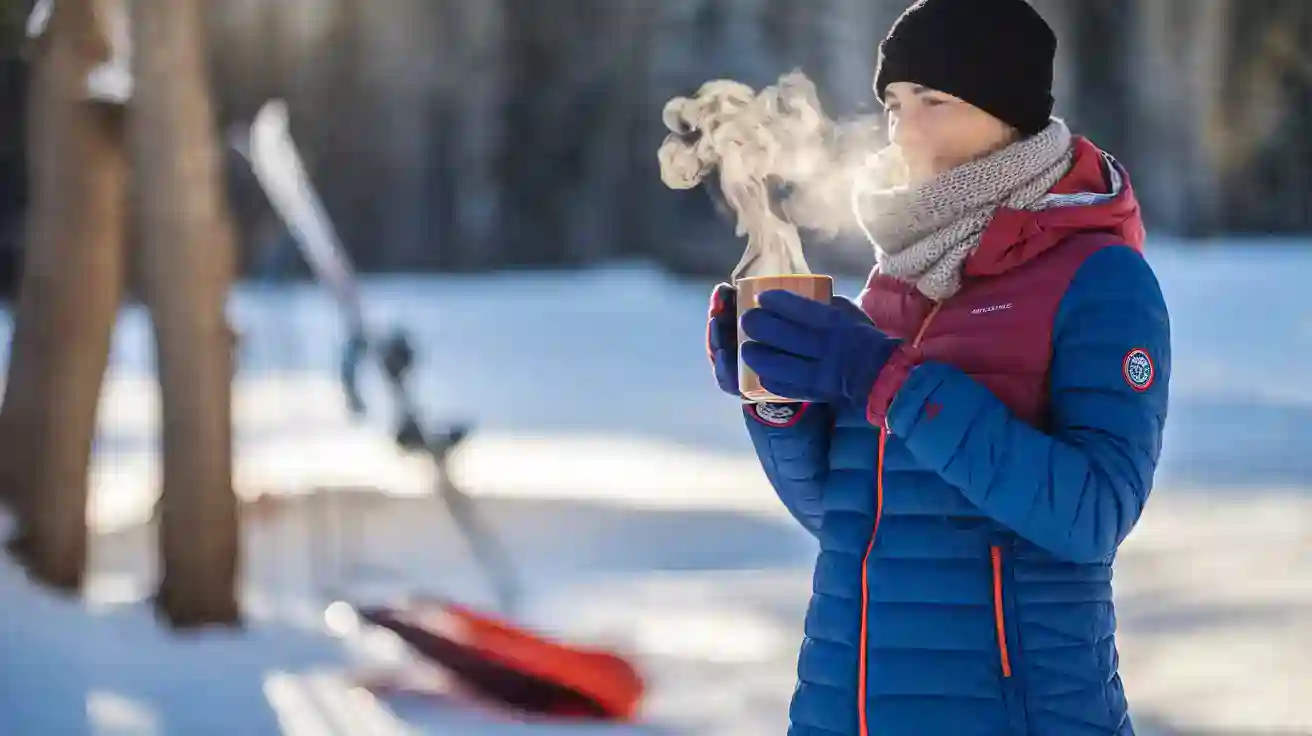
When you head outside in winter, focus on smart preparation to stay warm and safe. Choose clothing that uses layers and high-quality materials to block cold and trap heat. Pay attention to risks that come with snow and ice. Many people skip outdoor exercise when faced with icy conditions. Winter sports can cause injuries, such as sprains or fractures, especially in activities like skiing, snowboarding, and ice skating.
- In 2022, over half of winter sports injuries came from snow skiing and snowboarding.
- Ice hockey and ice skating followed as other common sources of injury.
- Snow blowers also led to thousands of hand and finger injuries.
Monitor your body for cold-related problems and adjust your gear as needed. With the right habits, you can enjoy winter activities without worry.
Key Takeaways
- Layer your clothing to trap heat and block cold. Start with a moisture-wicking base layer, add insulation, and finish with a waterproof outer layer.
- Monitor the weather closely before heading out. Check forecasts for temperature, wind chill, and sudden changes to stay prepared.
- Stay active to generate body heat. Engage large muscle groups through activities like hiking or skiing to maintain warmth.
- Protect your extremities. Wear insulated mittens, waterproof boots, and moisture-wicking socks to prevent frostbite.
- Adjust your layers as needed. Remove clothing if you start to sweat and add layers during breaks to retain warmth.
- Stay hydrated and nourished. Drink warm beverages and eat high-energy snacks to support your body’s heat production.
- Inform someone of your plans. Share your route and expected return time to ensure help can be summoned if needed.
- Recognize signs of hypothermia and frostbite. Act quickly if you notice symptoms like shivering, confusion, or numbness.
Preparation
Check Weather
Temperature & Wind Chill
Before you step outside, check the weather forecast using a reliable source like NOAA or a trusted national weather website. You should start monitoring weather patterns five to seven days before your activity. Look at high and low temperatures, wind speeds, and sky coverage.
- Review hourly forecasts for the specific times you plan to be outdoors.
- Check radar and satellite images to see cloud cover and precipitation movement.
- Take screenshots of forecasts if you expect to lose cell service.
- Factor in elevation changes, since higher altitudes often mean colder temperatures and stronger winds.
- Understand your comfort levels with cold and wind chill.
Tip: Wind chill can make the air feel much colder than the actual temperature. Dress for the “feels like” temperature, not just the number on the thermometer.
Sudden Changes
Winter weather can change quickly and create dangerous situations.
- Sudden snowstorms, freezing rain, or high winds can appear with little warning.
- Always check the forecast before you leave and pack extra gear for emergencies.
- Dress in layers and bring waterproof clothing to handle unexpected precipitation.
Note: Proper preparation helps you stay safe if the weather shifts suddenly.
Plan Route
Safe Locations
Planning your route is essential for safety during winter outdoor activities.
- Know the area and what conditions to expect.
- Check avalanche and weather reports before you go.
- Consult maps and local authorities about high-risk zones.
- Prepare for extreme weather, hazards, and emergencies.
- Monitor snow conditions frequently.
- Carry and know how to use an avalanche beacon, probe, and shovel if you travel in backcountry areas.
- Take a winter backcountry travel course to learn safety skills.
- Travel in small groups, never alone.
- Leave your itinerary with family or friends.
You should also dress for the weather, wear sturdy boots, and carry essentials like a first aid kit and emergency contact information.
Inform Others
| Safety Measure | Importance |
|---|---|
| Inform a friend or relative of your proposed route and expected arrival time | Ensures someone is aware of your plans and can take action if you do not return as expected, especially in winter conditions where risks are heightened. |
Let someone know your route and expected return time. This step increases your safety. If you run into trouble or do not return as planned, someone can alert authorities and help you faster.
Reminder: Never underestimate the risks of winter. Careful preparation and communication keep you safe and warm during your adventure.
Stay Warm with Clothing
Layering
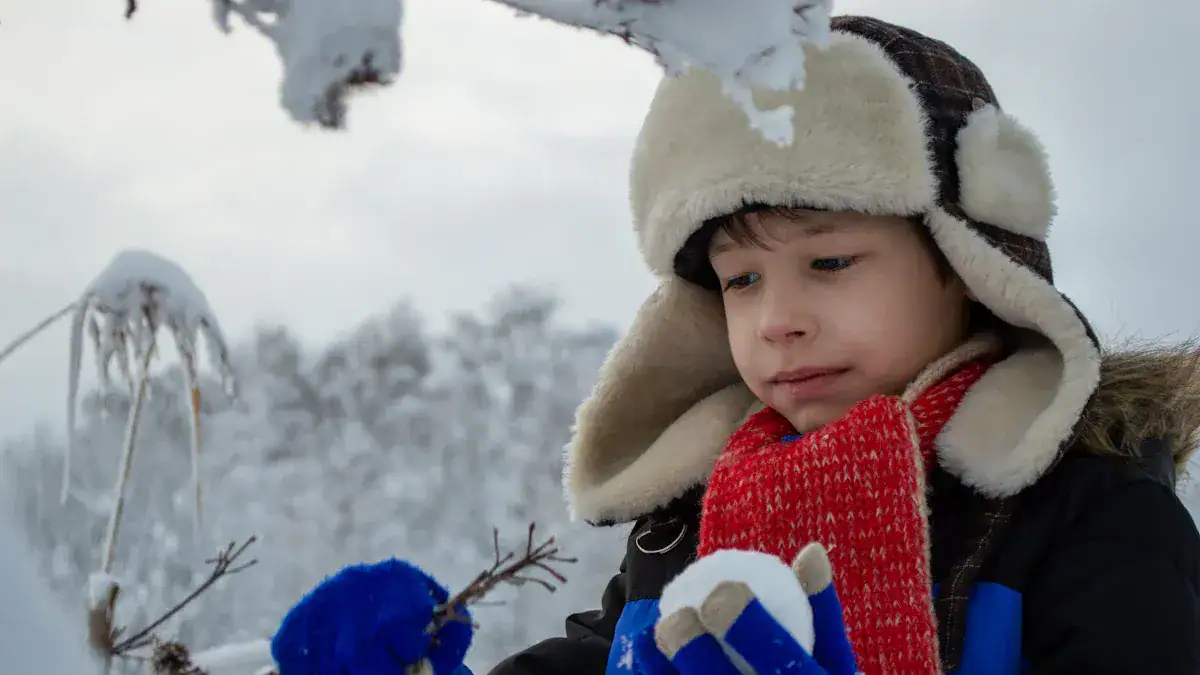
Layering is the foundation of staying warm during winter outdoor activities. Each layer serves a specific purpose to help you manage moisture, trap heat, and protect against the elements.
Base Layer
Your base layer sits closest to your skin. Its main job is to wick moisture away so you stay dry and comfortable. Moisture-wicking materials like Merino wool and synthetic fibers such as polyester or nylon work best. Avoid cotton, as it absorbs sweat and loses its insulating power.
- Choose a snug fit for effective insulation.
- Select Merino wool for superior warmth and breathability.
- Pick synthetic options for high-intensity activities due to their quick-drying properties.
Tip: Merino wool base layers manage moisture well and retain warmth even when wet, making them a favorite for winter sports.
Insulation
The insulation layer traps body heat and creates a barrier against the cold. You can use materials like fleece, down, or synthetic fibers for this layer. Down jackets offer excellent warmth because they trap air, while fleece provides reliable insulation even if it gets damp.
| Material | Features |
|---|---|
| Smart wool | Enhanced moisture-wicking ability |
| Fleece | Soft, warm, and effective even when wet |
| Suede | Heavy, wind-resistant, and heat-retaining |
| Polyester cotton blend | Durable and insulating |
| Fake fur | Luxurious appearance and good heat retention |
Insulation works by trapping air close to your body, which reduces heat loss and helps you stay warm in freezing temperatures.
Outer Layer
Your outer layer shields you from wind, rain, and snow. Look for jackets and pants that are both waterproof and breathable. This layer should block the elements while letting sweat escape, so you do not overheat.
- Choose a shell with adjustable cuffs and hems to seal out drafts.
- Make sure your outerwear fits over your other layers without restricting movement.
- Down jackets with water-resistant shells provide extra warmth and protection.
Note: Always dress for the “feels like” temperature, not just the actual reading, to stay warm in changing conditions.
Materials
Wool & Synthetics
Wool and synthetic fabrics both help you stay warm, but they have different strengths.
- Wool, especially Merino, keeps you warm even when wet and offers natural breathability.
- Synthetics like polyester and nylon wick moisture quickly and dry fast, making them ideal for active pursuits.
| Material | Warmth | Moisture-Wicking Properties |
|---|---|---|
| Wool | Retains warmth even when wet | Natural breathability and moisture-wicking |
| Synthetic | May not provide the same warmth | Excels in rapid moisture wicking and drying |
Wool regulates your body temperature and resists odors, while synthetics excel in intense activities where you sweat more.
Avoid Cotton
Cotton is not suitable for winter activities. It absorbs moisture and dries slowly, which can make you cold and increase your risk of hypothermia.
- Cotton loses its insulating ability when wet.
- Damp cotton pulls heat away from your body.
- Wet cotton takes a long time to dry, leaving you exposed to the cold.
Alert: Always avoid cotton for base and insulation layers to stay warm and safe outdoors.
Extremities
Your hands, feet, and head lose heat quickly in cold weather. Protecting these areas is essential to stay warm and prevent frostbite.
Mittens vs. Gloves
Mittens keep your fingers together, which helps them share warmth. Research from Antarctica shows that mittens outperform gloves in extreme cold, keeping your fingers at a safer temperature.
- Choose mittens for the coldest days.
- Use glove liners for extra dexterity if needed.
Hats & Neck Gaiters
You lose about 10% of your body heat through your head. Wearing a warm hat and a neck gaiter helps you retain heat and shield your skin from wind.
- A snug hat covers your ears and traps warmth.
- Neck gaiters or scarves protect your neck and lower face from cold air.
Tip: In extreme conditions, a neck gaiter can also serve as a face mask for added protection.
Winter Boots & Socks
Proper boots and socks keep your feet warm and dry, reducing the risk of frostbite.
- Insulated boots with waterproofing features like Thinsulate or shearling prevent heat loss.
- Durable outsoles and ankle support help you walk safely on ice and snow.
- Socks made from wool or synthetic blends wick moisture and retain warmth.
- Layer a thin moisture-wicking sock under a thicker insulating sock for maximum comfort.
Reminder: Make sure your boots fit well, allowing room for socks without restricting circulation.
Accessories
Face Masks
Face masks, neck gaiters, and balaclavas play a vital role in protecting your face from harsh winter air. You can use these accessories to shield your skin from wind and cold, which helps you stay comfortable during outdoor activities. Modern designs, such as the X5H balaclava, cover your entire head and allow you to breathe easily. This feature keeps your head warm and prevents overheating. Neck gaiters like the X9 model offer windproof and thermoregulating properties. These accessories trap warmth and add humidity to the air you inhale. You benefit from this protection, especially in subzero temperatures. If you have cold-induced asthma, you may notice less irritation because the air entering your lungs stays warm and moist.
Tip: Choose a face mask or neck gaiter that fits snugly but allows for easy breathing. Look for materials that wick moisture and dry quickly.
You can combine a neck gaiter with a hat or helmet for full coverage. This combination helps you stay warm and reduces the risk of frostbite on your cheeks, nose, and chin.
Reflective Heat Gear
Reflective heat gear uses advanced materials to trap and reflect your body heat. You find this technology in jackets, gloves, and liners designed for winter sports. The inner lining of reflective gear often features metallic dots or patterns that bounce heat back toward your skin. This process boosts insulation without adding bulk.
| Reflective Heat Gear | Benefit | Example Use |
|---|---|---|
| Jackets | Retains body heat | Hiking, skiing, snowboarding |
| Gloves | Warms hands efficiently | Ice fishing, snow play |
| Liners | Adds warmth to boots or mittens | Camping, winter running |
You can layer reflective heat gear under your outerwear for extra protection. This approach helps you stay warm even when temperatures drop sharply. You do not need to sacrifice mobility or comfort, since these products remain lightweight and flexible.
Note: Always check for breathability when choosing reflective heat gear. Proper ventilation prevents overheating and keeps you dry.
Accessories like face masks and reflective heat gear give you an edge in cold weather. You can enjoy winter activities longer and reduce your risk of cold-related injuries.
Stay Warm During Activity
Keep Moving
Staying active is one of the most effective ways to maintain your body heat during winter outdoor activities. When you move, your muscles generate heat, which helps you stay warm even in freezing temperatures.
Large Muscle Groups
Focus on using your largest muscle groups, such as your legs, back, and core. Activities like hiking, snowshoeing, or cross-country skiing engage these muscles and boost your internal heat production. The more you move, the more energy your body burns to keep your core temperature stable.
| Benefit | Description |
|---|---|
| Energy Expenditure | Outdoor activity in winter burns more energy because your body works harder to heat itself. |
| Immune Function | Physical activity increases immune body production, which helps you stay healthy in winter. |
| Brain Function | More oxygen reaches your brain, improving focus and mental clarity. |
| Mood Enhancement | Exercise releases endorphins, which help protect against winter mood slumps. |
- Regular movement helps you avoid the effects of a sedentary lifestyle, such as weight gain and reduced cardiovascular fitness.
- Staying active increases your energy expenditure, which helps you maintain core body temperature.
- Exercising in cold weather requires more energy to regulate your core temperature.
- Longer activity sessions in the cold lead to higher calorie burn.
- Vigorous exercise boosts your metabolism and helps generate heat.
Avoid Overexertion
While movement is important, you should avoid pushing yourself too hard. Overexertion in cold weather can increase your risk of injury and health problems.
| Risk Type | Description | Mitigation Strategy |
|---|---|---|
| Frostbite | Tissue freezing causes cell damage and inflammation. | Avoid prolonged exposure, especially in windy or wet conditions. |
| Hypothermia | Body temperature drops to dangerously low levels. | Dress in layers, monitor weather conditions, and stay dry. |
| Cardiac Events | Cold weather increases blood pressure and reduces blood flow to the heart. | Gradually increase activity, stay hydrated, and consult a doctor if you have heart concerns. |
- Check the weather forecast before heading out.
- Dress in layers to regulate your body temperature.
- Wear bright or reflective clothing for visibility.
- Stay hydrated, as dehydration can happen even in cold weather.
- Gradually increase your activity intensity to let your body adapt.
Tip: Listen to your body. If you feel tired, cold, or notice numbness, take a break and add extra layers.
Adjust Layers
Proper layering is essential for temperature control during winter activities. Adjusting your clothing helps you avoid overheating and sweating, which can make you cold later.
Prevent Sweating
Sweating in cold weather can be dangerous. When sweat soaks your clothing, it pulls heat away from your body and increases your risk of hypothermia. You should remove a layer or open zippers if you start to feel too warm.
- Layering clothing allows you to regulate your body temperature and provides insulation.
- A base layer wicks moisture away from your skin, which is vital to prevent chilling.
- Staying dry is essential for warmth; moisture-wicking or waterproof materials help keep you dry and maintain insulation.
Note: Adjust your layers before you start to sweat. It is easier to stay warm than to get warm again after you are chilled.
Add Layers on Breaks
When you stop moving, your body produces less heat. You lose warmth quickly if you do not add extra layers during breaks. Always carry an extra jacket or insulated vest in your pack.
- When activity stops, body heat escapes quickly, so add layers to retain warmth.
- Proper layering gives you flexibility to add or remove clothing based on your activity level and weather changes.
- Staying dry and insulated during breaks helps you maintain your body temperature.
Callout: Put on a warm jacket or hat as soon as you stop for a break, even if you do not feel cold yet.
Take Breaks
Taking breaks is important for safety and comfort. Choose your rest spots wisely to maximize warmth and minimize exposure.
Sunshine
Resting in direct sunlight can help you warm up, even on cold days. The sun’s rays provide natural heat and boost your mood.
- Seek sunny spots when you stop for a break.
- Sunlight helps your body produce vitamin D, which supports your immune system.
Sheltered Spots
Wind can strip away body heat quickly. Find a sheltered area, such as behind a rock, tree, or snowbank, to protect yourself from the wind while you rest.
- Sheltered spots reduce wind chill and help you conserve heat.
- Avoid sitting directly on snow or cold ground; use a foam pad or backpack as insulation.
Tip: Plan your route to include natural windbreaks or sunny clearings for your breaks.
Eat & Hydrate
Proper nutrition and hydration play a crucial role in helping you maintain your energy and body heat during winter outdoor activities. Your body burns more calories in cold weather as it works to keep you warm. You need to eat and drink wisely to support this extra effort.
Warm Drinks
Hot beverages do more than just comfort you on a cold day. They help raise your core temperature and provide essential fluids. When you drink warm liquids, you feel the heat spread through your body, which helps you stay warm even in freezing conditions.
- Hot drinks like apple cider or electrolyte mixes warm your core and supply quick calories.
- Instant soup packets offer both warmth and electrolytes, which your body loses through sweat, even in cold weather.
- Herbal teas and hot chocolate can also provide comfort and hydration, but choose options with some calories for extra energy.
Tip: Carry an insulated thermos to keep your drinks hot for hours. Avoid caffeinated drinks if you plan to be outside for a long time, as caffeine can increase fluid loss.
High-Energy Snacks
Your body needs a steady supply of fuel to generate heat and keep moving in the cold. High-energy snacks give you the nutrients and calories you need to perform at your best.
- Granola bars deliver a mix of carbohydrates, protein, and healthy fats, which help replenish your energy during activity.
- Nut butter pouches provide a quick, portable source of sustained energy, helping you maintain body heat.
- Trail mix, dried fruit, and energy chews are easy to pack and eat on the go.
- Cheese sticks and jerky offer protein and fat, which your body uses for long-lasting warmth.
| Snack Type | Benefit | Example |
|---|---|---|
| Granola Bar | Balanced energy from carbs, protein, and fat | Oats, nuts, seeds |
| Nut Butter Pouch | Sustained energy, easy to eat | Almond or peanut butter packets |
| Trail Mix | Quick carbs and healthy fats | Nuts, dried fruit, chocolate |
| Instant Soup | Warmth and electrolyte replenishment | Chicken or vegetable soup |
Note: Eat small amounts often instead of large meals. This approach keeps your energy steady and helps you stay warm throughout your adventure.
You can Stay Warm during winter activities by combining smart food choices with regular hydration. Remember to eat and drink before you feel hungry or thirsty, as cold weather can dull these signals.
Safety
Hypothermia Signs
Early Symptoms
Hypothermia can develop quickly when you spend time outdoors in cold weather. Recognizing the early signs helps you act before the condition becomes life-threatening. You should watch for these symptoms:
| Sign/Symptom | Description |
|---|---|
| Shivering | Uncontrollable shaking of the body, often visible to others. |
| Lack of coordination | Clumsiness in movements, difficulty with tasks like tying shoelaces. |
| Pale, cold skin | Exposed skin appears pale or bluish and feels cold to the touch. |
| Slurred speech | Slight slurring indicating cognitive impairment may be present. |
| Intense drowsiness or fatigue | Overwhelming need to lie down, leading to reduced activity. |
| Confusion, irrational behavior | Mental fog and detachment from the seriousness of the condition. |
| Loss of dexterity and fine motor skills | Clumsiness and difficulty handling objects properly. |
| Slowed or labored speech | Difficulty in speaking clearly or articulating words. |
Tip: If you notice any of these symptoms in yourself or others, take action immediately.
Immediate Actions
If you suspect hypothermia, you must respond quickly and carefully. Medical experts recommend the following steps:
| Action | Description |
|---|---|
| Call for emergency services | Contact an ambulance immediately. |
| Avoid rough handling | Excessive motion can cause heart arrhythmia. |
| Basic life support | If unconscious and not breathing, start basic life support. |
| Cover the person | Use blankets or jackets to cover the person while waiting for help. |
| Discourage movement | If necessary, prevent the person from moving. |
Alert: Never try to warm someone with hypothermia too quickly. Move them to a sheltered area and keep them dry and insulated until help arrives.
Frostbite Prevention
Protect Fingers & Toes
Frostbite targets your extremities first. You can prevent it by following these steps:
- Wear loose, light layers. Start with a moisture-wicking base, add insulation, and finish with a waterproof shell.
- Protect your feet and toes. Use moisture-wicking socks and insulated, waterproof boots that are not tight.
- Protect your hands. Choose insulated mittens or gloves.
- Prevent snow entry. Make sure snow cannot get inside your clothing or boots.
- Move regularly. Activity increases blood flow and keeps your fingers and toes warm.
What to Do
If you suspect frostbite, act fast:
- Move to a warm place immediately.
- Remove wet clothing and replace it with dry, warm layers.
- Warm affected areas gently using body heat or warm (not hot) water.
- Avoid rubbing or massaging frostbitten skin.
- Seek medical attention as soon as possible.
Note: Early signs of frostbite include redness, numbness, or tingling. Recognize these symptoms and respond quickly to prevent permanent damage.
Emergency Prep
First Aid Kit
You should always carry a well-stocked first aid kit during winter activities. Include bandages, antiseptic wipes, pain relievers, and blister care. Safety organizations also recommend packing blankets, extra mittens, socks, hats, and a flashlight with spare batteries. Keep high-energy snacks and water in your kit.
Communication
Reliable communication can save your life in an emergency. Tell someone your route and expected return time before you leave. Carry a fully charged phone, backup battery, and, if possible, a whistle or emergency beacon. In your vehicle, keep a winter car kit with a shovel, booster cables, and extra warm clothing.
Tip: Preparation and quick action help you stay safe and warm during all your winter adventures.
Nutrition
Foods for Warmth
Carbs & Fats
Your body needs fuel to stay warm during winter outdoor activities. Carbohydrates and fats provide energy that helps you maintain body heat. Carbohydrates, especially complex ones, digest slowly and release energy over time. Fats offer a concentrated source of energy and help insulate your body.
You can choose foods that support warmth and energy:
- Root vegetables like beets, carrots, parsnips, sweet potatoes, and yams generate heat through slow digestion of complex carbohydrates.
- Whole grains such as oats release energy gradually, keeping you warm for longer periods.
- Meats supply iron and B vitamins, which help if you have low iron levels.
- Protein-rich foods increase body warmth through thermogenesis. Your body burns more energy to digest protein, which produces extra heat compared to fats or carbohydrates.
Eating protein during cold weather can boost your body’s heat production. Thermogenesis requires your body to work harder to break down protein, resulting in more warmth.
Snack Ideas
Smart snack choices help you maintain energy and warmth throughout your activity. You should pack foods that are easy to eat, nutrient-dense, and provide lasting energy.
| Snack Type | Warming Benefit | Example Foods |
|---|---|---|
| Root Vegetable Chips | Slow-digesting carbs for steady warmth | Sweet potato or beet chips |
| Nut Butter Packs | Healthy fats and protein | Almond or peanut butter |
| Whole Grain Bars | Sustained energy from oats and grains | Oatmeal bars |
| Jerky | High protein for thermogenesis | Beef or turkey jerky |
| Cheese Sticks | Fat and protein for insulation | String cheese |
You can also add warming spices to your snacks. Cinnamon, ginger, and cayenne pepper have thermogenic properties that raise body temperature. Ginger increases blood flow, while cayenne pepper enhances warmth through capsaicin.
Warming spices include cinnamon, cloves, ginger, rosemary, turmeric, and peppers. These spices help manage inflammation and provide extra warmth in cold weather.
Hydration
Water Tips
You may not feel thirsty in cold weather, but your body still loses fluids through breathing and sweating under layers of clothing. Dry winter air increases fluid loss, which can lead to mild dehydration if you do not drink enough.
You should plan to take regular sips of water, even when you do not feel thirsty. Carry a water bottle that is easy to access. Athletes should aim to consume fluids equal to 1.5 times their sweat loss within four hours after exercise to prevent dehydration.
- Drink water before, during, and after your activity.
- Monitor your urine color; pale yellow indicates good hydration.
- Avoid waiting until you feel thirsty to drink.
Warm Beverages
Warm drinks encourage you to consume more fluids and help raise your core temperature. You can carry an insulated thermos with herbal tea, hot cider, or broth. These beverages provide comfort and hydration at the same time.
- Choose caffeine-free options to avoid increased fluid loss.
- Add warming spices like cinnamon or ginger for extra heat.
- Sip warm drinks during breaks to maintain hydration and body warmth.
Regular hydration keeps your energy up and helps your body regulate temperature. Make warm beverages part of your winter routine for comfort and health.
Activity Tips
Hiking
Footwear
Choosing the right footwear is crucial for winter hiking. You need boots that keep your feet warm and dry. Insulated, waterproof boots protect you from snow and slush. Look for boots with good ankle support and a rugged sole for traction. If you hike in icy conditions, traction devices like Kahtoola MICROspikes help prevent slips. For deep snow, snowshoes such as L.L.Bean Winter Walker Snowshoes make walking easier.
Always wear moisture-wicking socks. Wool or synthetic blends work best. Avoid cotton socks because they hold moisture and can make your feet cold. Carry an extra pair of socks in your pack. Brands like Darn Tough Hiker Micro Crew Cushion Socks and Sealskinz Waterproof Socks offer excellent warmth and comfort.
Tip: Change into dry socks if your feet get wet. Dry feet help prevent blisters and frostbite.
Sweat Management
Managing sweat is important during winter hikes. When you sweat, moisture can chill your body once you stop moving. Start your hike with a moisture-wicking base layer. Merino wool or synthetic long-sleeve shirts pull sweat away from your skin. Add a mid-layer, such as a lightweight fleece, for insulation. Use a windproof and waterproof shell as your outer layer.
Layering lets you adjust your clothing as you warm up. Remove a layer if you start to sweat. Add it back when you stop for a break. This approach keeps you dry and warm.
- Wear a neck gaiter or balaclava to protect your face and neck from cold air.
- Use gloves or mittens to keep your hands warm. Outdoor Research Vigor Heavyweight Sensor Gloves work well for moderate cold. For extreme cold, Black Diamond Mercury Mittens provide extra insulation.
- Trekking poles with snow baskets, like REI Co-op Flash Carbon Compact Trekking Poles, help you balance on snowy trails.
Note: Even in winter, sun protection matters. Snow glare can burn your skin, so apply sunscreen and wear sunglasses.
Skiing
Layering
Layering is essential for skiing in cold weather. You need to stay warm but avoid overheating. Start with a synthetic or wool base layer. This layer should fit snugly and wick moisture away from your skin. Add a mid-layer, such as a wool or synthetic shirt, for extra warmth. A lightweight fleece works well as an outer layer. For insulation, choose a down or fiber parka with a hood. Finish with a windproof and waterproof shell to block snow and wind.
Here is a simple layering system for skiing:
- Base layer: Synthetic or wool long-sleeve shirt.
- Mid-layer: Wool or synthetic long-sleeve shirt.
- Outer layer: Lightweight fleece.
- Insulating layer: Down or fiber parka with a hood.
- Shell: Windproof/waterproof breathable jacket.
Callout: Avoid cotton at all costs. Cotton traps moisture and can make you cold quickly.
Wind Protection
Wind can make cold temperatures feel even colder. You need gear that blocks wind while allowing sweat to escape. Choose a shell jacket and pants made from windproof and breathable materials. Look for adjustable cuffs and hems to seal out drafts. A neck gaiter or Buff protects your face from biting winds. Fleece or wool hats keep your head warm. For your hands, use insulated gloves or mittens.
- Wear goggles to shield your eyes from wind and snow glare.
- Apply sunscreen to exposed skin, even on cloudy days.
Tip: Layering and wind protection help you ski longer and stay comfortable on the slopes.
Camping
Sleeping Gear
Staying warm at night is one of the biggest challenges when camping in winter. You need a sleeping bag rated for temperatures lower than you expect. Down or synthetic sleeping bags with a hood trap heat effectively. Use a sleeping pad with high insulation value (R-value) to keep cold from seeping up from the ground.
- Add a fleece or wool liner inside your sleeping bag for extra warmth.
- Wear a wool or synthetic base layer to bed.
- Use a hat and neck gaiter to prevent heat loss from your head and neck.
Note: Never sleep in damp clothes. Change into dry layers before getting into your sleeping bag.
Overnight Warmth
You can boost your overnight warmth with a few simple strategies. Eat a high-energy snack before bed to fuel your body’s heat production. Fill a water bottle with hot water and place it in your sleeping bag to warm your feet. Block drafts in your tent by securing the rainfly and closing all vents except those needed for ventilation.
- Use insulated gloves or mittens if your hands get cold at night.
- Keep extra socks and a hat within reach for added comfort.
- Store your boots inside the tent to prevent them from freezing.
Callout: Staying dry and well-fed is the key to a warm night in the winter backcountry.
Running
Breathable Layers
Running in winter requires you to balance warmth with breathability. Your body generates heat quickly, but sweat can chill you if it stays trapped. You need layers that wick moisture and allow air to circulate.
Start with a lightweight, moisture-wicking base layer. Merino wool or synthetic fabrics like polyester work best. These materials pull sweat away from your skin and dry fast. Avoid cotton because it holds moisture and can make you cold.
Add a mid-layer for insulation. A thin fleece or performance pullover keeps you warm without trapping too much heat. Look for gear labeled as “breathable” or “moisture-wicking.” These features help you stay dry and comfortable during your run.
Top your outfit with a wind-resistant, breathable shell. This outer layer should block cold air but let sweat escape. Many running jackets use vents or mesh panels for airflow. Choose a jacket with a zipper so you can adjust ventilation as needed.
Tip: Dress as if it is 10–20°F warmer than the actual temperature. You will warm up quickly once you start moving.
Here is a quick guide to layering for winter running:
| Layer | Purpose | Best Materials |
|---|---|---|
| Base Layer | Wicks moisture | Merino wool, synthetics |
| Mid Layer | Insulates | Fleece, technical knit |
| Outer Layer | Blocks wind, breathes | Windproof shell, mesh |
Chill Management
Cold air and wind can sap your energy and make running uncomfortable. You need to manage the chill to stay safe and enjoy your workout.
Cover your extremities. Wear a lightweight beanie or headband to protect your ears. Use gloves or mittens designed for running. Choose moisture-wicking socks to keep your feet dry and warm. A neck gaiter or buff can shield your face and neck from biting wind.
Warm up indoors before you head outside. Dynamic stretches and light jogging get your blood flowing and prepare your muscles for the cold. Once outside, start your run at a slower pace to let your body adjust.
Watch for signs of frostbite or hypothermia. If your fingers, toes, or face feel numb, seek shelter and add layers. Shorten your run if the wind chill is extreme or if you feel chilled.
Callout: Always check the weather before you run. If conditions are icy or dangerously cold, consider running indoors or rescheduling your workout.
Stay visible in low light. Winter days are short, and you may run in the dark. Wear reflective gear or use a headlamp to make sure drivers and other runners see you.
You can enjoy winter running by dressing smart, managing the chill, and listening to your body. Stay safe and keep moving all season long.
You can Stay Warm and safe during winter outdoor activities by following proven strategies.
- Wear multiple layers to trap heat and block wind.
- Adjust your pace to avoid sweating and rapid cooling.
- Choose clothing that balances warmth and breathability.
- Carry extra gloves, hats, and a fat down jacket for breaks.
- Use face masks to protect your lungs from cold air.
- Eat high-fat snacks and drink water often.
- Limit activity intensity in extreme cold.
- Monitor your body for signs of cold stress.
- Share your own tips and enjoy every winter adventure.
Remember, smart preparation and the right gear help you stay comfortable and safe outdoors.
FAQ
What is the best way to layer clothing for winter activities?
You should start with a moisture-wicking base layer. Add an insulating middle layer. Finish with a waterproof and windproof outer layer. This system traps heat and keeps you dry.
How do you keep your hands and feet warm in freezing temperatures?
Wear insulated mittens and wool socks. Choose boots with waterproofing. Move your fingers and toes often. Add hand warmers for extra heat.
Can you use cotton clothing for winter sports?
Alert: Cotton absorbs moisture and loses warmth. You should avoid cotton for winter activities. Choose wool or synthetic fabrics instead.
What should you do if you start sweating during outdoor exercise?
Remove a layer or open zippers. Sweat can chill your body quickly. Stay dry to maintain warmth. Adjust clothing before you feel damp.
How do you prevent frostbite on your face?
Use a face mask or neck gaiter. Cover your cheeks, nose, and chin. Choose materials that block wind and wick moisture. Reapply layers if you feel numbness.
What snacks help you stay warm during winter activities?
| Snack | Benefit |
|---|---|
| Nut butter | Long-lasting energy |
| Trail mix | Quick carbs |
| Cheese sticks | Protein and fat |
Eat small amounts often. Choose snacks with carbs, protein, and fat.
Is it safe to drink cold water in winter?
You can drink cold water, but warm beverages help maintain body temperature. Use an insulated bottle to keep drinks warm. Hydration supports energy and warmth.