

A Complete Guide to Picking the Best Snow Jacket for Men
Table of Contents
Display
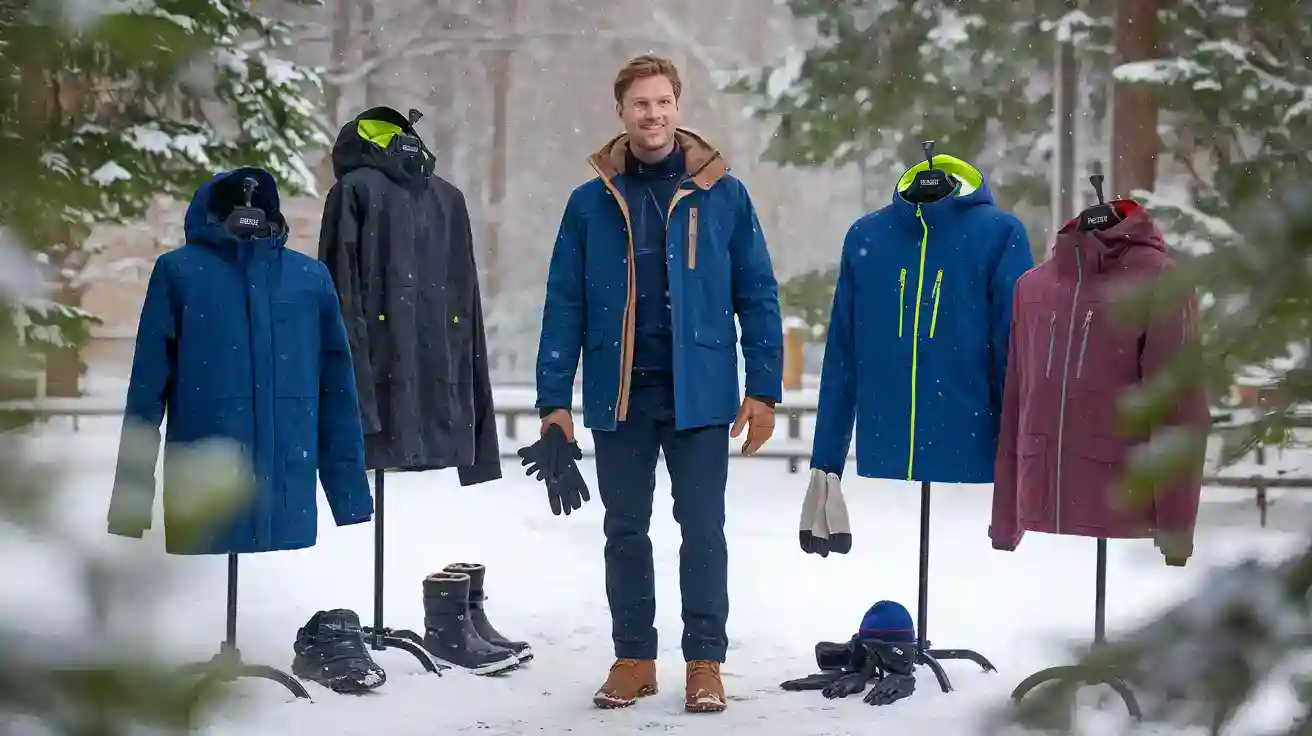
When you shop for snow jackets men should focus on warmth, waterproofing, breathability, fit, and special features. These key factors determine how well your jacket performs in harsh winter conditions. You want protection that matches your body and activity. Make sure you choose a fit that allows easy movement and comfort. Think about your activity level, local climate, and personal style to find the right jacket for your needs.
Key Takeaways
- Choose a snow jacket based on warmth, waterproofing, breathability, fit, and special features to match your activity and climate.
- Understand the three main jacket types: insulated for warmth, shell for weather protection and layering, and 3-in-1 for versatile use.
- Look for high waterproof ratings and fully taped seams to stay dry in wet or snowy conditions.
- Pick insulation type wisely: down for dry, cold weather and synthetic for wet or active environments.
- Ensure your jacket fits well with enough room for layers but allows free movement for comfort and performance.
- Check for useful features like adjustable hoods, helmet compatibility, powder skirts, vents, and well-placed pockets.
- Match your jacket choice to your activity level and local weather to stay comfortable and protected.
- Maintain your jacket by washing it properly and reapplying water repellent treatments to keep it working well.
Snow Jackets Men: Types
When you shop for snow jackets men, you encounter three main types: insulated, shell, and 3-in-1. These categories dominate the market across North America, Europe, Asia Pacific, and other regions. Each type offers unique benefits for warmth, weather protection, and versatility. Understanding these differences helps you select the right ski jacket or snowboard jacket for your needs.
Insulated
Insulated jackets feature built-in insulation, either down or synthetic, to trap body heat and keep you warm in cold conditions. Down insulation, made from goose or duck plumules, delivers excellent warmth-to-weight ratio and compressibility. It works best in dry, cold climates but loses effectiveness when wet. Synthetic insulation, such as PrimaLoft® or ThermoBall™, mimics down’s loft and warmth while maintaining insulation even when damp. This makes synthetic options ideal for wet or active environments.
Pros and Cons
- Pros:
- Superior warmth, especially for those who get cold easily.
- Down insulation offers high compressibility for easy packing.
- Synthetic insulation retains heat when wet and dries quickly.
- Cons:
- Down loses warmth if exposed to moisture.
- Synthetic insulation may provide less warmth for the same weight.
- Insulated jackets can limit layering flexibility.
Tip: Choose an insulated ski jacket if you spend long hours in cold, dry conditions or prefer maximum warmth with minimal layering.
Shell
Shell jackets focus on weather protection and layering flexibility. You find two main types: hardshell and softshell.
Hardshell
Hardshell jackets provide the highest level of waterproofing and wind resistance. They use advanced membranes and seam taping to block out snow and rain. These jackets excel in harsh weather and high-exertion activities, such as skiing or snowboarding. You can layer an insulated jacket or fleece underneath for added warmth.
Softshell
Softshell ski jackets prioritize breathability and comfort. They use flexible fabrics that allow greater mobility and airflow. While they offer some water resistance, they do not match hardshells for waterproofing. Softshells suit mild conditions or active pursuits where you need ventilation more than full weather protection. However, they tend to be heavier and less packable than insulated options.
3-in-1
3-in-1 jackets combine a waterproof shell with a zip-in insulated liner. You can wear each layer separately or together, adapting to changing weather and activity levels. This design gives you the flexibility to switch between a ski jacket, snowboard jacket, or casual outerwear.
Versatility
- 3-in-1 jackets deliver maximum adaptability for diverse conditions.
- You can use the shell alone for rain or mild weather, the liner for warmth, or both for full protection.
- Many users appreciate the convenience and value, though these jackets may not match the fit or performance of dedicated insulated or shell jackets.
- The durable water repellent (DWR) finish and machine-washable design add to their practicality.
Note: If you want one jacket for all your ski and snowboard jackets needs, a 3-in-1 offers unmatched versatility and user satisfaction.
| Jacket Type | Warmth | Weather Protection | Layering Flexibility | Packability | Best For |
|---|---|---|---|---|---|
| Insulated | High | Moderate-High | Low | High | Cold, dry conditions |
| Hardshell | Low | Very High | High | Moderate | Wet, variable weather |
| Softshell | Low | Moderate | High | Low | Mild, active use |
| 3-in-1 | Variable | High | Very High | Moderate | All-around adaptability |
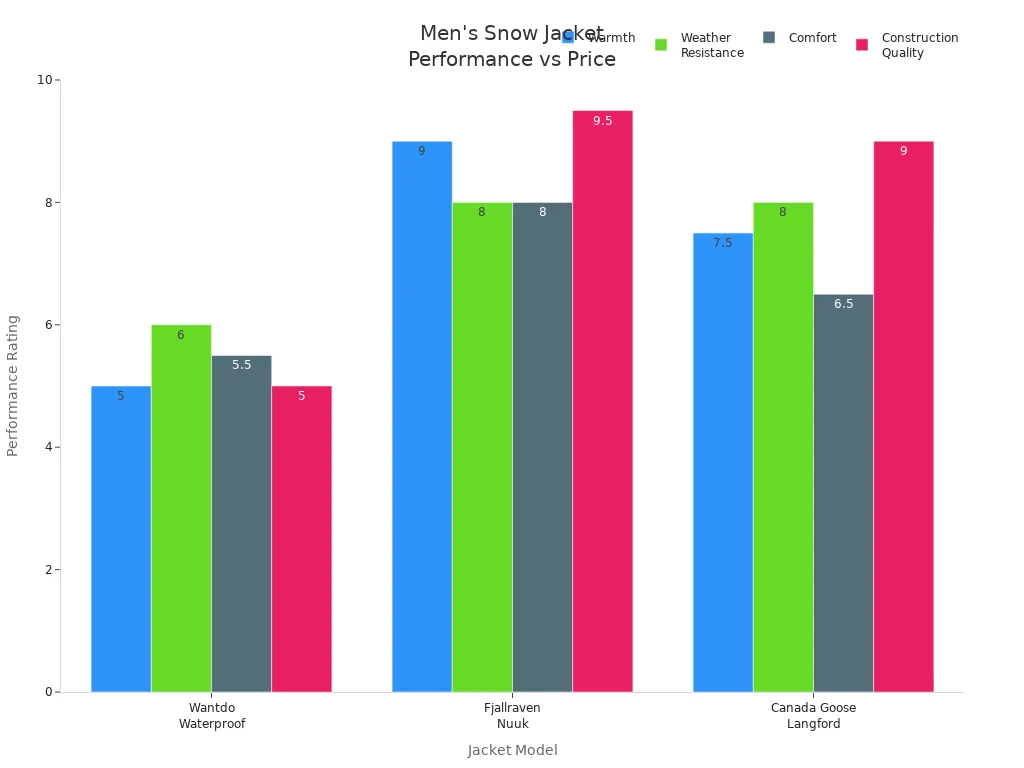
When you compare price and performance, higher-end jackets deliver better warmth, weather resistance, and construction quality. Budget options still provide reasonable comfort and features for less demanding winter use.
Key Features in a Ski Jacket
When you choose a ski jacket, you need to focus on four main features: waterproofing, breathability, insulation, and durability. These elements determine how well your jacket performs in harsh winter environments. They also impact your comfort and safety on the slopes.
Waterproofing
Waterproofing protects you from snow, rain, and wind. A high-quality waterproof jacket keeps you dry and comfortable, even in stormy conditions. You should pay attention to both the materials and the construction of your jacket.
Membranes
A waterproof and breathable membrane forms the core of most modern ski jackets. This layer blocks water from entering while allowing sweat vapor to escape. You find several types of membranes in the market, each with different performance levels.
| Waterproof Membrane | Example Jackets | Performance Rating | Notes |
|---|---|---|---|
| Gore-Tex Pro | Arc’teryx Sabre, Arc’teryx Rush, Norrona Lofoten Gore-Tex Pro Shell | Optimal weather resistance; repels all precipitation and blocks wind | Top performer in weather resistance; withstands heavy precipitation and wind effectively |
| Helly Tech Professional | Helly Hansen Alpha LifaLoft | Good weather resistance, slightly below Gore-Tex | Balances weather protection and price; winter storm-worthy at nearly half the price of Gore-Tex jackets |
| Proprietary membranes | Outdoor Research Skytour AscentShell | Nearly as good as Gore-Tex at lower cost | Offers competitive waterproof/breathable performance; budget-friendly alternative |
You should look for a ski jacket with a membrane that matches your activity level and local climate. Gore-Tex Pro offers the highest level of waterproofing and breathability, making it ideal for extreme conditions. Helly Tech Professional and other proprietary membranes provide solid protection at a lower price point.
Seams
Seam construction plays a critical role in waterproofing. Water can seep through the tiny holes created by stitching. Manufacturers use seam taping to prevent leaks.
- Fully taped seams: All seams are sealed for maximum waterproofing. Choose this option for wet or unpredictable weather.
- Critically taped seams: Only high-exposure areas are sealed. This method works for dry or mild conditions.
A durable water repellent (DWR) finish adds another layer of defense. DWR causes water to bead up and roll off the fabric. Over time, you need to reapply DWR to maintain performance.
Tip: Always check the waterproof rating of your ski jacket. This number, measured in millimeters, tells you how much water pressure the fabric can withstand before leaking.
- Industry standards for waterproof rating in men’s ski jackets:
- 5,000 mm (5k): Minimum for cold, clear days with light snow.
- 5,000–10,000 mm: Good for long days in varied weather.
- 10,000–20,000 mm: Best for wet climates and frequent skiers.
- 20,000+ mm: Ideal for backcountry or high-exertion activities.
A higher waterproof rating means better moisture protection. You stay dry and comfortable, even in heavy snow or rain.
Breathability
Breathability measures how well your jacket lets sweat vapor escape. Without good breathability, moisture builds up inside your jacket, making you cold and clammy. You need a breathable jacket for any active winter sport.
Ratings
Manufacturers rate breathability in grams (g), showing how much water vapor passes through a square meter of fabric in 24 hours. Higher numbers mean better breathability.
- 5,000–10,000 g: Basic breathability for light activity or short outings.
- 10,000–20,000 g: Suitable for most skiers and snowboarders.
- 20,000+ g: Best for high-output activities like backcountry touring.
A waterproof and breathable membrane balances protection and comfort. You want a ski jacket that keeps water out but lets sweat escape. This balance prevents overheating and internal dampness.
Note: Outerwear cannot be completely waterproof like a rubber raincoat. You need breathability to avoid sweat buildup during activity.
Insulation
Insulation traps body heat and keeps you warm. The type and amount of insulation affect the jacket’s warmth, weight, and performance. You should choose ski jacket insulation based on your climate and activity level.
Down
Down insulation uses goose or duck plumules. It offers an excellent warmth-to-weight ratio and compresses easily for packing. Down works best in cold, dry climates.
| Feature | Down Insulation |
|---|---|
| Warmth-to-Weight | Excellent; traps warm air efficiently with minimal bulk |
| Moisture Resistance | Poor unless treated; loses loft when wet |
| Packability | High; compresses well and rebounds after unpacking |
| Best Use Case | Cold, dry climates; alpine touring where lightweight and compressibility are priorities |
Down insulation provides superior insulating properties for its weight. However, it loses effectiveness when wet unless treated with a water-repellent finish.
Synthetic
Synthetic insulation mimics down but uses polyester fibers. It retains warmth even when damp and dries quickly. Synthetic insulation suits wet or variable conditions.
| Feature | Synthetic Insulation |
|---|---|
| Warmth-to-Weight | Moderate; slightly bulkier but retains warmth better when wet |
| Moisture Resistance | Excellent; retains insulating power when damp or wet |
| Packability | Moderate; bulkier and less compressible |
| Best Use Case | Wet or variable conditions; resort skiing and high-output activities where moisture management is key |
Synthetic ski jacket insulation works well for resort skiing and high-output activities. It offers reliable warmth and durability, even in humid or wet environments.
Pro Tip: Choose down for ultralight warmth in dry climates. Pick synthetic for durability and moisture resistance in wet or mixed conditions.
Durability
When you select a ski jacket, durability becomes a critical factor. You want a jacket that withstands tough conditions, frequent use, and the rigors of winter sports. Manufacturers design durable jackets with high-quality fabrics, reinforced stitching, and abrasion-resistant panels. These features protect your investment and ensure long-lasting performance.
You should examine the outer fabric first. Most premium snow jackets use nylon or polyester with a dense weave. These materials resist tears and abrasions from ski edges, tree branches, and rough terrain. Some brands add ripstop patterns or double-layer zones in high-wear areas, such as shoulders and elbows. This construction increases the lifespan of your jacket.
Pro Tip: Always check the denier rating of the fabric. Higher denier numbers mean thicker, stronger material. Jackets with 70D or above offer excellent durability for aggressive skiing and snowboarding.
You also need to consider the quality of zippers, snaps, and Velcro closures. Heavy-duty YKK zippers and reinforced fasteners prevent failures in cold weather. You should look for jackets with bar-tacked seams and double stitching. These techniques reduce the risk of seam splitting during high-movement activities.
Waterproofing plays a role in durability as well. Jackets with advanced waterproof coatings and membranes resist breakdown from repeated exposure to moisture and snow. Durable water repellent (DWR) finishes help maintain the jacket’s protective qualities over time. You may need to reapply DWR after several seasons to keep your jacket performing at its best.
Here are key durability features to look for:
- High-denier outer fabric: Resists tears and abrasions.
- Reinforced panels: Protects high-wear zones.
- Quality zippers and fasteners: Prevents malfunction in harsh conditions.
- Double or bar-tacked stitching: Increases seam strength.
- Long-lasting waterproofing treatments: Maintains protection after repeated use.
| Durability Feature | Benefit | What to Look For |
|---|---|---|
| High-denier fabric | Tear and abrasion resistance | 70D+ nylon or polyester |
| Reinforced panels | Extra protection in key areas | Shoulders, elbows, cuffs |
| Quality hardware | Reliable closures and zippers | YKK zippers, sturdy snaps |
| Advanced stitching | Strong seams | Bar-tacked, double stitched |
| DWR finish | Maintains waterproofing | Re-treatable, long-lasting |
If you plan to ski or snowboard often, invest in a jacket with proven durability features. You will enjoy better protection, fewer repairs, and a longer lifespan for your gear.
Choose a Ski Jacket: Fit and Comfort
Selecting the right fit for your ski jacket is essential for both comfort and performance on the slopes. The fit determines how well you can layer, move, and stay warm during winter activities. When you choose a ski jacket, you should always try it on with your typical base and mid-layers to ensure enough space without restricting movement.
Fit Types
Slim
A slim fit offers a close-to-body cut that reduces bulk and creates a streamlined look. This style works best for those who prefer minimal layering or want a modern, athletic silhouette. Slim fit jackets often use stretchy fabrics and articulated sleeves to enhance mobility, even with a narrower profile. However, you may find less room for thick layers underneath, so consider your insulation needs before choosing this style.
Regular
Regular fit remains the most popular choice for men’s ski jackets. This cut balances room for layering with a tailored appearance. You get enough space across the chest and shoulders to add a fleece or insulated layer without feeling restricted. Regular fit jackets suit most body types and activities, making them a versatile option for both resort and backcountry use.
Relaxed
A relaxed fit provides extra space throughout the body and sleeves. This style is ideal if you prioritize comfort, need to wear multiple layers, or want maximum freedom of movement. Relaxed fit jackets often appeal to snowboarders and those who spend long days outdoors. However, too much looseness can let cold air in, so look for adjustable cuffs, hems, and hoods to customize your fit.
Tip: Always check for tightness or pulling across the chest and shoulders. A proper fit should allow you to move your arms freely without restriction.
Layering
Layering under your ski jacket plays a crucial role in thermal comfort and moisture management. Each layer serves a specific function:
| Layer Type | Primary Function | Materials Examples | Impact on Thermal Comfort and Moisture Management |
|---|---|---|---|
| Base Layer | Moisture management (wicking perspiration away from skin) | Synthetics (polyester, nylon), merino wool, silk | Keeps skin dry to prevent chilling or hypothermia; different weights balance warmth and moisture control. |
| Middle Layer | Insulation (traps body heat) | Fleece, down, synthetic insulated jackets | Retains body heat; fleece breathes well but needs wind protection; down offers high warmth-to-weight but loses efficiency when damp; synthetics retain warmth even when damp. |
| Outer Layer | Protection from wind, rain, and snow | Waterproof/breathable shells, soft shells | Prevents moisture penetration, blocks wind, maintains dryness and warmth; breathability allows perspiration escape. |
When you choose a ski jacket, make sure the fit accommodates your preferred layering system. Trying jackets on with your usual base and mid-layers helps you avoid surprises on the mountain.
Mobility
Mobility is critical for skiing and snowboarding. The fit of your jacket directly impacts how easily you can move. Features like articulated sleeves and stretchy fabrics allow for natural arm and torso movement. Jackets with adjustable cuffs, hems, and hoods let you fine-tune the fit for comfort and flexibility. If you notice tightness or pulling when you reach or twist, the fit may be too restrictive.
| Feature | Description | Impact on Mobility |
|---|---|---|
| Fit | Trimmed or roomy cuts affect range of motion and layering options. | Snug but comfortable fit enhances movement without restriction. |
| Fabric Type | Stretchy, breathable materials improve comfort during high exertion. | Freer movement and less fatigue. |
| Ventilation (Pit Zips) | Allow heat release during intense activity. | Maintain comfort and mobility by regulating temperature. |
| 3-in-1 Jackets | Integrated layers can add bulk and restrict movement. | May reduce mobility, less ideal for high-exertion activities. |
| Fabric Weight | Lighter fabrics improve movement, balanced with durability. | Easier movement and less fatigue. |
When you want to know how to choose a ski jacket, always prioritize a fit that supports your activity level and layering needs. A well-chosen fit ensures you stay comfortable, warm, and agile on every run.
Essential Details for Buying a Ski Jacket
Hoods
A high-quality hood stands out as one of the most important jacket features for winter sports. You want a hood that shields your head from wind, snow, and cold temperatures. Look for hoods with adjustable drawcords or toggles so you can cinch them tight in harsh weather. Some hoods include insulation for added warmth, while others use lightweight materials for better mobility. Many brands design their hoods to be removable, giving you flexibility for different conditions.
Helmet-Compatible
If you ski or snowboard, you need a helmet-compatible hood. This design allows you to wear your hood comfortably over a ski helmet, ensuring full coverage and protection. Several men’s jackets from Atomic, such as the Redster 3L Insulated Jacket and Revent 2L Insulated Jacket, feature helmet-compatible hoods. These hoods not only fit over helmets but also offer adjustability and insulation for warmth. You benefit from enhanced safety and comfort, especially during high-speed descents or stormy days. Advanced materials and ergonomic construction help maintain freedom of movement, so you never feel restricted.
Pockets
Pockets play a crucial role in the functionality of your outerwear. Well-designed pockets let you carry essentials without needing a backpack, keeping your items secure and accessible.
Lift Pass
A dedicated lift pass pocket, usually located on the left sleeve, streamlines your experience at ski resorts. You can tap your arm at electronic gates without removing gloves or fumbling for your pass. This feature saves time and reduces hassle, especially on busy days.
Storage
You find a variety of storage options in modern jackets. Anorak-style jackets often include oversized front pouch (kangaroo) pockets, perfect for stashing gloves or snacks. Zip-through jackets typically offer large hip pockets for easy access and internal mesh pockets for larger items. Many designs also feature a media pocket for your phone, keeping it protected and within reach. These pocket arrangements help you organize your gear and keep valuables safe while you focus on the slopes.
Tip: Choose a jacket with enough pockets for your needs, but avoid excessive bulk that can restrict movement.
Powder Skirt
A powder skirt is a must-have for anyone who skis or rides in deep snow. This elasticized band sits inside the jacket at the waist and snaps closed to seal out snow. About 80% of custom men’s jackets include removable and adjustable powder skirts. These skirts prove highly effective, blocking up to 95% of snow from entering during falls or in deep powder. The Armada Utility 2L Insulated Snowboard/Ski Jacket, for example, uses a 4-way stretch adjustable powder skirt to enhance flexibility and snow protection. Powder skirts work alongside other features like sealed seams and adjustable hoods to keep you dry and comfortable, even in challenging conditions.
Vents
Vents play a crucial role in regulating your body temperature during winter sports. You often find them in the underarm area, along the chest, or at the back of men’s ski jackets. These openings, usually secured with zippers or mesh, allow you to release excess heat quickly. When you engage in high-intensity activities like skiing or snowboarding, your body generates significant warmth. Without proper ventilation, sweat builds up and leaves you feeling damp and uncomfortable.
Many modern jacket features include underarm vents, also known as pit zips. The Spyfire® Jacket demonstrates how effective these can be. Designers place gussets in the underarm area to enhance breathability and stretch. This approach allows you to maintain comfort even during demanding workouts such as cross-country skiing. The jacket uses more insulation at the core and less in heat-producing zones, helping you balance warmth and airflow. Long-term users report that mesh-lined armpit vents work well for winter exercise, confirming their value in temperature regulation.
You should look for jackets with adjustable vents. Zippered openings let you control airflow based on your activity level and weather conditions. Mesh linings prevent snow from entering while still allowing air to circulate. Some jackets offer chest or back vents for additional cooling options. These ventilation systems help you stay dry and comfortable, especially when the weather shifts or your exertion increases.
Tip: Open your vents before starting a strenuous run. You will avoid overheating and keep sweat from building up inside your jacket.
Adjustability
Adjustability ensures your ski jacket fits well and adapts to changing conditions. You want to customize your jacket features for maximum comfort and protection. Most jackets include adjustable cuffs, hems, and hoods. Velcro or elastic cuffs seal out snow and wind, while drawcord hems prevent cold air from entering at the waist. Adjustable hoods let you tighten or loosen the fit around your head, improving coverage during storms.
Some jackets offer removable powder skirts or helmet-compatible hoods. These options allow you to tailor your gear for specific activities. You may also find adjustable wrist gaiters, which block snow from entering your sleeves. Zippered vents and snap closures give you control over ventilation and fit.
| Adjustability Feature | Benefit | How It Works |
|---|---|---|
| Cuffs | Blocks wind and snow | Velcro, elastic, or snap tabs |
| Hem drawcord | Seals out cold air | Adjustable cord at waist |
| Hood toggles | Improves head coverage | Pull cords or toggles |
| Powder skirt snaps | Prevents snow entry | Removable or adjustable |
| Wrist gaiters | Keeps sleeves secure | Stretch or thumbhole design |
When you select a ski jacket, test all adjustment points. You should move freely and feel secure, no matter the weather. Well-designed adjustability enhances your experience and extends the life of your jacket.
Matching Snow Jackets Men to Activity & Climate

Activity Level
Choosing the right snow jackets men depends on your activity. If you spend most of your time at the resort, you likely want a jacket with more insulation and bulk. This type of snowboard jacket keeps you warm on chairlifts and during long waits. For active skiers, backcountry riders, or those who hike to find fresh powder, a lightweight, breathable, and packable snowboard jacket works best. You need mobility and comfort for uphill climbs and quick descents. Shell jackets offer the lightest option, making them ideal for touring and sidecountry adventures. Insulated jackets provide warmth but add weight, while 3-in-1 jackets give you the most bulk and flexibility.
When you plan to hike or tour, breathability becomes crucial. Look for features like pit zips to help regulate your temperature. Fit and sizing also matter. Resort jackets often have a roomier cut for layering, while backcountry jackets use a trimmer fit for better movement. Storage needs change with your activity. Resort riders may only need a few pockets, but backcountry users benefit from multiple pockets for gear like avalanche beacons or climbing skins. Powder skirts and helmet-compatible hoods add protection and safety, especially in deep snow or during falls.
- Resort skiing or snowboarding: Insulated or 3-in-1 snowboard jacket, roomy fit, moderate storage.
- Backcountry touring or hiking: Lightweight shell snowboard jacket, high breathability, multiple pockets, streamlined fit.
- Freestyle or park riding: Relaxed fit snowboard jacket, focus on mobility and style.
Weather
Weather conditions play a major role in your jacket choice. In cold, windy, or wet climates, you need a snowboard jacket with strong waterproofing and windproofing. These features keep moisture and cold air out, helping you stay dry and warm. For milder weather or high-intensity activity, a lightweight, breathable shell works well. You can adjust your warmth with base and mid-layers under your snowboard jacket.
Insulation levels should match the temperature and your activity. Choose a heavily insulated snowboard jacket for frigid days or low activity. For warmer days or when you move a lot, select a shell with ventilation zips and moisture-wicking layers. Adjustable cuffs, powder skirts, and vents help you adapt to changing weather. Always layer smartly to manage both temperature and sweat.
- Cold, wet, or windy: Insulated or technical shell snowboard jacket, high waterproof rating, windproof features.
- Mild or variable: Lightweight, breathable shell snowboard jacket, focus on ventilation and layering.
Style
Style preferences for snow jackets men often focus on performance and durability. Many men choose a snowboard jacket with advanced technical features like weather resistance and breathability. You see a trend toward performance-oriented designs that work for both outdoor sports and urban wear. In North America, harsh winters and a strong outdoor culture drive demand for high-performance snowboard jacket options. European buyers often look for a blend of technical features and stylish design, influenced by fashion and sustainability trends. In Asia Pacific, demand grows as more people join outdoor activities and follow Western styles.
You may also notice a rise in gender-neutral and unisex snowboard jacket designs. These appeal to those who value inclusivity and flexibility. When you pick a snowboard jacket, consider not just function but also how it fits your personal style and the trends in your region.
Tip: Choose a snowboard jacket that matches your activity, climate, and style. You will enjoy better comfort, protection, and confidence on the mountain.
Buying a Ski Jacket: Checklist
Quick Reference
When buying a ski jacket, you need a clear checklist to guide your decision. Use this list to make sure you cover all the essentials before you purchase:
- Choose a waterproof or water-resistant ski jacket with a minimum waterproof rating of 10,000mm. This protects you from snow and moisture during long days on the mountain.
- Check compatibility with layering. Make sure your jacket fits comfortably over mid-layer shirts like fleece or lightweight down jackets.
- Select insulation suitable for cold weather. Down or synthetic insulation provides warmth, but consider your climate and activity level.
- Look for features such as pit zips for ventilation, powder skirts for snow protection, and helmet-compatible hoods.
- Inspect the fit. A roomy fit allows for layering in resort jackets, while a slim fit supports mobility in backcountry jackets.
- Consider renting or borrowing a ski jacket if this is your first trip. This saves money and lets you test different styles.
- Add thermal base layers (avoid cotton), neck warmers or gaiters, and wool ski socks to your gear list for maximum comfort.
Tip: Always read care labels and follow washing instructions. Proper maintenance extends the life and performance of your ski jacket.
Summary Table
You can compare ski jackets quickly using the table below. This summary highlights the most important features and helps you match your choice to your needs:
| Feature | Description & Importance |
|---|---|
| Insulation Type | Indicates warmth level. Heavier insulation means more warmth but less mobility. |
| Waterproofing Level | Critical for protection against snow and moisture. Higher ratings mean better durability in wet conditions. |
| Intended Use | Specifies if jacket is best for resort skiing (durability, layering) or backcountry (lightweight, mobility). |
| Special Features | Includes pit zips (ventilation), powder skirts (snow protection), and jacket-to-pant attachments (snow seal). |
| Fit | Roomy fit for layering in resort jackets. Slim fit for mobility in backcountry jackets. |
| Trade-offs | Highlights compromises like waterproofing vs breathability or insulation vs mobility. |
| ‘Best For’ Categories | Guides you to jackets suited for specific skiing styles and conditions. |
Common Mistakes to Avoid
You can avoid frequent errors when buying a ski jacket by following these steps:
- Wash your jacket sparingly and use detergents designed for waterproof clothing. Avoid fabric softeners and always follow care labels.
- Reproof your jacket regularly to restore water repellency. Apply spray-on or wash-in products after cleaning.
- Spot-clean dirt and oil buildup to maintain breathability and waterproof performance. Use cleaners made for technical fabrics.
- Store your jacket by hanging it in a cool, dry place. Avoid stuffing it into tight spaces.
- Select a jacket with features and fit appropriate for your specific needs. Do not use a lightweight jacket in harsh weather.
Note: Matching your jacket to your activity and climate ensures comfort and safety on the slopes.
When you choose a snow jacket, focus on what matters most for performance and comfort. Key factors include:
- Durability and robust materials
- Breathability and ventilation
- High waterproof ratings
- Fit and comfort
- Versatile features like pockets, vents, and powder skirts
- Style and value for price
- Sustainable materials
Use the checklist and summary table to compare options. The best jacket matches your needs, climate, and activity. With the right choice, you stay warm, dry, and confident on every adventure.
FAQ
What is the difference between a ski jacket and a snowboard jacket?
You find ski jackets and snowboard jackets share many features. Snowboard jackets often have a looser fit for better mobility. Ski jackets usually offer a more tailored cut. Both types provide waterproofing, insulation, and vents.
How do I wash and care for my snow jacket?
You should follow the care label instructions. Use a gentle detergent designed for technical outerwear. Avoid fabric softeners. Hang your jacket to dry. Reapply a DWR treatment after several washes to maintain water repellency.
Can I wear my snow jacket for everyday winter use?
Yes, you can wear your snow jacket daily. Many modern designs look stylish and provide excellent warmth and weather protection. Choose a jacket with features that match your lifestyle and climate.
How do I know if my jacket is waterproof enough?
Check the waterproof rating on the label. A rating of 10,000mm or higher offers solid protection for most winter conditions. Look for fully taped seams and a DWR finish for added defense against moisture.
Should I size up to allow for layering?
You should try on jackets with your usual base and mid-layers. A regular fit usually allows enough room for layering. Avoid sizing up too much, as excess fabric can reduce mobility and warmth.
What features should I prioritize for backcountry skiing?
Focus on these essentials:
- High breathability
- Lightweight shell construction
- Multiple pockets for gear
- Helmet-compatible hood
- Pit zips for ventilation
These features help you stay comfortable and safe in changing conditions.
How often should I reproof my snow jacket?
You should reproof your jacket when water stops beading on the surface. For frequent use, apply a DWR treatment every season. Regular maintenance keeps your jacket performing at its best.