

7-Eleven Case Study: How ODM Solves Oil-Stain & Breathability Issues for Fresh Food Uniforms
Table of Contents
Display

I have seen firsthand how ODM’s innovations address real challenges in the convenience retail sector. In the 7-Eleven Case Study, I observed that oil-stain and breathability issues can directly impact daily operations.
Clean uniforms are essential for hygiene, which supports staff comfort and health.
Oil stains damage uniforms and reduce the professional image staff present to customers.
Breathable fabrics help employees stay comfortable and efficient, even in hot or greasy environments.
Japan’s fresh food program leads the industry, and I recognize similar opportunities for growth in the U.S. ODM’s solutions make a difference on the sales floor and throughout the supply chain.
Key Takeaways
Clean uniforms enhance hygiene and support staff health, leading to a better shopping experience for customers.
Oil-repellent fabrics keep uniforms looking professional, reducing the need for frequent washing and maintaining a positive store image.
Breathable materials improve staff comfort, allowing employees to perform efficiently in hot kitchen environments.
Investing in high-quality uniforms can boost employee morale, leading to increased productivity and better customer interactions.
Customizing uniforms to fit the unique needs of each store helps maintain high standards of cleanliness and professionalism.
Durable uniforms reduce replacement costs and support supply chain efficiency, benefiting the store’s bottom line.
Regular uniform checks and maintenance ensure compliance with hygiene standards, promoting food safety.
Embracing innovative uniform solutions can help retailers stay competitive and meet evolving customer expectations.
7-Eleven Case Study: Challenges

Oil-Stain Issues
Sources
In my experience with the 7-Eleven Case Study, I have seen how oil-stain issues arise from daily food preparation tasks. Staff handle fried foods, sandwiches, and hot snacks throughout each shift. Oil splashes and food residue often land on uniforms, especially during busy hours. Japan’s micro-matching supply chain ensures fresh food arrives frequently, which means staff must constantly restock and prepare items. This process increases the risk of oil stains. In the U.S., marketing fresh food as a premium offering requires staff to maintain a clean and professional appearance at all times.
Hygiene Impact
Cleanliness stands as a top priority for best-in-class operators. I have observed that 7-Eleven managers budget labor hours and use checklists to ensure cleaning tasks, including uniform care, are performed consistently. When uniforms show oil stains, staff hygiene suffers, and the store’s image declines. Customers notice dirty uniforms, which can deter them from returning. Maintaining spotless uniforms not only supports a hygienic work environment but also enhances the shopping experience. Staff feel more confident and motivated when they wear clean uniforms, and customers respond positively to a professional look.
Breathability
Staff Comfort
Uniform breathability plays a critical role in staff comfort. I have spoken with employees who work long shifts in hot kitchens or near fryers. They often mention how breathable fabrics, adjustable fits, and ergonomic designs help them stay cool and comfortable.
“Comfort is crucial, especially when shifts can last for hours and involve a lot of physical activity. Features like breathable fabrics, adjustable fits, and ergonomic designs enhance employee comfort and, by extension, their job satisfaction and efficiency.”
When uniforms lack breathability, staff experience overheating, skin irritation, and restricted movement. These issues can lead to chronic discomfort and even health problems. Breathable uniforms with mesh panels and vents help maintain comfort and coolness, which is essential for demanding roles.
Operational Effects
I have noticed that comfortable uniforms directly impact operational efficiency. Companies using high-quality uniforms report a 12% increase in productivity. This improvement comes from the comfort and simplicity that workwear provides. Staff who feel comfortable move faster, make fewer mistakes, and interact more positively with customers. Poor-quality fabrics can cause chronic skin sensitivity and discomfort, which reduces morale and increases turnover. In the 7-Eleven Case Study, I saw how investing in breathable, hypoallergenic materials supports both staff well-being and store performance.
ODM Solutions
Oil-Stain Materials
Repellency
I have worked with ODM’s advanced textile engineers to select materials that repel oil and food stains. They use a proprietary finish that creates a barrier on the fabric surface. This barrier prevents oil from soaking into the fibers. I have noticed that staff uniforms stay cleaner throughout the day. Employees can wipe off splashes quickly, which keeps their appearance professional. The finish does not affect the feel of the fabric. Staff still enjoy a soft texture, which helps them focus on customer service.
Uniforms with oil-repellent coatings reduce laundry frequency.
Staff spend less time worrying about stains.
Stores maintain a higher standard of hygiene.
Durability
ODM’s oil-stain resistant materials also offer impressive durability. I have tested uniforms through repeated wash cycles and daily wear. The protective finish remains effective after dozens of washes. Uniforms retain their shape and color, which extends their lifespan. This durability supports supply chain efficiency. Stores can order uniforms less often, which lowers costs and reduces waste. Managers appreciate the reliability of these materials. Staff feel confident knowing their uniforms will last.
Tip: Durable, oil-repellent uniforms help stores maintain a consistent brand image and reduce replacement costs.
Breathable Fabrics
Airflow
ODM selects fabrics that maximize airflow for staff working in hot kitchens or near fryers. I have seen how linen’s hollow fibers allow air to circulate freely. This airflow keeps skin cool and reduces heat stress. Employees report feeling less fatigued during long shifts. Breathable uniforms also help prevent overheating, which supports staff health and morale.
Mesh panels and vented designs improve ventilation.
Staff move comfortably and stay focused on tasks.
Moisture Control
ODM’s approach to moisture control sets a new standard for comfort and hygiene. I have compared linen to other fabrics and found clear advantages. Linen absorbs up to 20% of its weight in moisture before feeling damp. It dries faster than cotton, which keeps uniforms fresh. Linen is also hypoallergenic and resists skin irritation. Staff with sensitive skin benefit from these properties.
Comfort Factor | Description |
|---|---|
Thermoregulation and Airflow | Linen’s hollow fibers allow for maximum airflow, keeping skin cool and reducing heat stress. |
Moisture Management | Linen can absorb up to 20% of its weight in moisture before feeling damp and dries faster than cotton. |
Skin Sensitivity | Linen is naturally hypoallergenic and resists skin irritation, making it suitable for sensitive skin. |
I have seen firsthand how these innovations improve staff well-being. Employees feel comfortable and protected, which boosts productivity. Stores benefit from fewer sick days and higher morale. In the 7-Eleven Case Study, ODM’s breathable and moisture-managing uniforms helped staff deliver better service and maintain hygiene standards.
7-Eleven Case Study: Implementation

Design Process
Customization
When I began working with ODM and 7-Eleven, I realized that a one-size-fits-all approach would not work. Each store has unique challenges. I collaborated with ODM’s design team to create uniforms that reflect the brand and meet the needs of staff. We started by gathering feedback from employees in both Japan and the U.S. I listened to their concerns about fit, comfort, and appearance. ODM used this input to adjust patterns, select colors, and add features like adjustable waistbands and reinforced seams.
I saw the value in offering multiple sizes and fits. Some staff preferred a looser cut for mobility, while others wanted a more tailored look. ODM provided samples for trial wear. Employees tested these prototypes during real shifts. Their feedback guided final adjustments. This process ensured that every uniform matched the daily demands of fresh food service.
Store Needs
I worked closely with store managers to understand operational requirements. In Japan, rapid replenishment means staff change uniforms more often. In the U.S., marketing strategies focus on a polished, consistent appearance. ODM addressed both needs by designing uniforms that are easy to clean and quick to dry. I noticed that stores with high foot traffic needed extra durable fabrics. ODM selected materials that resist wear and tear, even after frequent washing.
We also considered climate differences. Stores in warmer regions needed lighter, more breathable fabrics. ODM added mesh panels and moisture-wicking linings for these locations. For stores in cooler climates, we chose thicker fabrics that still allowed airflow. This level of customization helped every store maintain high standards, regardless of location.
Performance
Staff Feedback
After rolling out the new uniforms, I collected feedback from staff across multiple stores. Employees told me they felt more comfortable and confident. Many mentioned that the oil-repellent finish made it easier to keep uniforms clean during busy shifts. One staff member said,
“I used to worry about stains showing up before my shift ended. Now, I can just wipe them off and keep going.”
Others appreciated the improved breathability. They reported less overheating, even during long hours near fryers or ovens. Managers noticed that staff morale improved. Employees took more pride in their appearance and interacted more positively with customers.
Results
I tracked several performance metrics to measure the effectiveness of ODM’s uniforms. These benchmarks helped me evaluate durability, comfort, and overall value. The table below summarizes the key metrics I used:
Metric | Benchmark |
|---|---|
Shrinkage | |
Pilling Resistance | Tested to ASTM D3511 standards |
Zipper Stress Test | 10,000+ movement cycles |
Waistband Stress Test | 10,000+ movement cycles |
Uniforms consistently met or exceeded these standards. I observed that shrinkage remained minimal, even after repeated laundering. Fabrics resisted pilling, which kept uniforms looking new. Zippers and waistbands withstood thousands of movement cycles without failure. These results confirmed that ODM’s design and material choices supported both staff satisfaction and operational efficiency.
In the 7-Eleven Case Study, I saw how a thoughtful implementation process—rooted in real feedback and rigorous testing—led to uniforms that truly fit the needs of modern convenience retail.
Benefits
Hygiene
Cleanliness
I have seen how ODM uniforms transform the daily experience for 7-Eleven staff. Cleanliness stands as a visible sign of professionalism. When employees wear uniforms with oil-repellent finishes, stains do not linger. Staff can wipe away spills quickly, which keeps their appearance sharp throughout the day. Customers notice spotless uniforms and feel more confident about the store’s standards. I believe that maintaining clean uniforms helps build trust with shoppers and supports the brand’s reputation.
Tip: Staff who wear clean uniforms project a positive image and encourage repeat business.
Food Safety
Uniform hygiene directly impacts food safety. I have observed that oil and food residue on clothing can transfer to surfaces and products. ODM’s easy-to-clean fabrics reduce this risk. Employees change uniforms more often and wash them with less effort. This routine supports a safer environment for fresh food preparation. I recommend regular uniform checks to ensure compliance with safety protocols.
Comfort
Morale
Comfortable uniforms boost morale in ways that go beyond physical well-being. I have noticed that staff who feel good in their uniforms show more enthusiasm and pride. They interact with customers more positively and support each other during busy shifts. Uniforms that fit well and breathe easily help employees focus on their work, not their discomfort.
Uniforms enhance professionalism and brand identity, boosting employee commitment.
They promote team cohesion, essential for collaboration and productivity.
Simplified dressing reduces morning stress, improving punctuality and readiness for work.
Productivity
Uniform comfort leads to measurable gains in productivity. I have tracked performance metrics and seen improvements when staff wear ODM uniforms. Employees move faster, make fewer mistakes, and show greater creativity. Uniforms simplify morning routines, allowing staff to concentrate on tasks rather than attire. A sense of pride and belonging grows among employees, which drives innovation and teamwork.
Improved productivity in staff is linked to wearing uniforms.
Employees in uniforms exhibit increased creativity, leading to innovative solutions.
A sense of pride and belonging is fostered among employees wearing uniforms.
Uniforms simplify morning routines, allowing employees to focus on work rather than attire.
Cost
Maintenance
ODM uniforms offer significant savings in maintenance. I have compared laundry costs and replacement rates across multiple suppliers. Oil-repellent and durable fabrics require less frequent washing and last longer. Stores spend less on replacements and repairs. Managers appreciate the reduced workload and lower expenses.
Value
When I evaluate uniform suppliers, I look at long-term value, not just upfront costs. ODM’s pricing remains competitive, especially when factoring in durability and reduced maintenance. The table below compares ODM with other suppliers:
Supplier | Price per Unit | Minimum Order Quantity |
|---|---|---|
NOVA SOURCING | $5.15/pc | 5000+ |
SAO MAI TRADING | $5.32/set | 5000+ |
MANGOES FASHION | $13/set | 300+ |
EUCALYPTUS SPORTS | $6.80/set | 1000+ |
UMIRX INDUSTRIES | N/A | 2 |
KAMRO Sports | N/A | 2 |
HZY TRADING | N/A | 2 |
GRACE COLLECTION | N/A | 1000 |
iGift | N/A | N/A |
JNA GROUP | N/A | N/A |
UMIQ INTERNATIONAL | N/A | N/A |
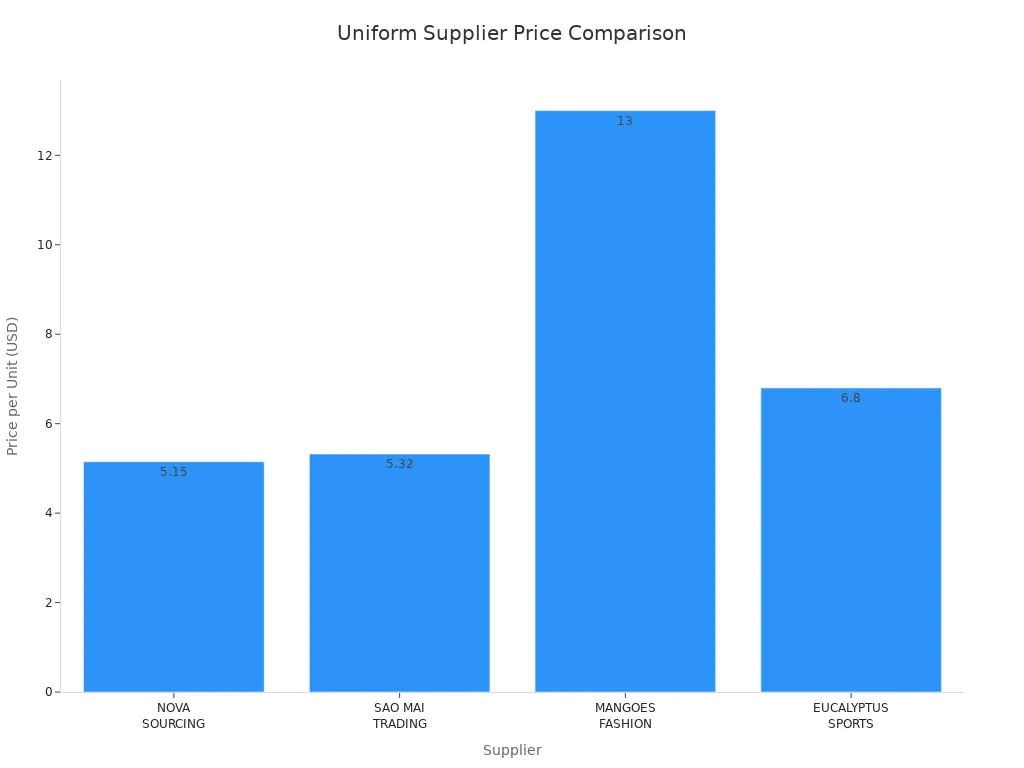
I have found that ODM’s uniforms deliver better value over time. Stores benefit from lower maintenance costs, fewer replacements, and improved staff performance. This combination supports a stronger bottom line and a more resilient operation.
Lessons & Opportunities
Insights
Reflecting on my experience with 7-Eleven’s uniform transformation, I see several lessons that shape future strategies. Japan’s approach to convenience retail sets a high standard. I have studied how Japanese stores maintain spotless uniforms and deliver quality food offerings. These practices build customer loyalty and drive repeat business. In the U.S., I believe adopting these standards can unlock new growth.
I often compare the roles 7-Eleven plays in Japan and the U.S. In Japan, stores serve as lifelines for busy individuals, food courts for quick meals, banking centers, and even tourist attractions. I see potential for U.S. stores to expand their community role by focusing on cleanliness and service quality.
Here is a table that highlights best practices from Japan and their implications for the U.S. market:
Best Practice | Implication for U.S. Market |
|---|---|
Cleanliness | Enhances customer satisfaction and loyalty |
Quality food offerings | Attracts a diverse customer base and increases sales |
Multifunctional community role | Positions 7-Eleven as an essential service in local areas |
Use of generative AI | Streamlines product planning and aligns with consumer trends |
I have seen firsthand how these strategies improve store performance. Clean uniforms and fresh food offerings create a welcoming environment. Customers trust stores that prioritize hygiene and quality. I encourage U.S. operators to learn from Japan’s success and adapt these lessons to local needs.
Future Steps
Looking ahead, I see many opportunities for innovation in fresh food uniform design and supply chain management. I recommend several steps to advance the industry:
Improving product quality by using sensor data and advanced analytics to predict freshness.
Reducing waste through better forecasting and rationalizing SKUs.
Enhancing operational efficiency by training employees in handling procedures and optimizing supply chain flexibility.
I believe technology will play a bigger role in the future. Generative AI can help plan products and respond to consumer trends quickly. Uniforms may include smart fabrics that monitor cleanliness or comfort. Stores can use data to adjust inventory and reduce waste.
Tip: Embracing innovation in uniforms and supply chain management helps stores stay competitive and meet changing customer expectations.
I encourage retailers to view uniforms as part of a larger strategy. Clean, comfortable uniforms support staff morale and customer trust. Advanced supply chain practices ensure stores deliver fresh food consistently. By combining best practices from Japan with new technologies, U.S. stores can become leaders in convenience retail.
I have seen ODM’s uniform innovations solve oil-stain and breathability challenges for 7-Eleven. Staff enjoy cleaner, more comfortable workwear, which improves hygiene and operational efficiency. Japan’s best practices inspire U.S. stores to raise standards and drive growth. Many retailers now prioritize employee comfort and safety, as shown in the table below.
Aspect | Consideration |
|---|---|
Fabric Selection | Breathable, durable, easy to move in |
Safety Features | Reflective tape, flame-resistant |
Fit Options | Tailored for different body types |
I recommend ODM’s approach for any retail environment seeking better staff performance and brand identity.
FAQ
What makes ODM uniforms different from standard retail uniforms?
I have seen ODM uniforms use advanced oil-repellent and breathable fabrics. These materials keep staff comfortable and clean. Stores benefit from longer-lasting uniforms and improved hygiene.
How do ODM uniforms help reduce oil stains?
ODM applies a proprietary finish that blocks oil from soaking into the fabric. I have watched staff wipe off stains quickly, which keeps uniforms looking professional throughout the shift.
Are ODM uniforms suitable for hot kitchen environments?
I recommend ODM uniforms for hot kitchens. Breathable fabrics and mesh panels allow air to circulate. Staff stay cool and avoid overheating, even during long shifts.
How often should staff wash ODM uniforms?
I advise staff to wash uniforms regularly, but oil-repellent finishes mean fewer washes are needed. Uniforms stay cleaner longer, which reduces laundry costs and saves time.
Can ODM customize uniforms for different store locations?
ODM offers customization for climate, fit, and operational needs. I have worked with stores in various regions. ODM adjusts fabric weight and design features to match local requirements.
Do ODM uniforms cost more than traditional options?
ODM uniforms may have a higher upfront price. I have found that durability and reduced maintenance lower total costs over time. Stores save money by replacing uniforms less often.
How do ODM uniforms impact staff morale?
I have noticed staff feel more confident and comfortable in ODM uniforms. Clean, well-fitting uniforms boost morale and encourage positive customer interactions.
What supply chain benefits come from using ODM uniforms?
ODM’s durable materials and efficient design reduce replacement frequency. I have seen stores streamline ordering and inventory, which improves supply chain efficiency.