

Uniform Sample Approval Process: A School Procurement Checklist
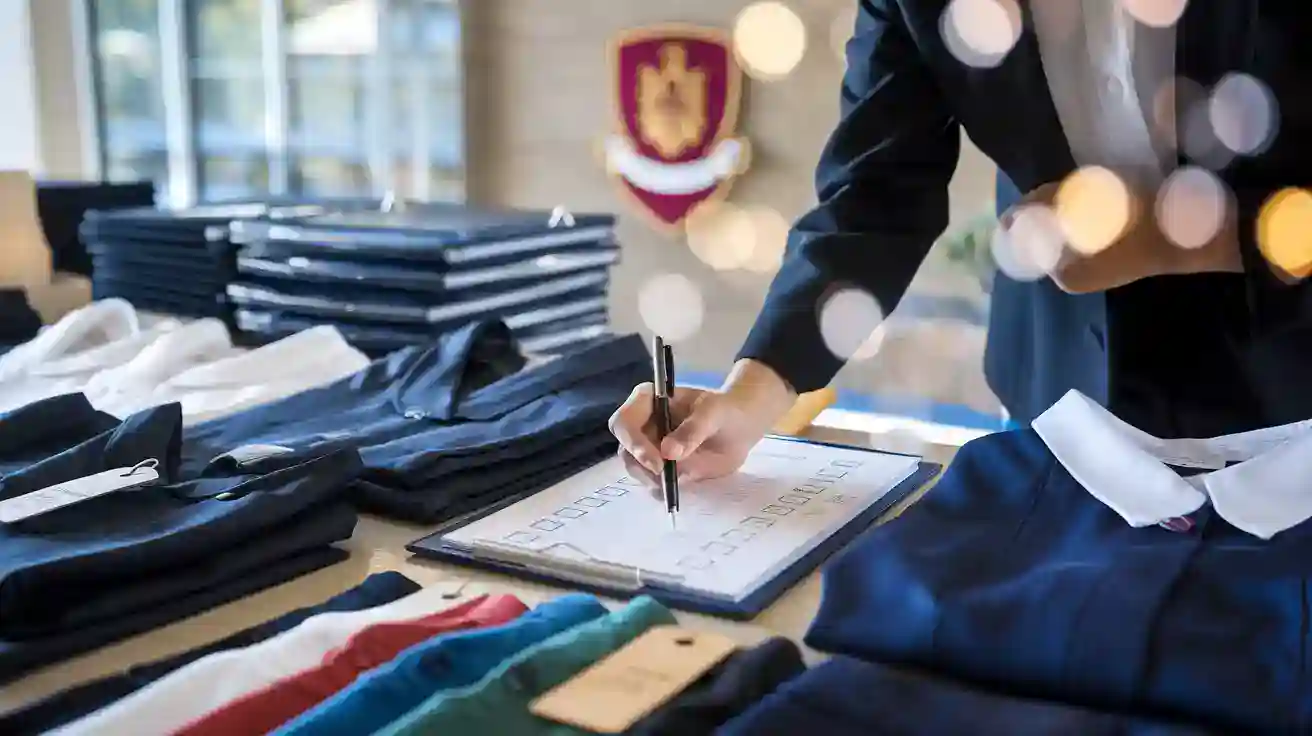
I believe a strong Uniform Sample Approval Process builds trust in school procurement. When I follow a checklist, I see better organization and fewer mistakes. I notice that clear steps help me compare uniform samples fairly and check for quality. I always keep records to show compliance and protect everyone’s interests. Using a checklist makes my decisions transparent and supports best practices.
Key Takeaways
Start with a needs assessment to identify all student groups requiring uniforms. Involve teachers, staff, and parents to ensure everyone is heard.
Use standardized forms for requests, evaluations, and feedback. This keeps the documentation organized and consistent.
Evaluate uniform samples based on quality, safety, and fit. Involve students in the process to gather their opinions on comfort.
Set clear budget limits and explore various funding sources to help families afford uniforms. Share this information early to reduce stress.
Research potential suppliers thoroughly. Look for those with a strong reputation, good customer service, and a range of products.
Form a review committee with diverse stakeholders to gather feedback and ensure all perspectives are considered during the decision-making process.
Document every step of the approval process. This transparency builds trust and helps maintain compliance with procurement rules.
Conduct quality checks on delivered uniforms. Inspect items carefully and resolve any issues promptly to ensure high standards.
Planning
Needs Assessment
Student Groups
I always start by identifying which student groups need uniforms. I look at grade levels, clubs, and sports teams. I ask teachers and staff for input. Sometimes, I hold meetings with parents to understand their concerns. I make sure every group gets a voice in the process. This step helps me avoid missing anyone who needs a uniform.
Uniform Types
Next, I list the types of uniforms required. I separate daily wear from special occasion outfits. I include gym clothes, formal attire, and seasonal options. I check if any group needs unique features, like extra pockets or specific colors. I use surveys to gather feedback from students. This helps me create a complete list of uniform types for the Uniform Sample Approval Process.
Documentation
Forms Needed
I rely on standardized forms to keep everything organized. I use request forms for each student group. I prepare evaluation sheets for uniform samples. I also use feedback forms after try-ons. These forms help me collect consistent information. I store all forms in a secure folder for easy access.
Approval Records
I keep detailed records to ensure compliance. I document every step, from needs assessment to final approval. I include written policies, payment and billing procedures, and guidelines for allowable use of funds. I record conflicts of interest and procurement methods. I also track proposal evaluations and travel expenses. Supporting documentation shows the rationale for vendor selection and procurement history.
Tip: I always review my records before audits. This habit saves time and prevents mistakes.
Here is a table that summarizes the required documentation for compliance in school uniform procurement:
Required Documentation | Description |
|---|---|
Written Policies | Must be unique to the organization, detailing procedures for compliance, approvals, and documentation. |
Payment and Billing | Policies governing how payments are processed and billed. |
Allowable Use of Funds | Guidelines on how funds can be utilized within the procurement process. |
Conflicts of Interest | Policies addressing individual and organizational conflicts of interest. |
Procurement | Detailed procedures for procurement methods as per Uniform Guidance. |
Proposal Evaluations | Standards for evaluating proposals received during procurement. |
Travel | Policies related to travel expenses and reimbursements. |
Supporting Documentation | Records detailing procurement history, rationale for methods, and vendor selection. |
I find that using standardized forms and keeping thorough records makes the Uniform Sample Approval Process smoother and more transparent. This approach helps me meet statutory requirements and maintain fairness throughout the procurement cycle.
Criteria
Approval Standards
Quality
I always check the quality of every uniform sample before making any decisions. I look for strong stitching, durable fabrics, and neat finishing. I want uniforms that last through the school year and keep students comfortable. I inspect each item for loose threads, faded colors, and weak seams. I ask students to wear the samples and share their opinions about comfort and fit. I believe that high-quality uniforms help students feel confident and ready to learn.
I use a set of standards to guide my evaluation. Here is a table that summarizes the key requirements I follow during the Uniform Sample Approval Process:
Category | Requirement |
|---|---|
General | All clothing must be of appropriate size, worn modestly, and in good repair. |
Vendor | All uniform items must be purchased by the approved vendor, Lands’ End. |
Boys | Shirts must be tucked in; belts required from 2nd grade; no visible lettering on undershirts. |
Girls | Skirts must be no shorter than two inches from the top of the knee; no visible lettering on camisoles. |
Footwear | Shoes must be appropriate for school activities; no flip-flops or distracting colors. |
Hair | Must be neatly cut; extremes in hairstyles are not appropriate. |
Accessories | Jewelry should be in good taste; hats and caps not allowed in the building. |
I keep this table handy during sample evaluations. It helps me stay consistent and fair.
Safety
Safety matters just as much as quality. I check that uniforms do not have sharp edges, loose buttons, or choking hazards. I make sure fabrics are non-toxic and safe for sensitive skin. I avoid uniforms with strings or cords that could cause accidents. I ask parents and teachers to report any safety concerns they notice during try-ons. I believe that safe uniforms protect students and give parents peace of mind.
Budget
Cost Limits
I set clear cost limits before starting the Uniform Sample Approval Process. I compare prices from different vendors and look for the best value. I avoid uniforms that cost too much or offer poor quality. I use a spreadsheet to track all expenses and make sure I stay within budget. I believe that cost control helps the school save money and support more students.
Funding Sources
I explore many funding sources to help families afford uniforms. I apply for government grants and reach out to local authorities for support. I contact charities that offer vouchers for school clothes. I also consider crowdfunding options when extra help is needed. Here are some common ways I find funding:
Government grants
Local authority support
Charity assistance
Crowdfunding options
I check my local council’s website for guidance on school uniform support. I search for uniformed charities and local uniform exchanges. I read about successful fundraising campaigns, like the Kids School Uniform Appeal and Back to School Uniform Help fund. These resources make uniforms more accessible for every student.
Tip: I always share funding information with families at the start of the school year. This helps everyone plan ahead and reduces stress.
Uniform Sample Approval Process

Supplier Selection
Research
I begin the Uniform Sample Approval Process by researching potential suppliers. I look for companies with a strong reputation and experience in school uniform production. I check reviews and ask other schools about their experiences. I want suppliers who offer a wide range of products and customization options. I also consider how easy it is to order and manage the program. Reliable customer service matters to me because I need quick answers to my questions. I compare pricing and value to make sure I get the best deal. Delivery and shipping options are important, especially when I need uniforms on time.
Here are the main criteria I use when selecting suppliers:
Quality & Durability
Customization Options
Range of Products
Easy Ordering & Program Management
Reliable Customer Service
Pricing & Value
Experience & Reputation
Delivery & Shipping Options
I keep this list handy during my research. It helps me stay focused and choose the best suppliers for my school.
Shortlisting
After my research, I create a shortlist of suppliers who meet my criteria. I check that each supplier can provide samples for all required uniform types. I make sure they follow statutory procurement requirements. I want to ensure fair and open competition. I post my service requests on the Administrator’s website and wait at least four weeks before making any commitments. This step gives all suppliers a chance to participate.
I always certify that I will consider all bids carefully. Price is a primary factor, but I also look at quality and service. I select the most cost-effective option to promote competition among suppliers.
Sample Request
Submission Guidelines
I send clear submission guidelines to each shortlisted supplier. I specify the types and sizes of uniform samples I need. I include instructions for labeling each sample with the supplier’s name and product details. I ask suppliers to provide information about materials, care instructions, and customization options. I want to make the Uniform Sample Approval Process as smooth as possible for everyone involved.
Deadlines
I set firm deadlines for sample submission. I give suppliers enough time to prepare high-quality samples, but I do not allow delays. I communicate the deadline clearly in my request. I track all submissions and follow up with suppliers who miss the deadline. This step keeps the process organized and ensures I receive all samples on time.
Sample Evaluation
Visual Check
Once I receive the samples, I start the evaluation process. I inspect each uniform for durability, neat stitching, and strong seams. I check the design to see if it matches the school’s identity. I look for colors that stay bright after washing. I want uniforms that look good and last long.
Fit Test
I organize fit tests with students from different groups. I ask them to try on the samples and share their feedback. I pay attention to comfort and ease of movement. I want uniforms that fit well and do not restrict activity. I also consider affordability, making sure the cost is reasonable for all families.
Here is a table that summarizes my evaluation criteria:
Criteria | Description |
|---|---|
Durability | The material should be long-lasting and withstand frequent washing and wear. |
Fit | The uniform should be comfortable and allow for ease of movement without being restrictive. |
Design | The uniform should be visually appealing and represent the school’s values and identity. |
Affordability | The cost should be reasonable and affordable for all students and families. |
Tip: I always document my findings during the Uniform Sample Approval Process. This habit helps me make fair decisions and keeps the process transparent.
I follow these steps to ensure the Uniform Sample Approval Process is fair, open, and compliant with statutory requirements. I believe that careful supplier selection, clear sample requests, and thorough evaluation lead to better outcomes for my school.
Stakeholder Review

Committee
Roles
I always form a review committee before making any final decisions about school uniforms. This committee usually includes teachers, parents, and sometimes student representatives. Each person brings a unique perspective. Teachers focus on practicality and classroom needs. Parents care about cost and comfort. Students share their opinions about style and fit. I assign clear roles to everyone. One person leads the meetings. Another records notes and feedback. Someone else manages communication with suppliers. I find that assigning roles helps the process run smoothly and keeps everyone engaged.
Feedback
Collecting feedback from all committee members is essential. I use structured forms to make sure everyone’s voice gets heard. After each meeting, I gather written comments and suggestions. I also encourage open discussion so people feel comfortable sharing honest opinions.
Collecting feedback, passing along feedback, and alerting the next person in the process comprises one of the most critical, yet underlooked components in the 360 process. To prevent this, HR should either create very clear guidelines for who employees need to pass forms to, or HR should act as the central dispatch, receiving and sending out the forms themselves.
I follow this advice by setting clear guidelines for how feedback moves through the process. Sometimes, I act as the central point for collecting and sharing all forms. This approach prevents confusion and ensures that no feedback gets lost.
Review Sessions
Try-Ons
I organize try-on sessions for students and staff. These sessions let everyone experience the uniforms firsthand. I invite students from different grades and body types. I ask them to wear the samples and move around. Teachers and parents observe and take notes. I watch for comfort, fit, and ease of movement. I also check if the uniforms look good and match the school’s image. After the session, I collect immediate reactions and suggestions.
Surveys
Surveys help me gather detailed feedback from a larger group. I design simple surveys with questions about fabric, style, and comfort. I send these surveys to students, parents, and teachers. I make sure the questions are easy to understand. I collect the results and look for common themes or concerns.
Here is a table that shows the most effective methods I use during uniform review sessions:
Method | Description |
|---|---|
Conduct Surveys | Distribute surveys to collect input on preferred fabrics, styles, and features. |
Hold Fitting Sessions | Organize fitting sessions where students can try on different uniform options for direct feedback. |
Create a Feedback Loop | Establish a system for ongoing feedback to encourage continuous improvement of uniform comfort. |
Host Focus Groups | Conduct focus groups with representatives from different groups to gather diverse perspectives. |
Draft and Review Policies | Share drafts of the uniform policy with stakeholders and invite feedback for clarity and understanding. |
Provide Training Sessions | Organize training sessions to explain guidelines and address concerns. |
I use a mix of these methods to make sure I hear from everyone. This approach helps me choose uniforms that meet the needs of the whole school community.
Award
Final Selection
Scoring
I always use a scoring system to compare uniform samples fairly. I create a simple table that lists each supplier and the main criteria. I assign points for quality, fit, design, price, and feedback from stakeholders. I believe this method keeps my decisions objective and transparent.
Supplier | Quality | Fit | Design | Price | Feedback | Total |
|---|---|---|---|---|---|---|
Supplier A | 8 | 9 | 7 | 8 | 9 | 41 |
Supplier B | 7 | 8 | 8 | 9 | 8 | 40 |
Supplier C | 9 | 7 | 6 | 7 | 7 | 36 |
I review the scores with my committee. We discuss any big differences in our ratings. Sometimes, I ask for more feedback if the scores are close. I want to make sure we choose the best option for the school.
Tip: I always keep the scoring sheets as part of my records. This helps me explain my choices if anyone asks later.
Decision
After scoring, I meet with the committee to make the final decision. We look at the total points and talk about any concerns. I encourage everyone to share their thoughts. If two suppliers have similar scores, I consider extra factors like delivery time or customer service.
I make sure the decision follows all procurement rules. I document the reasons for our choice. I write a short summary that explains why we picked the winning supplier. This summary goes into my records for future reference.
Notification
Acceptance
Once I select the winning supplier, I send an official acceptance letter or email. I thank them for their effort and confirm the next steps. I include details about the order, delivery schedule, and any customization we need. I ask for a signed agreement to make everything official.
Here is a checklist I use for acceptance notifications:
Thank the supplier for their participation
Confirm selection as the winning supplier
Outline order details and delivery expectations
Request a signed agreement or contract
Provide contact information for follow-up
I find that clear communication at this stage builds a strong relationship with the supplier.
Rejection
I also notify the suppliers who did not win. I send a polite rejection letter or email. I thank them for their time and samples. I offer to share feedback if they want it. I believe this shows respect and keeps the door open for future opportunities.
Note: I always keep my rejection messages positive and professional. Suppliers appreciate honest feedback and may improve their offers next time.
By following these steps, I ensure the award process stays fair, transparent, and respectful to all suppliers. This approach helps me build trust and maintain good relationships for future procurement cycles.
Contract
Negotiation
Terms
I always start contract negotiations by preparing thoroughly. I reflect on my school’s position and identify leverage points. This helps me negotiate from a place of strength. I make sure every contract term follows the law, especially rules like FERPA that protect student information. I outline expectations clearly, including liability and important legal terms. This prevents misunderstandings later.
I protect my school’s interests by including termination and renewal clauses. I involve legal counsel in the review process. Their expertise ensures that every legal aspect gets covered. I pay close attention to detail and review contracts carefully. I want every provision to serve my school’s best interests.
Here is a table that summarizes the key elements I focus on during contract negotiation:
Key Element | Description |
|---|---|
Preparation | Reflect on the school’s position and leverage points to strengthen negotiating power. |
Ensure all contract terms comply with applicable laws, including FERPA for student information. | |
Clear Communication | Explicitly outline expectations, liability, and significant legal terms to avoid misunderstandings. |
Protecting Institution’s Interests | Include key provisions that safeguard the school’s interests, such as termination and renewal clauses. |
Involvement of Legal Counsel | Engage legal counsel in the review and negotiation process to ensure all legal aspects are covered. |
Attention to Detail | Review contracts meticulously to ensure all necessary provisions are included and in the institution’s best interests. |
Tip: I always double-check that contract terms align with my school’s procurement policies and local regulations. This step keeps everything consistent and compliant.
Delivery
I discuss delivery schedules early in the negotiation. I set clear expectations for when uniforms must arrive. I ask suppliers to provide a timeline and outline penalties for late delivery. I include delivery terms in the contract to avoid confusion. I make sure the supplier understands the importance of timely delivery, especially before the school year starts.
I also confirm who is responsible for shipping costs and handling. I want every detail spelled out in writing. This helps me avoid surprises and keeps the process smooth.
Order
Quantities
I determine order quantities based on the needs assessment I completed earlier. I consider the number of students in each group and add a buffer for new enrollments. I check the supplier’s minimum order requirements and negotiate for flexibility if needed. I make sure the contract allows for adjustments in case my school’s needs change.
I follow strong procurement strategies and procedures. I create clear policies that define how I identify needs, choose suppliers, and manage contracts. This approach ensures consistency and compliance with educational procurement policies.
I always confirm that my order quantities match the approved budget.
I review the quality of materials to ensure durability and comfort.
I check pricing structures to get the best value for my school.
Customization
Customization options play a big role in my uniform orders. I choose embroidery, screen printing, or custom sizing based on my school’s branding needs. I know that complex designs and unique colors can increase costs. I discuss these options with the supplier and negotiate pricing for each customization.
High-quality fabrics and thoughtful customization help my school stand out. I make sure every detail reflects our values and identity. I ask for samples of customized uniforms before finalizing the order. This step helps me avoid mistakes and ensures satisfaction.
Note: I always document customization choices and pricing in the contract. This keeps everything transparent and prevents disputes later.
Monitoring
Quality Checks
Inspection
I always inspect every uniform delivery before distribution. I use a checklist for each garment type to ensure nothing gets missed. I focus on construction, durability, and finishing details. I want to catch any issues early so students receive only the best quality.
Here is a table that summarizes my main quality check procedures for different uniform items:
Garment Type | Quality Check Procedure |
|---|---|
Trousers | Check the waistband construction for sturdiness and elasticity. Ensure zips and fastenings function properly. Examine fabric for durability. |
Skirts | Verify the length of side zips and check for heat-set pleats. Inspect hem stitching for quality. |
Shirts/Blouses | Ensure buttons are securely sewn and check seam durability. Assess collar construction for sturdiness. |
I use this table as a quick reference during inspections. I check each item against these points. If I find a problem, I set the item aside for further review. I believe that thorough inspections prevent bigger issues later.
Issue Resolution
When I discover a defect or problem, I act quickly. I contact the supplier with detailed notes and photos. I request replacements or repairs as needed. I keep a log of all issues and how they get resolved. This record helps me track patterns and hold suppliers accountable.
Tip: I always communicate clearly with suppliers about my expectations for quality. I set deadlines for resolving issues and follow up until I see results.
If I notice repeated problems with a supplier, I review their contract and consider other options for future orders. I believe that consistent quality checks and prompt issue resolution protect my school’s reputation.
Feedback
Surveys
After distributing uniforms, I collect feedback from students, teachers, and parents. I use surveys to gather opinions on comfort, fit, and practicality. I design questions that are easy to answer and focus on real experiences. I want to know if the uniforms hold up during daily activities and if anyone faces problems.
I ask students how the uniforms feel during class and sports.
I invite teachers to comment on appearance and durability.
I encourage parents to share concerns about washing or repairs.
This feedback helps me spot issues early and make improvements for the next order.
Records
I keep detailed records of all feedback and inspection results. I organize these records by garment type and supplier. I review them before placing new orders. I look for trends, such as frequent complaints about a specific item or supplier. I use this information to guide future procurement decisions.
Note: I believe that strong recordkeeping supports continuous improvement. It helps me build a history of what works and what needs change.
By monitoring quality and collecting feedback, I ensure that my school’s uniforms meet high standards year after year. This process helps me deliver value and satisfaction to everyone involved.
I see real benefits when I follow a structured uniform sample approval process. I keep records, stay transparent, and involve everyone who matters. I review my checklist often and update it to improve results.
I document every step
I invite feedback from all stakeholders
I check for compliance and fairness
I encourage you to adopt these best practices. Strong procurement builds trust and delivers quality uniforms for every student.
FAQ
What documents do I need for the uniform sample approval process?
I always prepare request forms, evaluation sheets, feedback forms, and approval records. I keep everything organized in a secure folder. This helps me track every step and stay compliant.
How do I choose the right supplier?
I research suppliers with strong reputations and experience. I compare quality, price, and customer service. I shortlist those who meet my criteria and offer fair competition.
Tip: I ask other schools for recommendations before making my final choice.
What should I look for during sample evaluation?
I check for durability, comfort, and design. I organize fit tests with students. I want uniforms that last, fit well, and represent my school’s identity.
Criteria | What I Check For |
|---|---|
Durability | Strong stitching |
Comfort | Ease of movement |
Design | School colors and logo |
How do I collect feedback from stakeholders?
I use surveys, try-on sessions, and focus groups. I encourage honest opinions from students, parents, and teachers. I record all feedback for future reference.
What if a supplier delivers poor-quality uniforms?
I contact the supplier immediately. I provide photos and notes about the issue. I request replacements or repairs. I keep a log of all problems and resolutions.
How do I ensure the process stays fair and transparent?
I document every step. I use standardized forms and scoring sheets. I involve a review committee and share decisions openly. I always follow statutory procurement rules.
Note: I review my checklist regularly to improve fairness and compliance.