

Tips for Choosing the Best Kids Fleece Jacket for Winter
Table of Contents
Display
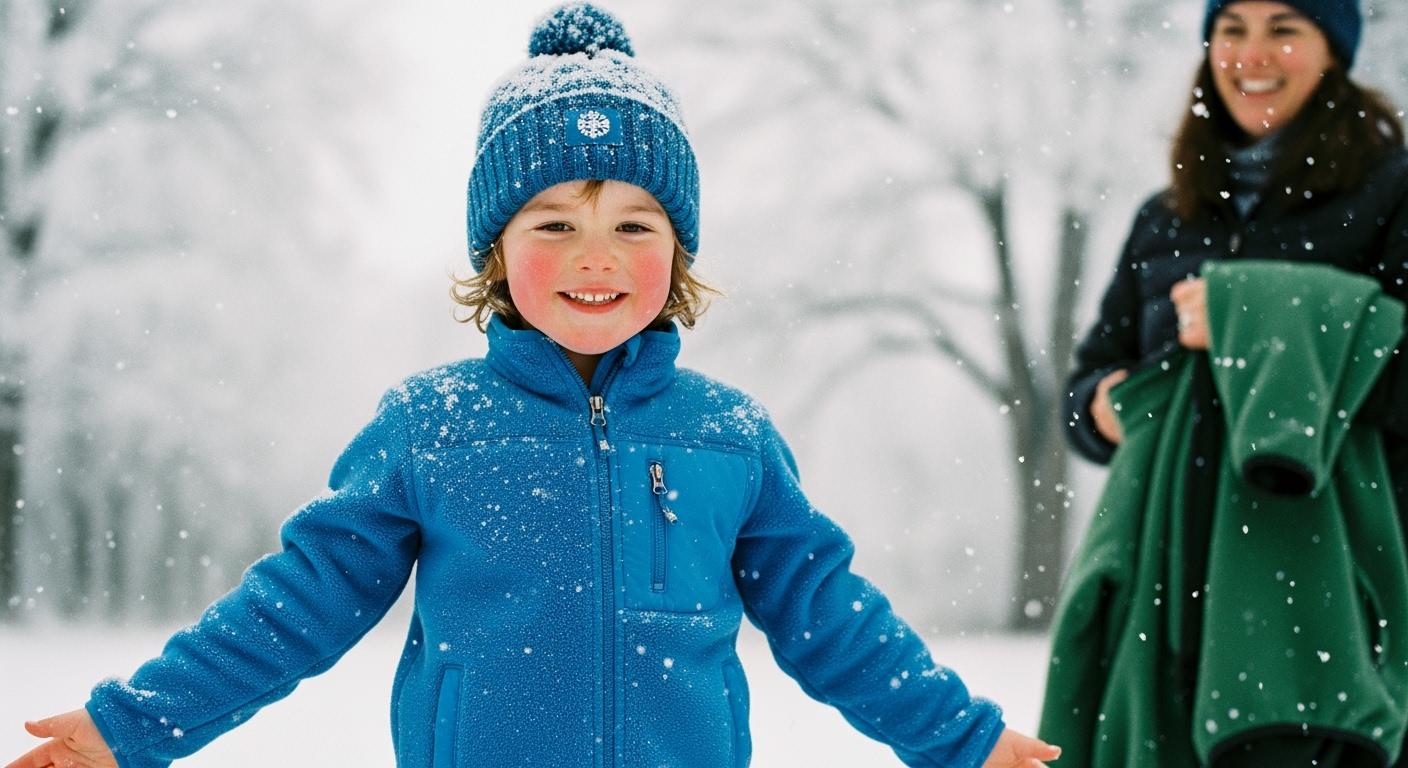
You want your child to stay warm and active during winter. Choosing the right kids fleece jacket ensures comfort and protection from the cold. Insulation matters when temperatures drop. Durability keeps up with energetic kids. Layering adds flexibility for changing conditions. With careful selection, you provide both warmth and peace of mind.
Key Takeaways
Choose fleece jackets for their excellent warmth and insulation, keeping your child cozy during winter activities.
Look for durable materials and features like strong stitching and moisture resistance to ensure the jacket lasts through active play.
Select the right fit by measuring your child accurately and allowing room for growth and layering for added warmth.
Consider your local climate and your child’s activity level when selecting a fleece jacket to ensure comfort and protection.
Pair fleece jackets with accessories like hats and gloves to maximize warmth and keep your child safe during winter adventures.
Why Choose a Kids Fleece Jacket for Winter
Warmth and Insulation Benefits
You want your child to stay warm during winter. Fleece material excels at trapping air, which forms an insulating barrier. This barrier keeps body heat close and blocks cold air from entering. Scientific research shows that insulation is essential for thermal comfort in cold environments. Fleece also wicks moisture away from the skin, so your child stays dry and comfortable. These qualities make a kids fleece jacket a smart choice for winter outerwear. You can trust fleece to deliver reliable warmth, even when temperatures drop.
Comfort and Versatility
Comfort matters when you select winter coats for kids. Fleece jackets offer a soft, cozy feel that children enjoy wearing. You can rely on their thermal properties for a range of activities, from playground fun to family hikes. Fleece jackets adapt well to changing weather. Your child can wear one alone on mild days or layer it under a heavier jacket when the temperature falls. The variety of styles and colors available ensures that your child feels comfortable and looks great. Fleece jackets support active lifestyles and provide year-round comfort.
Key benefits of fleece jackets for kids:
Provide warmth and coziness for winter activities
Suit layering under heavier jackets in extreme cold
Work as standalone outerwear in milder conditions
Designed for comfort during various activities
Available in many styles and colors
Layering for Cold Weather
Layering is a proven strategy for winter. Fleece jackets perform well as mid layers in a winter clothing system. They offer warmth and breathability, similar to wool, but require less maintenance and dry faster. You can easily add a fleece jacket under a shell or heavier coat to boost insulation. This flexibility helps your child stay comfortable during outdoor play or sports. Fleece jackets enhance the effectiveness of winter outerwear by making layering simple and effective.
Tip: Choose a fleece jacket that fits well over a base layer and under a shell for maximum warmth and mobility.
Key Features of a Kids Fleece Jacket
Material and Durability
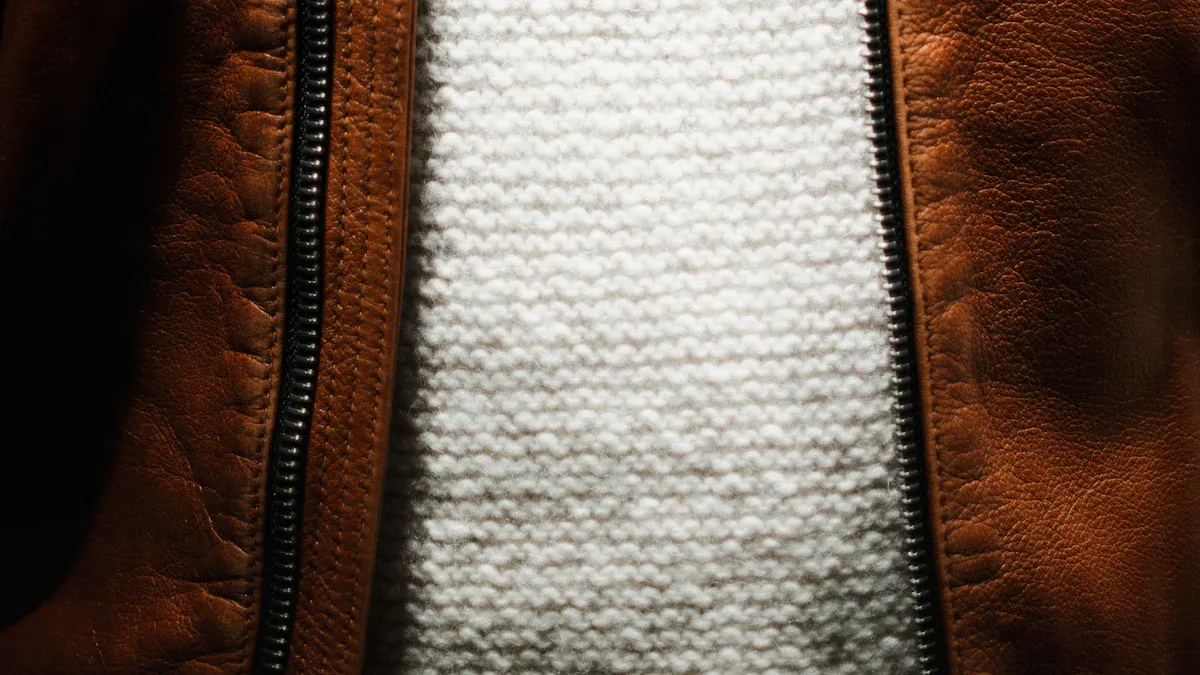
When you select a kids fleece jacket for winter, you want a product that stands up to daily adventures. High-quality fleece materials, such as BMS Antarctic Clima-Fleece, offer excellent thermal insulation and breathability. These fabrics are engineered for extreme conditions and active use, which extends the life of the jacket. Anti-pilling technology keeps the surface smooth and functional, even after frequent washing.
You should look for these durability features:
Strong stitching at high-wear areas, including shoulders and arms, to prevent tearing.
Reliable zippers and closures that withstand repeated use.
Fabrics that resist moisture, dirt, and friction, so the jacket maintains its appearance and performance.
Fleece jackets designed for kids endure everyday wear and tear. They provide warmth without bulk and remain comfortable after many wash cycles. This durability makes them ideal for active children who spend time outdoors in winter.
Weight and Compressibility
The weight of a jacket influences how your child moves and how easily you can pack it for travel. Lightweight fleece jackets provide warmth without adding unnecessary bulk. Your child can move freely, which is essential for activities like skiing, snowboarding, or simply playing outside.
You benefit from these features:
Thin yet warm construction, making the jacket suitable for layering.
Compressibility, allowing you to pack the jacket efficiently for trips or school.
Easy storage when temperatures rise, so your child stays comfortable throughout the day.
Lightweight, packable jackets help you prepare for changing weather. You can layer them under heavier coats or store them in a backpack when not needed. This flexibility supports an active lifestyle and simplifies travel during winter.
Breathability and Softness
Comfort is a top priority when choosing outerwear for kids. Fleece jackets excel in breathability, allowing sweat to escape and preventing overheating during active play. High-quality fleece materials, such as coral fleece, feature a plush, velvety texture that feels gentle against the skin. Advanced brushing techniques create a dense pile, enhancing softness and reducing the risk of chafing or discomfort.
Key benefits include:
Hypoallergenic properties, which minimize allergic reactions.
Lightweight fabric that does not irritate sensitive skin.
A soft, warm feel that encourages children to wear the jacket willingly.
You ensure your child stays comfortable and protected, even during extended periods outdoors. The softness and breathability of fleece make it a preferred choice for children with sensitive skin.
Easy Care and Maintenance
Busy families need outerwear that is simple to care for. Fleece jackets for kids are designed for easy maintenance, retaining their insulation and softness after repeated washing. Always check the care label for specific instructions.
Follow these tips for best results:
Wash fleece jackets separately from lint-producing clothing to prevent wear.
Turn the jacket inside out before washing to protect the exterior.
Use mild detergent to maintain fiber integrity and softness.
Hang on a drying rack or lay flat to dry, avoiding tumble drying.
Tip: Proper care extends the life of your child’s fleece jacket and keeps it looking and feeling new.
By focusing on these key features, you provide your child with a jacket that delivers warmth, comfort, and durability throughout the winter season.
Types of Kids Fleece Jackets
When you shop for a kids fleece jacket, you encounter several styles. Each type offers unique benefits for winter. Understanding these differences helps you select the best option for your child’s needs.
Full-Zip vs. Half-Zip
You often choose between full-zip and half-zip designs. Full-zip jackets allow you to adjust ventilation quickly. You can remove or put on the jacket with ease, which is helpful during active play or sudden weather changes. Half-zip jackets pull over the head like a pullover. This style creates a snug fit and reduces drafts, but it may be less convenient for quick changes.
Full-zip: Easy to remove and adjust, supports comfort and warmth management.
Half-zip: Pullover style, offers a secure fit, may limit ease of use.
Tip: For younger kids or those who need to layer, full-zip jackets provide more flexibility.
Hooded vs. Non-Hooded
You also decide between hooded and non-hooded options. Hooded jackets add extra protection for the head and neck. This feature proves valuable in windy or snowy conditions. Non-hooded jackets work well for layering under a shell or when your child prefers wearing a separate hat. Consider your child’s preferences and local weather patterns when making this choice.
Lightweight vs. Heavyweight
You find both lightweight and heavyweight fleece jackets on the market. Lightweight options suit mild winter days or active kids who need freedom of movement. Heavyweight jackets deliver maximum warmth for colder climates or less active situations. You can use a lightweight jacket as a mid-layer or a heavyweight one as a primary outer layer.
The most popular brands offer a wide range of choices. The table below highlights leading brands and their features:
Brand | Popularity | Color Options | Sizes Available | Gender Options | Price Range |
|---|---|---|---|---|---|
Columbia | 8 | Black, Blue, Brown, Camo, Green, Grey, Orange, Pattern, Pink, Purple, Red, Tan, Teal, White | X-Small to X-Large, including infant sizes | Youth, Girls, Boys | $20.00 to $120.00 |
Obermeyer | 2 | ||||
Patagonia | 3 | ||||
Roxy | 1 | ||||
The North Face | 7 |
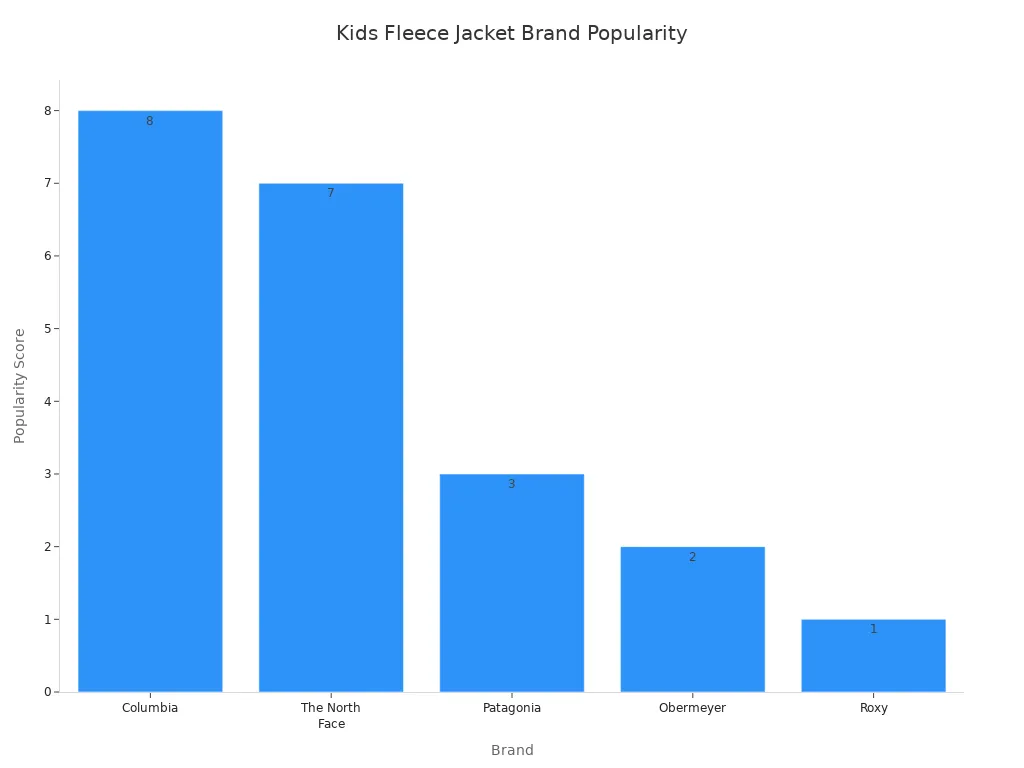
You can use this information to compare options and find the right fit for your child. The right kids fleece jacket keeps your child comfortable and active throughout winter.
Kids Fleece Jacket: Size & Fit
Measuring for the Right Fit
You want your child’s jacket to fit well for both comfort and warmth. Accurate measurements help you select the right size. Use a flexible tape measure and follow these guidelines:
Measurement | Instructions |
|---|---|
Chest | Relax your arms, then measure around the fullest part of your chest/bust. |
Waist | Bend slightly to one side to find your natural waist. Then, stand erect and measure around your body at the crease points. |
Hip | Stand relaxed with feet shoulder-width apart. Measure around the fullest part of your hips and seat. |
Compare these numbers to the brand’s sizing chart before you buy. This step ensures the kids fleece jacket will not feel too tight or too loose during winter activities.
Room for Growth and Layering
Children grow quickly, so you need to plan for extra space. Look for jackets with adjustable cuffs, extendable sleeves, or elastic waists. Some brands offer ‘grow seams’ that you can let out as your child gets taller. Choose a slightly roomy jacket to allow for layering thermal shirts or hoodies underneath. This approach keeps kids warm on the coldest days and prevents the jacket from feeling restrictive.
Adjustable features help the jacket last through growth spurts.
Roomy designs support layering for added warmth.
Layering thermal wear or sweaters is ideal in colder weather.
Tip: A jacket that fits over a hoodie or sweater gives you flexibility for changing temperatures.
Mobility and Comfort
Active kids need outerwear that moves with them. Modern fleece jackets use soft, breathable materials that keep kids comfortable during play. Moisture-wicking and quick-drying fabrics help maintain dryness, even after hours outside. Innovative designs add insulation without bulk, so your child stays warm but can still run, climb, and explore.
Breathable fabrics prevent overheating.
Lightweight insulation keeps kids warm without restricting movement.
Flexible construction supports a full range of motion.
A well-fitted kids fleece jacket ensures comfort and freedom, making winter adventures more enjoyable.
Buying Tips for Winter
Match to Local Climate
You need to consider your local climate before choosing winter outerwear for your child. If you live in a region with mild winters, a lightweight fleece jacket often provides enough warmth. In colder climates, you should look for a thicker fleece or plan to layer the jacket under heavier winter coats. Moisture resistance becomes important in wet or snowy areas. Choose a jacket with a water-repellent finish or pair it with a waterproof shell. Always check for features like adjustable cuffs and high collars, which help block wind and retain heat. Matching the jacket to your weather conditions ensures your child stays comfortable and protected throughout the season.
Consider Activity Level
Children have different activity levels during winter. Some spend hours playing outside, while others prefer shorter outings. You should select a jacket that matches your child’s energy and outdoor habits. For active play, prioritize breathable and moisture-wicking materials. These fabrics help manage perspiration and keep your child dry. Synthetic fibers or merino wool outperform cotton, which holds moisture and can cause discomfort. Make sure the layers are not too tight. Proper circulation supports warmth and comfort during movement.
Warm, breathable materials suit high-energy activities.
Moisture-wicking fabrics manage sweat effectively.
Synthetic fibers or merino wool perform better than cotton.
Layers should allow for easy movement and proper warmth.
A well-chosen jacket supports your child’s activity level and keeps them comfortable during winter sports or outdoor play.
Value and Budget
You want to balance quality and cost when buying winter outerwear for kids. The average price for a kids fleece jacket is around $45.50. Some premium options may cost up to $65.00, but you can often find discounts of 30% or more. Higher-priced jackets often feature 100% recycled polyester fleece, which offers both softness and durability. Parents appreciate these jackets for their long-lasting performance and versatility. Children enjoy their lightweight feel and comfort. When you compare options, consider durability, fabric quality, and ease of care. Investing in a quality jacket can save money over time, as it withstands frequent use and washing.
Average price: $45.50
Premium options: Up to $65.00 (often discounted)
Features to look for: recycled materials, durability, comfort
Tip: Choose a jacket that balances cost, quality, and your child’s preferences for the best value.
Accessories for Extra Warmth
Accessories play a key role in keeping your child warm during winter. Pairing the right items with a fleece jacket maximizes comfort and protection. Hats, scarves, or balaclavas add significant warmth by covering exposed areas. Gloves and mittens keep hands insulated, while warm socks help retain body heat. Neck gaiters or snoods shield the neck and face from cold winds. Waterproof gloves or mittens prevent dampness during snow play. A well-fitting hat or beanie is essential, as children lose much of their heat through their heads. Scarves or neck warmers protect the neck and chest from chilly air. Mittens usually provide more warmth than gloves, making them a smart choice for very cold days.
Hats, beanies, or balaclavas for head warmth
Scarves, neck gaiters, or snoods for neck and face protection
Mittens or waterproof gloves for hand insulation
Warm socks for heat retention
Note: Combining the right accessories with a quality jacket ensures your child stays warm and enjoys winter activities safely.
When you choose a kids fleece jacket for winter, focus on these essentials:
Select breathable, moisture-resistant, and insulating materials.
Prioritize warmth, fit, and durability for comfort and safety.
Match features to your local weather, including adjustable hoods and easy closures.
The right jacket helps kids stay cozy and active, supporting their natural ability to generate heat and enjoy winter adventures.
FAQ
How do you wash a kids fleece jacket?
You should wash fleece jackets in cold water on a gentle cycle. Use mild detergent. Avoid fabric softeners. Air dry the jacket or use a low-heat setting. This process helps preserve softness and prevents pilling.
Can kids wear fleece jackets in the snow?
You can use a fleece jacket as a mid-layer under a waterproof shell. Fleece alone does not block moisture. For snowy conditions, always add a water-resistant outer layer.
What is the difference between microfleece and regular fleece?
Microfleece feels lighter and thinner. It works well for layering and breathes better. Regular fleece provides more warmth and insulation. You should choose based on your local climate and your child’s activity level.
How do you know if a fleece jacket fits properly?
The jacket should cover the waist and wrists without restricting movement. You should check that your child can wear a base layer underneath. A proper fit allows for easy movement and comfortable layering.