

How to Pick the Best Boys Fleece Jacket for Winter
Table of Contents
Display
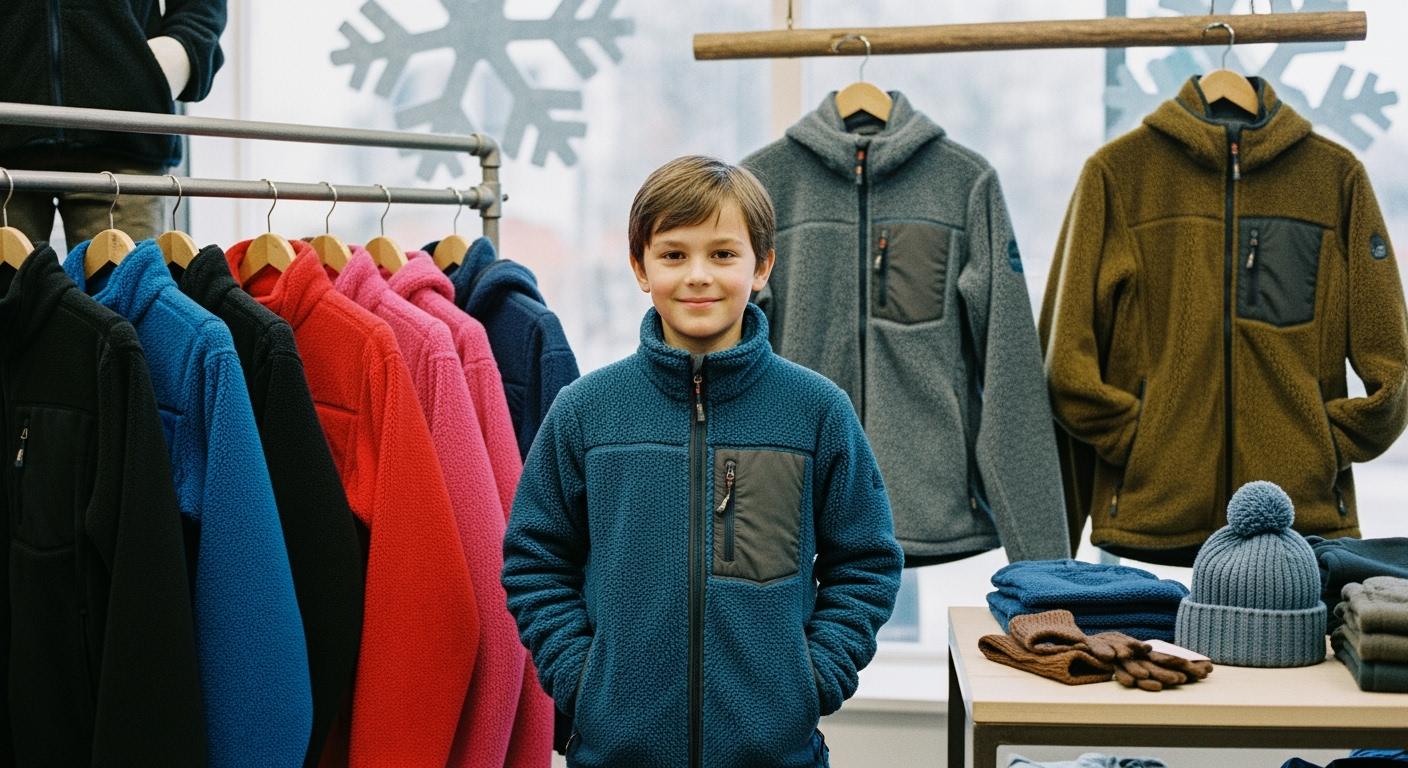
You want the best boys fleece jacket for winter to keep your child warm and comfortable. Parents often look for outerwear that offers quality, durability, and a soft feel. Many choose cotton-rich coats because they value comfort, breathability, and lasting wear. When you consider how to choose between boys snow jacket and winter coats, examine construction and layering options. Your decision should match your child’s activities and local conditions for the season.
Key Takeaways
Choose a fleece jacket that offers warmth and insulation suitable for your local winter conditions. Look for features like a fleece lining and rib knit cuffs to keep the cold out.
Prioritize comfort by selecting jackets with soft materials and smooth seams. This ensures your child stays warm and willing to wear the jacket throughout the day.
Ensure a proper fit by checking size charts and measuring your child. Look for adjustable features that allow for growth and easy movement.
Invest in durable jackets with high-quality stitching and reinforced seams. This ensures the jacket withstands wear and can be passed down to younger siblings.
Shop smart during seasonal sales to find quality jackets at better prices. Look for discounts at the end of winter or during major sales events.
Choosing a Boys Fleece Jacket
Warmth & Insulation
You want a boys fleece jacket that delivers reliable warmth during winter. Construction plays a critical role in heat retention. A 10 oz brushed duck outer shell blocks out the cold, while a fleece-lined body and hood provide lasting warmth and comfort. Rib knit cuffs and a waist hem help seal in heat, preventing cold air from entering. These features ensure your child stays warm without the bulk often found in heavy winter coats. Fleece jackets excel at trapping body heat, making them a smart choice for layering under insulated jackets or as standalone outerwear on milder days. When you compare a boys snow jacket to fleece jackets, consider how insulation weight and lining affect overall comfort and mobility.
Tip: Choose a jacket with a warmth rating that matches your local winter conditions. For colder climates, look for options with additional padding or a thicker fleece lining.
Comfort & Softness
Comfort remains essential for any outerwear your child will wear daily. Fleece offers a soft, plush feel against the skin, which encourages kids to keep their jackets on throughout the day. You should check for smooth inner seams and a gentle lining, as these details reduce irritation and enhance comfort. Many insulated jackets use fleece as a lining because it balances warmth and breathability. This combination helps regulate body temperature during active play or outdoor activities. Prioritize jackets that maintain softness after multiple washes, as this ensures long-term comfort and value.
Fit & Mobility
Proper fit and mobility allow your child to move freely, whether playing outside or heading to school. Clothing should fit well—not too tight for easy movement, and not too loose to block cold air. Adjustable waistbands and extendable sleeves help accommodate growth, making the jacket last through more than one season. Trying on gear ensures comfort and a snug fit. You should look for fleece jackets with articulated sleeves or stretch panels, which support a full range of motion. These features make a boys fleece jacket ideal for layering under insulated jackets or pairing with other winter gear.
Key fit features to consider:
Adjustable cuffs and hems
Roomy shoulders and chest
Extendable sleeves for growth
Durability
Durability determines how well a jacket withstands daily wear and frequent washing. High-quality stitching and reinforced seams prevent rips and tears, even during rough play. Fleece resists pilling and maintains its shape, which adds to the jacket’s lifespan. You should inspect the zipper quality and check for sturdy hardware, as these elements often fail first in lower-quality coats. Investing in a durable boys fleece jacket means you can pass it down to younger siblings or friends, increasing the value of your purchase. Many parents find that well-made insulated jackets and winter coats offer the best return on investment for active children.
Boys Fleece Jacket Features

Material Quality
When you select a boys fleece jacket, you should pay close attention to the material quality. Textile experts highlight several key indicators that set high-performing fleece apart from ordinary options:
Warmth: The fabric traps air efficiently, providing insulation.
Breathability: Moisture vapor escapes, keeping your child dry and comfortable.
Drying Speed: Quick-drying properties support active play.
Wind Resistance: Dense knits block chilly gusts.
Adjustability: Hem drawcords and cuffs allow for a tailored fit.
Water Resistance: Some fleece repels light rain or snow.
Anti-pill Finish: The surface stays smooth and neat after repeated wear.
You want a jacket that balances these features for reliable performance throughout winter.
Layering Ability
Layering remains essential for winter comfort. Fleece jackets offer excellent compressibility, making them easy to wear as a base or mid-layer. You can pair a lightweight fleece under a heavier coat for extra warmth or use it alone on milder days. This flexibility lets you adapt to changing weather and activity levels. Jackets designed for layering often feature slim profiles and minimal bulk, so your child moves freely without restriction.
Tip: Choose a jacket with a streamlined cut for easy layering and maximum mobility.
Adjustability
Customizable fit enhances comfort and extends the life of outerwear. You should look for adjustable cuffs, hems, and drawcords. These features allow you to fine-tune the fit, seal out cold air, and accommodate growth spurts. A boys fleece jacket with adjustable elements adapts to your child’s changing needs and ensures a snug, secure feel during outdoor activities.
Easy Care
Parents appreciate outerwear that stands up to frequent washing and rough use. Fleece resists pilling and dries quickly, so you spend less time on laundry. Most jackets require simple machine washing and retain their softness and shape over time. You can rely on easy-care fleece to keep your child comfortable and looking neat all season.
Sizing & Fit
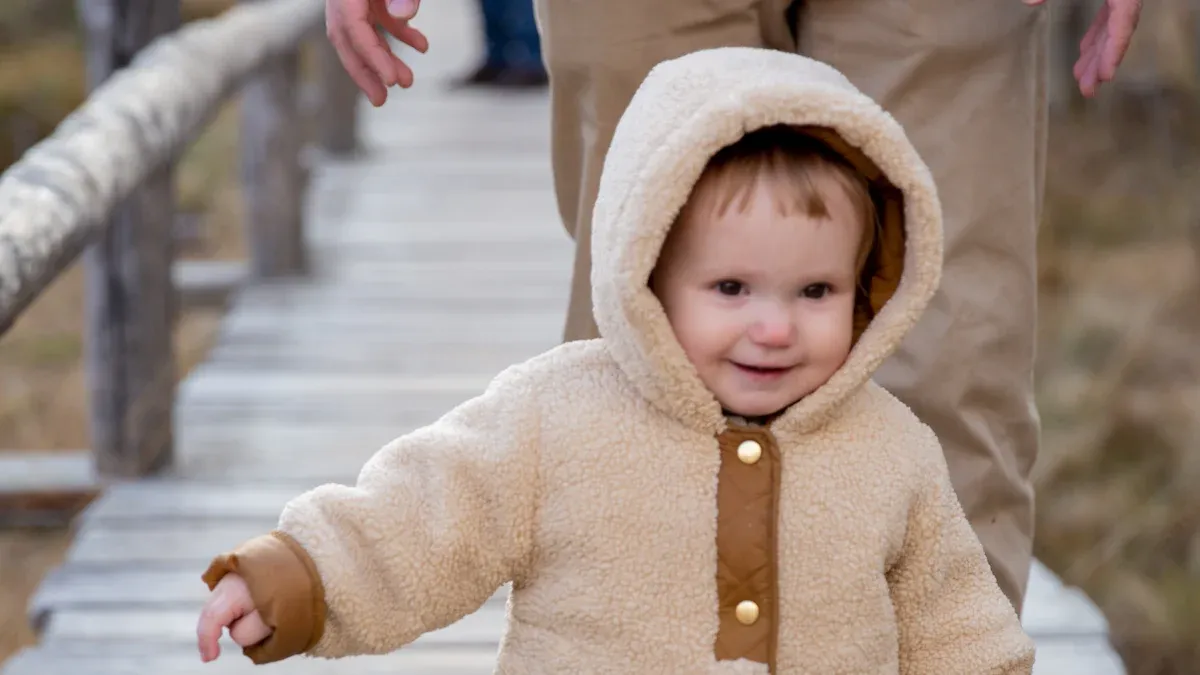
Using Size Charts
You should always reference the brand’s size chart before purchasing a boys fleece jacket. Each manufacturer uses unique sizing standards, so measurements can vary. Compare your child’s current measurements to the chart for the most accurate fit. Pay attention to both height and weight recommendations. Some brands offer guidance for a snug or roomy fit. If your child falls between sizes, you may want to size up for extra layering space or future growth.
Tip: Print or save the size chart on your phone for quick reference while shopping.
Measuring for Fit
Accurate measurements ensure the jacket fits well and provides comfort. Use a soft tape measure and follow these steps:
Chest: Place the tape under your child’s arms and around the chest. Keep it snug but not tight.
Waist: Measure at the natural waistline, just above the belly button. Hold the tape parallel to the floor.
Hips: Wrap the tape around the fullest part of the buttocks. Make sure your child wears thin trousers for accuracy.
Inside Leg: Measure from the crotch to the ankle with your child standing and legs slightly apart.
Record these numbers and compare them to the brand’s chart. This process helps you avoid returns and ensures your child stays comfortable all winter.
Room to Grow
Children grow quickly, so you should consider future needs when selecting a jacket. Look for features that allow for adjustment and extended wear, such as:
Adjustable cuffs and waistbands
Roomy cuts for layering
These details help the jacket last through growth spurts and changing seasons. You gain better value and reduce the need for frequent replacements.
Note: A well-fitted jacket with room to grow keeps your child warm, comfortable, and active all winter.
Material & Construction
Fleece Types
You will find two main types of fleece in boys jackets: microfleece and regular fleece. Microfleece uses finer fibers and a thinner structure, which makes it lightweight and ideal for layering. This type works well for active boys or milder winter days. Microfleece offers excellent breathability, allowing air to circulate and moisture to escape during physical activities. Regular fleece, on the other hand, features a loftier and thicker build. This structure provides greater insulation, making it the preferred choice for colder temperatures. The average CLO rating for fleece is 0.09 clo/oz/yd², which means it delivers reliable warmth. While both types wick moisture and keep your child comfortable, regular fleece retains more heat, while microfleece excels in breathability and flexibility.
Tip: Choose microfleece for layering or high-activity days, and regular fleece for maximum warmth in cold weather.
Stitching & Seams
Construction quality plays a major role in the durability and comfort of a boys jacket. You should inspect the stitching for evenness and strength. Double-stitched seams add reinforcement and help prevent fraying or tearing during rough play. Well-constructed seams also reduce bulk and irritation, so your child stays comfortable throughout the day. Look for jackets with reinforced areas at stress points, such as the shoulders and elbows. These details extend the life of the jacket and ensure it stands up to frequent use.
Key construction features to check:
Double or triple stitching
Reinforced elbows and shoulders
Smooth, flat seams
Breathability
Breathability determines how well a jacket manages moisture and airflow. Microfleece stands out for its superior breathability, thanks to its thinner fibers and open structure. This feature helps regulate body temperature and keeps your child dry during active play. Regular fleece also offers breathability, but its thicker material retains more heat, which can be beneficial in very cold conditions. You should select the right type based on your child’s activity level and local climate. A breathable jacket prevents overheating and ensures comfort, especially when your child wears multiple layers.
Note: High-quality material and thoughtful construction improve both breathability and overall performance.
Value Tips
Price vs. Quality
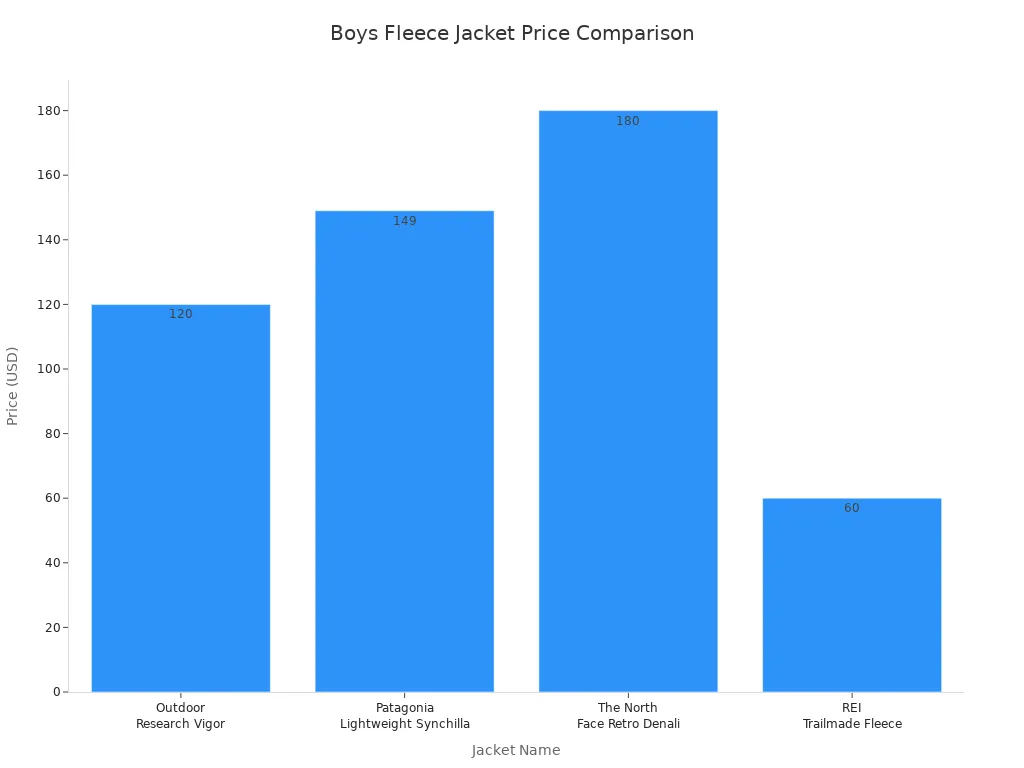
You should always compare price and quality before purchasing a boys fleece jacket. High-quality outerwear often costs more upfront, but it delivers better performance and durability. Consider the following price comparison:
Jacket Name | Price |
|---|---|
Outdoor Research Vigor | $120 |
Patagonia Lightweight Synchilla Snap-T | $149 |
The North Face Retro Denali Fleece | $180 |
REI Trailmade Fleece | $60 |
You may find lower-priced options, but they often lack the insulation, construction, and longevity of premium coats. Reading customer reviews helps you gauge real-world performance and satisfaction. Investing in a quality jacket can save you money over time, especially if you plan to pass it down.
“Typically, hand-me-downs or things from the thrift store have already gone through the majority of microfiber shedding. In going to a landfill, it’s going to break down and pollute the landfill with microplastics. The best thing to do with an item you no longer need is to pass it down, sell it back, keep it in use.”
Trusted Brands
You want to choose brands that parents trust for winter outerwear. Patagonia stands out for its high quality and customer satisfaction. The company’s Ironclad Guarantee promises to address any dissatisfaction with replacements, refunds, or repairs. This commitment to service and product quality makes Patagonia a reliable choice for families. Other reputable brands include The North Face, Outdoor Research, and REI. These companies consistently deliver durable, comfortable jackets that perform well in cold weather.
Seasonal Deals
You can maximize value by shopping during key sales periods. Retailers offer significant discounts on boys fleece jackets at certain times of the year. Use the table below to plan your purchase:
Sales Period | Description |
|---|---|
End of Winter (January to February) | Significant discounts as retailers clear out winter inventory, often up to 50% off. |
Black Friday and Cyber Monday (Late November) | Steep discounts on winter coats, both in-store and online, marking the start of the holiday shopping season. |
Early Fall (September to October) | Early discounts on winter coats as retailers prepare for the cold season, good selection available. |
Holiday Sales (Christmas, New Year, and Thanksgiving) | Shorter promotions during the holiday season, with potential post-Christmas sales for great prices. |
You should look for deals during these periods to get the best value without sacrificing quality. Shopping smart ensures your child stays warm and comfortable all winter.
You want a boys fleece jacket that delivers warmth, comfort, and durability while fitting well and offering great value. Fleece jackets excel in insulation, breathability, and easy maintenance. To make a confident choice, use this checklist:
Evaluate your local climate and insulation needs
Check for waterproofing and windproofing features
Ensure the jacket fits well and allows movement
Choose easy-care, machine-washable materials
Let your child pick a style they love
Material | Pros | Cons | Best For |
|---|---|---|---|
Fleece | Bulky, may pill | Cold days | |
Polyester | Durable, water-resistant | Less breathable | Sports |
Cotton | Soft, breathable | Not water-resistant | Mild weather |
Use these tips to select a jacket that keeps your child comfortable and active all winter.
FAQ
How do you clean a boys fleece jacket?
You should machine wash fleece jackets in cold water. Use a gentle cycle and mild detergent. Avoid fabric softeners. Air dry or tumble dry on low heat.
Tip: Always check the care label for specific instructions.
Can boys fleece jackets be worn in heavy snow?
Fleece jackets work best as mid-layers under waterproof shells. You should not rely on fleece alone in heavy snow.
For snowy days:
Layer with a waterproof jacket
Add thermal base layers
What features make a fleece jacket suitable for active boys?
Look for stretch panels, articulated sleeves, and breathable fabric. These features support movement and comfort during sports or play.
Note: Adjustable cuffs and hems help customize the fit for active use.
How do you choose the right size for a growing child?
Measure your child’s chest, waist, and height. Compare these numbers to the brand’s size chart.
Measurement | What to Check |
|---|---|
Chest | Snug fit |
Waist | Adjustable |
Height | Room to grow |