

Sweater vs sweatshirt
Table of Contents
Display

You might often wonder about the difference between a sweater and a sweatshirt. Sweaters use luxurious materials and feature detailed designs, while sweatshirts focus on comfort and casual style. This simple distinction makes a big impact on your choices. Understanding sweater vs sweatshirt helps you select clothing that matches your style and comfort needs.
Picking the right piece can change how you feel and look in any setting.
Key Takeaways
Sweaters are made from knitted fabrics like wool and cotton, while sweatshirts use fleece or cotton blends.
Choose a sweater for warmth and style in formal settings; opt for a sweatshirt for comfort and casual wear.
Sweaters offer a tailored fit and can be layered for extra warmth, while sweatshirts provide a relaxed fit for easy movement.
Consider the climate when choosing: sweaters are best for cold weather, and sweatshirts suit mild conditions.
Sweaters often require special care and can be more expensive due to premium materials; sweatshirts are easier to wash and generally more affordable.
Sweaters come in various styles like pullovers and cardigans, while sweatshirts include crewnecks and hoodies.
Layering with a sweater can enhance your outfit, while sweatshirts are great for casual, laid-back looks.
Understanding the differences helps you make informed choices for your wardrobe based on your needs and personal style.
Sweater vs Sweatshirt: Key Differences

Quick Comparison
When you compare sweater vs sweatshirt, you notice clear differences in material, construction, and style. Sweaters use knitted or crocheted fabrics, while sweatshirts rely on fleece or jersey knit. Sweaters often feel stretchy and flexible. Sweatshirts give you a soft, plush texture. You can see the main distinctions in the table below:
Garment Type | Materials Used | Characteristics |
|---|---|---|
Sweaters | Knitted or Crocheted Fabrics | Flexible and stretchy texture |
Wool | Excellent insulation and warmth | |
Cotton | Breathable and comfortable | |
Synthetic Blends | Durable and moisture-wicking properties | |
Sweatshirts | Fleece | Soft, plush, and insulating |
Jersey Knit Fabric | Smooth, stretchable, and comfortable | |
Cotton Blends | Balances comfort, breathability, and durability |
Sweater vs sweatshirt also differs in how each garment is made. Sweaters use techniques like classic seamed, top-down seamless, and bottom-up seamless. You find seamed sweaters knitted in flat pieces and sewn together. Seamless sweaters are knitted in the round, which helps control fit. Sweatshirts use simpler construction with fewer seams. This makes sweatshirts easier to assemble and gives them a straightforward look.
Tip: If you want a garment with a sculpted fit, choose a seamless sweater. If you prefer a relaxed style, pick a sweatshirt.
Purpose and Use
Sweater vs sweatshirt serves different purposes in your wardrobe. Sweaters work well for warmth and layering. You can wear a wool sweater in wet, cold climates because it insulates and resists water. Cotton sweaters suit chilly days in subtropical regions, but they do not keep you warm below 50°F (10°C). Cashmere sweaters provide excellent warmth for cold winters, and qiviut sweaters are perfect for arctic conditions.
Climate Suitability | Material Properties | |
|---|---|---|
Cotton Sweaters | Chilly days in subtropics | Not suitable for winter below 50F (10C) |
Wool Sweaters | Wet, cold climates | Insulates well, water-resistant |
Cashmere Sweaters | Cold winter climates | Great for layering, tight knit for warmth |
Qiviut Sweaters | Arctic winter climates | Extremely warm, rare and expensive material |
Sweatshirts offer comfort and casual style. You often wear sweatshirts for sports, lounging, or running errands. The fleece material keeps you cozy, while cotton blends balance breathability and durability. Sweatshirts suit mild to cool weather, but you may need extra layers in freezing temperatures.
When you choose between sweater vs sweatshirt, think about the occasion and climate. Sweaters fit formal and semi-formal settings. You can pair a sweater with dress pants or a skirt for a polished look. Sweatshirts work best for casual outings and active wear. You get a relaxed vibe with jeans or joggers.
Sweaters use knitted construction for warmth and style.
Sweatshirts use sewn construction for comfort and ease.
Sweaters suit formal and cold-weather occasions.
Sweatshirts suit casual and mild-weather activities.
Sweater vs sweatshirt comes down to your needs. If you want insulation and style, pick a sweater. If you want comfort and simplicity, choose a sweatshirt. The right material and construction help you stay comfortable and look your best.
What Is a Sweater?
A sweater definition describes a knitted garment designed to keep you warm. You usually wear a sweater over a shirt or top. Sweaters come in many styles and materials, making them a staple in your wardrobe for both comfort and fashion.
Sweater Materials
Sweaters use a variety of materials, each offering unique benefits. You can choose a sweater based on how much warmth, breathability, or durability you need.
Wool
Wool stands out for its excellent insulation. You feel warm even in cold weather because wool traps heat. Wool also resists moisture, so you stay comfortable if the weather turns damp. Many people prefer wool sweaters for winter and outdoor activities.
Cotton
Cotton provides comfort and breathability. You can wear cotton sweaters in mild climates or indoors. Cotton feels soft against your skin and allows air to circulate, which helps prevent overheating. Maintenance is easy, and cotton lasts through many washes.
Acrylic
Acrylic offers a cost-effective alternative to natural fibers. You get durability and resistance to weather. Acrylic sweaters hold their shape well and dry quickly. Many brands blend acrylic with other fibers to improve softness and warmth.
You often see these materials in fashion industry reports:
Cotton: Known for comfort, breathability, and durability. Popular due to ease of maintenance and sustainability.
Synthetic fibers: Includes polyester and nylon, valued for cost-effectiveness and versatility. Gaining popularity for their durability and weather resistance.
Wool: Often used for warmth and insulation.
Silk: Recognized for its luxurious feel and softness.
Blends: Combining different materials to enhance properties.
Laboratory testing helps you understand how sweater materials affect warmth and comfort. Scientists use methods like sweating hot plate instrumentation and thermal properties characterization to measure insulation and breathability. You benefit from thermal resistance measurement, which quantifies how well a sweater keeps you warm. Moisture vapor transmission testing shows how comfortable a sweater feels during activity. Thermal effusivity tells you how the fabric feels against your skin.
Testing Method | Purpose |
|---|---|
Sweating Hot Plate Instrumentation | Assesses heat and moisture transport through the material, determining thermal resistance and evaporative resistance. |
Thermal Properties Characterization | Measures thermal and evaporative resistance, linked to material properties like thickness and porosity. |
CLO Value Calculation | Simulates human skin to measure thermal resistance, providing a quantifiable value for insulation. |
Thermal Effusivity Measurement | Quantifies a textile’s ability to exchange thermal energy, correlating with human perception of warmth or coolness. |
Sweater Design
Sweater design varies widely. You find pullovers, cardigans, and turtlenecks. Some sweaters feature intricate patterns, cables, or ribbing. You can select a fitted or loose style depending on your preference. Sweaters often include details like buttons, zippers, or decorative stitching.
Formality and Versatility
You can wear a sweater for many occasions. Sweaters work for casual outings, office settings, and social events. You elevate a basic sweater look with accessories like scarves or necklaces. Layering with thinner base layers prevents bulkiness and adds interest. Lightweight sweaters suit spring and summer, especially when paired with shorts or skirts.
Tip: Choose a sweater that matches your activity and climate. You stay comfortable and stylish in any setting.
What Is a Sweatshirt?
You see sweatshirts everywhere, from school hallways to athletic fields. A sweatshirt offers a relaxed fit and soft feel, making it a favorite for casual wear. You can find a sweatshirt in many styles, but most share a few key features. The sweatshirt definition in fashion dictionaries highlights its loose, long-sleeved, collarless design made from absorbent fabric. You usually wear a sweatshirt for warmth or during sports. The table below shows how leading dictionaries describe this staple:
Source | Definition |
|---|---|
WordReference | A loose, long-sleeved, collarless piece of clothing made of soft, absorbent fabric, commonly worn during athletic activity for warmth or to induce sweating. |
Cambridge Dictionary | A piece of clothing for the upper part of the body, with long sleeves, usually made of thick cotton and often worn for sports. |
Oxford Learner’s Dictionaries | A long-sleeved knitted cotton sweater worn by athletes, etc. |
Sweatshirt Materials
You find sweatshirts made from a range of materials. Textile manufacturers use fabrics that balance comfort, durability, and style. The most common materials include:
Polyester: Durable and lightweight synthetic fabric.
Fleece: Warm synthetic material, often made from polyester.
French Terry: Cotton fabric with a soft, looped texture on the inside.
Spandex: High stretchability, often blended with other materials.
Blended Fabrics: Mixtures of two or more materials for enhanced qualities.
Organic Cotton: Grown without harmful chemicals, lightweight and breathable.
Wool: Natural material that regulates body temperature.
Fleece
Fleece sweatshirts keep you warm and cozy. You feel the plush texture against your skin, which makes fleece ideal for chilly days. Fleece traps heat and wicks moisture, so you stay comfortable during activity.
Cotton Blend
Cotton blend sweatshirts combine softness and durability. You get breathability from cotton and strength from synthetic fibers. Many brands use Super Soft Combed Cotton Blend™ for a smooth feel and long-lasting wear. Pre-shrunk fabrics help your sweatshirt keep its shape after washing.
Sweatshirt Design
Sweatshirt design focuses on simplicity and function. You see crewnecks, hoodies, and zip-up styles. Most sweatshirts have ribbed cuffs and hems to keep warmth in. Oversized fits allow for easy movement and a trendy look. You can choose from classic colors or bold patterns, depending on your taste.
Tip: Choose a sweatshirt with an oversized fit for maximum comfort and a modern style.
Comfort and Casual Wear
You experience unmatched comfort when you wear a sweatshirt. Hoodies and crewnecks feel like a soft blanket, thanks to their relaxed fit and cozy materials. Sweatshirts suit both men and women, making them a universal choice. You can wear a sweatshirt for lounging, running errands, or layering over athletic gear. The added weight gives you a wrapped-in-a-blanket feel without bulk. You find sweatshirts in timeless colors and modern shades, so you always have options for your personal style.
Sweatshirts offer effortless style for casual and athleisure outfits.
Oversized sweatshirts allow more movement and keep you comfortable all day.
Pre-shrunk fabrics prevent shrinking or wrinkling, so your sweatshirt stays true to size.
You choose a sweatshirt when you want comfort, warmth, and easy style. Sweatshirts remain a go-to garment for everyday life.
Sweaters vs Sweatshirts: Materials & Construction
Knitted vs Sewn
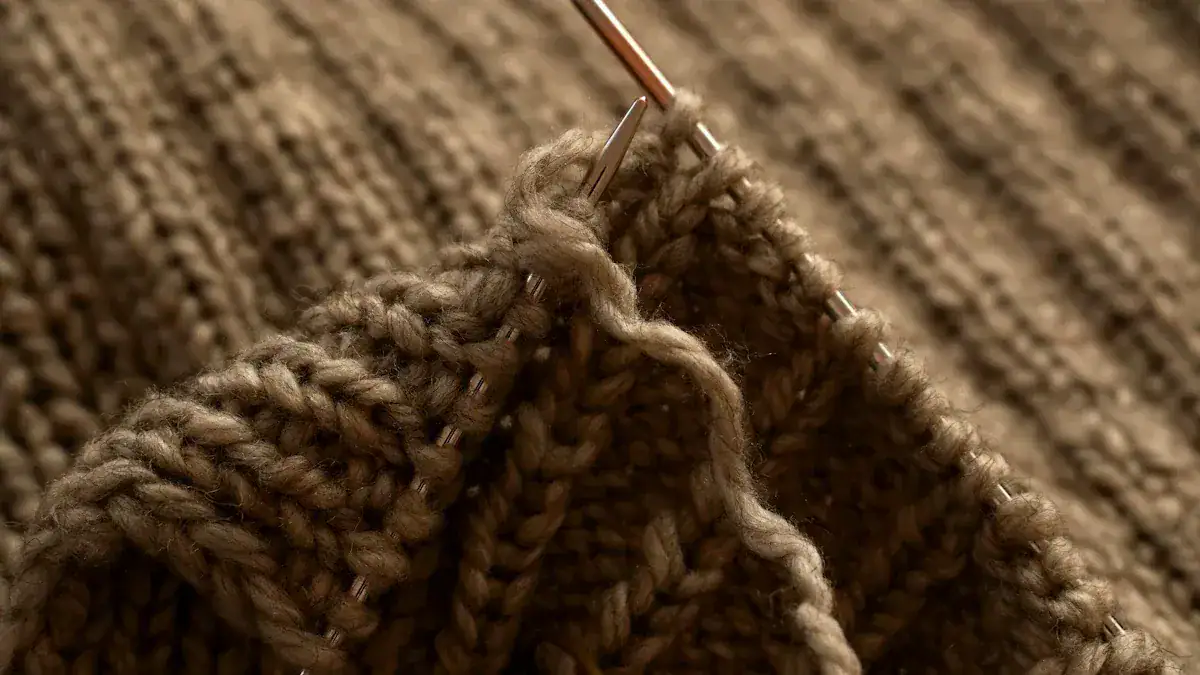
You notice a big difference in how sweaters vs sweatshirts are made. Sweaters use knitting techniques, which create a flexible and stretchy fabric. You see hand-knitted and machine-knitted options. Sweatshirts use sewn construction, where manufacturers cut pieces of fabric and stitch them together. This method gives sweatshirts a smooth, uniform look.
Sweaters often feature set-in sleeves joined at the shoulder. This design gives you a tailored shape and helps the garment keep its form. You find top-down construction in some sweaters, which lets you adjust the fit easily. Bottom-up construction creates clean lines and a structured finish. Sweatshirts usually have fewer seams, which makes them feel relaxed and easy to wear.
Tip: If you want a garment that hugs your body and keeps its shape, choose a sweater with set-in sleeves and seams.
Texture and Shape
You feel the texture difference right away. Sweaters use stitches like stockinette for a smooth surface, ribbing for stretch, and cables or lace for depth. These details change how the sweater drapes and fits. Ribbing adds structure, so your sweater stays snug at the cuffs and hem. Cables and lace give you a unique look and extra texture.
Sweatshirts use fleece or jersey knit, which feels soft and plush. The fabric and material differences mean sweatshirts drape loosely and keep a casual shape. You get a relaxed fit that moves with you. Sweatshirts rarely have textured patterns, so the surface stays smooth.
Top-down construction lets you customize the fit of your sweater.
Bottom-up methods create a more structured silhouette.
Seams and sleeve types, like raglan or set-in, help sweaters keep their shape over time.
Durability
You want your clothes to last. Product testing organizations rate sweatshirts highly for durability. Many users report no shrinkage after more than ten washes. Outdoor tests show that sweatshirts like the Gidan 18000 hold up well, even after months of hiking. Minimal wear appears on the shoulders, which proves their strength compared to fast-fashion options.
Sweaters also offer good durability, especially when made with strong seams and quality yarns. The construction method, such as set-in sleeves and reinforced edges, helps sweaters keep their shape and resist stretching. You see minimal wear if you care for your sweater properly.
Aspect | Rating (1–5) | Representative Review |
|---|---|---|
Durability | 4.3 | ‘No shrinkage after 10+ washes—great value.’ |
Users say sweatshirts show minimal wear after extensive use.
Sweaters keep their shape with stable seams and quality stitches.
You can choose between sweaters vs sweatshirts based on how each garment is made, how it feels, and how long it lasts. The right choice depends on your style, comfort, and durability needs.
Design & Style Options
Sweater Styles
Sweaters come in many styles, each offering unique benefits for your wardrobe. You can choose a pullover for easy layering or a cardigan for versatility. Turtlenecks provide extra warmth and a classic look. The table below highlights some popular sweater styles in current fashion trends. You see a range of materials, sizes, and care instructions, which helps you select the best option for your needs.
Sweater Style | Material | Size | Care |
|---|---|---|---|
Looser Rollneck Sweater | Cotton | XS–XL | Machine wash, dry flat |
Striped Pullover Sweater | Alpaca, polyamide | XXS–XXL | Dry-clean only |
Oversized Turtleneck | Cashmere | XS–3XL | Hand-wash only |
Pullover
You find pullovers easy to wear and style. This classic sweater slips over your head and works well for layering. Many people choose pullovers for their simple design and comfort.
Cardigan
Cardigans open at the front, often with buttons or zippers. You can wear a cardigan over shirts or dresses. Cardigans suit both casual and formal occasions, giving you flexibility in your outfit choices.
Turtleneck
Turtlenecks feature a high, close-fitting collar that covers your neck. You stay warm in cold weather and add a touch of sophistication to your look. Oversized turtlenecks, especially in cashmere, have become popular for their comfort and style.
Sweatshirt Styles
Sweatshirts offer a relaxed fit and practical design. You see several styles, each serving different preferences and occasions. Cropped sweatshirts attract younger people and women, thanks to their trendy and age-appropriate designs. Pullover sweatshirts remain a favorite across all age groups, often chosen for casual wear and promotional events.
Crewneck
You recognize the crewneck as a timeless sweatshirt style. The round neckline sits comfortably at the base of your neck. Crewneck sweatshirts work well for layering and suit both men and women. Many schools and sports teams use the crew neck sweatshirt for uniforms and spirit wear.
Hoodie
Hoodies include a hood and often a front pocket. You wear hoodies for extra warmth and a sporty look. Hoodies suit outdoor activities and casual outings.
Zip-up
Zip-up sweatshirts feature a zipper down the front. You can adjust your comfort level by opening or closing the zipper. Zip-ups provide convenience and style, making them a popular choice for active lifestyles.
Patterns and Colors
You see a wide variety of patterns and colors in both sweaters and sweatshirts. Stripes, solids, and geometric designs appear frequently in sweater collections. Sweatshirts often come in bold colors, graphic prints, or simple monochrome shades. You can express your personality through your choice of pattern or color. Neutral tones offer versatility, while bright hues make a statement. Many brands release seasonal collections, so you always find new options to refresh your wardrobe.
Tip: Try mixing patterns and colors to create outfits that reflect your style and mood.
Function & Usage
Layering
You can use both sweaters and sweatshirts for layering, but each offers unique advantages. Fashion experts recommend starting with breathable fabrics and lightweight pieces. You might choose wool, fleece, or technical synthetics that trap heat while still allowing airflow. When you layer, focus on comfort and freedom of movement. Avoid bulky combinations that restrict you.
Select base layers that feel soft and wick moisture.
Add a chunky knit sweater over a silky slip dress for a stylish contrast.
Pair a cozy flannel shirt with a sleek leather jacket to create interest.
Mix textures like denim with silk or leather with wool to add depth and personality.
Layering lets you adjust your outfit for changing temperatures. You create dimension and visual appeal by experimenting with different materials and styles. Sweaters often work as mid or top layers, while sweatshirts serve as outer layers for casual looks.
Tip: Layering is not just about warmth. You can use it to express your style and add variety to your wardrobe.
Seasonal Suitability
Sweaters and sweatshirts show clear functional differences when you consider seasonal wear. You reach for sweaters in colder months because they provide insulation and warmth. Sweatshirts suit mild to cool weather, making them ideal for fall and early spring.
Season | Temperature Range (°F) |
|---|---|
Fall | |
Winter | Potential extension due to climate change |
You might notice that climate change extends the winter season in some regions. This shift means you rely on sweaters for longer periods. Sweatshirts work best when temperatures drop but do not reach freezing. You can layer either garment to adapt to unpredictable weather.
Occasions
Casual
You probably wear sweatshirts most often for casual occasions. Social surveys show that 78% of people prefer sweatshirts for lounging at home. You also choose sweatshirts for outdoor activities, with 70% of people making this choice. Sweatshirts offer comfort and a relaxed fit, making them perfect for errands, walks, or hanging out with friends.
Formal
Sweaters display functional differences in formal settings. You see 75% of people wearing sweaters in professional environments. You can pair a fine-knit sweater with dress pants or a skirt for a polished look. Sweaters also suit social events, with 60% of people choosing them for gatherings. You elevate your outfit by selecting a sweater with a classic design or subtle pattern.
Sports
You use sweatshirts for sports and active wear. Their flexible construction and moisture-wicking materials keep you comfortable during exercise. You might wear a sweatshirt for warm-ups, team practice, or outdoor workouts. The relaxed fit allows easy movement, which is essential for athletic activities.
Note: Understanding the functional differences between sweaters and sweatshirts helps you choose the right garment for every occasion. You match your outfit to your activity, climate, and personal style.
Comfort & Warmth
Insulation
You want your clothing to keep you warm when temperatures drop. Sweaters and sweatshirts offer different levels of insulation because of their materials. Sweaters use highly insulating fibers like wool, which trap heat and help you stay cozy in cold weather. Sweatshirts rely on fleece or cotton, giving you moderate warmth but less insulation than wool. You can compare their insulation properties in the table below:
Item | Insulation Properties |
|---|---|
Sweater | Made from highly insulating materials like wool, retaining heat effectively. |
Sweatshirt | Typically made from fleece or cotton, providing moderate warmth but less insulation than wool. |
If you need maximum warmth for winter, choose a wool sweater. You get reliable insulation that protects you from chilly winds. Sweatshirts work well for mild climates or layering during cool evenings. You can wear a sweatshirt for outdoor activities when you want comfort without overheating.
Tip: For ultimate comfort in freezing conditions, layer a wool sweater over a breathable base.
Breathability
You want your clothes to feel comfortable all day. Breathability matters when you move or spend time indoors. Sweaters and sweatshirts use different fabrics, which affect how well air flows through the garment. Cotton stands out for its breathability, making it ideal for warm climates and workouts. French terry also offers good breathability, so you stay comfortable during casual wear. Some tri-blends combine comfort and performance, giving you a balance of airflow and softness. Polyester and nylon provide less breathability, which can make you feel hot in summer. Dense fleece keeps you warm but does not allow much ventilation.
Cotton: More breathable, ideal for warm climates and workouts.
French Terry: Offers good breathability, suitable for casual wear.
Certain Tri-blends: Known for breathability, combining comfort and performance.
Polyester: Less breathable, often used in performance fabrics.
Nylon: Similar to polyester in breathability, not ideal for hot conditions.
Dense Fleece: Generally less breathable, better for warmth than ventilation.
You should pick a sweater or sweatshirt based on your activity and environment. If you plan to exercise or spend time outside in mild weather, choose cotton or French terry for better airflow. For cold days, select dense fleece or wool to keep you warm.
Weight
You notice the weight of your sweater or sweatshirt as soon as you put it on. The weight affects how the garment feels and how you layer it. Sweaters come in different weights, from lightweight options for spring to heavyweight styles for winter. Sweatshirts, especially heavyweight ones, often feel thicker and heavier than most sweaters. You can see the typical weight ranges in the table below:
Garment Type | |
|---|---|
Heavyweight Sweater | 300-400 GSM |
All-season Sweater | 250-300 GSM |
Lightweight Sweater | 150-250 GSM |
Sweatshirt (Heavyweight) | Typically higher than 300 GSM |
You should choose a lightweight sweater for layering or mild weather. Heavyweight sweaters and sweatshirts give you extra warmth and durability. If you want a garment that feels substantial and holds up to frequent wear, pick a heavyweight sweatshirt. You get comfort and protection from the cold.
Note: The right weight helps you balance warmth and comfort, so you feel good in any season.
Cost & Care
Price Range
You notice a wide range of prices when shopping for sweaters and sweatshirts. Sweaters often cost more because brands use premium materials like wool, cashmere, or alpaca. You pay less for cotton or acrylic sweaters, but luxury fibers increase the price. Sweatshirts usually cost less than sweaters. Manufacturers use cotton blends or polyester, which keeps production costs down. Designer sweatshirts or those with special graphics may cost more.
Garment Type | Typical Price Range | Factors Affecting Price |
|---|---|---|
Sweater | $25 – $300+ | Material, brand, craftsmanship |
Sweatshirt | $15 – $120 | Fabric blend, brand, design |
You can find affordable options in most stores. High-end brands and specialty fibers raise the price, so set your budget before you shop.
Washing Instructions
Sweater Care
You keep your sweaters looking new by following care label instructions. Most sweaters need gentle washing. You can use cold water and a detergent for delicates if the label allows machine washing. For hand washing, gently swish the sweater in water. Do not rub or wring the fabric. Rinse thoroughly and roll the sweater in a towel to remove excess moisture. Lay the sweater flat to dry. This method helps prevent stretching and keeps the shape intact. For soft, hand wash-only sweaters, trace the outline on paper before washing. After drying, use the outline to block the sweater and restore its shape. If your sweater needs dry cleaning, use in-dryer cleaning kits for light soil. For heavy stains, consult a professional dry cleaner.
Tip: Always check the care label before washing your sweater. You protect the fibers and extend the life of your garment.
Sweatshirt Care
You find sweatshirts easier to care for than sweaters. Most sweatshirts allow machine washing. Use cold water and a gentle detergent to preserve color and softness. You can dry sweatshirts on low heat if the care label permits. Avoid high heat, which can shrink the fabric or damage prints. For sweatshirts with special graphics or embellishments, turn them inside out before washing. This step helps protect the design.
Machine wash with cold water and gentle detergent.
Dry on low heat or air dry to prevent shrinking.
Turn inside out to protect graphics.
Storage Tips
You maintain the quality of your sweaters and sweatshirts by storing them properly. Clean your clothes thoroughly before storage. Dirt and oils attract pests and cause damage over time. Use vacuum-sealed bags for bulky sweaters to save space. Choose breathable storage bags instead of plastic to prevent moisture buildup. Overstuffing bins leads to wrinkles and fabric damage, so leave enough room for each item. Place natural moth repellents like cedar blocks or lavender sachets in your storage area. These keep pests away and add a fresh scent.
Note: Proper storage keeps your garments looking fresh and ready to wear. You avoid common problems like wrinkles, stretching, and pest damage.
Choosing Between Sweater vs Sweatshirt
Decision Guide
You face many choices when deciding between a sweater and a sweatshirt. Start by thinking about your climate. If you live in a cold area, you need a garment that keeps you warm. Consider your daily activities. You might want something for work, play, or both. Materials matter too. Some people prefer the feel of wool, while others like cotton blends. Customization can add a personal touch, especially if you want custom embroidered sweatshirts. Seasonal suitability also plays a role. You want a piece that fits your needs throughout the year.
Here is a table to help you compare important factors:
Factor | Description |
|---|---|
Climate | Assess the climate you’re in or the one you’ll primarily wear the garment in. |
Purpose | Evaluate whether it’s for work, play, or both. |
Materials | Factor in the materials that suit your comfort preferences. |
Customization | Explore options for customization, such as custom embroidered sweatshirts. |
Seasonal Suitability | Weigh these elements against your requirements for the ideal choice. |
Tip: Write down your top priorities before shopping. This helps you make a smart decision.
Pros and Cons
You should weigh the advantages and disadvantages of each garment. Sweaters offer warmth and style. You can wear them in formal settings or layer them for extra comfort. They often use premium materials, which feel soft and luxurious. On the downside, sweaters may require special care and cost more.
Sweatshirts provide comfort and easy maintenance. You find great sweatshirt options for casual outings, sports, or relaxing at home. They usually cost less and handle frequent washing well. However, sweatshirts may not suit formal occasions or provide enough warmth in freezing weather.
Here is a quick list to help you compare:
Sweater:
Pros: Warm, stylish, versatile, suitable for formal events.
Cons: Higher price, special care needed, less casual.
Sweatshirt:
Pros: Comfortable, affordable, easy to wash, casual style.
Cons: Less formal, may lack insulation, limited style options.
Matching to Your Needs
You want your clothing to fit your lifestyle. If you attend meetings or social events, a sweater works well. You look polished and stay warm. For active days or relaxed weekends, sweatshirts keep you comfortable. Think about the best scenarios to wear each item. Choose a sweater for chilly evenings or formal gatherings. Pick a sweatshirt for gym sessions, outdoor walks, or lounging at home.
Note: Your choice depends on your climate, activities, and style preferences. Try both types to see which suits you best.
You now know the key differences between sweaters and sweatshirts. Sweaters give you warmth and style for formal or layered looks. Sweatshirts offer comfort and a relaxed fit for casual days.
Choose a sweater when you want a polished appearance.
Pick a sweatshirt for easygoing comfort.
Remember: Your choice depends on your needs and personal style. Understanding these basics helps you dress confidently for any occasion.
FAQ
What is the main difference between a sweater and a sweatshirt?
You find sweaters made from knitted fabrics like wool or cotton. Sweatshirts use fleece or cotton blends and have a sewn construction. Sweaters look dressier. Sweatshirts feel more casual and sporty.
Can you wear a sweatshirt to a formal event?
You should avoid sweatshirts for formal events. Sweatshirts look casual and relaxed. Choose a fine-knit sweater for a polished, professional appearance.
Which is warmer: sweater or sweatshirt?
You get more warmth from a wool sweater. Wool traps heat better than most sweatshirt materials. Sweatshirts keep you cozy in mild weather, but sweaters work best for cold days.
How do you wash sweaters and sweatshirts?
Always check the care label first!
You usually hand wash sweaters or use a gentle cycle. Lay them flat to dry. You can machine wash most sweatshirts and tumble dry on low.
Are sweaters or sweatshirts better for layering?
You layer both, but sweaters offer more options. Lightweight sweaters fit under jackets or coats. Sweatshirts work well as outer layers for casual outfits.
Do sweaters shrink more than sweatshirts?
Sweaters, especially wool ones, shrink easily if you use hot water or high heat. Sweatshirts resist shrinking if you follow care instructions. Always use cold water and gentle drying.
Can you wear a sweater and a sweatshirt together?
You can! Try a thin sweater under a roomy sweatshirt for extra warmth. This combo works well for outdoor activities in winter.
Which is more comfortable for everyday wear?
You may find sweatshirts more comfortable for daily use. They feel soft, stretchy, and easy to move in. Sweaters give you style and warmth, but sweatshirts win for pure comfort.