

Sweater and jacket
Table of Contents
Display

You might wonder what sets a sweater and jacket apart as you pick out clothes for comfort and style. Sweaters use soft fabrics and often feel cozy, while jackets usually offer more structure and protection. Today, sweater jackets blend the best of both. These hybrids have gained popularity thanks to new lightweight materials and a shift toward year-round fashion.
Trend | Description |
|---|---|
Consumer Demand | Increasing demand for comfortable and stylish apparel has led to a surge in the sweater market. |
Year-Round Fashion | Sweaters have evolved from winter staples to year-round fashion statements due to layering trends. |
Material Innovation | The rise of lightweight, breathable materials has contributed to the popularity of sweater jackets. |
You can choose the right piece by thinking about the weather, your activity, and the look you want.
Key Takeaways
Understand the difference between sweaters and jackets. Sweaters are soft and cozy, while jackets provide structure and protection.
Consider the weather when choosing between a sweater and a jacket. Cold days call for jackets, while mild temperatures suit sweaters.
Explore various materials. Merino wool offers warmth, while organic cotton is soft and eco-friendly. Choose based on comfort and needs.
Layering is key for comfort. Start with a thin base layer, add a fitted sweater, and finish with a roomier outer piece for flexibility.
Sweater jackets combine the best of both worlds. They offer warmth without bulk and are perfect for year-round wear.
Choose styles that reflect your personality. Sweaters can be casual and relaxed, while jackets can provide a polished look for formal events.
Pay attention to the occasion. Sweaters work well for casual outings, while jackets are ideal for outdoor activities and formal settings.
Check care instructions for maintenance. Proper cleaning helps keep your sweaters and jackets in good shape for longer wear.
Sweater and jacket overview

Sweater basics
Materials
When you look at sweaters, you notice a range of materials that affect warmth and comfort. The most common options include merino wool, mohair, yak wool, and organic cotton. Each material offers unique benefits. Merino wool provides excellent warmth and regulates temperature. Mohair feels lightweight and resists wrinkles. Yak wool rivals cashmere in softness and keeps you warm. Organic cotton suits sensitive skin and supports eco-friendly choices.
Material | Warmth Characteristics | Comfort Characteristics |
|---|---|---|
Merino Wool | Excellent warmth, insulating, temperature-regulating | Soft, breathable, versatile, renewable, biodegradable |
Mohair | Lightweight, insulating, wrinkle-resistant | Silky texture, durable, enhances colors |
Yak Wool | One of the warmest fibers, rivals cashmere in softness | Strong, sustainable, ecological harvesting methods |
Organic Cotton | Breathable, soft on sensitive skin | Vegan-friendly, biodegradable, less water-intensive |
Styles
Sweaters come in many styles, letting you express your personality and adapt to different occasions. You find basic knit pullovers for everyday wear. Cardigans offer versatility and layering options. Contemporary winterwear includes trendy designs for both men and women. Many brands now focus on sustainable fabrics and eco-friendly production, reflecting a shift toward responsible fashion. The sweater market thrives as demand for fashionable knitwear grows.
Jacket basics
Materials
Jackets use thicker, heavier materials or multiple layers to provide insulation and protection. You often see jackets made from durable fabrics designed to last for years, especially for outdoor use. The construction makes jackets heavier than sweaters, but this extra weight helps shield you from wind and rain.
Feature | Jackets | Sweaters |
|---|---|---|
Material | Thick, heavy materials or multiple layers for insulation | Lighter materials, breathable weaves |
Durability | Designed to last several years, especially for outdoor use | Softer, delicate materials that may not last as long |
Weight | Can be heavy or light depending on design; often heavier overall | Generally light, allowing for easy movement |
Comfort | May be restrictive due to structured design | Flexible and comfortable, allowing for ease of movement |
Styles
Jackets offer a wide variety of styles. You see classic denim jackets, sporty windbreakers, and formal blazers. Some jackets feature waterproof coatings or insulated linings for extra protection. The structured design gives jackets a polished look, making them suitable for both casual and formal settings.
Sweater jacket hybrid
Features
Sweater jackets combine the softness of sweaters with the structure of jackets. You get warmth without bulk, and the design often includes zippers or buttons for easy layering. Lightweight materials make sweater jackets comfortable for year-round wear. The hybrid style adapts to changing weather and lifestyle needs.
Tip: Sweater jackets work well when you want comfort and flexibility but still need a bit of protection from the elements.
Occasions
Fashion experts recommend sweater jackets for several settings:
Work: Ideal for office environments, providing warmth without bulk.
Weekend: Perfect for casual outings, allowing for personal style expression.
Outdoor Adventures: Great for flexible layering during outdoor activities.
Seasonal changes influence your choice between sweater and jacket options. Climate shifts have made lighter materials more popular throughout the year. You might notice that weather cues and mindful habits help you decide what to wear, whether you reach for a sweater, a jacket, or a hybrid.
The sweater and jacket combination gives you flexibility and style, letting you adapt to any situation or season.
Key differences
Material & construction
You notice clear differences in the materials used for sweaters and jackets. Sweaters usually feature knitted fabrics like wool or cotton. Jackets often use heavier materials such as leather, denim, or waterproof fabrics. This difference affects how each garment feels and performs in different situations.
Item | Material Type |
|---|---|
Jacket | Heavier materials like leather, denim, or waterproof fabrics |
Sweater | Knitted fabrics like wool or cotton |
Construction also plays a big role in how long your clothing lasts. Knit sweaters have a tighter, interlocked fabric structure. This design resists wear and stretching better than looser crochet stitches. Jackets, especially those made with sturdy materials, offer extra protection from the elements. You get more durability from a tightly knit sweater than from a loosely crocheted jacket. The way each piece is built influences how it stands up to daily use.
Style & design
Sweaters and jackets each bring unique style options to your wardrobe. Sweaters often come in pullovers, cardigans, or turtlenecks. These styles focus on comfort and warmth. You can find sweaters in many colors and patterns, which lets you express your personality.
Jackets, on the other hand, offer more structure. You see styles like denim jackets, blazers, and windbreakers. Many jackets include features such as zippers, buttons, and pockets. These details add both function and style. Jackets can give you a polished look for formal events or a casual vibe for everyday wear. The design of each garment helps you choose the right one for your needs.
Function & use
When you compare the function and use of sweaters and jackets, you find important differences. Sweaters provide warmth and comfort, making them perfect for layering or wearing indoors. Jackets offer more protection from wind, rain, and cold. You often reach for a jacket when you need to face unpredictable weather.
Tip: Think about your daily activities and the climate in your area. This will help you decide whether a sweater or a jacket fits your needs best.
You can use sweaters and jackets in many ways:
Sweaters work well for:
Chilly indoor spaces like libraries and cafes
Mild weather during autumn or spring
Layering under other outerwear
Casual work environments
Jackets are ideal for:
Windy or rainy days requiring protection
Commuting or travel where versatility is needed
Layering over sweaters for added style
Formal events where a polished look is desired
The sweater and jacket combination gives you flexibility. You can adapt to changing weather and different occasions by choosing the right piece. Each garment serves a unique purpose, so understanding these differences helps you build a wardrobe that meets your needs.
When to wear sweater and jacket
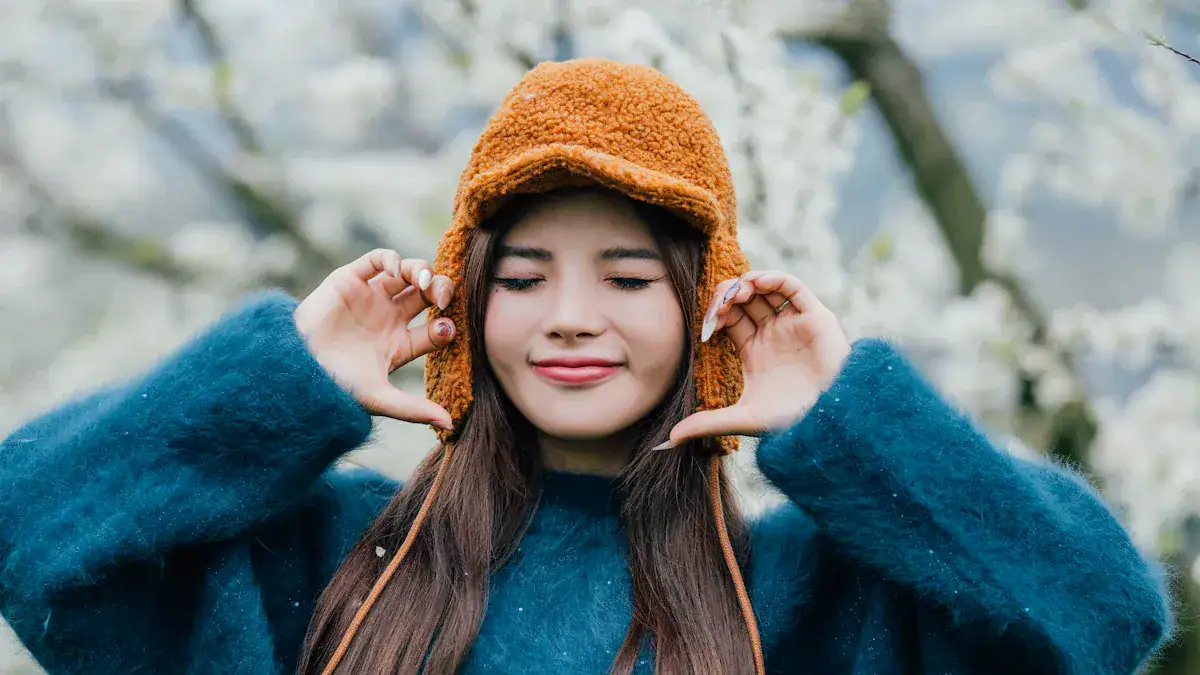
Choosing between a sweater and jacket depends on where you go, what you do, and how you want to look. Each piece fits certain occasions better, and knowing when to wear each helps you stay comfortable and stylish.
Sweater occasions
Casual
You often reach for a sweater when you want to feel relaxed and look put together. Sweaters work well for coffee dates, movie nights, or hanging out with friends. Their soft materials and easy fit make them a favorite for social events. In fact, consumer surveys show that 60% of people prefer sweaters for their versatility in social settings.
Office
A sweater can help you look professional without feeling stiff. Many professionals believe sweaters boost confidence and create a polished appearance at work. According to surveys, 75% of respondents say sweaters enhance their professionalism. You can pair a fine-knit sweater with dress pants or a skirt for a smart office look.
Layering
Sweaters shine when you need to layer. You can wear them over shirts or under jackets for extra warmth. This makes them perfect for unpredictable weather or chilly indoor spaces. Layering also lets you adjust your outfit throughout the day.
Occasion | Percentage | Description |
|---|---|---|
Social Events | 60% | Respondents prefer sweaters for their versatility in social settings. |
Formal Events | 40% | Many consumers choose sweaters over blazers for comfort and style. |
Work | 75% | Professionals believe sweaters enhance confidence and professionalism. |
Tip: Choose a lightweight sweater for layering in spring or fall, and a thicker one for winter.
Jacket occasions
Outdoor
Jackets stand out when you spend time outdoors. They protect you from wind, rain, and sudden temperature changes. You might wear a jacket for hiking, commuting, or running errands on a chilly day. The sturdy materials and structured design keep you comfortable in changing conditions.
Formal
You can rely on a jacket to elevate your look for formal events. Blazers and tailored jackets add structure and style, making them ideal for business meetings, interviews, or special occasions. Jackets often include details like buttons and pockets, which add both function and flair.
Weather protection
When you face extreme weather, jackets offer more protection than sweaters. Jackets use tougher fabrics and designs made for outerwear. They shield you from wind and cold much better than a sweater can.
Feature | Jackets | Sweaters |
|---|---|---|
Material | Mainly knitted from wool, cotton, or synthetic fabric | |
Design | Designed for outerwear, ideal for extreme conditions | Offers comfort and warmth, but less protection |
Weather Protection | Provides more protection from wind and cold | Does not provide the same level of protection in extreme conditions |
Note: Sweater and jacket hybrids give you the best of both worlds. You get the comfort of a sweater with the added protection of a jacket, making them a smart choice for mild weather or active days.
Your choice between a sweater and jacket depends on your activity, the weather, and your personal style. By understanding the strengths of each, you can build a wardrobe that keeps you ready for any occasion.
Choosing the right one
Weather factors
You face many weather conditions throughout the year. Your choice between a sweater and a jacket depends on several key factors. Consider these when you get dressed:
Temperature: Cold days call for jackets with insulation. Mild temperatures suit sweaters or lighter sweater jackets.
Wind Chill: Breezy weather makes it feel colder. Jackets with wind-resistant materials help you stay warm.
Humidity: High humidity can make you feel warmer or cooler. Sweaters with breathable fabrics work well in humid climates.
Sunlight: Bright sunshine can make chilly air feel warmer. You might choose a lighter sweater or skip the jacket.
Research shows that temperature and humidity together affect how comfortable you feel in your clothes. Sweaters and jackets perform differently depending on the fabric type and weather. Garments with high air permeability and low thermal resistance keep you comfortable during physical activity in warm, humid conditions. You should think about both the weather and your planned activity before choosing what to wear.
Tip: Check the forecast before you leave home. Layering lets you adjust your outfit if the weather changes during the day.
Style preferences
Your style says a lot about you. Fashion psychologists believe that your clothing choices reflect your self-perception, comfort needs, and social identity. You might pick a sweater or jacket based on how you want others to see you.
Self-perception: You choose clothes that match your mood or personality. Sweaters offer a relaxed, approachable look. Jackets give you a structured, confident appearance.
Comfort: Some people prefer the soft feel of a sweater. Others like the protective structure of a jacket.
Social identity: Your clothes can show group affiliations or personal style. Sweaters and jackets help you express who you are.
Current fashion trends also influence your decision. Y2K sweater jackets attract attention with bold, nostalgic designs. Modern sweaters offer understated elegance and versatility. You decide whether you want to stand out or blend in with contemporary fashion.
Style Preference | Sweater Choice | Jacket Choice |
|---|---|---|
Relaxed & Approachable | Soft knits, cardigans | Casual denim, bomber jackets |
Structured & Confident | Fitted pullovers, turtlenecks | Blazers, tailored jackets |
Trendy Statement | Y2K sweater jackets | Statement outerwear |
Note: Try different styles to see what feels best. Your comfort and confidence matter most.
Layering & comfort
Layering helps you stay comfortable in changing weather. You can combine sweaters and jackets for warmth and style. Use these techniques to build a practical and stylish outfit:
Start with a thin base layer, like a soft cotton or lightweight thermal top. This layer wicks moisture and adds insulation.
Add a fitted knitted sweater to trap heat and create a smooth silhouette.
Choose a roomier outer piece, such as a cardigan or pullover, to fit comfortably over your layers.
Use scarves or shawls to add warmth and protect against wind chill.
Make sure your layers allow for easy movement. Avoid tight clothing that restricts mobility.
For different occasions, you can adjust your layering strategy:
For outdoor adventures, wear smart thermal under-layers, thick knit sweaters, and a wind-resistant coat.
In the office, pair thin-knit turtlenecks under a lighter sweater and a tailored blazer for warmth and polish.
At home, mix soft, oversized knits with cozy joggers or leggings for maximum comfort.
Tip: Match colors and textures for a coordinated look. Neutral tones work well for layering, while bold accents add personality.
You make better choices when you understand how weather, style, and comfort interact. Layering lets you adapt your outfit to any situation. Try different combinations to find what works best for you.
You can distinguish sweaters and jackets by their fabrics, features, and uses. Review the table below for expert recommendations:
JACKET | SWEATER | |
|---|---|---|
Typical Fabrics | Cotton, wool, leather, polyester, shearling | Wool, cashmere, synthetic materials |
Defining Features | Front closure (zipper or buttons) | Knitted or crocheted |
Uses/Formality | Casual, semi-casual, semi-formal, camping, athletic wear, rainy conditions | Semi-casual, semi-formal, formal |
Before you decide, check these points:
Test fabric stretch for comfort.
Think about your intended use.
Plan for layering.
Review the return policy.
Choose slimmer layers underneath and stick to classic colors for versatility. You can select outerwear with confidence when you match your needs to these tips.
FAQ
What is the main difference between a sweater and a jacket?
You will notice that sweaters use knitted fabrics and feel soft. Jackets use heavier, woven materials and offer more protection. Sweaters focus on warmth and comfort. Jackets provide structure and shield you from wind or rain.
Can you wear a sweater and a jacket together?
Yes, you can layer a sweater under a jacket for extra warmth. This combination works well in cold weather. You stay comfortable and can adjust your outfit if the temperature changes.
Are sweater jackets good for all seasons?
Sweater jackets use lightweight, breathable materials. You can wear them in spring, fall, or mild winter days. They give you warmth without bulk. You stay comfortable in changing weather.
How do you clean sweaters and jackets?
You should check the care label first. Most sweaters need gentle washing or dry cleaning. Jackets often require spot cleaning or machine washing. Always follow the instructions to keep your clothes in good shape.
Which is better for formal occasions: sweater or jacket?
You should choose a jacket for most formal events. Blazers and tailored jackets give you a polished look. Sweaters work for business-casual settings. You can pair a fine-knit sweater with dress pants for a smart appearance.
What materials make sweaters less itchy?
You can look for sweaters made from merino wool, yak wool, or organic cotton. These materials feel soft and gentle on your skin. Avoid coarse wool if you have sensitive skin.
How do you pick the right size for a sweater or jacket?
You should use a size chart and measure your chest, waist, and arms. Try on different styles if possible. Make sure you can move comfortably. Check if you want to layer clothes underneath.
Do jackets always have pockets?
Most jackets include pockets for convenience. Some styles, like blazers, have decorative pockets. You should check the product details if you need functional pockets.