

Coat vs jacket
Table of Contents
Display

You often wonder which outerwear essentials to grab when the temperature drops. The main difference in the coat vs jacket debate comes down to length and warmth. Take a look at this table for a quick comparison:
Feature | Coat | Jacket |
|---|---|---|
Length | Longer (knee/thigh-length) | Shorter (waist/hip-length) |
Fabric | Heavier, warmer | Lighter, more versatile |
Intended Use | Formal occasions, cold weather | Casual wear |
Style Compatibility | Pairs well with formal wear | Pairs well with casual wear |
Knowing the difference helps you choose what works best for your climate and style. Coats keep you warmer in winter, while jackets offer versatility for casual days.
Key Takeaways
Coats are longer than jackets, typically reaching the knees, while jackets end at the waist or hips.
Coats use heavier materials for warmth, making them ideal for cold weather, whereas jackets are lighter and more versatile.
Choose a coat for formal occasions or extreme cold, and opt for a jacket for casual outings or mild weather.
Understanding the differences helps you select the right outerwear for your climate and activities.
When shopping, check the length and weight of your outerwear to easily identify if it’s a coat or a jacket.
Coats provide more coverage against harsh weather, while jackets allow for greater mobility and comfort.
Different styles of coats and jackets exist, each designed for specific needs, so consider your personal style and the occasion.
Proper care and storage of your outerwear can extend its life and keep it looking new.
Coat vs jacket: Key Difference
Direct Answer
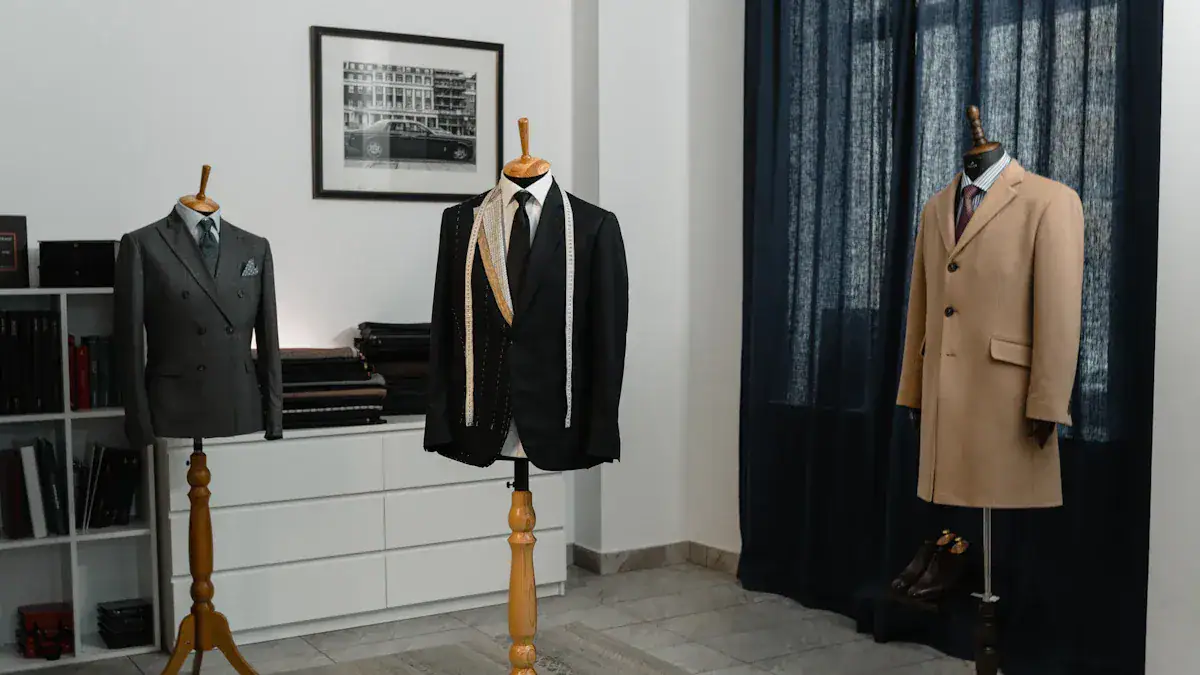
When you compare a coat vs jacket, you notice three main differences: length, insulation, and coverage. A jacket usually ends around your waist or hips. A coat extends from your mid-thigh to your knees or even lower. Jackets use lighter materials and work best for mild temperatures. Coats use heavier fabrics and keep you warm in cold weather. You get more coverage from a coat, which protects you better against wind and cold.
Here is a quick table to help you see the differences:
Feature | Jacket | Coat |
|---|---|---|
Length | Ends around the waist or hips | Ranges from mid-thigh to full-length |
Insulation | Lighter materials for milder temperatures | Heavier fabrics for maximum warmth |
Coverage | Offers a cropped, lightweight feel | Provides additional coverage against cold weather |
You can see that the coat vs jacket debate centers on how much warmth and protection you need. If you want something light for a cool day, you reach for a jacket. If you need to stay warm in freezing weather, you choose a coat.
Why It Matters
Understanding the coat vs jacket difference helps you make smart choices for your wardrobe. You avoid wearing a thin jacket on a snowy day or feeling too hot in a heavy coat during spring. You also match your outerwear to the occasion. Coats often look more formal and suit business or dressy events. Jackets fit casual outings and active days.
In American English, people sometimes use coat and jacket interchangeably. For example, you might hear someone call a blazer a jacket or a coat. In British English, the terms stay more distinct. A “lounge coat” or “lounge jacket” in Britain matches what Americans call a “sack coat.” Americans say “sports jacket,” while the British say “sports coat.” This overlap in American English can cause confusion, but knowing the physical differences helps you pick the right piece.
Tip: When you shop or organize your closet, check the length and weight of your outerwear. This simple step helps you tell a coat from a jacket every time.
The coat vs jacket question comes up often, especially when seasons change. You now know how to spot the key differences and why they matter for comfort, style, and function.
Coat: Definition & Features

What Is a Coat?
You see the coat as one of the oldest and most essential pieces of outerwear. The coat first appeared in the early 14th century as a simple garment made of cloth with sleeves. People wore it for warmth and protection. During the reign of Charles II of England, the coat changed shape. It became more fitted to the body and featured loose skirts. By the 18th century, the coat split into two main styles: the broad-skirted coat and the modern dress coat. These changes show how the coat adapted to fashion and function over time. Today, you use a coat to shield yourself from cold, wind, and rain. You also choose a coat to add style to your outfit.
Typical Features
When you look for a coat, you notice several features that set it apart from other outerwear. Most coats have these qualities:
Length that extends from mid-thigh to knee or even longer
Heavy materials that provide warmth and durability
Full sleeves for complete arm coverage
Structured design that fits over layers of clothing
Buttons, zippers, or belts for closure
Collars and lapels for added protection and style
Pockets for convenience
Tip: You can check the length and weight of your outerwear to quickly identify a coat. If it covers most of your body and feels substantial, you likely have a coat.
The material of your coat affects how warm and durable it feels. Here is a table that shows the most common materials used in coats and how they perform:
Material | Warmth Level | Durability Level | Notes |
|---|---|---|---|
Wool | High | High | Excellent insulator, suitable for cold weather. |
Tweed | Moderate to High | High | Versatile, available in various weights for different temperatures. |
Fur | Very High | High | Luxurious, water-resistant, and effective in extreme cold. |
Cashmere | High | Moderate | Soft and luxurious, best for special occasions. |
Polyurethane | Low | Moderate | Lightweight and breathable, often blended with other materials for added warmth. |
Cotton | Low | Moderate | Soft and breathable, not the best insulator but works well in layers. |
Nylon | Low | High | Durable and weather-resistant, great as an outer shell. |
Fleece | Moderate | Moderate | Soft and cozy, good for layering but not very weather-resistant. |
Flannel | Moderate | Moderate | Breathable warmth, often used as a liner for added comfort. |
Common Types
You find many types of coats, each designed for different needs and occasions. Here are some of the most popular styles:
Trench coat: Lightweight, water-resistant, and perfect for rainy days.
Peacoat: Double-breasted, made of wool, and ideal for chilly weather.
Overcoat: Long and formal, worn over suits or business attire.
Parka: Insulated and hooded, built for extreme cold.
Duffle coat: Features toggle fastenings and a hood, great for casual wear.
Car coat: Shorter length, easy to wear while driving.
Chesterfield coat: Sleek and tailored, often used for formal events.
You choose your coat based on the climate, your style, and the occasion. Each type offers unique benefits, so you can always find a coat that fits your needs.
Jacket: Definition & Features
What Is a Jacket?
You see a jacket as a versatile piece of outerwear that finishes at your waist or just below it. This length sets it apart from coats, which usually reach your hips or lower. A jacket gives you warmth, protection, and style. You can wear it for many occasions, from casual outings to more formal events. Designers use different materials to create jackets, so you find options that suit every season and activity. Many people choose a jacket not only for its function but also as a fashion statement. You notice that jackets often serve a decorative purpose, while coats focus more on heavy-duty warmth.
Tip: When you pick a jacket, check where it ends on your body. If it stops at your waist or hips, you likely have a jacket, not a coat.
Typical Features
You recognize a jacket by several key features. Most jackets share these qualities:
Shorter length, usually ending at the waist or hip
Lightweight construction for easy movement
Variety of closures, such as zippers, buttons, or snaps
Designed for layering over shirts or sweaters
Range of materials, including cotton, leather, wool, polyester, down, and fleece
Pockets for convenience and style
Collars or hoods for added protection
You find jackets made from materials that suit different needs. Cotton feels lightweight and breathable, making it comfortable for mild weather. Leather gives you durability and a stylish look, often used in moto and bomber jackets. Wool provides warmth and resists wrinkles, perfect for cooler days. Polyester offers a low-cost, water-resistant option that lasts a long time. Down gives excellent insulation without adding much weight. Fleece feels cozy and warm, ideal for casual wear.
Common Types
You discover many types of jackets, each with unique features and uses. Here is a table that highlights some of the most popular styles and what makes them stand out:
Jacket Style | Features |
|---|---|
Bomber Jacket | Lightweight, waist-length, elasticized waist and cuffs, front zipper, two hip-level pockets. |
Down Jacket | Filled with down feathers, high fill power for warmth, lightweight, compressible. |
Parka | Longer cut, fur-trimmed hood, waterproof fabrics, insulated lining. |
Synthetic Insulated | Insulated with synthetic fills, water-resistant, durable, retains insulation when wet. |
Peacoat | Heavy wool, provides warmth and polish. |
Windbreaker | Sporty, lightweight, packable, ideal for active days. |
Varsity Jacket | Emblem of school spirit, contemporary street style. |
Quilted Jacket | Cushioned design, practical, provides warmth without bulk. |
Moto Jacket | Asymmetrical zippers, metal studs, rebellious style. |
Fleece Jacket | Lightweight, warm, cozy, versatile for casual and performance wear. |
Anorak | Pullover style, large front pockets, drawstrings, ideal for wet or windy conditions. |
You see that each style offers something different. Bomber jackets give you a sporty look. Down jackets keep you warm in cold weather. Parkas work well for winter with their insulated lining and fur-trimmed hoods. Windbreakers suit active days because they are lightweight and packable. Moto jackets add edge to your outfit with metal studs and zippers. Fleece jackets feel cozy and work for both casual and performance wear.
Note: You can choose from many types of jackets to match your needs, whether you want warmth, style, or protection from the elements.
You now understand what makes a jacket unique. You know how to spot the typical features and can identify the most popular types of jackets. This knowledge helps you pick the right jacket for any occasion.
Coat vs jacket: Comparison
Length
When you compare the length of a coat and a jacket, you notice a clear difference. A coat usually extends from your mid-thigh to your knees or even lower. This extra length gives you more protection against cold and wind. A jacket, on the other hand, typically ends at your waist or hips. You find jackets easier to move in, especially when you need flexibility for activities or driving.
Coverage
The length of your outerwear directly affects coverage. A coat covers more of your body, shielding your legs and lower torso from harsh weather. This makes a coat ideal for winter or rainy days when you need maximum protection. A jacket offers less coverage, focusing on your upper body. You might choose a jacket for mild weather or when you want a lighter layer.
Tip: If you plan to spend time outdoors in cold or wet conditions, a coat gives you better coverage and keeps you warmer.
Material
You see that the choice of material plays a big role in how a coat or jacket performs. Coats often use heavier fabrics like wool, tweed, or synthetic blends. These materials trap heat and block wind. Jackets use lighter fabrics such as cotton, nylon, or polyester. These materials make jackets more breathable and suitable for layering.
Here is a table that shows how different materials affect warmth, breathability, water resistance, and durability:
Material | Warmth | Breathability | Water Resistance | Durability |
|---|---|---|---|---|
Cotton Canvas | Moderate | High | Moderate | High |
Wool | High | Moderate | Low | Moderate |
Synthetic Fabrics | High | High | High | High |
Cotton canvas is durable and offers wind resistance, making it a good choice for outdoor work.
Wool provides excellent warmth, so you often see it in coats for cold climates.
Synthetic fabrics are versatile. They offer high water resistance and breathability, which suits jackets for various weather conditions.
Insulation
Insulation technology sets coats and jackets apart in terms of thermal performance. Coats often use thick insulation like down, wool, or advanced synthetic fibers. Jackets may use lighter insulation or focus on breathability.
Here is a comparison of common insulation types:
Insulation Type | Thermal Conductivity (W/m·K) | Weight Savings | Comfort Temperature (°C) | Thickness Required for Equivalent Warmth |
|---|---|---|---|---|
Aerogel Fiber | 0.017-0.020 | 80-100 grams | -10 to -25 | 3mm |
700 Fill Power Down | 0.025-0.030 | N/A | -10 to -25 | 25mm |
Aerogel fiber provides high warmth with minimal thickness, making it popular in high-performance coats. Down insulation, especially with high fill power, traps heat efficiently. You find down in both coats and jackets, but coats often use more fill for greater warmth.
Warmth
You rely on warmth when choosing between a coat and a jacket. Laboratory tests show that winter coats like the Outdoor Research Coze Down and the North Face Triple C Down Parka retain heat for hours. Their design includes high loft down-filled baffles and insulated hoods, which help keep you warm in freezing temperatures.
Consumer reports highlight that the type of insulation matters most for warmth retention in jackets. Down insulation, especially with higher fill power, offers a high warmth-to-weight ratio. This means you get excellent heat retention without heavy bulk. The effectiveness of a jacket’s warmth depends on both the fill power and fill weight. Higher fill power means better insulation.
The analysis of insulation types shows that down jackets are lightweight and provide excellent warmth. The fill power rating tells you how well the jacket traps heat. Higher numbers mean better performance.
Note: If you need maximum warmth for winter, choose a coat with thick insulation. For mild weather or active days, a jacket with lighter insulation works best.
You now understand how length, coverage, material, insulation, and warmth set coats and jackets apart. This knowledge helps you pick the right outerwear for any climate or activity.
Fit
You notice a big difference in how coats and jackets fit your body. Fit affects comfort, movement, and style. When you try on a coat, you often find a looser, more structured shape. Designers make coats roomy so you can layer sweaters or suits underneath. The extra space helps you stay warm in cold weather. You also see that coats usually have a straight or slightly tailored cut. This design keeps you comfortable when you wear thick clothing.
Jackets give you a closer, more fitted look. You feel the jacket hug your shoulders and waist. Many jackets use elastic cuffs, adjustable hems, or tailored seams. These features help the jacket move with you. You get more freedom for activities like driving, walking, or biking. Jackets often work well for active days because they do not restrict your movement.
Here is a table that shows how fit differs between coats and jackets:
Feature | Coat | Jacket |
|---|---|---|
Cut | Roomy, straight, or slightly tailored | Fitted, contoured, or adjustable |
Layering | Designed for layering | Worn over light layers |
Mobility | Less flexible, more coverage | High flexibility, easy movement |
Closure | Buttons, belts, or zippers | Zippers, snaps, or elastic bands |
Tip: When you shop for outerwear, check the fit by moving your arms and shoulders. If you plan to wear thick layers, choose a coat with extra room. If you want a sleek look or need to stay active, pick a jacket with a closer fit.
You see that fit changes how you feel and look in your outerwear. A coat gives you warmth and space. A jacket offers style and mobility. You decide which fit works best for your needs and activities.
Choosing the Right Outerwear
When to Wear a Coat
You reach for a coat when the weather turns harsh and you need serious warmth. A coat works best in cold climates, especially when temperatures drop close to freezing or even lower. You want to stay comfortable during winter mornings or when icy winds blow. In these conditions, you often wear thicker sweaters or jumpers underneath your coat to trap heat. For days when the temperature hovers around 0°C, you should consider warmer options like puffer coats or down jackets. These styles provide extra insulation and shield you from biting winds. Accessories such as chunky snoods and gloves also help you stay cozy.
Choose a coat when:
Temperatures fall into the single digits or below freezing
You need to protect yourself from strong winds or snow
You plan to spend long periods outdoors in winter
You want to dress up for formal occasions or business events
A coat gives you full coverage and helps you layer your outfit for maximum warmth. You rely on it as your main defense against the coldest months.
When to Wear a Jacket
A jacket offers flexibility and style for milder weather or active days. You pick a jacket when you want to move easily or when the temperature is cool but not freezing. Jackets work well for layering during spring or fall, and they fit perfectly into your seasonal layers strategy. You can wear a jacket over a T-shirt or sweater, making it a great choice for casual outings.
Wear a jacket for:
Cocktail parties, business dinners, or special events
Mild to cool temperatures, especially in spring or autumn
Activities that require freedom of movement, like driving or walking
Travel, when you need something lightweight and easy to pack
Jackets come in many styles, so you can always find one that matches your mood or activity. They help you stay comfortable without overheating.
Best Choice: Coat vs jacket
You decide between a coat and a jacket by thinking about climate, activity, and personal style. For travel, you should consider insulation types. Down works well for dry, cold places, while synthetic insulation performs better in wet conditions. Packability matters if you want to save space in your luggage. Look for features like water resistance and windproofing to handle unpredictable weather. Comfort is key, so make sure your jacket or coat fits well and allows you to move freely.
Factor | Coat | Jacket |
|---|---|---|
Best for | Extreme cold, formal events | Mild weather, casual events |
Insulation | Thick, heavy | Light to moderate |
Packability | Bulky | Easy to compress |
Weather Protection | Maximum | Moderate |
Tip: Always match your outerwear to the season and your planned activities. The right choice keeps you comfortable and stylish, no matter the weather.
You can build a wardrobe with both coats and jackets. This approach lets you adapt to changing temperatures and occasions throughout the year.
How to Tell Them Apart
Quick Tips
You often face confusion when you shop for outerwear. You want to know if you are looking at a coat or a jacket. You can use several visual cues to make a quick decision. The most reliable way is to check the length. Coats usually extend below your waist, sometimes reaching your knees or even lower. Jackets end at your waist or hips. You can also look at the material. Coats use thicker fabrics like wool or down. Jackets use lighter materials, which can vary widely.
You can use this table to help you spot the difference at a glance:
Feature | Coat | Jacket |
|---|---|---|
Length | Longer, extends below the waist | Shorter, typically ends at the waist |
Warmth | Heavier, provides substantial protection | Varies, can be lightweight or insulated |
Occasion | More formal, suitable for dressier events | Versatile, suitable for casual to semi-formal settings |
Materials | Thicker fabrics like wool or down | Lighter materials, can vary widely |
Coverage | Comprehensive, shields against harsh weather | Less coverage, increases mobility |
Tip: When you stand in front of a mirror, check where the hem falls. If it covers your thighs, you likely have a coat. If it stops at your waist, you are probably wearing a jacket.
You can also consider the occasion. You wear coats for formal events or when you need maximum warmth. You choose jackets for casual outings or when you want more freedom to move.
Common Misconceptions
You may hear many myths about coats and jackets. These misconceptions can make shopping confusing. Here are some of the most common misunderstandings:
Many shoppers confuse blazers with suit jackets. Blazers are less formal and offer more versatility.
You might think blazers must be worn with formal trousers. You can pair them with jeans or casual pants for a relaxed look.
Some people believe blazers are a modern invention. Blazers have existed since the early 1800s.
There is a belief that blazers and sports coats are the same. Blazers are slightly more formal than sports coats.
You may assume all blazers require dry cleaning. Many blazers can be machine washed.
Note: You can avoid these mistakes by checking the label and reading the care instructions. You should also ask a store associate if you are unsure about the style or material.
You now know how to tell coats and jackets apart. You can use length, material, and occasion as your main guides. You also understand the common misconceptions that can trip up shoppers. This knowledge helps you make smarter choices and build a wardrobe that fits your needs.
Jacket vs Other Outerwear
Jacket vs Sweater
You often choose between a jacket and a sweater when you want to stay warm. Jackets use advanced insulation materials like down or synthetic fibers. These materials give you a better warmth-to-weight ratio. Down jackets work best in dry, cold weather because they trap heat efficiently. Synthetic jackets keep you warm even if they get wet, so you can wear them in many conditions. Sweaters usually provide less insulation. You wear a sweater for casual comfort or as a mid-layer under a coat or jacket. Sweaters do not have the specialized insulation that jackets offer. If you need protection from wind or rain, a jacket serves you better than a sweater.
Tip: Choose a jacket for outdoor activities or unpredictable weather. Pick a sweater for indoor comfort or layering.
Feature | Jacket | Sweater |
|---|---|---|
Insulation | Down, synthetic fibers | Wool, cotton, blends |
Intended Use | Outdoor, weather protection | Casual, layering |
Warmth | High (specialized insulation) | Moderate |
Water Resistance | Often present | Rare |
Jacket vs Blazer
You see clear differences between a jacket and a blazer. Blazers use fabrics like worsted wool, serge, cashmere, flannel, and fresco. Jackets come in many materials, including cotton, leather, and synthetics. Navy blue is the classic color for blazers, but jackets show up in a wide range of colors and patterns. Blazers feature specific styles, such as 2-button, 3-button, and double-breasted designs. Jackets rarely use these styles. You wear a blazer for formal or semi-formal occasions. Jackets fit casual or outdoor settings.
Fabric: Blazers use worsted wool, serge, cashmere, flannel, and fresco.
Color: Navy blue is the classic blazer color. Jackets offer more variety.
Types: Blazers include 2-button, 3-button, and double-breasted styles.
Note: You choose a blazer to look polished at events or meetings. You pick a jacket for comfort and versatility.
Jacket vs Vest
You compare jackets and vests by looking at coverage and warmth. Jackets cover your arms and torso, trapping heat and protecting you from wind. This design keeps you warmer than a vest. However, jackets can limit your movement, especially during active pursuits. Vests focus on insulating your core. Keeping your core warm helps your body maintain blood flow to your hands and feet. You get more freedom to move when you wear a vest, which makes it ideal for activities like hiking or running in cold weather. Vests do not cover your arms, but they still help you stay warm during physical activity.
Feature | Jacket | Vest |
|---|---|---|
Coverage | Arms and torso | Torso only |
Warmth | High (full coverage) | Moderate (core insulation) |
Mobility | Moderate | High |
Best Use | Cold, windy conditions | Active pursuits, layering |
Tip: Wear a jacket for maximum warmth and protection. Choose a vest when you need to stay warm but want to move freely.
Care & Maintenance
Cleaning Coats
You want your coat to last for many seasons. The cleaning method depends on the material. Always check the care label before you start. For wool, dry cleaning works best. Down coats can handle a gentle hand wash or a machine wash on a delicate cycle. Synthetic coats usually go in the washing machine if the fabric feels durable. Faux fur needs spot cleaning or steam cleaning. Denim coats can be machine washed.
Here is a quick guide:
Material Type | Recommended Cleaning Method |
|---|---|
Wool | Dry clean only |
Down | Hand wash or machine wash |
Synthetic | Machine wash if durable |
Faux Fur | Spot clean or steam clean |
Denim | Machine wash |
Tip: For small stains, spot clean your coat with mild soap. Use a soft brush to remove lint and dust from wool or fur. Steam cleaning helps maintain vintage or embellished coats.
Cleaning Jackets
You need to treat each jacket with care to keep it looking sharp. Leather and suede jackets should never go in the washer or dryer. Wipe away light dirt with a damp cloth. Apply leather conditioner to prevent drying and cracking. For suede, use a soft brush to lift dirt and spot-treat stains with a suede cleaner. Avoid direct water on suede.
For denim jackets, turn them inside out before washing. This protects the outer surface and helps preserve color. Use a mild, color-safe detergent and pre-treat any stains. Air dry your denim jacket to prevent shrinking. You can refresh denim with a steamer between washes. Technical jackets, like those made for outdoor sports, often need a gentle wash and air drying.
Always read the care label before cleaning.
Use a damp cloth for light dirt on leather.
Brush suede gently and avoid water.
Turn denim jackets inside out and air dry.
Use mild detergent for technical fabrics.
Note: Proper cleaning keeps your jacket in top condition and extends its life.
Storage Tips
Storing your coat or jacket the right way helps preserve its shape and quality. Start by cleaning your outerwear thoroughly. Make sure it is completely dry before you put it away. Use a sturdy, wide-shouldered hanger to support the weight and structure. Avoid plastic covers, which can trap moisture. Choose a breathable garment bag made of cotton or linen for protection.
Follow these steps for best results:
Clean your coat or jacket before storage.
Dry it completely to prevent mold.
Hang it on a wide-shouldered hanger.
Use a breathable garment bag, not plastic.
Store in a cool, dark, and dry place.
Add cedar blocks or lavender sachets to deter pests.
Tip: Good storage habits keep your coat and jacket looking new year after year.
Shopping Tips
Coat Buying Guide
When you shop for outerwear, you want to make sure you choose the right piece for the season. You should pay attention to the material. Lightweight fabrics work well for spring, while thicker options like wool keep you warm in fall. You also need to think about fit. A looser fit lets you layer sweaters or shirts underneath, which helps during transitional weather. You can check the lining and closures to see if they add comfort or protection. Pockets offer convenience, especially if you carry small items. You may want to look for water-resistant finishes if you expect rain.
Material: Lightweight for spring, wool for fall
Fit: Looser for layering
Lining: Adds warmth and comfort
Closures: Buttons, zippers, or belts
Pockets: Useful for carrying essentials
Water resistance: Important for wet climates
Tip: Try on your outerwear with the layers you plan to wear. This helps you check comfort and movement before you buy.
Jacket Buying Guide
You need to consider several features when you shop for outerwear designed for outdoor activities. Fit and cut matter because you want freedom to move and space for layering. A hood can help block wind and rain, and you should check if it adjusts or fits over a helmet. Pockets make it easy to keep your phone or keys close. Venting features, such as pit zips, improve breathability during high-intensity activities. Adjustable cuffs help with ventilation and keep water out. Waterproofing features like storm flaps, waterproof zippers, and taped seams protect you from the elements. Fabric and construction affect weight, breathability, and how well your outerwear stands up to weather.
Fit and cut: Allows layering and movement
Hood: Adjustable, helmet compatible, wind resistant
Pockets: Accessible and well-placed
Venting: Pit zips for breathability
Cuffs: Adjustable for comfort and protection
Waterproofing: Storm flaps, waterproof zips, taped seams
Fabric and construction: Impacts weight and durability
Note: Always check the features that match your planned activities. This ensures you stay comfortable and protected outdoors.
Sizing Tips
Sizing can vary across brands, so you need to measure yourself and compare those numbers to the brand’s chart. You should pay attention to bust, waist, and hip measurements for women’s outerwear. Some brands offer regular and long sizes, which help you find a better fit. You may notice that sizing charts differ, so always read the notes provided by the brand.
Brand | Size Type | Measurements | Notes |
|---|---|---|---|
ASOS | Women’s Coats & Jackets | Bust, Waist, Hips (inches and cm) | Some brands may vary from these measurements |
Ariat | Show Coats | Regular and Long sizes | Emphasizes measuring oneself for correct size |
Tip: Use a tape measure and write down your numbers before you shop. This helps you avoid returns and ensures a comfortable fit.
You can make smarter choices by checking materials, features, and sizing before you buy. This approach helps you find outerwear that suits your needs and lasts for many seasons.
You can easily tell coats and jackets apart by their length, material, and warmth. Coats use heavier fabrics and reach your knees, making them perfect for cold weather and formal events. Jackets feel lighter, end at your waist, and suit casual or active days.
Feature | Coat | Jacket |
|---|---|---|
Length | Longer | Shorter |
Warmth | More | Less |
Style | Formal | Casual |
Tip: Choose outerwear that matches your climate, style, and daily needs. With this knowledge, you can confidently pick the right piece for any occasion.
FAQ
What is the main difference between a coat and a jacket?
You notice the main difference in length. Coats reach your thighs or knees. Jackets stop at your waist or hips. Coats use heavier materials for warmth. Jackets feel lighter and suit mild weather.
Can you wear a jacket in winter?
You can wear a jacket in winter if temperatures stay mild. For freezing weather, you need a coat with thick insulation. Down or synthetic jackets work for short outdoor activities.
Are coats always more formal than jackets?
You often see coats paired with formal outfits. Some jackets, like blazers, also look dressy. Most jackets fit casual settings. You choose based on the event and your style.
How do you clean a wool coat?
You should dry clean wool coats. Spot clean small stains with mild soap and water. Use a soft brush to remove lint. Always check the care label before cleaning.
What type of jacket is best for rain?
You need a waterproof jacket for rain. Look for materials like nylon or polyester with sealed seams. Rain jackets and windbreakers keep you dry during wet weather.
Can you layer a coat over a jacket?
You can layer a coat over a thin jacket for extra warmth. Make sure both pieces fit comfortably. This works well in very cold climates or when you need added protection.
How do you choose the right size for outerwear?
You measure your bust, waist, and hips. Compare your numbers to the brand’s size chart. Try on outerwear with layers to check comfort and movement. Always read sizing notes from the brand.