

Railway Transit Uniform OEM China | Station & Crew Apparel
Table of Contents
Display
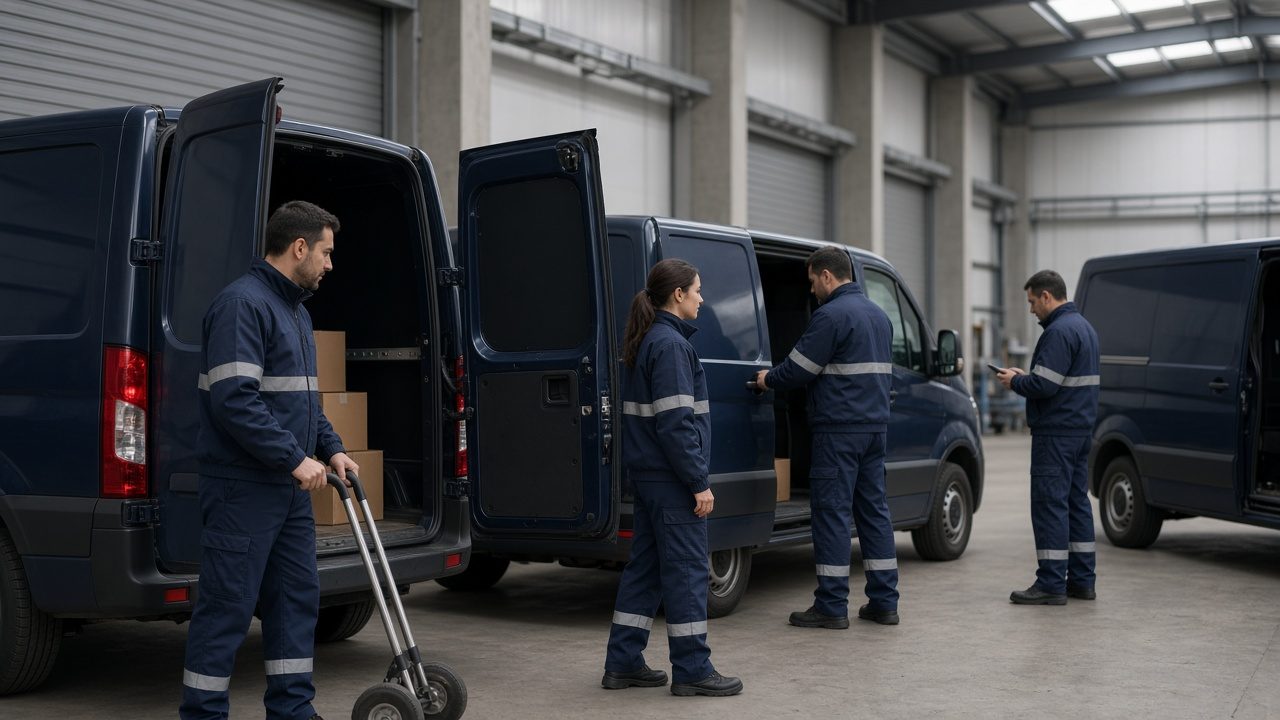
Shanghai Top Fortune Industry Co., Ltd. (workwearmanufacturer.com) is a Shanghai-based OEM/ODM manufacturer of workwear and corporate uniforms. Founded around 2002, the company operates a 1,506 m² factory in Songjiang, Shanghai and supplies custom apparel programs to buyers across Europe, the Middle East, Oceania, Southeast Asia, and the Americas. Company information is available on the About Us page.
If you procure apparel for an adult railway operator, metro system, station group, platform team, ticketing department, train crew, depot, rail contractor, distributor, or uniform importer, this guide explains how to brief an OEM partner for station shirts, polos, trousers, jackets, waistcoats, blazers, outer layers, and related crew apparel. Contact rill@topfortunemail.com or WhatsApp +86 13524210501. This is professional B2B railway, metro, station, and crew apparel only — not school uniforms or children’s apparel.
Key Takeaways
- Shanghai Top Fortune supplies adult railway, metro, station, platform, ticketing, train-service, depot-support, contractor, and corporate uniform programs through B2B OEM/ODM production.
- Send role quantities, size ratios, fabric preferences, colors, branding files, laundering route, and destination market for a quote.
- Map shirts, polos, trousers, jackets, waistcoats, blazers, and weather layers to public-facing role, movement, shift climate, pockets, identification, and station or operator brand rules.
- Approve fabric swatches, fit or size-set samples, color and logo placement, badges, labels, care instructions, packing, and a pre-production sample (PPS) before bulk production and repeat orders.
- An ordinary garment is not automatically railway-certified, flame-resistant, arc-rated, anti-static, chemical-resistant, high-visibility, PPE, or regulatory-compliant. The buyer must name the required standard, test method, and documentation.
Table of Contents
- Railway, Metro, Station, and Crew Apparel Scope
- Fit, Pockets, Closures, Construction, Laundering, and Branding
- Fabrics and Railway-Use Requirements
- What to Specify in a Railway Uniform RFQ
- OEM Process: Inquiry to Shipment
- Catalog Garments vs Custom Railway Transit Apparel OEM
- Railway and Metro Procurement Checklist
- FAQ
- Request a Railway Transit Uniform OEM Quote
Railway, Metro, Station, and Crew Apparel Scope
A transit apparel program works best when garments are assigned by role, public contact, movement, platform or onboard environment, shift pattern, climate, and laundering route rather than giving every employee one generic uniform. Map adult station managers, customer-service and ticketing teams, platform staff, train and onboard crews, dispatch or control-room support, depot and engineering-support staff, supervisors, contractors, visitors, and corporate teams to the coverage and identification they actually need.
Station, ticketing, and customer-service uniforms
Station shirts, polos, blouses, trousers, skirts where included in an adult uniform brief, waistcoats, blazers, and light jackets can create a consistent public-facing appearance. Specify collar, sleeve, cuff, hem, pocket, badge position, logo scale, route or station mark, and the layer worn underneath. A polished customer-service garment is not automatically suitable for a depot, platform, trackside, or other controlled operating environment.
Platform, train, and onboard crew apparel
Platform and onboard staff may need coordinated shirts, trousers, jackets, waistcoats, or outer layers that support walking, reaching, standing, boarding assistance, and variable temperatures. Define whether staff carry a phone, ticket device, radio, pen, keys, ID card, or approved small tool, then decide which storage is permitted. Buyers needing adjacent airport-style ramp and passenger-service specifications can compare the airport ground crew uniform OEM China program.
Depot, contractor, and support-role apparel
Depot, fleet-support, station-maintenance-adjacent, contractor, and visitor roles may require a different silhouette, color, layer, or identification rule from front-of-house staff. Keep corporate and operational garments coordinated but do not assume a station shirt meets a buyer’s worksite, visibility, electrical, weather, or PPE brief. Security teams should be specified separately; see the security uniform manufacturer China OEM guide for that role.
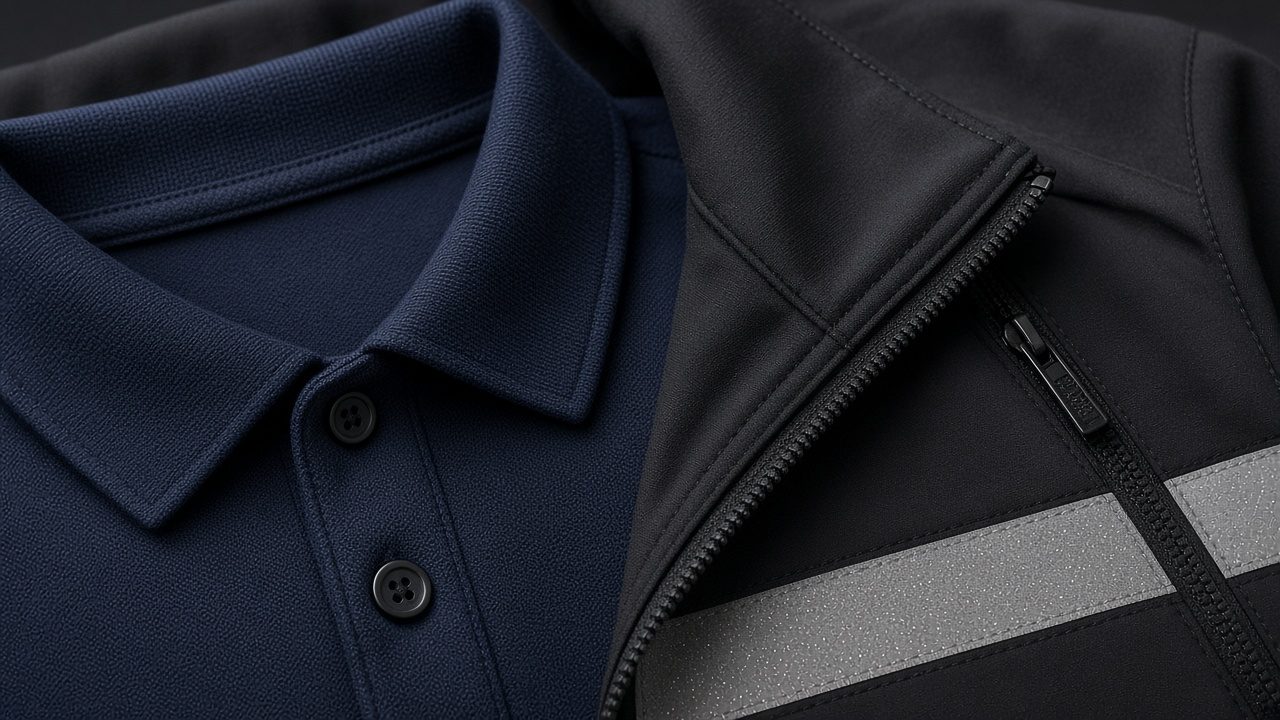
Fit, Pockets, Closures, Construction, Laundering, and Branding
Map storage and construction to the role
- List the phone, ticket device, radio, pen, keys, ID card, notes, and approved small tools each role carries, then decide whether each pocket is permitted in the operating environment.
- Set pocket depth, entry angle, opening, and closure so storage does not obstruct sitting, bending, reaching, boarding, equipment operation, or a buyer’s snag-control procedure.
- Review pocket bags, seams, cuffs, hems, buttons, snaps, zippers, waistbands, and stress points for the intended shift and agreed construction standard.
- Define concealed or exposed closures, collar, cuff, hem, side vents, badge tab, and compatibility with shirts, knitwear, waistcoats, jackets, and weather layers in the tech pack.
- Keep embroidery, name marks, route or station identifiers, and contractor or department marks clear of high-flex points and any buyer-defined operating restriction.
Fit, grading, and movement
Confirm whether the program uses a unisex or gendered size curve and whether jackets or blazers are worn over shirts, knitwear, or thermal layers. Check shoulder reach, torso length, sleeve mobility, trouser rise, knee ease, hem width, coverage, and movement during standing, walking, climbing steps, boarding, bending, reaching, and seated control-room work. Provide a wearer survey or target-market size curve, then approve a size set before freezing ratios for bulk and reorders.
Color, badges, labels, and identification
Transit buyers may use one operator color, separate station or department shades, route marks, contractor identifiers, or different outerwear accents. Provide Pantone references or physical swatches, logo dimensions, vector artwork, name and badge rules, station or route wording, care-label language, size marks, and placement diagrams. Embroidery, heat transfer, print, woven labels, and name tapes each require review against fabric, position, laundering, and the buyer’s appearance or operating standard.
Describe the actual care route: internal laundry, commercial laundry, temperature range, detergent process, drying, pressing, garment segregation, repair, replacement, and whether garments are reused or rotated. This lets the OEM review construction, color, decoration, labels, and packing without promising a wash life or performance result. For polo-based customer-service layers, see the custom polo shirt OEM manufacturer China guide.
Fabrics and Railway-Use Requirements
- Polyester or poly-cotton blends: may suit everyday station shirts, trousers, jackets, and service uniforms where buyers want a balance of handfeel, wrinkle management, appearance, and care requirements.
- Cotton-rich fabrics: can offer a softer handfeel for selected customer-service, inspection, or presentation roles; agree shrinkage, opacity, pressing, and laundering expectations early.
- Stretch woven fabrics: can support movement in trousers, jackets, and fitted layers; confirm recovery, composition, opacity, and care conditions on the sample.
- Twill or structured woven fabrics: can add shape and visual consistency to waistcoats, blazers, trousers, and jackets; balance weight, drape, climate, and the intended laundry route.
- Knit or polo fabrics: may suit station, visitor, depot-office, or non-trackside support roles; confirm pilling, drape, opacity, lint behavior, and whether the garment belongs in the operating area.
- Lightweight and weather layers: may support seasonal platforms, station entrances, or travel between buildings; define lining, hood, closure, coverage, and destination-market weather requirements without assuming weatherproof performance.
Request fabric swatches, target gsm, lab dips, construction details, and care information under agreed lighting and laundering conditions. A standard railway shirt, trouser, jacket, vest, polo, or outer layer is not automatically railway-certified, flame-resistant, arc-rated, anti-static, chemical-resistant, high-visibility, PPE, weatherproof, or regulatory-compliant. If a buyer needs any such property, name the operating environment, hazard, railway or occupational standard, destination market, test method, documentation, and approval owner in the RFQ. Review product evidence and the PPS before bulk; do not infer compliance from a fiber, color, reflective trim, or garment shape.
What to Specify in a Railway Uniform RFQ
Clear RFQ specifications reduce sample rounds, pocket redesigns, shade variation, fit problems, badge errors, and confusion between public-facing apparel and worksite clothing. Send the following information to rill@topfortunemail.com or WhatsApp +86 13524210501.
| Spec area | What to clarify | Why it matters |
|---|---|---|
| Role / garment | Station shirt, polo, trouser, jacket, waistcoat, blazer, outer layer, train crew set, depot or visitor garment | Pattern, appearance, coverage, storage, and role mapping |
| Quantity by style | Pieces by role, site, route, color, spare ratio, and size | MOQ planning; see the RFQ spec sheet |
| Transit use | Station, ticketing, platform, onboard, depot, control room, contractor, visitor, or corporate office | Separates public-facing apparel from operating-area requirements |
| Size range and ratio | Unisex or gendered curve; wearer survey or destination-market size chart | Fit acceptance and reorder accuracy |
| Fabric / composition / gsm | Polyester, poly-cotton, cotton-rich, stretch woven, twill, suiting, knit, or weather layer; target gsm | Weight, drape, movement, opacity, appearance, and care |
| Color / Pantone | Operator color, route or department shade, swatch, contrast trim, seasonal layer color | Lab dips and multi-site consistency |
| Pocket / ID / radio map | Phone, ticket device, radio, pen, keys, ID, notes, tools; pocket depth, closure, or no-pocket rule | Access, comfort, snag review, and role suitability |
| Closure / cuff / hem | Concealed or exposed zip, snaps, buttons, collar, cuffs, vents, hem, badge tab | Fit, movement, appearance, and layer compatibility |
| Construction | Seams, reinforcement, thread, lining, trim, reflective details if specified, and decoration limits | Task fit and approved-sample control |
| Laundering / labels | Wash route, temperature, detergent, drying, care symbols, label language, segregation, repair | Care instructions and uniform inventory control |
| Named requirement | Railway, FR, arc-rated, anti-static, chemical, high-visibility, PPE, or other standard if required | Requirement and documentation review; no default claims |
| Branding / identification | Logo, name, route, station, department, contractor, badge, embroidery, transfer, print, woven label, placement | Consistent public identification and decoration suitability |
| Packaging | Polybag, size sticker, station or department assortment, carton marks, packing list | Rollout, storage, distribution, and replenishment |
| Market / timing | Destination, required date, Incoterm preference, inspection plan | Sampling, documents, and shipment planning |
| Sample / PPS | Reference garment, prototype, size set, PPS owner and approval date | Locks fit, color, construction, labels, and branding |
Practical tip: Start with a core station shirt, polo, trouser, jacket, or train-crew set, then add platform, depot, visitor, seasonal, or department-specific layers only where the role requires them. Keep the approved sample, bill of materials, size grading, care labels, badge rules, and packing plan aligned across stations and reorders.

OEM Process: Inquiry to Shipment
- Inquiry and tech pack or reference sample: Send role counts, garment references, size ratios, colors, pocket sketches, station or train use, logo and badge art, destination market, wash profile, labeling rules, and any named standard or documentation requirement.
- Fabric and trim review: Compare swatches, target gsm, lab dips, thread, closures, cuffs, lining, labels, packaging, and decoration methods against the role, climate, laundering route, and buyer’s operating brief.
- Prototype and size set: Confirm pattern, ease, coverage, collar, pocket policy, cuffs, closures, color, badge, logo, and route or station placement. Review the garment during normal standing, walking, sitting, boarding, reaching, and layer use.
- PPS approval: Approve the pre-production sample for fit, fabric, shade, construction, branding, care labels, packing, and any specifically documented railway or protective requirement before bulk production.
- Bulk production and quality checks: Produce to the approved sample and purchase order, with agreed inspection points for measurements, shade, sewing, trims, decoration, labels, assortment, and packing.
- Packing and shipment: Pack by station, route, department, role, style, color, size, or SKU as required and prepare the agreed export and shipping documents.
Shanghai Top Fortune operates a 1,506 m² factory in Songjiang, Shanghai. The company manufactures to the approved sample and purchase order for adult B2B railway, metro, station, train-crew, depot-support, and corporate apparel programs.
Catalog Garments vs Custom Railway Transit Apparel OEM
| Factor | Catalog / off-the-shelf | Custom railway transit apparel OEM |
|---|---|---|
| Fit and role coordination | Generic cuts and limited station, train, or depot mapping | Patterns and layers assigned to ticketing, platform, onboard, depot, visitor, or supervisory roles |
| Fabric and color | Stock fabrics and available shades | Approved swatches, Pantone targets, lab dips, and coordinated layers |
| Pocket and ID map | Fixed generic pockets or badge options | Mapped to approved phone, ticket device, radio, ID, or no-pocket needs |
| Closures and construction | Standard zip, button, cuff, seam, and hem choices | Defined in the tech pack and reviewed on the PPS |
| Logo, name, and badges | Aftermarket decoration or standard labels | Built into the specification with route, station, department, and contractor rules |
| Size run | Fixed retail or workwear curve | Wearer survey and coordinated grading |
| Named requirement | May not match railway, operating-area, or documentation needs | Named requirements reviewed in the RFQ; no default certification claim |
| Packaging | Standard retail or carton packing | Station, route, role, size, SKU, label, and carton assortment |
| Repeat orders | Shade, pattern, and stock drift risk | Retained approval sample, BOM, and locked specifications |
| MOQ / control | May be lower per SKU but less customizable | MOQ per the RFQ spec sheet with program control |
Choose custom OEM when matching reorders, role-specific storage, coordinated public appearance, and controlled branding matter across stations or multiple transit sites. Catalog garments can fill an urgent gap, but they may not preserve an approved shade, measurement set, logo position, badge, care label, pocket policy, or packing method over a multi-site program. For a separate reflective-workwear brief, see the hi-vis reflective workwear OEM China page; any visibility requirement still needs a buyer-named standard and evidence review.
Railway and Metro Procurement Checklist
- [ ] Role matrix: station, ticketing, customer service, platform, onboard, train crew, depot, control room, contractor, visitor, and corporate staff
- [ ] Transit use: station interior, platform, train, depot, office, public-facing route, operating area, and seasonal layer
- [ ] Movement, coverage, collar, closure, cuff, hem, pocket, ID, radio, badge, route, and station-mark requirements
- [ ] Size survey, size ratio, and unisex or gendered fit decision
- [ ] Pantone references, swatches, operator colors, route or department shades, contrast trim, and logo artwork
- [ ] Shirt, polo, trouser, jacket, waistcoat, blazer, outer layer, or coordinated-set mapping
- [ ] Laundering route, temperature, detergent, care symbols, label language, segregation, repair, replacement, and disposal plan
- [ ] Any railway, FR, arc-rated, anti-static, chemical, high-visibility, PPE, weather, regulatory, or destination-market requirement plus named standard
- [ ] Pocket or no-pocket decision, closure, cuff, reinforcement, lining, badge, and decoration review
- [ ] Prototype, size set, PPS owner, inspection criteria, and sign-off date
- [ ] Sample evidence and documentation review for every named requirement; no default compliance assumption
- [ ] Packing by station, route, department, role, style, size, or color; labels, barcodes, and carton marks
- [ ] Required date, destination, Incoterm preference, and shipping documents
- [ ] Typical MOQ confirmation: see the RFQ spec sheet
- [ ] Explicit scope: adult B2B railway, metro, station, train-crew, depot, and corporate apparel — not school uniforms
FAQ
What is the MOQ for railway and metro uniforms?
Email rill@topfortunemail.com or WhatsApp +86 13524210501 with garment types, quantities, size ratios, fabrics, colors, pocket and badge rules, transit roles, branding, destination market, laundering profile, and target date so the OEM team can review the program.
Which fabrics work best for station, platform, train, and depot teams?
Polyester or poly-cotton blends, cotton-rich fabrics, stretch wovens, twills, structured fabrics, knits, lightweight jackets, and selected weather layers can suit different roles. Choose by weight, handfeel, movement, drape, opacity, climate, public appearance, and laundering. Review swatches, care information, and the PPS before bulk; no composition alone proves railway, safety, high-visibility, or protective suitability.
Should transit staff wear shirts, polos, trousers, jackets, waistcoats, or outer layers?
Shirts and polos may suit station and customer-service roles; trousers, waistcoats, jackets, blazers, and outer layers can be mapped to onboard, platform, supervisory, depot, seasonal, or visitor use. Assign each garment to the role, movement, climate, identification rule, pocket policy, laundering route, and named requirement, then approve the fit and construction sample.
Can you provide railway-certified, FR, arc-rated, anti-static, chemical, high-visibility, PPE, or regulatory-compliant apparel?
Any railway, FR, arc-rated, anti-static, chemical, high-visibility, PPE, or other regulated requirement must be stated by the buyer with the operating environment, destination market, applicable standard, test method, and documentation need. An ordinary garment is not automatically certified or compliant. Review the technical brief, product evidence, and PPS before bulk; do not assume a fabric, reflective trim, or garment shape proves compliance.
What logo, name, route, station, department, contractor, and badge branding methods are available?
Common options include embroidery, heat transfer or print, woven labels, name tapes, badge tabs, and route or department color marks. The suitable method depends on fabric, logo size, placement, laundering, abrasion, and any operating restriction. Share vector artwork and placement limits early, then approve decoration, badges, and labels on the PPS.
Are samples, PPS, and coordinated size grading available?
The normal OEM path can include a prototype or size set followed by a pre-production sample (PPS). Buyers should approve measurements, fit, fabric, shade, closures, cuffs, pockets or no-pocket rules, branding, badges, labels, care details, packing, and any named requirement before bulk. Provide a wearer survey or market size curve so shirts, trousers, jackets, and layers grade consistently for reorders.
Do you make school uniforms?
No. Shanghai Top Fortune focuses on adult B2B railway, metro, station, train-crew, depot-support, and corporate apparel OEM/ODM. This article covers professional transit staff apparel only, not school uniforms or children’s clothing.
Request a Railway Transit Uniform OEM Quote
For a railway, metro, station, platform, train-crew, depot, or transit customer-service apparel program, send the role matrix, quantities by style, size ratios, fabric preferences, Pantone references, pocket and ID/radio map, closure and cuff details, station or train use, laundering profile, any named railway or occupational standard, branding and badge artwork, labels, packing plan, destination, inspection criteria, and target ship window.
- Email: rill@topfortunemail.com
- WhatsApp: +86 13524210501
- Website: https://www.workwearmanufacturer.com
- Address: Floor 3, Building 20, Haier Zhigu, No. 66 Guangfulin East Road, Songjiang District, Shanghai 201600
Include your approved sample path, station or operating procedure, named standard, and destination market so we can propose a practical sampling, labeling, documentation, and packing plan. For a China OEM discussion at Haier Zhigu, Songjiang, contact Top Fortune with your railway transit apparel brief.
Related Resources
- Airport Ground Crew Uniform OEM China
- Security Uniform Manufacturer China OEM
- Custom Polo Shirt OEM Manufacturer China
- Hi-Vis Reflective Workwear OEM China
- About Shanghai Top Fortune Industry Co., Ltd.
OEM uniform programs for transit buyers
Compare adjacent transport and service apparel programs for coordinated branding, role-based garments, and bulk OEM production:
- EV Charging Station Uniform OEM China
- Bus & Coach Uniform OEM China
- Cruise Ship Uniform OEM China
- Airline Cabin Crew Uniform OEM China
- Automotive Workshop Uniform OEM China
- Data Center Uniform OEM China
From Cab to Track: Rail Roles and Their Uniforms
Shanghai Top Fortune Industry Co., Ltd. is a garment maker in Songjiang, Shanghai, in business since 2002, that produces rail and transit uniforms for export only. Operators rarely buy from us directly; the tender is normally held by a managed-uniform contractor or workwear brand, and we act as its production source. Our 1506 m² factory works from the tech pack you supply (OEM) or from base patterns adjusted to your livery (ODM), with each style planned per the RFQ spec sheet.
- Train drivers: shirts, trousers and a jacket that suit a seated cab shift, with a knit or softshell layer for cold cabs and walks across the depot. Many operators keep drivers in a quieter version of the station livery.
- Conductors and guards: tunics or jackets, shirts or blouses, ties or scarves, and a waterproof layer for platform dispatch duties.
- Station and gateline staff: branded shirts, knitwear and waistcoats, with a hi-vis outer layer for platform-edge work.
- Track maintenance and permanent-way teams: orange hi-vis jackets, trousers, polos and bib-and-brace built to the rail standard you name.
- Depot and rolling-stock engineers: coveralls, work trousers and shirts for pit and roof work; see our industrial maintenance uniform OEM page.
- Bus and tram operators: transport authorities sometimes buy for road and rail in one tender; see bus and coach uniform OEM.
Rail Orange and Traction Power: Working to the Standard You Name
Lineside workers on many networks wear fluorescent orange rather than yellow. In Great Britain, for example, rail hi-vis is commonly specified against GO/RT 3279, and other networks set their own rules. We don’t interpret those rules on your behalf. The network’s safety team, or the contract itself, sets the standard, class and where the tape bands run; our job is to source orange fluorescent cloth and retroreflective tape that come with mill documentation and sew them to that layout. If finished garments must be tested, the buyer arranges that. Tape band placement on orange jackets and bib-and-brace is covered on our hi-vis reflective workwear OEM page.
Electrified lines add a second hazard. Staff near overhead line equipment or third rail, and depot electricians, may need flame-resistant or arc-rated clothing. The requirement again comes from you: name the standard and the arc rating, and we shortlist inherently FR or treated fabrics with mill documentation for your approval. In an FR hi-vis garment the tape, thread and trims also have to suit the FR specification, so list them in the brief. More detail is on our flame retardant workwear OEM page.
Tunics, Blazers and Livery Details for Customer-Facing Staff
Conductors, station managers and passenger-assistance staff are the visible face of the operator, so their kit sits closer to tailoring than to workwear. A typical range is a blazer or single-breasted tunic, trousers or skirts, long- and short-sleeve shirts and blouses, a cardigan or V-neck, a waistcoat, and a tie or scarf. Rail buyers usually specify:
- Contrast piping, epaulettes or cuff braid in the livery color to show grade or role.
- Custom buttons carrying the operator’s mark, and a woven label inside.
- A fixed position for the name badge, plus a pocket sized for a ticket machine or radio.
- Polyester-wool or polyester-viscose suiting that keeps its shape through a long turn of duty, specified for washing or dry cleaning as you prefer.
- Matching men’s and women’s cuts, and maternity options if your policy calls for them.
Weather Layers for Exposed Platforms and Lineside Work
Open platforms, depot yards and lineside access keep staff outdoors in every season. Most rail ranges add a waterproof breathable shell with taped seams and a hood that rolls into the collar, a fleece or softshell mid-layer, and an insulated parka for winter rosters. Customer-facing staff usually get the shell in livery color with a hi-vis option for dispatch; track teams get it in orange with tape. Give us the waterproof and breathability figures your contract states, and we propose laminated or coated fabrics with mill data against them. A zip-in liner lets one shell cover summer and winter, which reduces the number of styles you have to stock.
What a Rail Uniform Tender Should Spell Out
| Brief item | Detail to include | Example from a rail brief |
|---|---|---|
| Grades issued | Every role that receives kit | Driver, guard, station host, track operative, depot fitter |
| Livery | Pantone or fabric swatch, piping and trim colors | Navy body with red cuff piping |
| Lineside hi-vis | The standard and class your network uses | Orange, to the standard written in the contract |
| FR / arc | Only where staff work near traction power | Arc-rated coverall for depot electricians |
| Outerwear | Waterproof figures, hood, liner | Shell with zip-in fleece liner |
| Issue scale | Items per person per year | Shirts, trousers and outer shell per person per year |
| Branding | Logo method and position, buttons, labels | Embroidered chest logo, crested buttons |
| Delivery | Port, Incoterm, packing by depot or by person | FOB Shanghai, packed per depot |
What Rail Operators and Their Suppliers Ask Us
Our contract cites GO/RT 3279. Can you make that orange hi-vis?
We make orange hi-vis to the requirements your contract sets out, using fabric and tape with mill documentation. Compliance sign-off and any garment testing stay with the buyer; we don’t issue a compliance claim of our own.
Our tender covers trains, trams and buses. Can one factory handle all of it?
Yes. Combining modes keeps livery and fabric consistent across the network. Each item is still treated as its own style when planning quantities.
Can kit be packed per depot or per employee?
Yes, if you send the allocation list. Packing per employee takes more time at the end of production, so tell us at the RFQ stage.
How do you keep livery color steady across a multi-year contract?
We approve a lab dip for each fabric and keep the approved standard on file, and you can ask for a shade check on every new fabric lot. Small lot-to-lot variation is still possible, so keep a physical approved sample on your side too.
Can depot electricians get arc-rated garments from the same program?
Yes, if you name the standard and the arc rating. We source fabric with mill test documentation and make the garments to your pattern, and we never substitute that fabric without your written approval.
Getting a Rail Quote Started
Send your grade list, livery references and the hi-vis or FR standard your network uses to rill@topfortunemail.com, or WhatsApp +86 13524210501. Approved livery swatches and sample garments from a current supplier can be sent to Floor 3, Building 20, Haier Zhigu, No. 66 Guangfulin East Road, Songjiang District, Shanghai 201600, China. Station concourses and ferry or airport interchanges are often part of the same transport tender; see our ferry and port terminal uniform OEM page, or reach us through the contact page.
Shanghai Top Fortune Industry Co., Ltd. (founded 2002) runs an OEM/ODM adult workwear program from its Songjiang / Haier Zhigu factory (~1506 m²), supplying export buyers across Europe, North America, Oceania, the Middle East, and Asia. Railway and transit programs below are adult operations, station, and depot workwear only—never school or kids lines.
Drivers, Conductors, Station Staff, and Depot Crews — Transit Role Soil Profiles
- Train / tram / metro drivers: Long seated shifts, control-panel reach, and cab glare; dark or brand-tonal shirts that stay opaque under LED cab lighting and resist seat abrasion at the mid-back.
- Conductors / onboard attendants: Aisle walks, ticket checks, and passenger assist; camera-clean shirts or polos with badge clearance and quiet hardware that does not rattle on metal handrails.
- Station / platform staff: Weather exposure on open platforms, crowd turns, and wayfinding; softshell or hi-vis-compatible outer layers when buyers specify platform safety codes.
- Depot / yard maintenance (adult ops only): Grease, track dust, and tool-belt wear—separate soil path from passenger-facing boards so one silhouette is not asked to do both.
- Buyer questions we hear: One driver shirt SKU across metro and tram fleets? Reflective piping only on platform roles? Epaulette and rank tabs that survive commercial laundry?
Shirts, Softshells, and Hi-Vis-Compatible Layers for Rail Fleets
- Cab / onboard path: Easy-care woven shirt or mid-weight polo under a branded vest or softshell; long sleeves preferred for AC cabs and night runs; optional epaulettes when the brand book requires rank cues.
- Station / platform path: Softshell or light jacket with optional Class-compatible reflective trim when the RFQ names a local rail safety code—do not assume ANSI/EN without buyer confirmation.
- Depot path: Soil-release coverall or work shirt separate from passenger-facing boards; reinforced pockets for radios and torch clips.
- Related OEM pages: logistics courier uniforms, facility management uniforms, hi-vis reflective workwear, construction site uniforms, airline cabin crew uniforms, corporate polo shirts.
Brake Dust, Platform Weather, and Cab Laundry — Fabrics That Hold Up
- Passenger-facing: Mid-weight poly-cotton or performance weaves that release soil in industrial laundry without fading brand colors after high-frequency wash cycles.
- Platform outerwear: Water-shedding softshell or coated shells when buyers specify open-platform rain and wind; breathable enough for summer peak crowds.
- Depot / yard: Soil-release blends that tolerate grease and metallic dust; avoid fashion knits that pill on seat backs and tool belts.
- Avoid: Deep open cargo pockets that snag on turnstiles, glossy logos that glare under platform CCTV, and single-layer boards asked to cover both driver and heavy depot soils.
Logo Placement, Badge Clearance, and Radio Pocket Rules for Transit Brands
- Chest embroidery or woven badge sized so ID cards, radio clips, and name tabs sit beside—not over—the mark.
- Flat radio / phone pockets on softshells and vests; quiet zipper pulls near passenger aisles.
- Optional reflective piping or tape only where the RFQ names a platform or yard safety requirement.
- Epaulette and rank tab placement documented per role so multi-operator fleets stay consistent after each hire wave.
Multi-Operator and Franchise Fleet Boards for Rail Buyers
- Lock a master transit board (driver shirt, conductor polo/vest, platform softshell, depot work shirt), then tonal variants for sister operators so one logo family travels across lines.
- Document pantone / lab-dip approvals when the same brand rolls across metro, light rail, and depot contractors—lot continuity matters when float staff cover peak seasons.
- Plan new-line opening hire waves separately from year-round replenishment SKUs. Low MOQ if in stock applies only when a stock program SKU is already approved.
- Issue a one-page role matrix (driver / conductor / station / depot) so regional buyers order against the same board after each expansion wave.
RFQ Spec Sheet for Railway Transit Uniform Programs
| Spec item | What to specify in your RFQ |
|---|---|
| Roles covered | Driver / cab, conductor / onboard, station / platform, depot / yard (adult workwear only) |
| Silhouettes | Woven shirt or polo; vest or softshell; optional hi-vis-compatible outer; depot work shirt / coverall |
| Fabrics | Easy-care poly-cotton or performance weave for passenger-facing; water-shedding softshell for platforms; soil-release for depot |
| Pocket / access | Radio / phone flat pocket; badge and ID clearance beside embroidery; quiet hardware |
| Branding | Chest embroidery and/or woven badge; operator vs contractor logo files separated; optional epaulettes |
| Color board | Master transit board + sister-operator tonal variants; pantone / lab-dip refs for multi-line fleets |
| Sizes / gender | Adult graded size run; seated-cab and platform-reach fit notes |
| MOQ | About 2,000 pieces per style |
| Markets | Export destinations and any rail brand-book or platform safety appearance constraints |
Get a Quote for Railway Transit Uniform OEM
Send role lists, color boards, and embroidery files to rill@topfortunemail.com. WhatsApp: +86 13524210501. Or use the form at https://www.workwearmanufacturer.com/contact/.