

What Makes a Quality School Uniform for Toddlers
Table of Contents
Display
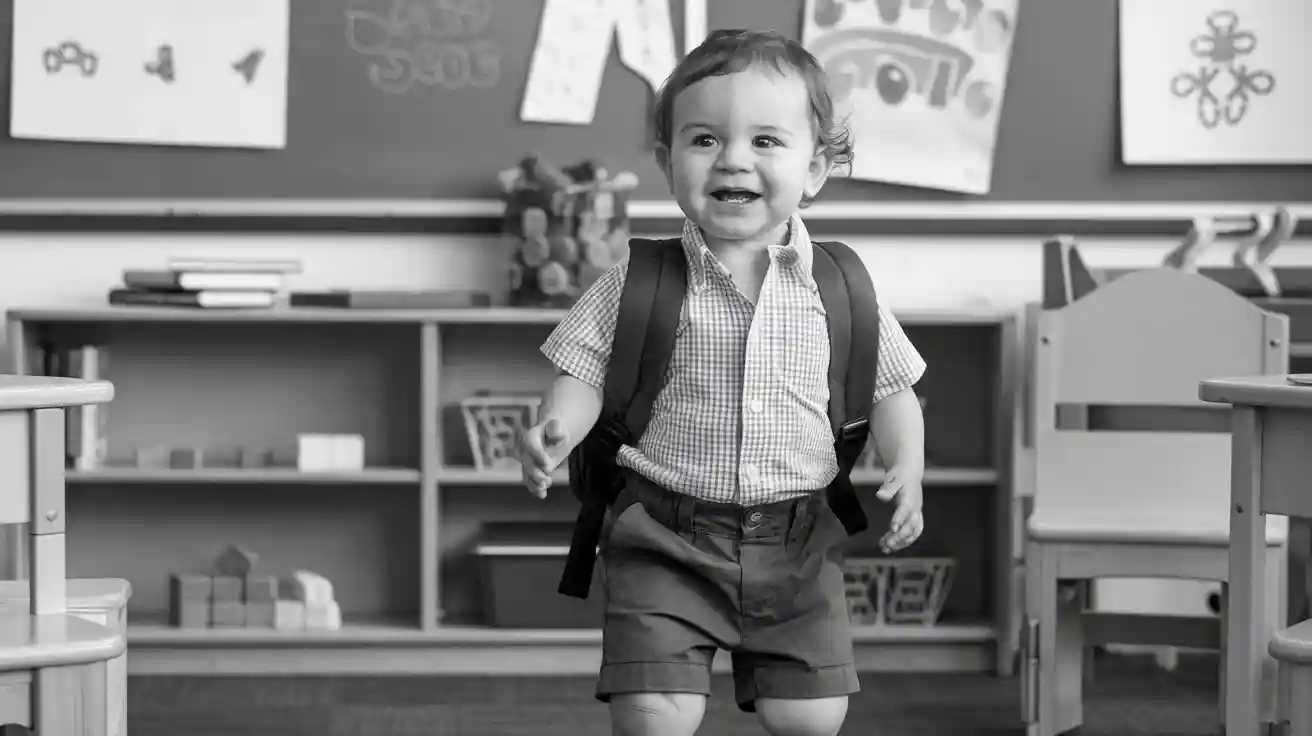
When I choose a quality uniform for toddlers, I look for comfort, fit, durability, safety, and value. I want parents to feel confident in their choices.
Experts emphasize that quality school uniforms for toddlers should be made from breathable fabrics like cotton or bamboo, ensuring comfort. They also highlight the importance of reinforced seams and secure closures for durability, as well as seamless designs and non-toxic materials for safety. Additionally, versatility and ease of care are considered valuable attributes.
Key Takeaways
Choose soft, breathable fabrics like organic cotton or bamboo to ensure comfort for toddlers.
Use sizing charts to find the right fit, allowing room for growth by considering one size larger.
Look for adjustable features in uniforms to extend their lifespan as toddlers grow.
Select uniforms with reinforced seams and durable fabrics to withstand active play and frequent washing.
Opt for easy-care materials that are machine washable and fade-resistant to save time and effort.
Check for safety features like non-toxic materials and secure fastenings to prevent choking hazards.
Consider stain-resistant treatments to keep uniforms looking clean and fresh despite toddler messes.
Plan purchases wisely by buying multipacks and labeling items to stay organized and manage costs.
Key Qualities in a Uniform for Toddlers
Comfort
Soft Fabrics
I always start by feeling the fabric before buying a uniform for toddlers. Softness matters most for sensitive skin. I look for organic cotton and TENCEL™ Lyocell because these materials balance comfort, breathability, and sustainability. Cotton feels gentle and airy, but I check if it is blended for extra durability. Bamboo offers a silky touch and natural antibacterial properties, though it may wear out faster. Fine merino wool works well for insulation and feels soft against the skin. I avoid rough or scratchy materials that can cause irritation.
Tip: Smooth fabrics help reduce skin irritation and keep toddlers happy throughout the day.
Breathable Materials
Breathable materials keep toddlers cool and comfortable during play and learning. I choose airy fabrics like cotton blends and bamboo, which help regulate temperature. I also look for hypoallergenic labels to minimize reactions. Uniforms designed with ultra-soft, breathable fabrics ensure comfort for sensitive skin and allow toddlers to move freely.
Cotton blends: Soft and breathable, ideal for everyday wear.
Bamboo: Breathable and naturally antibacterial.
Organic materials: Reduce skin reactions and suit sensitive skin.
Fit
Sizing Charts
Getting the right fit is essential for comfortable uniforms. I always use sizing charts from major uniform suppliers. I measure my child’s height, waist, and chest, then compare these numbers to the chart. This step helps me avoid uniforms that are too tight or too loose. I sometimes buy one size larger to allow room for growth.
Measurement | What to Check | Why It Matters |
|---|---|---|
Height | Shoulder to heel | Ensures proper length |
Waist | Around belly button | Prevents tightness |
Chest | Under arms | Allows easy movement |
Adjustability
Adjustable features make toddler school uniforms last longer. I look for adjustable waists, hems that can be let out, and stretch fabrics. These details help uniforms fit well even as my child grows. Adjustable waists offer flexibility, and extra fabric in hems lets me lengthen pants or skirts. Stretch fabrics provide comfort and adaptability during growth spurts.
Note: Adjustable uniforms save money and reduce the need for frequent replacements.
Durability
Reinforced Seams
Active toddlers need high-quality uniforms that stand up to daily wear. I check for reinforced seams and extra-strong stitching. These features help uniforms last through the school year, wash after wash. Reinforced seams are crucial because they endure the active lifestyle of kids and prevent tearing.
Premium, durable fabrics
Extra-strong seams for durability
Reinforced stitching for added strength
Easy-Care Fabrics
Easy-care fabrics make life simpler for parents. I choose uniforms that maintain their shape and color after many washes. Fade-resistant and shrink-proof materials keep uniforms looking new. I prefer fabrics that are easy to clean and do not require special care. Long-lasting wear and hassle-free maintenance are important for busy families.
Tip: Look for uniforms labeled as machine washable and fade-resistant to save time and effort.
Comfort in Uniform for Toddlers

Comfort sits at the top of my list when I choose a uniform for toddlers. I know that comfort affects how well children participate in daily activities. When toddlers feel good in their clothes, they move freely, focus better, and enjoy their day. I always look for features that support comfort, especially for active kids.
Freedom of Movement
I want my child to run, jump, and play without restriction. Flexible and comfortable uniform designs make this possible. I check for stretchy waistbands, roomy sleeves, and pants that allow bending and stretching. I avoid stiff fabrics or tight fits. I found that uniforms designed for movement help toddlers transition easily between learning and play. I use the table below to show how freedom of movement impacts development.
Evidence Description | Impact on Development |
|---|---|
Comfortable and flexible design allows spontaneous activity between lessons. | Enhances physical activity and supports natural movement patterns. |
Always active uniforms enable seamless transitions between learning and physical activity. | Supports cognitive function and overall wellbeing. |
Physical activity improves focus and behavior in the classroom. | Contributes to better learning outcomes and mood regulation. |
I see that quality toddler school uniforms encourage activity and support healthy growth.
Preventing Irritation
I pay close attention to fabrics and washing routines to prevent skin irritation. Soft, breathable materials like cotton work best for sensitive skin. I always use fragrance-free detergents to wash uniforms, bedding, and blankets. I avoid scented products because they can irritate my child’s skin. Pediatricians recommend these steps to keep skin healthy:
Wash uniforms with fragrance-free detergent.
Choose soft, breathable fabrics such as cotton.
Avoid scented products.
I check for smooth seams and tagless designs. These details help reduce itching and discomfort. Parents can protect their children from irritation by following these simple practices.
Layering Options
Weather changes quickly, so I prepare by choosing uniforms that allow easy layering. I add cardigans, vests, or thermal shirts for warmth and flexibility. I keep my child’s head covered and feet warm with wooly socks and secure hats. I use fleece neck warmers instead of bulky scarves. I make sure mittens stay attached with clips or strings. I select snug thermal layers and larger top layers for movement. Moisture-wicking base layers like Capilene or Merino wool keep my child dry. I pick insulation layers based on the day, using fleece, wool, or down for warmth without bulk.
Cover heads and feet with warm accessories.
Secure mittens with clips or strings.
Use fleece neck warmers for easy warmth.
Choose snug thermal layers and roomy top layers.
Pick moisture-wicking base layers.
Select insulation layers for changing weather.
Layering gives me flexibility and keeps my child comfortable all day. I rely on sizing charts to choose pieces that fit well together.
School Uniform Buying Guide: Quality and Fit
Measuring for Fit
I always start my school uniform buying guide by measuring my child carefully. I want to make sure the uniform for toddlers fits well and feels comfortable all day. I follow these steps to get the right fit:
I check the sizing chart from the supplier before I buy anything.
I measure my child’s height, waist, and chest with a soft tape measure.
I consider buying one size up if I am unsure, since toddlers grow quickly.
These steps help me avoid uniforms that are too tight or too loose. I find that a good fit allows my child to move freely and stay comfortable during school activities. I keep a record of my child’s measurements so I can compare them with sizing charts every time I buy new clothes.
Tip: I measure my child in the evening when they are relaxed, which gives me the most accurate numbers.
Choosing the Right Fabric
Selecting the right fabric makes a big difference in comfort and durability. I look for materials that feel soft and allow my child’s skin to breathe. I also want fabrics that last through many washes and active play. Here is a table that shows my favorite choices for toddler school uniforms:
Fabric Type | Benefits |
|---|---|
Organic Cotton | Natural comfort, breathability, hypoallergenic, gentle on sensitive skin, sustainable. |
Bamboo Blends | Incredibly soft, natural antibacterial properties, excellent moisture-wicking, breathable. |
I choose organic cotton for everyday wear because it feels gentle and keeps my child cool. Bamboo blends work well for active days since they wick away moisture and resist odors. I avoid synthetic fabrics that trap heat or irritate sensitive skin. I always check the label for fabric content before buying school uniforms.
Checking Construction
I pay close attention to construction details when buying school uniforms. Quality matters to me because I want clothes that last and look good. I look for these features:
Reinforced stitching prevents rips and tears during active play.
Fade resistance keeps the uniform looking fresh after many washes.
Soft, flexible fabrics add comfort for toddlers.
I inspect seams and hems for strong stitching. I check if the fabric resists fading, especially for dark colors. I gently stretch the fabric to see if it returns to shape. These steps help me choose uniforms that stand up to daily wear and keep my child looking neat.
Note: I always choose uniforms with sturdy construction to save money and avoid frequent replacements.
Safety in Toddler Uniforms
Safe Materials
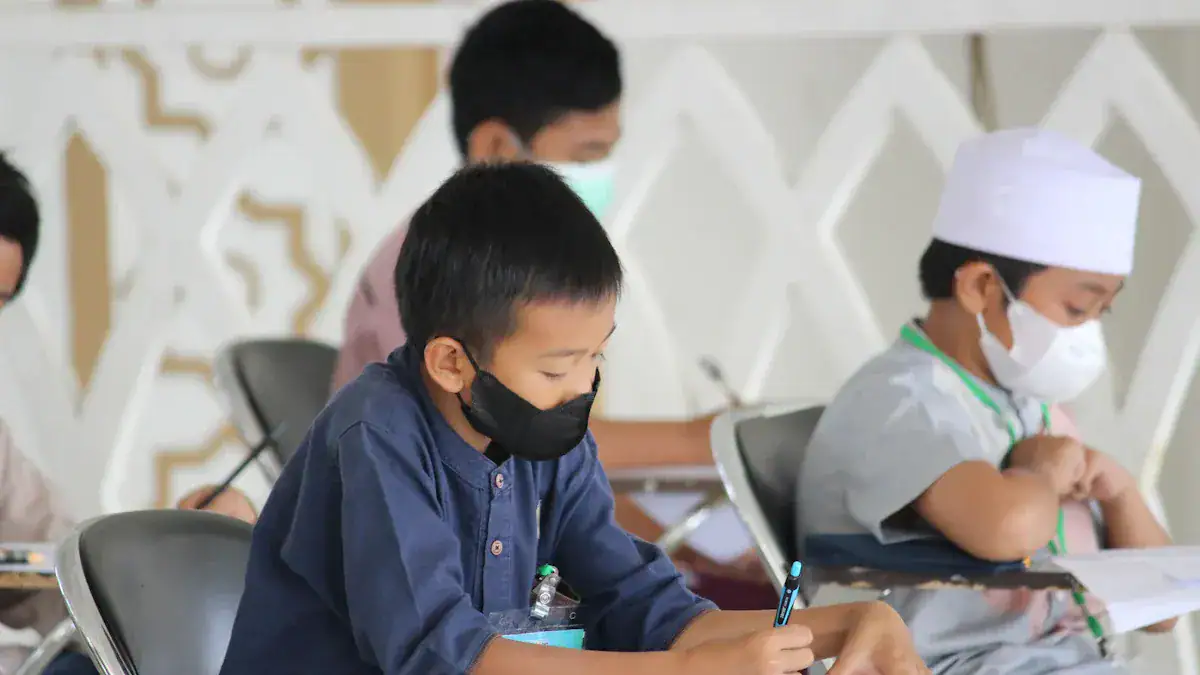
When I shop for a uniform for toddlers, I always check the materials first. I want to avoid synthetic fabrics like polyester because they can cause skin problems and release microplastics. Polyester often feels unbreathable, and I worry about chemicals such as phthalates and BPA that may disrupt hormones. I look for organic cotton or bamboo, which feel gentle and reduce the risk of irritation. The Consumer Product Safety Commission (CPSC) sets strict rules for children’s clothing. These rules ban harmful chemicals like lead and phthalates and require non-toxic dyes. I trust organic fabrics because they help keep my child safe from dangerous substances.
Synthetic fabrics like polyester can worsen skin issues and release microplastics.
Chemicals in polyester, such as phthalates and BPA, may cause health problems.
Organic cotton and bamboo offer safer, non-toxic options.
CPSC regulations ensure children’s clothing avoids harmful chemicals.
I believe that choosing safe materials is the foundation of a quality school uniform.
No Small Parts
Safety goes beyond fabric choice. I always inspect uniforms for small parts that could pose choking hazards. Buttons, snaps, and decorative pieces must stay securely attached. I prefer uniforms with embroidered details instead of appliqués or removable accessories. Manufacturers address these risks by following strict guidelines and using strong stitching. I check seams for sharp edges and make sure all fastenings are smooth.
Risk Type | Description | Manufacturer Measures |
|---|---|---|
Choking Hazards | Small parts like buttons and detachable accessories can be swallowed. | Secure attachment of small parts to withstand force without detaching. |
Safety Standards | Clothing must meet strict guidelines to minimize risks. | Use of non-removable buttons or embroidered details instead of appliqué. |
Injury Risks | Sharp edges or seams can cause injury. | Avoidance of sharp edges and ensuring safe seams in clothing design. |
I always run my fingers along seams and fastenings to check for anything that could hurt my child. I feel more confident when I see sturdy construction and thoughtful design.
Flame Resistance
Fire safety matters to me, especially for young children. I check labels to see if uniforms meet flammability standards. The Flammable Fabrics Act (FFA) protects children from clothing that ignites easily. The CPSC enforces rules that require flammability tests for kids’ pajamas and other garments. These rules help prevent burn injuries and keep children safe at school and home. I look for uniforms made from naturally flame-resistant fabrics or those treated to resist ignition. I avoid loose-fitting clothes that could catch fire more easily.
I always choose uniforms that meet safety regulations. I feel reassured knowing that my child’s clothes help protect them from fire risks. Safety features like flame resistance add another layer of protection to everyday wear.
Easy Use and Care
Simple Fastenings
I always look for simple fastenings when I shop for a uniform for toddlers. I want my child to dress independently, so I choose designs that make it easy for little hands. Farren Baby’s clothing inspires me because their easy-on, easy-off styles help toddlers build confidence. I see that fastenings like Velcro, zippers, and snaps work best. These features let my child get ready without help and save time during busy mornings.
Velcro on shoes and jackets
Zippers on jackets and pants
Buttons on sweaters with large holes
Snaps on shirts and pants
Hook-and-loop closures for quick changes
I notice that shoes with Velcro and magnetic fasteners make dressing much easier. I avoid complicated laces and tiny buttons because they frustrate my child. I believe that simple fastenings improve independence and make the uniform more practical for everyday use.
Machine Washable
I always check the care label before I buy any school clothes. I want fabrics that handle frequent washing and keep their shape. Machine-washable materials save me time and effort. I rely on cotton, polyester, poly-cotton blends, gabardine, and twill for their durability and easy care. These fabrics stand up to repeated cycles and still look good.
Fabric Type | Machine Washable | Description |
|---|---|---|
Cotton | Yes | Breathable, soft, ideal for everyday wear. |
Polyester | Yes | Highly durable, low maintenance, suitable for active students. |
Poly-Cotton Blends | Yes | Offers comfort and durability, cost-effective. |
Gabardine | Yes | Machine wash on a gentle cycle, maintains structure. |
Twill | Yes | Durable, stain-resistant, ideal for active wear. |
I choose these fabrics because they make laundry simple. I use a gentle cycle to protect the structure of the clothes. I find that machine-washable uniforms keep their color and fit, even after many washes. This feature adds value and supports the quality I expect from school clothing.
Stain Resistance
Toddlers get messy, so I look for uniforms with stain-resistant treatments. I want clothes that resist dirt, moisture, and wear. I see that manufacturers use PFAS chemicals to boost stain resistance in children’s uniforms. These treatments help keep clothes looking clean and fresh, even after spills and outdoor play.
PFAS provide strong stain resistance.
Treated fabrics repel dirt and moisture.
Uniforms last longer and stay presentable.
I appreciate stain-resistant uniforms because they reduce the need for frequent replacements. I spend less time worrying about tough stains and more time enjoying my child’s activities. I believe that stain resistance is a key feature for any quality uniform for toddlers.
Value and Practical Tips
Cost vs. Quality
When I start school uniform shopping, I always balance cost and quality. I want my child to look neat and feel comfortable, but I also need to manage my budget. I set a cost cap before buying school uniforms, usually around $50 per set, which helps me avoid overspending. I look for durable clothing that can withstand frequent washing and active play. I often choose generic items from affordable retailers because they offer good value without sacrificing fit or comfort.
I consider how many uniform sets I need to avoid daily laundry.
I plan my purchases to manage both time and budget.
I compare prices from different stores and check for sales.
I choose trusted school uniform suppliers for reliable quality.
I find that budget-friendly uniform shopping does not mean I have to compromise on quality. Careful planning lets me get the best value for my money.
Multipacks
Buying school uniforms in multipacks saves me time and money. I prefer sets that include several shirts, pants, or skirts. Multipacks help me keep enough clean clothes on hand, especially during busy weeks. I notice that retailers often offer discounts on bulk purchases, which makes buying school uniforms more affordable.
Multipack Type | Benefits |
|---|---|
Shirts | Always have a clean spare |
Pants/Shorts | Less frequent laundry |
Socks | Easy to replace lost items |
I recommend checking the sizing chart before ordering multipacks to ensure a good fit. I also look for multipacks with easy-care fabrics to simplify laundry routines.
Labeling and Organization
Managing multiple toddler school uniforms can get confusing. I use waterproof labels to mark each item with my child’s name. I place labels in areas that do not get much wear, like inside collars or waistbands, to keep them intact after washing. Sometimes I sew on clothing labels for extra durability. Customizable labels help me add allergy alerts or special instructions.
Waterproof labels last through many washes.
Sewn labels stay secure and do not peel off.
Custom labels help with allergies or special needs.
To keep uniforms in good condition, I follow care labels and use mild detergents. I avoid overloading the washing machine and pre-treat stains as soon as possible. For grass stains, I use a baking soda paste; for ink, I apply hand sanitizer. I air-dry uniforms flat and store them in a cool, dark place. Padded hangers help maintain the shape of delicate garments.
Tip: Organizing uniforms by day of the week makes mornings easier and keeps everything ready for school.
I focus on comfort, fit, durability, safety, and value when I choose a school uniform for toddlers. I check for soft tops, sturdy pants, and shoes that support active play. I label every item and keep uniforms in a dedicated space. I buy multiple sets and inspect them for wear. I plan for weather changes to keep my child comfortable. These steps help me ensure the quality of my child’s school wardrobe. I recommend making a checklist before shopping to simplify the process and boost confidence.
Durable pants and jeans
Sneakers and shoes
Label all clothing items
Designate a specific area for uniforms
Invest in multiple sets
Regularly check for wear and tear
Plan for weather changes
FAQ
What fabric do I choose for my toddler’s sensitive skin?
I always pick organic cotton or bamboo. These fabrics feel soft and reduce irritation. I avoid rough or synthetic materials. I check for hypoallergenic labels to keep my child comfortable all day.
How do I know which size uniform to buy?
I measure my child’s height, waist, and chest. I use the supplier’s sizing chart for accuracy. If my child is between sizes, I buy the larger one for extra comfort and room to grow.
How many uniform sets does my toddler need?
I keep at least three complete sets. This way, I always have a clean uniform ready. I buy multipacks to save money and make laundry easier.
What features help my toddler dress independently?
I look for Velcro, zippers, and large snaps. These fastenings make it easy for little hands. I avoid tiny buttons and complicated closures. My child feels proud dressing alone.
How do I keep uniforms looking new after many washes?
I wash uniforms in cold water with mild detergent. I avoid bleach. I air-dry when possible. I treat stains quickly. I follow care labels to keep colors bright and fabrics strong.
Are stain-resistant uniforms safe for toddlers?
I check for non-toxic, certified treatments. I avoid uniforms with harsh chemicals. I trust brands that follow safety standards. I always read product labels before buying.
What should I do if my child has allergies?
I choose uniforms made from organic, dye-free fabrics. I use fragrance-free detergent. I label uniforms with allergy alerts. I talk to teachers about my child’s needs.
How do I label my child’s uniforms?
I use waterproof name labels inside collars or waistbands. Sometimes, I sew on fabric labels for extra security. I make sure every item has a clear name tag to prevent mix-ups.