

Comparing Ad Hoc Sourcing and ODM Small Batch for Seasonal Uniforms
Table of Contents
Display

You face a critical decision when choosing between ad hoc sourcing and ODM small batch for promotional season uniforms. Each method offers unique strengths. Ad hoc sourcing provides flexibility for last-minute needs, while ODM small batch harnesses technology for efficient production. Today’s trends demand agility, quick turnaround time, and order agility. Companies now prioritize sustainability, comfort, and technological integration in sourcing. Your final choice should reflect your business’s priorities and the fast pace of seasonal promotions.
Key Takeaways
Ad hoc sourcing offers flexibility for urgent uniform needs, allowing quick responses to market changes without long-term commitments.
ODM small batch manufacturing provides reliable turnaround times and better quality control, reducing waste and financial risks.
Customization options are limited with ad hoc sourcing, while ODM small batch allows for moderate customization to enhance brand differentiation.
Consider your business’s unique needs when choosing a sourcing method, focusing on factors like climate, employee comfort, and budget control.
Use the comparison of sourcing methods to align your strategy with your business goals, ensuring effective seasonal uniform campaigns.
Ad Hoc Sourcing for Promotional Season Uniforms
What Is Ad Hoc Sourcing
Ad hoc sourcing refers to the practice of securing uniforms on a temporary or as-needed basis. You often use this approach when facing unpredictable demand or urgent requirements for seasonal promotions. This sourcing method allows you to respond quickly to market changes without committing to long-term contracts. Many businesses rely on ad hoc sourcing to fill gaps in inventory or to launch limited-time campaigns. You may find this strategy useful when you need to supplement your existing uniform supply or when you want to test new designs before committing to small batch manufacturing or a hybrid manufacturing model.
Agility and Flexibility
You gain significant agility and flexibility with ad hoc sourcing. This method enables you to scale your staff rapidly and adjust your uniform orders to match seasonal peaks. You can convert fixed labor costs into variable expenses, which helps you manage your budget more effectively. Established processes in ad hoc sourcing shorten onboarding cycles, allowing you to respond faster to fluctuating demand.
Temporary staffing provides rapid access to candidates for urgent needs.
Flexible scaling lets you increase or decrease staff as required for each season.
Variable spending reduces financial risk during uncertain periods.
Streamlined onboarding improves your response time to market changes.
Risks and Limitations
Despite its advantages, ad hoc sourcing presents several risks and limitations. You may encounter quality control issues, such as poor fabric quality, sewing defects, color inconsistencies, sizing problems, and garment defects. These challenges can decrease customer satisfaction and harm your brand reputation. High minimum order quantity restrictions may strain your cash flow and result in excess inventory, especially if you run a small brand or focus on seasonal collections. Managing multiple suppliers often leads to confusion, inconsistent quality, and communication difficulties.
Lack of customization can prevent you from connecting with diverse customer needs.
Ineffective targeting may waste resources on advertising that does not reach your audience.
Uniform approaches can create a competitive disadvantage in crowded markets.
Reduced ROI and unfulfilled business goals may result from poor audience engagement.
Lack of brand loyalty makes it harder to maintain customer relationships.
You should weigh these risks against the benefits before choosing ad hoc sourcing over small batch manufacturing or a hybrid manufacturing model for your seasonal uniform needs.
ODM Small Batch & On-Demand Manufacturing
What Is On-Demand Manufacturing
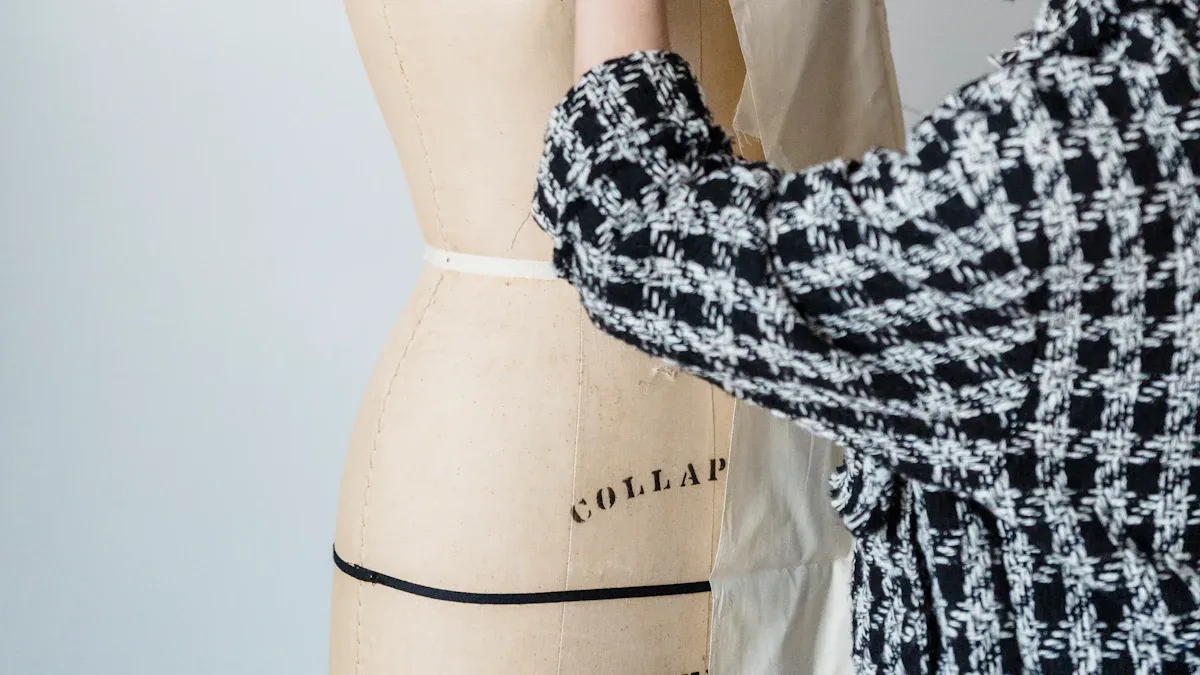
You can transform your approach to seasonal uniforms with on-demand manufacturing. This method uses advanced technology and innovative supply chain strategies to produce garments only when you need them. You do not have to rely on forecasts or commit to large orders. Instead, you place small orders based on actual demand. On-demand manufacturing reduces waste and overproduction, which supports sustainability goals. You can align your production with current consumer trends, not just designer predictions. Many companies, such as SHEIN, use odm by outsourcing design and production to suppliers. They start with small orders and scale up only if the product succeeds. This approach gives you greater control and reduces financial risk.
On-demand manufacturing lets you order small batches quickly.
You minimize excess inventory and avoid tying up capital in unsold stock.
You can offer customization options that appeal to your customers.
This method supports more sustainable practices in your supply chain.
Quick Turnaround Time
You gain a significant advantage with odm because of its quick turnaround time. Traditional sourcing methods often require 4-6 weeks to deliver uniforms. With odm, you can expect a turnaround of just 3-5 weeks for small batches. This speed allows you to respond rapidly to market trends and seasonal demands. When time-to-market matters, odm helps you stay ahead of competitors. You can launch new collections or promotional uniforms without long delays. This agility ensures you never miss out on key sales opportunities.
odm can reduce lead times by up to 50% compared to traditional methods.
You improve responsiveness and keep your brand relevant during fast-changing seasons.
Customization and Order Agility
You can achieve high levels of customization and order agility with odm small batch production. Suppliers often offer low minimum order quantities, sometimes as few as 2–50 units, without charging premium prices. Fast sampling and prototyping, with turnaround times under seven days, help you test new designs quickly. You can tailor uniforms to specific customer segments or create limited-edition collections for special promotions. odm supports unique patterns and branding, which strengthens your market position.
Attribute | Description |
|---|---|
Low MOQ Flexibility | Ability to produce as few as 2–50 units without premium surcharges. |
Fast Sampling & Prototyping | Suppliers offering <7-day turnaround on first samples reduce time-to-market. |
Advantage | Description |
|---|---|
Tailored Custom Designs | Enables brands to create unique patterns and cater to specific customer segments. |
Enhanced Flexibility | Allows quick responses to market trends and efficient production of limited-edition collections. |
Sustainability and Ethical Practices | Reduces fabric waste and supports ethical labor practices, promoting eco-friendly materials. |
Lower Initial Investment | Provides a cost-effective alternative for new brands, minimizing financial risks associated with unsold inventory. |
Faster Turnaround Times | Smaller production runs lead to quicker lead times, allowing brands to launch collections rapidly. |
Improved Quality Control | Ensures high-quality finishes and durability, leading to greater customer satisfaction. |
You benefit from improved quality control at every stage of odm. You can monitor production closely, address defects early, and ensure consistent standards. This focus on quality control leads to higher customer satisfaction and stronger brand loyalty. odm small batch and on-demand manufacturing give you the flexibility, speed, and quality control you need for successful seasonal uniform campaigns.
Ad Hoc Sourcing vs. ODM Small Batch: Key Comparison
Speed and Quick Turnaround Time
You need speed when launching promotional season uniforms. Ad hoc sourcing gives you the ability to react quickly to unexpected spikes in demand. You can place emergency orders and fill gaps in your inventory. However, this speed often comes with unpredictable lead times. Delays can occur if suppliers lack capacity or raw materials. You may find that last-minute orders disrupt your planning and increase costs.
ODM small batch offers a more reliable turnaround. You benefit from streamlined production processes and digital supply chain management. Most suppliers can deliver small batches in 3–5 weeks. This approach reduces waiting time and helps you meet tight deadlines for promotional season uniforms. You avoid the chaos of emergency orders and gain better control over your schedule.
Tip: For time-sensitive campaigns, prioritize ODM small batch to ensure consistent turnaround and minimize last-minute surprises.
Flexibility and Agility
You want flexibility to adjust your uniform orders as trends shift. Ad hoc sourcing allows you to scale up or down with little notice. You can respond to market changes and test new ideas without long-term commitments. This agility supports short-term promotions and limited-edition releases. However, you may struggle with inconsistent quality and supplier reliability.
ODM small batch provides agility through technology and process optimization. You can order small quantities, test new designs, and pivot quickly if a style does not perform. Digital platforms let you track orders and make changes in real time. This method supports rapid adaptation for promotional season uniforms, but you may face some limitations if you need highly specialized features.
Cost Considerations
You must manage costs carefully when sourcing promotional season uniforms. Ad hoc sourcing often leads to unpredictable expenses. Emergency orders and last-minute changes can disrupt your budget. You may pay premiums for rush production or expedited shipping. This unpredictability makes it hard to forecast costs and plan ahead.
ODM small batch gives you a more structured cost model. You benefit from lower development costs and faster market entry. You may pay more overall due to outsourcing design and planning, but you avoid the financial shocks of emergency orders. You can control costs by ordering only what you need. Factors like fabric type, pattern complexity, and order size still impact pricing, but you gain more transparency and predictability.
Ad hoc sourcing: Unpredictable costs, budget variability, emergency order premiums.
ODM small batch: Structured costs, lower development expenses, higher overall costs possible due to design outsourcing.
Customization Options
You want your promotional season uniforms to stand out. Customization of designs plays a key role in brand differentiation. Ad hoc sourcing usually offers limited customization. You may have to choose from standard templates or make minor adjustments. This approach works for basic needs but restricts your creative control.
ODM small batch supports moderate customization. You can request unique patterns, colors, and branding elements. The process moves faster than traditional OEM, but you may not achieve the same level of control as with full OEM production. For most promotional season uniforms, ODM small batch strikes a balance between speed and customization.
Sourcing Method | Control Level | |
|---|---|---|
OEM | Unique designs, strict control | High |
ODM Small Batch | Limited customization, faster production | Moderate |
Ad Hoc | Minimal customization, quick fill-ins | Low |
Note: If you need high-level customization, consider OEM. For most seasonal promotions, ODM small batch offers the best mix of speed and flexibility.
Risk Assessment
You face risks with every sourcing decision. Poor management in ad hoc sourcing can lead to costly mistakes. Missed deadlines, inconsistent quality, and communication breakdowns can damage your brand reputation. You may not notice these issues until after uniforms reach your team or customers. Disposal of old uniforms also creates security risks if not handled properly.
ODM small batch reduces many of these risks. You gain better oversight and quality control. Digital tracking and smaller order sizes help you catch problems early. However, you still need to communicate clearly with suppliers and plan for responsible disposal of outdated uniforms.
Side-by-Side Comparison Table
Attribute | Ad Hoc Sourcing | ODM Small Batch & On-Demand Manufacturing |
|---|---|---|
Speed / Turnaround | Fast but unpredictable | Fast and reliable |
Flexibility / Agility | High, but quality may vary | High, with better process control |
Cost Structure | Unpredictable, emergency premiums | Structured, lower development costs |
Customization | Minimal | Moderate |
Risk | High (quality, timing, disposal) | Lower (better oversight, digital tracking) |
Choosing the right sourcing method for promotional season uniforms depends on your priorities. Use this comparison to match your needs with the best approach.
Choosing the Right Sourcing Method
When to Use Ad Hoc Sourcing
You should consider ad hoc sourcing when you face unpredictable demand or need uniforms on short notice. This method works well for last-minute promotions, pop-up events, or when you want to test new styles without a long-term commitment. You can fill gaps in your inventory quickly. Ad hoc sourcing also helps when you need to supplement your main supply chain during peak seasons. If your business operates in a fast-paced environment with frequent changes, this approach gives you the flexibility to respond to changing consumer demands. You may find ad hoc sourcing useful if you manage a small team or run short-term campaigns.
Tip: Use ad hoc sourcing for emergency needs, pilot projects, or when you want to avoid large upfront investments.
When to Choose ODM Small Batch
You should choose ODM small batch when you want reliable turnaround times and better quality control. This method suits businesses that plan seasonal uniform launches in advance. You can benefit from small clothing orders, which reduce the risk of excess inventory. ODM small batch allows you to test new designs with minimal financial risk. You can also achieve moderate customization, which helps your uniforms stand out in a competitive market. If you value sustainability and want to align with eco-friendly practices, this method supports responsible production. You gain more control over the process and can scale up quickly if a design succeeds.
ODM small batch works best for brands seeking consistent quality, efficient production, and the ability to adapt to market trends.
Aligning with Business Needs
You need to match your sourcing method with your company’s unique requirements. Consider climate, functional needs, and employee comfort when making your decision. For example, choose breathable, lightweight fabrics for hot weather. Ensure uniforms allow ease of movement and have practical pocket placements. Prioritize comfortable materials and proper sizing to boost staff satisfaction and productivity. Offer lighter fabrics for summer and moisture-wicking options for demanding roles. Define your uniform requirements clearly to maintain brand image and performance. Select stain-resistant fabrics for challenging environments like kitchens.
Consideration | Description |
|---|---|
Climate Considerations | Use breathable, lightweight fabrics for comfort in hot weather while maintaining a professional look. |
Functional Needs | Ensure uniforms are durable, allow ease of movement, and have appropriate pocket placements. |
Employee Comfort | Prioritize comfortable materials and proper sizing to enhance staff satisfaction and productivity. |
Seasonal Options | Offer lighter fabrics for summer and moisture-wicking materials for demanding roles. |
Clear Uniform Requirements | Define needs clearly to ensure uniforms perform well and align with brand image. |
Fabric Selection | Choose breathable and stain-resistant fabrics for demanding environments like kitchens. |
Note: Align your sourcing strategy with these factors to ensure your seasonal uniforms meet both business and employee needs.
You must choose your sourcing method based on your priorities—agility, speed, and order flexibility. Start by defining your objectives and segmenting your audience to match uniform features with real needs. Establish a realistic budget and review supplier quality. Use the comparison table as a decision-making tool. With dedicated expense tracking and analytics, you gain better budget control and actionable insights for future seasonal uniform orders.
Functionality | Benefit |
|---|---|
Budget Control | Manage expenses and optimize resource allocation |
Reporting Analytics | Gain insights for improved decisions and cost-saving strategies |
FAQ
What is the main advantage of ODM small batch for seasonal uniforms?
You gain reliable turnaround times and better quality control with ODM small batch. This method lets you order only what you need, reducing waste and financial risk. You can also test new designs quickly.
Can you customize uniforms with ad hoc sourcing?
You have limited customization options with ad hoc sourcing. Most suppliers offer standard templates. You may find it difficult to add unique branding or special features for your uniforms.
How do you reduce risks when using ad hoc sourcing?
You should vet suppliers carefully, request samples, and set clear quality standards. Track orders closely and communicate often. These steps help you avoid delays and quality issues.
When should you choose ad hoc sourcing over ODM small batch?
You should use ad hoc sourcing for urgent needs, last-minute promotions, or when you want to test new ideas without a long-term commitment. This method works best for short-term or unpredictable projects.