

Men’s Outdoor Coats Explained from Fabrics to Features
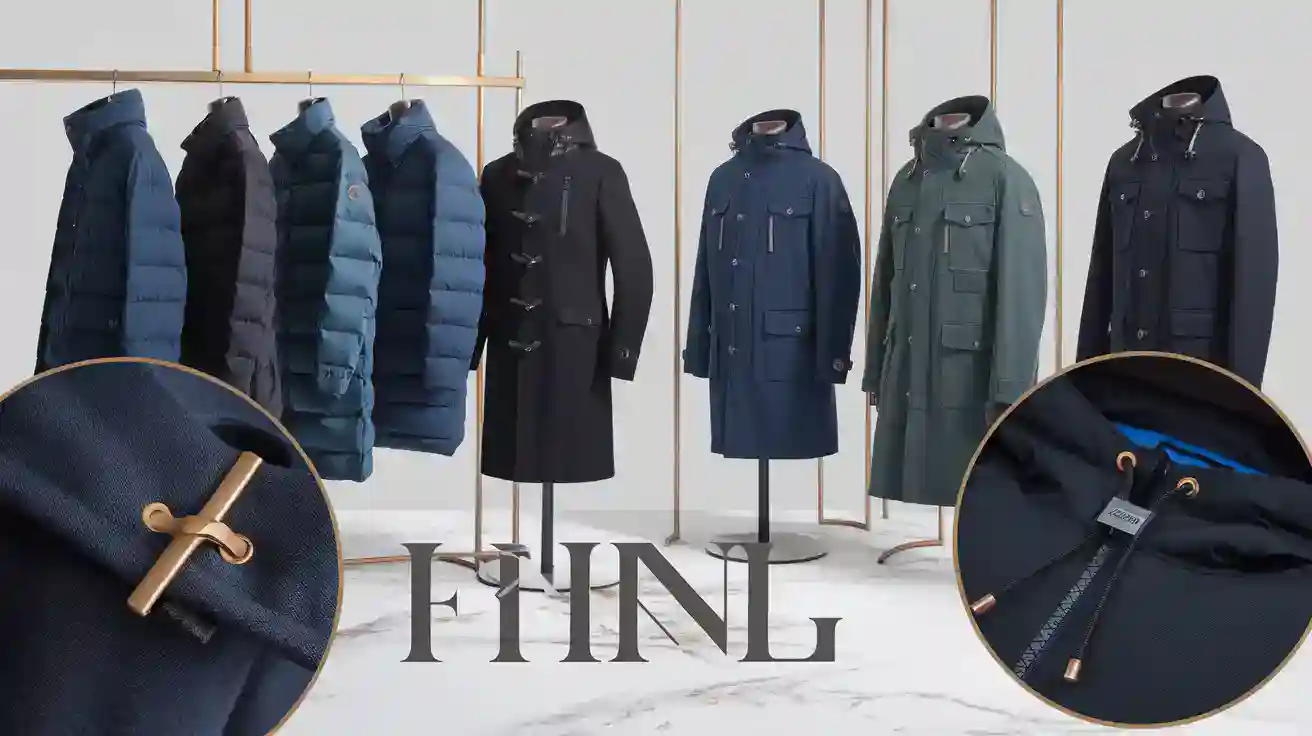
Ever stepped outside and wondered if your jacket can handle sudden rain or a cold snap? Choosing mens outdoor coats means sorting through materials like fleece, Gore-Tex, and waxed cotton, each offering different levels of comfort and protection against the weather. You see parkas, down puffers, and technical coats everywhere because they adapt to changing weather and activities. Top brands focus on durability, insulation, and adjustability, so you stay comfortable whether you face wind, snow, or rain.
Key Takeaways
- Choose your outdoor coat based on your activity, weather, and needed features for best comfort and protection.
- Rain jackets offer waterproof protection with breathable membranes and sealed seams to keep you dry in wet weather.
- Softshell jackets provide flexibility and breathability for active use but are not fully waterproof.
- Hardshell jackets deliver maximum weather protection with durable, waterproof materials for harsh conditions.
- Down jackets give excellent warmth and packability but lose insulation when wet; synthetic jackets work better in damp weather.
- Look for adjustable hoods, cuffs, and hems to seal out wind and rain and improve fit and comfort.
- Durable fabrics like nylon and reinforced seams increase your coat’s lifespan in rugged outdoor use.
- Proper care, including cleaning and restoring waterproofing, keeps your coat performing well season after season.
Types of Outdoor Jackets and Coats

When you shop for mens outdoor coats, you see many options. Each type of outerwear serves a specific purpose. Jackets usually end at your waist or hips, giving you more mobility for active use. Coats reach your thighs or knees, offering extra coverage and warmth. The right choice depends on your activity, the weather, and the features you need.
| Characteristic | Coat | Jacket |
|---|---|---|
| Length | Knee or thigh length | Waist or hip length |
| Use | Best for cold weather, formal wear | Casual wear, layering, fashion |
| Fabric | Heavier fabrics for warmth | Lighter fabrics for comfort and style |
Rain Jackets
Uses
Rain jackets protect you from wet weather. You need them for hiking, commuting, or any outdoor activity where rain is likely. These outerwear pieces work best in cool, damp conditions. You can wear a rain jacket alone or layer it over other outwear for extra warmth.
Materials
Manufacturers use advanced materials to make rain jackets both waterproof and breathable. You find options like 2-layer, 2.5-layer, and 3-layer laminates. The 3-layer construction uses an inner bonded fabric, making the jacket lighter and more durable. The 2.5-layer version costs less but does not breathe as well. The secret to comfort lies in the membrane. Tiny pores let sweat vapor escape but block raindrops. Most rain jackets also have a Durable Water Repellent (DWR) finish. This coating causes water to bead up and roll off the surface.
Features
Look for features that keep you dry and comfortable. Sealed seams and waterproof zippers stop water from sneaking in. Adjustable hoods and cuffs help you seal out wind and rain. Many rain jackets pack down small, so you can stash them in your bag. Some models add pit zips for extra ventilation when you get warm. These features make rain jackets a top choice for unpredictable weather.
Tip: Choose a rain jacket with a 3-layer laminate if you want the best mix of durability, breathability, and lightweight comfort.
Softshell Jackets
Uses
Softshell jackets work well for high-energy activities. You might wear one for trail running, cycling, or rock climbing. These outerwear pieces give you flexibility and breathability. They handle light rain or snow but shine in cool, dry weather.
Materials
Softshell jackets use stretchy, woven fabrics. Many have a soft fleece lining for extra warmth. The materials allow you to move freely, making these jackets ideal for active pursuits. While not fully waterproof, softshells resist wind and light moisture.
Features
You get features that boost comfort and mobility. Stretch panels let you reach and bend with ease. Zippered pockets keep your essentials secure. Some softshell jackets have adjustable hems and cuffs to block out drafts. The fleece lining adds warmth without bulk, making this outwear a favorite for layering.
| Feature | Softshell Jackets | Hardshell Jackets |
|---|---|---|
| Mobility | Flexible, stretchy, breathable; ideal for vigorous movement and high-energy activities like trail running and rock climbing. | More rigid and less flexible, which can reduce mobility and comfort during vigorous activities. |
| Weather Protection | Water-resistant but not fully waterproof; suitable for light rain and cooler, dry conditions. | Waterproof and windproof; designed to protect against heavy rain, snow, and harsh weather conditions. |
| Comfort | Often have a soft fleece lining providing warmth and comfort. | Generally more rigid with less comfort; some have stretch but still less comfortable than softshells. |
| Suitability | Best for aerobic, high-mobility activities where breathability and flexibility are important. | Best for extreme weather conditions and activities like mountaineering and skiing where maximum protection is needed. |
Hardshell Jackets
Uses
Hardshell jackets give you maximum protection in harsh weather. You need this type of outerwear for mountaineering, skiing, or backpacking in heavy rain or snow. These jackets keep you dry and shield you from strong winds.
Materials
Hardshell jackets use tough, waterproof materials. Most feature advanced membranes like Gore-Tex. The fabric blocks water and wind but still lets sweat vapor escape. Manufacturers reinforce seams and use waterproof zippers to keep you dry. These jackets feel more rigid than softshells but last longer in rough conditions.
Features
You find features designed for extreme weather. Adjustable hoods fit over helmets. High collars and storm flaps block wind and rain. Many hardshell jackets have ventilation zips to help manage heat. The durable construction stands up to abrasion from rocks or gear. If you need a functional jacket for the worst weather, a hardshell is your best choice.
Note: Hardshell jackets trade some comfort for superior weather protection. Choose one when you expect heavy rain, snow, or strong winds.
Down Jackets
Uses
You reach for a down jacket when you need maximum warmth with minimal weight. This type of outerwear works best for cold, dry conditions. Down jackets excel during winter hikes, alpine climbing, or any activity where you want to stay warm without feeling weighed down. Many people also use them as everyday outwear in chilly climates because they offer comfort and style.
Materials
Manufacturers fill down jackets with clusters of goose or duck down. These natural fibers trap air, creating loft that insulates your body. The outer shell usually uses lightweight nylon or polyester, which helps keep the jacket compressible and easy to pack. Some down jackets add a water-resistant coating, but pure down loses its insulating power when wet. You often see high fill-power ratings, which measure the quality and warmth of the down.
Features
Down jackets stand out for their warmth-to-weight ratio and packability. You can compress them into a small stuff sack, making them perfect for travel or backpacking. Many models include adjustable hems and elastic cuffs to seal in heat. Some add water-repellent finishes or windproof shells for extra protection. However, down jackets require special care and do not perform well in wet conditions.
Tip: Choose a down jacket with a high fill power (700 or above) for the best warmth and compressibility.
Here’s a quick comparison between down and synthetic insulated jackets:
| Feature | Down Jackets | Synthetic Jackets |
|---|---|---|
| Warmth-to-weight ratio | Superior warmth-to-weight ratio; very insulating and lightweight | Lower warmth-to-weight ratio; heavier and bulkier for same warmth |
| Compressibility & packability | Highly compressible and easy to pack | Less compressible; bulkier and harder to pack |
| Durability | Durable and long-lasting with proper care | Less durable; fibers break down faster over time |
| Insulation when wet | Loses insulating ability when wet; down clumps and loses loft | Retains insulating ability when wet; fibers do not clump |
| Drying speed | Slower drying; requires special care and detergents | Dries faster; easier to maintain and clean |
| Breathability | Excellent breathability and moisture-wicking | May be less breathable, potentially causing overheating |
| Cost | Generally more expensive due to material and processing | Generally less expensive and more budget-friendly |
| Hypoallergenic | Not hypoallergenic; may cause allergies | Hypoallergenic; suitable for allergy sufferers |
Synthetic Insulated Jackets
Uses
Synthetic insulated jackets give you reliable warmth in damp or unpredictable weather. You might choose this outerwear for wet hikes, snow sports, or everyday use in climates where rain and snow are common. Synthetic jackets also work well as a backup layer because they keep insulating even when wet.
Materials
These jackets use man-made fibers, such as polyester or proprietary blends, to mimic the loft and warmth of down. The outer shell often features durable nylon or polyester, sometimes with a water-repellent finish. Synthetic insulation does not clump when wet and dries quickly, making it a practical choice for active outwear.
Features
Synthetic insulated jackets offer several advantages. They retain warmth even in wet conditions and dry much faster than down. You can wash them easily, and they require less maintenance. Many models include adjustable hoods, zippered pockets, and reinforced panels for durability. While they tend to be bulkier and heavier than down jackets, modern designs have narrowed the gap in comfort and performance.
Note: If you need a jacket for wet or high-humidity environments, synthetic insulation provides better reliability and easier care.
Parkas
Uses
Parkas deliver maximum warmth and coverage for extreme cold. You wear this outerwear for winter commutes, arctic expeditions, or any situation where you need full-body protection from wind and snow. Parkas often extend below the hips, shielding more of your body than a standard jacket.
Materials
Premium parkas use high-quality materials to enhance warmth, comfort, and durability. You often find down insulation for superior warmth-to-weight ratio, but some parkas use synthetic or hybrid fills to balance warmth and moisture resistance. The outer shell usually features tough nylon or polyester, treated with a durable water repellent (DWR) coating and seam sealing to keep moisture out. Many parkas also include fur or faux fur trims, heavy-duty zippers, and reinforced stitching for added durability.
- Down insulation: Lightweight, traps heat, and compresses well.
- Synthetic insulation: Retains warmth when wet, dries quickly, and resists wear.
- Hybrid insulation: Combines down and synthetic for optimal warmth and moisture management.
- Outer fabrics: Durable, often treated with DWR and seam sealing for waterproofing.
Features
Parkas come loaded with features for harsh winter conditions. You get insulated hoods, adjustable cuffs, and storm flaps to block wind and snow. Many parkas include multiple pockets for storage and hand warmth. The longer cut provides extra coverage, making parkas ideal for standing or walking in freezing temperatures. High-quality parkas focus on both function and comfort, so you stay warm and dry even in the worst weather.
Callout: Choose a parka with a waterproof shell and high-quality insulation if you need reliable protection for extreme cold and wet conditions.
3-in-1 Jackets
Uses
You often face unpredictable weather when you spend time outdoors. 3-in-1 jackets give you flexibility for changing conditions. You can wear the outer shell alone for rain protection, use the inner layer for warmth, or combine both for full coverage. This type of outerwear works well for hiking, camping, and travel. You also find it useful for commuting and everyday wear. You adjust your layers to match the temperature and activity level.
Materials
Manufacturers design 3-in-1 jackets with durable fabrics. The outer shell usually features waterproof and windproof materials like nylon or polyester. You get a breathable membrane that keeps you dry but lets sweat escape. The inner layer often uses fleece or synthetic insulation for warmth. Zippers and snaps connect the layers, making it easy to add or remove pieces. High-quality seams and sturdy hardware increase the lifespan of your outerwear.
Features
You benefit from the modular system in 3-in-1 jackets. You zip or snap the layers together for extra protection. You separate them when you need less coverage. Many models include adjustable hoods, cuffs, and hems. You find multiple pockets for storage and organization. Some jackets offer pit zips for ventilation. The Patagonia Tres 3-in-1 Parka shows how you can use one piece of outerwear as a winter parka, a light sweater, or a raincoat. This adaptability means you carry less gear and stay comfortable in different climates. You save space and money because you do not need several separate jackets.
Tip: Choose 3-in-1 jackets if you want one outerwear solution for many activities and seasons.
Fleece Jackets
Uses
You reach for fleece jackets when you need lightweight warmth. This outerwear works well for layering under a shell or wearing alone in cool, dry weather. You use fleece jackets for hiking, running, and casual outings. You also wear them at home or in the office for comfort. Fleece jackets suit active people who want breathability and quick-drying properties.
Materials
Manufacturers make fleece jackets from synthetic fibers like polyester. The fabric feels soft and traps heat without adding bulk. You find different thicknesses, from microfleece to heavyweight options. Some fleece jackets use recycled materials for eco-friendly outerwear. The construction resists pilling and stands up to repeated washing. You get a garment that dries fast and keeps you warm even if it gets damp.
Features
You enjoy several features in fleece jackets. You get zippered pockets for small items. You find elastic cuffs and adjustable hems to seal in warmth. Some models include a full front zipper for easy layering. Fleece jackets often have a high collar to protect your neck from wind. You can pack them easily because they compress well. Many brands offer athletic and relaxed fits to match your style. Fleece jackets work as a mid-layer under rain or hardshell outerwear, giving you extra insulation.
Note: Fleece jackets do not block wind or rain, so pair them with other outerwear for full protection.
Specialized Outerwear
Uses
You need specialized outerwear for unique activities and environments. Technical climbing jackets, ski shells, and hunting coats fall into this category. You choose these garments for mountaineering, snow sports, fishing, or tactical use. Specialized outerwear meets the demands of extreme weather, rugged terrain, or specific safety requirements.
Materials
Manufacturers select advanced materials for specialized outerwear. You see waterproof membranes like Gore-Tex or eVent. You get reinforced panels for abrasion resistance. Some jackets use fire-resistant fabrics or camouflage patterns. Insulation varies from down to synthetic fill, depending on the activity. You find heavy-duty zippers, taped seams, and adjustable features for a secure fit. The construction supports durability and performance in harsh conditions.
Features
You benefit from targeted features in specialized outerwear. You get helmet-compatible hoods, powder skirts, and ventilation zips. You find pockets designed for gear, radios, or avalanche tools. Some jackets include RECCO reflectors for rescue situations. You adjust cuffs, hems, and waists for comfort and mobility. The design focuses on safety, weather protection, and ease of movement. Specialized outerwear helps you perform at your best in demanding environments.
Callout: Select specialized outerwear when your activity requires advanced protection, durability, and technical features.
Fabrics and Materials
When you choose outerwear, understanding the fabrics makes a big difference in comfort, durability, and performance. The right fabrics for outwear help you stay dry, warm, and protected in changing conditions. Let’s break down the most common fabrics and technical outerwear materials you’ll find in men’s coats.
Natural Fabrics
Wool
Wool stands out as one of the most reliable fabrics for outwear. You get excellent insulation, even when the fabric gets damp. Many technical outerwear brands use wool for its natural weather resistance and durability. For example:
- The Filson Double Mackinaw Cruiser uses two-layer wool to block wind and rain, making it ideal for extreme weather.
- Duckworth Snowcrest features fine Rambouillet Merino wool, which has long fibers for extra strength and softness.
- WeatherWool Anorak uses a jacquard weave to boost wind and water resistance, perfect for cold, windy days.
- The Mammoth Jacket includes double-layered wool, storm cuffs, and a lockable collar for high insulation and protection.
Special weaving techniques and wool’s natural properties combine to create a water repellent fabric that lasts for years.
Cotton
Cotton feels soft and breathes well, so you might see it in casual jackets. However, cotton does not offer much weather resistance. It absorbs water quickly and dries slowly. For technical outerwear, cotton is not the best choice if you expect rain or snow. You should avoid cotton when choosing fabrics for harsh outdoor conditions.
Synthetic Fabrics
Polyester
Polyester is a popular choice for technical outerwear. This fabric resists shrinking and wrinkling, and it dries quickly. Polyester is hydrophobic, so it wicks moisture away from your skin and keeps you comfortable. You often find polyester in activewear and lightweight jackets because it manages sweat and dries fast.
Nylon
Nylon is another top performer among synthetic fabrics for outwear. It offers superior abrasion resistance and strength, making it perfect for rugged use. You see nylon in jackets, backpacks, and gear that face heavy wear. Nylon absorbs more water than polyester, so it can feel clammy in wet conditions, but it stands up to tough environments.
| Property | Nylon | Polyester |
|---|---|---|
| Abrasion Resistance | Superior; ideal for rugged technical outerwear | Durable, but less abrasion-resistant |
| Moisture Management | Absorbs more water, dries slowly | Repels water, dries quickly |
| Outdoor Use | Best for high-stress, durable needs | Best for moisture-wicking, quick-drying |
Fleece
Fleece, made from polyester, gives you lightweight warmth and breathability. This fabric dries quickly and feels soft against your skin. Fleece works well as a mid-layer in technical outerwear, trapping heat without adding bulk. You can wash fleece often, and it keeps its shape over time.
Technical Outerwear Materials
Gore-Tex
Gore-Tex sets the standard for technical outerwear fabrics. You get durable waterproofness, windproof protection, and breathability. The membrane contains billions of tiny pores that block water droplets but let sweat vapor escape. Gore-Tex comes in different versions, such as Gore-Tex Pro for durability and Gore-Tex Active for high-energy activities. You stay dry and comfortable, even in heavy rain or snow.
eVent
eVent membranes use Direct Venting™ technology. This design allows both air and moisture vapor to pass through, making the fabric highly breathable. You benefit from less sweat buildup during intense activity. eVent works best for users who need top moisture management. However, it may allow more heat loss in cold weather, and you need to wash it more often to keep it performing well.
Other Membranes
Other technical outerwear membranes, like DryVent or H2No, also offer waterproof and breathable performance. These fabrics use similar technology to Gore-Tex and eVent. You get protection from rain and wind while staying comfortable during activity. When you compare technical outerwear, always check the membrane’s breathability and water repellent rating.
Tip: When choosing fabrics for your coat, look for a water repellent finish and a technical membrane if you need reliable weather resistance.
Insulation Types
Down Fill
You often see down fill used as insulation for warmth in premium outdoor coats. Down comes from the soft under-feathers of ducks or geese. This type of insulation traps air, creating loft that holds in body heat. High-fill-power down, such as 800+ fill power, delivers unmatched warmth for its weight. You can compress down jackets into a small space, making them easy to pack for travel or backpacking. After unpacking, down regains its loft quickly. However, down loses much of its insulating ability when wet unless treated with a water-repellent finish. For cold, dry conditions where you want lightweight fabrics and maximum warmth, down fill stands out as the top choice.
| Feature | Down Fill Insulation | Synthetic Fill Insulation |
|---|---|---|
| Warmth-to-Weight | Superior warmth for weight, especially high-fill-power down (700-900+) | Lower warmth-to-weight ratio; requires more material for same warmth |
| Compressibility | Highly compressible; packs down very small and rebounds well | Less compressible; improved synthetics close gap but still bulkier |
| Best Use Case | Cold, dry conditions where lightweight and packability are priorities | Wet or damp conditions; retains warmth when wet and dries quickly |
| Moisture Resistance | Poor unless treated; loses loft when wet | Excellent; maintains insulation even when wet |
Synthetic Fill
Synthetic fill uses man-made fibers, usually polyester, to mimic the loft and insulation of down. You get reliable insulation for warmth even when the jacket gets wet. Synthetic insulation dries quickly and resists clumping, making it a practical choice for damp or unpredictable weather. While synthetic jackets tend to be heavier and less compressible than down, new fabrics have narrowed the gap. You can wash synthetic-filled coats more easily, and they often cost less. Choose synthetic fill if you expect rain, snow, or high humidity during your outdoor activities.
Fabric Weights
Lightweight (100-250 g/m²)
Lightweight fabrics, ranging from 100 to 250 grams per square meter, work best for active pursuits where you need mobility and breathability. You find these fabrics in hiking shells, running jackets, and summer layers. Lower denier ratings, such as 20D to 30D, make these jackets light and easy to pack. However, lightweight fabrics are more prone to tearing and abrasion. Ripstop weaves help reinforce the structure, but you should use these jackets in less rugged environments.
Midweight
Midweight fabrics strike a balance between durability and comfort. You see denier ratings from 30D to 80D in these jackets. Midweight options suit all-around use, such as alpine climbing, skiing, or everyday wear. These fabrics offer better abrasion resistance than lightweight options, while still providing good breathability and flexibility. You get reliable protection for most outdoor activities without carrying extra weight.
Heavyweight
Heavyweight fabrics, often above 80D, deliver maximum toughness and abrasion resistance. You find these in work coats, expedition parkas, and jackets for harsh environments. While heavyweight fabrics add bulk and reduce packability, they protect you from sharp rocks, heavy gear, and rough weather. Choose heavyweight fabrics for outwear if you need long-lasting durability in demanding conditions.
Tip: Denier ratings help you compare the toughness of different fabrics. Higher denier means more durability, while lower denier means lighter weight and better packability.
Eco-Friendly Options
Recycled Polyester
Recycled polyester has become a popular choice in sustainable outdoor coats. Brands like Mammut use recycled polyester in jackets, which reduces waste and lowers the environmental impact. These fabrics perform well, offering durability and moisture management similar to virgin polyester. You support recycling efforts and help reduce plastic pollution by choosing coats made with recycled polyester.
Organic Cotton
Organic cotton offers a natural alternative to traditional fabrics. You get soft, breathable material grown without harmful pesticides or synthetic fertilizers. Brands such as Patagonia and Tentree use organic cotton in their products, supporting sustainable farming and reducing chemical use. Organic cotton works best in casual jackets or as part of hybrid fabrics for outwear.
PFC-Free DWR
Many outdoor coats use a Durable Water Repellent (DWR) finish to shed water. Traditional DWR often contains perfluorinated chemicals (PFCs), which can harm the environment. PFC-free DWR provides water resistance without these harmful substances. Companies like Big Agnes and Ortovox have adopted PFC-free finishes, helping you stay dry while protecting the planet.
Choosing eco-friendly fabrics and insulation supports ethical sourcing, reduces waste, and helps lower your carbon footprint. Look for certifications like bluesign®, Fair Trade, or OEKO-TEX® when shopping for sustainable outerwear.
Key Features in Mens Outdoor Coats
Waterproofing
Membranes
You need a waterproof membrane in your technical outerwear if you want reliable protection from rain and snow. Membranes like Gore-Tex, eVent, and other proprietary technologies create a barrier that blocks water while allowing sweat vapor to escape. This balance keeps you dry from both external moisture and internal perspiration. A waterproof outer layer with a breathable membrane works best for activities where you expect changing weather. You stay comfortable and protected, even during intense movement. Most technical outerwear brands use these membranes to ensure their jackets meet high standards for waterproof and windproof performance.
Taped Seams
Water can sneak through the tiny holes created by stitching. Taped seams solve this problem. Manufacturers apply a waterproof tape over the seams inside your jacket. This feature stops leaks and ensures the entire garment remains waterproof. You find fully taped seams in high-end technical outerwear, especially in rain jackets and windproof jackets. Some coats use critical taping, which covers only the most exposed seams. For full protection, always check if your jacket has fully taped seams.
Waterproof Zippers
Standard zippers let water seep through, especially in heavy rain. Waterproof zippers use special coatings or construction to block moisture. You see these zippers on the front, pockets, and vents of technical outerwear. They keep your gear dry and maintain the integrity of your waterproof outer layer. Many windproof jackets also include storm flaps over zippers for extra protection. When you choose a jacket, look for waterproof zippers as a key feature for outdoor use.
Tip: Combine a waterproof membrane, taped seams, and waterproof zippers for the best defense against wet weather.
Breathability
Ventilation
Breathability and comfort matter when you stay active outdoors. Technical outerwear uses several features to help you manage heat and moisture. Underarm or side zips provide effective ventilation, even when you keep the front zipper closed. These vents let hot air escape and fresh air enter, reducing sweat buildup. Wide-opening cuffs improve arm ventilation, while adjustable hoods help you control airflow around your head. You can open or close these features based on your activity level and the weather.
- Breathable membranes allow perspiration to escape while keeping you dry.
- Underarm or side zips increase airflow and moisture release.
- Wide cuffs and adjustable hoods enhance ventilation.
- Layering systems help balance insulation and breathability.
- Regular maintenance preserves the jacket’s breathability.
| Feature | Description |
|---|---|
| Underarm/Side Zips | Provide effective ventilation even when the front zipper is closed; side zips are easier to use. |
| Cuffs | Wide-opening cuffs improve arm ventilation; elasticized narrow cuffs can cause sweaty wrists. |
| Durable Water Repellency | DWR treatment makes water bead and run off fabric; when degraded, breathability decreases due to condensation inside. |
| Fabric Construction | Breathability depends on fabric layers; three-layer construction offers durability and breathability. |
| Hood Design | Adjustable hoods help retain comfort and protect against wind while maintaining breathability. |
Moisture Management
Managing moisture inside your jacket keeps you comfortable and dry. Technical outerwear often uses moisture-wicking linings made from wool or polyester. These fabrics draw sweat away from your skin and move it to the outer layers, where it can evaporate. Durable water repellency (DWR) treatments on the fabric surface cause water to bead up and roll off, preserving the jacket’s breathability. Fit and adjustability features, such as cuffs and hoods, also help you control moisture by letting you release excess heat or seal out rain. Layering with moisture-wicking base layers further improves comfort during high-output activities. Regular cleaning and reapplying DWR treatments keep your technical outerwear performing at its best.
Insulation
Fill Power
Insulation plays a major role in warmth and comfort. Fill power measures the quality and loft of down insulation. Higher fill power means better insulation efficiency. For example, down above 700 fill power is very good, and above 800 is exceptional. Jackets with high fill power provide more warmth for less weight. You get a lighter, more packable coat that still keeps you warm. Fill weight, or the amount of down used, also affects warmth. A small amount of high fill power down can outperform a heavier jacket with lower fill power. This means you stay warmer without carrying extra bulk.
Construction
The construction of your jacket’s insulation affects both warmth and durability. Baffle design determines how the insulation is distributed. Box-wall baffles allow the insulation to loft fully, maximizing warmth. Sewn-through baffles reduce bulk and improve packability but may sacrifice some insulation. Synthetic insulation offers reliable warmth even when wet and can be lighter than traditional down. Well-designed insulation construction ensures even distribution, prevents cold spots, and enhances comfort. When you choose technical outerwear, look for a combination of high fill power, appropriate fill weight, and smart baffle construction. This approach gives you a warm, comfortable, and lightweight jacket suitable for a range of outdoor conditions.
Note: The right insulation, fill power, and construction make a big difference in warmth and performance, especially in cold or unpredictable weather.
Wind Protection
Shell Material
You need a reliable shell material to achieve true windproof performance in your outdoor coat. Advanced fabrics like Gore-Tex and InderShield™ set the standard for windproof and waterproof jackets. These materials block wind and rain while allowing sweat vapor to escape, so you stay dry and comfortable. Hard shell jackets use these membranes to create a barrier against harsh weather. The shell often features abrasion-resistant fibers, which add durability for rugged use. Fully sealed seams and water-resistant zippers prevent wind from sneaking in through weak points. Many windproof jackets also use lightweight and packable designs, so you can carry them easily without sacrificing protection.
- Gore-Tex and InderShield™ provide superior windproof and waterproof performance.
- Fully sealed seams and water-resistant zippers block wind and moisture.
- Reinforced areas increase durability for long-lasting windproof protection.
- Lightweight construction makes windproof jackets easy to pack and layer.
- Layering with base and insulating layers helps you adapt to changing weather while maintaining windproof protection.
Tip: Choose a windproof jacket with a technical membrane and sealed seams for the best protection in windy conditions.
Design
The design of your coat plays a major role in windproof effectiveness. Adjustable hoods, cuffs, and hems let you customize the fit, sealing out wind and cold air. Ventilation zippers help you regulate temperature without losing windproof protection. Many windproof jackets include reinforced panels in high-wear areas, which boost durability and shield you from harsh elements. A longer cut provides extra coverage, especially when you face strong gusts. The best windproof jackets combine smart design with advanced materials, giving you reliable protection in any outdoor setting.
| Design Feature | Benefit for Wind Protection |
|---|---|
| Adjustable hood | Seals out wind, maintains clear vision |
| Adjustable cuffs/hems | Blocks wind from entering openings |
| Ventilation zippers | Regulates heat without losing windproofing |
| Reinforced panels | Adds durability and extra windproof layers |
| Longer cut | Provides more coverage in windy weather |
Adjustability
Hoods
An adjustable hood is essential for windproof outerwear. You want a hood that moves with your head, so your vision stays clear. Systems like the UF PRO Hood/Harness® allow the hood to follow your line of sight, preventing restricted movement. Some hoods include a visor and double cord fit system, which improves wind and rain protection while letting air and sound circulate. This design keeps you aware of your surroundings and comfortable in changing weather.
Cuffs and Hems
Adjustable cuffs and hems help you create a snug seal at the wrists and waist. This feature blocks wind gusts from entering your jacket, keeping you warm and comfortable. Jackets like the Storm Chaser Windbreaker use elastic or Velcro cuffs and drawcord hems to maintain windproof protection. By tightening these areas, you prevent cold air from sneaking in and maintain a stable temperature inside your coat.
Waist
A well-fitted waist improves both comfort and windproof performance. Many jackets include adjustable waist cords or elastic bands. These features let you customize the fit, reducing drafts and enhancing overall protection. When you adjust the waist, you also improve the coat’s ability to layer over other clothing, which is important for adapting to different weather conditions.
Note: Adjustable hoods, cuffs, hems, and waists work together to maximize windproof protection and comfort in your outdoor coat.
Mobility
Articulated Patterning
Articulated patterning gives you freedom of movement in technical outerwear. Designers shape the sleeves and elbows to match the natural bend of your arms. This feature lets you reach, climb, or stretch without feeling restricted. Jackets like the Atom Hoody use articulated sleeves to enhance mobility, making them ideal for hiking, climbing, or touring. You stay comfortable and agile, even during dynamic activities.
Gusseted Panels
Gusseted panels add extra fabric in key areas, such as under the arms or at the sides. This design allows for a greater range of motion, so you can move freely on steep slopes or uneven terrain. Gusseted underarms prevent the jacket from riding up when you lift your arms. Breathable, stretch side panels further improve comfort and flexibility. These features make windproof jackets suitable for active use and layering in challenging conditions.
- Articulated sleeves and gusseted panels provide unrestricted movement.
- You can climb, hike, or handle gear without your jacket holding you back.
- These design elements enhance comfort and performance in windproof outerwear.
Callout: Look for articulated patterning and gusseted panels if you want a windproof jacket that moves with you during any outdoor adventure.
Pockets and Storage
Types
You need the right pockets and storage solutions in your outdoor coat to keep your essentials safe and accessible. Different pocket types serve different purposes, so you should consider what you carry most often. Here are some of the most valued pocket and storage features in men’s outdoor coats:
- Harness-accessible chest pockets with zippers let you reach your gear easily, even when you wear a binocular harness or backpack.
- Dual-zippered hand pockets provide secure storage for items like gloves, snacks, or your phone.
- Magnetic passthrough systems, such as KitLink™, allow you to access interior pockets without unzipping your coat, which helps you retain body heat.
- Fleece-lined hand warmer muffs on bibs or jackets offer extra warmth and comfort for your hands in cold weather.
- Specialized features like safety harness pass-through ports and bow release security loops add convenience for hunters and outdoor professionals.
You should look for a coat with a pocket layout that matches your activities. For example, if you hike or climb, chest pockets that sit above a backpack hip belt are very useful. If you spend time in cold weather, fleece-lined pockets can make a big difference in comfort.
Security
Security features in pockets help you protect your valuables. Zippered pockets prevent items from falling out during movement. Some jackets use magnetic closures for quick access, while others have storm flaps over pockets to keep water out. Interior pockets are ideal for storing important items like your wallet or phone, especially in wet conditions. You may also find hidden pockets for extra security. When you choose a coat, check that the pocket closures are sturdy and easy to use with gloves.
Tip: Always test pocket placement and closure types before buying a coat to ensure they meet your needs in real-world conditions.
Durability
Reinforcements
You want your outdoor coat to last through tough conditions. Reinforcements in high-wear areas, such as elbows, shoulders, and cuffs, play a key role in extending the life of your jacket. Manufacturers often use abrasion-resistant fabrics like Kevlar® and CORDURA® for these reinforcements. Kevlar® provides excellent cut, abrasion, and impact resistance, making it a top choice for protective gear. CORDURA® fabrics combine toughness with comfort and are common in military and outdoor apparel. High-tech sewing threads, such as Coats® Epic™ AWF, lock seams in place and prevent thread movement, which boosts seam strength and overall durability.
Abrasion Resistance
Abrasion resistance is essential for coats that face frequent friction or rough surfaces. Nylon, especially nylon ripstop, stands out for its high strength-to-weight ratio and resistance to wear and tear. The ripstop weave adds a grid-like pattern that stops small tears from spreading, which is especially important in high-stress areas like elbows and knees. Some fabrics, such as Kozane® Invicta, achieve high abrasion resistance ratings and withstand many wear cycles. These materials help your coat resist surface wear and extend its lifespan. When you choose a jacket, look for reinforced panels and abrasion-resistant fabrics to ensure maximum durability.
Note: Durability depends on both the materials used and the construction quality. Reinforced seams and abrasion-resistant fabrics work together to keep your coat performing well, season after season.
Style and Fit
Length
The length of your coat affects both protection and style. Longer coats, such as parkas, cover more of your body and provide extra warmth in cold or windy conditions. Shorter jackets, like bombers or softshells, offer greater mobility and suit active pursuits. You should choose the length based on your typical activities and the weather you expect. For city commuting in winter, a thigh-length coat keeps you warmer. For hiking or climbing, a hip-length jacket gives you better movement.
Athletic vs. Relaxed
Fit plays a big role in comfort and appearance. Athletic-fit coats have a slimmer cut and follow the shape of your body. This style reduces bulk and works well for layering under a shell or moving quickly outdoors. Relaxed-fit coats give you more room and feel comfortable over thicker layers. This fit is ideal for casual wear or when you need to add sweaters or vests underneath. Many brands offer both options, so you can pick the fit that matches your needs and personal style.
| Fit Type | Best For | Features |
|---|---|---|
| Athletic | Active use, layering | Slim cut, less bulk, close to the body |
| Relaxed | Casual wear, heavy layers | Roomier, more comfort, easy to layer |
Callout: Try on different lengths and fits to see what feels best for your body type and activity level. The right style and fit help you stay comfortable and look good, whether you are on the trail or in the city.
Comparing Outerwear Fabrics
Natural vs Synthetic
Performance
When you compare natural and synthetic fabrics, you notice clear differences in how they perform outdoors. Natural fabrics like wool and cotton offer breathability and comfort, making them ideal for everyday wear and moderate activities. Wool stands out for its ability to regulate temperature and wick moisture, keeping you comfortable in both cold and warm conditions. Synthetic fabrics such as polyester and nylon excel in durability and resistance to wrinkles and abrasion. These fabrics often feature engineered properties like water repellency or flame resistance, which make them suitable for technical outerwear. Blended fabrics combine the best of both worlds, giving you durability and stretch along with the comfort of natural fibers.
| Aspect | Natural Fabrics (e.g., wool, cotton) | Synthetic Fabrics (e.g., polyester, nylon) |
|---|---|---|
| Breathability | High; moisture-wicking | Moderate; can trap heat |
| Durability | Varies; wool is strong, cotton less so | High; resists wear and tear |
| Comfort | Soft, hypoallergenic | Can feel less breathable, sometimes less soft |
| Special Traits | Regulates temperature, biodegradable | Engineered for water repellency, quick-drying |
Care
You need to consider care requirements when choosing fabrics for your coat. Natural fabrics often require delicate handling. Wool may need hand washing or special detergents, while cotton is easier to maintain but can shrink. Synthetic fabrics simplify care routines. You can machine wash polyester and nylon, and they resist shrinking and wrinkling. These fabrics dry quickly and hold up well after repeated use. If you want a coat that lasts through tough conditions and needs minimal care, synthetic options are a practical choice.
- Natural fabrics may need gentle washing and air drying.
- Synthetic fabrics are usually machine washable and quick to dry.
- Blended fabrics offer easier care than pure wool or silk.
Technical vs Traditional
Weather Protection
Technical fabrics set the standard for weather protection in outdoor coats. Laminates like Gore-Tex and eVent provide superior waterproofing and breathability. You stay dry in heavy rain and snow, while sweat vapor escapes to keep you comfortable. Traditional fabrics, such as untreated cotton or wool, offer limited water resistance and breathability. These materials work for light rain or casual use but fall short in extreme conditions.
| Material Type | Waterproof Performance | Breathability | Durability | Weight | Cost |
|---|---|---|---|---|---|
| Laminates | Best | Best | Best | Light | High |
| Coatings | Good | Good | Good | Light | Lower |
| Traditional | Limited | Limited | Lower | Varies | Low |
Cost
You pay more for technical fabrics because they deliver advanced protection and durability. Laminates and coated materials cost more to produce and maintain. Traditional fabrics are less expensive but may not last as long or perform as well in harsh weather. If you want reliable weatherproofing and longevity, investing in technical outerwear makes sense.
Eco-Friendly Choices
Impact
Eco-friendly fabrics help reduce your environmental footprint. Recycled polyester and upcycled materials use less water and energy, and they cut down on textile waste. Some new coatings use water and ethanol instead of toxic chemicals, maintaining water resistance after many washes. These innovations let you enjoy high performance without harming the planet.
Trade-Offs
Choosing eco-friendly fabrics means balancing environmental benefits with performance. Recycled materials may not match the durability of virgin synthetics, and some water-resistant options sacrifice breathability. Certifications like Bluesign® and Fair Trade ensure responsible production. You need to weigh comfort, protection, and sustainability when selecting your next outdoor coat.
Fabric Weights
When to Choose Lightweight
Lightweight fabrics play a key role in outdoor comfort, especially when you need to stay cool and move freely. You should reach for lightweight materials like polyester blends, cotton, or technical synthetics when you plan activities in warm weather or expect to be highly active. These fabrics excel at breathability and moisture-wicking, which helps you stay dry during hikes, runs, or summer travel. Lightweight jackets and coats also pack down small, making them easy to carry in your backpack or luggage.
You benefit from lightweight fabrics in several scenarios:
- Warm weather activities: Hiking, running, or cycling in the summer requires clothing that lets heat escape and sweat evaporate.
- High-intensity workouts: Lightweight, moisture-wicking materials such as spandex or technical polyester keep you comfortable when your activity level rises.
- Travel and layering: Lightweight jackets work well as outer layers in mild climates or as mid-layers under heavier coats when temperatures drop.
- Ease of movement: Thin, flexible fabrics allow you to stretch, bend, and move without restriction.
Tip: Choose lightweight outerwear if you want maximum breathability, quick drying, and easy mobility during active or warm-weather pursuits.
When to Choose Heavyweight
Heavyweight fabrics offer the protection and durability you need for cold, harsh, or rugged environments. You should select heavyweight materials like wool, fleece, canvas, or twill when you face winter conditions or require extra toughness from your gear. These fabrics provide insulation, block wind, and resist wear, making them ideal for demanding outdoor tasks.
Consider heavyweight fabrics in these situations:
- Cold weather activities: Winter hiking, snow sports, or outdoor work demand coats that trap heat and shield you from wind and moisture.
- Rugged environments: Heavyweight materials withstand abrasion from rocks, branches, or equipment, so they last longer in tough conditions.
- Workwear and gear: If you need a jacket for construction, forestry, or other demanding jobs, heavyweight fabrics like canvas or reinforced nylon deliver the strength and longevity you require.
- Protection from the elements: Thick, tightly woven fabrics help block rain and snow, keeping you warm and dry.
| Fabric Weight | Best For | Key Benefits |
|---|---|---|
| Lightweight | Warm weather, high activity, travel | Breathability, comfort, mobility |
| Heavyweight | Cold weather, rugged use, workwear | Insulation, durability, protection |
Note: Always match your fabric weight to the season, your activity level, and the durability you need. The right choice keeps you comfortable and protected, no matter where your adventure takes you.
Choosing the Right Mens Outdoor Coat
Activity and Weather
Choosing the right men’s outdoor coat starts with thinking about your main activity and the weather you expect. Each situation calls for a different approach:
Hiking
When you go hiking, you need a jacket that balances protection and comfort. Look for a lightweight, breathable, and waterproof option. Hiking jackets often use materials like Gore-Tex or eVent, which keep rain out but let sweat escape. Features such as pit zips help you cool down during steep climbs. Durable fabrics and adjustable hoods add extra value for changing weather on the trail.
Commuting
For daily commuting, you want a coat that handles sudden changes in weather and looks good in the city. A waterproof shell with a clean design works well. Choose a jacket with taped seams and a DWR finish to stay dry in rain. Multiple pockets help you carry essentials like your phone or wallet. If you walk or bike, reflective details improve safety in low light.
Winter Sports
Winter sports demand a coat that keeps you warm and dry in snow and wind. Insulated jackets with waterproof shells protect you from cold and moisture. Look for snow skirts, helmet-compatible hoods, and ventilation zips. These features help you adjust to changing weather and activity levels on the slopes.
Everyday Use
For everyday use, versatility matters most. You want a functional jacket that adapts to different weather and activities. Choose a coat with moderate insulation, a water-resistant shell, and adjustable features. Removable liners or 3-in-1 designs let you customize warmth and coverage. This way, you stay comfortable whether you face rain, wind, or mild cold.
Tip: Always match your coat to both your activity and the weather. This approach helps you avoid buying multiple jackets for different situations.
Matching Features
Waterproofing
Waterproofing is essential for wet or unpredictable weather. Look for jackets with high waterproof ratings, fully taped seams, and a DWR finish. These features keep you dry during heavy rain or snow. Materials like Gore-Tex offer reliable waterproof protection while allowing breathability.
Insulation
Insulation keeps you warm in cold weather. Down insulation provides excellent warmth-to-weight ratio but loses effectiveness when wet. Synthetic insulation works better in damp conditions and dries quickly. Choose the right insulation based on your activity and the weather you expect.
Mobility
Mobility matters for any outdoor adventure. Jackets with articulated sleeves, gusseted panels, and stretch fabrics let you move freely. Adjustable cuffs, hems, and hoods help you fine-tune the fit for comfort and protection.
Fit and Sizing
Layering
Layering helps you adapt to changing weather. Start with a moisture-wicking base layer, add an insulating middle layer, and finish with a waterproof outer shell. Make sure your jacket fits over all layers without feeling tight.
Comfort
Comfort comes from the right fit and features. Try on different sizes and styles to find what works best for you. Look for soft linings, smooth zippers, and adjustable elements. A comfortable coat makes every outdoor activity more enjoyable.
Budget
When you shop for a men’s outdoor coat, your budget often guides your choices. You want to get the most for your money, but you also want a coat that lasts and performs well. Understanding value and quality helps you make a smart investment.
Value
You should look for value, not just the lowest price. Value means getting the best features, durability, and comfort for what you spend. Sometimes, a mid-priced coat offers more long-term benefits than a cheap one. Here are some ways to spot value in outdoor coats:
- Feature Set: Check if the coat includes essential features like waterproofing, insulation, and adjustability. A coat with these features often serves you better in different conditions.
- Versatility: Choose a coat that works for multiple activities. For example, a 3-in-1 jacket can adapt to hiking, commuting, and everyday use. This flexibility saves you money because you do not need several coats.
- Warranty and Brand Reputation: Brands that offer good warranties and have strong reputations usually stand behind their products. You get peace of mind knowing you can rely on your purchase.
- Cost Per Wear: Think about how often you will use the coat. A more expensive coat that you wear daily often costs less per use than a cheaper coat that sits in your closet.
Tip: Focus on the features and durability you need most. Spending a little more upfront can save you money over time.
Quality
Quality matters as much as price. A high-quality coat protects you better and lasts longer. You can judge quality by looking at materials, construction, and attention to detail.
- Materials: Look for strong fabrics like Gore-Tex, CORDURA®, or high-denier nylon. These materials resist wear and keep you dry.
- Construction: Check the seams, zippers, and reinforcements. Well-stitched seams and waterproof zippers show good craftsmanship.
- Fit and Finish: Try on the coat. Make sure it fits well and feels comfortable. Quality coats often have smooth linings, sturdy hardware, and no loose threads.
- Reviews: Read what other buyers say. Honest reviews reveal how the coat performs in real life.
| Budget Range | What You Get | What to Watch For |
|---|---|---|
| Low ($50–$100) | Basic features, limited durability | May lack waterproofing, insulation |
| Mid ($100–$250) | Good balance of features and quality | Check for warranty, fit |
| High ($250+) | Premium materials, advanced features, long life | Make sure features match your needs |
Note: Quality coats may cost more, but they often last for years and perform better in tough weather.
Care and Maintenance
Taking care of your men’s outdoor coat helps you get the most out of your investment. Proper cleaning, restoring waterproofing, and smart storage all play a role in keeping your coat performing at its best. Follow these guidelines to extend the lifespan of your outerwear and maintain its protective features.
Cleaning
By Fabric
You need to clean your coat regularly to remove dirt, sweat, and oils. These substances can clog waterproof membranes and reduce breathability. Each fabric type requires a different approach:
- Technical Outerwear (Gore-Tex, eVent, synthetics):
Use a gentle or specialized technical detergent. Wash in cold or warm water on a gentle cycle. Zip all zippers and loosen drawcords before washing. Avoid fabric softeners, as they can damage waterproof coatings.
After washing, line dry or tumble dry on medium heat. This step helps reactivate the durable water repellent (DWR) finish. - Down Jackets:
Use a down-specific detergent. Wash on a gentle cycle. Rinse thoroughly to remove all soap. Dry with clean tennis balls in the dryer to restore loft. Never wring out down, as this can damage the fill. - Wool and Cotton:
Hand wash wool with a wool-safe detergent or use a gentle machine cycle. Lay flat to dry. For cotton, machine wash in cold water and air dry to prevent shrinking.
Tip: Always check the care label on your coat for specific instructions. Following the manufacturer’s guidelines helps preserve fabric performance.
Restoring Waterproofing
DWR
Over time, the waterproofing on your coat wears off. You can restore it with a few simple steps:
- Clean your jacket first. Dirt and oils block waterproof treatments.
- Choose a spray-on or wash-in DWR treatment. Apply evenly, focusing on seams and high-wear areas.
- Allow the jacket to dry completely. Tumble drying on medium heat can help set the treatment for many technical fabrics.
You should reapply DWR when you notice water no longer beads up on the surface. Regular maintenance keeps your coat water-resistant and breathable.
Storage
Longevity
Proper storage prevents damage and keeps your coat ready for the next adventure. Follow these best practices:
- Clean and dry your coat before storing. This step prevents mold, mildew, and pest damage.
- Hang your coat on a wide, sturdy hanger to avoid shoulder stretching. For down jackets, loosely fold and store in a breathable bag.
- Store in a cool, dry, and dark place. Avoid direct sunlight and damp areas.
- Use cedar blocks or mothballs to deter pests.
- Check your coat periodically for signs of mold or damage.
Note: Avoid compressing your technical jackets for long periods. Compression can damage insulation and reduce the effectiveness of waterproof membranes.
By following these care and maintenance steps, you help your men’s outdoor coat last longer and perform better in every season.
Understanding the types, fabrics, and features of men’s outdoor coats helps you make smart choices for any adventure. You should match your coat to your activity, local weather, and comfort needs. To keep your coat in top shape, clean it as recommended, restore waterproofing when needed, and store it properly.
Use this guide as your go-to reference when shopping or comparing options. The right coat keeps you comfortable and protected, season after season.
FAQ
What is the difference between a waterproof and a water-resistant coat?
A waterproof coat blocks rain completely using special membranes and sealed seams. A water-resistant coat repels light rain but may let water in during heavy storms. Always check the label for the level of protection.
How do I know if my coat is breathable?
Check for features like underarm zips, mesh linings, or technical membranes such as Gore-Tex. Breathable coats let sweat vapor escape, so you stay dry inside even during activity.
Can I wash my outdoor coat in a washing machine?
Most technical coats are machine washable. Use a gentle cycle and a technical detergent. Avoid fabric softeners. Always read the care label first. Dry according to the instructions to protect the fabric.
What does “fill power” mean in down jackets?
Fill power measures the quality and loft of down insulation. Higher fill power means better warmth for less weight. For example, 800 fill power provides more insulation than 600 fill power.
How do I restore the water repellency of my jacket?
Clean your jacket first. Then apply a spray-on or wash-in DWR treatment. Dry the coat as recommended. Water should bead up on the surface again. Repeat this process when water stops beading.
Are eco-friendly outdoor coats as durable as regular ones?
Many eco-friendly coats use recycled polyester or organic cotton. These materials can match the durability of traditional fabrics. Always check for certifications like bluesign® or Fair Trade for quality assurance.
What features should I look for in a winter coat?
Look for insulation, a waterproof shell, adjustable hoods, and secure pockets. Features like storm flaps and reinforced seams add extra protection. Choose a coat that matches your activity and local weather.
How do I choose the right size for layering?
Try on the coat over your base and mid-layers. Move your arms and shoulders to check comfort. The coat should fit snugly but not feel tight. You need enough room for easy movement.