

Understanding Hard Shell Jackets and Their Purpose
Table of Contents
Display
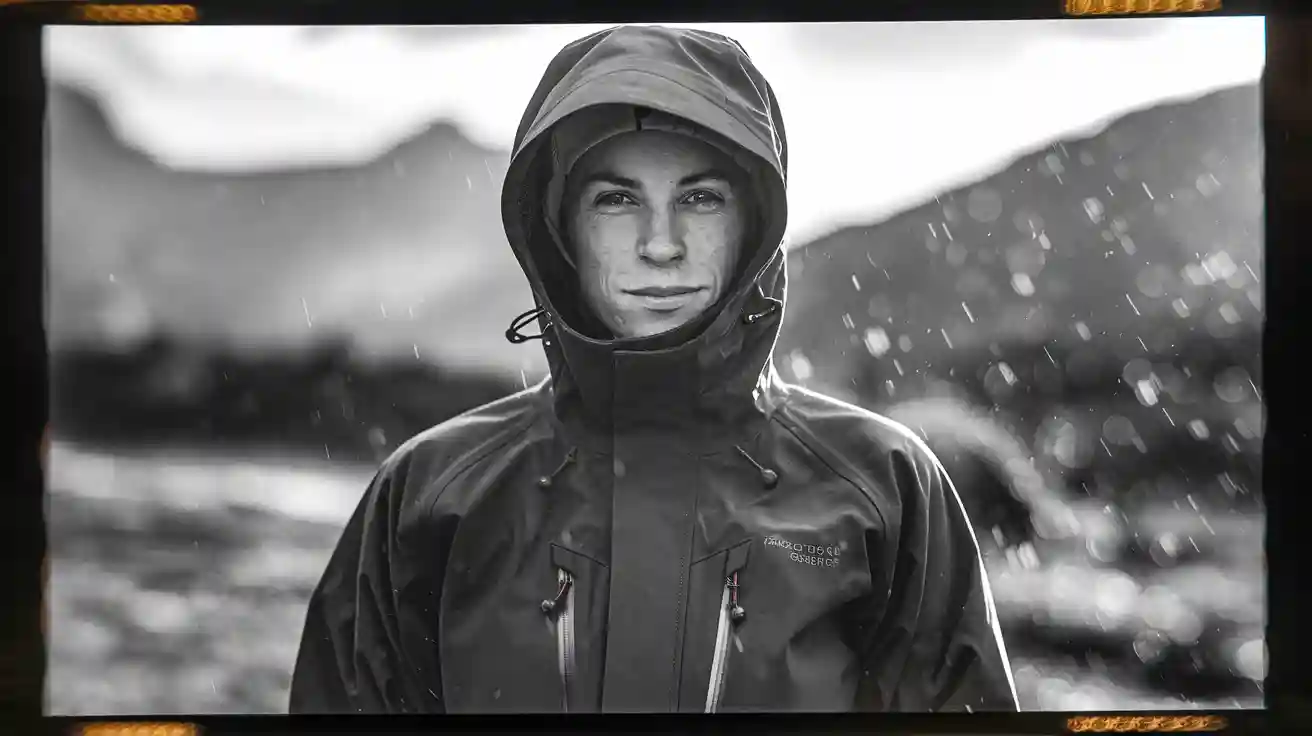
A hard shell jacket gives you reliable weather protection when you face rain, wind, or snow during outdoor adventures. This jacket uses advanced fabrics to block water and wind, keeping you dry and shielded in harsh conditions. Many outdoor professionals choose a hard shell jacket for its strong protection, even though insulated jackets lead in sales for warmth. The demand for durable, weather-resistant gear keeps growing as more people explore the outdoors and seek better weather protection.
Key Takeaways
Hard shell jackets protect you from rain, wind, and snow using waterproof and windproof membranes like Gore-Tex.
These jackets have layered designs and a Durable Water Repellent (DWR) finish to keep you dry and comfortable.
Hard shells offer strong weather protection but can feel stiff and less breathable than soft shells.
Choose a hard shell for harsh weather and outdoor activities like mountaineering, skiing, or hiking in wet conditions.
Proper care, like regular washing and renewing the DWR coating, keeps your jacket waterproof and lasting for years.
Hard Shell Jacket Basics
What Is a Hard Shell Jacket
A hard shell jacket, sometimes called a hardshell jacket, gives you strong protection from rain, wind, and snow. You will notice that this type of jacket uses advanced materials and construction to keep you dry and comfortable in harsh environments. Outdoor apparel experts define a hardshell jacket as a tough, lightweight outer layer designed for maximum weather protection.
You will find that a hardshell jacket always includes a waterproof and windproof membrane. This membrane sits between an outer fabric, usually polyester or polyamide (nylon), and sometimes an inner lining. The outer layer receives a Durable Water Repellent (DWR) treatment, which helps water bead up and roll off the surface. The membrane blocks water from getting in but lets sweat vapor escape, so you stay dry from both rain and your own perspiration.
Most hardshell jackets use a layering system. You can choose between two-layer, 2.5-layer, and three-layer hardshell designs. The three-layer hardshell combines the outer fabric, membrane, and inner lining into one laminated piece. This design gives you the best durability and compactness. The 2.5-layer hardshell uses a thin protective coating inside, making it lighter but still sturdy. Two-layer jackets have a separate inner lining, which can feel bulkier.
Tip: Look for jackets with a hydrostatic head rating between 10,000 and 30,000 mm. This number tells you how waterproof the jacket is.
You will often see membrane technologies like Gore-Tex, Sympatex, and eVent in top hardshell jackets. These membranes use tiny pores to block water droplets while letting sweat vapor escape. Gore-Tex is famous for its balance of waterproofness and breathability. Sympatex stands out for its eco-friendly, recyclable design and excellent weather resistance.
Key Features
When you shop for a hardshell jacket, you should check for several key features that set these jackets apart from other outerwear. Here are the most important characteristics:
Waterproof and Windproof Membrane: Every hardshell jacket uses a membrane such as Gore-Tex, Sympatex, or eVent. This layer keeps rain and wind out while letting moisture escape.
Durable Water Repellent (DWR) Finish: The outer fabric gets a DWR treatment. This finish helps water bead up and roll off, keeping the jacket light and dry.
Layered Construction: You can choose from two-layer, 2.5-layer, or three-layer hardshell jackets. The three-layer hardshell offers the best durability and protection for extreme conditions.
Helmet-Compatible Hood: Many hardshell jackets include hoods that fit over climbing or skiing helmets, giving you extra protection in alpine environments.
Pit Zips and Ventilation: Zippered vents under the arms help you release heat during high-energy activities.
Harness- and Backpack-Friendly Pockets: Pockets sit higher on the torso, so you can reach them even when wearing a harness or backpack.
Trim Yet Roomy Fit: The fit allows you to layer clothing underneath without feeling bulky.
High Denier Fabrics: The outer fabric usually ranges from 30D to 80D, balancing weight and durability.
Sustainability: Many brands now use recycled materials and responsible manufacturing practices.
Here is a quick comparison of common materials and construction methods in hardshell jackets:
Aspect | Details |
|---|---|
Common Materials | Polyester, Polyamide (Nylon) fabrics combined with waterproof breathable membranes like Gore-Tex, Sympatex, Pertex, eVent, BD.dry, H2No, DryVent |
Membrane Types | Microporous membranes (allow water vapor out, block water droplets), Hydrophilic membranes (transfer moisture via osmosis) |
Layer Constructions | 2-layer: membrane + outer fabric, loose inner mesh or lining, bulkier and less durable; 2.5-layer: outer fabric + membrane + thin protective coating inside, lighter; 3-layer: outer fabric + membrane + bonded inner lining, robust and durable |
Waterproofing | Durable Water Repellent (DWR) treatments on outer fabric to enhance water resistance and protect membrane |
Maintenance | Regular washing and reproofing needed to maintain waterproofness and breathability |
You will find that the three-layer hardshell jacket stands out for its durability and performance in extreme weather. The combination of a tough outer fabric, a waterproof and windproof membrane, and a protective inner lining gives you reliable protection and comfort. Membranes like Gore-Tex and Sympatex ensure you stay dry and comfortable, even during intense activity.
Note: To keep your hardshell jacket performing well, wash it regularly and renew the DWR treatment. Dirt and oils can clog the membrane and reduce breathability.
A hardshell jacket gives you the best weather resistance and protection for demanding outdoor adventures. You can trust it to keep you safe and dry, whether you face a sudden downpour or strong mountain winds.
How Hardshell Jackets Work
Waterproof Technology
You rely on a hardshell jacket for its ability to keep you dry in the harshest conditions. The secret lies in its advanced construction. Every hardshell uses a waterproof and breathable membrane, such as Gore-Tex or Sympatex, sandwiched between tough outer fabrics and protective linings. This membrane acts as a barrier, blocking water from rain or snow while allowing sweat vapor to escape. The outer layer receives a Durable Water Repellent (DWR) coating, which causes water to bead up and roll off the surface instead of soaking in.
Most modern hardshell jackets feature impressive waterproof ratings. You often see water column pressure ratings of 10,000 mm or higher, which means the fabric can withstand a tall column of water before leaking. Some jackets reach 20,000 mm or even 30,000 mm, making them suitable for heavy rain and prolonged exposure. The table below compares hydrostatic head (HH) ratings across leading brands, showing how different hardshell jackets stack up:
Brand/Fabric | Hydrostatic Head (HH) Rating (mm) | Notes on Breathability (MVTR) or Additional Info |
|---|---|---|
Gore-Tex (various) | ~28,000 | MVTR ~15,000-25,000 g/m²/24h (estimated) |
eVent | 30,000 | MVTR 15,000-25,000 g/m²/24h (estimated) |
Dermizax EV | 25,000 | MVTR 20,000 g/m²/24h (official) |
Berghaus Hydroshell | 15,000 | MVTR 20,000 g/m²/24h (official) |
Alpkit (unbranded) | 20,000 | MVTR 20,000 g/m²/24h (official) |
Polartec Power Shield | 20,000 | MVTR 20,000 g/m²/24h (official) |
Patagonia H2No | 10,000 to 20,000 | MVTR 12,000-15,000 g/m²/24h (estimated) |
The North Face Futurelight | Unknown | MVTR 75,000 g/m²/24h (official) |
Columbia Omni-Tech | 10,000 | MVTR 10,000 g/m²/24h (estimated) |
You can also see a visual comparison in the chart below:
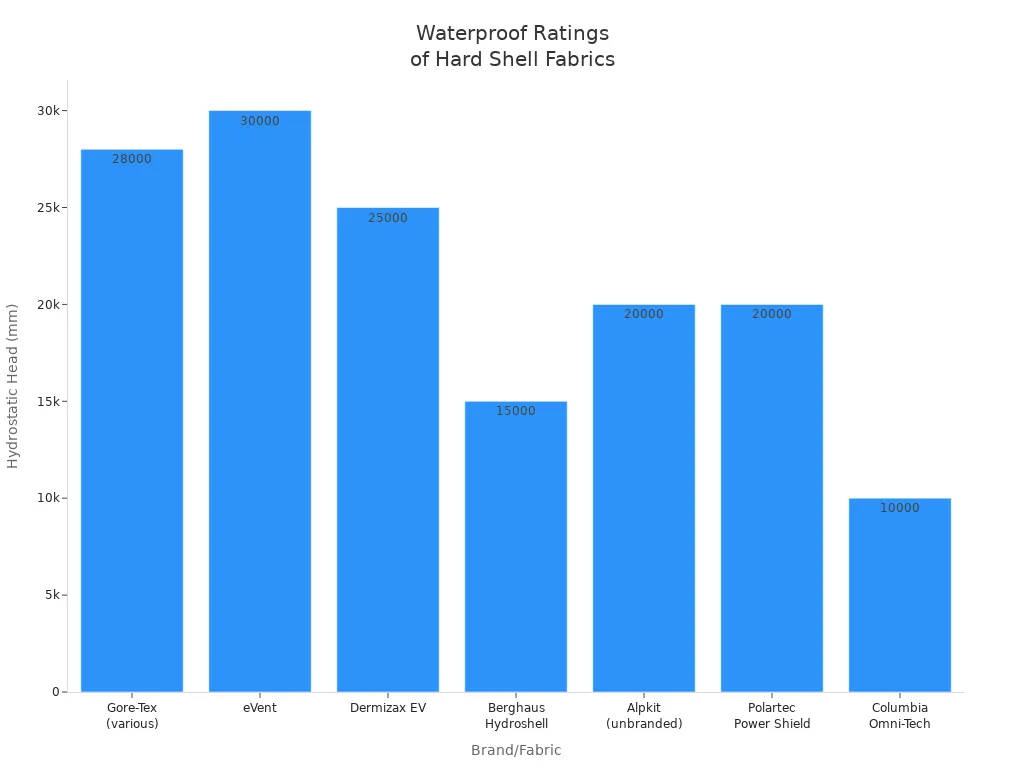
A hardshell jacket does more than just block water. It also shields you from wind and cold, thanks to its tightly woven fabrics and membrane technology. Many jackets include features like adjustable hoods, elastic cuffs, and drawstring hems to seal out rain and improve fit. When you choose a hardshell, you get reliable waterproof breathable protection for any adventure.
Tip: For the best weatherproof and breathable performance, look for a hardshell jacket with a hydrostatic head rating above 15,000 mm and a high MVTR (Moisture Vapor Transmission Rate).
Breathability and Membrane
You want your hardshell to keep you dry from both rain and sweat. This is where breathability comes in. The membrane inside your jacket, whether it is Gore-Tex, Sympatex, or another brand, contains microscopic pores. These pores are small enough to block liquid water but large enough to let sweat vapor escape. This balance gives you a jacket that is both waterproof and breathable.
Some of the most advanced membranes, like those made with electrospinning technology, use a web of nanofibers to create an air-permeable barrier. This design allows sweat vapor to move out quickly, so you stay comfortable during high-energy activities. For example, Gore-Tex and eVent membranes offer high breathability, with MVTR ratings often above 15,000 g/m²/24h. Sympatex stands out for its eco-friendly, recyclable membrane that also delivers excellent breathability.
Breathability is measured by MVTR, which tells you how much sweat vapor can escape through the jacket.
High MVTR ratings (10,000 to 20,000+ grams) mean better moisture management and less overheating.
Gore-Tex Pro and eVent membranes are designed for intense activities, offering top-tier breathability.
If you sweat a lot or move fast, prioritize breathability over maximum waterproof ratings.
Jackets with poor breathability trap sweat, making you feel wet and uncomfortable inside.
Note: Activities like running, backcountry skiing, or mountain biking require a hardshell with high breathability to prevent sweat buildup.
You may notice that hardshell jackets often feel “crinkly” or stiff compared to soft shells. This comes from the durable, multi-layer construction needed for waterproof and breathable performance. While some newer membranes add stretch and softness, most hardshells still have a distinct, protective feel.
Durability
You expect your hardshell jacket to last through tough adventures. Durability starts with the choice of fabric. Most hardshells use high-denier nylon or polyester, which resists abrasion from rocks, branches, and backpack straps. The membrane itself also needs to withstand repeated flexing and exposure to the elements.
Laboratory tests measure durability by rubbing fabric swatches with rough materials, both wet and dry, to simulate real-world wear. These tests use machines like the James Heal abrasion tester and grade results from 1 (severe damage) to 5 (minimal change). Jackets with thicker, heavier threads—like the Arc’teryx Alpha SV—score higher for durability and protection.
With proper care, a hardshell jacket can last 5 to 10 years of regular outdoor use. The waterproof function usually stays strong for 3 to 5 years, but you can extend this by washing your jacket and reapplying the DWR coating each year. Storing your jacket clean and dry also helps preserve its weatherproof and breathable qualities.
Tip: Always follow the care instructions for your hardshell. Regular cleaning and DWR renewal keep your jacket performing at its best.
A hardshell jacket gives you long-lasting, weatherproof and breathable protection for all your outdoor pursuits. You can trust it to keep you dry, comfortable, and safe in rain, snow, or wind.
Hardshell vs. Soft Shell vs. Waterproof Jacket

Hardshell vs. Soft Shell
When you compare a hardshell to a soft shell, you notice big differences in weather protection and comfort. A hardshell gives you full waterproof and windproof coverage. It uses tough materials like Gore-Tex or eVent, so you stay dry in heavy rain or snow. You often see hardshells with features like helmet-compatible hoods and sealed seams for extra protection. However, these jackets can feel stiff and less breathable, which means you might get sweaty during high activity.
A soft shell jacket feels much softer and stretches with your movement. It is water-resistant, not fully waterproof, so it works best in light rain or dry, cool weather. Soft shells are highly breathable and warm, making them great for climbing, running, or biking. You get more comfort and flexibility, but less protection in harsh weather.
Hardshell Jacket | Soft Shell Jacket | |
|---|---|---|
Waterproof | Yes, fully waterproof | Water-resistant, not fully waterproof |
Windproof | Yes | Wind-repellent to windproof |
Breathable | Less, may trap sweat | Highly breathable |
Flexibility | Stiff, less stretchy | Soft, stretchy, comfortable |
Best Use | Rain, snow, harsh weather | Active sports, mild weather |
Tip: Choose a hardshell for storms and a soft shell for high-movement sports in dry conditions.
Hardshell vs. Waterproof Jacket
You might wonder how a hardshell compares to a standard waterproof jacket. A hardshell uses a three-layer design with a thick outer fabric, a waterproof membrane, and an inner liner. This makes it more durable and protective in extreme weather. A waterproof jacket often has a thinner, lighter build with fewer features. It keeps you dry in light rain but may not last as long or protect as well in tough conditions. Hardshells also offer better breathability and comfort during long hikes or climbs.
Choosing the Right Type
You should match your jacket to your activity and the weather. Use a hardshell when you expect heavy rain, snow, or strong wind. It is the best choice for mountaineering, winter sports, or long hikes in wet weather. Pick a soft shell for running, climbing, or biking in cool, dry weather. It gives you comfort and freedom to move. A waterproof jacket works well for short trips or daily use when you need something light and packable.
Soft shells: Best for mild weather and high movement.
Hardshells: Best for harsh weather and long outdoor trips.
Waterproof jackets: Good for everyday rain protection.
Note: Many people own both a hardshell and a soft shell. You can switch jackets based on your plans and the forecast.
When to Use a Hardshell
Outdoor Activities
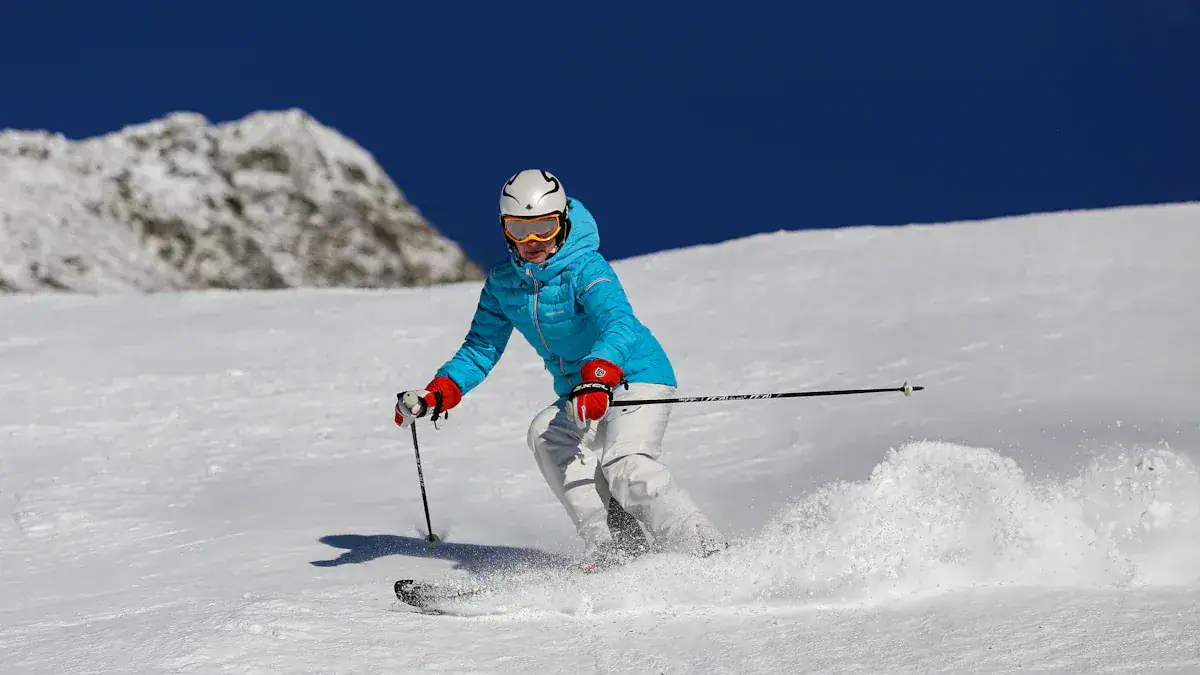
You should choose a hard shell jacket when you need reliable weather protection during demanding outdoor adventures. Mountaineering stands out as the activity where you need the most good weather protection. You face extreme weather conditions at high altitudes, so you need a jacket with reinforced panels, a helmet-compatible hood, and strong abrasion resistance. Skiing and snowboarding also require shell jackets for protection from rain, snow, and wind. These jackets often include features like powder skirts and high-visibility details for safety.
Here is a table showing which outdoor activities most often require a hard shell jacket:
Outdoor Activity | Hard Shell Jacket Requirement | Reason/Features |
|---|---|---|
Climbing & Mountaineering | Explicitly required | Essential for extreme weather protection, reinforced panels, helmet-compatible |
Skiing & Snowboarding | Recommended | Waterproofing, cold/wet protection, powder skirt, helmet-compatible hood |
Hiking & Backpacking | Versatile shell jackets preferred | Lightweight, packable, weather-resistant, focus on ventilation |
Trail Running & Cycling | Not required | Prefer softshell or hybrid jackets for breathability and stretch |
You gain more than just protection from rain. Hard shell jackets use high-visibility fabrics and reflective tape to keep you visible in low-light or hazardous conditions. You also benefit from ergonomic fits and breathable linings, which help you move freely and stay comfortable all day. Many jackets include reinforced seams and rugged construction, making them ideal for high-risk outdoor jobs like construction or emergency response.
Tip: For mountaineering or any outdoor activity in unpredictable weather, always pack a hard shell jacket for good weather protection.
Weather Conditions
You need a hard shell jacket when you expect inclement weather. These jackets work best in heavy rain, snow, strong wind, and rapidly changing mountain weather. You stay dry and protected from rain, snow, and wind, even when the weather shifts quickly. Hardshell jackets do not provide warmth, so you should wear thermal layers underneath in cold conditions.
You find that breathability in these jackets helps sweat escape, making them comfortable in wet and windy weather that is not extremely cold. The waterproofness of a hard shell jacket is measured in Schmerber units. For mountain hikes and coastal paths, 10,000 Schmerber is enough. For high mountains with ice, snow, and squalls, 20,000 Schmerber is ideal.
Hardshell jackets are part of a three-layer system: a moisture-wicking base layer, an insulating mid-layer, and the protective hardshell outer layer.
You get optimal protection in wet, windy, cold, and variable mountain or outdoor conditions.
In field tests, jackets with membrane-on-the-outside designs perform best in heavy rain, while heavier winter shells offer more comfort and durability in extreme cold.
Ventilation features like pit zips help you manage moisture and comfort in both cold and wet weather.
Note: No single hard shell jacket is perfect for every situation. You should balance waterproofness, breathability, and features to match your outdoor plans and the weather.
Choosing Your Hardshell Jacket
Fit and Comfort
You want a hardshell jacket that fits well and feels comfortable during your outdoor adventures. The fit affects how easily you can move and how well you can layer clothing underneath. For example, the Mountain Equipment Ogre jacket has a highly mobile, alpine-style fit. This type of fit lets you move your arms freely when you climb or hike. It also gives you enough space to wear a fleece or insulated layer underneath without feeling tight. Good breathability and ventilation help you manage heat and moisture when you add layers. Always try on your jacket with the layers you plan to wear in the field.
Essential Features
When you look for the best hard shell jackets, focus on features that match your activities. Outdoor enthusiasts value these features most:
Superior weather protection with waterproof and windproof materials.
Durable fabrics and reinforced areas for long-lasting use.
High breathability ratings for comfort during active use.
A fit that allows layering and does not restrict movement.
Helmet-compatible hoods and adjustable vents like pit zips for extra protection and airflow.
Pockets placed for easy access, even when wearing a harness or backpack.
Lightweight and packable designs for easy carrying on long trips.
Feature | Description |
|---|---|
Waterproof and windproof for harsh conditions. | |
Durability | Reinforced materials for tough use. |
Breathability | Manages sweat during high-output activities. |
Mobility | Allows free movement for climbing and skiing. |
Packability | Lightweight jacket that compresses for travel. |
Functional Features | Helmet hoods, pit zips, and smart pocket placement. |
Features like pit zips with waterproof zippers help you control airflow and temperature. Adjustable, helmet-compatible hoods move with your head and keep you protected in storms. Reinforced seams and elbows increase the jacket’s lifespan, making it a smart choice for skiing, mountaineering, or backcountry trips.
Care Tips
Proper care keeps your hardshell jacket performing at its best. Follow these steps to extend its life:
Wash your jacket only when it looks dirty or smells. Use a mild detergent made for technical outerwear.
Always follow the care instructions from the manufacturer.
Avoid fabric softeners and bleach, which can damage the waterproof membrane.
After washing, check if water still beads on the surface. If not, reapply a durable water repellent (DWR) spray.
Dry your jacket by air or on low heat if the label allows.
Store your jacket dry and uncompressed. Hang it up or lay it flat.
Repair small rips or seam issues right away to prevent bigger problems.
Neglecting care causes the DWR coating to wear off, which makes your jacket less waterproof and less breathable. Regular cleaning and DWR renewal help your jacket last for years, even up to 10 years with good maintenance.
Tip: Always inspect your jacket after each trip. Quick repairs and proper cleaning keep your lightweight gear ready for your next adventure.
You now understand that a hard shell jacket offers reliable weather protection for outdoor adventures. When you choose a jacket, think about your activity, the weather, and how much durability or breathability you need.
Heavy-duty shells suit rugged conditions.
Features like ventilation and hood design add comfort.
Make your choice based on your needs so you stay comfortable and protected outdoors.
FAQ
What is the difference between a hardshell and a rain jacket?
You get more durability and weather protection from a hardshell. Rain jackets often use lighter materials and fewer features. Hardshells work better for harsh conditions and long trips. Rain jackets suit short walks or city use.
Can you wear a hardshell jacket in warm weather?
Yes, you can wear a hardshell in warm weather. Look for jackets with good ventilation, like pit zips. Choose lightweight models. You stay dry during sudden rain, but you may feel warm if you move a lot.
How do you restore the waterproofing on your hardshell jacket?
You can restore waterproofing by washing your jacket with a technical cleaner. After washing, apply a DWR spray or wash-in treatment. Dry the jacket as the label suggests. This process helps water bead up again.
Do hardshell jackets keep you warm?
Hardshell jackets do not provide insulation. You stay dry and protected from wind and rain, but you need to wear warm layers underneath in cold weather. Always use a base layer and a mid-layer for warmth.