

How to Tell if a Men’s Jacket Is Really Weatherproof
Table of Contents
Display

You need more than a label to spot a true weatherproof mens jacket. Look for details like waterproof membranes such as gore-tex. These keep rain out but let sweat escape, so you stay dry and comfortable. Sealed seams and stormproof zippers block water at weak points. A DWR coating helps water bead up and roll off, stopping fabric from getting soaked. These features work together to protect you during outdoor adventures. Check technical specs, not just marketing claims, to find a weatherproof mens jacket that stands up to real storms.
Key Takeaways
Look for jackets with waterproof membranes, fully sealed seams, and a strong DWR coating to stay dry in heavy rain.
Check for stormproof zippers and a high hydrostatic head rating (20,000 mm or more) for real protection against water pressure.
Understand the difference between waterproof and water-resistant jackets to choose the right gear for your needs.
Maintain your jacket by washing with special detergents and reapplying DWR spray when water stops beading on the surface.
Use the checklist to find jackets that fit well, offer breathability, and have durable materials for lasting comfort and protection.
Weatherproof Mens Jacket: Key Features

When you shop for a weatherproof mens jacket, you need to look for several key features. These features work together to keep you dry and comfortable, even in heavy rain. Let’s break down what makes a jacket truly weatherproof.
Waterproof Membranes
A waterproof membrane is the heart of any waterproof jacket. This thin layer sits between the outer fabric and the inner lining. It blocks rain from getting in but lets sweat vapor escape. Gore-Tex is the most famous waterproof membrane, used in jackets like the Arc’teryx Beta SL. This membrane, combined with a strong dwr coating, gives you excellent rain protection and breathability. Other waterproof materials, such as Montane Petrichor and Nikwax Analogy, also provide high levels of waterproofness. Some jackets use a unique approach, like Páramo, which relies on water-repellent materials and a pump liner instead of a traditional membrane. You can compare common waterproof membranes and their features in the table below:
Jacket / Membrane | Waterproof Technology | Key Features & Waterproof Rating Evidence | PFAS Free | Suitable Use Cases |
|---|---|---|---|---|
Montane Torren | Montane Petrichor (3-layer) | PFAS-free, breathable, lightweight, highly water-resistant; passed a 3-minute power-shower bathroom test with no water ingress | Yes | Hiking, walking, everyday use |
Arc’teryx Beta SL | Gore-Tex ePE | Durable, breathable, PFAS-free; excels in waterproofing and wind blocking; tested in harsh conditions with excellent results | Yes | Hiking, climbing, mountaineering |
Páramo Velez | Nikwax Analogy (no membrane) | Uses water-repellent outer layer + pump liner to push moisture away; exceptional wet condition performance and breathability | Yes | Hiking, walking, cycling |
A waterproof membrane is one of the main features that make a jacket waterproof. You should always check for this layer when choosing a fully waterproof jacket.
Sealed Seams
Even the best waterproof fabrics can fail if water sneaks in through the seams. Sealed seams, also called fully seam-sealed seams, use tape or heat to cover every stitch hole inside the jacket. This stops water from leaking through the tiny holes made by sewing. Jackets like the Teris, XeroCloud, and Rainier use fully taped seams to keep you dry, even in heavy rain. Some jackets only seal critical seams, which works for light rain but not for long storms. If you want a fully waterproof jacket, always check for fully seam-sealed construction.
Fully taped seams block water at every stitch.
Critical seam sealing only protects some areas.
Full seam sealing gives you the best rain protection.
DWR Coating
A dwr coating (Durable Water Repellent) is a special treatment on the outer layer of waterproof jackets. This coating makes water bead up and roll off the surface, instead of soaking in. A strong dwr coating keeps the fabric light and breathable. Over time, washing, wear, and even sunscreen can break down the dwr coating. Newer dwr coatings are more eco-friendly but may not last as long as older types. To keep your jacket water-repellent, you need to wash it gently and reapply the dwr coating with a spray when water stops beading. Without a good dwr coating, even the best waterproof membrane can lose its effectiveness.
Tip: Regularly check if water beads on your jacket. If not, it’s time to refresh the dwr coating to maintain water-repellent performance.
Stormproof Zippers
Zippers are weak spots in any waterproof jacket. Standard zippers let water seep through, especially in heavy rain. Stormproof zippers, also called water-resistant zippers, use a rubberized coating or a storm flap to block water. These zippers can feel stiffer, but they keep you dry by sealing out rain at closure points. Always look for stormproof zippers or covered zippers when you want a fully waterproof jacket.
Hydrostatic Head Rating
The hydrostatic head rating tells you how much water pressure a fabric can handle before it leaks. This rating is measured in millimeters. A higher number means better waterproofness. For a jacket to be truly waterproof, you should look for a hydrostatic head rating of at least 20,000 mm. Jackets with lower ratings, like 10,000 mm, work for light rain but may leak in a downpour. Always check this rating to make sure your jacket offers real rain protection.
How These Features Work Together
A weatherproof mens jacket uses a waterproof membrane, fully seam-sealed construction, a strong dwr coating, stormproof zippers, and a high hydrostatic head rating to create a complete waterproofing system. The waterproof membrane blocks rain while letting sweat escape. The dwr coating keeps the outer fabric water-repellent, so it does not get heavy or lose breathability. Sealed seams and stormproof zippers stop water from sneaking in at weak points. The hydrostatic head rating shows you how much water the jacket can handle. When you combine all these features, you get a fully waterproof jacket that keeps you dry and comfortable in any weather.
Note: Always check for all these features before you buy. A jacket with only one or two may not give you full rain protection.
Gore-Tex and Other Membranes
How Gore-Tex Works
When you look for the best waterproof protection, you often see gore-tex mentioned. This material stands out because of its unique waterproof membrane. Gore-tex uses a microporous ePTFE membrane with billions of tiny pores. Each pore is small enough to block water droplets but large enough to let sweat vapor escape. This design keeps rain out while allowing your body heat and moisture to leave the jacket. You stay dry from both the outside and inside.
The membrane gets laminated to the jacket’s fabric using a special process. This creates a strong, windproof, and durable barrier. A durable water repellent (DWR) coating on the surface helps water bead up and roll off. The combination of these features makes gore-tex a top choice for outdoor gear.
Here’s a quick comparison between gore-tex and another popular membrane, Sympatex:
Feature | Gore-Tex | Sympatex |
|---|---|---|
Membrane Type | Microporous ePTFE membrane | Hydrophilic, non-porous membrane |
Waterproof Mechanism | Pores block water, let vapor escape | Moves moisture via concentration gradient |
Breathability | Sweat vapor passes through pores | Absorbs and transfers moisture |
Lamination Process | Proprietary ePTFE lamination | Hydrophilic membrane lamination |
Durability & Use | Durable, windproof, breathable | Focus on moisture management, sustainable |
Tip: If you want a jacket that keeps you dry and comfortable in tough weather, look for gore-tex in the product details.
Other Waterproof Technologies
You have more choices than just gore-tex when shopping for breathable jackets. Many brands use different waterproof membranes to balance comfort, breathability, and protection. Some of the most common alternatives include:
Dermizax NX: Offers high breathability and a soft, stretchy feel. It works well for active sports but does not match gore-tex in extreme wet conditions.
eVent: Uses Direct Venting™ technology for excellent airflow. It is great for high-energy activities but may need more frequent cleaning.
Polartec NeoShell: Combines waterproofing with a flexible, softshell feel. It provides good breathability but less wind protection.
The North Face FUTURELIGHT: Features a customizable waterproof breathable technology. You find it only in The North Face products.
Waxed Cotton: A natural, sustainable option. It offers less waterproofing and breathability than synthetic membranes.
Some membranes, like Dermizax NX, focus on comfort and flexibility. Others, such as gore-tex pro, deliver maximum waterproof protection and durability for harsh environments. When you choose a jacket, think about your main activities and the weather you expect to face.
Waterproof Rain Jackets vs. Water-Resistant
Definitions
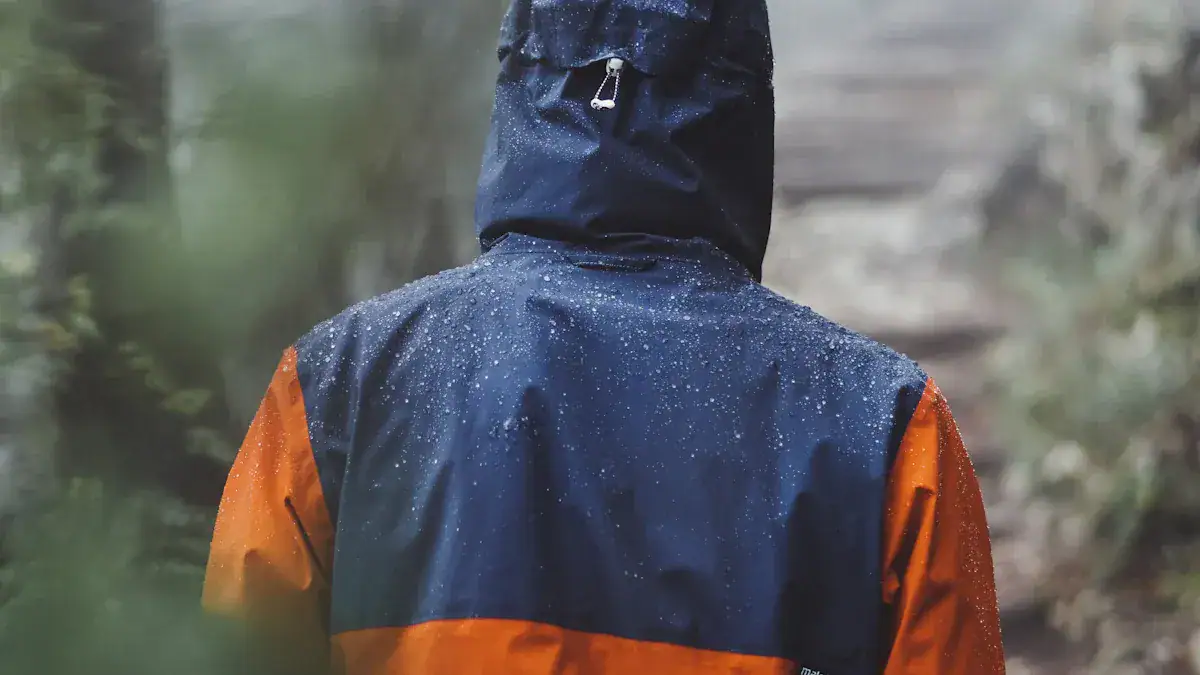
You might see the terms waterproof and water resistant on jacket labels, but they mean very different things.
Water-resistant jackets use tightly woven fabrics and a water repellent coating. These jackets handle light rain or drizzle but will not keep you dry in a downpour.
Waterproof rain jackets use advanced materials like Gore-Tex or polyethylene. These jackets have sealed seams and a waterproof membrane. They block water even during a heavy downpour.
Water repellent finishes, like DWR, help water bead up and roll off the fabric. This finish boosts water resistance but does not make a jacket fully waterproof.
Both types can use water-repellent coatings, but only waterproof jackets stop water from soaking through in serious rain.
Practical Differences
You get much more protection from waterproof rain jackets than from water resistant rain jackets. The difference shows up in lab tests and real-world use.
Waterproof Rating Range (mm) | Protection Level | Typical Weather Conditions |
|---|---|---|
Water-resistant | Very light rain | |
2,000 to 5,000 | Waterproof | Light to average rain |
5,000 to 10,000 | Very Waterproof | Moderate to heavy rain |
Above 10,000 | Highly Waterproof | Heavy rain |
Water-resistant jackets rely on a water repellent coating. This coating wears off over time, so water can start to seep in. Waterproof jackets use sealed seams and special membranes. These features keep you dry even in a heavy downpour. You can trust waterproof jackets for hiking, camping, or any activity where you face unpredictable weather.
What to Look For
When you shop for a jacket, check the features to know if it is waterproof or just water resistant.
Feature | Waterproof Jackets | Water-Resistant Jackets |
|---|---|---|
Materials | Polyethylene, Gore-Tex (membrane with microscopic pores) | Nylon, Polyester (tightly woven, treated with water repellent) |
Seam Construction | Heat-sealed or taped seams to prevent water entry | Not sealed; relies on fabric treatment and weave tightness |
Waterproof Rating | High (e.g., 10k/10k rating on some jackets) | Lower; resists water but can eventually let water through |
Breathability | Less breathable, may trap heat | More breathable, allows better air flow to reduce sweating |
Example Product | Carhartt Light-Weight Waterproof Rain Storm Coat | Carhartt Shoreline Jacket (nylon with Storm Defender membrane and water repellent finish) |
Look for sealed seams, a waterproof membrane, and a high waterproof rating. Water-resistant materials and water repellent coatings help, but they do not match the protection of a true waterproof jacket. Always check the product details before you buy.
Checking Waterproof Jackets
Labels and Ratings
When you check waterproof jackets, start by reading the labels and product tags. Look for clear signs that the jacket meets real waterproof standards. Many jackets list features like seam sealing, waterproof membranes, and certifications. You might see terms such as “fully seam-sealed” or “PU lamination,” which means the fabric has a waterproof layer. Some jackets also carry ANSI Class 2 or Class 3 certification, which shows they meet strict standards for water protection and visibility.
Here are some features to look for on labels:
Seam-sealed construction to block water at the stitches
Waterproof materials, such as PU-laminated nylon
ANSI/ISEA 107-2020 Type P Class 3 certification for high visibility and waterproofing
Claims of windproof and breathable fabric
Warranty information for added confidence
You can also check the hydrostatic head rating. This number tells you how much water pressure the fabric can handle before leaking. A rating of 10,000mm or higher means the jacket can handle heavy rain. For extreme weather, look for ratings around 20,000mm.
Feature | What It Means |
|---|---|
Seam Sealed | Stitches covered to prevent leaks |
PU Lamination | Waterproof layer added to fabric |
ANSI Class 2/3 | Meets safety and waterproof standards |
Hydrostatic Head 20,000mm | Handles strong rain and pressure |
Tip: Always read the product description and tags before buying. Labels give you the first clues about real waterproof jackets.
In-Store Checks
When you shop in person, you can do a few quick checks to spot quality waterproof jackets. Run your fingers along the seams inside the jacket. You should feel a smooth tape covering each seam. This tape keeps water from sneaking through the stitch holes. Check the zippers, too. Storm flaps or rubberized zippers add extra protection against leaks.
Hold the jacket up to the light. If you see tiny holes or loose threads at the seams, water could get in. Look for a dense, sturdy outer fabric. Thin or flimsy material often means the jacket is only water resistant, not truly waterproof.
Avoid jackets with embroidery on the outer shell. Needle holes from embroidery can let water seep through, lowering the jacket’s protection.
At-Home Tests
After you buy a jacket, you can test its waterproofing at home. Drip water onto the surface and watch what happens. Water should bead up and roll off. If the fabric soaks up water, the DWR coating may need a refresh. You can also press a damp sponge against the seams. If you feel moisture inside, the seam sealing might not work well.
Check the care label for washing instructions. Proper washing helps keep waterproof jackets working well. If you notice leaks or the jacket feels heavy when wet, it may be time to reapply a DWR spray or check for damage.
Simple tests at home help you make sure your jacket stays ready for any storm. This step is key when choosing the right waterproof jacket for your needs.
Caring for Waterproof Jackets
Washing and DWR Care
Proper washing keeps your waterproof jacket performing at its best. Always empty all pockets and zip up the main zipper before washing. Release any Velcro cuffs and loosen drawcords to prevent damage. Brush off dry mud and treat stubborn stains with a cleaner made for outdoor gear. Use a specialized detergent for technical fabrics. Regular detergents and fabric softeners can break down waterproof membranes.
Wash your jacket at 30°C on a delicate or outdoor gear cycle. Add an extra rinse to remove all detergent. After washing, reactivate the DWR (Durable Water Repellent) coating by tumble drying on medium heat for 20–30 minutes or ironing with a towel barrier. If you do not have a dryer, air dry your jacket in the shade and use a low-heat hair dryer if needed.
DWR coatings wear out over time, especially with heavy use. You should check if water still beads on the surface. If not, it is time to reapply a DWR spray. The table below shows how often you may need to reapply:
Usage Intensity | Reapplication Frequency | How to Test |
|---|---|---|
Average use | Spray water; look for beading | |
Heavy use | Annually or more often | Spray water; check for soaking |
Storage Tips
Store your jacket by hanging it in a cool, dry place. Avoid folding or compressing the jacket for long periods. Hanging helps protect the waterproof membrane from damage and keeps the jacket clean. Always make sure your jacket is dry before storing it to prevent mold and odors.
Signs of Wear
Check your jacket regularly for signs that it is losing its weatherproof abilities:
Small tears or holes appear in the shell.
The waterproof coating looks worn or faded.
Zippers or buttons become loose or break.
You feel cold or damp inside the jacket during rain.
If you notice these issues, clean and repair your jacket or refresh the DWR coating. Regular care extends the life of your jacket and keeps you protected in wet weather.
Quick Checklist
Must-Have Features
When you choose a weatherproof men’s jacket, you want to make sure it stands up to real storms and keeps you comfortable during outdoor adventures. Use this checklist to spot the features that matter most:
Comfort & Mobility: Try on the jacket and move your arms. Look for articulated sleeves, adjustable hoods, hems, collars, and wrists. These details help you get a fit that moves with you.
Weather Resistance: Check for a waterproof membrane, fully sealed seams, a durable water repellent coating, and quality zippers. Adjustable cuffs and hems help seal out rain during a downpour.
Ventilation: Look for breathable membranes like Gore-Tex. Pit zips, core vents, and mesh-lined pockets help you stay cool and dry when you work up a sweat.
Weight & Packability: Pick up the jacket. Lightweight fabrics and smart construction make it easy to pack and carry.
Durability: Inspect the material. Ripstop fabrics, reinforced stitching, and tough zippers mean the jacket will last through rough use.
Tip: A jacket that checks all these boxes will keep you dry, comfortable, and ready for anything.
Red Flags
Watch out for these warning signs when you shop for a men’s jacket. These issues often mean the jacket is not truly weatherproof:
Zippers that feel flimsy or are not from trusted brands like YKK or Vislon.
Zipper pulls or Velcro tabs that are rubberized instead of flexible and plain.
Stitch lines that look uneven, with loose threads or low stitch density.
Seam tape that feels stiff, wide, or messy.
Tags with misspelled words, wrong sizes, or non-laminated care labels.
Logos or embroidery that look sloppy or have incorrect designs.
Outer fabric that feels rough or weak.
Packaging or seller information that seems suspicious or points to a fake product.
Note: If you spot any of these red flags, the jacket may not protect you when the weather turns bad.
A truly weatherproof men’s jacket keeps you dry and comfortable by combining waterproof membranes, sealed seams, and a high hydrostatic head rating. These technical details block rain, let sweat escape, and prevent leaks at weak points. Use the checklist and follow maintenance tips like washing with special detergents, repairing small tears, and reapplying DWR. When you shop, focus on fit, breathability, and proven weather resistance. Make informed choices to stay protected and ready for any adventure.
FAQ
How do you know if a jacket is truly waterproof?
Check for a waterproof membrane, fully taped seams, and a high hydrostatic head rating. Water should bead on the surface.
Tip: Read the product label for terms like “Gore-Tex” or “fully seam-sealed.”
Can you restore a jacket’s waterproofing at home?
Yes, you can. Wash the jacket with a technical cleaner, then reapply a DWR spray. Tumble dry on low heat to reactivate the coating.
Always follow the care label instructions.
What does “breathable” mean in a waterproof jacket?
Breathable jackets let sweat vapor escape while blocking rain. This keeps you dry inside and out.
Look for features like pit zips or mesh-lined vents for extra airflow.
How often should you reapply DWR to your jacket?
Reapply DWR when water stops beading on the surface. For average use, this is every 2–3 years. Heavy use may need yearly treatment.
Usage | Reapply DWR |
|---|---|
Average | Every 2–3 years |
Heavy | Every year |