

How to Pick the Perfect Soft Shell Jacket
Table of Contents
Display
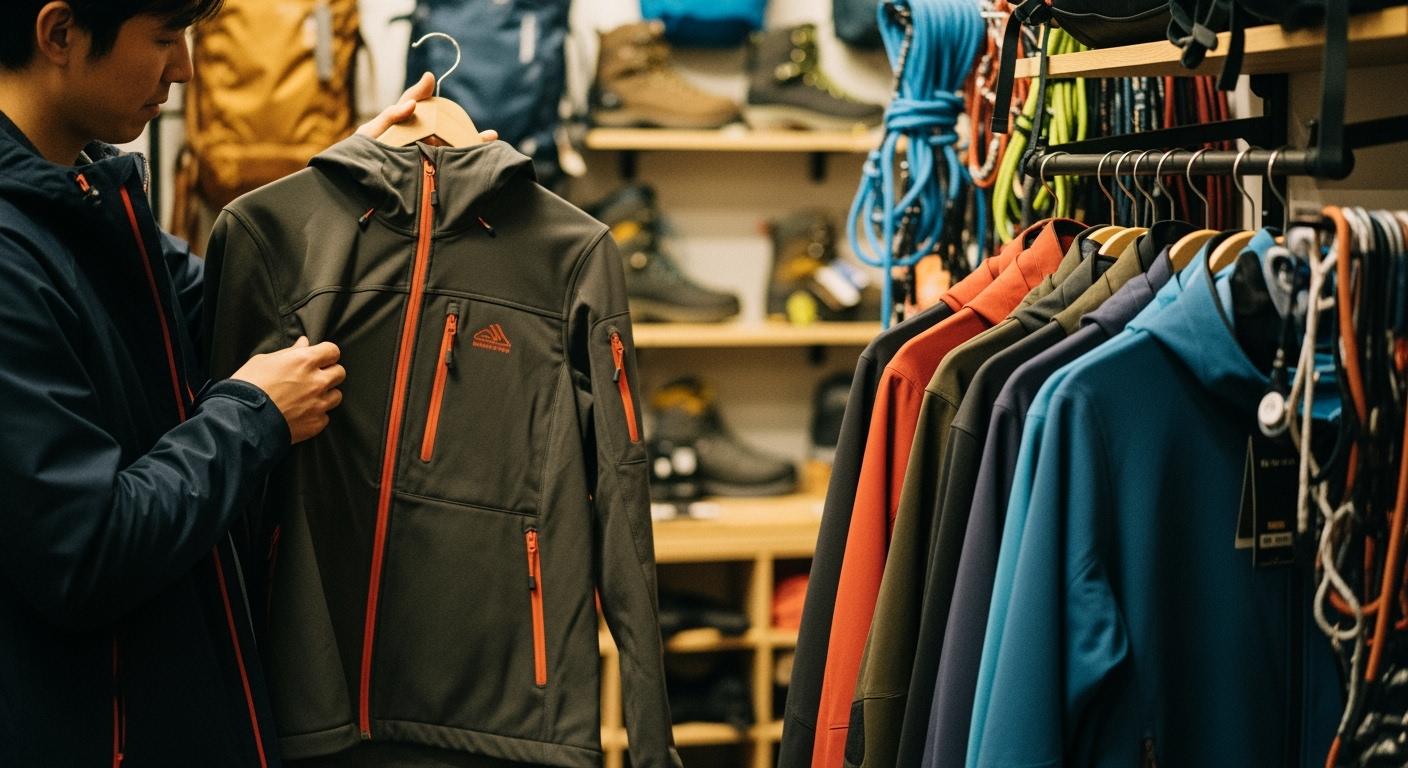
Imagine you face a cold, breezy morning before a fast hike or uphill climb. You want a jacket that protects from wind but lets your body breathe. A soft shell jacket helps you stay active and comfortable in these conditions. Check the table below for common scenarios:
Scenario | Conditions | Activities |
|---|---|---|
Ideal Use | Cold, dry, breezy | Uphill climbs, snowshoeing, fastpacking |
Avoid Use | Prolonged wet weather | Long stops, extreme wind chill |
Layering | Base + mid + softshell | Winter hiking, breathability & warmth |
Think about your main activity and local climate. Your choice depends on how you plan to layer and what weather you expect.
Key Takeaways
Consider your main activity when choosing a softshell jacket. Different activities require specific features.
Prioritize breathability and versatility if you plan to use your jacket for multiple outdoor activities.
Softshell jackets excel in mild weather, providing protection from wind and light rain, but are not suitable for heavy storms.
Choose a fit that allows for movement. Try on different styles to find the best comfort for your body shape.
Look for features like adjustable hoods and pockets that enhance functionality for your specific needs.
Check the quality of stitching and zippers to ensure durability and performance during outdoor activities.
Maintain your softshell jacket by cleaning it properly and storing it in a cool, dry place to extend its life.
Always match your jacket choice to the expected weather conditions and your activity level for optimal comfort.
Soft Shell Guide: Key Factors
Choosing the right softshell jacket starts with understanding the main factors that influence your decision. The soft shell guide focuses on three essentials: your activity and use, the climate and weather you expect, and your budget and value preferences. You should always consider how you plan to layer your outdoor gear and what conditions you will face.
Activity & Use
Your outdoor activities shape the features you need in a softshell. If you hike, climb, ski, or bike, each activity demands specific qualities. For example, hikers need breathability and protection from wind and light rain. Climbers look for flexibility and comfort to allow a full range of motion. Skiers and snowboarders benefit from warmth and wind resistance without the bulk of insulated jackets. Softshell jackets work well for cross-country skiing, alpine hiking, ice climbing, and backcountry splitboarding. These jackets are less bulky and more breathable than hard shells, making them ideal for high-output outdoor activities.
Tip: Always match your softshell jacket to your main activity. If you switch between hiking and climbing, choose a versatile option with stretch and weather protection.
Recent consumer surveys show the top three factors buyers consider when choosing a soft shell jacket:
Factor | Percentage of Buyers |
|---|---|
Breathability | |
Weather Resistance | 61% |
Versatility | 57% |
You should prioritize breathability and versatility if you plan to use your jacket for multiple outdoor activities.
Climate & Weather
The climate and weather in your area play a big role in your choice. Softshell jackets perform best in wind, light rain, or mild weather. They do not suit severe storms or heavy rain. Experts recommend softshells for hiking, biking, and urban commuting because they offer breathability and light rain protection. You can use them across all seasons, but they shine in summer during mild storms.
Condition Type | Description |
|---|---|
Weather Conditions | Ideal for wind, light rain, or mild weather, not suitable for severe storms. |
Activity Suitability | Great for hiking, biking, and urban commuting, providing breathability and light rain protection. |
Seasonal Use | Versatile across all seasons, particularly beneficial in summer for mild storms. |
If you need a waterproof buying guide, compare waterproof or soft shell options for your local weather. For heavy rain, a hard shell may work better.
Budget & Value
Your budget affects which softshell jacket you choose. The market offers a wide price range. Premium brands like Arc’teryx and Rab provide high-performance jackets at a higher cost. Budget-friendly options from Mammut, Rab, and Black Diamond deliver strong value for money. You can find the best men’s softshell jackets for your needs without overspending. Focus on the features that matter most for your outdoor gear and activities.
Note: The best softshell jackets balance price, performance, and durability. You do not need the most expensive jacket to get reliable protection and comfort.
When you follow this soft shell guide, you can match your jacket to your outdoor activities, climate, and budget. This approach helps you find the right softshell for your adventures.
What Is a Soft Shell Jacket?
Definition & Benefits
You may wonder what is a soft shell and how it differs from other outerwear. A soft shell jacket uses stretchy, lightweight synthetic fabrics such as polyester and nylon. These materials give you flexibility and comfort during active pursuits. Most softshell jackets feature a durable water-repellent (DWR) coating. This coating helps shed light rain and snow, though the jacket does not offer full waterproof protection.
Take a look at the defining characteristics of a softshell in the table below:
Characteristic | Description |
|---|---|
Material | Stretchy, flexible, lightweight synthetic fabrics like polyester and nylon. |
Weather Resistance | Decent water resistance with DWR coating, not fully waterproof. |
Breathability | High breathability, regulates body heat during high-output activities. |
Wind Resistance | Wind resistant, some models fully or partially windproof. |
Insulation | More insulation than hardshells, often with a light interior lining. |
Stretchability | Four-way stretch for enhanced mobility, ideal for climbing and skiing. |
Versatility | Suitable for various activities in cool, not overly wet conditions. |
You gain several benefits when you choose a softshell jacket for your adventures:
Water resistance lets you stay dry in light rain or snow.
Versatility means you can use your jacket for hiking, climbing, skiing, or everyday wear.
Breathability keeps you comfortable by allowing moisture and heat to escape.
Flexibility and comfort come from the stretchy fabric, giving you freedom of movement.
Lightweight design makes your jacket easy to pack and carry.
Mobile construction supports maximum movement during active sports.
Comfortable inner lining, often fleece, adds warmth.
Packable nature helps you store your jacket in a backpack or travel bag.
Tip: The best softshell jackets combine breathability, water resistance, and stretch. You get a jacket that adapts to changing conditions and activities.
When to Choose a Softshell Jacket
You should pick a softshell jacket when you need protection from wind and light precipitation but want to stay comfortable during high-energy activities. Softshells work best for hiking, climbing, cycling, and skiing in cool, dry, or mildly wet weather. You can use a softshell as your main outer layer in spring, fall, or mild winter conditions. If you expect heavy rain or extreme cold, you may need a hardshell or insulated jacket instead.
Softshell jackets suit you if you value mobility, comfort, and breathability. You can layer a softshell over a base or mid-layer for extra warmth. Many outdoor enthusiasts choose softshells for their versatility and packability. You may find that a softshell jacket becomes your go-to option for most outdoor adventures.
Note: Always check your local weather and activity level before choosing a softshell. If you want a jacket that balances protection and comfort, a softshell offers the right mix.
Features to Look For in a Soft Shell Jacket
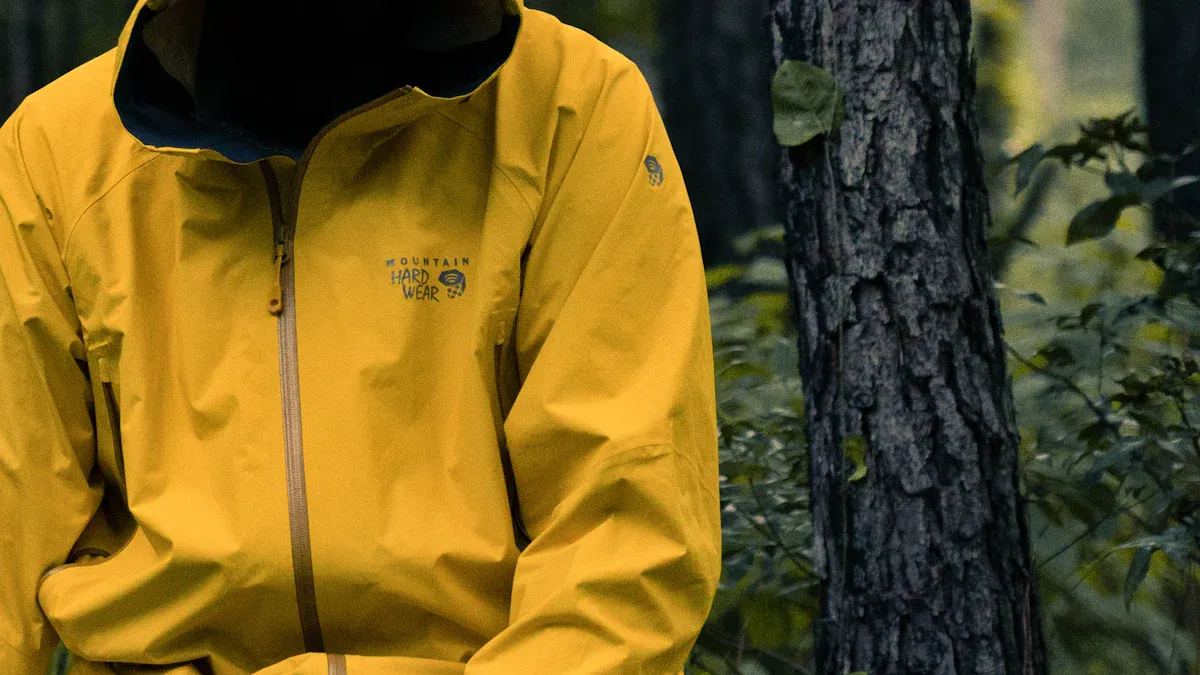
When you search for the best softshell jackets, you need to focus on the features to look for that match your needs. The right softshell jacket gives you comfort, protection, and performance in changing outdoor conditions. This section breaks down the most important features so you can make an informed choice.
Fit & Sizing
A comfortable fit is essential for any softshell jacket. You want a jacket that allows movement but does not feel bulky or restrictive. The fit also affects how well you can layer clothing underneath.
Slim, Regular, Relaxed
You will find three main fit types in softshell jackets:
Slim Fit: This style hugs your body and reduces bulk. It works well for climbing or cycling, where you need an active fit and less fabric to get in the way. Slim fit jackets often feel more athletic and help you move freely.
Regular Fit: This option balances comfort and mobility. It gives you enough room for a base layer or light mid-layer. Regular fit suits most outdoor activities and provides a comfortable fit for hiking, trekking, or everyday use.
Relaxed Fit: This style offers extra space for layering. You can wear thicker mid-layers or sweaters underneath. Relaxed fit jackets work well for cold weather or when you want maximum comfort.
Tip: Try on different fit types to see which one matches your body shape and activity level. A good fit should allow you to move your arms and shoulders without restriction.
Layering & True to Size
Layering is key for outdoor comfort. You should choose a softshell jacket that fits true to size if you plan to wear it over a base layer or thin fleece. If you want to add thicker layers, consider sizing up or picking a relaxed fit. Always check the brand’s sizing chart and try on the jacket with your usual outdoor clothing.
A proper fit helps you maintain warmth and flexibility. It also ensures your jacket performs well in different weather protection scenarios. You want a jacket that adapts to your needs, whether you hike in cool weather or climb in changing conditions.
Material & Fabric
The soft shell fabric determines the jacket’s durability, stretch, and overall performance. Most softshell jackets use synthetic materials that balance weather protection and comfort.
Stretch & Durability
Softshell jackets use advanced materials like polyester, nylon, and elastane. These fabrics give you four-way stretch, which means you can move easily during any activity. The softshell fabric resists abrasion and stands up to rough use on rocks or trails.
Here is a quick comparison of common softshell fabric features:
Feature | Description |
|---|---|
Material | Softshell jackets are made from synthetic materials like polyester, nylon, and elastane. |
Water-Repellency | Typically water-repellent but not fully waterproof; depends on fabric weaving and coatings. |
Breathability | Highly breathable due to microporous structure, ideal for layering with moisture-wicking layers. |
Wind Resistance | Tightly woven structure provides high wind resistance, often windproof. |
Warmth | Offers more warmth than rain or hardshell jackets, often lined with fleece or similar materials. |
You get a jacket that lasts through tough conditions and keeps its shape. The best softshell jackets combine stretch and durability for reliable performance.
Lining & Warmth
Many softshell jackets include a soft lining, such as microfleece. This lining adds warmth and comfort without making the jacket heavy. You stay warm during cool mornings or windy days. The lining also helps with moisture management, keeping you dry as you sweat.
A softshell jacket with a fleece lining feels cozy and works well for layering. You can use it as your main outer layer in mild weather or as a mid-layer under a waterproof shell in harsh conditions.
Weather Protection
Weather protection is the most important feature in any softshell jacket. You want a jacket that shields you from wind and light rain but still lets your body breathe. The right balance of breathability and weather resistance keeps you comfortable during high-output activities.
Wind Resistance
Softshell jackets excel at blocking wind. The tightly woven softshell fabric acts as a barrier, reducing wind chill and helping you stay warm. Many leading jackets, such as the Rab Borealis, provide decent wind protection. You can rely on a softshell for hiking, biking, or climbing in breezy conditions. Some jackets offer full windproofing, while others focus on breathability and lightweight design.
The Rab Borealis softshell jacket provides decent wind protection.
It performed poorly in water resistance tests but still offers some wind protection.
The jacket is lightweight and breathable, indicating it is not designed for heavy weather without additional layers.
You should always check the wind resistance rating if you plan to use your jacket in exposed areas.
Water Resistance Ratings
Softshell jackets use water-repellent coatings and tightly woven fabrics to shed light rain. They are not fully waterproof, but many models offer impressive water resistance for short showers or damp conditions. You can compare water resistance ratings across brands to find the right level of weather protection.
Brand/Model | Waterproof Rating | Breathability Rating |
|---|---|---|
Port Authority | 1000MM | 1000G/M² |
Port Authority J798 | 5000MM | 3000G/M² |
Some jackets use a 100% recycled polyester shell with a brushed microfleece lining. Others feature a poly/spandex woven shell bonded to a water-resistant film insert. Higher ratings, such as 5000MM, mean better water protection. Look for features like fully taped seams and waterproof zippers if you need extra defense against rain.
Note: Softshell jackets offer excellent breathability and weather resistance, but you should choose a true waterproof shell for heavy rain or prolonged exposure.
A breathable softshell jacket gives you the best mix of comfort, movement, and weather protection. You can trust a softshell for most outdoor adventures, as long as you match the features to your activity and environment.
Breathability
Breathability stands out as one of the most important features in a softshell jacket. You want a jacket that lets air flow and moisture escape, especially during high-output activities like hiking or cycling. This feature helps you stay dry and comfortable, even when your heart rate rises.
Moisture Management
Moisture management refers to how well your softshell handles sweat and humidity. Most softshell jackets use advanced synthetic fabrics that move moisture away from your skin. These materials help prevent overheating and keep you feeling fresh. Manufacturers often test breathability using moisture vapor transmission rate (MVTR) and air permeability rate (APR). These scores can vary widely between jackets, so you may notice differences in performance. Few brands publish exact breathability scores, which makes direct comparisons difficult.
You should look for a softshell that balances breathability and weather protection. A jacket with high MVTR and APR scores will help you regulate body temperature and avoid clamminess. If you plan to layer your jacket, choose one that works well with moisture-wicking base layers. This combination gives you the best comfort and movement during outdoor adventures.
Tip: If you sweat a lot or move quickly, prioritize breathability and moisture management. You will feel more comfortable and avoid overheating.
Pockets & Storage
Pockets and storage options make a big difference in how you use your softshell jacket. You need easy access to essentials like your phone, keys, or snacks. The best softshell jackets offer a variety of pocket designs to suit different activities.
Jacket Model | |
|---|---|
New Original Softshell Jacket | – Strategically placed chest pocket for essential gear access while wearing a pack |
– Dual zippered hand pockets provide secure storage | |
– Interior security pocket safeguards valuables during activity | |
Rothco Covert Ops Lightweight Jacket | – Two large front zippered slash pockets for everyday carry items |
– Zippered pocket on the left shoulder for smaller items like a phone or ID | |
– Zippered forearm pocket on the right sleeve for additional storage needs |
You should choose a softshell with pockets that match your needs. If you hike or climb, look for chest pockets that stay accessible when you wear a backpack. For everyday use, hand pockets and interior security pockets keep your valuables safe. Some jackets include sleeve or forearm pockets for small items. These features add convenience and help you organize your gear.
Note: Always check pocket placement and size before buying. Well-designed pockets improve comfort and make your jacket more versatile.
Hood Options
Hood options affect how well your softshell jacket protects you from wind and rain. You want a hood that fits your activity and environment. Manufacturers offer several types of hoods, each with unique benefits.
Hood Type | Functionality Impact |
|---|---|
Adjustable Hoods | Enhances protection and comfort in various conditions. |
Helmet-Compatible Hoods | Provides full coverage without compromising helmet fit. |
Adjustable hoods let you tighten or loosen the fit for better protection. These hoods work well in changing weather and add comfort. Helmet-compatible hoods cover your head without interfering with climbing or cycling helmets. You get full coverage and maintain safety during technical activities.
Many softshell jackets feature a light fleece interior for extra comfort and insulation. These jackets excel in variable conditions with intermittent wind and rain. You may find that a hood adds warmth and shields you from the elements. If you want a lightweight jacket for fast movement, consider a model with a removable or stowable hood.
Tip: Try on your softshell with your usual gear. Make sure the hood fits well and does not block your vision or movement.
Weight & Packability
When you choose a softshell for hiking or travel, weight and packability matter. You want a jacket that fits easily in your backpack and does not slow you down. Many softshell jackets weigh less than one pound, making them ideal for active adventures. Lighter options help you move faster and save space.
Here is a comparison of popular softshell jackets designed for hiking and travel:
Jacket Name | Weight (oz) | Packability Characteristics |
|---|---|---|
Outdoor Research Ferrosi | < 16 | Lighter option, under 1 pound |
Rab Borealis | 9.6 | Lightweight, good for hiking and travel |
Black Diamond Alpine Start | 7.3 | Packs down to the size of a piece of fruit |
Cotopaxi Yermo Hooded | 14.9 | Reasonably light, fits easily into a bag |
The North Face Tek Approach | 11.3 | Durable and impressively packable |
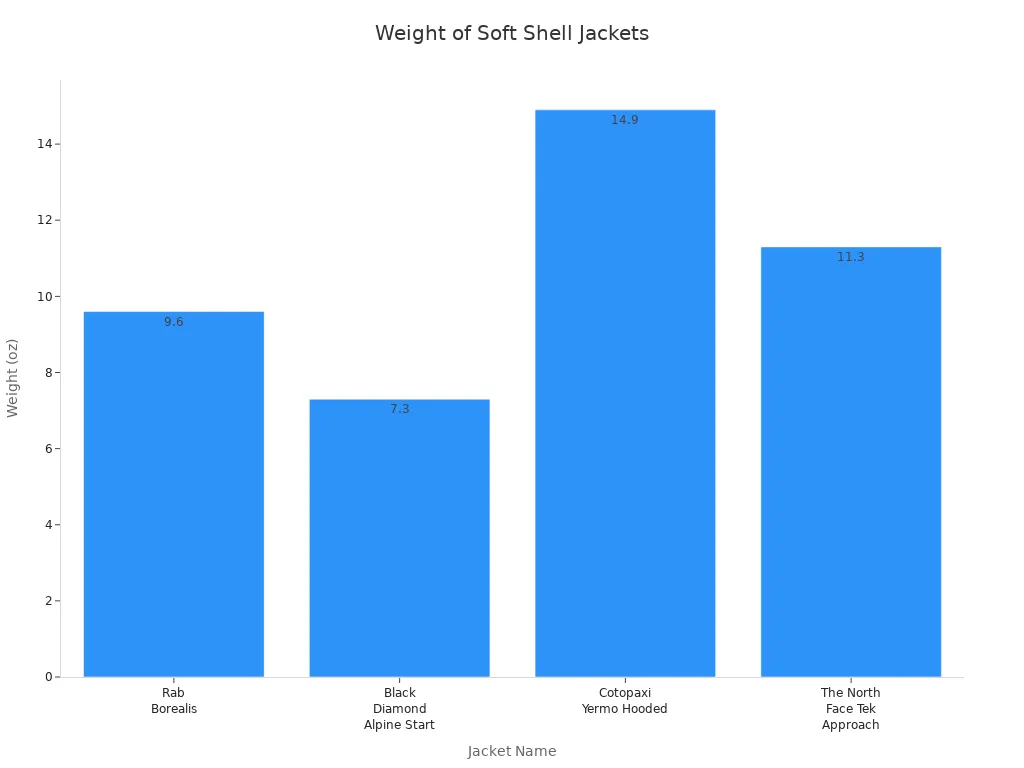
You will notice that some softshell jackets, such as the Black Diamond Alpine Start, pack down very small. This feature makes it easy to carry your jacket when you do not need it. The Rab Borealis and Outdoor Research Ferrosi also offer lightweight designs for hiking and travel.
Softshell jackets are generally heavier and less packable than hardshells and rain jackets.
Lighter options, such as the Rab Borealis, weigh under one pound and suit weight-conscious activities.
The Black Diamond Alpine Start packs down to the size of a piece of fruit, making it easy to store.
If you plan long hikes or travel, choose a soft shell jacket that balances weight, durability, and packability. You will appreciate a jacket that fits in your bag and does not add bulk. Always check the weight and packability features before you buy.
Tip: For fastpacking or ultralight travel, select a softshell that packs down small and weighs less than one pound. You will move faster and stay comfortable.
Style & Color
Style and color play a big role in how you wear your softshell. You want a jacket that matches your personality and fits different settings. Many softshell jackets come in a wide range of colors, from classic black to bright blue or red. You can choose a style that stands out or blends in.
Softshell jackets are versatile and work for both casual and professional settings.
Layering your jacket can create a polished look and add insulation.
Custom jackets allow you to personalize your style and support corporate branding.
Waterproof options suit urban lifestyles, combining practicality with modern design.
Insulated softshell jackets keep you warm and stylish in colder months.
Pairing your jacket with athleisure wear gives you a sporty and upscale vibe.
Accessories, such as hats or gloves, enhance your overall style and complement your jacket.
You can express your style with the best softshell jackets. Choose colors and designs that fit your needs and reflect current outdoor fashion trends. Whether you want a bold look or a classic style, you will find a softshell that matches your taste.
Note: Select a jacket color that suits your activity and environment. Bright colors improve visibility outdoors, while neutral tones work well for everyday wear.
Comparing Soft Shell Jackets to Other Types
Soft Shell vs. Hard Shell
When you compare softshell jackets to hard shell jackets, you notice big differences in performance and comfort. Hard shells use waterproof materials and sealed seams. You rely on them in heavy rain or snow. Softshell jackets focus on breathability and flexibility. You choose them for aerobic activities like climbing or skiing.
Here is a table that highlights the main differences:
Feature | Hard Shell Jackets | Soft Shell Jackets |
|---|---|---|
Waterproof | Yes | No (water-resistant) |
Breathability | Limited (depends on layering) | High |
Intended Use | Heavy rain and snow | Aerobic activities (e.g., skiing, climbing) |
Weight | Generally heavier | Generally lighter |
Stretchability | Limited | High |
Temperature Control | Can conduct cold if not layered properly | Wicks sweat and keeps warmer |
You pick a hard shell when you expect wet weather and need full protection. You reach for a softshell when you want comfort, movement, and breathability during active pursuits. If you hike in dry, windy conditions, the best softshell jackets keep you comfortable and dry.
Tip: For high-output activities in mild weather, a softshell jacket offers better comfort and flexibility than a hard shell.
Soft Shell vs. Fleece
You may wonder how a softshell compares to a fleece jacket. Fleece jackets excel at providing warmth and comfort. You use them as mid-layers for skiing or snowboarding. Fleece comes in different thicknesses, so you can customize your warmth level. The softshell jacket offers moderate insulation and prioritizes breathability and weather protection.
Fleece jackets are ideal as mid-layers for added warmth during activities like skiing or snowboarding.
They come in various thicknesses, allowing for customization based on individual warmth needs.
Softshell jackets offer moderate insulation and prioritize breathability and weather protection.
Fleece jackets excel in providing warmth and comfort, often used as mid-layers.
Fleece jackets are generally warmer than softshell jackets, which are better for active pursuits in cool conditions.
Fleece jackets provide warmth without bulk, making them versatile for layering.
They are made from soft, insulating fabric, ideal for colder conditions.
You choose a fleece when you need extra warmth and comfort. You select a softshell when you want protection from wind and light rain while staying active. Layering a fleece under a softshell jacket gives you the best of both worlds.
Soft Shell vs. Insulated
You face a choice between a softshell and an insulated jacket for winter sports. Softshell jackets are breathable and suit active skiing or hiking. Insulated jackets provide warmth and work better in cold conditions, especially when you sit still on a chairlift.
Here is a table that compares the advantages and disadvantages:
Jacket Type | Advantages | Disadvantages |
|---|---|---|
Soft Shell Jackets | – Less waterproof than hard shells. | |
– Can be worn as an outer layer on warmer days. | – May not provide enough warmth in very cold conditions. | |
Insulated Jackets | – Provides warmth, especially in cold conditions. | – Not always fully waterproof. |
– Retains heat even when sitting still on a chairlift. | – Can be bulkier than soft shells, affecting mobility. | |
– Cost-effective as they reduce the need for multiple layers underneath. | – May compromise on breathability compared to soft shells. |
You pick a softshell for breathability and movement. You choose an insulated jacket for warmth and comfort in freezing temperatures. Insulated jackets may feel bulky and less breathable, but they keep you warm when you stop moving.
Note: If you want a jacket for active winter sports, a softshell gives you mobility and moisture management. For cold, stationary activities, insulated jackets provide better warmth.
Pros & Cons
When you consider a softshell for your outdoor adventures, you need to weigh the advantages and disadvantages. Understanding these points helps you decide if a soft shell jacket fits your needs or if another type of outerwear works better.
Pros of Softshell Jackets
Breathability: You stay comfortable during high-output activities because softshells allow air to flow and moisture to escape. This feature prevents overheating and keeps you dry.
Flexibility: The stretch fabric lets you move freely. You can climb, hike, or cycle without feeling restricted.
Versatility: You use a softshell for many activities, from hiking and skiing to everyday wear. The design adapts to changing conditions.
Comfort: Softshells often include a soft lining. You feel cozy and warm during cool weather.
Lightweight: You pack your jacket easily. The low weight suits travel and fast-paced adventures.
Wind Resistance: Most softshells block wind effectively, helping you stay warm in breezy conditions.
The main advantages of softshell jackets include their breathability and flexibility, making them suitable for various activities. However, they are often criticized for their lack of waterproofing and warmth compared to traditional hard shell jackets. For instance, Jackson Buscher, a video producer and former ski patroller, highlights their forgiving stretch and ease of temperature regulation during activities like skiing, while noting that they are less protective against the elements than hard shells.
Cons of Softshell Jackets
Limited Waterproofing: You get water resistance, not full waterproof protection. Softshells struggle in heavy rain or prolonged wet conditions.
Moderate Warmth: You may need extra layers in cold weather. Softshells do not provide as much insulation as down or synthetic jackets.
Durability in Harsh Conditions: You notice that softshells wear out faster than hard shells if you use them in rough environments.
Price Range: Some high-performance softshells cost more than basic fleece or rain jackets.
Quick Comparison Table
Feature | Softshell | Hard Shell | Fleece |
|---|---|---|---|
Breathability | Excellent | Moderate | Good |
Waterproofing | Limited | Full | None |
Flexibility | High | Low | High |
Warmth | Moderate | Low | High |
Weight | Light | Moderate | Light |
Versatility | High | Moderate | Moderate |
You should choose a softshell when you value breathability, flexibility, and comfort. If you expect heavy rain or extreme cold, you may want to consider a hard shell or insulated jacket instead. Always match your outerwear to your activity and environment for the best results.
Matching Features to Activities

Everyday & Urban
You want a softshell that fits seamlessly into your daily routine. For city life and casual outings, comfort and style matter as much as performance. Many people choose softshell jackets for their lightweight feel and modern look. You can wear them while commuting, running errands, or meeting friends. The stretchy fabric lets you move easily, whether you ride a bike or walk to work.
Consumer feedback highlights several features that stand out for everyday and urban use:
Weather resistance keeps you dry during sudden showers.
Breathability ensures you stay comfortable, even when you rush between activities.
Comfort comes from the flexible material, which allows for natural movement.
Style matters, so many jackets feature sleek designs that look great in any setting.
Adaptability means you can use your jacket for both work and play.
Softshell jackets work well for urban commuting because they are light and easy to pack. You can rely on them for unpredictable weather and active days in the city.
Hiking & Trekking
When you head out for a hike or trek, you need a softshell jacket that balances protection and comfort. Experts recommend focusing on several key features to get the most from your outdoor gear.
Feature | Description |
|---|---|
Material and Fabric | Affects breathability and weather resistance of the jacket. |
Fit | Active fit aids dynamic movements; mountain fit is better for layering. |
Hood | Options for hoods, including helmet compatibility. |
Pockets | Placement indicates the intended use of the jacket. |
Other Features | Adjustable cuffs and drawcords are also important considerations. |
You should look for a jacket made from breathable materials that shed light rain and block wind. An active fit lets you move freely on steep trails. If you plan to hike in changing weather, a hood adds extra protection. Pockets placed higher on the jacket stay accessible when you wear a backpack. Adjustable cuffs and drawcords help you seal out the elements and fine-tune your fit. These features make your softshell a reliable choice for outdoor activities in the mountains or on local trails.
Climbing & Mountaineering
Climbing and mountaineering demand a softshell that supports movement and adapts to tough conditions. You need a jacket that breathes well during high-output climbs. Water resistance helps when you face sudden changes in weather. The ability to layer is crucial, so you can add or remove insulation as needed.
Professionals in these sports look for:
Excellent breathability to keep you cool on intense ascents.
Water resistance that matches the demands of your environment.
A design that allows for full range of motion, so you can reach and stretch without restriction.
Features like helmet-compatible hoods and easy-to-access pockets, which make your jacket practical for technical climbs.
You should always check if your softshell jacket fits over your climbing gear and if the pockets remain usable with a harness. These details help you stay focused on your climb, not your clothing. For mountaineering, a soft shell jacket gives you the flexibility and comfort you need to tackle challenging routes and changing weather.
Cycling & Running
You need a softshell that keeps up with your pace when you cycle or run outdoors. The right softshell jacket helps you stay comfortable and protected in changing weather. You want a jacket that blocks wind, manages moisture, and allows you to move freely. Many cyclists and runners choose softshells because they combine technical features with lightweight design.
The best softshell jackets for cycling and running include several design elements that improve performance and safety. Take a look at the table below to see what matters most:
Design Element | Description |
|---|---|
Wind Resistance | Fabric composition provides maximum wind protection, essential for cycling and running. |
Moisture-Wicking Properties | Allows moisture to escape, keeping you dry during physical activity. |
Micro Fleece Interior | Offers additional warmth, enhancing comfort in cooler weather conditions. |
4-Way Stretch Side Panels | Ensures maximum functionality and range of motion, crucial for active movements. |
Extended Back Panel | Improves fit while in an aggressive cycling posture, enhancing comfort during rides. |
Snug Collar | Provides extra protection against the elements, ensuring comfort in variable weather. |
Reflective Piping | Enhances visibility in low light situations, important for safety during outdoor activities. |
You benefit from wind resistance and moisture-wicking properties when you ride or run in cool or damp conditions. The micro fleece interior adds warmth without bulk. Four-way stretch side panels let you move your arms and shoulders easily. An extended back panel keeps your lower back covered when you lean forward on your bike. A snug collar blocks drafts and rain. Reflective piping increases your visibility during early morning or evening workouts.
Tip: Choose a softshell jacket with reflective details if you run or cycle in low light. You stay safer and more visible to others.
You should look for a softshell that fits close to your body but does not restrict movement. Many brands design cycling and running jackets with longer sleeves and backs for better coverage. You can layer a lightweight base under your softshell for extra comfort. The right jacket helps you focus on your activity, not the weather.
Work & Travel
You need a softshell jacket that supports you through long workdays and travel adventures. Many professionals and travelers prefer softshells because they offer comfort, durability, and weather protection. You want a jacket that stands up to daily use and adapts to different environments.
Occupational safety guidelines highlight several features that make softshell jackets ideal for work and travel. The table below shows what you should look for:
Feature | Description |
|---|---|
Weather resistance | Offers protection against wind and rain, with options for insulation and breathability. |
Durability | Made from tough fabrics to resist wear and tear, ensuring longevity and protection. |
Comfort & fit | Designed for ease of movement with adjustable elements for layering and comfort during long shifts. |
Customization zone | Areas designated for logos that do not interfere with safety features, maintaining compliance. |
You benefit from weather resistance when you work outdoors or travel in unpredictable climates. Durable fabrics protect you from scrapes and wear. Adjustable cuffs, hems, and hoods help you stay comfortable during long shifts or flights. Many softshell jackets include zones for company logos, so you can personalize your gear without losing safety features.
Note: Pick a softshell jacket with reinforced seams and tough zippers if you need extra durability for work or travel.
You should choose a softshell that fits well over your work clothes or travel layers. Many jackets offer relaxed fits for easy layering. Breathable materials keep you comfortable during long hours. You can rely on a softshell for protection and comfort whether you work outside or travel across different regions.
How to Try On & Compare Softshell Jackets
In-Store vs. Online
You face two main options when you want to buy a softshell. Shopping in-store lets you try on different models and check the fit right away. You can move your arms, zip up the jacket, and feel the fabric. Store staff can answer your questions and help you compare features. You also see the colors and details in person.
Online shopping gives you access to a wider range of softshell jackets. You can read reviews, compare prices, and find deals. Many brands offer free returns, so you can order several sizes and send back what does not fit. Always check the return policy before you buy.
Shopping Method | Advantages | Disadvantages |
|---|---|---|
In-Store | Immediate fit testing, expert help | Limited selection, travel time |
Online | More options, easy price checks | No instant fit check, shipping |
Tip: If you shop online, measure your chest, waist, and arms. Use the brand’s size chart for the best fit.
Fit Testing
You need to test the fit of your softshell before you buy. Start by wearing the layers you plan to use under your soft shell jacket. Zip up the softshell and move your arms overhead. Bend, twist, and reach forward. The jacket should not pull or feel tight. Check the sleeves. They should cover your wrists, even when you stretch.
Look at the hem. It should sit below your waist and not ride up. If your softshell jacket has a hood, pull it up and turn your head. Make sure you can see and move easily. Try the pockets. See if you can reach them while wearing a backpack or harness.
Move your arms and shoulders in all directions.
Sit down and squat to check comfort.
Test the zippers and adjust the cuffs.
Note: A good fit means you stay comfortable during any activity. You avoid chafing and keep your range of motion.
Quality Checks
You want your softshell to last through many adventures. Check the stitching. Seams should look even and strong. Tug gently on the fabric to see if it stretches and returns to shape. Inspect the zippers. They should glide smoothly and not catch. Look for reinforced areas on the elbows and shoulders. These spots wear out first.
Check the water resistance by sprinkling a few drops on the surface. The water should bead up and roll off. If your softshell jacket has adjustable cuffs, hem, or hood, test these features. Make sure they work well and feel sturdy.
Here is a quick checklist for quality:
Strong, even stitching
Smooth zippers
Reinforced high-wear areas
Water beads on the surface
Adjustable features work well
Callout: High-quality softshell jackets give you better performance and last longer. Always inspect your jacket before you buy or keep it.
Care & Maintenance
Cleaning Tips
You keep your softshell looking and performing its best by following proper cleaning steps. Dirt and sweat can clog the fabric and reduce breathability. Always check the care label before you wash your softshell. Most softshell jackets require gentle machine washing with cold water. Use a mild detergent that does not contain bleach or fabric softeners. These chemicals can damage the water-repellent coating.
Follow these steps for easy cleaning:
Zip all pockets and close all fasteners.
Turn the softshell inside out.
Wash on a gentle cycle with cold water.
Skip the dryer. Hang your jacket to air dry.
Tip: You can restore water resistance by using a spray-on or wash-in DWR treatment after several washes.
Storage
Proper storage helps your softshell last longer. You should avoid stuffing your jacket into a tight space for long periods. This can damage the fabric and reduce its performance. Hang your softshell on a wide hanger in a cool, dry closet. Make sure the jacket is clean and completely dry before you store it.
Here is a quick checklist for storing your softshell:
Hang on a sturdy hanger.
Keep away from direct sunlight.
Store in a dry, well-ventilated area.
Avoid folding or compressing for long periods.
Note: If you travel often, roll your softshell loosely instead of folding it tightly. This helps prevent creases and fabric stress.
Repairs & Warranty
You may notice small tears or worn areas after heavy use. You can fix minor damage with a patch kit or fabric glue. For larger repairs, contact the manufacturer or a professional outdoor gear shop. Many brands offer warranties for their softshell jackets. Check the warranty policy before you buy. Some companies cover repairs for defects or normal wear.
Repair Type | Solution | Warranty Coverage |
|---|---|---|
Small tear | Patch kit or fabric glue | Sometimes included |
Broken zipper | Professional repair recommended | Often covered |
Worn DWR finish | Reapply DWR treatment | Not covered |
Callout: Register your softshell jacket with the brand if possible. This makes warranty claims easier and helps you track repair options.
Taking care of your softshell ensures you get the best performance and longest life from your jacket. Regular cleaning, smart storage, and timely repairs keep your gear ready for every adventure.
You can pick the perfect soft shell jacket by focusing on your main activity, local climate, and budget. Always try on different softshell jackets in person to check comfort and performance. Pay attention to stitching quality, zipper functionality, and fabric durability. Fit varies between brands, so align your body shape with brand sizing. When you prioritize these steps, you feel confident in your choice and enjoy every adventure.
Quick Checklist for Final Selection:
Try on several softshell jackets
Check stitching and zippers
Assess fabric quality
Ensure comfort and fit
Tip: A well-chosen softshell supports you in any weather and activity.
FAQ
What is the difference between a softshell and a hardshell?
You get more breathability and flexibility with a softshell. Hardshells offer better waterproof protection. Choose a softshell for active movement and mild weather. Pick a hardshell for heavy rain or snow.
Can you wear a softshell in the rain?
You can wear a softshell in light rain. The fabric repels water for short periods. For heavy or prolonged rain, switch to a waterproof jacket.
How do you clean a softshell?
Always check the care label. Wash your softshell in cold water with mild detergent. Zip pockets and hang it to dry. Avoid bleach and fabric softeners.
Is a softshell warm enough for winter?
A softshell provides moderate warmth. You should layer with a base and mid-layer for cold conditions. For freezing temperatures, add an insulated jacket.
What activities suit a softshell best?
Activity | Suitability |
|---|---|
Hiking | Excellent |
Climbing | Excellent |
Cycling | Good |
Running | Good |
Everyday Use | Good |
You get the best results in active outdoor sports and daily wear.
How do you know if a softshell fits well?
You should move your arms and shoulders freely. The hem should cover your waist. Sleeves must reach your wrists. Try on your softshell with layers to check comfort.