
5 Steps to Global Convenience Store Uniform OEM Delivery
Table of Contents
Display
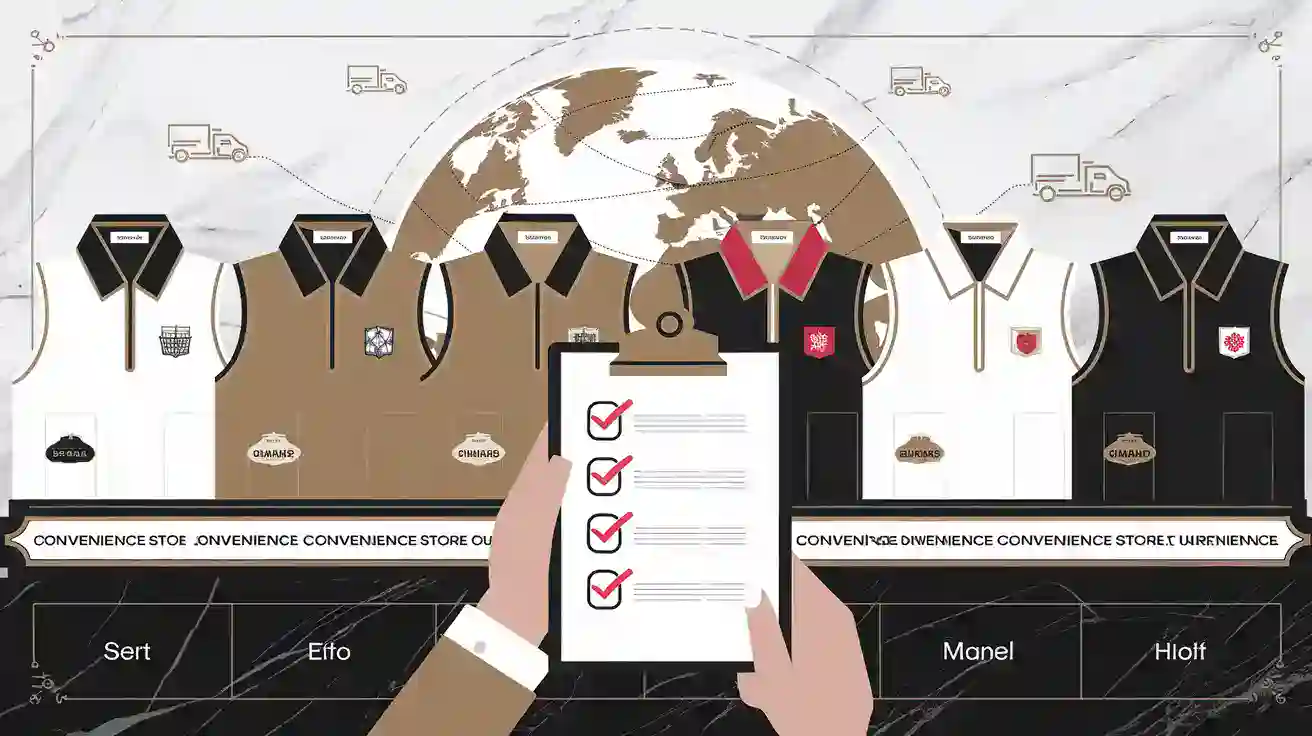
I see global convenience store operators demand uniforms that enhance brand identity while supporting a seamless shopping experience. OEM delivery offers advantages over ready-made uniforms:
Efficient manufacturers keep fabric utilization rates above 85%.
Consolidated shipping for MOQs under 1,000 units can cut logistics expenses by 30%.
VAT differences between countries affect final landed costs.
I rely on pre-production samples and digital platforms for quality assurance. Third-party inspections at key stages protect consistency and durability. Optimizing the supply chain and inventory management drives cost savings and efficiency.
Key Takeaways
Assess your uniform needs carefully. Tailor OEM uniforms to fit your brand and operational requirements for better flexibility.
Choose durable and functional materials. Opt for moisture-wicking and stain-resistant fabrics to keep employees comfortable and professional.
Involve employees in the design process. Their feedback can enhance satisfaction and ensure the uniforms reflect the company’s values.
Maintain consistency across all locations. Uniform standards build trust and strengthen your brand’s reputation in the market.
Prioritize sustainability in your choices. Eco-friendly materials not only reduce environmental impact but also appeal to conscious consumers.
Implement strict quality control measures. Set benchmarks and conduct inspections to ensure uniforms meet your standards.
Utilize technology for efficient inventory management. Real-time tracking helps prevent shortages and ensures timely delivery.
Establish strong partnerships with suppliers. Good communication and collaboration enhance the quality and efficiency of your uniform delivery.
Needs Assessment
Assessing needs forms the foundation of a successful uniform OEM program for any global convenience store. I always start by distinguishing between OEM and ready-made uniforms. OEM uniforms allow me to tailor every detail to the brand and operational requirements. Ready-made options often lack flexibility and may not support the unique demands of retail environments.
Uniform Requirements
Store Operations
I focus on how uniforms support daily retail operations. Clean, classic, and durable uniforms help team members look professional and approachable. I select functional designs that make it easy for customers to identify staff quickly. Cost-effectiveness remains essential because retail turnover rates are high. I choose moisture-wicking materials and stain-resistant fabrics to keep employees comfortable and presentable throughout long shifts. Easy-care options simplify laundry and maintenance, which is vital for stores operating in regions with varying weather conditions.
Clean and classic appearance
Durable construction for daily wear
Functional design for quick staff identification
Moisture-wicking and stain-resistant fabrics
Easy-care options for different climates
I also consider uniform policies. Most retail chains provide uniforms free of charge when hiring new staff. If a shirt becomes stained or torn, I arrange for a replacement at no cost. When an employee leaves, I deduct the cost from their last paycheck if they do not return the uniform.
Regional Needs
Uniforms must adapt to local climates and cultural expectations. I adjust fabric weights and styles to suit hot, humid, or cold regions. I also respect local customs and regulations, ensuring every uniform fits the community’s standards.
Branding
Logo & Colors
Branding drives customer recognition in retail. I work closely with design teams to ensure uniforms reflect the brand’s aesthetic and values. Strategic logo placement and consistent use of brand colors create a cohesive look across all locations. I select colors that stand out in busy retail environments and reinforce the brand’s identity.
Brand expression through design
Strategic logo placement for visibility
Consistent color usage for cohesive appearance
Consistency
Consistency matters for retail chains operating in multiple regions. I maintain uniform standards so every store presents the same professional image. This approach builds trust and strengthens the brand’s reputation.
Compliance
Safety Standards
Safety remains a top priority in retail. I verify that uniforms meet local and international safety standards. I select flame-retardant or high-visibility materials when required. I also ensure uniforms comply with health codes and labor regulations.
Sustainability
Sustainability shapes my decisions in retail uniform programs. I choose eco-friendly fabrics and partner with suppliers who follow responsible manufacturing practices. This commitment supports the brand’s values and appeals to environmentally conscious customers.
Tip: A thorough needs assessment reduces costs, improves branding, and ensures compliance. I always revisit requirements before launching a new uniform program for any global convenience store.
Design & Prototyping
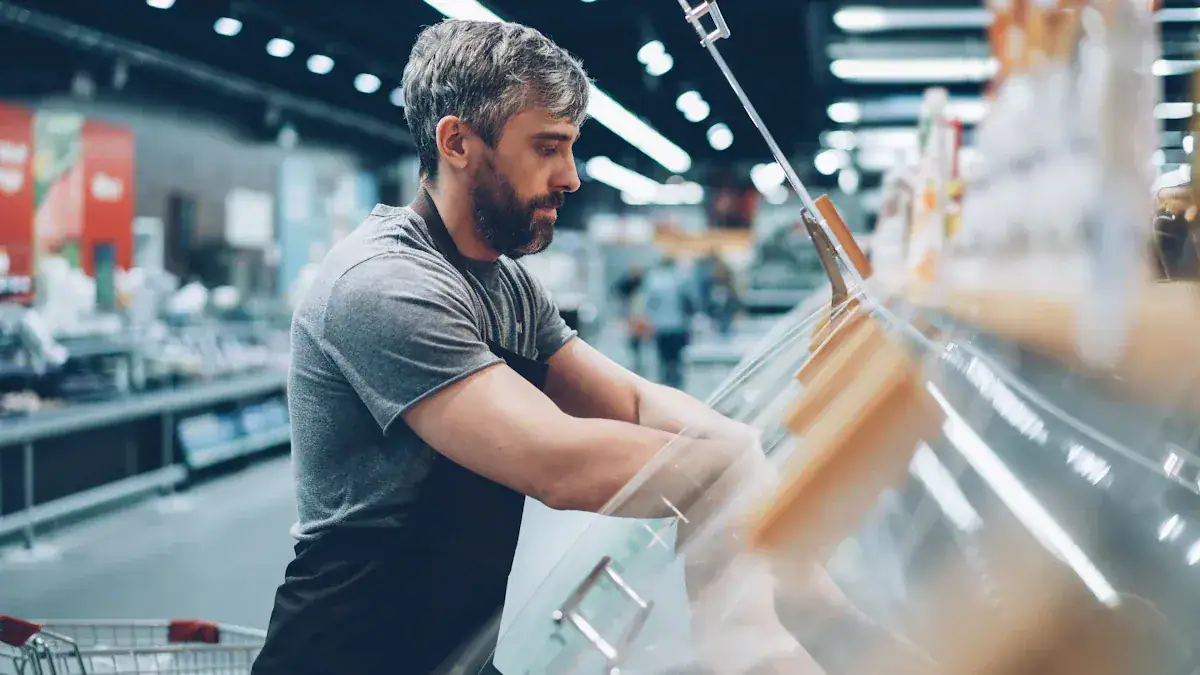
Creating a unique uniform program for a global convenience store starts with a strong design process. I believe customization sets the tone for brand identity and employee satisfaction. I always focus on collaboration and creativity to ensure every uniform reflects the company’s values.
Design Process
Collaboration
I involve employees in the design phase. Their feedback shapes the final look and feel of the uniforms. This approach increases satisfaction and compliance. Employees feel a sense of unity and belonging when they help select their workwear. I also consult with design teams and suppliers to balance creativity with practicality.
A well-designed uniform expresses company identity and fosters togetherness among staff.
Involving employees in selection enhances satisfaction and compliance.
Uniforms create unity, aligning employees with brand values and boosting team spirit.
Brand Identity
I use the design process to reinforce brand identity. Strategic logo placement and consistent color choices make the brand stand out. Generic uniforms can convey mediocrity, which affects customer perception and employee morale. I avoid this by tailoring every detail to the brand’s image.
Create a budget for the uniform program.
Consult employees for input and feedback.
Get creative with design elements.
Find a trusted supplier who understands brand needs.
Make uniforms more than just workwear—they become part of the brand story.
Material Choice
Durability
Selecting the right materials ensures uniforms last through daily wear. I source quality fabrics that meet client specifications for durability and comfort. This step protects the investment and keeps employees looking professional.
Sustainability
Sustainability guides my material choices. I prefer organic cotton, recycled polyester, bamboo, hemp, lyocell, recycled cotton, and linen. These options promote resource conservation and reduce environmental impact. I support ethical practices and energy-efficient production. Eco-friendly uniforms enhance the corporate image and attract eco-conscious customers.
Material | Description |
|---|---|
Organic Cotton | Grown without synthetic pesticides or fertilizers, promoting healthier ecosystems. |
Recycled Polyester | Made from recycled plastic bottles, reducing landfill waste. |
Bamboo | Grows quickly with minimal water, offering biodegradable properties. |
Hemp | Requires little water and no pesticides, producing strong fabric. |
Lyocell (TENCEL™) | Made from sustainably sourced wood pulp, soft and biodegradable. |
Recycled Cotton | Utilizes post-consumer waste, conserving resources. |
Linen | Derived from flax plants, low environmental impact, strong and breathable. |
Promotes resource conservation with renewable or recycled materials.
Reduces environmental impact through lower resource consumption.
Supports ethical practices and fair labor conditions.
Enhances corporate image for eco-conscious customers.
Encourages innovation in sustainable uniform technologies.
Tip: Adopting sustainable workwear practices aligns with consumer values and regulatory demands. Eco-friendly uniforms improve brand image and attract both clients and employees.
Prototyping
Sample Review
I always request samples before full-scale production. The prototyping process lets me evaluate and refine designs. I check that every detail matches brand specifications and quality standards.
Prototyping allows for design evaluation and refinement.
Quality materials ensure durability and comfort.
The process guarantees alignment with brand standards.
Feedback
I gather feedback from employees and management after reviewing samples. Their input helps me make final adjustments. This step ensures the uniforms meet operational needs and brand expectations.
Manufacturing & Quality
Production
Planning
I always start with detailed planning when I work with oems for global convenience store uniform programs. I set clear production goals and timelines. I coordinate with manufacturing outsourcing partners to ensure every step aligns with brand standards. I choose suppliers who understand the importance of cost control and efficiency. I use digital platforms to track progress and communicate changes quickly.
Scalability
Scalability matters in oems. I select manufacturing outsourcing partners who can handle both small and large orders. Bulk production helps me secure better pricing and faster turnaround. I negotiate with oems for discounts on orders above 500 units. This approach reduces cost and supports rapid expansion for global convenience store chains.
Tip: I always plan for future growth. Scalable oems solutions allow me to adjust order sizes as store networks expand.
Evidence Type | Details |
|---|---|
Cost Efficiency | Bulk discounts often apply at 500+ units (avg. 15-30% price reduction). |
Technology Impact | Digital printing enables cost-effective logo customization (<$0.50/unit). |
Material Innovation | Adoption of lightweight polyester blends (65%+) for breathability and stain resistance. |
Quality Control
Benchmarks
I set strict benchmarks for every oems project. I define quality standards for stitching, fabric strength, and color consistency. I use digital printing for logos to maintain sharpness and reduce cost. I require suppliers to use lightweight polyester blends for breathability and stain resistance. These benchmarks help me deliver uniforms that meet the demands of global convenience store operations.
Inspections
I schedule inspections at key stages of manufacturing outsourcing. I use third-party inspectors to verify compliance with benchmarks. I check for defects and ensure every uniform matches specifications. I also request RFID tags in premium uniforms to improve inventory management and tracking.
Evidence Type | Details |
|---|---|
Technology Impact | RFID tags are now embedded in 15% of premium uniforms for inventory tracking. |
Supply Chain Roles
Key Players
I work with a network of oems, logistics providers, and manufacturing outsourcing partners. Each player has a clear role in the supply chain. I coordinate with suppliers to source materials and schedule production. I rely on logistics experts to manage shipping and customs. This teamwork ensures smooth delivery for global convenience store uniform programs.
Inventory
Inventory management drives success in oems delivery. I use digital systems to monitor stock levels and prevent shortages. I track every uniform from production to store delivery. Accurate inventory management helps me avoid oversupply and losses. I ensure stores always have the right uniforms available.
Evidence | Explanation |
|---|---|
Effective inventory control enhances operational performance | This indicates that proper management leads to better overall operations, crucial for timely oems uniform delivery. |
Accurate monitoring and regulation of stock levels | This helps prevent oversupply and losses, ensuring that convenience stores have the right uniforms available when needed. |
Ensuring adequate supplies mitigate risks | This prevents understocking, which can lead to unfulfilled customer needs, directly impacting the success of uniform delivery. |
Note: Strong inventory management supports cost savings and reliable delivery. I always invest in technology to improve tracking and forecasting.
Delivery & Distribution
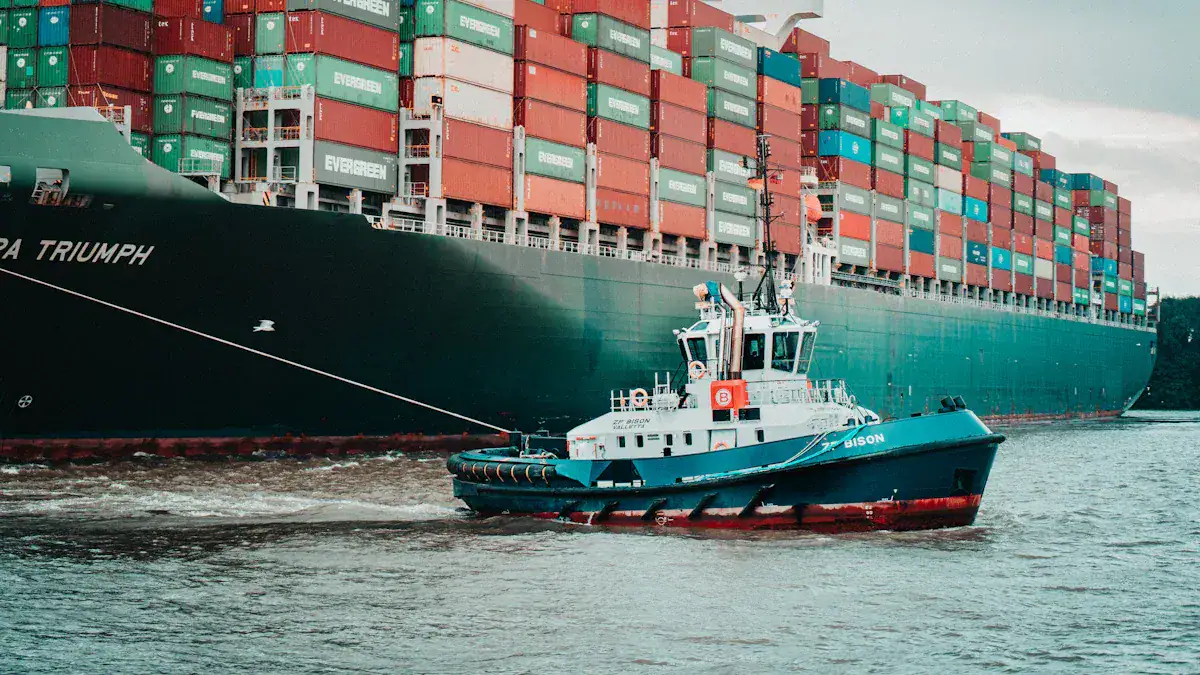
Efficient delivery and distribution play a critical role in the success of any global convenience store uniform program. I rely on proven strategies to ensure every order reaches its destination on time and in perfect condition. I optimize delivery methods to support multi-location chains and adapt to the demands of international logistics.
Global Delivery
Shipping
I select shipping partners who specialize in handling large uniform orders. I use third-party logistics providers (3PLs) with multiple warehouses to optimize inventory storage and reduce shipping costs. I monitor every shipment to prevent delays, especially during peak seasons. Efficient inventory management and data analytics help me avoid stockouts and ensure timely delivery. Last-mile delivery remains crucial for enhancing customer satisfaction and operational efficiency.
I choose 3PLs with global reach for reliable delivery.
I track shipments using digital platforms for real-time updates.
I prioritize last-mile delivery to meet store-level needs.
Timelines
I plan every order with clear timelines. Sampling for standard designs takes about 7-15 days. Bulk production for orders between 500 and 5,000 units averages 30-45 days. Some suppliers can expedite urgent orders, responding within hours. I always expand my freight timeline to allow for customs clearance, shipping at least 10-14 days before the event. Optimizing delivery processes helps me address challenges and improve sales growth.
Tip: I always communicate expected delivery dates to store managers, helping them plan for new staff onboarding and uniform changes.
Customs
Documentation
I prepare accurate documentation for every international shipment. I include a pro forma invoice with detailed item descriptions and values. My packing list matches every crate or pallet. I provide a certificate of origin when required. For temporary imports, I use ATA Carnet documentation to avoid customs duties. I grant power of attorney to my freight forwarder to streamline the process.
I partner with local experts to navigate regulations.
I budget for import costs and discuss tax scenarios with my freight forwarder.
Duties
I account for customs duties in every order. I discuss tax scenarios with my logistics partners to avoid unexpected costs. I always allow extra time for customs clearance, preventing delays in delivery. I ship orders early to ensure uniforms arrive before store openings or seasonal changes.
Omnichannel Fulfillment
Multi-Location
I use centralized inventory management to support multi-location delivery. This system gives me a real-time view of stock across all stores, optimizing logistics and reducing stockouts or overstocking. I fulfill orders from any channel, maximizing inventory turnover and customer satisfaction.
Tracking
I rely on technology to track and manage uniform deliveries for global convenience store chains. A unified platform lets me monitor sales, track inventory, and make informed decisions across all locations. Real-time data provides instant access to sales and inventory information. I identify trends and address potential issues quickly, optimizing operations for every order.
Feature | Description |
|---|---|
Unified platform | Monitors sales, tracks inventory, and supports decisions for all locations. |
Real-time data | Provides up-to-date information from every store in one central location. |
Trend identification | Helps me spot issues and optimize operations across the chain. |
Note: Omnichannel fulfillment improves customer experience by offering speed, convenience, and flexibility in order fulfillment. Greater order accuracy and integration of multiple sales channels minimize human error and enhance operational performance.
I streamline ordering and logistics to reduce costs and speed up delivery. I maximize efficiency by integrating technology and partnering with experts. These strategies ensure every order supports the brand’s reputation and operational goals.
After-Sales & Feedback
Delivering uniforms is only the beginning. I believe after-sales support and feedback drive continuous improvement for global convenience store uniform programs. My approach ensures every store receives ongoing help, prompt returns, and clear communication. These steps enhance customer experience and keep operations running smoothly.
Support
Returns
I set up a simple returns process for uniforms. If a store receives the wrong size or a defective item, I arrange for quick replacements. I use real-time visibility tools to monitor return requests and track shipments. This system helps me resolve issues fast and maintain high customer experience standards. I keep records of returns to identify patterns and prevent future problems.
Ongoing Help
My support does not end after delivery. I offer ongoing help for inventory replenishment and uniform updates. Store managers contact me through a dedicated portal, where I provide real-time visibility into available stock and delivery timelines. I use tracking systems to follow up on every request. This approach ensures stores never run out of uniforms and supports a consistent customer experience.
Feedback
Surveys
I collect feedback from convenience store staff using several methods. Surveys allow me to gather quantitative data quickly. Employees share their opinions about comfort, durability, and style. I value honest responses because they help me improve the uniform program and customer experience.
Improvement
I analyze feedback to identify areas for improvement. I use real-time visibility to monitor trends and address concerns. My team reviews survey results, suggestion box submissions, and interview notes. I adjust designs, materials, or delivery processes based on what staff need. This cycle of feedback and improvement strengthens customer experience and builds trust.
Method | Description | Strengths | Weaknesses |
|---|---|---|---|
Surveys | Efficient for collecting quantitative data from many employees. | Easy distribution and anonymity encourage honest feedback. | Limited depth of responses. |
Focus Groups | Interactive discussions that reveal deeper insights. | Stimulates ideas through participant interaction. | Time-consuming and may lead to groupthink. |
One-On-One Interviews | In-depth personal conversations for nuanced insights. | Valuable for sensitive topics and individual experiences. | Resource-intensive and may not represent the general workforce. |
Suggestion Boxes | Anonymous submission of ideas and concerns. | Encourages candidness due to anonymity. | Limited feedback scope and no immediate follow-up. |
Note: I rely on multiple feedback channels to ensure every voice is heard and every concern is addressed.
Partnerships
Communication
I build strategic partnerships with OEM suppliers to support uniform quality and delivery. I communicate regularly with partners to share updates and resolve issues. These relationships help me maintain real-time visibility across the supply chain and improve customer experience.
Strategic partnerships create a world-class delivery network.
Improved logistics solutions balance cost and service.
Segmenting inventory by sales volume, part type, and size enhances delivery efficiency.
Updates
I provide frequent updates to store managers and partners. I use tracking tools to share order status and inventory levels. Real-time visibility lets me respond quickly to changes and keep everyone informed. This transparency supports ongoing inventory management and ensures every store receives the uniforms they need.
Omnichannel fulfillment plays a key role in after-sales support. I use centralized systems for tracking and real-time visibility, which helps me replenish inventory and maintain a seamless customer experience. My commitment to feedback and partnerships drives continuous improvement and operational excellence.
I see global convenience store uniform delivery succeed when I follow these five steps. I rely on procurement outsourcing to reduce costs, improve quality, and strengthen brand identity. I use procurement outsourcing to streamline supplier selection and enhance production planning. I trust procurement outsourcing to optimize logistics and support inventory management. I integrate order management systems to track orders and monitor uniform distribution. I depend on procurement outsourcing for after-sales support and continuous improvement. I encourage you to review your current uniform supply chain. Consider adopting procurement outsourcing and order management systems for better results.
Ready to elevate your uniform program? Contact me for expert guidance on procurement outsourcing and order management systems.
FAQ
What is omnichannel fulfillment in convenience store uniform delivery?
I use omnichannel fulfillment to manage uniform orders across multiple sales channels. This approach lets me deliver uniforms to stores, warehouses, and direct to employees. Omnichannel fulfillment improves speed, accuracy, and customer satisfaction.
How does outsourcing benefit my uniform program?
Outsourcing allows me to work with specialized partners for production, logistics, and fulfillment. I reduce costs, improve efficiency, and access advanced technology. Outsourcing also helps me scale operations quickly for global convenience store chains.
Why is omnichannel important for inventory management?
I rely on omnichannel systems to track inventory in real time. Omnichannel lets me monitor stock levels at every location. This visibility helps me prevent shortages and overstocking, ensuring every store receives uniforms when needed.
How do I ensure quality during fulfillment?
I set strict benchmarks for every fulfillment process. I use third-party inspections and digital platforms for real-time tracking. I check every order for accuracy before shipping. These steps guarantee high-quality uniforms reach every store.
What role does omnichannel play in returns and exchanges?
Omnichannel fulfillment supports easy returns and exchanges. I offer centralized portals for stores to request replacements. Omnichannel systems let me track every return, process exchanges quickly, and maintain consistent inventory across all channels.
Can omnichannel fulfillment handle multi-location delivery?
I design omnichannel fulfillment solutions for multi-location convenience store chains. I use centralized inventory management and real-time tracking to coordinate deliveries. Omnichannel fulfillment ensures every store receives uniforms on time, no matter the location.
How does outsourcing impact fulfillment speed?
Outsourcing streamlines fulfillment by leveraging expert partners. I reduce lead times and improve delivery speed. Outsourcing partners use advanced logistics systems and omnichannel strategies to optimize every step of the fulfillment process.
What technology supports omnichannel fulfillment?
I use unified platforms for omnichannel fulfillment. These systems provide real-time tracking, inventory management, and order processing. Omnichannel technology helps me identify trends, address issues, and improve overall fulfillment performance.