

How to Decide Which Trekking Pants Are Right for You
Table of Contents
Display
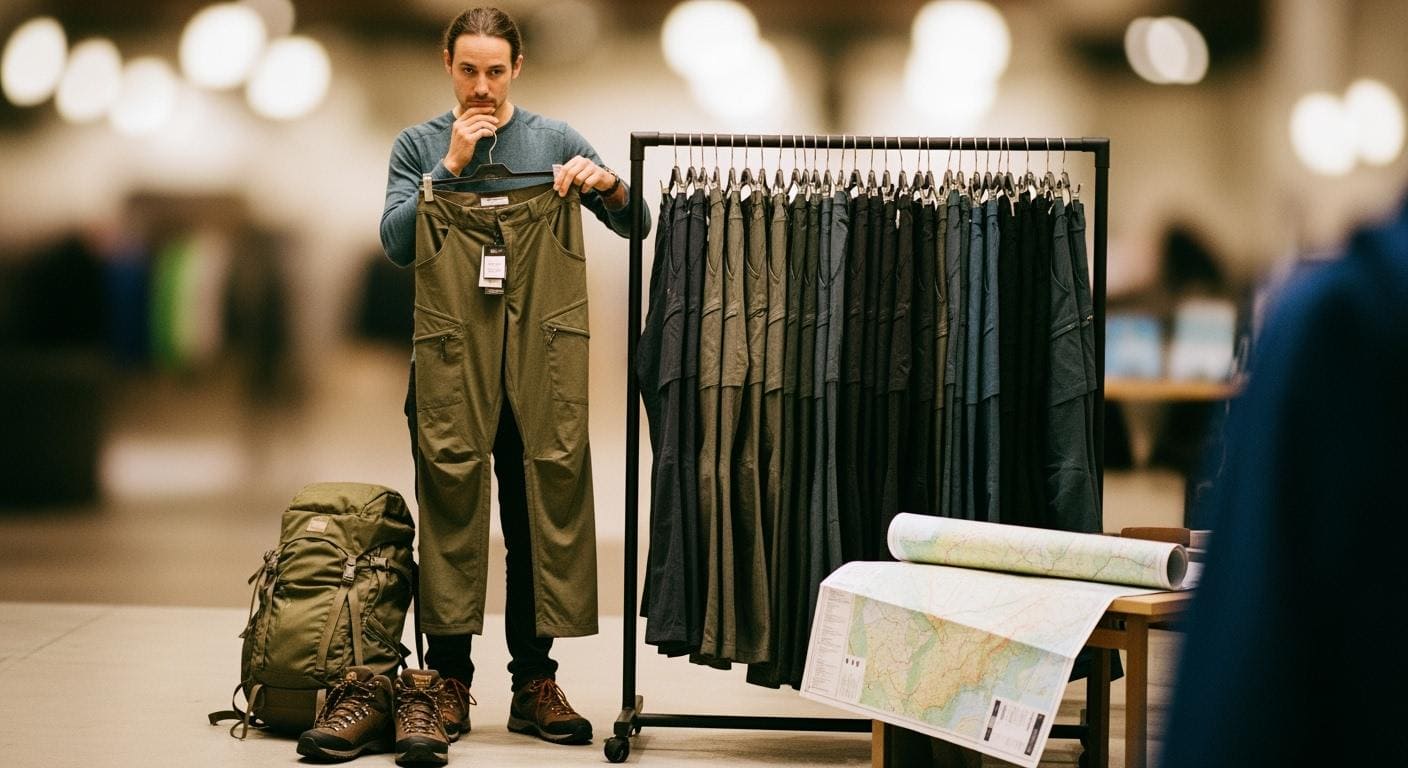
The right trekking pants depend on your hiking environment, weather, and comfort needs. You need to think about the climate, terrain, and season before you choose hiking pants. Outdoor enthusiasts often select hiking pants that offer insulation and weather resistance because different climates require special features. Materials like synthetic fabrics provide moisture-wicking and quick-drying benefits, which help you stay comfortable during trekking. Your trip length and activity level also influence which pants work best. This guide walks you through each step so you can find the best hiking pants for your adventure.
Key Takeaways
Consider the weather conditions before choosing trekking pants. Hot weather requires breathable fabrics, while cold weather needs insulation.
Select pants based on the terrain. Rocky trails need durable materials, while forested areas benefit from tighter weaves for protection.
Choose lightweight, moisture-wicking fabrics like polyester or nylon for comfort during long hikes. Avoid cotton as it retains moisture.
Look for features like articulated knees and gusseted crotches to enhance mobility and comfort while hiking.
Check for water resistance ratings. Pants with DWR coatings keep you dry during unexpected rain showers.
Test the fit of hiking pants by moving around. Ensure they allow freedom of movement without pinching or dragging.
Consider additional features like UPF protection for sun safety and insect repellent treatments for bug protection.
Always pack a lightweight rain shell for extra protection in wet conditions, even if your pants are water-resistant.
Hiking Conditions
Choosing the right hiking pants starts with understanding the conditions you will face on your trek. You need to think about the weather, terrain, season, and how long you plan to hike. Each of these factors affects what features and materials you should look for in the best hiking pants.
Weather & Climate
Weather can change quickly in many popular hiking regions. You should always check the forecast before heading out. The table below shows some of the most common weather conditions hikers encounter:
Weather Condition | Description |
|---|---|
Snow | Snowfall can occur in any month, especially in northern regions, and can be heavy in higher elevations. |
Hypothermia | Cold rain can lead to hypothermia, especially when combined with wind, even in above-freezing temperatures. |
Heat | Hot and humid conditions are prevalent in summer, leading to risks of heat-related illnesses like heat exhaustion and heat stroke. |
Hot Weather
When you hike in hot weather, you want hiking pants that offer breathability and moisture-wicking. Lightweight fabrics help sweat evaporate and keep you cool. Look for pants with mesh panels or zippered vents. These features improve airflow and comfort.
Cold Weather
Cold conditions require hiking pants that provide insulation and block wind. You should choose pants with a thicker material or a fleece lining. Some hiking pants have wind-resistant layers that help keep you warm. Layering with thermal leggings under your pants can add extra warmth.
Wet Conditions
Rain and wet trails demand water-resistant or waterproof hiking pants. A durable water repellent (DWR) coating helps keep you dry while allowing sweat to escape. Quick-drying materials are important because they prevent discomfort and reduce the risk of hypothermia.
Tip: Always pack a lightweight rain shell if you expect wet weather. Even the best hiking pants may need extra protection in heavy rain.
Terrain Types
Different terrains require different features in hiking pants. You should match your pants to the trails you plan to hike.
Rocky Trails
Rocky trails can tear or snag thin fabrics. You need hiking pants made from durable materials like reinforced nylon. Articulated knees and gusseted crotches improve movement and prevent rips.
Forested Areas
Forested trails often have branches, thorns, and insects. Choose hiking pants with a tighter weave to protect your legs. Some pants offer built-in insect repellent or extra coverage at the ankles.
Season & Trip Length
The season and length of your hike also matter. Summer hikes call for lightweight, breathable pants. Winter or multi-day treks need pants that offer warmth and durability. For short hikes, you can focus on comfort and fit. For longer trips, look for features like extra pockets and abrasion resistance.
Performance Aspect | Description |
|---|---|
Breathability | Essential for allowing sweat to escape and keeping legs comfortable during hikes. Good breathability helps pants dry faster if they get wet. |
Water Resistance | Important for keeping dry in rainy or humid conditions. A durable water repellent (DWR) coating helps maintain breathability while preventing water penetration. |
Material Composition | The quality of materials affects comfort and adaptability to different weather conditions, ensuring protection against elements like wind and cold. |
You should always match your hiking pants to the conditions you expect. This approach helps you stay comfortable and safe on the trail.
Trekking Pants Materials
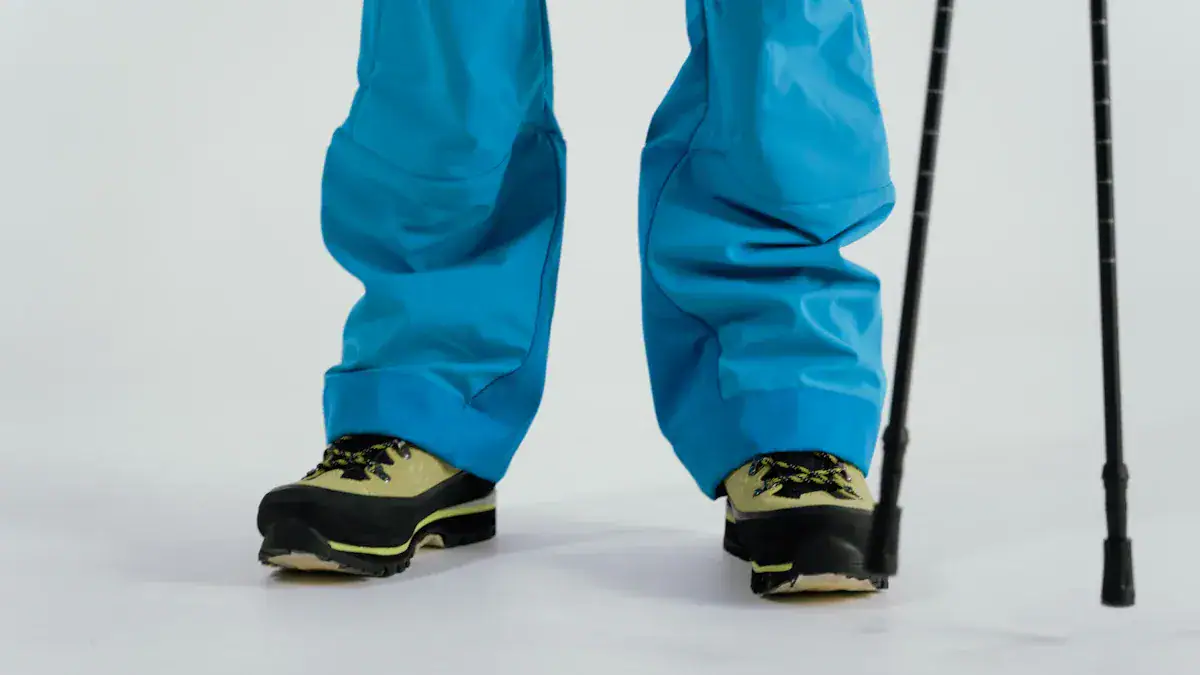
Choosing the right hiking pants materials can make a big difference in your comfort and performance on the trail. You need to know how each fabric type performs in terms of breathability, weight, moisture management, and durability. Let’s break down the most common options you will find in hiking pants.
Synthetic Fabrics
Synthetic fabrics are the most popular choice for hiking pants. They offer lightweight, breathable, and quick-drying properties that help you stay comfortable during long hikes.
Polyester
Polyester is a top pick for hiking pants materials. You get a lightweight and breathable fabric that dries quickly after rain or sweat. Polyester resists shrinking and holds its shape well. It also keeps its color after many washes. You will find that polyester hiking pants are easy to care for and last a long time.
Nylon
Nylon is another common synthetic used in hiking pants. It is lightweight, strong, and very durable. Nylon resists abrasions, making it a great choice for rocky or rough trails. You will notice that nylon hiking pants often feel smooth and comfortable against your skin. They also dry quickly and provide excellent breathability.
Note: Synthetic fabrics like polyester and nylon offer superior moisture-wicking properties and quick drying times. They perform better than natural fibers in wet or humid conditions. You will stay dry and comfortable even during intense hiking.
Natural Fibers
Natural fibers are less common in hiking pants, but you may still see them in some styles. They offer unique benefits but also have some drawbacks.
Cotton
Cotton feels soft and comfortable, but it is not the best choice for hiking pants. Cotton absorbs moisture and dries slowly. If you sweat or get caught in the rain, cotton hiking pants can become heavy and uncomfortable. They also lose their insulating power when wet. You should avoid cotton for most hiking trips.
Wool
Wool, especially merino wool, is a better natural option for hiking pants. Wool provides excellent insulation and keeps you warm, even when wet. It wicks moisture away from your skin and helps regulate your body temperature. Merino wool hiking pants are breathable and resist odors, making them a good choice for cold or multi-day hikes. However, wool is not as quick-drying as synthetic fabrics.
Blends
Many hiking pants use blends of synthetic and natural fibers. These blends combine the best features of each material to create comfortable, breathable, and durable pants.
Pros & Cons
Blended hiking pants materials offer several advantages:
You get the comfort of cotton or wool with the durability and quick-drying performance of synthetics.
Blends provide better breathability and moisture management than pure cotton.
They resist abrasion and keep their shape during long hikes.
Blended fabrics often feel softer and more luxurious against your skin.
Here is a table showing common blend ratios and their benefits:
Blend Ratio | Benefits |
|---|---|
65/35 | More durable than 100% cotton, tear and crease-resistant, easy to wash, more breathable than pure polyester. |
50/50 | Balanced durability and comfort, good breathability, less shrinkage than cotton. |
35/65 | Increased breathability, retains some comfort of cotton while being more durable. |
Tip: Blended hiking pants materials are a great choice if you want breathable, lightweight, and durable pants for a variety of hiking conditions.
When you choose hiking pants, always look for lightweight, breathable, and quick-drying fabrics. Synthetic options like polyester and nylon give you the best performance for most hiking trips. Wool works well for insulated hiking pants in cold weather. Blends offer a balance of comfort and durability, making them a smart choice for many hikers. The best hiking pants use hiking pants materials that keep you comfortable, dry, and protected on every adventure.
Fit & Style
Choosing the right fit and style for your hiking pants can make a big difference in your outdoor experience. You need to consider how the pants feel, how they move with your body, and what features match your hiking plans. Trying on different sizes and styles helps you find the best hiking pants for your needs.
Types of Hiking Pants
Standard
Standard hiking pants offer a classic design. You get a simple, straight-leg cut that works well for most trails. These pants usually have a regular waistband and a few pockets. Standard hiking pants provide a balance between durability and comfort. They suit day hikes and moderate terrain.
Convertible
Convertible hiking pants give you flexibility. You can zip off the lower legs to turn them into shorts. This feature helps when you hike in changing weather or move between hot and cool areas. Convertible pants save space in your pack because you get two options in one. Look for sturdy zippers and smooth seams to avoid chafing.
Softshell
Softshell hiking pants use stretchy, weather-resistant fabrics. These pants protect you from wind and light rain. Softshell designs work well for cold or unpredictable weather. You get extra warmth and better movement. Many softshell pants have a slim profile and reinforced knees for tough hikes.
Fit Options
Slim Fit
Slim fit hiking pants have a closer cut to your body. They reduce bulk and help you move quickly. This style works well for fast hikes or when you want less fabric to snag on branches. Slim fit pants often use stretch fabrics to keep you comfortable.
Relaxed Fit
Relaxed fit hiking pants give you more room in the seat and thighs. You get extra comfort for long hikes or when you need to layer clothing. Relaxed fit styles help if you prefer a looser feel or want better airflow. These pants suit a wide range of body types.
Articulated Knees
Articulated knees shape the fabric to match your natural leg movement. You bend and climb more easily. This design reduces pulling and bunching when you step over rocks or crouch. Articulated knees improve hiking pants fit and boost your freedom of movement.
Comfort & Mobility
Comfort and mobility matter most when you spend hours on the trail. You want hiking pants that move with you and never hold you back. Stretch fabric technology has changed how hiking pants perform. Many brands now use two-way or four-way stretch panels in key areas.
The PRO Explore Hiking Pant uses durable two-way stretch fabric.
Four-way stretch panels at the knees, waist, and seat increase flexibility.
These features give you optimal freedom of movement and comfort during energetic hikes.
You should always try on hiking pants before you buy them. Walk, squat, and lift your knees to test the fit. Make sure the waistband stays in place and the fabric does not pinch or restrict you. Good hiking pants fit well at the waist and hips, with enough room for your thighs and knees. Stretchy materials and articulated knees help you climb, scramble, and move naturally.
Tip: Choose hiking pants that offer both comfort and freedom of movement. The right fit lets you focus on the trail, not your clothing.
The best hiking pants combine a great fit, smart design, and technical fabrics. You stay comfortable and ready for any adventure. Always check for features that match your hiking style and body shape. The right hiking pants fit will help you enjoy every step of your journey.
Key Features
Stretch & Flexibility
You need trekking pants that move with you on the trail. Flexibility matters when you climb over rocks or step across streams. Many hiking-specific pants use stretch fabrics. These materials let you bend, squat, and reach without feeling restricted. Look for pants with two-way or four-way stretch. This design improves comfort and helps you keep your pace on tough terrain. Flexibility also boosts durability because the fabric resists tearing when you move in different directions. Some hiking pants feature articulated knees and gusseted crotches. These hiking pants features give you extra room where you need it most. You stay comfortable during long hikes and avoid chafing.
Tip: Try on your pants and test your range of motion. Walk, squat, and lift your knees to check for flexibility.
Moisture-Wicking
Moisture-wicking technology keeps you dry and comfortable. When you hike, sweat and rain can make your pants damp. Moisture-wicking fabrics pull sweat away from your skin and help it evaporate quickly. This feature improves breathability and prevents chafing. You avoid that sticky feeling on hot days. Many hiking-specific pants use synthetic fibers like polyester or nylon. These materials dry faster than cotton. Moisture-wicking also helps regulate your body temperature. You stay cool in summer and warm in winter. Breathability and moisture control work together to keep you comfortable in any weather.
Note: Moisture-wicking is essential for both water-resistant hiking pants and waterproof hiking pants. You want pants that dry fast after rain or river crossings.
Pockets
Pockets add convenience and function to your hiking pants. You need places to store your map, snacks, or phone. Look for pants with deep, secure pockets. Zippered pockets keep your valuables safe on rough trails. Some hiking pants have cargo pockets on the thighs. These pockets give you extra storage without adding bulk. Hiking-specific pants often include mesh-lined pockets. This design improves breathability and helps your gear dry faster if it gets wet. Well-placed pockets make your hike easier and keep your essentials within reach.
Pocket Type | Benefit |
|---|---|
Zippered | Secures valuables |
Cargo | Extra storage for gear |
Mesh-lined | Improves breathability |
Choose hiking pants with the right pocket layout for your needs. You stay organized and ready for anything on the trail.
Closures
Closures play a big role in how your trekking pants fit and function. You find several types of closures in hiking pants. Each type offers unique benefits for comfort and security.
Button Closures: These are common at the waistband. You get a secure fit that stays in place during movement.
Zipper Closures: Zippers make it easy to put on or take off your pants. You also find zippers on pockets and convertible pant legs.
Drawstring Closures: Some hiking pants use drawstrings at the waist or ankles. You adjust the fit quickly and keep debris out of your shoes.
Velcro Closures: Velcro tabs appear at the cuffs or pockets. You open and close them fast, which helps when you need quick access.
Closure Type | Benefit |
|---|---|
Button | Secure fit, classic style |
Zipper | Easy on/off, quick access |
Drawstring | Adjustable, keeps debris out |
Velcro | Fast access, easy adjustment |
Tip: Try different closure styles to see which feels most comfortable and secure for your hiking needs.
UPF Protection
Sun protection matters when you spend hours outdoors. UPF (Ultraviolet Protection Factor) measures how well fabric blocks harmful UV rays. Trekking pants with UPF protection shield your skin from sunburn and long-term damage.
You find UPF ratings on many hiking pants. A higher UPF number means better protection. For example, UPF 50 blocks about 98% of UV rays. Synthetic fabrics like nylon and polyester often provide strong UPF protection. Some brands add special treatments to boost the rating.
UPF 15–24: Good protection for short hikes.
UPF 25–39: Very good for moderate sun exposure.
UPF 40–50+: Excellent for long treks in direct sunlight.
Choose trekking pants with a UPF rating if you hike in sunny areas. You reduce your risk of sunburn and skin damage. You also stay cooler because UPF fabrics reflect some heat.
Note: Even with UPF pants, you should use sunscreen on exposed skin for full protection.
Insect Repellent
Insects can ruin a hike. Mosquitoes, ticks, and flies bite and carry diseases. Trekking pants with insect repellent treatments help protect you. Many brands use permethrin, a synthetic chemical that binds to fabric fibers. When insects touch the treated pants, permethrin incapacitates or kills them.
You get strong protection against bites when you wear insect-repellent pants. This feature works well in forests, wetlands, and tropical areas. The effectiveness of permethrin treatments decreases after several washes. You need to reapply the treatment to maintain protection.
Permethrin-treated pants repel mosquitoes, ticks, and flies.
You stay comfortable and safe on the trail.
Reapply insect repellent after multiple washes for continued effectiveness.
Tip: Check the care instructions for your insect-repellent pants. Follow the guidelines to keep the treatment working.
Water Resistance
Water resistance stands out as a crucial feature when you choose trekking pants for unpredictable weather. You want pants that keep you dry during sudden rain showers or when you walk through wet grass. Water-resistant pants use special coatings or fabrics that repel moisture. These treatments help water bead up and roll off the surface instead of soaking into the material.
You often see terms like DWR (Durable Water Repellent) or waterproof membranes in product descriptions. DWR coatings provide a barrier that prevents water from penetrating the fabric. Waterproof membranes, such as Gore-Tex, offer even stronger protection. You stay comfortable and avoid the chill that comes from wet clothing.
Many trekking pants combine water resistance with breathability. This combination allows sweat to escape while blocking rain from getting in. You avoid overheating and stay dry inside and out. Some pants feature zippered vents or mesh panels to improve airflow during intense hikes.
You should check the water resistance rating before you buy trekking pants. Different models offer varying levels of protection. The table below compares popular trekking pants and their water resistance ratings:
Model | Water Resistance Rating | Notable Features |
|---|---|---|
Outdoor Research Foray | High | Gore-Tex Paclite fabric, excellent water resistance |
Marmot Minimalist | High | Durable water repellent treatment, effective in rain |
Marmot PreCip Eco Full-Zip | Moderate | Good initial water beading, requires DWR retreatment |
Helium | Moderate | Lightweight, packable, reasonable water resistance |
You notice that models like Outdoor Research Foray and Marmot Minimalist offer high water resistance. These pants use advanced fabrics and treatments to keep you dry in heavy rain. Marmot PreCip Eco Full-Zip and Helium provide moderate protection, which works well for light showers or damp conditions. Some pants need regular retreatment to maintain their water resistance.
When you hike in wet environments, you benefit from pants with sealed seams and water-resistant zippers. These design elements prevent water from seeping through weak points. You also find adjustable cuffs that keep rain and mud out of your boots.
Tip: Always test your trekking pants before a long hike. Sprinkle water on the fabric and watch how it reacts. If water beads up and rolls off, your pants have good water resistance. If the fabric absorbs moisture, consider retreating with a DWR spray.
Water resistance helps you stay comfortable, dry, and focused on your adventure. You protect yourself from rain, puddles, and morning dew. Choose trekking pants with reliable water resistance for hikes in variable weather. You gain confidence and enjoy your journey, no matter the forecast.
Matching Pants to Conditions
For Hot Weather
You need hiking pants that keep you cool and dry when temperatures rise. Lightweight fabrics with strong breathability help sweat evaporate quickly. Moisture-wicking materials prevent discomfort and reduce the risk of chafing. Mesh panels or zippered vents can increase airflow, making your hike more pleasant. Avoid heavy or thick fabrics, as they trap heat and slow down drying.
Some top choices for hot weather include:
OR Ferrosi Pants: These pants stand out for their breathability and comfort. The soft waistband and cuff cinch system help keep debris out, making them versatile for both on-trail and off-trail activities.
Patagonia Quandry Pants: You get a good fit, deep pockets, and a functional crotch gusset. These features make them suitable for long hikes in warm conditions.
Patagonia Sandy Cay Pants: These pants are lightweight, quick-drying, and cool. They do not contain spandex, which helps reduce heat retention, making them ideal for very hot or humid days.
Tip: Choose light colors to reflect sunlight and stay cooler during your hike.
For Cold Weather
Cold weather demands hiking pants that provide insulation and block wind. Softshell pants work well for winter hiking because they offer warmth and breathability. Manufacturers use woven nylon or polyester to create a windproof barrier. Many softshell pants also have a durable water repellent (DWR) coating, which helps resist moisture from snow or light rain. These features make softshell pants suitable for a range of winter activities, from day hikes to snowshoeing.
You can add a base layer underneath your hiking pants for extra warmth. Look for pants with adjustable cuffs to seal out cold air. Articulated knees and stretch panels help you move comfortably, even when you wear layers.
Note: Always check the weather before your hike and dress in layers for better temperature control.
For Wet Weather
Rainy conditions require hiking pants that keep you dry and comfortable. Waterproof or highly water-resistant pants protect you from rain, wet grass, and puddles. Look for pants with sealed seams and water-repellent coatings. Breathable membranes help sweat escape, so you do not overheat.
Here is a comparison of some of the best waterproof hiking pants for wet weather:
Pants Model | Key Features |
|---|---|
Patagonia Torrentshell 3L | Three-layer construction, excellent water resistance, breathable membrane, fully taped seams. |
Outdoor Research Foray / Aspire | Thigh-length zippers, Gore-Tex fabric, lightweight, good moisture protection. |
REI Rainier Pants | Affordable, 2.5-layer option, full-length zipper for customizable ventilation. |
Black Diamond Fineline Stretch | Stretchy, water-resistant fabric, exceptional breathability and mobility. |
Tip: Always pack a lightweight rain shell for extra protection during heavy downpours.
Selecting hiking pants for specific conditions helps you stay comfortable and safe. You can match your pants to the environment, whether you face heat, cold, or rain. The right choice improves your hiking experience and keeps you focused on the trail.
For Variable Climates
You often face changing weather when you hike in variable climates. One moment, the sun shines and the next, clouds bring wind or rain. You need trekking pants that adapt to these shifts. Versatile hiking pants help you stay comfortable and protected, no matter what the day brings.
Many hikers choose pants made with lightweight, breathable fabrics. These materials let air flow and wick away sweat. You avoid overheating on warm days and stay dry when you work hard on the trail. Look for pants with ventilation zippers. You can open these zippers to release heat when the temperature rises. On cooler days, you zip them closed to keep warmth in.
Some trekking pants use water-resistant coatings. These coatings help repel light rain and morning dew. You stay dry during short showers. If you expect heavy rain, pack a rain shell for extra protection. Many pants also have quick-drying properties. If you get wet, your pants dry fast and you avoid discomfort.
Convertible pants work well in variable climates. You zip off the lower legs to turn them into shorts. This feature gives you two options in one. You start your hike in the cool morning with full-length pants. As the day warms up, you switch to shorts without changing clothes. This flexibility saves space in your pack and keeps you ready for any weather.
You should also look for pants with adjustable features. An integrated belt lets you change the fit as you add or remove layers. Adjustable cuffs help seal out dirt, bugs, or cold air. Cargo pockets give you space for snacks, maps, or a phone. Some pants, like the Fjallraven Keb trousers, offer cargo pockets that add function without bulk. You keep your essentials close and your movement free.
User reviews show that versatile trekking pants perform well in variable climates. Hikers praise their comfort and breathability. Many appreciate features like ventilation zippers and durable construction. For example:
The prAna Stretch Zion Standard pants work for both hiking and casual wear.
These pants offer good mobility and comfort for moderate outdoor use.
The integrated belt and tough fabric make them reliable, though they may not handle heavy rain as well as dedicated rain pants.
Feature | Benefit in Variable Climates |
|---|---|
Ventilation zippers | Release heat on warm days |
Water resistance | Repel light rain and morning dew |
Convertible design | Switch between pants and shorts easily |
Quick-drying fabric | Stay comfortable after getting wet |
Adjustable cuffs/belt | Adapt fit and seal out elements |
Tip: Choose trekking pants with a mix of breathability, water resistance, and adjustable features. You stay comfortable and ready for whatever the weather brings.
Try & Test
Choosing the right trekking pants means you need to try them on before you buy. You want to make sure your pants fit well, feel comfortable, and allow you to move easily. Testing these factors helps you avoid problems on the trail and makes your hiking experience better.
Fit Check
Start by checking the fit of your hiking pants. Put them on and fasten the waistband. The pants should sit comfortably at your waist without pinching or sliding down. You want enough room in the seat and thighs so you can walk and bend without restriction. Check the length to make sure the cuffs do not drag or ride up when you move.
Use this simple checklist for fit:
Waistband sits snugly but does not squeeze.
Thighs and seat have enough space for movement.
Pant legs reach your ankles without bunching or dragging.
No tight spots or loose areas that could cause discomfort.
Tip: Try adjusting the ankle cuffs if your pants have them. Secure cuffs help keep debris out of your shoes and improve the overall fit.
Comfort Test
Comfort matters when you spend hours outdoors. Walk around in your trekking pants and notice how the fabric feels against your skin. Look for breathable materials that help you stay cool and dry. Pants with ventilation zippers or mesh panels can make a big difference in warm weather.
Here is a table showing features that influence comfort during movement:
Feature | Importance |
|---|---|
Breathability | Essential for comfort during movement, preventing overheating. |
Adjustable Ankle Cuffs | Helps keep pants secure and prevents debris from entering footwear. |
Ventilation Zippers | Provides a way to cool off during hikes, enhancing comfort. |
You should also check for seams or tags that might rub or irritate your skin. If you plan a long hike, comfort becomes even more important.
Movement Test
Test your range of motion in your hiking pants. Squat, lift your knees, and take big steps. You want pants that stretch and move with you. Articulated knees and gusseted crotches help you climb and scramble without feeling restricted.
Consider these tips when testing movement:
Look for breathable materials to avoid overheating.
Consider pants with adjustable ankle cuffs for better fit and protection.
Opt for pants with multiple ventilation options for enhanced comfort during hikes.
If your pants pass the movement test, you will feel confident tackling any trail. Good hiking pants let you focus on the adventure, not your clothing.
Tip: Always test your trekking pants before your trip. A quick try at home can save you from discomfort on the trail.
Quick Tips & Checklist
Top Tips
You want to make smart choices when you shop for hiking pants. Outdoor experts recommend three top tips to help you find the best pair for your next adventure:
Try on different sizes. You need to find the best fit for your body. Pay attention to the material and style because each brand feels different.
Move around in the pants. Squat, stretch, and walk to test comfort and flexibility. Good hiking pants should never restrict your movement.
Think about your activity level. Choose lightweight and breathable materials if you expect to hike in warm weather or for long distances.
Remember: The right hiking pants should feel comfortable from the moment you put them on. You should never feel pinched or restricted.
Final Checklist
Use this checklist before you buy your next pair of hiking pants. You can print it or save it to your phone for easy reference.
Feature | What to Look For | Why It Matters |
|---|---|---|
Fit | Snug waistband, room in thighs and knees | Comfort and freedom of movement |
Material | Lightweight, breathable, quick-drying | Keeps you cool and dry |
Stretch | Two-way or four-way stretch panels | Flexibility on the trail |
Pockets | Deep, zippered, or cargo pockets | Secure storage for essentials |
Closures | Adjustable waist, ankle cuffs, sturdy zippers | Custom fit and protection |
UPF Protection | UPF 40+ rating | Shields skin from sun |
Water Resistance | DWR coating or waterproof membrane | Stays dry in wet conditions |
Insect Repellent | Permethrin-treated fabric | Protection from bites |
Style | Standard, convertible, or softshell | Matches your hiking environment |
Check the weather and terrain for your hike.
Decide if you need extra features like insect repellent or UPF protection.
Test the pants for comfort and movement before you buy.
Choose pants that match your hiking plans and personal style.
Tip: Always pack a backup pair if you plan a multi-day hiking trip. You stay prepared for changing conditions.
You can use this checklist to compare different brands and models. You make sure your hiking pants meet your needs for comfort, protection, and performance. Smart choices help you enjoy every step of your hiking adventure.
You make the best choice in hiking pants when you focus on your environment, weather, and comfort. The table below shows the top decision points hikers consider:
Decision Point | Description |
|---|---|
Material and Durability | Importance of high-quality, durable fabrics for comfort and longevity on the trail. |
Comfort and Fit | Need for a comfortable fit that allows freedom of movement, including features like gusseted crotch. |
Waistband Design | Consideration of waistband options for optimal comfort and adjustability. |
Storage Pockets | Importance of functional storage options in hiking pants. |
Breathability | Need for breathable fabrics to prevent overheating during hikes. |
Versatility and Style | Balancing functionality with personal style preferences. |
Durable materials protect you from abrasions and rough terrain.
Flexible pants help you move easily and enjoy every step of your hiking adventure.
Choose hiking pants that support your comfort and let you focus on the trail ahead.
FAQ
What is the difference between hiking pants and regular pants?
Hiking pants use technical fabrics that wick moisture and dry quickly. You get better durability, flexibility, and weather protection compared to regular pants.
How do I know if trekking pants fit correctly?
Try on the pants. Make sure the waistband feels snug but not tight. You should move, squat, and lift your knees easily. The cuffs should not drag or ride up.
Can I wear shorts instead of trekking pants?
You can wear shorts for hot, dry hikes. Trekking pants protect your legs from sun, insects, and rough terrain. Convertible pants give you both options.
Do I need waterproof trekking pants for every hike?
You do not need waterproof pants for every hike. Choose water-resistant or waterproof pants for wet climates or rainy forecasts. For dry conditions, breathable pants work best.
How do I care for my trekking pants?
Wash your pants in cold water with mild detergent. Avoid fabric softeners. Hang dry or tumble dry on low. Reapply DWR spray to maintain water resistance.
Are insect-repellent pants safe to wear?
Most insect-repellent pants use permethrin, which is safe for humans when used as directed. Always follow care instructions to keep the treatment effective.
What features should I look for in trekking pants for multi-day hikes?
Look for deep pockets, reinforced knees, and quick-drying fabrics. Adjustable waistbands and cuffs help with comfort. Durable materials last longer on extended trips.