

Industrial Coveralls Guide to Materials and Safety Standards
Table of Contents
Display
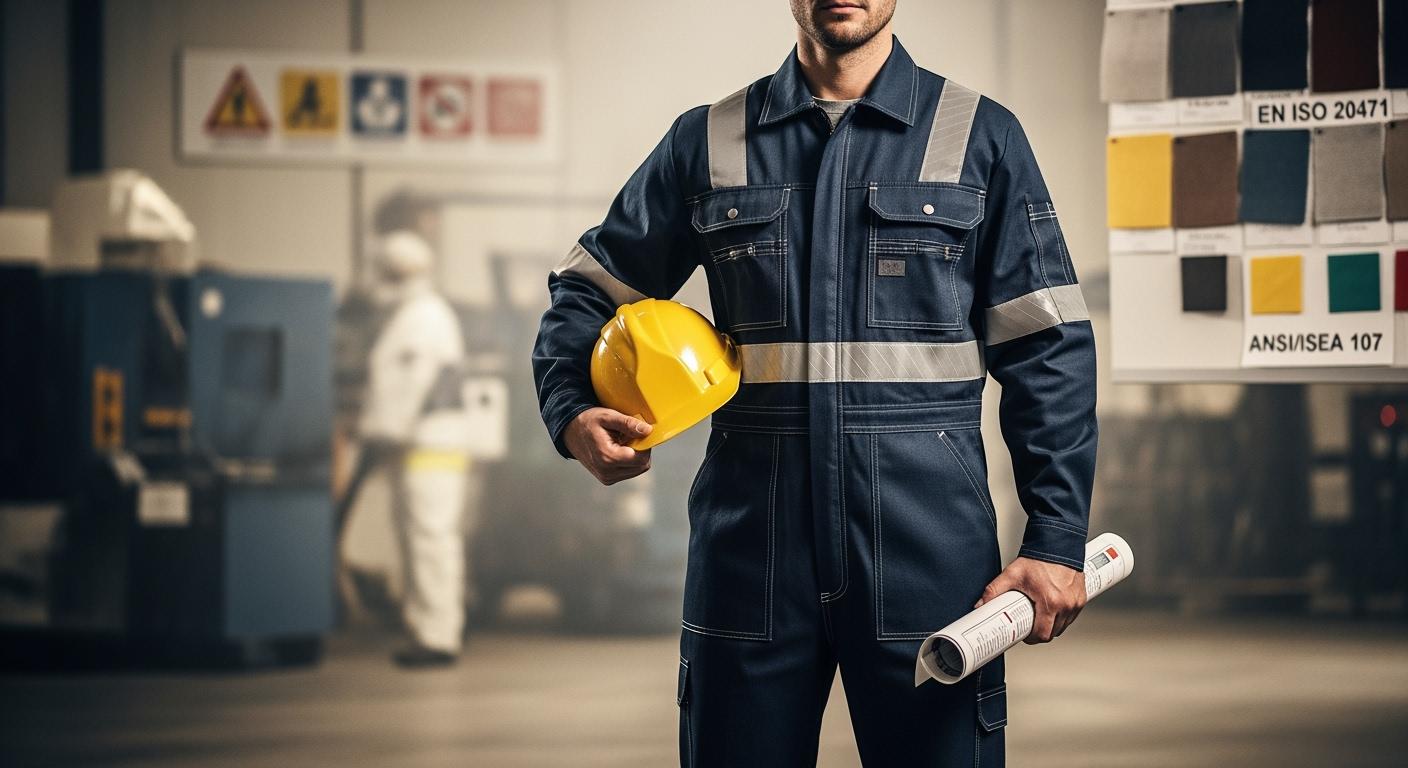
You rely on industrial coveralls to shield you from hazards and ensure worker safety on the job. The right material and strict adherence to safety standards make a real difference in protection against risks. When you participate in initial training and regular safety refreshers, you build a strong foundation for workplace safety. Integrating risk assessment early in your process helps prevent accidents and keeps you compliant with regulations.
Key Takeaways
Industrial coveralls provide essential protection against various workplace hazards, including chemicals, flames, and biological agents.
Choosing the right material, such as cotton blends or advanced fibers like Nomex, enhances comfort and safety during long shifts.
Always check for compliance with safety standards like OSHA and NFPA to ensure your coveralls meet necessary protection requirements.
Regular inspections and proper cleaning of coveralls are crucial to maintain their protective qualities and extend their lifespan.
Involve end-users in the selection process to ensure coveralls meet practical needs and enhance compliance with safety standards.
Understand certification labels on coveralls to match them with specific workplace hazards and ensure adequate protection.
Prioritize fit and comfort in coveralls to promote safety and productivity, allowing for a full range of motion during tasks.
Stay proactive by regularly reviewing workplace hazards and updating protective gear to maintain a safe and compliant environment.
What Are Industrial Coveralls
Purpose and Uses
You encounter safety coveralls in many hazardous work environments. These garments protect you from a wide range of risks. You might wear biological hazard coveralls with sealed seams when you need protection from infectious agents. Multi-hazard coveralls shield you from both flames and chemicals, making them suitable for petrochemical plants or healthcare settings.
When you put on safety coveralls, you gain:
Skin protection from sparks, chemicals, and other hazards
Improved visibility with high-visibility safety coveralls in low-light conditions
Protection against weather, especially with insulated safety coveralls in cold environments
Clothing protection, keeping your regular clothes clean in dirty or dusty work areas
Different types of safety coveralls address specific hazards. For example, you might use impermeable coveralls for biological threats or multi-hazard coveralls for complex industrial settings. The benefits of overalls and coveralls include comprehensive body protection and enhanced workplace safety.
Key Features
You notice several features that set safety coveralls apart from standard workwear. These features ensure you stay safe and comfortable during long shifts.
Key features include:
Compliance with safety standards such as OSHA, NFPA, or ANSI
Durability, with materials like cotton blends and flame-resistant fabrics
Comfort, thanks to breathable fabrics and ergonomic designs
You can compare industrial coveralls and standard workwear using the table below:
Feature | Industrial Coveralls | Standard Workwear |
|---|---|---|
Durability | Made from durable fabrics that withstand abrasion | Generally less durable materials |
Safety Features | Flame-resistant fabrics, reinforced seams | Basic safety features, if any |
Comfort | Ventilation, adjustable cuffs, ergonomic fits | Standard fit, less focus on comfort |
Versatility | Wide range of styles for specific industries | Limited styles for general use |
Compliance Standards | Must meet industry-specific safety regulations | May not meet specific safety standards |
You should always check the difference between overalls and coveralls before making a selection. Safety coveralls provide full-body protection, while overalls often leave arms exposed.
Importance in Industrial Uniforms
You play a vital role in workplace safety when you wear safety coveralls as part of your industrial uniforms. These garments help prevent workplace injuries and maintain your company’s reputation.
You find safety coveralls essential in manufacturing, chemical processing, pharmaceuticals, and food production. They ensure hygienic processes and prevent the spread of chemicals, dust, or dirt.
Industrial uniforms that include safety coveralls support both comfort and safety. You help your team stay compliant with regulations and keep production environments clean.
When you choose the right safety coveralls, you contribute to a safer, more efficient workplace. You also reinforce the importance of industrial uniforms in protecting workers and supporting business success.
Materials Used in Overalls and Coveralls
Woven vs. Non-Woven Fabrics
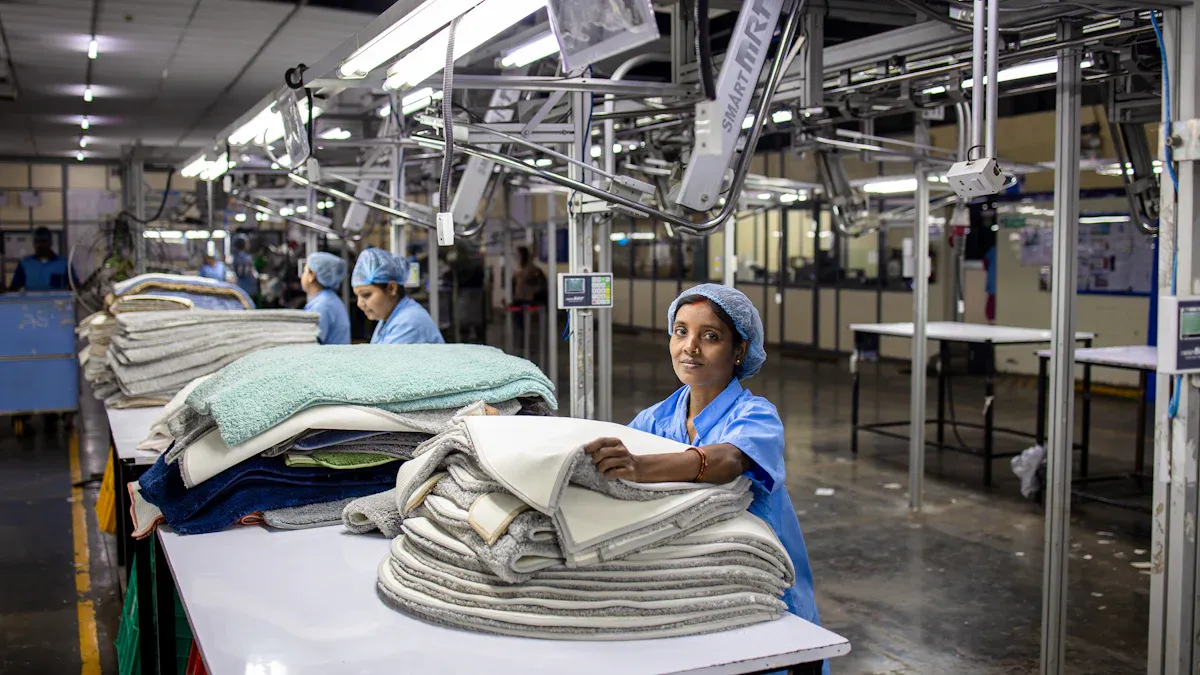
When you select workwear, you often choose between woven and non-woven fabrics. Each type offers unique benefits for industrial coveralls. Woven fabrics are constructed by interlacing yarns at right angles. This method creates a strong and durable textile. You find woven fabrics in many types of workwear because they can be treated for added waterproofing or breathability. Non-woven fabrics, on the other hand, are made by bonding fibers together using chemical, mechanical, or heat processes. This approach skips traditional weaving, resulting in a different set of properties.
Characteristic | Woven Fabrics | Non-Woven Fabrics |
|---|---|---|
Durability | Generally stronger and more durable due to construction method | Can be strengthened by bonding layers or support backing |
Breathability | Can be treated for breathability | Varies, but generally less breathable than woven |
Protection against hazards | Offers good protection in various applications | Provides specific properties like liquid resistance and bacterial protection |
Woven Materials (Cotton, Poly-Cotton)
You often see cotton and poly-cotton blends in industrial coveralls. Cotton provides comfort and breathability, making it ideal for long shifts. Poly-cotton blends combine the softness of cotton with the durability of polyester. This blend resists wear and tear, so your workwear lasts longer. Woven materials can also be treated to improve flame resistance or add water repellency. You benefit from these treatments when you need extra protection in hazardous environments.
Non-Woven Materials (Polypropylene, Tyvek)
Non-woven materials like polypropylene and Tyvek offer specialized protection. Polypropylene is lightweight and resists moisture, making it suitable for disposable coveralls in cleanrooms or medical settings. Tyvek, a brand of high-density polyethylene, provides excellent barrier protection against particles and liquids. You choose non-woven coveralls when you need single-use garments or when you face chemical splashes and biological hazards. These materials used in overalls and coveralls help you stay safe in environments where contamination is a concern.
Advanced Fibers (Nomex, Aramid)
You encounter advanced fibers such as Nomex and aramid in high-risk industries. These materials set the standard for flame resistance and durability. Nomex coveralls offer inherent flame resistance, so the protection does not wash out or wear off. Aramid fibers provide similar benefits, including resistance to heat and chemicals. You rely on these advanced fibers when you work near open flames, electrical hazards, or hot surfaces.
Advantages of Nomex Coveralls | Disadvantages of Nomex Coveralls |
|---|---|
Inherent flame resistance | Higher initial purchase cost |
Durability | Heavier weight and comfort issues |
Chemical resistance | Limited color and design options |
Cost-effectiveness over time | Reduced breathability and heat build-up |
Compliance with safety standards | N/A |
Tip: You should weigh the higher cost and heavier weight of Nomex coveralls against their long-term durability and compliance with safety standards. These advanced materials give you peace of mind in hazardous environments.
Polyester and Blends
Polyester and blended fabrics play a major role in modern workwear. You find these materials in coveralls designed for both comfort and protection. Polyester fibers add strength and abrasion resistance, which extends the life of your garments. When blended with cotton, polyester creates a fabric that feels soft against your skin but stands up to tough conditions. For example, UltraSoft® fabric combines 88% cotton and 12% high-tenacity nylon. The nylon increases abrasion resistance, while the cotton ensures comfort. You benefit from this blend because it protects you from hazards like electric arc and flash fire, yet remains comfortable during long hours.
You should always consider the specific hazards in your workplace when choosing materials for your coveralls. The right combination of woven, non-woven, and advanced fibers ensures you get the protection, durability, and comfort you need from your workwear.
Material Selection for Comfort and Protection
You face many choices when selecting materials for industrial coveralls. The right decision balances comfort, protection, and compliance. You must consider the hazards in your workplace, the tasks you perform, and the regulations that apply to your industry. Each factor influences the effectiveness of your protective clothing.
You start by reviewing the main criteria for material selection. These criteria help you compare options and make informed decisions. The table below summarizes the most important factors:
Criteria | Description |
|---|---|
NFPA Standards | Ensures coveralls meet rigorous testing for flame resistance and durability. |
ASTM International Standards | Guarantees effectiveness against fire-related hazards through established material standards. |
OSHA Regulations | Mandates the use of flame-resistant clothing in high-risk industries, ensuring legal compliance. |
Fabric Selection | Choosing materials like Nomex for comfort and Kevlar for strength based on work environment needs. |
Customization Options | Tailored fit options enhance comfort and ease of movement for workers. |
Vendor Reputation | Selecting reputable vendors ensures quality and adherence to industry standards. |
You need to check that your coveralls meet NFPA and ASTM standards. These standards confirm that the materials provide the right level of flame resistance and durability. OSHA regulations require you to wear flame-resistant clothing in high-risk environments. You must follow these rules to stay compliant and avoid penalties.
You also need to match the fabric to your work environment. For example, you might choose Nomex for its comfort and flame resistance. In other cases, you may select Kevlar for its strength and cut protection. You should always think about the specific hazards you face each day. The materials used in overalls and coveralls must protect you from those risks while allowing you to move freely.
Comfort plays a key role in your decision. You spend long hours in your coveralls, so you need a good fit and breathable fabrics. Customization options, such as adjustable cuffs or ergonomic designs, help you stay comfortable and productive. You should look for vendors with a strong reputation. Reliable suppliers provide high-quality materials and follow industry standards.
Tip: Always test new coveralls in real work conditions before making a large purchase. This step helps you confirm that the materials offer both comfort and protection.
You must remember that no single material fits every situation. You need to balance protection, comfort, and compliance. By following these criteria, you ensure your coveralls keep you safe and comfortable throughout your shift.
Safety Standards for Industrial Coveralls

OSHA and Regulatory Compliance
You must understand how OSHA and other safety regulations shape the use of safety coveralls in hazardous workplaces. OSHA requires you to assess workplace safety risks and select appropriate personal protective equipment. You rely on industrial uniforms, including safety coveralls, to meet these standards and protect yourself from chemical, biological, and physical hazards.
The following table summarizes key OSHA regulations that apply to industrial coveralls and other workwear:
Regulation | Description |
|---|---|
29 CFR 1910.132 | You must assess hazards and provide suitable PPE, including safety coveralls, for worker safety. |
1926.95(a) | You need to ensure PPE is available for all hazardous conditions and kept in reliable, sanitary condition. |
1926.95(b) | If you provide your own safety coveralls, your employer must verify their adequacy and maintenance. |
1926.95(c) | PPE must be safely designed, constructed for the task, and properly fit every affected employee. |
You play a critical role in maintaining compliance with safety standards. You must inspect your safety coveralls regularly and report any damage or wear. Employers must verify that all industrial uniforms, including high-visibility coveralls and flame-resistant fabrics, meet OSHA requirements. You help create a safer work environment by following these safety regulations and using approved protective clothing.
Tip: Always check the certification labels on your safety coveralls to confirm compliance with OSHA and other safety standards.
Chemical-Resistant Standards
You face chemical hazards in many industries, so you need chemical-resistant coveralls that meet strict standards. Chemical resistance is essential for worker safety in laboratories, manufacturing plants, and agricultural settings. You rely on chemical protective suits and industrial uniforms to shield you from hazardous substances.
The table below outlines the main chemical-resistant standards for safety coveralls:
Standard | Description |
|---|---|
ISO 6529:2013 | Tests resistance to permeation and penetration by chemicals, ensuring coveralls provide a barrier. |
ISO 27065:2017 | Focuses on protective clothing for agricultural pesticides, defining protection levels based on hazards. |
ISO 17491 Series | Covers various test methods for protective clothing, assessing performance in specific environments. |
ASTM F1670 | Evaluates chemical resistance in industrial coveralls, ensuring protection against liquid penetration. |
You must select chemical-resistant coveralls that match the hazards in your workplace. You should look for industrial uniforms with sealed seams and tested chemical resistance. You protect yourself and your team by choosing workwear that meets ISO and ASTM standards. You also need to ensure that your safety coveralls provide comfort and allow you to move freely while maintaining safety and functionality.
Note: Chemical protective suits must undergo rigorous testing before you use them in hazardous environments. Always verify the standard listed on the label.
Flame and Heat Protection (NFPA, ASTM)
You encounter flame and heat hazards in many industrial settings. You need flame-resistant safety coveralls and industrial uniforms that meet recognized safety standards. Flame-resistant fabrics protect you from flash fires, electric arcs, and hot surfaces. You must choose workwear that complies with NFPA and ASTM requirements to ensure maximum protection.
The following table highlights the most relevant flame and heat protection standards for safety coveralls:
Standard | Key Requirements |
|---|---|
NFPA 2112 | Specifies minimum design, performance, certification, and testing requirements for flame-resistant garments. |
ASTM F1930-18 | Tests predicted burn injury for garments in flash fire environments; must not exceed 50% total body burn. |
ASTM D6413 | Measures fabric’s response to flame; must self-extinguish in 2 seconds and exhibit a char length of 4 inches or less. |
ASTM F2894 | Evaluates fabric’s performance at 500°F; must not ignite, melt, or shrink more than 10%. |
ASTM F2700 | Determines heat transfer performance; must achieve specific HTP ratings for safety. |
You should also consider these additional standards for flame-resistant safety coveralls and industrial uniforms:
NFPA 2112: Focuses on flame-resistant clothing for flash fire risks, requiring rigorous testing.
NFPA 70E: Provides guidelines for electrical safety and arc-rated clothing.
ASTM F1506: Establishes performance requirements for textiles in arc flash environments.
You must inspect your flame-resistant coveralls regularly and replace them if you notice damage or wear. You help maintain workplace safety by following safety regulations and using certified protective clothing. You also support worker safety by selecting industrial uniforms that combine flame-resistant fabrics, high-visibility features, and ergonomic design.
Alert: Never use damaged flame-resistant coveralls in hazardous environments. Always follow manufacturer guidelines for care and replacement.
You ensure compliance with safety standards by choosing safety coveralls that meet OSHA, NFPA, and ASTM requirements. You protect yourself and your team from chemical, biological, and physical hazards by selecting the right industrial uniforms and workwear. You play a vital role in workplace safety and help create a safer, more productive environment.
Biological and Physical Hazard Standards
You face a range of biological and physical hazards in industrial environments. These hazards include exposure to infectious agents, dust, aerosols, and even radioactive particles. To protect yourself, you need coveralls that meet strict safety standards for both biological and physical threats.
Industrial protective clothing must provide a barrier against these hazards. Gas tight and non-gas tight coveralls represent two main types of protection. Gas tight coveralls seal completely against the environment. You use these in the most hazardous settings, such as chemical plants or emergency response situations. Non-gas tight coveralls block dust, liquids, and vapors but require positive pressure to maintain their protective barrier. You often see these in areas with high contamination risks.
Type | Description |
|---|---|
Gas Tight | Gas tight coveralls provide the highest level of protection against chemical contamination, both liquid and gas, as well as aerosols and solid particles. They are completely sealed against the environment and are used in highly hazardous industrial environments. |
Non-gas Tight | Non-gas tight coveralls prevent dust, liquids, and vapors from entering the suit but must maintain a positive pressure. They are also used in highly hazardous areas and by emergency responders. |
You must select the right type of coverall based on your workplace hazards. For biological threats, look for garments tested against infective agents. For physical hazards, such as dust or radioactive particles, choose coveralls rated for particulate protection. Always check that your protective clothing meets the latest safety standards before use.
Tip: Regularly review your workplace hazard assessment. This ensures you always use the correct level of protection for changing risks.
Certification Labels and What They Mean
You rely on certification labels to confirm that your coveralls meet industry requirements. These labels provide essential information about the level of protection each garment offers. Understanding these labels helps you select the right coverall for your job and ensures compliance with safety standards.
Certification labels list the specific hazards a coverall protects against. For example, EN 13982-1 certifies protection against solid airborne particles, while EN 14126 covers protection against infective agents. You also find labels for chemical resistance, anti-static properties, and limited flame spread. Each certification corresponds to a different workplace risk.
Certification | Description |
|---|---|
EN 13982-1 | Protection against solid airborne particles. |
EN 13034 | Protection against light liquid chemical splashes. |
EN 1149-5 | Anti-static properties for environments with electrostatic discharge risks. |
EN 14126 | Protection against infective agents, important in medical settings. |
EN 1073-2 | Protection against nuclear particles, specifically Class 1. |
EN 14116 | Limited flame spread for fire hazard protection. |
You should always read certification labels carefully. These labels help you match the coverall to your specific workplace hazards. For example, if you work in a laboratory, you need protection against infective agents and chemical splashes. In construction or utility work, you may require high-visibility and flame-resistant features.
Alert: Never remove or ignore certification labels. These labels are your assurance that the coverall meets the required safety standards for your environment.
You play a key role in workplace safety by understanding and following certification labels. This knowledge helps you choose the right protective clothing and maintain compliance with industry regulations.
Ultimate Guide to Overalls and Coveralls Selection
Assessing Workplace Hazards
You start the ultimate guide to overalls and coveralls by assessing workplace hazards. This step ensures you select safety coveralls that truly protect you. Begin by identifying all potential risks in your environment. These may include chemicals, biological agents, fire, electrical hazards, and physical dangers such as abrasions or sharp objects.
Follow these steps to conduct a thorough hazard assessment:
Identify and list all hazards present in your workplace.
Determine the categories and applications of personal protective equipment needed for each risk.
Check that your safety coveralls and other industrial uniforms meet compliance and certification requirements.
Evaluate comfort and ergonomics to ensure you can work efficiently.
Prioritize durability and long-term value to minimize frequent replacements.
Consider the overall cost-effectiveness, including training and maintenance.
By following this process, you lay the foundation for worker safety and ensure your industrial uniforms provide the right level of protection.
Matching Materials to Hazards
Once you have identified hazards, you need to match the right materials to each risk. Different hazards require specific types of safety coveralls and industrial uniforms. The table below helps you understand which coveralls suit each protection level:
Protection Level | Description | Recommended Suit Type |
|---|---|---|
Level A | Highest level for unknown hazards | Fully encapsulated chemical coverall |
Level B | Respiratory hazards, less skin protection needed | Chemical resistant clothing, pants, jacket |
Level C | Known chemical hazards, specific concentrations | Chemical resistant coveralls with masks/gloves |
Level D | Nuisance contaminants, no significant hazards | Work uniform or disposable coveralls |
You may also encounter specialized types:
Type 1: Fully encapsulated suits for Level A hazards.
Type 3: Reusable, liquid-tight coveralls for low concentration acids.
Type 4: Reusable, spray-tight coveralls for petroleum and oil protection.
Choosing the right overalls or coveralls means selecting materials that match your workplace hazards. This approach ensures your safety coveralls and industrial uniforms deliver optimal protection.
Ensuring Compliance with Safety Coveralls Standards
You must ensure your safety coveralls and industrial uniforms comply with all relevant standards. Different industries have specific regulations that dictate the type of protective clothing required. Compliance with organizations such as OSHA and CDC is essential for safety and legal adherence.
Consider these key points during selection:
Recognize the purpose of each garment to identify hazards and determine protection levels.
Confirm that your safety coveralls meet industry regulations and certification requirements.
Understand the sequence for donning and doffing PPE to prevent self-contamination.
Evaluate the entire PPE ensemble, not just individual coveralls, to ensure comprehensive protection.
You play a critical role in maintaining compliance and worker safety. By following these guidelines, you guarantee your industrial uniforms and safety coveralls meet the highest standards for protection.
Fit, Comfort, and Mobility
You need to prioritize fit, comfort, and mobility when selecting industrial coveralls. These factors directly impact your safety, productivity, and willingness to wear protective gear throughout your shift. Ill-fitting coveralls can restrict your movement, create gaps in protection, or even cause distractions that lead to accidents.
A proper fit ensures that your coveralls provide optimal coverage against workplace hazards. You should look for garments that fit snugly but do not restrict your range of motion. Adjustable features, such as elastic cuffs, waistbands, and gusseted panels, help you achieve a secure yet comfortable fit. When you move freely, you can perform your tasks efficiently and safely.
Comfort plays a significant role in your daily experience. If your coveralls feel uncomfortable, you may avoid wearing them correctly or remove them during critical tasks. Breathable fabrics, moisture-wicking linings, and ergonomic designs help you stay comfortable, even in demanding environments. You should always test new coveralls for comfort before making a final selection.
Mobility is essential for many industrial jobs. You need to bend, stretch, and reach without restriction. Coveralls designed with articulated knees, stretch panels, and reinforced seams support a full range of motion. This design allows you to complete your work without feeling constrained.
Tip: Always try on coveralls with the layers you plan to wear underneath. This practice helps you confirm the fit and comfort in real working conditions.
You can summarize the influence of fit, comfort, and mobility on compliance and safety as follows:
Proper fit enhances safety by providing optimal protection against hazards.
Comfort from well-fitting coveralls can lead to increased productivity.
Mobility is ensured with a correct fit, allowing for a full range of motion necessary for job tasks.
Compliance with safety standards often requires that coveralls fit correctly.
Common Selection Mistakes
You can avoid many common mistakes when choosing industrial coveralls by following a structured selection process. These errors often compromise safety and reduce the effectiveness of your protective clothing.
Misunderstanding Standards: You may rely solely on CE or other certification marks without fully understanding what they cover. This approach can leave you exposed to hazards not addressed by the standard.
Ignoring Details: Overlooking specific requirements within safety standards can result in selecting coveralls that do not provide adequate protection for your environment.
Neglecting Comfort: If you choose uncomfortable coveralls, you risk improper use or non-compliance. Workers may not wear them correctly, which reduces their protective value.
Lack of Training: Without proper training on how to wear and maintain coveralls, you may not receive the intended level of protection, even with high-quality PPE.
Excluding Users in Selection: Failing to involve end-users in the selection process can lead to poor choices. You should always gather feedback from those who will wear the coveralls to ensure the garments meet practical needs.
Alert: Always review safety standards, involve your team in the selection process, and provide training on proper use. These steps help you avoid costly mistakes and ensure maximum protection.
Maintenance and Care for Industrial Coveralls
Cleaning and Decontamination
You must clean your safety coveralls after every use to maintain their protective properties and ensure your safety. Proper cleaning removes hazardous residues and prevents the buildup of contaminants that can compromise the effectiveness of your coveralls. Neglecting this step can destroy the fibers that provide flame resistance, electrical arc protection, and insulation.
When you clean safety coveralls, always use pH-neutral, non-detergent soaps. Avoid harsh chemicals, as they can damage the fabric and reduce the garment’s protective qualities. Rinse all cleaning agents thoroughly to prevent residue buildup. Dry your coveralls in a well-ventilated area, away from direct sunlight and heat sources, to preserve the integrity of the material.
You can follow different maintenance levels based on the type of safety coveralls and the hazards you face:
Maintenance Level | Description |
|---|---|
User Maintenance (Level 1) | Basic upkeep performed by you, including routine cleaning and minor adjustments. |
In-House Maintenance (Level 2) | Detailed maintenance by trained personnel, involving repairs that require specialized knowledge. |
Specialized Maintenance (Level 3) | Complex repairs or refurbishments carried out by the manufacturer or authorized service providers. |
Tip: Clean your safety coveralls promptly after exposure to hazardous substances. This habit reduces the risk of carrying dangerous materials and extends the life of your protective gear.
Inspection and Replacement
You need to inspect your safety coveralls regularly to ensure they remain effective. Look for signs of wear, such as tears, holes, frayed seams, or faded fabric. Damaged coveralls cannot provide full protection and may put you at risk. Always check closures, zippers, and fasteners to confirm they work properly.
If you find any damage, replace your safety coveralls immediately. Do not attempt to repair them unless you have the proper training and materials. For complex repairs, rely on authorized service providers or the manufacturer. Keeping a regular inspection schedule helps you catch issues early and maintain a high level of safety.
Alert: Never use safety coveralls that show visible damage or have exceeded their recommended lifespan. Replace them to ensure continuous protection.
Storage Best Practices
You must store your safety coveralls correctly to maintain their protective properties. Improper storage can weaken the fabric and reduce the effectiveness of your gear. Always choose a cool, shaded place, away from sunlight, heat, and solvent vapors.
Follow these best practices for storing safety coveralls:
Store coveralls in a cool, dry place with temperatures between 50°F (10°C) and 75°F (24°C).
Keep relative humidity below 60% to prevent moisture buildup.
Avoid direct sunlight or artificial light sources to prevent UV damage.
Store coveralls in their original packaging to preserve shape and structure.
Use sealed plastic bags or containers to protect against contaminants.
Implement a ‘first in, first out’ (FIFO) system for managing shelf life.
You should also label each batch of safety coveralls with the date of receipt and expected expiration date. Prioritize older stock for use before newer arrivals, and discard expired or damaged coveralls immediately.
Note: Proper storage extends the lifespan of your safety coveralls and ensures they provide reliable protection when you need them most.
Extending Coverall Lifespan
You invest in industrial coveralls to protect yourself and your team. Extending the lifespan of these garments helps you maximize value and maintain safety standards. You must follow best practices to keep your coveralls in top condition.
You start by using proper cleaning techniques. Commercial laundry programs designed for protective wear remove contaminants without damaging the fabric. You avoid bleach and fabric softeners because they destroy flame-retardant coatings. You separate flame-resistant (FR) garments from contaminated workwear to prevent the spread of flammable residues. You select drying methods that use moderate heat, which protects the integrity of the fibers.
You store your coveralls in clean, sanitized spaces. You keep them away from direct sunlight and moisture. Sunlight and humidity weaken the fabric and reduce protective properties. You use sealed containers or bags to shield garments from dust and chemicals.
You inspect your coveralls regularly. You check for tears, frayed seams, faded fabric, and damaged closures. You report any defects to your supervisor instead of attempting repairs yourself. You rely on trained personnel or authorized service providers for complex repairs. You address minor issues promptly to prevent further damage.
You train employees on the correct use and care of protective wear. You teach your team how to put on and remove coveralls safely. You explain the importance of reporting defects and following cleaning protocols. You encourage everyone to treat their gear with respect, which helps prevent unnecessary wear.
You can use the following strategies to extend the lifespan of your industrial coveralls:
Use commercial laundry programs that follow proper cleaning methods.
Store protective gear in clean, dry spaces away from sunlight and moisture.
Conduct routine inspections for damage or wear.
Address defects promptly with professional repairs.
Train employees on correct use and care procedures.
Avoid bleach and fabric softeners to preserve flame-retardant coatings.
Separate FR garments from contaminated workwear during washing.
Use moderate heat for drying to prevent fiber damage.
Tip: You should always follow manufacturer guidelines for cleaning and maintenance. These instructions help you preserve the protective qualities of your coveralls.
You extend the life of your industrial coveralls by combining proper cleaning, smart storage, regular inspections, and employee training. You maintain safety and compliance while reducing replacement costs. You create a safer and more efficient workplace by caring for your protective gear.
Selecting the right materials and following safety standards for industrial coveralls brings long-term benefits. You gain enhanced protection, compliance with regulations, and durable gear that stands up to daily hazards. Regular maintenance, including inspections and proper cleaning, keeps your coveralls effective and safe. Stay informed about new fabric technologies and changing regulations to ensure your workplace remains up to date. To improve your program, you should:
Assess workplace hazards.
Choose PPE that matches job risks.
Train your team on correct use.
Enforce proper wear and care.
Maintain and store gear correctly.
Review and update your practices regularly.
Staying proactive helps you protect your team and maintain a safe, compliant workplace.
FAQ
What is the difference between overalls and coveralls?
You wear coveralls for full-body protection, including arms and legs. Overalls leave your arms exposed. Coveralls provide better safety in hazardous environments. Overalls suit lighter tasks with less risk.
How do you know if your coveralls meet safety standards?
You check certification labels inside the garment. Look for standards like OSHA, NFPA, or EN. These labels confirm compliance. Always verify before use.
Can you wash flame-resistant coveralls at home?
You should follow manufacturer instructions. Use mild detergent and avoid bleach or fabric softeners. Home washing is possible, but commercial laundry programs offer better protection for specialized fabrics.
What material offers the best comfort for long shifts?
You find cotton and poly-cotton blends most comfortable. These fabrics breathe well and feel soft against your skin. Advanced blends balance comfort with durability.
How often should you replace industrial coveralls?
You inspect coveralls after each use. Replace them if you see tears, worn seams, or faded fabric. Regular replacement ensures your safety and compliance.
Are disposable coveralls suitable for chemical protection?
You use disposable coveralls made from non-woven materials like Tyvek for chemical splash protection. Always check the label for chemical resistance ratings before use.
What should you do if your coveralls get contaminated?
Alert: Remove contaminated coveralls immediately. Place them in a sealed bag. Follow your workplace decontamination procedures. Never reuse contaminated gear without proper cleaning.
Do industrial coveralls restrict movement?
You choose ergonomic designs with stretch panels and articulated knees for better mobility. Proper fit ensures you move freely and stay protected during work.