

Custom Workwear Coverall Uniforms: A Comprehensive Guide
Table of Contents
Display
In industrial workplaces, employees need to wear protective clothing to safeguard themselves from potential hazards. Custom workwear coverall uniforms serve this purpose while also promoting brand identity and a sense of professionalism. In this comprehensive guide, we will discuss custom workwear coverall uniforms, their advantages, features to consider while selecting them, and how to get them made.
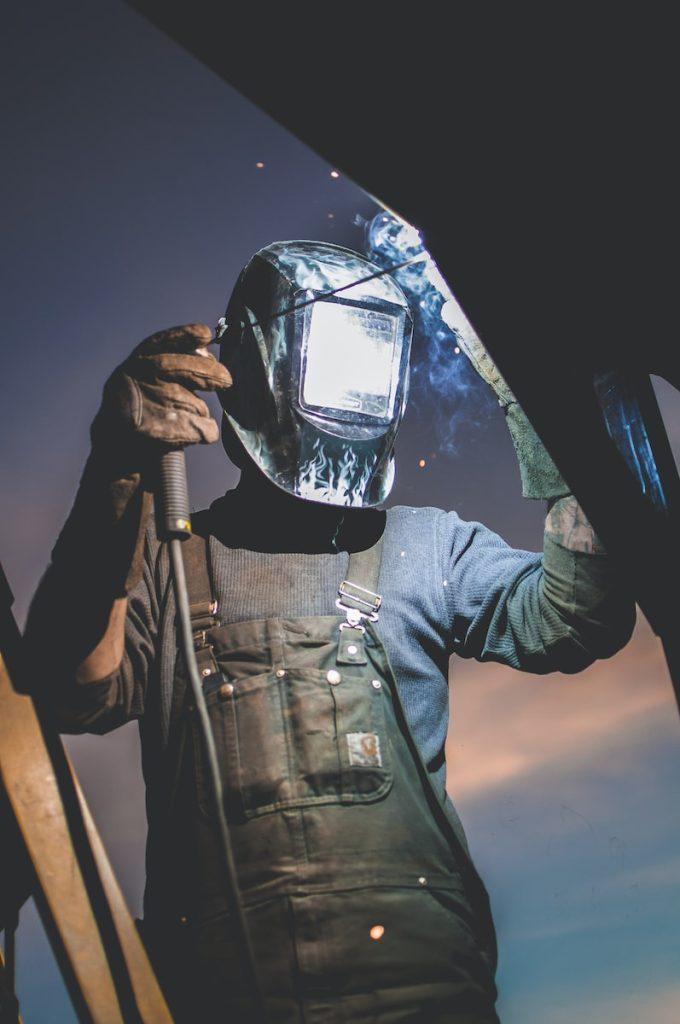
Custom workwear coverall uniforms are an essential element of personal protective equipment (PPE) in various industrial workplaces. These uniforms are designed to safeguard workers from potential hazards, such as heat, chemicals, and flames, and also promote brand identity and professionalism.
Advantages of Custom Workwear Coverall Uniforms
There are several advantages to using custom workwear coverall uniforms in industrial workplaces. Some of them are:
Promoting Brand Identity
Custom workwear coverall uniforms are an excellent way to promote brand identity. The uniforms can be designed with the company’s logo and colors, making them easily recognizable by customers and suppliers. This not only enhances the company’s reputation but also increases its visibility.
Safety
Custom workwear coverall uniforms are designed to safeguard workers from potential hazards in the workplace. They offer protection against fire, chemical spills, and other dangerous situations. By wearing the appropriate uniform, workers can perform their tasks with greater confidence and safety.
Professionalism
Custom workwear coverall uniforms create a sense of professionalism and uniformity among workers. This gives the impression that the company is serious about its business and values its employees.
Cost-Effective
Custom workwear coverall uniforms can be cost-effective in the long run. By investing in durable uniforms, companies can avoid frequent replacements, reducing costs over time.

Features to Consider while Selecting Custom Workwear Coverall Uniforms
Selecting the right custom workwear coverall uniform can be challenging. Several features need to be considered while making a decision. Some of them are:
Material
The material of the uniform should be selected based on the type of work and the potential hazards in the workplace. Materials like cotton, polyester, and flame-resistant materials like Nomex and Kevlar are commonly used for workwear coveralls.
Design and Style
Design and style should be selected based on the work environment and the company’s brand identity. The uniforms should be designed in a way that is comfortable and functional for workers.
Fit
The uniform should fit well and not restrict movement or impede work. It should be designed to fit the body type of the workers, and several sizes should be available to accommodate all body types.
Durability
The uniform should be made of durable materials that can withstand frequent washing, harsh chemicals, and other elements that may damage the uniform.
Visibility and Reflectivity
The uniform should be easily visible in low-light conditions and should have reflective material to enhance visibility in hazardous environments.
Functionality
The uniform should be designed to serve the purpose of the work environment. It should have enough pockets and storage space for tools and equipment.
Comfort and Breathability
The uniform should be designed to be comfortable and breathable. It should allow for proper ventilation and prevent overheating.
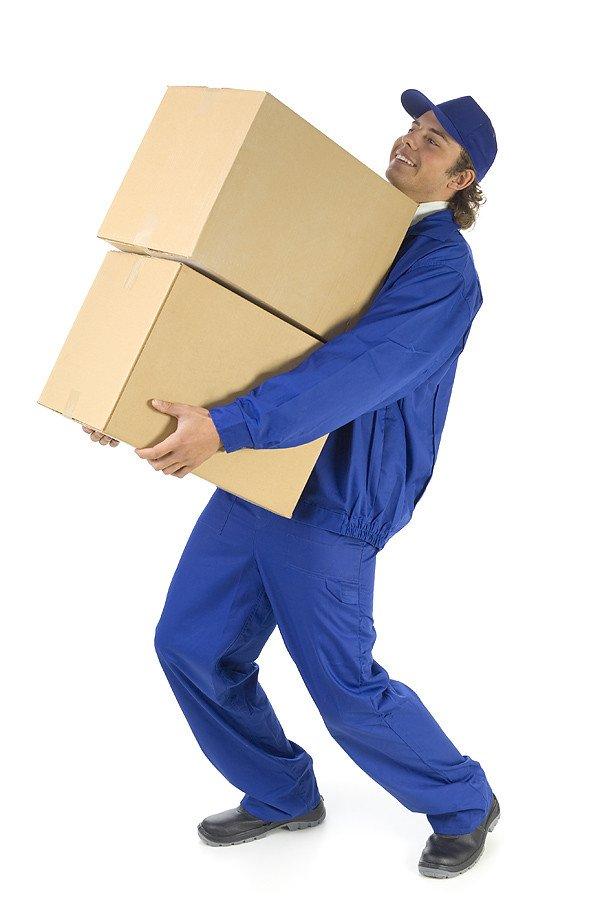
How to Get Custom Workwear Coverall Uniforms Made
Getting custom workwear coverall uniforms made can be a simple process. The following steps can be followed:
- Determine the Purpose and Requirements: Determine the purpose and requirements of the uniform, including the type of work, potential hazards, company branding, and other features required.
- Choose a Manufacturer: Research and choose a reliable manufacturer that specializes in custom workwear coverall uniforms. Consider factors such as quality, experience, and customer reviews.
- Consultation and Design: Schedule a consultation with the manufacturer to discuss the uniform’s design and features. Provide the manufacturer with all necessary information, including the company’s logo, colors, and design preferences.
- Material Selection: Select the appropriate material based on the work environment and potential hazards. The manufacturer should provide a variety of materials to choose from, including cotton, polyester, and flame-resistant materials like Nomex and Kevlar.
- Sample Approval: Once the design and material are selected, the manufacturer should provide a sample for approval. The sample should be checked for fit, comfort, and functionality.
- Production: After approval of the sample, the manufacturer can start production of the custom workwear coverall uniforms.
- Delivery: Once production is complete, the uniforms can be delivered to the workplace. Ensure that all workers have the correct size and that the uniforms fit properly.
Conclusion
Custom workwear coverall uniforms are a crucial element of personal protective equipment (PPE) in various industrial workplaces. They serve the dual purpose of safeguarding workers from potential hazards and promoting brand identity and professionalism. When selecting custom workwear coverall uniforms, it is essential to consider factors such as material, design, fit, durability, visibility, and functionality. The process of getting custom workwear coverall uniforms made can be simple by following the steps mentioned above.
FAQs
- Are custom workwear coverall uniforms mandatory in industrial workplaces?
- Custom workwear coverall uniforms may be mandatory in certain industrial workplaces, depending on the type of work and potential hazards involved.
- Can custom workwear coverall uniforms be made to suit all body types?
- Yes, custom workwear coverall uniforms can be made to suit all body types. Manufacturers should offer a range of sizes to accommodate all workers.
- How often should custom workwear coverall uniforms be replaced?
- The frequency of replacement depends on several factors, including the type of work, frequency of use, and wear and tear. It is recommended to replace the uniform when it becomes damaged or when it no longer offers adequate protection.
- Are custom workwear coverall uniforms cost-effective?
- Custom workwear coverall uniforms can be cost-effective in the long run. By investing in durable uniforms, companies can avoid frequent replacements, reducing costs over time.
- Can custom workwear coverall uniforms be designed with reflective material?
- Yes, custom workwear coverall uniforms can be designed with reflective material to enhance visibility in low-light conditions and hazardous environments.
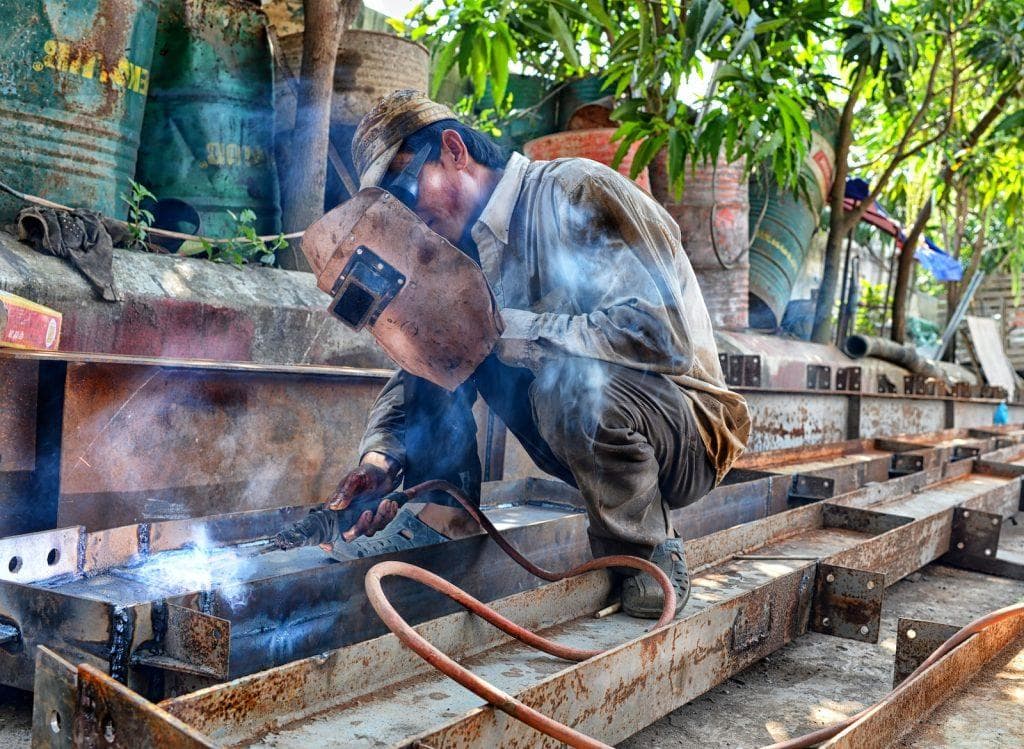
Custom Workwear Coverall Uniforms: Ensuring Safety and Brand Identity in Industrial Workplaces
Custom workwear coverall uniforms are an essential component of personal protective equipment (PPE) in various industrial workplaces. They provide workers with protection from potential hazards, such as chemicals, fire, and electrical shock, while also promoting brand identity and professionalism. In this article, we will explore the process of getting custom workwear coverall uniforms made, including the steps involved and factors to consider.
- Step 1: Determine the Purpose and Requirements
Before designing custom workwear coverall uniforms, it is crucial to determine their purpose and requirements. This includes identifying the type of work being performed, potential hazards, and the features required to ensure worker safety. Additionally, consider incorporating company branding elements, such as logos and colors, into the uniform design.
- Step 2: Choose a Manufacturer
Choosing a reliable manufacturer is crucial to ensuring that the custom workwear coverall uniforms meet the required standards for safety, comfort, and functionality. Research and select a manufacturer that specializes in custom workwear coverall uniforms, with a track record of quality products, experience, and positive customer reviews.
- Step 3: Consultation and Design
Once a manufacturer is chosen, schedule a consultation to discuss the uniform’s design and features. Provide the manufacturer with all necessary information, including the company’s branding elements, design preferences, and required features, such as pockets, zippers, and closures.
- Step 4: Material Selection
Selecting the appropriate material is crucial to ensure that the custom workwear coverall uniforms provide adequate protection against potential hazards in the workplace. The manufacturer should provide a variety of materials to choose from, including cotton, polyester, and flame-resistant materials like Nomex and Kevlar.
- Step 5: Sample Approval
Once the design and material are selected, the manufacturer should provide a sample for approval. It is important to check the sample for fit, comfort, and functionality before proceeding with production.
- Step 6: Production
After approval of the sample, the manufacturer can start production of the custom workwear coverall uniforms. The production process should meet all necessary safety and quality standards, ensuring that the uniforms are durable, functional, and comfortable.
- Step 7: Delivery
Once production is complete, the uniforms can be delivered to the workplace. It is essential to ensure that all workers have the correct size and that the uniforms fit properly to provide adequate protection.
Conclusion
Custom workwear coverall uniforms are an essential element of PPE in industrial workplaces. They not only provide workers with protection from potential hazards but also promote brand identity and professionalism. When selecting custom workwear coverall uniforms, it is essential to consider factors such as material, design, fit, durability, visibility, and functionality. By following the steps outlined above, companies can ensure that their workers are provided with custom workwear coverall uniforms that meet all necessary safety and quality standards.
FAQs
- Are custom workwear coverall uniforms mandatory in industrial workplaces? Custom workwear coverall uniforms may be mandatory in certain industrial workplaces, depending on the type of work and potential hazards involved.
- Can custom workwear coverall uniforms be made to suit all body types? Yes, custom workwear coverall uniforms can be made to suit all body types. Manufacturers should offer a range of sizes to accommodate all workers.
- How often should custom workwear coverall uniforms be replaced? The frequency of replacement depends on several factors, including the type of work, frequency of use, and wear and tear. It is recommended to replace the uniform when it becomes damaged or when it no longer offers adequate protection.
- Are custom workwear coverall uniforms cost-effective? Custom workwear coverall uniforms can be cost-effective in the long run. By investing in durable uniforms