

5 Essential Steps to Partnering with a Workwear Manufacturer for Your B2B Uniform Program
Table of Contents
Display
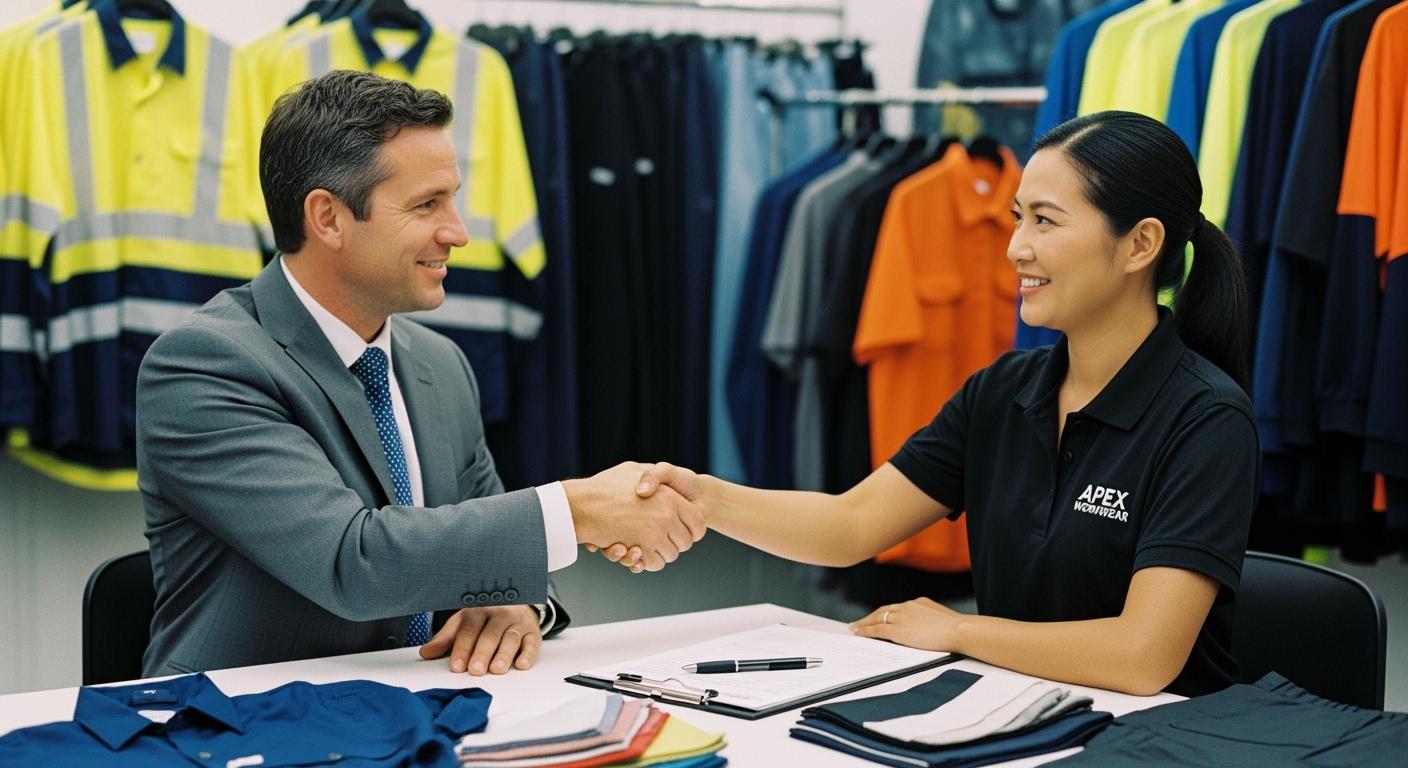
You want your company uniform to reflect your brand, support your team, and stay within budget. Choosing the right workwear manufacturer can help you meet these goals. A smart plan helps you avoid common mistakes and ensures a smooth process. When you take a thoughtful approach, you improve employee satisfaction, boost brand consistency, and increase efficiency across your business.
Key Takeaways
Define your uniform program needs by involving employees and setting clear goals that align with your business objectives.
Establish a budget and estimate the number of uniforms needed to avoid overspending and ensure you have the right amount.
Research potential workwear manufacturers by checking their experience, reputation, and certifications to ensure quality and ethical practices.
Customize uniforms to reflect your brand and meet safety needs, while gathering employee feedback to ensure comfort and satisfaction.
Negotiate clear terms with your manufacturer, including pricing, delivery timelines, and service levels to ensure a smooth ordering process.
Implement a strong inventory management plan to avoid shortages and ensure uniforms are always available for your team.
Monitor employee satisfaction and brand impact after launching your uniform program to make necessary adjustments and improvements.
Maintain a strong partnership with your manufacturer through regular reviews and open communication to adapt to future needs.
Define Company Uniform Program Needs
Before you start searching for a workwear manufacturer, you need to understand what your company uniform program should achieve. A clear plan helps you avoid confusion and ensures your uniforms support your business goals. You should involve employees and stakeholders early in the process. Their feedback will help you design a program that works for everyone.
Set Program Goals
You should set clear goals for your company uniform program. These goals will guide every decision you make, from design to delivery.
Align with Business Objectives
Your company uniform program should support your main business objectives. For example, you may want to improve customer experience or strengthen your brand presence. Some companies use uniforms to streamline operations or prepare for team expansion. The table below shows common goals for a company uniform program:
Goals of Uniform Programs |
|---|
Improving customer experience |
Strengthening brand presence |
Streamlining operations |
Preparing for geographic or team expansion |
Consider Employee Roles
You need to think about the different roles in your company. Each role may require unique features in the uniform. For example, warehouse staff may need durable fabrics, while office staff may prefer lighter materials. You should gather input from employees by conducting surveys or hosting focus groups. Fitting sessions also help you collect feedback on comfort and fit. When you involve employees, you create a sense of ownership and increase buy-in for your company uniform program.
Determine Budget and Volume
You must know how much you can spend and how many uniforms you need. This step helps you avoid overspending and ensures you order the right amount.
Estimate Quantities
Start by estimating the number of employees who need uniforms. Consider new hires and possible team growth. You can use a simple spreadsheet to track these numbers. Accurate estimates help you avoid shortages or excess inventory in your company uniform program.
Set Budget Limits
Set a clear budget for your company uniform program. Include costs for design, materials, and delivery. You should also plan for extra expenses, such as replacement uniforms or special features. A well-defined budget keeps your program on track and prevents surprises.
Plan Rollout Timeline
A good timeline helps you launch your company uniform program smoothly. You should plan each phase and consider any special needs.
Schedule Launch Phases
Break the rollout into phases. For example, you might start with one department and expand to others. This approach lets you solve problems early and adjust your plan if needed.
Address Seasonal Needs
Think about how the seasons affect your company uniform program. You may need lighter uniforms for summer and warmer options for winter. Ask employees for feedback on seasonal comfort. A feedback loop encourages ongoing input and helps you improve the program over time.
Tip: Use surveys, fitting sessions, and focus groups to gather feedback from employees and stakeholders. Their input will help you design a company uniform program that meets everyone’s needs.
Research and Evaluate Workwear Manufacturer Partners
Shortlist Manufacturers
You should start by creating a shortlist of potential workwear manufacturer partners. Focus on those who can meet your company’s unique needs. Look for manufacturers who understand your industry and have a strong track record. When you compare options, pay attention to the most important criteria for your uniform program.
Criteria | Description |
|---|---|
Safety and Protection | Essential protection against industry-specific hazards, minimizing the risk of accidents. |
Comfort and Performance | Well-fitted, breathable materials improve comfort and focus, enhancing overall job performance. |
Professionalism and Appearance | Clean, well-maintained workwear creates a positive impression and reflects well on the brand. |
Functionality and Efficiency | Functional features tailored to job requirements ensure efficiency and safety in the workplace. |
Investment in Quality | High-quality workwear offers durability and necessary safety features, making it a worthwhile investment. |
You should also check the manufacturer’s experience and reputation. Read reviews, ask for references, and look for case studies. A reliable workwear manufacturer will have a history of delivering quality products and excellent service.
Check Experience & Reputation
You need to know how long the workwear manufacturer has been in business. Experienced partners understand the challenges of B2B uniform programs. They can offer advice on design, materials, and logistics. You should ask about their past projects and see if they have worked with companies like yours. A strong reputation means you can trust their commitment to quality and durability.
Review Certifications
Certifications show that a workwear manufacturer meets industry standards. Look for certifications that focus on safe working conditions, fair wages, and sustainability. For example, the Fair Wear Foundation works with brands to improve labor conditions. The Higg Index measures sustainability across the supply chain. These certifications help you choose a partner who values quality and ethical practices.
Certification Name | Purpose | Required Certification Level |
|---|---|---|
Fair Wear Foundation | Ensures safe working conditions, fair wages, and freedom of association | Not a traditional certification, works with brands to improve labor conditions |
Higg Index | Assesses sustainability performance across the supply chain | Multiple levels including Higg MSI, FEM, FSLM, PM, BRM for various assessments |
Visit Manufacturer Facilities
You should visit the workwear manufacturer’s facilities if possible. This step helps you see their production process and check their standards in person.
Assess Production Capabilities
When you tour the facility, look at the equipment and staff. Ask how they handle large orders and custom requests. A strong workwear manufacturer will show you how they maintain quality and durability at every stage. You want a partner who can scale production as your business grows.
Evaluate Quality Standards
You should ask about their quality control process. Find out how they test materials for durability and comfort. Ask to see samples of finished uniforms. High standards mean you get uniforms that last longer and look professional. Consistent quality protects your investment and keeps your team safe.
Tip: Always ask for samples before making a final decision. Testing the uniforms yourself helps you check fit, comfort, and durability.
Compare Service & Support
You need more than just good products. Service and support matter, too.
Analyze Customer Service
You should contact the workwear manufacturer’s customer service team. Notice how quickly they respond and how well they answer your questions. Good support makes the ordering process easier and solves problems fast.
Review Logistics Options
Ask about delivery times, shipping methods, and return policies. A reliable workwear manufacturer will offer flexible logistics to fit your schedule. They should help you manage inventory and plan for restocking. Good logistics keep your uniform program running smoothly.
Gather References
You want to make the best choice for your company uniform program. One of the most reliable ways to do this is by gathering references and reviewing case studies from potential workwear manufacturers. These steps help you see how a manufacturer performs in real-world situations.
Contact Past Clients
You should ask each manufacturer for a list of past clients. Speaking directly with these clients gives you honest feedback about the manufacturer’s strengths and weaknesses. When you contact past clients, ask questions such as:
How well did the manufacturer meet your business objectives?
Did the uniforms match your company’s needs and expectations?
How did the manufacturer handle challenges or changes during the project?
Was the delivery on time and within budget?
Would you work with this manufacturer again?
You can learn a lot from these conversations. Past clients can tell you if the manufacturer helped them identify market opportunities or solve problems. They may share stories about how the manufacturer responded to obstacles like decentralized contract management or speed-to-market issues. You will also hear if the manufacturer offered solutions that improved efficiency or visibility in their uniform program.
Tip: Take notes during your calls with past clients. Compare their experiences to your own needs and goals. This helps you decide if the manufacturer is a good fit for your company.
Review Case Studies
Case studies give you a detailed look at how a manufacturer handles different projects. You should ask for case studies that match your industry or company size. When you read these case studies, look for key information:
Business Objectives: What goals did the client want to achieve? Did the manufacturer help them find new market opportunities or address specific challenges?
Scope Defined: What were the main requirements for the project? Did the manufacturer understand the client’s needs and the market dynamics?
Challenges Faced: Did the client face problems like slow delivery or complex contract management? How did the manufacturer respond?
Implemented Solutions: What steps did the manufacturer take to solve these problems? Did they use new technology or improve their processes?
Results Achieved: Did the client see a return on investment? Did the new uniforms improve procurement or boost employee satisfaction?
You can use a checklist to compare case studies from different manufacturers:
Case Study Element | Manufacturer A | Manufacturer B | Manufacturer C |
|---|---|---|---|
Met Business Goals | ✅ | ✅ | ❌ |
Solved Challenges | ✅ | ❌ | ✅ |
Delivered ROI | ✅ | ✅ | ✅ |
Improved Processes | ✅ | ❌ | ✅ |
Reading case studies helps you see if a manufacturer can deliver results that matter to your business. You want a partner who understands your goals and can show proof of success.
Note: Always ask for recent case studies. The workwear industry changes quickly, so you want to see how manufacturers handle today’s challenges.
By gathering references and reviewing case studies, you build a clear picture of each manufacturer’s strengths. This step gives you confidence in your final decision and helps you choose a partner who will support your company uniform program for years to come.
Collaborate on Customization and Branding Options
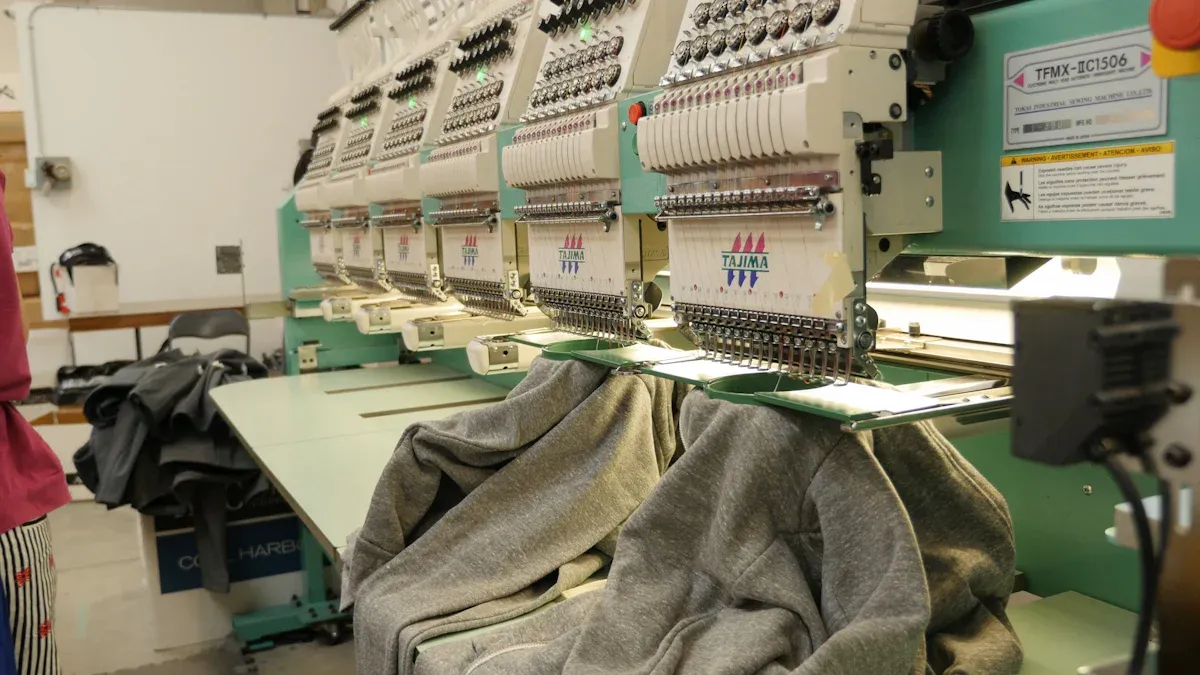
When you partner with a workwear manufacturer, you gain the ability to shape your company uniforms through customization. This step lets you create uniforms that fit your brand, meet safety needs, and support employee comfort.
Explore Customization Options
You should explore customization options that match your company’s vision. Many companies want uniforms that reflect their brand and allow for individual expression. Signatures Apparel, for example, offers a program where you can select from thousands of styles and products. This approach ensures your team looks unified but still feels unique.
Our custom uniform program lets you pick the styles and products that match your brand, then manage everything in one place.
Select Materials & Features
You need to choose the right materials for your uniforms. The right materials improve comfort, durability, and performance. You can select from a variety of fabrics to match your brand’s identity. Some companies prefer lightweight materials for office staff, while others need heavy-duty options for field workers. You should also consider features like moisture-wicking, stain resistance, or stretch panels.
Customization Option | Description |
|---|---|
Fabric Selection | Choose from a variety of fabrics to match your brand’s identity. |
Tailoring | Tailored fits to ensure comfort and style for employees. |
Embroidery | Add embroidered designs for a professional look. |
Add Safety or Industry Elements
Customization also means adding safety or industry-specific elements. You can include reflective strips, reinforced stitching, or flame-resistant materials. These features protect your employees and help you meet industry standards.
Develop Uniform Designs
You should work closely with design teams to develop uniform designs that stand out. Customization lets you adjust every detail, from color to fit.
Work with Design Teams
Design teams help you turn your ideas into reality. They guide you through the customization process, making sure your uniforms look professional and meet your needs. You can review samples and suggest changes before final approval.
Incorporate Branding
Branding plays a key role in customization. Uniforms with your logo and colors boost brand recognition. They show professionalism and build trust with customers. A unified look also creates a positive impression and strengthens your brand’s image.
Uniforms enhance brand recognition by displaying company logos.
They build trust and credibility among customers.
A unified appearance increases customer loyalty.
Gather Employee Feedback
You should involve employees in the customization process. Their feedback helps you create uniforms they want to wear.
Conduct Wear Trials
Wear trials let employees test uniforms made with different materials and features. You can collect feedback on comfort, fit, and function. This step ensures your customization choices work in real life.
Collect Stakeholder Input
Use surveys and questionnaires to gather honest opinions. Ask open-ended questions and include a comment section for extra insights. This approach helps you refine your customization options and create a uniform program everyone supports.
Use anonymous surveys for honest feedback.
Ask open-ended questions.
Include a comment option for more insights.
Customization gives you control over every detail of your uniform program. When you explore customization, you create uniforms that support your brand, protect your team, and keep employees happy.
Finalize Agreements and Ordering Process
Approve Samples
You need to approve samples before you move forward in your uniform program process. This step ensures your corporate uniform program meets your expectations for quality, fit, and comfort.
Test Fit & Comfort
Ask your team to try on the samples. Check if the uniforms fit well and provide comfort for daily tasks. You want every employee to feel confident and comfortable in their work uniform program. Testing samples helps you spot issues early in the uniform program process.
Adjust as Needed
If you find problems, work with your manufacturer to make changes. Common issues during this stage include:
Tracking different products for various job roles can get complicated.
Management may need to pre-approve every order, which takes time.
You might experience long wait times for orders.
Processing many invoices for separate orders can be tedious.
Allocating purchases to the right budget can be confusing.
You should address these challenges now to keep your uniform program process smooth.
Negotiate Terms
Negotiating terms is a key part of the uniform program process. You want clear agreements for your corporate uniform program and work uniform program.
Set Pricing & Delivery
Discuss pricing for your uniforms. Request a detailed price quotation for the quantity and type you need. Be specific about extra features like embroidery or prints. Adjust your requirements if you need to manage costs. Delivery timelines matter, too. Tell your manufacturer when you expect delivery. Ask about their standard lead times and see if they can meet your schedule.
Negotiation Point | Description |
|---|---|
Minimum Order Quantities (MOQ) | Influences costs, inventory, and flexibility in your uniform program process. |
Vendor Support | Essential for solving production and aftercare issues. |
Pricing Quotations | Helps you plan your budget for the corporate uniform program. |
Sampling | Lets you check product quality and comfort before finalizing. |
Delivery Timelines | Ensures your work uniform program stays on track. |
Long-term Relationships | Builds trust and flexibility for future orders. |
Define Service Levels
Set clear service levels with your manufacturer. Good vendor support helps you solve problems quickly. Reliable aftercare includes help with shipping and delivery. Building a strong relationship with your manufacturer makes re-orders easier.
Building a partnership with your manufacturer involves regular and honest communication about product needs and expectations, which is vital for a successful negotiation.
Set Up Ordering System
A simple ordering system keeps your uniform program process efficient. You want to make it easy for everyone involved in your corporate uniform program.
Establish Approval Process
Create a clear approval process for orders. Decide who needs to approve each order in your work uniform program. This step helps you avoid mistakes and keeps spending under control.
Use Workwear Management System
A workwear management system can improve your uniform program process. This system automates orders and tracks inventory for your corporate uniform program. Employees can request uniforms directly, which improves comfort and efficiency. You save money by controlling inventory and making bulk purchases. The system also helps you follow regulations and manage uniforms across many locations.
Advantage | Description |
|---|---|
Efficiency | Automation streamlines the uniform program process and order management. |
Employee Experience | Employees get uniforms that fit and provide comfort. |
Cost Savings | Better inventory control and bulk buying reduce waste and costs. |
Compliance | Helps you meet standards and avoid legal risks. |
Resource Allocation | Frees up staff for more important tasks. |
Centralized Control | Manages your work uniform program across all locations. |
Tip: Use a workwear management system to keep your uniform program process organized and cost-effective.
Plan Inventory Management
A strong inventory management plan keeps your uniform program running smoothly. You avoid shortages, reduce waste, and make sure every employee has what they need. When you work with a workwear manufacturer, you gain tools and support to manage your inventory more efficiently.
Choose Inventory Options
You have several ways to manage your uniform inventory. The right choice depends on your company’s size, number of locations, and how often you need to restock. Here are some common inventory options:
On-Demand Ordering: You order uniforms only when needed. This option works well for smaller teams or companies with low turnover. You save storage space and reduce the risk of holding excess stock.
Bulk Inventory: You keep a set amount of uniforms in stock at all times. This method suits larger companies or those with frequent new hires. You can respond quickly to changes and avoid delays.
Managed Uniform Program: Your manufacturer helps you choose, customize, and distribute uniforms. This program streamlines inventory management and delivery. You spend less time on administration and more time focusing on your business.
Tip: Ask your manufacturer if they offer inventory tracking tools. These tools help you monitor stock levels and predict when you need to reorder.
A managed uniform program often includes features like automated reordering and real-time inventory updates. You always know what you have on hand. This approach prevents shortages and keeps your team ready for work.
Plan for Restocking
Restocking is a key part of inventory management. You need a clear plan to avoid running out of uniforms or over-ordering. Here are steps to help you plan for restocking:
Set Minimum Stock Levels: Decide the lowest number of each uniform item you want to keep in stock. When inventory drops below this level, it triggers a reorder.
Schedule Regular Reviews: Check your inventory at set times, such as monthly or quarterly. Regular reviews help you spot trends and adjust your orders.
Coordinate with Your Manufacturer: Share your restocking schedule with your manufacturer. They can help you plan deliveries and avoid delays.
Track Usage Patterns: Use data from your management system to see which uniforms get used most. This information helps you adjust your restocking plan.
Restocking Method | Best For | Key Benefit |
|---|---|---|
Automatic Reordering | Large teams, high turnover | Prevents shortages |
Manual Reordering | Small teams, low turnover | More control over orders |
Scheduled Shipments | Seasonal needs | Matches demand cycles |
A well-planned restocking process ensures uniforms are always available. You keep your employees equipped and your operations running without interruption.
Note: Maintaining stock levels and planning for restocking reduces administrative workload and keeps your uniform program efficient.
Launch and Optimize Work Uniform Program
Roll Out Uniforms
Communicate Launch Plan
You need a clear plan to introduce your new uniform program. Start by sharing the purpose and benefits with your team. Explain how the new uniform program supports your brand and helps everyone look professional. Use meetings, emails, and posters to reach all employees. Make sure everyone knows when the new uniform program will begin and what steps to follow. Address common concerns, such as comfort and sizing, to reduce resistance. When you communicate openly, you help employees feel included and prepared for the change.
Coordinate Distribution
A smooth distribution process ensures every employee receives the right uniform on time. Follow these steps to roll out your new uniform program:
Confirm your brand guidelines and uniform details.
Double-check sizing information for all employees.
Plan logistics for delivery to each location.
Inspect uniforms before distribution.
Schedule delivery dates and notify staff.
Hand out employee uniforms and collect feedback.
Set up ongoing management for replacements and new hires.
You may face challenges during the launch, such as sizing issues or late deliveries. Prepare by keeping extra stock and working closely with your supplier. Quick responses to problems build trust in your uniform program.
Monitor Program Success
Track Employee Satisfaction
Employee satisfaction is key to the success of your new uniform program. Well-designed employee uniforms can boost morale and productivity. Research shows that comfortable and well-fitting uniforms increase happiness by up to 22%. When employees feel good in their uniforms, they work better and show more pride in their jobs. High morale leads to better customer service and lower turnover rates. You should regularly ask employees how they feel about the new uniform program. Use surveys or feedback sessions to gather honest opinions.
Measure Brand Impact
Uniforms do more than dress your team—they shape your company’s image. A strong uniform program helps customers recognize your brand and trust your services. Track how the new uniform program affects customer feedback and brand perception. Look for signs of improved professionalism and team unity. You can measure success by reviewing customer comments, sales data, and employee engagement scores.
Gather Feedback & Improve
Set Up Feedback Channels
Continuous improvement keeps your new uniform program effective. Set up easy ways for employees to share their thoughts. Use regular surveys, suggestion boxes, or feedback meetings. These channels help you spot issues early and make quick adjustments. Employees who feel heard are more likely to support the uniform program.
Implement Changes
Act on the feedback you receive. Make small changes quickly, such as adjusting sizes or adding new features. Hold quarterly check-ins to review the uniform program’s performance. Create a task force of employees to provide ongoing insights. Stay in close contact with your supplier to handle new needs. Celebrate successes to keep morale high and encourage more feedback.
Step | Description |
|---|---|
Quarterly Check-Ins | Review the new uniform program and gather employee feedback. |
Quick Adjustments | Make fast improvements based on feedback. |
Empower a Task Force | Involve employees in ongoing evaluation of the uniform program. |
Partner with Supplier | Work together for quick solutions and updates. |
Celebrate and Iterate | Recognize achievements and keep improving the new uniform program. |
Tip: Regular feedback and small improvements help your new uniform program stay relevant and successful.
Maintain Manufacturer Partnership
Building a strong partnership with your workwear manufacturer does not end after the first uniform rollout. You need to keep the relationship active and focused on long-term success. A reliable manufacturer can help you adapt to changes, solve problems quickly, and keep your uniform program running smoothly.
Schedule Regular Reviews
You should schedule regular reviews with your manufacturer. These meetings give you a chance to discuss what is working and what needs improvement. You can review uniform quality, delivery times, and employee feedback. Regular reviews help you spot small issues before they become big problems.
During these reviews, ask your manufacturer about new materials or features that could benefit your team. You can also share updates about your company’s needs. For example, if you plan to hire more staff or open new locations, your manufacturer can help you prepare. Keeping the conversation open helps both sides stay aligned.
Tip: Set a calendar reminder for quarterly or biannual review meetings. Consistent check-ins keep your uniform program on track.
A strong partnership brings many long-term benefits:
You keep your brand consistent across all uniforms and personal protective equipment.
You spend less time on paperwork and procurement because you work with fewer suppliers.
You save money by investing in high-quality, durable workwear that lasts longer and reduces safety risks.
You enjoy a reliable supply chain, which means fewer interruptions to your operations.
Your employees feel safer and more valued when they wear comfortable, durable uniforms.
Plan for Growth
Your business will change over time. You might add new roles, expand to new locations, or update your brand. You need a manufacturer who can grow with you. Talk with your manufacturer about your future plans. Ask if they can handle larger orders or offer new customization options.
Create a growth plan together. This plan should include:
Steps for scaling up uniform production as your team grows.
Options for adding new styles or safety features.
Ways to update branding on uniforms if your company changes its logo or colors.
A good manufacturer will help you stay ahead of changes. They can suggest new products or technologies that fit your needs. By planning for growth, you make sure your uniform program stays effective and supports your business goals.
Note: A long-term partnership with your manufacturer gives you peace of mind. You know you have a trusted expert ready to help as your company evolves.
You can build a successful company uniform program by following these five essential steps. A proactive partnership with your workwear manufacturer leads to long-term benefits and strong results. Keep communication open and gather feedback often to optimize your program. To get started, follow these steps:
Define your workwear needs for every role.
Assess product quality and durability.
These actions set a strong foundation for your uniform program.
FAQ
What is a corporate apparel program?
A corporate apparel program helps your business provide consistent uniforms for employees. You use this program to manage branded apparel, select a supplier, and ensure everyone wears the right style. This program supports your brand and improves team unity.
How do you select a supplier for your business uniforms?
You should research each supplier’s experience, quality, and service. Ask for samples and references. Compare pricing and delivery options. Make sure the supplier understands your business needs. Select a supplier who can support your corporate apparel program and deliver on time.
Why should you partner with a supplier instead of buying uniforms directly?
When you partner with a supplier, you gain expert advice and better pricing. The supplier manages inventory and helps you choose the best style for your business. This partnership streamlines your corporate apparel program and saves you time.
What are the benefits of personalized uniforms in a corporate apparel program?
Personalized uniforms help your business stand out. You can add names, logos, or colors that match your brand. Employees feel valued and customers recognize your business. Personalized uniforms also improve team spirit and make your corporate apparel program unique.
How does a supplier help with inventory management?
A supplier tracks your stock levels and suggests when to reorder. You avoid shortages and reduce waste. The supplier uses technology to keep your corporate apparel program running smoothly. This support lets you focus on your business.
What should you look for when partnering with a uniform distributor?
Look for a uniform distributor who understands your business and offers a wide range of styles. The distributor should provide branded apparel and support your corporate apparel program. Good communication and reliable service are key for a strong partnership.
Can a corporate apparel program adapt as your business grows?
Yes, your corporate apparel program should grow with your business. A flexible supplier can add new styles and handle larger orders. You can update branded apparel as your business changes. This approach keeps your uniforms fresh and your team looking sharp.
How does branded apparel impact your business image?
Branded apparel gives your business a professional look. Customers trust employees who wear uniforms with your logo. This style builds brand recognition and sets your business apart. A strong corporate apparel program ensures your team always looks their best.
Tip: Review your corporate apparel program every year. Work with your supplier to update styles and keep your business looking modern.