

How to Pick the Best Hiking Pants for Your Next Trip
Table of Contents
Display
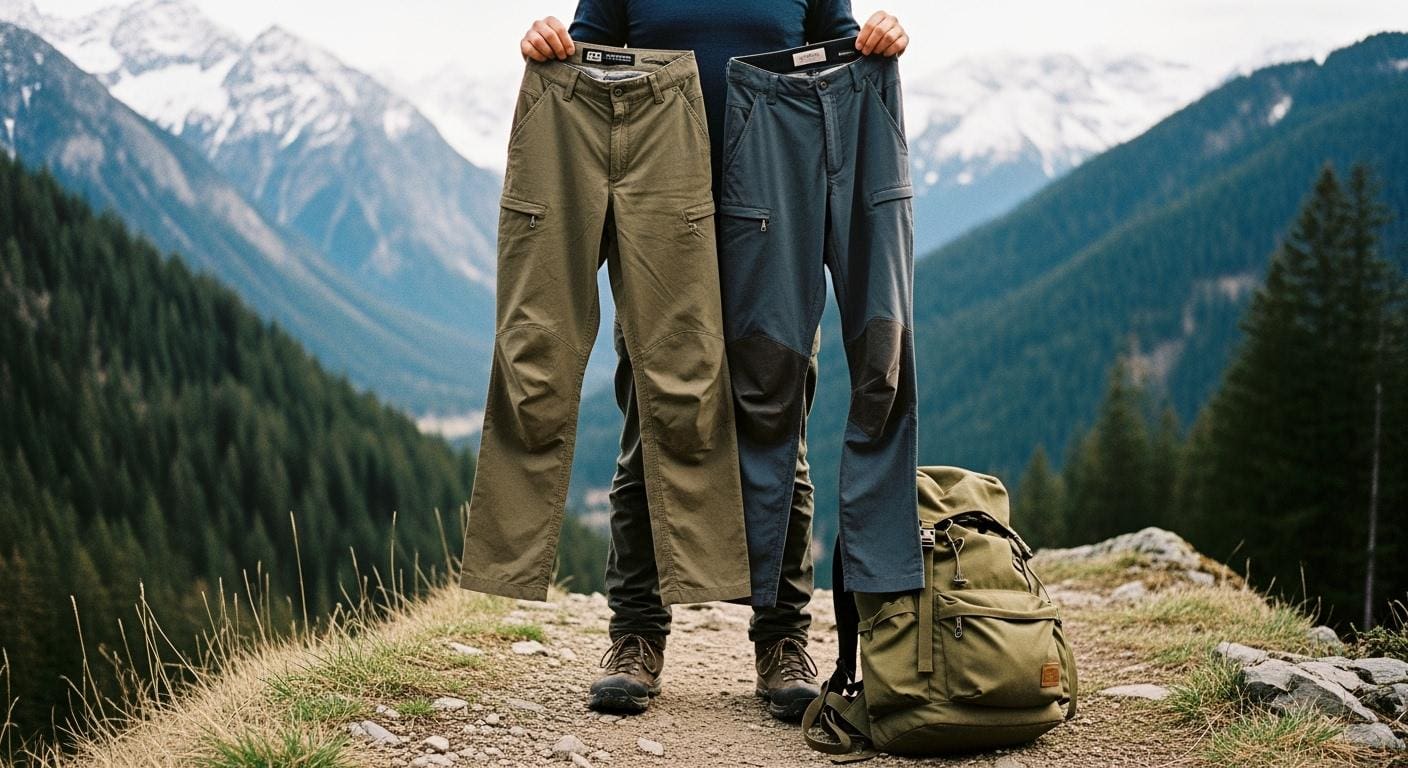
Imagine planning your next adventure and wondering what gear will make hiking more enjoyable. You want hiking pants that offer comfort and allow you to move easily. Think about your body fit and how weather conditions will affect your choice. Outdoor enthusiasts often look for pants with synthetic fabrics because these materials keep you dry and warm in unpredictable climates. Manufacturers now design hiking pants to protect you from heavy rain and snow, giving you confidence for any adventure.
Key Takeaways
Comfort is key. Choose hiking pants that fit well and allow easy movement.
Test different sizes and styles. Always try on pants and move around to find the best fit.
Look for durable materials. Fabrics like nylon and polyester resist wear and tear on the trail.
Consider versatility. Convertible pants can change from pants to shorts for varying weather.
Check for weather protection features. Water-resistant and windproof pants keep you comfortable in tough conditions.
Pockets matter. Choose pants with secure, deep pockets for easy access to your gear.
Reinforced areas increase durability. Look for extra protection on knees and seat for tough hikes.
Layer smartly. Combine hiking pants with base and mid-layers for temperature control.
Key Factors for Hiking Pants
When you search for the best hiking pants, you need to focus on several important factors. These include comfort, durability, and versatility. Each factor plays a role in how well your hiking pants perform on the trail.
Comfort and Fit
You want hiking pants that feel good and allow you to move freely. Comfort matters most when you spend hours outdoors. The right hiking pants fit can make a big difference in your experience.
Sizing Tips
You should try on different sizes before making a decision. Materials and styles can affect how hiking pants fit. Some pants use stretchy fabrics like nylon or polyester, which offer more flexibility. You need to test them out and walk around to check for comfort and mobility. Consider your activity level. If you plan strenuous hikes, choose lightweight and breathable materials. You can also look at different silhouettes. Some hikers prefer a full or wider leg, while others like a classic straight leg or a tapered fit. Tights work well for those who want a snug fit. Your body type and personal preferences will guide your choice.
Tip: Always move, squat, and stretch when trying on hiking pants. This helps you find the best hiking pants for your needs.
Leg Openings
Leg openings affect how your hiking pants interact with your boots. Wider leg openings can cover boots and keep debris out. Tapered or adjustable openings help prevent snagging on branches or rocks. You should check if the pants have drawcords or zippers at the cuffs. These features to consider can improve your hiking experience by keeping your pants secure and comfortable.
Durability
Durability ensures your hiking pants last through many adventures. You want pants made from tough materials that resist wear and tear. The table below shows common materials and their benefits for durability:
Material | Benefits | Durability Contribution |
|---|---|---|
Softshell | Tough, water-resistant, flexible, blends of polyester, nylon, elastane | Excellent all-rounder for outdoor use |
Wool | Warmth, durability, water and odor-resistance | Good for winter hiking |
Nylon | Four-way stretch, breathable, reinforced panelling | High durability and comfort |
Polycotton | Good breathability, water-resistance, abrasion resistance | Affordable and durable |
Hemp | Lightweight, environmentally friendly, can be blended with tougher fabrics | Suitable for summer hiking |
DWR Coating | Enhances water resistance, requires reproofing | Essential for weather protection |
High-abrasion | Reinforcements in critical areas (knees, seat) | Increases durability in high-wear areas |
Some brands offer hiking pants with high durability ratings. For example, Outdoor Research Ferrosi Pants use durable ripstop fabric and score high for comfort. A lead tester said, “I like the stretchy material, which is comfortable against the skin and adds versatility.” You should look for reinforced areas on the knees and seat, especially if you hike on rocky terrain.
Versatility
Versatility helps you adapt to changing conditions on the trail. Convertible hiking pants stand out for their ability to switch from pants to shorts. This feature is useful for hikes in warm weather or when temperatures change quickly. You can unzip the legs and stay cool or zip them back on for protection. Standard hiking pants do not offer this adaptability, which can limit their usefulness in variable climates. You should think about your hiking style and the environments you visit most often.
When you choose hiking pants, consider these key factors. You want pants that fit well, last long, and work for different hiking conditions. The best hiking pants combine comfort, durability, and versatility to support your adventures.
Types of Hiking Pants
Standard Hiking Pants
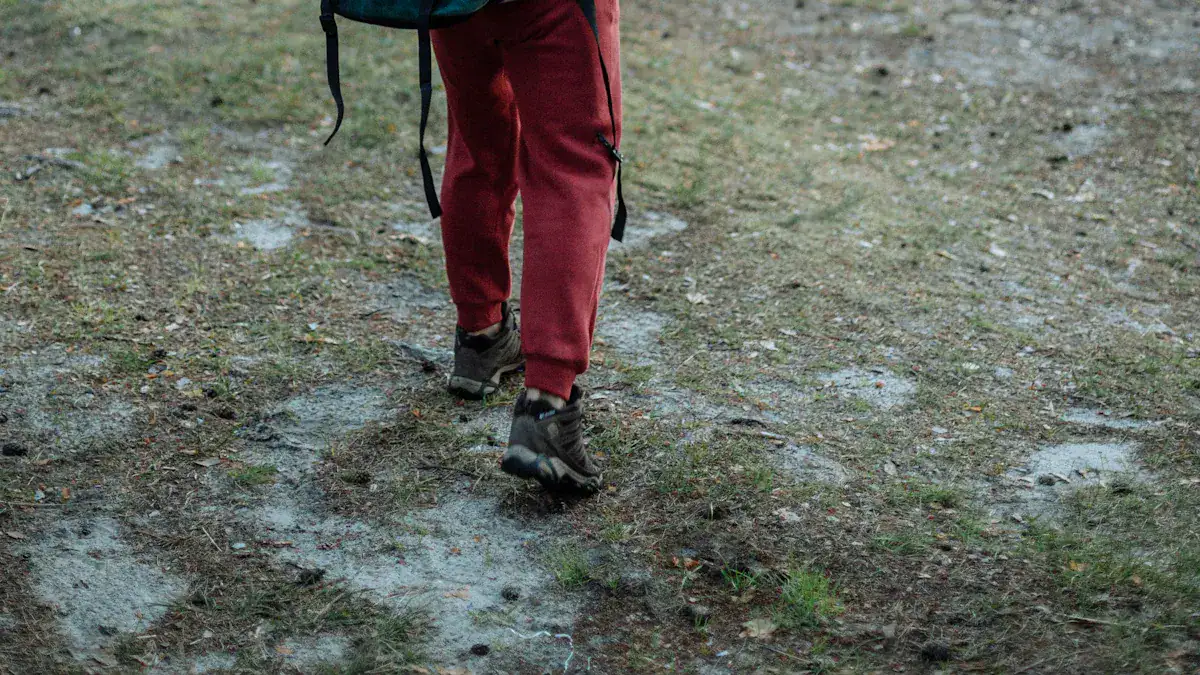
Standard hiking pants give you reliable performance on the trail. You find these pants designed with features that support movement and comfort during hiking. The cut of standard hiking pants allows your knees to bend easily, which helps you climb and descend without restriction. You benefit from functional fabrics that offer breathability, insulation, elasticity, and quick-drying properties. Pockets on these pants do not cause friction or limit your movement. You also notice abrasion-proof materials and practical details that make outdoor activities easier.
Pros and Cons
Pros:
You get excellent freedom of movement because of the special cut.
Breathable and quick-drying fabrics keep you comfortable during hiking.
Abrasion-resistant materials protect you from rough terrain.
Pockets are placed for easy access and do not interfere with your stride.
Cons:
Standard hiking pants may not adapt quickly to changing weather.
Some models offer less versatility compared to convertible options.
You might find fewer features for extreme weather protection.
Convertible Hiking Pants
Convertible hiking pants offer flexibility for changing conditions. You can transform these pants from full-length to shorts by unzipping the legs. This feature helps you stay comfortable when temperatures rise or fall during hiking. Lightweight and breathable materials improve moisture-wicking and ventilation, which is important for warm weather. Some convertible hiking pants include UV protection and water resistance, making them suitable for different climates.
Pros and Cons
Pros:
You can switch between pants and shorts, adapting to temperature changes.
Lightweight fabrics enhance comfort and ventilation.
Some models provide UV protection and resist water, which helps in diverse weather.
Cons:
Zippers may add weight or cause discomfort if not designed well.
Convertible hiking pants sometimes lack the durability of standard hiking trousers.
You may notice less insulation in cooler conditions.
Tip: Choose hiking pants with weather-resistant features if you expect rain or wind. Look for flexible, breathable, and moisture-wicking fabrics for the best performance.
Hiking Trousers vs. Pants
You often see the terms hiking trousers and hiking pants used interchangeably, but they have key differences. Hiking trousers, such as the Fjällräven Vidda Pro Ventilated Trousers, focus on durability and breathability. These trousers use wind- and water-resistant fabric, ventilation zippers, and a slimmer fit that allows freedom of movement. You benefit from extra protection against the elements and improved airflow during hiking.
Hiking pants, like the Fjällräven Barents Pro Trousers, emphasize rugged durability and comfort. You find reinforced areas that protect against abrasions, which is useful on rocky trails. The choice of fabric matters. Nylon gives you heavy-duty durability, while polyester offers versatility. The thickness of the fabric, measured in denier, affects how tough and comfortable your hiking trousers or pants feel. Thicker materials provide more protection but may reduce flexibility and breathability.
Feature | Hiking Trousers | Hiking Pants |
|---|---|---|
Durability | High, with reinforced areas | Good, depends on fabric |
Breathability | Excellent, with ventilation zippers | Varies, often quick-drying |
Fit | Slimmer, allows freedom of movement | Standard, designed for comfort |
Weather Resistance | Wind- and water-resistant | Some models offer water resistance |
Fabric | Often nylon, higher denier | Nylon or polyester, various thicknesses |
You should consider your hiking style and the conditions you expect. Hiking trousers work well for tough environments and long treks. Hiking pants suit casual hikes and changing weather. Both options help you stay comfortable and protected during hiking.
Materials and Benefits
Choosing the right hiking pants materials can make your hiking experience much more enjoyable. You want to understand how different fabrics affect comfort, performance, and durability. The right choice helps you stay dry, move freely, and feel comfortable on the trail.
Lightweight Fabrics
Lightweight hiking trousers offer several advantages for hikers who value comfort and mobility. You often find nylon as one of the most popular lightweight hiking pants materials. Nylon feels light, dries quickly, and stays quiet as you walk.
Fabric Type | Benefits |
|---|---|
Nylon | Lightweight, quick-drying, quiet |
You benefit from ultralight, high-performance materials that enhance breathability and moisture wicking. Features like articulated knees and a relaxed fit improve your range of motion and airflow. You also appreciate practical elements such as zip-secure pockets and adjustable hems, which add comfort during hiking.
Breathability
Breathable materials help regulate your body temperature. You stay cool and comfortable, especially during strenuous hiking. Fabrics like nylon and polyester allow air to flow, which reduces sweat buildup. You should look for hiking trousers with mesh panels or ventilation zippers for extra airflow.
Wind Resistance
Wind resistance protects you from chilly gusts on exposed trails. Lightweight hiking trousers often use tightly woven fabrics that block wind but still let moisture escape. You stay warm without overheating. Some hiking pants materials include a durable water-repellent finish, which adds another layer of protection against the elements.
Synthetic vs. Natural
You need to compare synthetic and natural hiking pants materials to find what suits your needs. Synthetic fabrics, such as nylon and polyester, wick moisture and dry quickly. These materials offer durability and resist abrasion, which is important for hiking on rough terrain. However, synthetic fabrics can trap heat and sweat because of their low moisture vapor transmission rate. You may notice odor retention after long hikes.
Natural fabrics, like wool and cotton, provide different benefits. Wool, especially merino, is durable, sustainably sourced, and does not retain body odor. Cotton feels soft but absorbs moisture and dries slowly, which can lead to discomfort in wet conditions. Natural materials generally require fewer chemicals during production, making them more eco-friendly. Some natural fabrics may not be sustainable due to high water requirements during cultivation.
Tip: If you care about the environment, consider hiking trousers made from wool or other sustainable materials. You get durability and odor resistance, but you should check how the fabric performs in wet weather.
Nylon and Polyester
Nylon and polyester stand out among synthetic hiking pants materials. You get quick-drying properties and efficient moisture wicking. Nylon handles abrasion better than cotton, making it ideal for rugged hiking. Polyester dries fast and wicks moisture efficiently, though it is less durable than nylon.
Material | Moisture Management | Durability |
|---|---|---|
Nylon | Quick-drying, manages moisture well | Very durable, handles abrasion better than cotton |
Polyester | Dries fast, wicks moisture efficiently | Durable, but less so than nylon |
Cotton | Highly absorbent, retains moisture | Less durable, wears out sooner |
Wool | Retains warmth when wet | Generally less durable than nylon |
Nylon: Superior moisture management and durability, quick-drying properties.
Polyester: Similar to nylon, dries quickly, good moisture wicking.
Cotton: Absorbs moisture, leading to heat loss, less durable.
Wool: Retains warmth when wet, but less durable than nylon.
Cotton and Wool
Cotton and wool offer unique benefits for hiking trousers. Cotton feels comfortable but retains moisture, which can cause heat loss and discomfort. Wool keeps you warm even when wet and resists odors, making it a good choice for multi-day hiking trips. Wool is generally less durable than nylon, but you gain sustainability and comfort.
When you choose hiking pants, consider how hiking pants materials affect breathability, moisture wicking, and durability. You want hiking trousers that match your hiking style and the conditions you expect. Lightweight hiking trousers made from breathable materials help you stay comfortable and perform your best on every hike.
Fit and Comfort
Choosing the right hiking pants fit can make your outdoor experience much more enjoyable. You want pants that feel comfortable and allow you to move freely during hiking. When you try on hiking trousers, make sure they are not too loose or too tight. Pants that fit well help prevent chafing and keep you focused on the trail. Leg openings should cover your boots to keep out dirt and debris.
Waistbands and Adjustability
Waistband design plays a big role in comfort during long hikes. You need a waistband that stays in place and adjusts easily as you move. Many hiking pants feature smart waistband solutions that improve comfort and fit. Consider these options:
The Gamma pants use a higher rise and an adjustable belt. This design keeps your pants secure and comfortable throughout your hike.
The Outdoor Research Ferrosi includes a soft lining around the waistband. Internal drawstrings let you adjust the waist without needing a belt, which is helpful when you wear a backpack.
You should look for hiking trousers with adjustable waistbands, soft linings, or built-in belts. These features help you stay comfortable and avoid distractions during hiking.
Mobility and Cut
Mobility matters when you climb, run, or scramble over rocks. The cut and design of hiking pants affect how easily you move. You want pants that support your activity level and do not restrict your stride. Here are some recommended features:
Articulated knees give you a better range of motion for climbing and running.
Convertible designs let you switch from pants to shorts, adding versatility for changing weather.
Built-in belts offer a secure fit and adjust easily for different waist sizes.
Try on hiking trousers and test your movement. Squat, stretch, and walk to see how the pants respond. Good mobility means you can tackle any trail with confidence.
Layering Options
Layering helps you manage temperature and stay comfortable in different conditions. You can combine hiking pants with base, mid, and outer layers for the best results. Each layer serves a specific purpose:
Layer | Function |
|---|---|
Wicks moisture away from the skin to keep it dry, preventing chilling and hypothermia. | |
Mid Layer | Provides insulation to retain body heat, keeping the hiker warm. |
Outer Layer | Protects against wind and rain, allowing for temperature management during varying conditions. |
You should choose hiking trousers that work well with layers. Lightweight pants fit easily over base layers, while roomy cuts allow for thicker insulation. Outer layers with water resistance keep you dry in wet weather.
Tip: Always try on hiking pants with the layers you plan to wear. This helps you find the best fit and comfort for your hiking adventure.
Essential Features
Pockets and Storage
You need pockets that help you organize your gear. Hiking pants features often include multiple pockets in different sizes and locations. Zippered pockets keep your valuables safe. Cargo pockets give you space for snacks, maps, or a phone. Some pants have mesh-lined pockets that improve breathability. You should check pocket placement. Pockets on the thigh or side are easy to reach when you wear a backpack. Deep pockets prevent items from falling out. You benefit from secure closures like zippers, snaps, or Velcro. These details make your hike more convenient.
Tip: Test pocket depth and closure strength before you buy. Place your phone or keys inside and move around to see if they stay secure.
Ventilation
Ventilation helps you stay cool and dry during strenuous hikes. Many hiking pants feature mesh panels or zippered vents along the thighs. These openings allow air to flow and reduce sweat buildup. You can open vents when you feel hot or close them to block wind. Breathable fabrics like nylon and polyester also improve airflow. You should look for pants with adjustable ventilation options. This feature is important for hikes in warm climates or when you expect temperature changes.
Mesh-lined pockets add extra airflow.
Zippered thigh vents let you control ventilation.
Lightweight fabrics wick moisture away from your skin.
Weather Protection
You need hiking pants that protect you from rain, wind, and cold. Weather protection features help you stay comfortable in extreme conditions. The table below shows essential features for hiking pants:
Feature | Description |
|---|---|
Water | Water-repellent pants keep you dry in rainy weather and are less likely to grow mildew. |
Wind | Windproof pants prevent hypothermia in cold weather, essential for extreme conditions. |
Breathable | Breathable pants allow air exchange, preventing moisture build-up and overheating. |
Insulated | Insulated pants trap body heat, beneficial in cold conditions. |
Water Resistance
Water resistance keeps you dry when you hike through rain or wet grass. Waterproof hiking pants use special coatings or membranes that block water. You should look for pants with sealed seams and durable water-repellent (DWR) finishes. These features prevent water from soaking through the fabric. Some pants offer full waterproof protection, while others resist light rain. You need to check the product label for water resistance ratings. Pants with good water resistance help you avoid discomfort and stay warm.
Note: Reapply DWR treatments after several washes to maintain water resistance.
Windproofing
Windproofing protects you from cold gusts and helps you avoid hypothermia. Windproof hiking pants use tightly woven fabrics or special membranes that block wind. You should look for pants with adjustable cuffs and waistbands. These features seal out drafts and keep you comfortable. Windproof pants work well for hikes in exposed areas or high altitudes. You benefit from extra warmth and protection during windy conditions.
You should consider all these hiking pants features when you shop for new gear. Pockets, ventilation, and weather protection make your hike safer and more enjoyable.
Reinforced Areas
When you choose hiking pants, you want gear that stands up to tough conditions. Reinforced areas play a key role in making your pants last longer. Manufacturers add extra layers or use super-durable materials in spots that face the most wear and tear. You often see reinforcements on the knees, seat, and sometimes the cuffs. These sections protect your pants from sharp rocks, rough trails, and constant movement.
Reinforced knees help you when you kneel or scramble over boulders. The fabric resists abrasion and prevents holes from forming. You can hike, climb, or sit on rough ground without worrying about damage. The seat area also benefits from reinforcement. You spend time sitting on logs, rocks, or damp ground. Extra protection keeps your pants from tearing or wearing thin. Some hiking pants feature double-layered cuffs. These protect against brush, thorns, and boot friction.
You should look for pants with reinforced stitching. Strong seams hold the fabric together and stop it from splitting. Many brands use bar-tack stitching at stress points. This technique adds strength where you need it most. You also find pants with ripstop fabric. This material uses a special weave that stops small tears from spreading.
Tip: Check the product description for details about reinforced areas. Look for terms like “double-layered,” “ripstop,” or “bar-tack stitching.” These features show that the pants are built for durability.
Reinforced sections in hiking pants use materials designed to resist damage from rough terrains. You get extra protection in high-stress areas, which helps your pants maintain their integrity over time. This construction means you can rely on your gear for many trips. You save money because you do not need to replace your pants as often.
Here are common reinforced areas to look for:
Knees: Protect against scrapes and abrasion.
Seat: Prevents wear from sitting on rough surfaces.
Cuffs: Shields against thorns and boot friction.
Seams: Bar-tack stitching adds strength at stress points.
Reinforced Area | Benefit | Common Material Used |
|---|---|---|
Knees | Abrasion resistance | Ripstop nylon, Cordura |
Seat | Prevents tearing | Double-layered polyester |
Cuffs | Guards against brush/boots | Reinforced nylon |
Seams | Stops splitting | Bar-tack stitching |
You should consider reinforced areas when you shop for hiking pants. These features give you confidence on the trail. You can tackle rocky paths, kneel to tie your boots, or sit for a break without worrying about your gear. Reinforced hiking pants help you focus on your adventure, not on your clothing.
Hiking Pants for Different Conditions
Hot Weather
When you hike in hot weather, you need hiking pants that keep you cool and dry. Breathability and moisture-wicking properties matter most. Lightweight fabrics allow air to circulate and help sweat evaporate quickly. Mesh panels and zippered vents add extra airflow. You should avoid heavy or dark materials, as they trap heat.
Some of the best hiking pants for specific conditions in warm climates include:
REI Sahara Convertible Pants: These pants dry quickly and offer excellent breathability.
Baleaf Laureate: You get good moisture-wicking performance and mesh pocket liners for added ventilation.
Outdoor Research Ferrosi: Known for comfort and breathability during hot hikes.
prAna Halle Straight Pants: These pants manage moisture well and perform reliably in the heat.
Choose hiking trousers with a relaxed fit and adjustable cuffs. This design lets you roll up the legs or increase airflow when temperatures rise. Convertible styles also help you adapt to changing weather.
Cold Weather
Cold weather hiking requires pants that insulate and protect you from wind and moisture. Layering works best. Thin layers trap heat and let you adjust as your activity level changes. Windproof and water-resistant outer layers keep you warm and dry.
Product Name | Features | Use Case |
|---|---|---|
Outdoor Research Helium Rain Pants | Lightweight, waterproof, wind barrier | Overlayer for cold hikes |
Precip Full Zip Rain Pant | Full-length zippers, easy venting | Versatile for large boots |
Mountain Hardwear Compressor Alpine Pants | Insulation for low activity | Evening use or emergencies |
REI Activator Pants | Warmer, windproof, water-resistant | Ideal for below freezing temperatures |
You should aim to feel slightly cool while moving. This approach prevents overheating and sweating. Windproof layers add significant warmth. Remember, hiking pants for specific conditions in winter often feature reinforced knees and seats for durability.
Wet Conditions
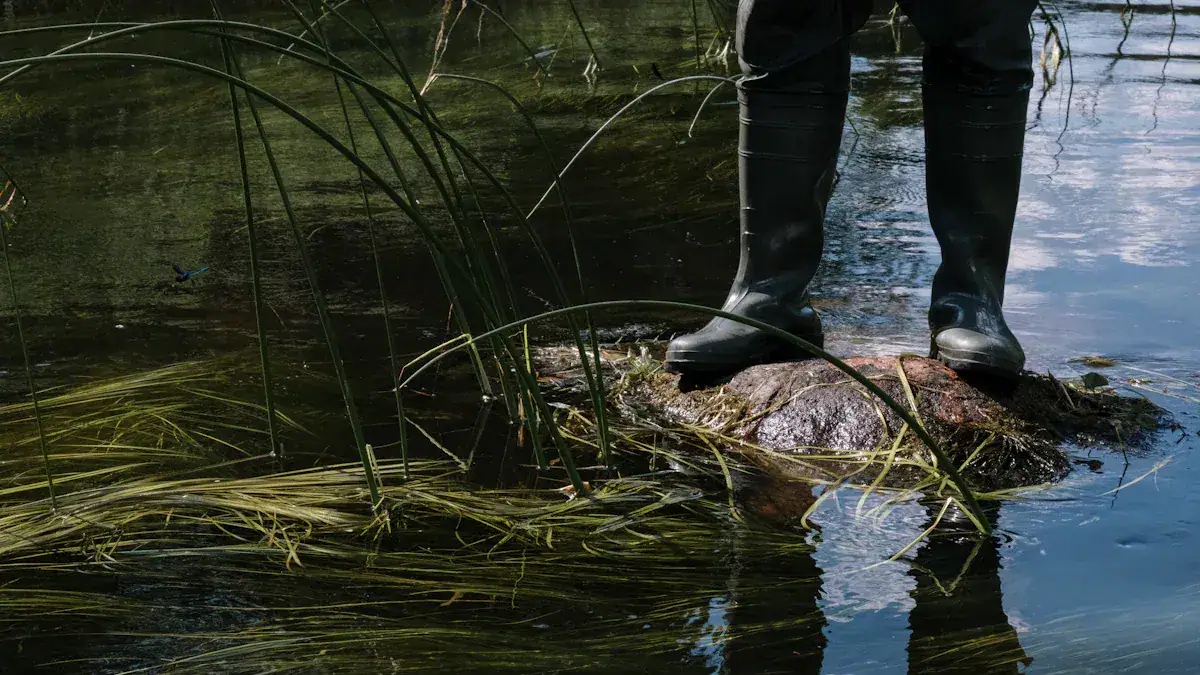
Wet conditions demand hiking trousers that block water and manage moisture. Look for pants with fully taped seams and weather-resistant fabrics. Ventilation features, such as side zippers and a looser fit, help air circulate and keep you comfortable. Durability matters, as wet environments can wear down fabric quickly.
Feature | Description |
|---|---|
Weather Resistance | Superior water resistance and breathability, fully taped seams to prevent leaks |
Ventilation | Side zippers and looser fit enhance air circulation and moisture management |
Durability | Reinforced materials and double stitching withstand rough use and wear |
You stay dry and protected when you choose hiking pants designed for wet trails. Always check for reinforced stitching and durable fabrics to ensure your gear lasts through many rainy adventures.
Variable Climates
You often face unpredictable weather when you hike in variable climates. Mountain trails can shift from sunny to rainy in a matter of hours. You need hiking pants that help you adapt quickly and stay comfortable throughout your journey.
Layering gives you the flexibility to manage changing temperatures and conditions. You start with a moisture-wicking base layer that keeps your skin dry. This layer moves sweat away from your body and prevents chills. You add an insulating mid-layer, such as fleece or wool, to trap warmth when the temperature drops. You finish with a waterproof outer shell that shields you from rain and wind. Each layer works together to keep you dry, warm, and protected.
Moisture-wicking base layer keeps skin dry.
Insulating mid-layer like fleece or wool adds warmth.
Waterproof outer shell protects against rain and wind.
Choosing the right fabrics makes a big difference in variable climates. You want breathable and moisture-wicking materials instead of cotton. Cotton absorbs water and dries slowly, which can make you uncomfortable. Synthetic fibers like polyester or merino wool perform better because they dry quickly and manage sweat. You also benefit from packable shells that fit easily in your backpack. These shells are water-repellent and lightweight, so you can put them on when the weather changes.
Choose breathable and moisture-wicking fabrics over cotton.
Opt for synthetic fibers like polyester or merino wool for optimal performance.
Select packable shells that are water-repellent for changing weather.
Weather resistance features help your hiking pants stand up to sudden storms and strong winds. Many pants use DWR (Durable Water Repellent) coatings that cause water to bead up and roll off the surface. Some hiking pants include waterproof membranes like Gore-Tex. These membranes block water while letting sweat escape, so you stay dry without overheating. You should look for pants with sealed seams and adjustable cuffs. These details keep water and wind out, giving you extra protection in unpredictable conditions.
Tip: Always check the product description for weather resistance features like DWR coatings and waterproof membranes. These details help you prepare for any climate.
You prepare for variable climates by layering smartly, choosing high-performance fabrics, and picking pants with advanced weather protection. You stay comfortable and ready for whatever nature brings your way.
Budget and Testing Tips
Affordable Hiking Pants
You do not need to spend a lot to get reliable hiking pants. Many brands offer budget-friendly options that still deliver comfort and durability. You can find quality pants at outdoor retailers, discount stores, or online marketplaces. Look for sales during off-season months. Some brands release last year’s models at lower prices. You should compare features like reinforced knees, adjustable waistbands, and water resistance. These features often appear in affordable pants.
Here is a table to help you compare budget options:
Brand | Price Range | Key Features | Best For |
|---|---|---|---|
Columbia | $40-$60 | Quick-dry, UPF protection | Day hikes |
REI Co-op | $50-$70 | Stretch fabric, pockets | Multi-day trips |
Baleaf | $30-$50 | Lightweight, zip pockets | Warm weather |
Wrangler | $35-$55 | Durable, relaxed fit | Casual hiking |
Tip: Check for online reviews before buying. You learn about fit, comfort, and durability from other hikers.
In-Store Fitting
Trying on hiking pants in a store helps you find the best fit. You should wear the socks and shoes you use for hiking. This gives you a realistic sense of how the pants feel. Move around the fitting room. Squat, stretch, and lift your knees. You want pants that do not pinch or restrict movement. Check the waistband for comfort. Adjustable features like belts or drawstrings help you get a secure fit.
Use this checklist when fitting pants in-store:
Wear hiking socks and boots.
Test mobility by squatting and stretching.
Check waistband adjustability.
Inspect pocket placement and depth.
Look for reinforced areas.
Note: Ask store staff for advice. They often know which brands fit true to size.
At-Home Testing
You can test hiking pants at home before your first trip. Walk around your house and climb stairs. Try sitting on different surfaces to check comfort. Wash the pants to see how they hold up. You want to see if the fabric shrinks or loses shape. Test the pockets by carrying your phone, keys, and snacks. Make sure items stay secure during movement.
Here are steps for at-home testing:
Wear the pants for a few hours.
Perform basic exercises like lunges and squats.
Wash and dry the pants.
Check for changes in fit and comfort.
Test pocket security with everyday items.
Tip: If you notice discomfort or poor fit, return or exchange the pants before your hiking adventure.
You save money and avoid frustration by following these budget and testing tips. You find hiking pants that fit well, last long, and support your hiking goals.
Focus on comfort and fit when you select hiking pants.
Check for features that match your hiking style and expected weather.
Test durability and versatility to ensure your gear lasts.
Remember, your adventure starts with the right gear. Choose pants that help you enjoy every hiking moment. Get ready and hit the trail with confidence!
FAQ
What size hiking pants should you choose?
You should try on several sizes. Move, squat, and stretch to check comfort. Hiking pants should fit snugly at the waist and allow free movement. Avoid pants that feel too tight or too loose.
Are synthetic or natural fabrics better for hiking pants?
Synthetic fabrics like nylon and polyester dry quickly and resist abrasion. Natural fabrics such as wool offer warmth and odor control. You should pick based on your hiking conditions and comfort needs.
How do you wash and care for hiking pants?
Wash hiking pants in cold water with mild detergent. Avoid bleach and fabric softeners. Air dry or use a low heat setting. Check the care label for specific instructions.
Tip: Reapply DWR treatment after several washes to maintain water resistance.
Do you need waterproof hiking pants for every hike?
You do not need waterproof pants for every hike. Choose waterproof pants for wet or rainy conditions. For dry weather, breathable and quick-drying pants work best.
What features should you look for in hiking pants pockets?
Look for deep pockets with secure closures like zippers or Velcro. Thigh or side pockets are easy to reach. Mesh-lined pockets add breathability.
Feature | Benefit |
|---|---|
Zippered | Keeps items safe |
Mesh-lined | Improves airflow |
Deep | Holds more gear |
Can you wear hiking pants in cold weather?
You can wear hiking pants in cold weather. Layer with thermal base layers for extra warmth. Choose pants with windproof and water-resistant features for better protection.
How do convertible hiking pants work?
Convertible hiking pants have zippers at the knees. You can remove the lower legs to turn them into shorts. This design helps you adapt to changing temperatures during your hike.