

How to Pick the Perfect Golf Jacket for Any Weather
Table of Contents
Display
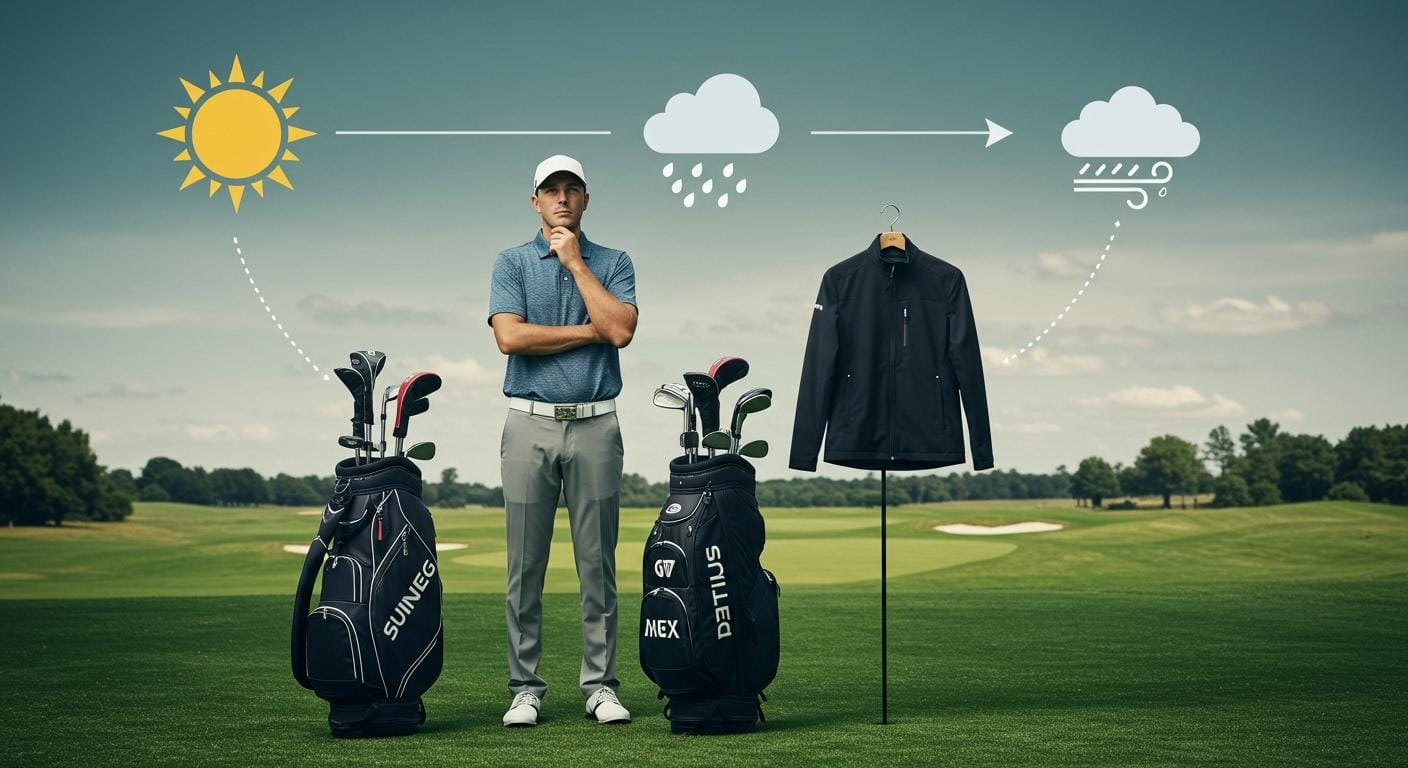
You need a golf jacket that matches the weather, fits your body, and lets you move freely. Choose a jacket with flexibility, breathability, and protection. Layering improves your comfort and performance on the course:
The base layer manages sweat and keeps your skin dry.
The mid-layer provides warmth without making you bulky.
The outer layer shields you from wind and rain.
Look for features like waterproofing, insulation, and adjustable hoods to stay comfortable in any condition.
Key Takeaways
Choose a golf jacket based on the weather conditions to enhance comfort and performance.
Look for waterproof jackets with sealed seams to stay dry during rainy days.
Select windproof jackets with breathable fabrics to protect against gusts while allowing movement.
Opt for insulated jackets with thermal linings for warmth in cold weather without bulk.
Consider lightweight, breathable jackets for mild days, ensuring flexibility and comfort.
Always check the waterproof rating of jackets to ensure they meet your needs for rain protection.
Test the fit of the jacket with your usual golf layers to ensure freedom of movement.
Maintain your jacket’s waterproof features by cleaning it properly and reapplying DWR coatings as needed.
Golf Jacket & Weather
Choosing the right golf jacket starts with understanding how weather affects your comfort and performance on the course. Weather conditions can change quickly, so you need to prepare for rain, wind, cold, and mild days. Each type of weather demands specific qualities from your outerwear.
Weather Factors
Rain
Rainy days challenge every golfer. You need waterproof golf jackets to keep you dry. Look for jackets with sealed seams and high waterproof ratings. These features prevent water from seeping in. Waterproof materials also help maintain breathability, so you avoid overheating. Many waterproof golf jackets include adjustable cuffs and hems to block out moisture. You stay focused on your swing when you stay dry.
Wind
Wind can make a round of golf unpredictable. A golf jacket with windproof and waterproof layers shields you from gusts. Lightweight fabrics with good breathability let you move freely. Some waterproof golf jackets use special membranes that block wind but allow sweat to escape. This balance keeps you comfortable and prevents chills.
Cold
Cold weather affects your muscles and your game. You need insulation and waterproof protection. A golf jacket with thermal lining traps heat, while a waterproof shell blocks rain and wind. Breathability remains important, even in the cold. You want to avoid sweating, which can make you colder. Layering under your golf jacket helps you adjust to changing temperatures.
Mild
Mild days call for lightweight waterproof golf jackets. You want maximum breathability and flexibility. Many golfers choose jackets with removable sleeves or vents. These features let you adapt as the day warms up. Waterproof coatings still matter, since weather can shift quickly.
Tip: Always check the forecast before heading out. Pack a golf jacket that matches the expected conditions.
Impact on Play
Weather shapes your performance on the course. The table below shows how different conditions affect your game:
Weather Condition | Effect on Performance |
|---|---|
Temperature | Warmer conditions improve performance |
Wind Speed | Less windy conditions enhance performance |
Humidity | Atmospheric moisture content is significant |
Wet-bulb Temperature | A predictor of scores |
You may notice that cold temperatures make the golf ball feel harder. Your muscles tighten in the cold, which reduces flexibility and range of motion. High temperatures can cause fatigue and reduce focus. Wind changes the trajectory of your shots, so you must adjust your aim and strategy. Humidity affects the ball’s aerodynamics, reducing distance and making play more challenging.
Waterproof golf jackets with high breathability help you adapt to these changes.
Key features like insulation, waterproof membranes, and adjustable hoods keep you comfortable.
Breathability ensures sweat escapes, so you stay dry inside and out.
Selecting the right golf jacket means you stay ready for any weather. Focus on waterproof protection, breathability, and flexibility to keep your game strong.
Key Features of a Golf Jacket
Flexibility
Flexibility stands out as one of the most important key features in a golf jacket. You need to swing freely and maintain your full range of motion throughout your round. Scientific studies show that flexibility in the trunk, hips, and shoulders helps you achieve the best positions during your swing. Dynamic stretches before play can improve your performance, while passive stretching may reduce it. The right golf jacket uses stretch fabrics and motion-tuned technology to support your movement.
Study Title | Key Findings |
|---|---|
Improving performance in golf: current research and implications from a clinical perspective | Flexibility in the trunk, hips, and shoulders is crucial for optimal golf performance. |
EFFECTS OF DIFFERENT WARM-UP PROGRAMS ON GOLF PERFORMANCE IN ELITE MALE GOLFERS | Flexibility at specific joints improves swing performance. Dynamic stretches are more beneficial than passive stretching. |
You should look for a golf jacket with fitted but roomy armholes and a stretchy inner layer. These design choices help you move naturally and keep your swing smooth.
Breathability
Breathability is another key feature you cannot overlook. When you walk the course or play in changing weather, you need a golf jacket that lets moisture escape. This keeps you dry and comfortable, even during intense rounds. Many popular brands focus on breathability by using advanced fabrics and ventilation systems.
Brand | Breathability Rating | Features |
|---|---|---|
Stromberg | N/A | Breathable fabric and back ventilation |
PING Sensordry S2 | 10,000 g/m2 | Waterproof to 10,000 mm, breathable |
Footjoy HydroLite | N/A | Designed for warmer temperatures, highly breathable |
J Lindeberg Theo | 20K | 3-layered fabric construction, stylish design |
Mizuno Nexlite Flex | N/A | Water resistance to 20,000 mm, lightweight |
Materials like GoreTex Paclite offer excellent breathability and waterproof protection. These jackets allow sweat to escape while blocking rain and wind. You stay dry inside and out, which is essential for comfort and focus.
Insulation
Insulation becomes vital when you play in cold or windy conditions. The best golf jacket for winter uses thermal linings that trap heat without adding bulk. You want to stay warm but still move easily. Fleece or down mid-layers provide warmth and flexibility. Moisture-wicking fabrics keep you dry, while windproof and waterproof features protect you from the elements.
Mid-layer materials: Fleece or down for warmth and movement.
Moisture-wicking fabrics: Keep you dry during play.
Windproof and waterproof features: Shield you from cold winds and rain.
Thermal insulation: Traps heat without bulk.
Layering strategy: Combine thermal base layers, insulating mid-layers, and a waterproof outer shell.
A good golf jacket balances insulation, breathability, and waterproof protection. This combination ensures you stay comfortable and perform your best, no matter the weather.
Tip: Choose a golf jacket with zippered pockets, adjustable cuffs, and elastic hems for added comfort and function.
Feature | Description |
|---|---|
Material | Breathable, water-resistant, or moisture-wicking fabrics. |
Design | Sleek, minimalist design. |
Fit | Fitted with roomy armholes and stretchy inner layer. |
Functional Details | Zippered pockets, adjustable cuffs, or elastic hems. |
Waterproofing
Waterproofing stands as one of the key features you should look for in any golf jacket. When you play in unpredictable weather, you need protection from rain and wind. Waterproof golf jackets use advanced materials and construction to keep you dry while maintaining breathability. This balance ensures you stay comfortable and focused on your game.
DWR Coating
Many waterproof golf jackets use a Durable Water Repellent (DWR) coating. This special finish causes water to bead up and roll off the fabric instead of soaking in. DWR coatings help maintain the jacket’s waterproof performance and support breathability. Over time, you may need to reapply DWR to keep your golf jacket performing at its best. Always check the care instructions to know when to refresh the coating.
Waterproof Ratings
Not all waterproof golf jackets offer the same level of protection. Manufacturers use waterproof ratings to show how much water pressure a fabric can withstand before leaking. You can use these ratings to compare different jackets and choose the right one for your needs.
Water Column (mm) | Implications | |
|---|---|---|
10,000mm | 10m | Industry standard for waterproofing in outdoor gear |
20,000mm | 20m | Higher performance, suitable for extreme conditions |
A golf jacket with a 10,000mm rating will keep you dry during most rounds. For heavy rain or long days on the course, look for a 20,000mm rating. These ratings help you pick the right level of waterproof protection.
Hood Options
Hood options add versatility to waterproof golf jackets. Some jackets feature adjustable or removable hoods. These designs let you adapt to changing weather. A hood with a visor protects your head and face from rain. This feature improves visibility and comfort when the weather turns wet.
Feature | Purpose | Benefit |
|---|---|---|
Protects the head and face from rain | Enhances visibility and comfort in wet weather |
You can choose a golf jacket with a stowable hood for mild days or a full-coverage hood for stormy rounds.
Layering System
A smart layering system helps you regulate temperature and stay comfortable in any weather. Golf jackets work best when you combine them with the right layers:
Base Layer: Provides warmth and breathability, managing moisture next to your skin.
Mid Layer: Adds insulation without bulk, keeping your core warm and flexible.
Outer Layer: Shields you from wind and rain, ensuring comfort as conditions change.
This system lets you adjust your outfit as the weather shifts. Breathability in each layer keeps sweat from building up, while waterproof protection in the outer layer keeps you dry. When you use a golf jacket as part of a layering system, you gain flexibility and comfort for every round.
Waterproof Golf Jackets
Waterproof vs. Water-Resistant
When you shop for outerwear, you often see the terms waterproof and water-resistant. These words may sound similar, but they mean very different things for your time on the course. Waterproof golf jackets use special fabrics and construction to block out all water. Sealed seams and advanced membranes keep you dry, even in heavy rain. Water-resistant jackets only protect you from light moisture or drizzle. They cannot handle a downpour or long exposure to wet conditions.
If you want to play through any weather, you need waterproof golf jackets. These jackets let you focus on your swing, not the weather. Water-resistant options work for short showers or mist, but they will not keep you dry during a storm.
Tip: Always check the product label for the waterproof rating before you buy. This number tells you how much rain the jacket can handle.
Best Materials
The best waterproof golf jackets use high-performance materials. You often see fabrics like Gore-Tex, eVent, or proprietary blends from top brands. These materials combine waterproof protection with breathability. You stay dry from rain, and sweat can escape from inside the jacket.
A key feature in many waterproof golf jackets is the Durable Water Repellent (DWR) coating. This finish causes water to bead up and roll off the surface. Over time, you may need to refresh the DWR to keep your jacket performing well. Look for jackets with taped or welded seams. These details stop water from sneaking in through tiny holes in the fabric.
Material | Waterproof Level | Breathability | Common Use in Golf Jackets |
|---|---|---|---|
Gore-Tex | High | High | Premium waterproof golf jackets |
eVent | High | High | Lightweight, breathable options |
Polyester/Nylon with DWR | Moderate to High | Moderate | Versatile, affordable choices |
Choosing for Rain
You need to consider several factors when you select waterproof golf jackets for rainy days. First, look at the waterproof rating. A rating of at least 10,000 mm will protect you in heavy rain. If you play often in wet weather, choose a jacket with a 20,000 mm rating or higher. This level of protection keeps you dry during long rounds and sudden downpours.
A waterproof rating of at least 10,000 mm is recommended for golf jackets in heavy rain.
For frequent play in wet conditions, a rating of 20,000 mm or higher is ideal.
Next, check for features like adjustable cuffs, storm flaps, and high collars. These details help seal out water and wind. Removable or stowable hoods add versatility. You can adapt to changing weather without carrying extra gear.
Breathability matters as much as waterproof protection. Waterproof golf jackets with vented panels or mesh linings let sweat escape. You avoid that clammy feeling and stay comfortable for every shot.
Note: Always try on your golf jacket with your usual layers. Make sure you can swing freely and move without restriction.
Waterproof golf jackets give you the confidence to play in any weather. You stay dry, comfortable, and focused on your game.
Golf Jacket Buying Guide
Choosing the right golf jacket can make a big difference in your comfort and performance on the course. This buying guide will help you assess fit, comfort, durability, and value step by step.
Fit & Comfort
A well-fitting jacket supports your swing and keeps you comfortable through every round. Follow these steps to check fit and comfort:
Measure your chest to ensure the jacket allows full swings without restriction.
Check the sleeve length so it covers your wrists but does not interfere with your grip.
Assess the overall length for ease of movement, especially when you bend or twist.
Try on the jacket with your usual golf layers to make sure you have enough room for movement and layering.
Move your arms and shoulders in a swinging motion to test flexibility.
Range of Motion
Your jacket should never limit your swing. The right fit keeps your arms and torso connected, which is essential for proper swing mechanics. A good fit helps you focus on your game instead of your clothing.
Evidence Description | Impact on Swing and Performance |
|---|---|
The Swing Jacket keeps the arms and torso connected throughout the swing. | This connection is essential for proper swing mechanics, which can enhance overall performance. |
Disconnection of arms from the body leads to power loss. | The Swing Jacket helps maintain connection, preventing disconnection and improving power. |
Golfers can focus on swinging without thinking about mechanics. | This allows for a more natural swing, potentially leading to better performance. |
Tip: Always test your range of motion before buying. A jacket that restricts movement can hurt your performance.
Adjustability
Look for features that let you customize the fit. Adjustable cuffs, hems, and hoods help you seal out wind and rain. These features also let you adapt to changing weather. Some jackets offer drawcords or Velcro straps for a snug fit. Adjustability ensures your jacket stays comfortable as you move and play.
Durability
A durable golf jacket stands up to frequent use and changing conditions. You want a jacket that lasts season after season. Manufacturers use several tests to check durability:
Pilling
Skewing and Bowing
Stretch and Recovery
Abrasion Resistance
Shrinkage
Snagging
Stitching
Quality stitching prevents your jacket from tearing or fraying. Reinforced seams add strength, especially in high-stress areas like the shoulders and sleeves. Strong stitching means your jacket can handle the demands of golf, from swinging to carrying your bag.
Fabric Quality
The best jackets use premium materials like polyester and nylon. These fabrics offer durability, breathability, and comfort. High-performance fabrics resist wear and tear, while reinforced seams help the jacket last longer.
Aspect | Description |
|---|---|
Premium Materials | High-performance fabrics like polyester and nylon provide durability, breathability, and comfort. |
Reinforced Seams | Seams are designed to prevent tearing, enhancing the jacket’s longevity during golfing activities. |
Note: Always check the fabric and stitching before you buy. High-quality materials and construction mean better performance and longer life.
Value & Price
Golf jackets come in a wide range of prices. High-quality options start around $50 and can reach several hundred dollars for premium brands. The price often reflects the brand reputation, materials, and features such as waterproof protection and breathability.
When you compare brands, you will notice differences in value. Galvin Green stands out as a premium brand known for high-quality and durable products. Adidas offers affordable jackets with effective waterproof features. The Adidas RAIN.RDY jacket, for example, is budget-friendly and stylish, making it a smart choice for golfers who want value without giving up performance.
Tip: Set your budget before you shop. Decide which features matter most, such as waterproof ratings, breathability, or adjustability. Look for jackets that offer the best combination of quality and price.
A smart buying guide helps you find a golf jacket that fits well, lasts long, and matches your needs. Always try on jackets, check for layering room, and evaluate adjustability. Focus on waterproof protection and breathability to stay comfortable in any weather.
Matching Jackets to Weather

Rainy Days
You face unique challenges when you play golf in the rain. You need a jacket that keeps you dry and comfortable. Always choose a waterproof jacket with sealed seams and a high waterproof rating. These features stop water from getting inside. Look for jackets with adjustable cuffs and hems. These details help you block out rain and wind.
The Redvanly Murray Jacket stands out as an excellent choice for rainy days. This jacket is lightweight and versatile. It works well in windy conditions with light rain. You can wear it on and off the course because of its stylish design. Many golfers prefer jackets like this because they combine performance and comfort.
A waterproof jacket with a hood gives you extra protection. Some hoods have visors that keep rain off your face. Removable or adjustable hoods let you adapt to changing weather. Always check the waterproof rating before you buy. A rating of 10,000 mm or higher means strong protection against heavy rain.
Tip: Pack a spare waterproof jacket in your golf bag. Weather can change quickly on the course.
Windy Days
Windy days demand a jacket that blocks gusts and keeps you warm. Choose a waterproof windbreaker with a snug fit. These jackets use special membranes that stop wind but let sweat escape. You stay dry and comfortable even when the wind picks up.
Look for jackets with elastic cuffs and adjustable hems. These features seal out wind and prevent cold air from getting inside. Some waterproof jackets have vented panels. These panels improve airflow and stop you from overheating.
A lightweight waterproof jacket works best for mild wind. For stronger gusts, pick a jacket with a higher waterproof rating and windproof technology. Always test your range of motion before you play. You need to swing freely without restriction.
Cold Weather
Cold weather on the golf course can affect your muscles and your game. You need a waterproof jacket with insulation. Thermal linings trap heat and keep you warm. A waterproof shell blocks rain and wind. This combination protects you from the elements.
Layering helps you adjust to changing temperatures. Start with a moisture-wicking base layer. Add a fleece or down mid-layer for warmth. Finish with a waterproof outer layer. This system keeps you dry and comfortable.
Choose a jacket with zippered pockets and adjustable cuffs. These features add comfort and function. A high collar and a hood give you extra protection from cold wind and rain. Always check the waterproof rating to make sure your jacket can handle wet and cold conditions.
Note: A good waterproof jacket lets you play your best, even when the weather turns cold and wet.
Mild Weather
Mild weather on the golf course gives you the chance to focus on your game without battling extreme elements. You still need the right jacket to stay comfortable and prepared for sudden changes. Many golfers overlook the importance of a lightweight jacket during these conditions. You want a jacket that feels almost invisible but still offers essential protection.
Choose a golf jacket made from lightweight and breathable materials. These fabrics help regulate your body temperature and prevent sweating. Many modern jackets use futuristic materials that stretch with your movement. This flexibility lets you swing freely and maintain your best form. Look for jackets that offer water resistance. Even on mild days, a sudden drizzle can appear. A jacket with a waterproof finish keeps you dry without making you overheat.
You should pay attention to design features that add comfort and function. Draw cords at the hem or waist allow you to adjust the fit. This helps keep out cool breezes and gives you a tailored feel. Sealed pockets protect your scorecard, phone, and other essentials from moisture. Many jackets include zippered vents or mesh panels. These features increase airflow and help you stay cool as the day warms up.
A convertible jacket works well for mild weather. Some designs have removable sleeves or stowable hoods. You can adapt quickly if the sun comes out or a light shower starts. Removable or adjustable hoods add versatility. You get extra protection when you need it and a streamlined look when you do not.
You should also consider the jacket’s waterproof rating. Even if you expect mild weather, a waterproof jacket ensures you stay dry if conditions change. Many lightweight jackets use a waterproof membrane that blocks rain but allows sweat to escape. This balance of protection and breathability is key for comfort.
Here are some features to look for in a golf jacket for mild weather:
Lightweight, breathable, and waterproof fabric
Stretch materials for easy movement
Draw cords for a snug fit
Sealed or zippered pockets
Convertible designs with removable sleeves or hoods
Mesh panels or vents for added airflow
Tip: Always keep a lightweight waterproof jacket in your golf bag. You never know when the weather might shift.
A good waterproof jacket for mild weather gives you confidence on the course. You stay dry, comfortable, and focused on your swing. With the right features, you can enjoy every round, no matter how the weather changes.
Care & Maintenance
Taking care of your golf jacket helps you get the most out of your investment. Proper cleaning, smart storage, and regular maintenance keep your jacket performing at its best. You want your jacket to stay waterproof, comfortable, and ready for any weather.
Cleaning
You should clean your golf jacket the right way to protect its waterproof features. Regular washing removes dirt, sweat, and oils that can block the fabric’s pores. Specialized cleaners work best for technical jackets. Avoid regular detergents because they can damage the waterproof coating.
Here is a quick guide to recommended cleaning methods:
Cleaning Method | Description |
|---|---|
Tech Wash | A specialized cleaner that cleans without affecting waterproofing. |
Wash-in Direct | A method to revitalize waterproofing, preferred for thoroughness. |
Spray-on Waterproofer | Used to coat the outside without affecting the inside, preventing sweat buildup. |
Use a tech wash to clean your jacket without harming its waterproof layer. For a deeper clean, try a wash-in direct product. If you want to boost the waterproof finish, use a spray-on waterproofer. Always follow the care label on your jacket.
Tip: Wash your jacket only when needed. Over-washing can wear down the waterproof coating.
Storage
Proper storage keeps your golf jacket in top shape. Hang your jacket on a wide, padded hanger to help it keep its form. Avoid folding or stuffing it into a small space. This prevents creases and protects the waterproof membrane.
Store your jacket in a cool, dry place. Keep it away from direct sunlight and heat sources. Sunlight and heat can break down the waterproof coating over time. Make sure your jacket is completely dry before you put it away. Damp jackets can develop mold or mildew, which can damage the fabric and reduce waterproof performance.
Note: Never store your jacket in a plastic bag. Plastic traps moisture and can harm the waterproof layer.
Maintaining Waterproofing
You need to maintain your jacket’s waterproof qualities to stay dry on the course. Over time, dirt and sweat can clog the fabric and reduce breathability. The waterproof coating may also wear off with use. Here are some effective ways to keep your jacket waterproof:
Use ReviveX for DWR clothing and Nikwax Techwash for Goretex or similar materials. These products clean and maintain both breathability and water repellency.
Avoid wash-in waterproofers for breathable fabrics. They can block the pores and reduce breathability. Spray-on types work better for most waterproof golf jackets.
Renew the DWR coating by skipping regular detergents during laundering. Use a dryer on low heat to reactivate the waterproof finish.
Check your jacket’s waterproof rating after several washes. If water stops beading on the surface, it is time to reapply a spray-on waterproofer.
Regular care ensures your jacket stays waterproof, breathable, and comfortable. You protect your investment and enjoy better performance on the course.
Tip: Test your jacket’s waterproofing by sprinkling water on the surface. If the water beads up and rolls off, your jacket is still in good shape.
To pick the right golf jacket, start by checking the weather. Focus on features like flexibility, breathability, and waterproofing. Match your jacket to the day’s conditions. Make sure it fits well and feels comfortable. Take care of your jacket to keep it performing at its best.
Use this guide to play confidently and stay comfortable in any weather. Investing in quality and proper care pays off every round.
FAQ
What size golf jacket should you choose?
Measure your chest and shoulders. Try on the jacket with your golf layers. Make sure you can swing your arms freely. The jacket should fit snugly but not restrict movement.
How do you know if a golf jacket is truly waterproof?
Check the waterproof rating on the label. Look for sealed seams and DWR coating. Water should bead up and roll off the surface. Test by sprinkling water on the jacket.
Can you wear a golf jacket in warm weather?
Yes, you can. Choose lightweight, breathable fabrics. Look for mesh panels or vents. Jackets with removable sleeves work well for mild days.
How often should you wash your golf jacket?
Wash your jacket only when it gets dirty. Use a tech wash for waterproof fabrics. Over-washing can damage the waterproof coating.
What features help you stay comfortable during play?
Look for stretch fabrics, adjustable cuffs, and zippered pockets. Breathable materials and vented panels keep you cool. Removable hoods add versatility.
Is layering necessary with a golf jacket?
Layering helps you adjust to changing temperatures. Wear a moisture-wicking base layer, an insulating mid-layer, and a waterproof outer shell. This system keeps you comfortable in any weather.
How do you maintain the waterproof coating?
Use spray-on waterproofer after washing. Dry the jacket on low heat to reactivate the coating. Avoid regular detergents. Check the care label for best results.
What is the difference between waterproof and water-resistant jackets?
Waterproof jackets block all water and have sealed seams. Water-resistant jackets protect against light rain but may leak in heavy downpours.