

How to pick the best work shorts for your profession
Table of Contents
Display
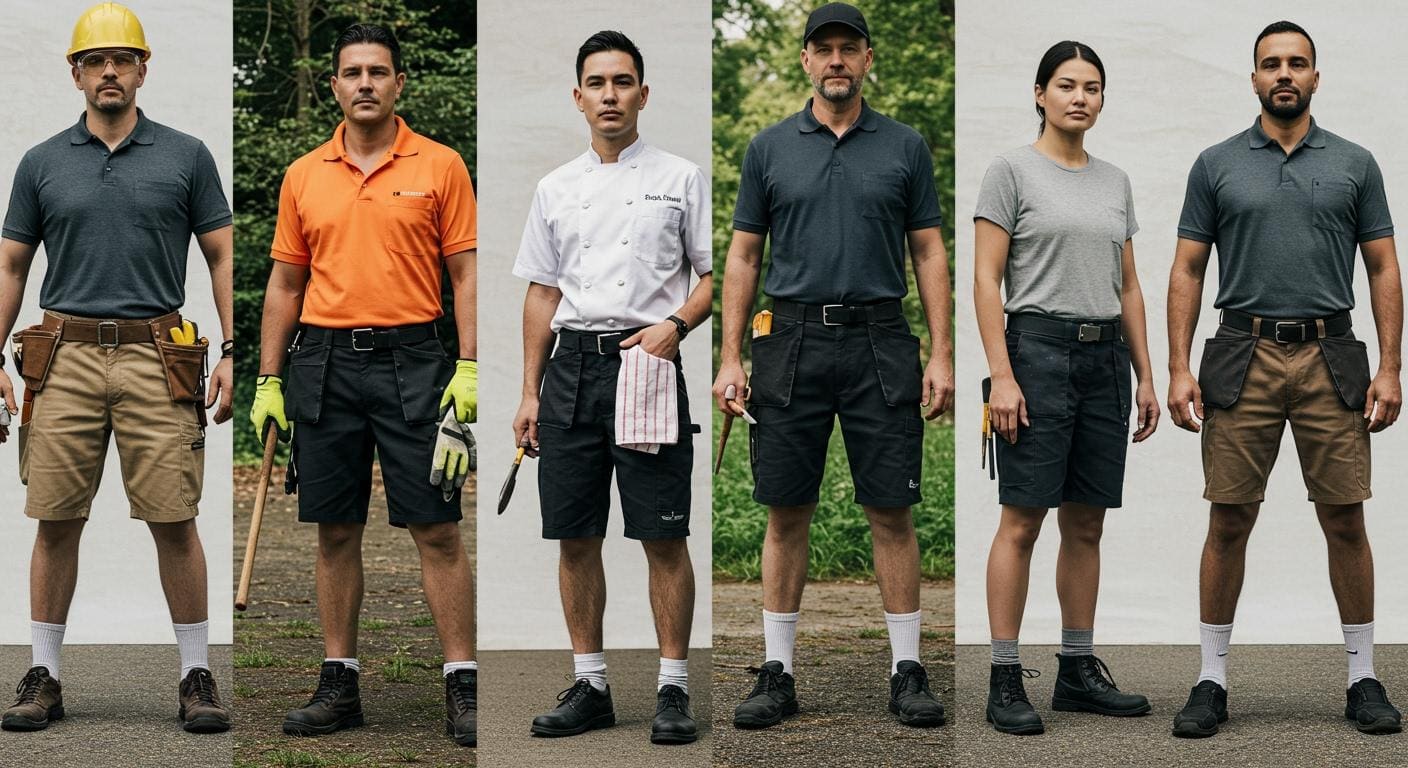
Choosing the right work shorts for your profession helps you stay comfortable and productive throughout the day. You need to match your work short to your job’s demands and environment for the best performance. Many professionals look for comfort, durability, and practical features when picking workwear. Consider these important factors:
Number and type of pockets needed
Material quality, like a poly-cotton blend
Color preferences for your role
Machine washable convenience
Evaluate materials, fit, and length based on your daily tasks. Prioritize features that improve comfort and help you perform at your best.
Key Takeaways
Choose work shorts based on your job’s demands and environment to enhance comfort and productivity.
For high mobility jobs, select shorts with flexible fabrics and features like gusseted crotches for better movement.
Durability is key; opt for materials like canvas or poly-cotton blends to withstand tough work conditions.
Look for practical storage options like cargo pockets and tool loops to keep essential items within reach.
Safety features, such as high-visibility colors and reinforced seams, are crucial for protecting yourself in hazardous environments.
Prioritize breathability and moisture-wicking fabrics to stay cool and dry during long shifts in hot weather.
Fit matters; relaxed fit shorts offer more movement, while slim fit shorts provide a professional appearance for less active roles.
Always try on shorts before buying to ensure comfort and proper fit, and consider reading reviews for informed choices.
Job Needs and Environment
Movement and Activity Level
High Mobility Jobs
You need work shorts that support constant movement if your job keeps you on your feet. Construction, landscaping, and warehouse roles often require bending, lifting, and walking. Shorts designed for high mobility use flexible fabrics and gusseted crotches. These features help you move freely and reduce stress on seams. Research shows that active work environments, like open bench seating or outdoor sites, increase physical activity and lower stress. Choosing workwear that allows easy movement can improve your comfort and performance.
Construction sites: Look for heavyweight canvas or cotton-poly blend shorts with features like cargo pockets and hammer loops.
Warehouse jobs: Choose breathable mesh panels and mid-length shorts for leg protection and airflow.
Low Mobility Jobs
If you spend most of your day sitting or standing in one place, you can focus on comfort and a professional look. Service jobs or office-based roles benefit from lightweight, soft fabrics. You may not need extra tool storage, but you should still consider pockets for small items. Shorts with a relaxed fit and minimal hardware keep you comfortable during long periods of low activity.
Durability Demands
Tough Work Conditions
Some jobs expose you to rough surfaces, heavy tools, or outdoor elements. You need work shorts with high durability to withstand daily wear and tear. The right material makes a big difference. Canvas and poly-cotton blends offer abrasion resistance and long-lasting strength. Moisture-wicking fabrics help in hot, sweaty conditions. The table below shows how different materials perform in tough environments:
Material Type | Description | Suitable Conditions |
|---|---|---|
Cotton | Natural fiber, breathable, soft, non-irritating | Mild weather conditions |
Polyester | Quick-drying, lightweight, durable | Humid environments |
Poly-Cotton Blend | Combines durability of polyester with softness of cotton | Year-round wear |
Canvas | Heavy-duty, abrasion-resistant | High-contact tasks |
Moisture-Wicking Fabrics | Dries quickly, suitable for high-sweat conditions | Summer and active work |
Light-Duty Roles
For light-duty roles, you can choose softer fabrics that focus on comfort. Cotton and lightweight blends work well in mild conditions. You do not need the same level of durability as in construction or landscaping, but you should still look for quality stitching and easy-care materials.
Storage and Tools
Cargo Pockets
Many professions require you to carry tools, devices, or personal items. Work shorts with cargo pockets provide extra storage without adding bulk. Construction and landscaping workers often need quick access to tape measures, gloves, or small tools. Warehouse staff benefit from pockets designed for scanning devices and pens.
Tool Loops
Tool loops add another layer of convenience for jobs that require frequent tool use. You can hang hammers, pliers, or other gear for easy reach. The table below highlights how different professions use storage features in their workwear:
Profession | Key Features |
|---|---|
Warehouse and Logistics | Focus on mobility and comfort; lightweight, flexible fabrics; multiple pockets for devices. |
Landscaping and Outdoor Work | UV protection; quick-dry capabilities; ripstop fabrics; stain resistance for outdoor challenges. |
Transportation and Delivery | Professional appearance; wrinkle-resistant fabrics; practical pocket arrangements for tools. |
Tip: Always match the storage features of your work short to the type of job you do. This ensures you have what you need within reach and helps you stay organized on the job.
Safety and Compliance
When you choose work shorts, you must consider safety and compliance. Many workplaces have strict rules to protect you from hazards. Your employer often sets these standards based on the risks in your environment. You should always check if your work shorts meet the requirements for your job.
High-Visibility
High-visibility work shorts help you stay safe in busy or low-light environments. If you work in construction, road maintenance, or landscaping, you need to stand out to avoid accidents. Bright colors like neon yellow, orange, or green make you more visible to coworkers and drivers. Reflective strips add extra safety, especially at night or in foggy weather.
Many companies require high-visibility clothing as part of their safety policy. You should look for shorts labeled as “hi-vis” or “ANSI compliant.” These shorts use special fabrics and reflective materials. They help you meet workplace safety standards and reduce the risk of injury. For example, if you work near moving vehicles or heavy equipment, high-visibility shorts can make a big difference in your safety.
Tip: Always check your company’s dress code for high-visibility requirements. Wearing the right color and reflective gear can save your life.
Protective Features
Protective features in work shorts shield you from workplace hazards. Some jobs expose you to chemicals, sharp tools, or extreme temperatures. In Poland, regulations state that workwear must protect against harmful factors in the environment. This means your shorts should use materials that resist cuts, burns, or chemical splashes if your job requires it.
In the United States, OSHA does not have a specific rule about wearing shorts. However, your employer must identify hazards and make sure your clothing keeps you safe. If your job puts your legs at risk, your employer may require long pants instead of shorts. For example, mechanics often wear long pants to avoid burns or cuts. You should always think about the risks in your workplace before choosing shorts.
Some protective features to look for include:
Reinforced panels: Extra fabric in high-wear areas protects against tears.
Flame-resistant materials: These help if you work near open flames or sparks.
Chemical-resistant coatings: Useful in labs or cleaning jobs.
Heavy-duty stitching: Prevents seams from splitting under stress.
You must balance comfort with safety. If your job allows shorts, pick ones with the right protective features. Always follow your employer’s guidelines and local safety laws. The right choice keeps you comfortable and reduces your risk of injury.
Work Shorts Materials
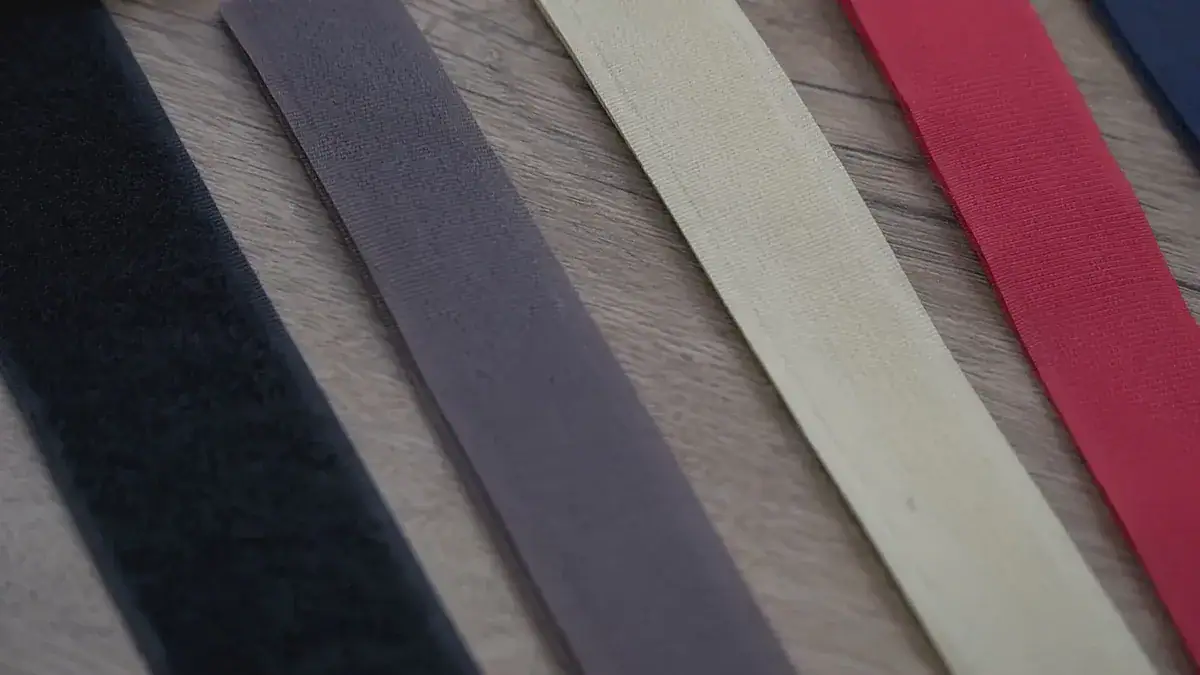
Duck and Cotton
Duck and cotton fabrics are classic choices for workwear. You see these materials in many work shorts because they offer a balance of durability and comfort. Duck fabric, made from heavy-duty cotton, stands out for its toughness. You can rely on it for demanding jobs that require sturdy clothing. Cotton feels soft against your skin and allows air to flow, which helps you stay cool during long shifts.
The table below shows the main advantages and disadvantages of cotton duck fabric:
Advantages of Cotton Duck Fabric | Disadvantages of Cotton Duck Fabric |
|---|---|
Unbelievably tough and built to stick around | Right out of the package it can feel stiff and rough |
Works great in all sorts of projects | If you skip the pre-wash it may shrink later |
Planet-friendly, especially if crafted from organic cotton | The heavier grades can be tricky for new sewers |
Takes colors and finishes like a champ | Untreated cotton denim isn’t waterproof |
Breathable by nature and sturdy to boot | It also stretches less than most man-made fabrics |
Duck and cotton work shorts suit jobs that need reliable protection and breathability. You get a sturdy feel and a classic look. If you want durable and comfortable shorts, cotton duck is a strong option. You should check the length and fit to match your daily tasks. Pre-washing helps soften the fabric and prevents shrinking.
Polyester and Ripstop
Polyester and ripstop fabrics have become popular in modern workwear. You find these materials in shorts designed for active jobs and tough environments. Polyester resists stains and dries quickly, which makes it practical for outdoor work. Ripstop fabric uses a reinforced grid pattern that boosts tear resistance. You get extra durability when you choose ripstop for jobs with high friction or exposure to sharp objects.
Ripstop and polyester work shorts offer several benefits:
You get lightweight protection for hot weather.
Polyester keeps its shape and resists wrinkles.
Ripstop fabric is engineered for durability. You notice the difference when you work in challenging conditions. Polyester does not match ripstop’s tear resistance, but it still provides solid performance for most work environments. You should look for reinforced seams to extend the life of your shorts. The right length and fit help you stay comfortable and mobile.
Denim and Elastane
Denim and elastane blends bring flexibility and style to work shorts. Denim is a classic workwear fabric known for its ruggedness. You get a timeless look and reliable durability. Elastane adds stretch fabric properties, which improve comfort and range of motion. You can bend, squat, and move freely without feeling restricted.
Elastane plays a key role in modern work shorts:
It provides remarkable stretchability for active jobs.
You enjoy a snug fit that adapts to your body shape.
The blend dries quickly, which helps during transitions between tasks.
Denim and elastane work shorts suit jobs that need both durability and comfort. You get the strength of denim with the flexibility of elastane. This combination works well for construction, landscaping, and warehouse roles. You should choose the right length and fit to match your activity level. Breathable materials and stretch fabric blends help you stay cool and comfortable all day.
Tip: When you pick work shorts, always consider the fabric type. The right material improves comfort, durability, and performance in your work environment.
Breathability and Comfort
You spend long hours at work, so breathability in your work shorts matters. Breathable fabric lets air move freely around your skin. This airflow helps your body release heat and moisture, which keeps you cool and dry. When you choose shorts with good breathability, you reduce the risk of overheating and discomfort during hot days.
Many workers notice that breathable shorts make a big difference in their daily routine. You avoid sticky, sweaty feelings that distract you from your tasks. Lightweight materials like cotton, linen, and bamboo blends are popular for their cooling properties. These fabrics allow sweat to evaporate quickly, which helps you stay fresh and focused.
Breathable fabrics are essential for summer work gear to maintain comfort.
They help prevent heat-related issues by allowing air circulation and quick sweat evaporation.
Lightweight materials like cotton, linen, and bamboo blends are recommended for their cooling properties.
You should also look for shorts that combine breathability with durability. Some jobs require you to move a lot, so you need shorts that are both durable and comfortable. Modern work shorts often use a blend of natural and synthetic fibers. This blend gives you the strength of synthetic fabric and the softness of natural fibers. Mesh panels or vented sections add extra airflow, which boosts comfort even more.
The table below compares common breathable fabrics for work shorts:
Fabric Type | Breathability | Comfort Level | Best For |
|---|---|---|---|
Cotton | High | Soft | Everyday, mild weather |
Linen | Very High | Very Soft | Hot, humid conditions |
Bamboo Blends | High | Smooth | Sensitive skin, summer |
Polyester Mesh | Moderate | Light | Active, outdoor work |
You may want to consider shorts with stretch fabric if your job involves bending or squatting. Stretch fabric moves with your body and prevents tight spots. This feature adds to your overall comfort, especially when you work in warm environments.
Tip: Always check the care label for fabric details. Proper washing helps maintain breathability and comfort over time.
Choosing the right fabric for breathability helps you stay productive and healthy. You avoid heat stress and enjoy a more pleasant workday. When you pick shorts that are both durable and comfortable, you get the best of both worlds—lasting wear and all-day comfort.
Fit and Comfort in Workwear Shorts
Relaxed Fit
You want work shorts that let you move easily during your shift. Relaxed fit shorts give you extra space in the seat, thigh, and leg. This design helps you bend, squat, and stretch without feeling restricted. Many workers in construction, landscaping, and warehouse jobs choose relaxed fit because it supports a wide range of motion. You avoid stiffness and tight spots, which means you can focus on your tasks. Relaxed fit shorts also help reduce chafing and discomfort during long hours. If your job requires frequent movement, this style keeps you comfortable and ready for action.
Tip: Choose relaxed fit shorts if you spend your day lifting, climbing, or working in tight spaces. You will notice the difference in comfort and flexibility.
Slim Fit
Slim fit work shorts offer a modern look with a closer cut to your body. You get a neat, professional appearance that works well in service jobs or office settings. Slim fit shorts use less fabric in the thigh and leg, which can feel more stylish. However, this tighter fit may limit your range of motion. If your job does not require much bending or stretching, slim fit can be a good choice. You stay cool and look sharp, but you may feel restricted if you try to move quickly or crouch down. For tasks that involve sitting or standing most of the day, slim fit shorts provide a clean silhouette without extra bulk.
Fit Type | Best For | Main Benefit | Possible Drawback |
|---|---|---|---|
Relaxed Fit | Active, physical jobs | Maximum movement | May look less tailored |
Slim Fit | Service, office, light-duty | Sleek appearance | Can restrict movement |
Adjustable Waistbands
Adjustable waistbands add another layer of comfort to your work shorts. You can change the fit to match your body shape or adjust for different layers of clothing. Many brands use elastic inserts, drawstrings, or side tabs to help you get the right fit. This feature prevents your shorts from slipping or feeling too tight as you move through your day. Adjustable waistbands work well for jobs with changing activity levels or for workers who need flexibility in their clothing. You stay comfortable, even if your body changes during the season or after a long shift.
Note: Adjustable waistbands help you avoid pinching or sagging, so you can focus on your work instead of your clothes.
The right fit in workwear shorts affects both comfort and how well you can move. Relaxed fit gives you the best mobility for active jobs, while slim fit offers a sharp look for less physical roles. Adjustable waistbands let you fine-tune your shorts for all-day comfort. When you match your fit to your job, you stay productive and feel better at work.
Features of the Right Work Shorts
Cargo Pockets
Cargo pockets stand out as one of the most practical features you can find in work shorts. These large, expandable pockets sit on the sides of your shorts and give you quick access to tools, gloves, or your phone. You do not have to dig through a backpack or toolbox when you need something fast. Many professionals, especially in construction and landscaping, rely on cargo pockets to keep their most-used items close at hand.
You should look for cargo pockets with secure closures like flaps, snaps, or Velcro. These keep your gear from falling out when you move or bend. Some cargo pockets even have extra compartments inside for better organization. When you choose work shorts with well-designed cargo pockets, you save time and stay more efficient on the job.
Tip: If your job requires you to carry several small tools or personal items, cargo pockets help you stay organized and ready for anything.
Tool Pockets
Tool pockets are another feature you should consider when picking the right work shorts. These pockets are smaller than cargo pockets and are often placed along the thighs or hips. Tool pockets hold screwdrivers, pliers, utility knives, or pens. You can grab what you need without searching through your main pockets.
Many work shorts include multiple tool pockets, which lets you separate your gear by type or size. This organization helps you work faster and reduces the risk of losing important tools. Some tool pockets have reinforced edges to prevent wear from sharp or heavy items. If you work in a trade that uses hand tools all day, tool pockets become one of the essential pockets you need.
Tool pockets keep your gear within reach.
Reinforced edges add durability.
Multiple pockets help you organize tools by size or function.
Hammer Loops
Hammer loops are a classic feature found on many types of work shorts. You see these sturdy fabric loops, usually on the side of one leg, designed to hold a hammer or similar tool. Hammer loops free up your hands and keep your most important tool close by. Carpenters, framers, and other tradespeople often use hammer loops to boost efficiency and safety.
When you choose work shorts with a strong hammer loop, you avoid setting your hammer down and forgetting it. You also reduce the risk of dropping tools from ladders or scaffolding. Some shorts offer reinforced or double-stitched loops for extra strength. If your job involves frequent hammer use, this feature can make your workday smoother.
Note: Hammer loops are not just for hammers. You can use them for other long-handled tools, making them a versatile addition to your workwear.
The right work shorts combine these features to meet the needs of your profession. You get multiple pockets, tool loops, and reinforced construction for durability. These details help you stay organized, work efficiently, and keep your tools secure throughout the day.
Reinforced Seams
Reinforced seams play a crucial role in the durability of your work shorts. You face tough conditions on many job sites. Regular seams can split or wear out quickly when you kneel, squat, or carry heavy tools. Reinforced seams use extra stitching and stronger threads to handle these stresses. You get shorts that last longer and stand up to daily challenges.
You often see reinforced seams in shorts made for construction, landscaping, and warehouse work. These jobs demand clothing that can take a beating. When you choose shorts with reinforced seams, you invest in gear that keeps up with your pace.
Reinforced seams provide extra strength to work shorts, making them more resistant to wear and tear.
Strong thread stitching and precision stitching enhance the robustness of seams.
These reinforced seams are designed to withstand the rigors of demanding work conditions, contributing to the longevity of the shorts.
You might notice double or triple stitching along the sides, seat, and pockets. These areas take the most stress during your workday. Manufacturers use special techniques to make sure seams do not unravel or burst open. You can trust these shorts to hold up, even after months of hard use.
Tip: Always check the inside of your shorts for reinforced stitching. You will see thicker threads or extra rows of stitches. This small detail can save you money and hassle in the long run.
Professions that involve heavy lifting, frequent movement, or exposure to rough surfaces benefit the most from reinforced seams. Carpenters, electricians, landscapers, and warehouse workers all need shorts that will not fail under pressure. If you work in a less demanding environment, you may not need this feature as much. However, reinforced seams still add value by extending the life of your clothing.
You should look for shorts that advertise features like “double-stitched seams,” “bar-tacked stress points,” or “triple-needle construction.” These terms signal that the manufacturer has focused on strength and durability. When you pick work shorts with reinforced seams, you make a smart choice for both safety and savings.
Choosing Work Shorts for Hot Weather
When you work in hot weather, your choice of work shorts can make a big difference in how you feel and perform. The right shorts help you stay cool, dry, and focused. You need to pay attention to the fabric, comfort, and features that support your daily tasks.
Lightweight Fabrics
Lightweight fabric is essential for warm climates. It allows air to circulate and helps your body release heat. You should look for shorts made from materials like cotton blends, polyester, or linen. These options keep you cooler than heavy fabrics. Quick-drying fabrics also help when you sweat or get caught in a summer rain. They dry fast and prevent that sticky feeling.
A good pair of lightweight work shorts should balance durability and breathability. You want shorts that last through tough jobs but do not trap heat. Check the length of the shorts as well. Mid-thigh or just above the knee often works best for airflow and protection.
Tip: Always check the label for fabric type and weight. Lighter fabrics usually feel softer and more comfortable during long shifts.
Moisture-Wicking
Moisture-wicking technology is a game changer for anyone working in the heat. This feature draws sweat away from your skin and spreads it across the fabric surface. The moisture then evaporates quickly, which keeps you cool and dry. You avoid the discomfort that comes from sweat accumulation.
Moisture-wicking work shorts offer several benefits:
Keeps you cool when working in warm conditions
Helps to prevent discomfort associated with sweat accumulation
Reduces the risk of skin irritation and chafing during physical activity
You will notice that these shorts regulate your body temperature better than regular cotton. The process works best in extreme heat, where staying dry matters most. Moisture-wicking fabrics also help maintain comfort throughout your shift.
Ventilation
Ventilation features add another layer of cooling power to your work shorts. Mesh panels, eyelets, or vented seams allow extra airflow. These details help release trapped heat and keep your skin dry. You should look for shorts with ventilation in high-sweat areas, such as the back of the thighs or along the sides.
A table below shows common ventilation features and their benefits:
Ventilation Feature | How It Helps |
|---|---|
Mesh Panels | Increases airflow |
Eyelets | Allows heat to escape |
Vented Seams | Reduces sweat buildup |
Proper ventilation supports both comfort and mobility. You move freely without feeling weighed down by sweat or heat. The right length and fabric choice work together with ventilation to keep you productive in hot weather.
Note: Combine lightweight, moisture-wicking, and ventilated shorts for the best results in warm climates.
Work Shorts vs. Cargo Shorts
When you choose between work shorts and cargo shorts, you need to think about how each option performs on the job. Both styles offer pockets and comfort, but they serve different purposes in professional settings. Let’s break down the differences in durability, safety, and professional appearance.
Durability
Work shorts are built for tough environments. Manufacturers use heavy-duty fabrics like canvas, duck, or reinforced polyester. These materials resist tears, abrasions, and frequent washing. You can expect work shorts to last through demanding tasks such as construction, landscaping, or warehouse work. Double or triple stitching at stress points adds extra strength.
Cargo shorts, on the other hand, often use lighter fabrics. Many cargo shorts focus on casual wear, not job site performance. You might notice that seams wear out faster or fabric thins after repeated use. If your job requires kneeling, climbing, or carrying tools, work shorts provide the durability you need. Cargo shorts may not hold up under the same conditions.
Tip: Always check the fabric weight and stitching before you buy. Stronger materials mean longer-lasting shorts.
Safety
Safety matters on every job site. Work shorts include features designed to protect you from hazards. You find options like high-visibility colors, flame-resistant fabrics, and compliance with workplace safety standards. These features help you stay safe around vehicles, machinery, or open flames.
The table below highlights key safety features you should look for in work shorts:
Safety Feature | When to Use | Why It Matters |
|---|---|---|
High-Visibility | Low light, near vehicles | Helps others see you |
Flame Resistance | Near fire, sparks, or hot surfaces | Protects from burns |
Compliance | All jobs | Meets safety laws and keeps you safe |
Cargo shorts rarely offer these protections. Most cargo shorts lack reflective strips or flame-resistant coatings. If your employer requires specific safety gear, work shorts are the better choice. You reduce your risk of injury and meet workplace regulations.
Professional Look
Your appearance on the job sends a message. Work shorts give you a clean, uniform look that fits professional standards. Many brands design work shorts to match company dress codes. You see features like reinforced seams, subtle colors, and minimal logos. This style helps you look organized and ready for work.
Cargo shorts often have a more relaxed, casual vibe. Large, baggy pockets and bright patterns can look out of place in a professional setting. If you want to make a good impression, choose work shorts that align with your workplace’s expectations.
Note: Some employers do not allow cargo shorts because they do not meet safety or appearance standards. Always check your company’s policy before you decide.
Choosing the right shorts affects your comfort, safety, and how others see you at work. Work shorts offer the durability, protection, and professional look you need for most jobs. Cargo shorts may work for casual days, but they rarely meet the demands of a professional environment.
Workwear Shorts for Common Professions

Construction
When you work in construction, you need workwear shorts that can handle tough conditions and keep you comfortable all day. You move, bend, and climb often, so durability and flexibility matter. The best workwear shorts for construction use rugged fabrics and smart features. You want deep pockets for tools, reinforced seams, and a relaxed fit for easy movement.
Here is a table showing top-rated workwear shorts for construction workers:
Product Name | Key Features | Best For |
|---|---|---|
Carhartt Rugged Flex Rigby Work Shorts | Rugged construction with stretchable fabric, Multiple tool pockets, Relaxed fit for comfort | Construction workers and outdoor professionals |
Red Kap Performance Shorts | Stain-resistant finish, Durable ripstop fabric, Comfortable elastic waistband | Mechanics and shop workers |
Dickies 13-Inch Relaxed Fit Multi-Pocket Work Shorts | Wrinkle-resistant polyester-cotton blend, Extra pockets for tools and essentials, Classic straight-leg design | Budget-conscious professionals |
Burnside Solid Cargo Work Shorts | Lightweight, breathable fabric, Cargo pockets for added utility, Modern fit | All-around work environments |
Carhartt Force Tappen Cargo Shorts | Rugged Flex stretch technology, FastDry waistband, Reinforced stitching | Heavy-duty tasks |
You should choose workwear shorts with reinforced stitching and flexible fabric. These features help you stay safe and productive on the job site. Deep pockets and hammer loops keep your tools close, so you work faster and stay organized.
Tip: Always check the waistband and fit before buying. A relaxed fit lets you move freely and reduces discomfort during long shifts.
Painting
Painting professionals need workwear shorts that offer comfort, utility, and easy care. You spend hours standing, reaching, and moving, so lightweight fabric and smart pocket design help you stay efficient. The right workwear shorts for painting use polyester-cotton blends that resist stains and keep their shape.
The table below lists essential features for painting workwear shorts:
Feature | Description |
|---|---|
Fabric | Easy-care polyester/cotton blend that retains color and shape |
Pockets | Reinforced holster pockets with compartments, including a zipper pocket |
Hammer Loops | Hammer loop on each side for convenient tool carrying |
Back Pockets | Spacious back pockets with flap and Velcro closure |
Thigh Pocket | Left thigh pocket with extra compartment and Velcro flap |
Rule Pocket | Right thigh rule pocket cluster with knife button, knife slot, and pen compartments |
Color Options | Available in multiple colors (Khaki, Navy, Dark Grey, Black) |
You should look for workwear shorts with multiple pockets and loops. These features help you carry brushes, knives, and other tools. Easy-care fabric saves you time on laundry and keeps you looking professional.
Note: Choose shorts with Velcro or zipper closures to keep your tools secure while you work.
Landscaping
Landscaping requires workwear shorts that combine durability, breathability, and protection from the elements. You spend hours outdoors, so you need shorts that dry quickly and resist stains. Ripstop fabrics and reinforced seams help your shorts last longer, even when you kneel or work on rough surfaces.
You should pick workwear shorts with cargo pockets for gloves, pruners, and small tools. UV protection and moisture-wicking technology keep you cool and safe under the sun. A relaxed fit lets you move easily as you trim, dig, or plant.
Choose ripstop or canvas fabric for extra durability.
Look for shorts with mesh panels or vented seams for better airflow.
Select shorts with deep pockets and reinforced stitching for heavy-duty tasks.
Tip: Always match your workwear shorts to your type of job. The right features help you stay comfortable and productive, no matter the conditions.
Warehouse
You work in a warehouse, so you need clothing that keeps up with your daily demands. Warehouse jobs often require you to walk, lift, and reach for long hours. The right workwear shorts help you stay comfortable and efficient during your shift. You should look for shorts that combine durability, flexibility, and smart storage.
Warehouse environments can be hot or cold, depending on the season and the building. You want workwear shorts made from breathable fabrics for summer. Cotton blends and lightweight polyester help you stay cool and dry. Some shorts include moisture-wicking technology, which pulls sweat away from your skin. This feature helps you avoid discomfort during busy days.
Storage is important in a warehouse setting. You often carry small tools, box cutters, pens, or scanners. Workwear shorts with multiple pockets keep your essentials close. Cargo pockets and tool pockets let you organize your gear. You save time when you do not have to search for what you need.
Here is a table showing features to consider when choosing workwear shorts for warehouse jobs:
Feature | Why It Matters |
|---|---|
Breathable Fabric | Keeps you cool during physical work |
Multiple Pockets | Holds tools, pens, and small devices |
Reinforced Seams | Increases durability for daily use |
Adjustable Waistband | Ensures a secure, comfortable fit |
Lightweight Material | Reduces fatigue during long shifts |
You should also check the fit of your shorts. A relaxed fit gives you more freedom to move. Adjustable waistbands help you get the right fit, even if your body changes during the season. Some brands offer elastic inserts or drawstrings for extra comfort.
Safety is another factor to consider. Some warehouses require high-visibility clothing. If your workplace has this rule, choose workwear shorts in bright colors or with reflective strips. This helps you stay visible to coworkers and equipment operators.
Tip: Always check your company’s dress code before buying new workwear shorts. Some warehouses have specific requirements for color, length, or safety features.
You can find many brands that design workwear shorts for warehouse professionals. Look for options that balance comfort, durability, and storage. The right pair helps you stay productive and focused throughout your shift.
Tips for Picking the Right Work Shorts
Try Before Buying
You should always try work shorts before making a purchase. Fit and comfort matter most when you spend long hours on the job. Visit a store and wear different styles to see how they feel. Move around, squat, and stretch to test flexibility. Check if the waistband sits comfortably and if the shorts allow enough room for movement. You can also inspect the pockets and seams for durability. If you cannot visit a store, look for retailers with easy return policies. This way, you can order several pairs, try them at home, and return what does not work for you.
Tip: Bring a small tool or phone when you try on shorts. Place it in the pockets to see if the shorts hold your gear securely.
Read Reviews
Reading reviews helps you make smarter choices when buying work shorts. Many professionals rely on feedback from other users to find the best products. You gain valuable insights into comfort, durability, and fit by checking online ratings. Reviews often mention how shorts perform in real work environments. You can learn about issues like shrinking, fading, or weak seams before you buy.
Consider these facts about online reviews:
Nearly 60% of consumers browse online product reviews at least once a week.
93% believe that online reviews help improve the accuracy of their purchase decisions.
82% of consumers read product reviews before making shopping choices.
Reviews and ratings are a crucial source of information for consumers.
A review from an online community is considered the most credible by shoppers.
93% of consumers state that online reviews affect their shopping choices.
You should look for detailed reviews that mention specific features, such as pocket size or waistband comfort. Pay attention to feedback from people who work in similar jobs. This helps you avoid common problems and choose shorts that meet your needs.
Note: Sort reviews by most recent to see how the shorts hold up over time.
Seasonal Needs
You need to match your work shorts to the season. Hot weather calls for lightweight, breathable fabrics that wick away moisture. In cooler months, you may want thicker materials or longer shorts for extra warmth. Some brands offer shorts with removable liners or adjustable lengths. You can switch styles as the weather changes to stay comfortable year-round.
Create a checklist for seasonal needs before you shop. List the features you want for summer, such as mesh panels or moisture-wicking fabric. For spring or fall, add items like reinforced seams or water-resistant coatings. This approach helps you find shorts that work for every season and keeps you prepared for changing conditions.
Tip: Rotate your work shorts as the seasons change. Store summer shorts during winter to extend their lifespan.
Budgeting
You want work shorts that fit your needs and your wallet. Setting a budget helps you narrow down your choices and avoid overspending. Start by deciding how much you can spend on workwear each season. Some jobs require frequent replacement of clothing, while others let you wear the same shorts for years. You should think about how often you work outdoors, how tough your tasks are, and how quickly your shorts wear out.
Many brands offer work shorts at different price points. You find basic models for under $30, while premium options can cost $60 or more. Higher-priced shorts often use stronger fabrics, reinforced seams, and extra features. If you work in a demanding environment, investing in quality pays off over time. Cheaper shorts may save you money upfront, but they might wear out faster and need replacement sooner.
Consider the value of each pair. Look at the cost per wear instead of just the sticker price. If a $50 pair lasts twice as long as a $25 pair, you actually spend less in the long run. You should also check for sales, discounts, and bulk deals. Many retailers offer promotions during back-to-school season or holidays. Signing up for store newsletters can alert you to special offers.
Here is a simple table to help you compare options:
Price Range | Features You Get | Best For |
|---|---|---|
Under $30 | Basic pockets, standard fabric | Light-duty, casual work |
$30 – $60 | Reinforced seams, extra pockets | Most professional jobs |
Over $60 | Premium fabric, advanced features | Heavy-duty, daily use |
You should create a checklist before shopping. List the features you need, such as cargo pockets, adjustable waistbands, or moisture-wicking fabric. Match your list to your budget. This approach helps you avoid impulse buys and ensures you get the best value for your money.
Tip: Spending a little more on quality work shorts often saves you money over time. Durable shorts last longer and keep you comfortable on the job.
If you need several pairs, look for multi-pack deals or shop during clearance sales. Some brands offer loyalty programs that reward repeat customers with discounts. Always read the return policy before buying, especially if you shop online. This way, you can exchange or return shorts that do not meet your expectations.
Budgeting for work shorts means balancing cost, quality, and features. You make smarter choices when you plan ahead and compare options. The right pair of shorts supports your work and fits your budget.
You can find the best workwear shorts by matching your choice to your profession and environment. Focus on comfort, performance, and practical features. Use a checklist to compare workwear, such as storage, fit, and material. Choose workwear shorts that are both durable and comfortable. Assess your daily tasks and select workwear that supports your needs. The right work short improves your workwear experience and boosts productivity. Reliable workwear shorts help you stay safe and efficient every day.
Remember: Investing in quality workwear shorts leads to better comfort and long-lasting performance.
FAQ
What is the best material for work shorts?
You should choose cotton blends or ripstop polyester for durability and comfort. These fabrics resist wear and allow airflow. Cotton feels soft, while polyester dries quickly. Duck canvas works well for tough jobs.
How do I know if work shorts fit correctly?
You should check if the waistband sits comfortably and the shorts allow easy movement. Try squatting and stretching. The shorts should not pinch or sag. Adjustable waistbands help you get the right fit.
Are cargo pockets necessary for every profession?
Cargo pockets help you carry tools and small items. If your job requires frequent access to gear, you need them. Office or service jobs may not need extra pockets. Choose based on your daily tasks.
Can I wear work shorts in cold weather?
You should avoid work shorts in cold weather. Long pants protect your legs from low temperatures and hazards. Some brands offer lined shorts, but pants work better for warmth and safety.
How do I care for my work shorts?
You should wash work shorts in cold water and avoid bleach. Check the care label for instructions. Air drying helps preserve fabric strength. Regular washing removes dirt and keeps shorts comfortable.
What features improve safety in work shorts?
High-visibility colors, flame-resistant fabrics, and reinforced seams improve safety. You should look for reflective strips if you work near vehicles. Strong stitching prevents shorts from tearing during tough tasks.
How many pairs of work shorts should I own?
You should own at least three pairs. This lets you rotate them and always have a clean pair ready. More pairs help you match shorts to different tasks or weather conditions.