

How to choose the best Convenience Staff Uniform for your business

When I think about the best staff uniform for a convenience store, I see more than just clothing. The right uniform shapes how employees feel and how customers view the business. I often ask myself how a uniform can boost confidence, reduce stress, and create a sense of belonging. Choosing work uniforms with comfort and practicality in mind helps everyone perform better. I also listen to employee feedback, since their pride and satisfaction can lead to higher retention and a stronger team. Every detail matters when it comes to uniforms.
Key Takeaways
Choose breathable fabrics like cotton blends or moisture-wicking polyester to enhance employee comfort during long shifts.
Ensure proper fit and flexibility in uniforms to allow staff to move freely and perform tasks without restriction.
Incorporate practical features like pockets and non-slip shoes to help staff stay organized and safe while working.
Consider seasonal uniform options to keep employees comfortable in varying weather conditions, boosting morale and productivity.
Select durable materials and high-quality construction to reduce the need for frequent replacements and maintain a professional appearance.
Align uniform design with brand colors and logo placement to enhance brand recognition and create a cohesive team image.
Gather employee feedback on uniform styles and features to ensure comfort, functionality, and inclusivity for all staff members.
Review and adjust your uniform program regularly to meet changing needs and maintain a positive work environment.
Staff Uniform Comfort
Breathable Fabrics
When I choose a staff uniform, I always start by thinking about comfort. Breathable fabrics make a big difference in how employees feel during long shifts. I look for materials like cotton blends or moisture-wicking polyester. These fabrics help keep staff cool and dry, especially when the store gets busy. I have noticed that comfortable uniforms boost morale and create a positive work environment. Employees who feel good in their uniforms work better and interact more positively with customers.
Tip: Ask your team which fabrics they prefer. Their feedback can help you select materials that improve comfort and functionality.
Here is a table that shows how comfortable uniforms impact the workplace:
Evidence Type | Description |
|---|---|
Employee Morale | Comfortable uniforms enhance employee morale, leading to a more positive work environment. |
Team Unity | Uniforms promote a sense of unity among team members, boosting team self-esteem. |
Productivity | Studies indicate that employees who feel good in their uniforms are more productive and engaged. |
Customer Experience | Quality uniforms facilitate team recognition by customers, improving overall customer experience. |
Fit and Flexibility
I pay close attention to fit and flexibility when selecting uniforms. A uniform that fits well allows staff to move freely and perform tasks without restriction. I avoid brands with inconsistent sizing because poor fit leads to discomfort. I look for ergonomic designs that support a full range of motion. Flexible materials reduce fatigue and lower the risk of injury. I want my team to feel comfortable and safe, especially when they need to bend, reach, or lift items.
Inconsistent sizing across uniform brands can lead to poor fit and discomfort.
Proper ergonomic design facilitates a full range of motion, which is essential for active roles.
Uniforms that restrict movement can cause discomfort and reduce productivity.
Ergonomically designed uniforms reduce fatigue and injury risk.
Breathable and flexible materials allow for a wide range of motion, minimizing musculoskeletal strain.
Practical Features
Uniforms must offer more than just comfort. I look for practical features that help staff do their jobs better.
Pockets
Pockets are essential for convenience store employees. I choose uniforms with enough pockets for carrying pens, notepads, or small tools. Pockets help staff stay organized and respond quickly to customer needs.
Movement
Movement matters in every shift. I select uniforms that allow easy movement, so employees can stock shelves, clean, and assist customers without feeling restricted. Comfortable uniforms let staff focus on customer service, which builds trust and improves service quality. Uniforms also help maintain hygiene and prevent the spread of disease, which is important in food service areas. I consider non-slip shoes and flame-resistant fabrics to prevent accidents and injuries.
Note: Always ask employees about the features they value most. Their input ensures the uniform meets both comfort and functionality needs.
Seasonal Options
When I select a staff uniform, I always consider how the seasons affect my team’s comfort and performance. Seasonal uniform options make a big difference in how employees feel throughout the year. I have seen firsthand that uniforms designed for specific weather conditions help staff stay focused and productive, no matter the climate.
During winter, I choose uniforms that keep employees warm. Thick fabrics, long sleeves, and insulated jackets protect staff from cold drafts near store entrances. I notice that when my team feels warm, they move faster and interact better with customers. In summer, I switch to lightweight and breathable materials. Short sleeves and moisture-wicking fabrics help staff stay cool, especially during busy shifts. Employees who feel comfortable in hot weather can concentrate on their tasks and provide better service.
Spring and fall bring unpredictable temperatures. I prefer uniforms with versatile features, such as removable layers or light jackets. These options allow staff to adjust their attire as the weather changes throughout the day. Layering helps employees avoid overheating or getting too cold, which keeps morale high and reduces distractions.
Tip: I always ask my team for feedback on seasonal uniforms. Their opinions help me choose the right materials and styles for each season.
Here is how seasonal uniform options support staff comfort and performance:
Winter uniforms keep employees warm and comfortable, which is essential for maintaining productivity in cold months.
Summer uniforms prioritize breathability and lightweight fabrics, helping employees stay cool and focused.
Fall and spring uniforms offer versatility with lightweight outerwear that can be layered for fluctuating temperatures.
I believe that offering seasonal uniforms shows my commitment to my team’s well-being. When I provide climate-appropriate attire, I send a message that I care about their practical needs. This approach builds trust and loyalty among staff. It also improves the overall atmosphere in the store, since employees who feel comfortable are more likely to deliver excellent customer service.
I recommend reviewing your uniform program each season. Ask your staff what works and what does not. Make adjustments based on their feedback and the local climate. A flexible approach to seasonal uniforms keeps your team happy and productive all year.
Durability in Work Uniforms
Material Quality
When I select a staff uniform, I always check the material first. The right fabric makes a big difference in both comfort and durability. I prefer poly-cotton blends because they combine the softness of cotton with the strength of polyester. This mix stands up to frequent washing and tough work conditions. I also look for advanced fibers that boost durability and easy maintenance. Some of the best materials for high-traffic retail environments include:
Material | Key Benefits |
|---|---|
Comfortable stretch, shape retention, moisture-wicking, chlorine-proof, UV resistant, withstands industrial laundering | |
LYCRA XTRA LIFE® technology | Resists shrinkage and misshaping, long-lasting, lower carbon footprint |
COOLMAX® EcoMade fiber | Wicks sweat, dries fast, keeps moisture-wicking after many washes |
THERMOLITE® EcoMade insulation | Traps warmth, made from recycled materials, reduces need for new garments |
I notice that uniforms made with these materials last longer and keep their shape. Poly-cotton blends and moisture-wicking fabrics also help manage sweat, which keeps employees comfortable during long shifts. High-quality uniforms not only look better but also save money over time.
Construction
I always pay attention to how uniforms are made. The construction of a uniform affects its durability and quality. I check for strong seams, reinforced stitching, and secure buttons or zippers. These features prevent splitting and wear, even after many washes. I have seen that uniforms with high-quality construction keep their shape and function longer.
Technique | Description |
|---|---|
Smart textiles | Add extra features like sensors for better functionality |
Advanced materials | Offer flame resistance, cut protection, and chemical resistance |
Automation in manufacturing | Ensures consistent quality and lowers production costs |
3D design tools | Allow for quick changes and custom fits |
Uniforms with these techniques stand up to daily use. I also make sure the fit matches each employee. Proper fit not only improves safety but also extends the life of the uniform.
Longevity
I want uniforms that last. When I choose high-quality materials and strong construction, I see fewer replacements and repairs. This approach increases cost-effectiveness for my business. Durable uniforms mean staff can focus on their jobs without worrying about rips or stains. I also notice that employees feel more satisfied when they wear uniforms that look good and hold up over time.
Durability and easy maintenance matter for both staff and managers. I choose uniforms that wash easily and resist stains. This saves time and keeps the team looking sharp. When uniforms last longer, I spend less on replacements and my staff feels more confident at work.
Tip: I always ask my team for feedback on how uniforms hold up. Their experience helps me pick the best options for durability and quality.
Brand and Uniform Design

When I choose a staff uniform, I always think about how it represents my brand. Uniforms do more than provide a professional appearance. They help customers recognize my business and set the tone for every interaction. I want my team to look unified and confident, so I pay close attention to design choices that reflect my values and industry standards.
Brand Colors
I start with color. The right colors make uniforms stand out and reinforce my brand identity. I select colors that match my logo and store design. Warm colors like red and orange boost energy, while cooler shades such as blue and green promote calmness and focus. I use sublimation printing for vibrant designs that last all season. Consistent team colors foster a sense of belonging among employees and help customers remember my store.
Here is how color choices impact branding:
Key Point | Explanation |
|---|---|
Color Choices | Uniform colors should reflect the brand’s values and evoke desired emotions. |
Cohesive Scheme | A balanced color scheme enhances branding while maintaining professionalism. |
Emotional Impact | Colors can convey messages about trust, energy, and eco-friendliness. |
Trustworthy brands often use navy or gray.
Energetic brands might choose orange or yellow.
Eco-friendly brands should consider green and earthy tones.
I believe that a strong color scheme makes uniforms memorable and supports a professional appearance.
Logo Placement
Logo placement matters. I want my logo to be visible but not overwhelming. I usually place it on the chest or sleeve, where customers can see it easily during interactions. Strategic logo placement helps customers recognize my brand and builds trust. A well-placed logo also makes the uniform more functional and visually appealing.
Uniforms with clear logos act as mobile advertisements. Employees become brand ambassadors, promoting my business wherever they go. I make sure the logo matches the overall design and does not distract from the uniform’s main colors.
Key Point | Explanation |
|---|---|
Incorporation of Logo | Integrating logos and brand colors creates a cohesive look. |
Subtle Branding | Well-placed logos and color accents connect with customers without overwhelming the design. |
Reflection of Business Values | Uniforms reflect the brand’s values and culture, shaping customer perceptions. |
Consistency
Consistency is key. I keep uniform designs the same across all locations. This approach helps customers quickly associate my staff with the brand. Uniforms that look polished instill confidence and signal reliability. I use strong base colors and simple patterns to maintain a professional appearance.
Uniforms serve as a visual representation of my brand’s values and culture.
A cohesive look enhances professionalism and customer trust.
Consistent designs reinforce brand recall and visibility.
Every customer interaction becomes an opportunity to showcase my brand. Uniforms promote team spirit and equality among employees, which boosts morale. I review my uniform program regularly to ensure it aligns with my brand and industry standards.
Choosing Work Uniforms for Store Roles
Job Requirements
When I start choosing work uniforms for my convenience store, I look closely at the job requirements for each role. Every position has unique needs. Cashiers need a staff uniform that looks professional and feels comfortable. I select breathable fabrics and active polo shirts for them. Smart trousers and a fleece vest help with temperature control. Stockers need uniforms that can handle tough tasks. I choose tear-resistant fabrics, stretch panels, and reinforced T-shirts. Durable trousers keep them safe and mobile. Deli and bakery workers require uniforms that focus on cleanliness. I pick easy-to-clean materials, aprons, and head coverings. Nonslip shoes protect them from accidents. Office staff need business-casual attire. I prefer dress shirts, work chinos, and lightweight cardigans.
Here is a table that shows the key features for different types of uniform:
Job Role | Key Features |
|---|---|
Cashiers | Comfortable, professional appearance; breathable fabrics; active polo shirts; smart trousers; fleece or sweater vest for temperature control. |
Stockers | Durability; mobility; tear-resistant fabrics; stretch panels; durable trousers; reinforced T-shirts or sweatshirts. |
Deli/Bakery Workers | Cleanliness; easy-to-clean materials; aprons or smocks; head coverings; nonslip shoes for safety. |
Office Staff | Business-casual attire; comfort and professionalism; dress shirts or blouses; work chinos; lightweight cardigans or blazers. |
Role-Specific Styles
I believe that different roles need different styles of uniforms. The types of tasks each employee performs influence the style I choose. Cashiers interact with customers all day. I want their uniforms to look neat and friendly. Stockers move around the store and handle heavy items. Their uniforms must allow freedom of movement and resist wear. Deli workers need uniforms that protect them from spills and maintain hygiene. Office staff benefit from styles that balance comfort and professionalism.
Uniforms must also support performance and safety. I select materials that match the work environment. For hot climates, I use moisture-wicking fabrics. For jobs with hazards, I choose flame-retardant or antimicrobial treatments. Uniforms help with recognition, too. Customers trust staff who wear clear, branded uniforms. I make sure each role has a uniform that fits its needs.
Here is a table that explains how job requirements shape uniform styles:
Factor | Description |
|---|---|
Freedom of movement | |
Visibility | Some jobs need bright or reflective uniforms for safety. |
Recognition | Uniforms enhance brand visibility and customer trust. |
Performance | Materials must suit the work environment, such as moisture-wicking for hot areas. |
Job requirements | Hazards dictate special features, like flame-retardant or antimicrobial fabrics. |
Environment Adaptation
I always adapt uniforms to the store layout and working environment. I ask my team for feedback on fit and functionality. Surveys and focus groups help me understand what works best. I check return and exchange rates to spot size mismatches. I choose suppliers who offer a wide range of sizes and customization options. This ensures every employee gets a uniform that fits well.
I test new uniforms in different work areas before making a final decision. A phased rollout lets me see how uniforms perform in real conditions. I adjust the types of uniform based on feedback and store needs. This approach helps me create a comfortable and practical uniform program.
I gather employee feedback through surveys and focus groups.
I analyze size issues by checking return and exchange rates.
I select suppliers with many size and customization options.
I test uniforms in various environments before full rollout.
Choosing work uniforms for store roles means looking at job requirements, role-specific styles, and environment adaptation. I focus on comfort, safety, and brand recognition. This process helps me build a strong team and a welcoming store.
Custom Uniform Options
Sizes and Fits
When I choose uniforms for my team, I focus on sizes and fits. Every employee has a unique body shape. I want everyone to feel comfortable and confident in their work attire. I look for suppliers who offer a wide range of sizes, from extra small to plus sizes. I also check if they provide options for different body types, such as tall or petite cuts. Uniform customization helps me match the right fit to each staff member. I often ask employees to try on samples before placing a bulk order. This step helps me avoid sizing issues and ensures everyone feels good in their uniform. A proper fit boosts morale and allows staff to move freely during busy shifts.
Gender-Inclusive Choices
I believe that every employee deserves to feel respected and included. Gender-inclusive uniform options play a big role in creating a welcoming workplace. I offer styles that suit all gender identities, such as unisex shirts, adjustable pants, and flexible outerwear. I avoid uniforms that force staff to choose between “men’s” or “women’s” styles. Instead, I select designs that let everyone express their individuality.
Gender-inclusive uniform options allow employees to express their individuality, feel respected, and maintain comfort in their work attire. This approach fosters a sense of belonging and can lead to higher morale and retention rates.
Adaptive uniforms are a strategic investment in workplace diversity and inclusion, addressing cultural and religious needs, enhancing employee comfort, and aligning with industry trends.
I listen to my team’s feedback about comfort and style. I make changes based on their suggestions. This process helps me build a culture of respect and trust. Inclusive uniforms show that I value every employee and want them to succeed.
Personalization
Personalization adds a special touch to staff uniforms. I use customization options like embroidered names, department badges, or unique color trims. These details help employees feel recognized and valued. Personalization also makes it easier for customers to identify staff members and ask for help. I choose features that match my brand and store environment.
Here is a table that shows how personalization options affect employee engagement:
Personalization Option | Effect on Employee Engagement |
|---|---|
Customized fit | Enhances comfort and confidence among employees. |
Fabric options | Allows for comfort-focused materials, improving overall satisfaction. |
Cohesive appearance | Fosters a sense of belonging and promotes teamwork. |
I believe that uniform customization creates a sense of pride and unity. Employees who wear personalized uniforms feel more connected to the team. This approach supports a positive work environment and helps my business stand out.
Adjustability
When I select staff uniforms, I always look for adjustability. Adjustable features help every employee get a comfortable fit, no matter their body type or daily tasks. I have seen that adjustable uniforms make a big difference in how staff feel during long shifts. Employees can move better and stay focused when their uniforms fit well.
I pay attention to several adjustable elements in uniforms:
Waistbands: I choose pants and skirts with elastic or drawstring waistbands. These allow staff to adjust the fit throughout the day. Employees who work long hours appreciate this flexibility.
Sleeve Lengths: I look for shirts with roll-up sleeves or button tabs. Staff can change sleeve length based on the temperature or their job duties.
Pant Lengths: Some uniforms offer adjustable hems or snap buttons at the ankles. This helps staff avoid tripping and keeps uniforms looking neat.
Side Vents and Gussets: I prefer tops with side vents or underarm gussets. These features give extra room for movement, especially when stocking shelves or reaching for items.
Adjustable Closures: I select uniforms with Velcro, snaps, or adjustable straps. These closures make it easy for staff to put on or take off uniforms quickly.
Tip: I always ask my team which adjustable features they find most useful. Their feedback helps me choose uniforms that support comfort and performance.
Here is a table that shows common adjustable features and their benefits:
Adjustable Feature | Benefit |
|---|---|
Elastic waistbands | Improved comfort and fit |
Roll-up sleeves | Adaptability to temperature changes |
Adjustable hems | Customizable pant length |
Side vents/gussets | Greater freedom of movement |
Velcro/snaps/straps | Easy to put on and remove |
I believe that adjustability is a key part of uniform customization. When I offer adjustable options, I show my staff that I care about their comfort and well-being. Adjustable uniforms also reduce the need for frequent replacements, since they can fit a wider range of body shapes and sizes. This approach saves money and keeps my team happy.
I recommend testing adjustable features with your staff before making a final decision. Ask for their opinions and watch how they move in the uniforms. This process helps you find the best options for your business.
Uniforms Care and Maintenance
Washability
When I select uniforms for my team, I always check how easy they are to wash. Washability affects both the appearance and lifespan of each uniform. I follow care instructions closely to keep the fabric strong and the colors bright. Washing uniforms at the right water temperature helps prevent fading and shrinking. I turn high-visibility garments inside out before washing to protect reflective strips. I avoid over-drying and high heat, which can damage the fabric and cause shrinkage. Proper care keeps uniforms looking professional and extends their life.
Here are some best practices I follow for washing uniforms:
I wash uniforms regularly to maintain hygiene and meet safety standards.
I separate uniforms from other laundry to avoid cross-contamination.
I use mild detergents to protect fabric quality.
I avoid personal accessories during washing, as they can cause snags or damage.
Dirty uniforms can become a breeding ground for bacteria, especially when food residue is present. Regular laundering prevents food safety hazards and keeps my staff healthy.
Stain Resistance
Stain resistance is a must for convenience store uniforms. I look for uniforms made from high-density fabrics that resist liquids and bacteria. These materials help minimize the spread of contaminants in a busy retail environment. I have found that uniforms with advanced stain-resistant technology, like Oilblok, make cleaning easier and keep staff looking sharp. When uniforms resist stains, my team feels more confident and ready to serve customers.
Some features I consider for stain resistance:
Fabrics designed to repel oil, grease, and other common stains.
Uniforms that maintain their appearance after repeated washes.
Materials that help prevent bacteria growth, supporting both hygiene and comfort.
Uniforms with these features save time and reduce the need for frequent replacements.
Care Instructions
I always provide clear care instructions to my staff. Proper care ensures uniforms last longer and look their best. I include washing methods, stain removal tips, and ironing guidelines with every new uniform. I also offer maintenance tips, such as how to handle tough stains or when to replace worn items.
Here is a simple table I share with my team:
Care Step | Description |
|---|---|
Washing | Use cold or warm water, avoid bleach |
Drying | Tumble dry on low, avoid over-drying |
Ironing | Use medium heat, follow fabric guidelines |
Stain Removal | Treat stains quickly with recommended products |
Regular changes and proper washing prevent bacteria growth and keep uniforms safe for food handling. I remind my team that clean uniforms protect both employees and customers. When everyone follows care instructions, we maintain a high standard of quality and professionalism in our store.
Work Uniforms Cost and Value
Budgeting
When I plan my budget for staff uniform needs, I always start by listing the types of uniform required for each role. I consider the number of employees, the frequency of replacement, and the types of uniforms needed for promotional and event uniforms. I find that most convenience store staff receive two or three logo shirts or polos, along with a branded vest or apron. Large chains often provide two polos and a vest when hiring new staff, and employees can purchase extra items if needed. This approach helps me control costs while ensuring everyone looks professional.
I create a simple budget table to track expenses:
Item | Quantity per Employee | Estimated Cost per Item | Total Cost |
|---|---|---|---|
Logo Polo Shirt | 2 | $20 | $40 |
Branded Vest | 1 | $25 | $25 |
Apron | 1 | $15 | $15 |
I always include a small buffer for unexpected needs, such as promotional uniforms for a special event or seasonal changes. This helps me avoid last-minute expenses and keeps my business running smoothly.
Upfront vs. Long-Term Cost
I have learned that the initial price of work uniforms does not tell the whole story. Sometimes, uniforms made from high-durability materials cost more upfront. However, these uniforms last longer and require fewer replacements. For example, I once chose uniforms with advanced fabrics for my team. The upfront cost was higher, but I noticed fewer repairs and replacements over time. This saved money in the long run.
Here are some reasons I invest in quality uniforms:
Durable materials reduce maintenance and replacement needs.
High-quality uniforms improve brand reputation and employee satisfaction.
Long-lasting uniforms represent a smart financial decision for my business.
I always weigh the upfront investment against the long-term savings. I find that spending a bit more at the start often leads to lower costs and better professionalism over time.
Bulk Orders
Ordering uniforms in bulk offers several advantages. I usually get better pricing when I order larger quantities. Suppliers often provide discounts for bulk orders, which helps me stretch my budget further. I also ensure consistency in appearance across my team by ordering the same types and styles for everyone.
When I plan for promotional and event uniforms, I include these in my bulk orders. This ensures I have enough uniforms for every occasion, from daily operations to special industry events. Bulk orders also make it easier to manage inventory and respond quickly to staff changes.
Tip: I always review my uniform needs at least twice a year. This helps me plan bulk orders and avoid running out of essential items.
By budgeting carefully, considering long-term value, and taking advantage of bulk orders, I keep my team looking sharp and my business finances healthy. I believe that investing in the right uniforms supports both professionalism and brand success.
Uniform Compliance and Safety
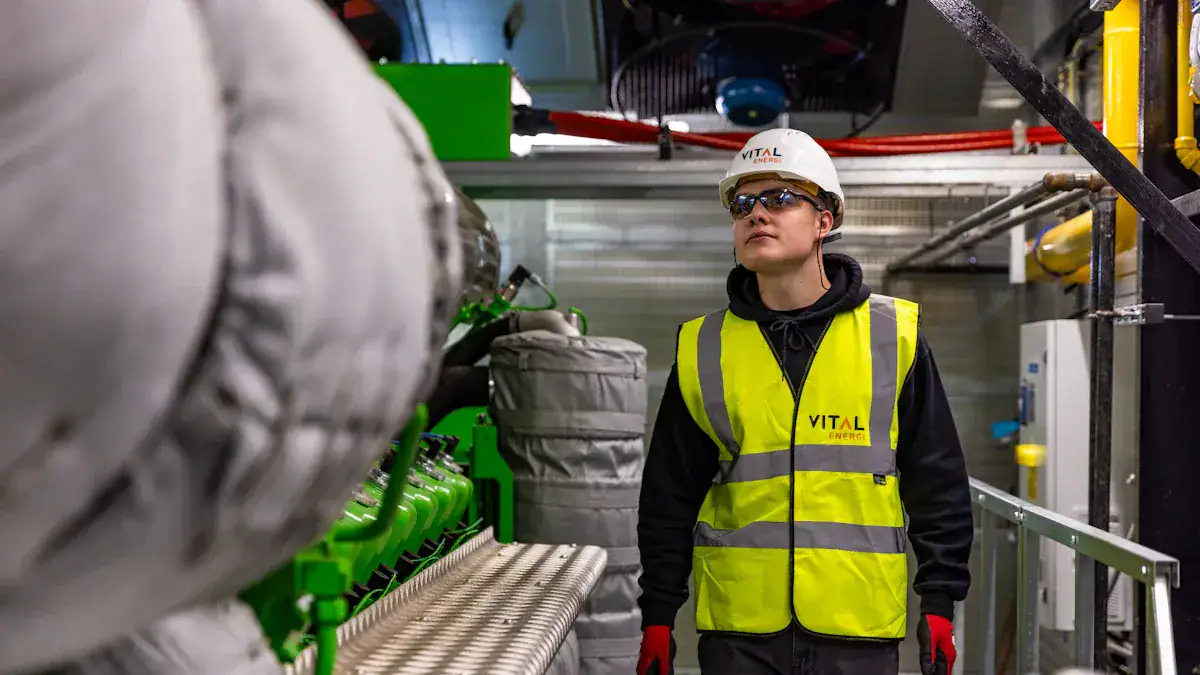
Regulations
When I choose uniforms for my convenience store staff, I always check the latest safety and compliance rules. These rules protect both employees and customers. I pay close attention to national and state guidelines. Here are some important regulations that affect uniform choices:
Compliance with OSHA guidelines is essential for ensuring workplace safety in convenience stores.
The New York Retail Worker Safety Act mandates safety measures for retail workers, impacting uniform requirements.
These regulations reflect a broader trend towards enhancing safety in retail environments.
I make sure every uniform meets these standards. I read updates from local authorities and industry groups. This helps me avoid fines and keeps my team safe. I also train my staff on the importance of following uniform policies. When everyone understands the rules, we create a safer workplace.
Safety Features
Safety features in uniforms matter to me. I look for designs that protect staff from common hazards. For example, I choose uniforms with high-visibility colors for employees who work near traffic or in low-light areas. I select slip-resistant shoes to prevent falls. I also prefer fabrics that resist fire or chemicals when needed.
Here is a table of safety features I consider:
Safety Feature | Benefit |
|---|---|
High-visibility colors | Improves staff visibility |
Slip-resistant shoes | Reduces risk of falls |
Flame-resistant fabric | Protects against heat and fire |
Durable stitching | Increases uniform durability |
I always ask my team for feedback on these features. Their input helps me find the right balance between comfort and protection. I believe that safe uniforms show my commitment to staff well-being and professionalism.
Sensitivities
I respect the unique needs of every employee. Some staff members have allergies or skin sensitivities. I choose uniforms made from hypoallergenic materials when possible. I avoid fabrics that cause irritation. I also consider cultural and religious sensitivities. For example, I offer uniform options that allow for modesty or head coverings.
Tip: I encourage staff to share any concerns about their uniforms. Open communication helps me address issues quickly and fairly.
I believe that respecting sensitivities builds trust and loyalty. When employees feel comfortable and respected, they perform better. This approach supports a positive work environment and strengthens our team.
Sustainable Uniform Choices
Eco-Friendly Fabrics
I always look for eco-friendly fabrics when I choose uniforms for my team. Sustainable materials help my business reduce its impact on the environment and show customers that I care about the planet. I have found that new fabric options make it easier to balance comfort, durability, and sustainability.
Here is a table that compares two popular sustainable fabric choices for uniforms:
Fabric Option | Description | Environmental Impact |
|---|---|---|
CiCLO® Biodegradable | Reduces synthetic microfiber pollution and breaks down in natural environments. | Contributes less to long-term pollution and supports sustainability goals by closing the loop on synthetic materials. |
Bamboo Lyocell | Soft, breathable, and moisture-wicking; made from rapidly growing bamboo. | Closed-loop manufacturing process recovers 99% of solvents and water, significantly lowering environmental impact. |
I prefer bamboo lyocell for uniforms because it feels soft and keeps staff cool. Bamboo grows quickly and needs little water. No pesticides are needed for bamboo cultivation. The manufacturing process is closed-loop, recovering almost all solvents and water. These features make bamboo lyocell a smart choice for both comfort and sustainability.
CiCLO® Biodegradable fabric also stands out. It breaks down in natural environments and reduces microfiber pollution. I use this fabric for uniforms that need to last through many washes but still support my brand’s environmental goals.
Tip: I always ask my team for feedback on new sustainable fabrics. Their opinions help me choose uniforms that feel good and match our values.
Environmental Impact
I believe that every uniform choice affects the environment. When I select eco-friendly uniforms, I show my commitment to environmental responsibility. Customers notice when my brand uses sustainable materials. This approach appeals to eco-conscious shoppers and sets my business apart from competitors.
I include sustainable uniforms in my promotional and event planning. These uniforms help me highlight my brand’s values and attract customers who care about the planet. I see that staff feel proud to wear uniforms that support a greener future.
Bamboo grows quickly and requires minimal water.
No pesticides are needed for bamboo cultivation.
The manufacturing process is closed-loop, recovering 99% of solvents and water.
I encourage other business owners to consider the environmental impact of their uniform choices. Sustainable uniforms reduce waste and pollution. They also help build a positive reputation for the brand. I believe that investing in eco-friendly uniforms is a smart move for any business that wants to grow and succeed.
When I choose a staff uniform for my business, I focus on comfort, durability, brand alignment, practicality, cost, and sustainability. I create a checklist based on these factors. I ask my team to test samples and share feedback. This process helps me select uniforms that work best.
I recommend reviewing your current uniform program and consulting with suppliers for new options.
FAQ
What is the best way to choose a staff uniform for my store?
I start by asking my team about their needs. I look for comfort, durability, and a design that matches my brand. I test samples before making a final decision.
How often should I replace uniforms?
I check uniforms every six months. If I see signs of wear, stains, or fading, I order replacements. High-quality uniforms last longer and save money.
Can I personalize each uniform for my employees?
I add names, department badges, or color trims to uniforms. Personalization helps staff feel valued and makes it easier for customers to identify employees.
What fabrics work best for convenience store uniforms?
I prefer poly-cotton blends or bamboo lyocell. These fabrics offer breathability, durability, and easy care. I ask my team for feedback before choosing new materials.
How do I keep uniforms clean and stain-free?
I follow care instructions closely. I use mild detergent and wash uniforms separately. I treat stains quickly and avoid high heat when drying.
Are there eco-friendly options for staff uniforms?
I choose uniforms made from bamboo lyocell or CiCLO® Biodegradable fabric. These options reduce environmental impact and show my commitment to sustainability.
What safety features should I consider for uniforms?
I select uniforms with high-visibility colors, slip-resistant shoes, and flame-resistant fabrics. These features protect my team and meet safety regulations.
How do I handle sizing issues with uniforms?
I offer a wide range of sizes and let employees try on samples. I choose suppliers who provide custom fits and adjustable features for every staff member.