

Why kids school pants rules always matter
Table of Contents
Display

When I think about kids school pants rules, I see more than just a dress code. These rules set a consistent standard for everyone, helping students feel included no matter their background.
Aspect | How Pants Rules Help |
|---|---|
Consistency | |
Safety | Reduces bullying and peer pressure |
Equality | Encourages inclusivity and less focus on fashion trends |
I find that understanding these reasons helps me support my kids and their school community, even when challenges arise.
Key Takeaways
School pants rules promote equality by minimizing visible differences among students, helping everyone feel included.
Clear dress codes reduce bullying and peer pressure, creating a safer and more respectful school environment.
Consistent pants guidelines help students focus on learning instead of worrying about fashion competition.
Comfortable pants allow for easy movement, supporting participation in school activities and enhancing overall well-being.
Dress codes teach responsibility and self-discipline, preparing students for future professional environments.
Parents should check school guidelines to ensure proper fit and style, making mornings easier and stress-free.
Involve children in choosing their school pants to boost their confidence and comfort in what they wear.
Open communication with schools can address concerns about dress codes and lead to more supportive policies.
Kids school pants rules
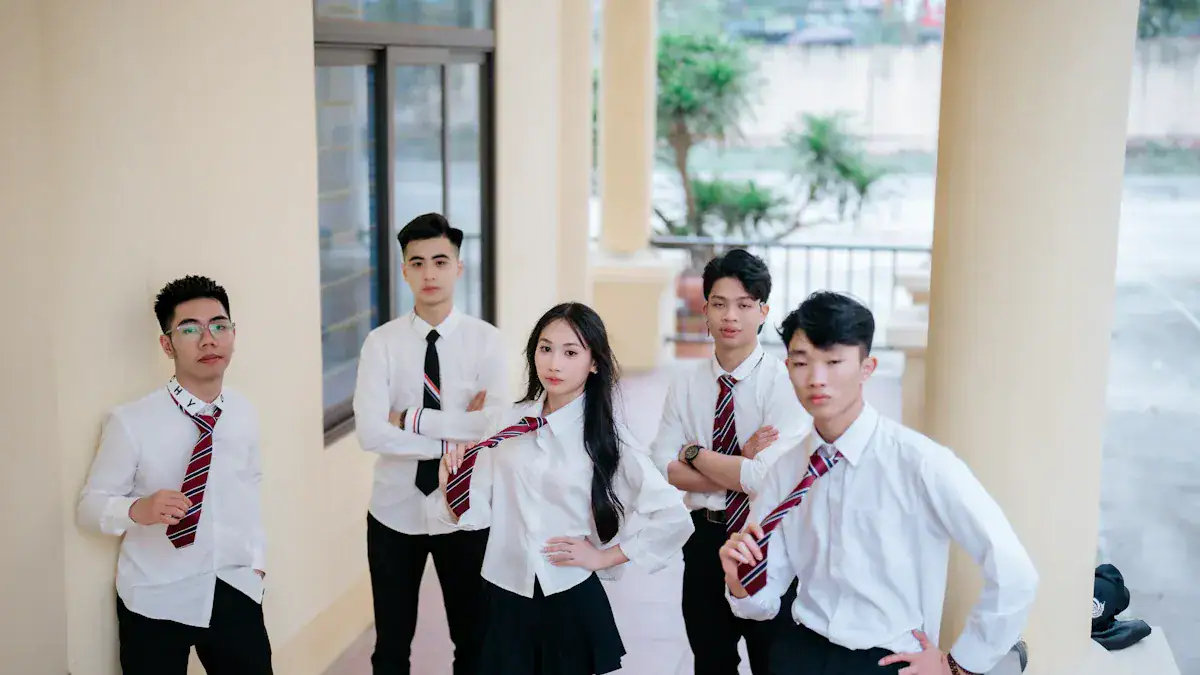
Equality
Social Pressure
When I look at kids school pants rules, I see how they help reduce social pressure among students. I remember how, without a clear dress code, some kids felt left out because they could not afford the latest trends. School dress codes, especially those that include specific pants requirements, make it harder to tell who comes from a wealthier background. This creates a more level playing field for everyone.
School uniform policies help reduce distractions related to clothing choices.
They minimize visible socioeconomic disparities among students.
Uniforms make it difficult to identify students’ economic backgrounds, fostering a more equitable environment.
Bullying Prevention
I have noticed that clear rules about pants can help prevent bullying. When everyone wears similar dress code pants, there is less room for teasing based on what someone wears.
School uniforms can help to reduce bullying and peer pressure, fostering a more inclusive environment.
They promote equality among students, minimizing social hierarchies based on clothing.
Uniforms prepare students for the professional world by teaching them the importance of appropriate dress.
Distraction-Free
Focus on Learning
I believe that kids focus better when they do not worry about what they or their classmates are wearing. School dress codes, especially those that set clear expectations for pants, help students concentrate on their lessons. The following table shows how many people agree that dress codes help improve focus:
Opinion on Dress Codes | Percentage |
|---|---|
Help improve student focus | |
Create distractions | 14% |
Less Fashion Competition
I have seen how competition over fashion can distract kids from learning. When everyone follows the same pants rules, students spend less time worrying about their appearance and more time on their studies. This shift helps create a positive school environment where learning comes first.
Safety
Accident Prevention
Safety always matters to me as a parent. I know that school pants rules often exist to prevent accidents. For example, pants must fit at the waist to avoid tripping. Schools also ban pants with holes or skirts with slits to keep everyone safe during activities. Here is a table that shows how these rules protect students:
Rule Description | Purpose |
|---|---|
Pants with holes and skirts with slits are prohibited. | Prevents potential hazards and distractions during activities. |
Pants must be worn on the waist. | Ensures proper fit to avoid tripping hazards. |
Comfortable shoes are preferred. Shoes must be tied, fastened or buckled. | Reduces risk of slips and falls during physical activities. |
Cleats are not allowed for safety. | Prevents injuries from inappropriate footwear. |
Open-toed sandals are a safety hazard. | Protects feet from injuries. |
Flip-flops are not allowed due to safety concerns. | Minimizes risk of accidents during school activities. |
Activity Support
I want my kids to feel comfortable and safe during all school activities. Dress code pants help support this goal by allowing free movement and reducing the risk of injury. When students wear the right pants, they can participate in everything from classroom learning to recess without worry.
Comfort
Weather Choices
I always pay attention to how my kids feel in their school pants, especially when the weather changes. I notice that schools often allow different types of pants depending on the season. In colder months, my children wear thicker, warmer pants that keep them comfortable throughout the day. When the weather warms up, schools sometimes permit lighter fabrics or shorts. This flexibility helps students stay focused and avoid discomfort caused by temperature extremes.
I see that comfort goes beyond just feeling good. When my kids wear pants suited for the weather, they concentrate better in class. They do not get distracted by feeling too hot or too cold. I remember one winter when my son wore thin pants and spent the day shivering. He told me he could not pay attention to his lessons. After that, I made sure he wore thicker pants, and his focus improved.
Schools that consider weather in their dress code show they care about student well-being. I appreciate when teachers remind parents about seasonal changes and suggest appropriate clothing. This guidance helps families prepare and ensures that all students can learn comfortably.
Movement
I believe that movement is essential for kids at school. Dress code pants must allow students to participate in activities without restriction. I have seen how tight or stiff pants can limit movement and make kids feel uncomfortable. When my daughter wore pants that fit well and stretched easily, she joined in games and sports with confidence.
Research supports what I observe. Comfortable clothing improves cognitive function, mood, and performance. The following table highlights findings from studies on student comfort and participation:
Evidence Type | Findings | Implications |
|---|---|---|
Cognitive Function | Clothing impacts cognitive function, mood, and performance. | Comfortable clothing can enhance focus and reduce distractions. |
Student Preference | 61.6% of students preferred sport uniforms for comfort and practicality. | Comfortable attire may lead to increased participation and engagement. |
Physical Activity | 64% of students felt formal uniforms negatively impacted activity. | Comfortable clothing can promote physical activity and well-being. |
I read a study that found students preferred sport uniforms because they felt more practical and comfortable. This preference led to greater participation in school activities. I notice that when my kids wear comfortable pants, they move freely and join in more often. They do not worry about their clothes restricting them, so they focus on learning and having fun.
Comfortable school pants also reduce stress and anxiety. My children feel more relaxed and confident when they know their clothes will not hold them back. I encourage parents to choose pants that fit well and allow for easy movement. This simple step can make a big difference in a child’s school experience.
Impact on students
School Environment
Belonging
When I send my kids to school, I want them to feel like they belong. I notice that when everyone follows the same school dress codes, students feel more connected to their peers. Wearing similar pants and shirts helps create a sense of unity. I see fewer cliques forming based on clothing, and more friendships that cross social groups. This sense of belonging can boost confidence and make students feel safe at school.
Respect
Respect grows when students follow clear rules. I have seen how school dress codes, especially those about pants, teach kids to respect themselves and others. When everyone dresses appropriately, the atmosphere in the classroom changes. Students treat each other with more kindness and take their studies more seriously. I believe that respect for the dress code often leads to respect for teachers and classmates.
School pants rules help reduce distractions in the classroom, allowing students to focus on their education.
They promote safety by mitigating issues related to gang-related attire and clothing competition.
Uniform policies have been linked to improved academic performance and reduced tardiness, creating a healthier school environment.
Learning Focus
Routine
I find that routines help kids succeed. When my children know what to wear each day, mornings run smoother. School dress codes remove the stress of choosing outfits and help students start their day with a clear mind. This routine builds good habits and sets a positive tone for learning.
Limiting Distractions
A focused classroom benefits everyone. The dress code for pants is intended to create a respectful and focused atmosphere in schools. By setting specific clothing guidelines, schools aim to limit distractions that could hinder students’ learning. This approach helps ensure that all students feel comfortable and confident, which can enhance their ability to concentrate on their studies.
Attitude
Responsibility
Following kids school pants rules teaches responsibility. I remind my children to check their clothes before leaving home. They learn to follow guidelines and understand the importance of meeting expectations. This responsibility carries over into their schoolwork and other areas of life.
Self-Discipline
Self-discipline grows when students follow rules every day. I see my kids develop stronger self-control when they stick to the dress code. Over time, this discipline helps them focus better in class and manage their time wisely.
School uniform policies can enhance academic outcomes by fostering a sense of belonging and minimizing distractions related to clothing choices.
Adherence to dress codes is linked to improved student behavior, which can create a more focused learning environment conducive to academic success.
Wearing uniforms may increase students’ perception of authority and seriousness about their education, leading to greater motivation and responsibility in their studies.
I believe that school dress codes do more than set rules about clothing. They shape the school environment, support learning, and help students build positive attitudes that last a lifetime.
Dress code pants requirements

Fit and Waist
Size Appropriate
I always check that my kids’ pants fit them well before sending them to school. School dress codes usually require pants to be the right size. Pants that are too long can drag on the floor and become a tripping hazard. Pants that are too tight or too loose can make it hard for kids to move comfortably. I look for pants that fit at the waist and allow my children to sit, stand, and play without discomfort. Most schools want students to wear pants that are in good repair and free from rips or holes. This keeps everyone looking neat and helps prevent accidents.
Tip: I measure my kids’ waist and inseam before shopping. I also check the school’s guidelines to make sure I pick the right size.
Here is what I often see in school dress codes about fit and waist:
The size should be appropriate for the student’s body.
Pants should not drag on the floor.
If a belt is required, it should be plain and free of designs.
No Sagging
Sagging pants are not allowed in most schools. I remind my kids to wear their pants at the waist, not below the hips. Sagging can look sloppy and make it hard for students to move safely. School dress codes often mention that pants must stay up without constant adjustment. This rule helps keep the school environment respectful and distraction-free.
Colors
Khaki
Khaki pants are a staple in many school dress codes. I find khaki easy to match with different shirts and shoes. Schools often choose khaki because it looks clean and professional. When I shop for school pants, I make sure the color is a solid khaki with no patterns or extra decorations.
Black
Black pants are another common choice. I like black because it hides stains and always looks sharp. Many schools allow black as an approved color for both boys and girls. I avoid pants with logos or stripes, since most dress codes require solid colors.
Here is a table that shows the typical color requirements for school pants:
Color | Description |
|---|---|
Khaki | |
Black | Approved color for bottoms for boys and girls |
Note: Some schools also allow navy blue, but I always check the school’s handbook before buying new pants.
Allowed Types
Jeans
Some schools allow jeans, but they must meet specific requirements. I look for jeans that are solid in color, free from rips, and fit well at the waist. Skinny jeans or jeans with embellishments are usually not allowed. When jeans are permitted, they offer a durable and comfortable option for active kids.
Tailored Pants
Tailored pants are often the preferred choice in school dress codes. I choose tailored pants for my kids when I want them to look polished and feel comfortable. These pants have a clean fit and usually come in khaki or black. Tailored pants work well for both boys and girls and are easy to find in most stores.
Shorts
Shorts are sometimes allowed, especially in warmer months. I make sure the shorts reach the top of the knee, as most schools require this length. Shorts that are too short or too long may not meet the dress code. I always check that the shorts are made from approved materials and match the school’s color guidelines.
Here is a quick checklist I use when choosing allowed types of pants for school:
Solid khaki or black color
Proper fit at the waist
No rips, holes, or excessive decorations
Shorts must reach the top of the knee
Tip: I involve my kids in picking out their school pants. This helps them feel comfortable and confident in what they wear.
I have learned that following these dress code pants requirements makes mornings easier and helps my kids feel ready for school. Comfortable dress code pants support their learning and keep them focused on what matters most.
Prohibited Types
Sweatpants
I always check my kids’ closets for sweatpants before the school year starts. Most schools do not allow sweatpants as part of the dress code pants policy. Sweatpants look casual and often appear too relaxed for the classroom. I notice that sweatpants can make students feel less focused and more likely to treat school like a place to hang out instead of a place to learn. Schools want students to wear pants that help maintain a respectful and academic environment.
Sweatpants also pose safety concerns. Loose-fitting sweatpants may drag on the floor or get caught during activities. I see that schools prefer pants that fit well and do not interfere with movement. Sweatpants often stretch out and lose their shape, which can lead to sagging or excessive looseness.
Joggers
Joggers have become popular among kids, but I know that most schools do not allow them. Joggers usually have elastic cuffs and a sporty look. Schools often ban joggers because they resemble athletic wear and do not meet the standards for dress code pants. Joggers can be too casual and may distract students from their studies.
I have seen joggers made from stretchy materials like spandex or lycra. These fabrics are often prohibited because they fit too tightly and do not look professional. Schools want students to wear pants that show respect for the learning environment.
Yoga Pants
Yoga pants are comfortable, but I never send my kids to school wearing them. Schools almost always prohibit yoga pants because they are made from stretch lycra or spandex. These materials fit tightly and can be distracting in the classroom. I understand that yoga pants do not provide the structure or coverage that schools expect from dress code pants.
Yoga pants also blur the line between athletic wear and school attire. Schools want students to focus on learning, not on fashion or comfort alone. I remind my kids that yoga pants are for sports or home, not for school.
Here is a table that summarizes the types of pants most frequently prohibited by school dress codes:
Type of Pants Prohibited | Description |
|---|---|
Sweatpants | Casual, loose-fitting, and often too relaxed for school. |
Joggers | Sporty style, elastic cuffs, and made from stretchy materials. |
Yoga Pants | Made from stretch lycra or spandex, excessively tight, and not professional. |
Spandex or bicycle-type clothing is not allowed. | |
Pants with splits or holes | Pants with noticeable splits or holes that disrupt the educational environment are prohibited. |
Excessively loose pants | Pants that are too loose may also be restricted. |
Biker pants | Biker pants worn as outer garments are not allowed. |
Tip: I always read the school’s dress code before shopping. I avoid buying pants that look too casual, too tight, or too loose. This helps my kids stay comfortable and confident at school.
Shirt Guidelines
Collared Shirts
I pay close attention to shirt guidelines when preparing my kids for school. Most schools require collared shirts to go with dress code pants. Collared shirts look neat and professional. They help students feel ready to learn and show respect for the school environment.
Schools often specify the type of collared shirts allowed. For example, some schools require official polos with the school logo. Others allow solid-colored polos or button-down shirts. I make sure my kids’ shirts cover the waistband of their pants and do not have patterns or extra decorations.
Here is a list of standard shirt guidelines that I follow:
Acceptable polos include those with an approved school logo or club/team logo.
Polos can be short- or long-sleeved and must cover the waistband of the pants.
A long-sleeved shirt in a solid color can be worn under the polo.
A fully-buttoned school button-down shirt may be worn instead of a polo.
For the upcoming school year, polos without a logo are allowed if they are solid colors like navy blue, gray, or white.
Full-button Oxfords without a logo are also permitted if they are solid and in specified colors.
I always check the school’s handbook for updates to shirt guidelines. I want my kids to feel comfortable and look appropriate every day. Collared shirts paired with proper pants help create a positive and focused school atmosphere.
Challenges and solutions
Disagreements
Communication
I often hear parents voice strong opinions about school dress codes, especially when it comes to pants. Some parents argue that labeling certain clothing as distracting sends negative messages and reinforces outdated values. I remember one parent describing how her daughter felt humiliated for wearing a tank top, even though the only issue was her shoulders being exposed. Another parent told me that strict dress codes contribute to anxiety among students, especially girls, who worry constantly about their clothing choices. I believe open communication between families and schools helps address these concerns. When I talk to teachers and administrators, I share my perspective and listen to theirs. Honest conversations can lead to better understanding and more supportive policies.
Policy Changes
I have seen schools update their dress codes after parents and students speak up. In 2019, a federal judge ruled in favor of girls in North Carolina who petitioned against a policy at their public charter school prohibiting them from wearing pants. This change showed me that advocacy can make a difference. When I notice unfair rules, I encourage other parents to join me in requesting policy reviews. Schools sometimes adjust their guidelines to reflect community values and student needs.
Difficulties
Financial Barriers
Buying new pants for school can strain a family’s budget. Many parents have raised issues about the financial difficulties associated with new dress codes, especially when modest clothing is not readily available in stores.
The petition states the dress code policies ‘should not impose financial strain through necessitating clothing purchases or specific attire that isn’t easily accessible or affordable for all families.’
I agree with parents who say, “If you can’t walk into Walmart or Target to purchase things that meet the requirement, I don’t know how reasonable it is to think that people can comply with that.” I look for affordable options and share resources with other families.
Comfort Issues
Comfort matters to me when choosing pants for my kids. Some students struggle with clothing sensitivity or discomfort caused by specific materials. Rigid uniform policies may not accommodate students with disabilities, leading to exclusion. I have seen students feel stressed when required to wear designated uniforms that do not suit their sensory needs. Schools should allow flexibility in uniform items, including options for generic, non-branded clothing and materials suitable for different weather conditions. I support policies that make reasonable adjustments for children with special educational needs.
Parent Tips
Preparation
I prepare for the school year by reading the school dress codes carefully. I measure my kids for the right fit and shop early to find affordable pants that meet requirements. I ask teachers about any flexibility for students with sensory issues. I also check if the school offers uniform exchanges or assistance programs.
Positive Attitude
I keep a positive attitude when discussing dress codes with my kids. I explain the reasons behind the rules and encourage them to share their feelings. I remind them that following the guidelines helps everyone feel included and safe. When challenges arise, I work with my children and the school to find solutions that support their comfort and confidence.
I see real benefits when my kids follow school pants rules. These guidelines foster equality, reduce distractions, and create a safer learning environment. I notice that a unified dress code helps students feel they belong and encourages respect. To boost comfort and confidence, I choose pants with soft seams, reinforced knees, and durable fabric. I also prioritize activewear for flexibility. The table below highlights the most cited benefits:
Benefit | Description |
|---|---|
Minimizes visible socioeconomic differences among students. | |
Reducing distractions | Helps students focus on learning rather than clothing choices. |
Creating a safer learning environment | Easier identification of non-students, enhancing security within the school. |
FAQ
What should I do if my child’s pants do not fit the school dress code?
I check the school’s handbook first. I buy new pants that meet the requirements. If I need help, I ask the school about uniform assistance programs or exchanges.
Tip: I measure my child before shopping to avoid mistakes.
Can my child wear shorts to school?
Most schools allow shorts during warm months. I make sure the shorts reach the top of the knee and match approved colors. I always confirm with the school’s dress code before sending my child in shorts.
How do I handle my child’s discomfort with school pants?
I choose soft, flexible fabrics. I look for pants with elastic waists or tagless seams. If my child has sensory issues, I talk to the school about possible accommodations.
Comfort Features | Why I Choose Them |
|---|---|
Elastic Waist | Easy movement |
Tagless Seams | Less irritation |
Soft Fabric | More comfort |
What happens if my child breaks the pants rule?
The school usually gives a warning first. I remind my child about the rules. If the problem continues, the school may call me or assign a consequence. I stay in touch with teachers to resolve issues quickly.
Are jeans allowed as school pants?
Some schools allow jeans. I pick jeans that are solid in color, free from rips, and fit well at the waist. I avoid skinny jeans and embellishments. I always check the school’s policy before buying jeans.
How can I save money on school pants?
I shop sales and use coupons. I join uniform exchanges at school. I buy durable pants that last longer. I ask other parents for affordable store recommendations.
Note: Some schools offer financial help for uniforms. I ask the office for details.