

How to Choose the Right Jacket for Your Work Environment
Table of Contents
Display
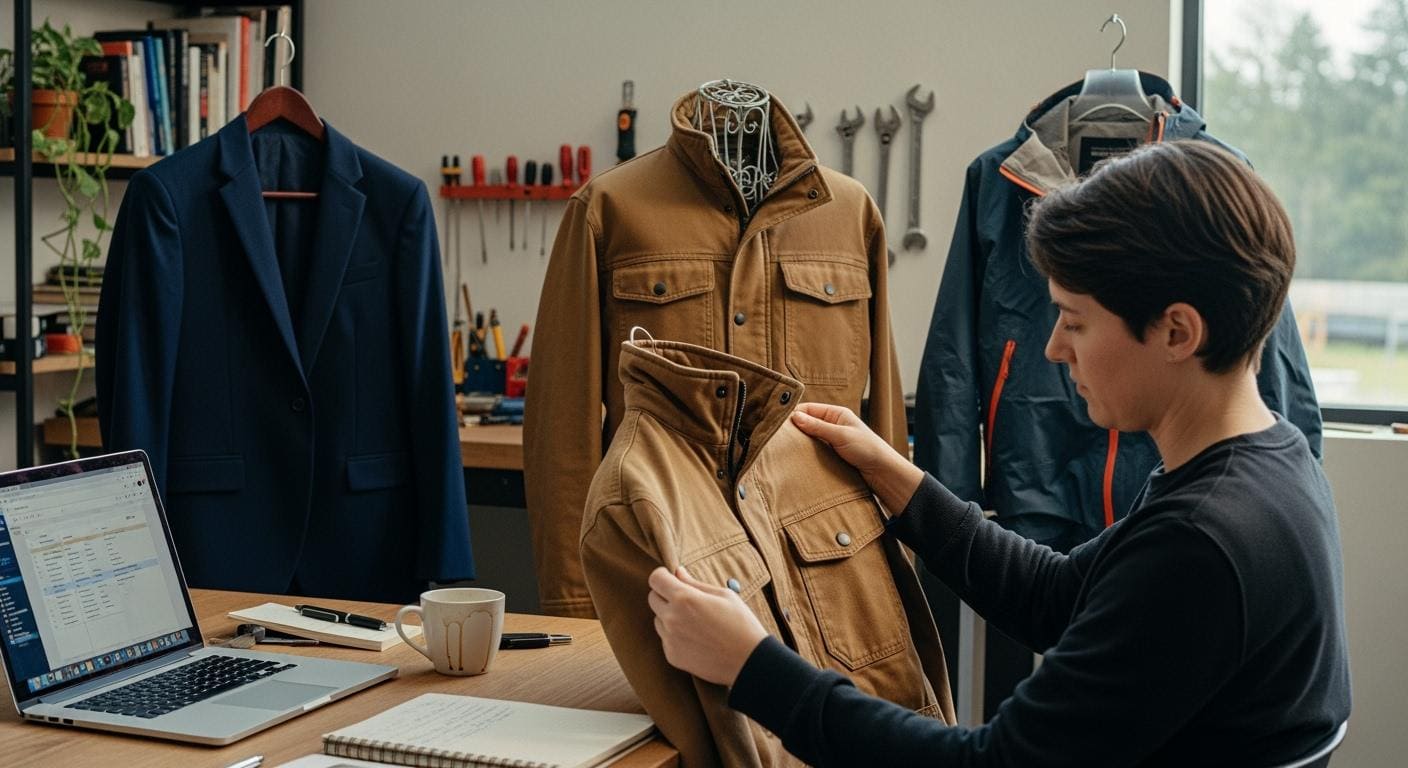
You need to choose jackets for work that suit your specific environment. Consider climate, daily tasks, and workplace hazards. Many laborers prefer mountain climbing clothes for safety, while some only receive basic vests. Managers often get more complete clothing. Visual cues like icons on jackets can improve safety behavior in hazardous areas. Focus on comfort, durability, and movement. Safety and functionality matter as much as budget when selecting workwear.
Think about your job role and the risks you face.
Look for features that help you stay safe and work efficiently.
Key Takeaways
Identify your work environment. Indoor jobs need breathable jackets, while outdoor jobs require durable, weather-resistant options.
Consider workplace hazards. Choose jackets with features like high visibility or flame resistance based on your job’s risks.
Match your jacket to the climate. Select insulated jackets for winter, waterproof options for wet weather, and breathable fabrics for hot conditions.
Focus on comfort and fit. Look for jackets with adjustable cuffs and ergonomic designs to enhance movement and reduce fatigue.
Check for safety features. Ensure your jacket meets safety standards and includes reinforced seams for durability.
Evaluate materials carefully. Choose fabrics like cotton for comfort or synthetics for durability and weather resistance.
Set a budget that reflects your needs. Invest in quality jackets for daily use, while mid-range options may suffice for occasional wear.
Read product labels and reviews. Look for information on materials, care instructions, and customer feedback to make informed choices.
Assessing Your Work Environment
Indoor vs. Outdoor Work
You need to start by identifying whether you work indoors or outdoors. This decision shapes your jacket requirements. Indoor environments usually offer stable temperatures and protection from the elements. You benefit most from jackets that focus on comfort and breathability. Cotton blends work well for light tasks and indoor settings. Outdoor work exposes you to changing weather, rough surfaces, and possible hazards. You need jackets that provide durability, water resistance, and insulation.
Here is a quick comparison of common jacket materials and their benefits:
Material Type | Benefits | Best For |
|---|---|---|
Cotton Blend | Comfort and breathability | Light tasks, indoor work |
Polyester | Durability, water resistance | Outdoor tasks, harsh conditions |
Insulated Fabrics | Warmth in cold weather | Winter environments |
Indoor jackets prioritize comfort and breathability.
Outdoor jackets emphasize durability, weather resistance, and safety features such as high-visibility options.
Workplace Hazards
You must consider the specific hazards present in your work environment. Hazards can include weather exposure, low visibility, and thermal risks. If you work outside, you face rain, wind, and cold. You need weather protection that matches your climate. Some jobs require high-visibility jackets to keep you safe near vehicles or in low-light areas. Flame-resistant or arc-rated jackets protect you during hot work or electrical tasks.
The table below outlines common hazards and the jacket features you should look for:
Hazard Type | Jacket Features Needed |
|---|---|
Weather Exposure | Weather protection suitable for climate conditions |
Visibility Requirements | High-visibility protection for low-light or vehicle areas |
Thermal Hazards | Flame-resistant or arc-rated protection for hot work |
Electrical work with arc flash potential requires flame-resistant high-visibility apparel.
Petrochemical and refinery operations necessitate specialized jackets for flammable vapor exposure.
Welding and hot work applications need jackets with flame-resistant features.
Tip: Always check your workplace safety guidelines before choosing a jacket. Safety standards may require specific features.
Dress Code and Appearance
You also need to think about your workplace dress code. Formal settings often require blazers or tailored jackets to project authority and professionalism. These jackets help you make a strong impression and show commitment. Casual dress codes allow more flexibility, but you should avoid attire that looks too relaxed. Casual jackets may seem unprofessional and affect how others view your competence.
Formal dress codes require blazers or jackets to project authority and professionalism.
Casual dress codes can lead to confusion regarding appropriate attire, potentially harming first impressions.
Casual attire may be perceived as unprofessional, affecting how employees are viewed in terms of competence and commitment.
Note: Choose a jacket that matches your company’s expectations and helps you feel confident at work.
By assessing your work environment, you make smarter choices about the jackets you wear. You stay comfortable, safe, and professional every day.
Climate and Weather Impact
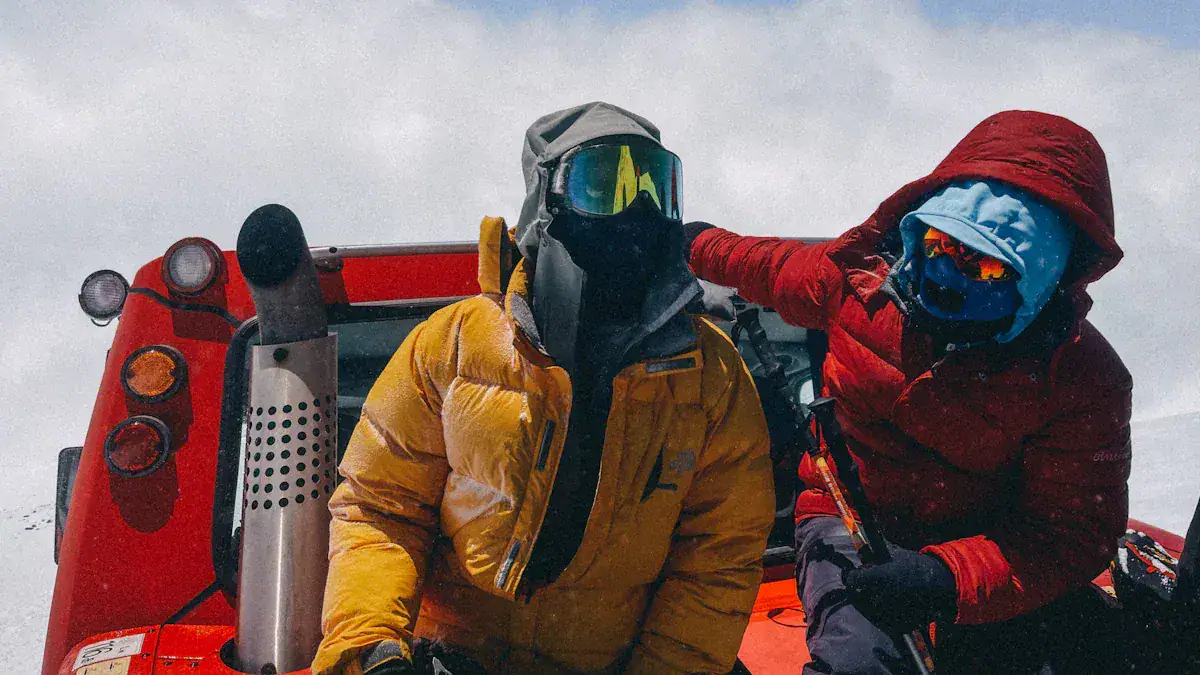
Choosing the right jacket for your work environment depends heavily on the climate and weather conditions you face each day. You need to consider insulation, waterproofing, windproofing, and breathability to stay comfortable and safe. The table below shows how different seasons affect your jacket needs:
Season | Key Features | Recommended Jacket Types |
|---|---|---|
Winter | Insulation, Waterproofing | Insulated Jackets, Hi-Vis Jackets |
Spring | Water Resistance, Breathability | Lightweight Work Jackets |
Summer | Ventilation, UV Protection | Breathable Jackets, Sun Protection |
Autumn | Durability, Layering Capability | Fire-Retardant Jackets, Mid-Layers |
Cold Weather Jackets
When you work in freezing temperatures, you need the best winter work jackets to protect you from the cold. These jackets help you maintain body heat and keep you productive during long shifts outdoors. The best winter work jackets combine insulation, weatherproofing, and durability. You should look for features that make winter work jackets suitable for any cold-weather job.
Insulation Types
Insulation is the most important feature for staying warm at work in winter. You can choose from several types of insulation, each with unique benefits:
Feature | Description |
|---|---|
Insulation | Types include down, synthetic, and fleece, each with unique properties for warmth and weight. |
Weatherproofing | Look for waterproof materials, windproof fabrics, and breathable designs to stay dry and warm. |
Durability | Heavy-duty fabrics like nylon or canvas with reinforced seams ensure longevity in tough conditions. |
Comfort and Fit | Features like adjustable cuffs and ergonomic designs enhance movement and comfort. |
Special Features | Additional practical elements such as reflective strips, multiple pockets, and detachable hoods. |
Down insulation offers excellent warmth but may lose effectiveness when wet.
Synthetic insulation dries quickly and keeps you warm even in damp conditions.
Fleece provides lightweight warmth and works well as a mid-layer.
You should select insulated jackets that match your activity level and exposure to moisture. The best winter work jackets often combine synthetic insulation with waterproof and windproof options for maximum protection.
Layering
Layering helps you adapt to changing temperatures throughout your shift. You can wear a base layer for moisture control, a mid-layer for insulation, and an outer shell for weather protection. Many winter work jackets allow you to add or remove layers as needed. This flexibility keeps you comfortable during both active and stationary periods.
Tip: Choose jackets with removable liners or zip-in layers for easy adjustment as the weather changes.
You will find that the best winter work jackets support layering without restricting movement. This feature is essential for anyone working in a cold-weather job.
Wet Weather Jackets
Rain, sleet, and snow can make your workday uncomfortable and even dangerous. You need waterproof jackets that keep you dry and allow sweat to escape. The right wet weather jacket combines waterproof and windproof options with breathability.
Waterproof Materials
Not all waterproof jackets perform the same. Laboratory tests show that materials like 3-layer Gore-Tex and Gore-Tex Pac Lite offer the highest levels of water resistance and breathability. These materials keep you dry while letting moisture from sweat escape.
Material | gm evaporated | percent evaporated |
|---|---|---|
3-layer Gore-Tex | 18 | 75.00% |
Gore-Tex Pac Lite | 18 | 75.00% |
Pertex Shield+ | 12 | 50.00% |
No Brand | 12 | 50.00% |
Regular Pertex | 10 | 41.67% |
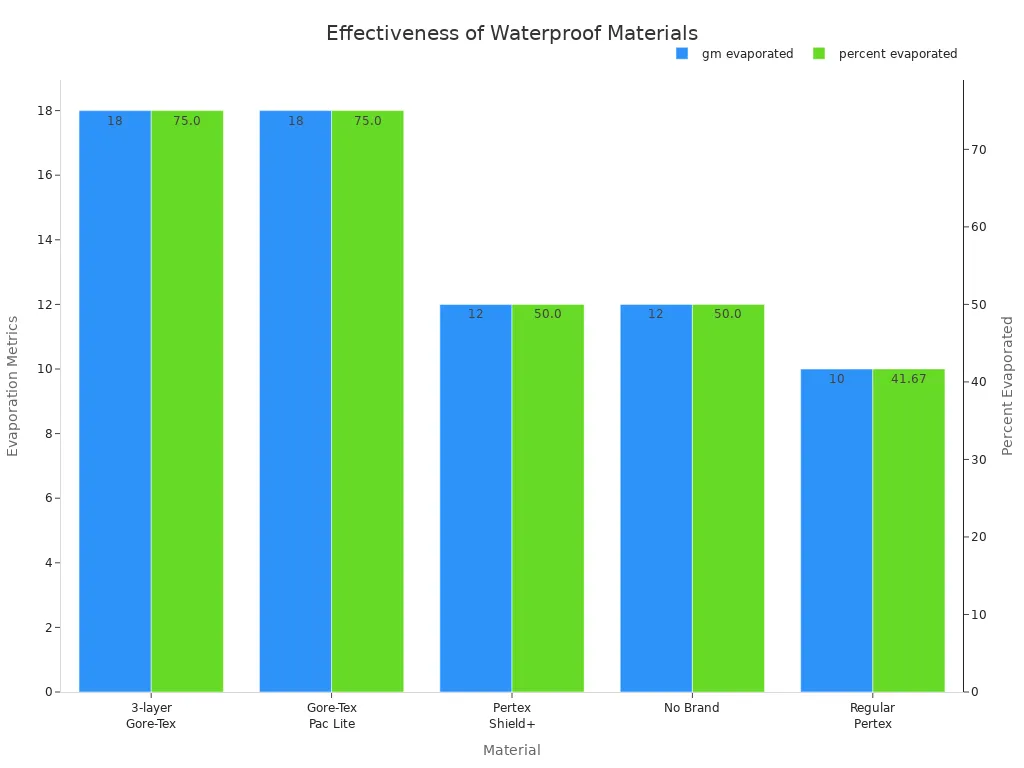
You should look for waterproof jackets made with high-performance fabrics. These jackets keep you dry during heavy rain and snow. The best winter work jackets often use these advanced materials to provide reliable protection.
Breathability
Breathability is just as important as waterproofing. If your jacket traps sweat, you will feel cold and clammy. Choose waterproof jackets with breathable membranes. These designs let sweat vapor escape while blocking rain and wind. You stay dry from both the outside and inside.
Note: Waterproof and windproof options with breathable fabrics help prevent overheating and discomfort during physical work.
Hot Climate Jackets
Working in hot weather requires a different approach. You need jackets that keep you cool, wick away sweat, and protect you from the sun. Lightweight fabrics and ventilation features make a big difference in your comfort.
Lightweight Fabrics
The best fabrics for hot climates are light, breathable, and quick-drying. The table below lists common materials and their cooling properties:
Fabric | Properties |
|---|---|
Cotton | Soft, lightweight, breathable, absorbs sweat, allows heat to escape. |
Linen | Very light, loosely woven, absorbs moisture, dries quickly, does not stick to the body. |
Rayon | Thin fibers, breathable, lightweight, comfortable, cooling, good for sportswear. |
Denim | Breathable, absorbs sweat, heavier fabric; chambray is a lighter alternative. |
Polyester | Durable, sweat-wicking, dries fast, improved water-resistant properties. |
Nylon | Lightweight, stretchy, moves sweat away from the body, ideal for athletic wear. |
You should select jackets made from these materials for hot weather work. They help you avoid overheating and keep you comfortable during long hours outdoors.
Ventilation
Ventilation design plays a key role in managing heat. Jackets with mesh panels, underarm vents, or built-in fans improve airflow and reduce skin temperature. You will notice a cooler feeling, especially in the torso and back areas.
Ventilation in work jackets lowers skin temperature and improves comfort.
Built-in fans enhance cooling, especially at higher speeds.
The best results come from jackets with adjustable ventilation features.
Tip: Choose jackets with zippered vents or mesh linings for the best airflow in hot conditions.
By understanding how climate and weather impact your jacket choice, you can select the best winter work jackets, waterproof jackets, or lightweight options for any season. This approach ensures you stay safe, comfortable, and productive no matter where you work.
Jackets for Work: Job-Specific Needs
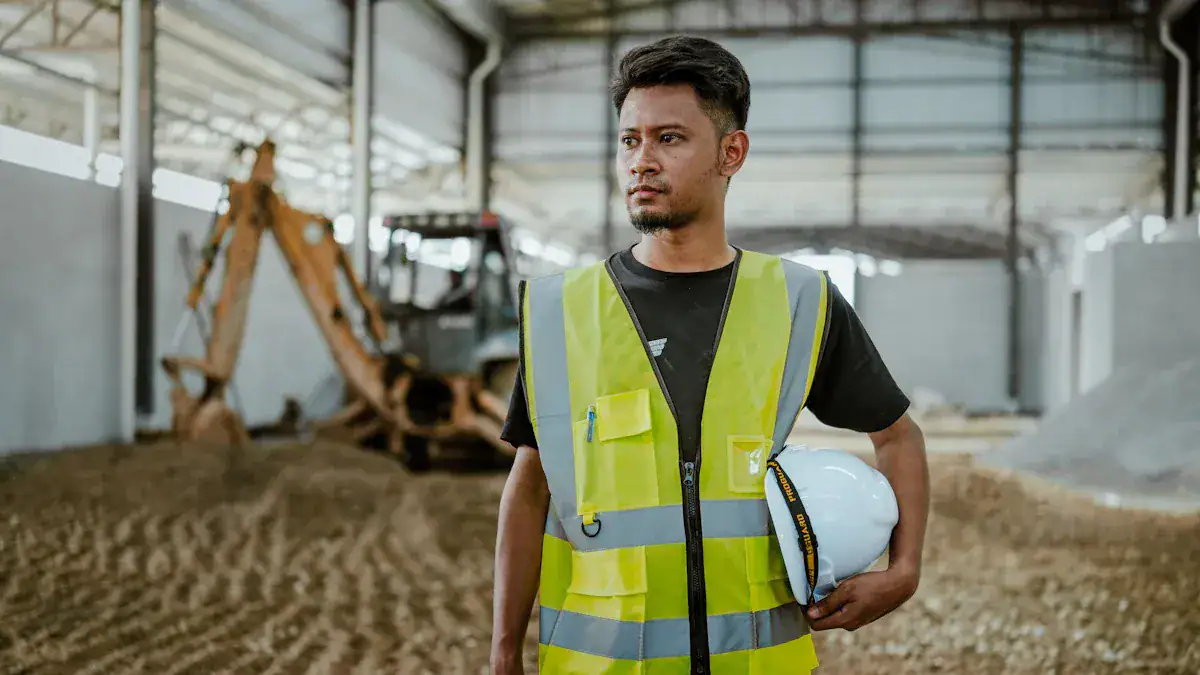
Choosing jackets for work means you must match your gear to your job’s unique demands. You need to focus on safety, comfort, and professional appearance. Each feature plays a role in keeping you protected and productive.
Safety Features
Safety comes first when you select jackets for work. You must look for features that protect you from hazards in your workplace. Construction sites, factories, and outdoor jobs all require specific safety standards.
High-Visibility
You need high-visibility jackets for work in areas with moving vehicles or low light. Bright colors and reflective strips help you stand out. These features reduce accident risk and keep you safe during dusk or night shifts.
Standard | Description |
|---|---|
EN ISO 20471 | Ensures high visibility in low-light conditions, essential for safety during dusk or night shifts. |
Bright, high-contrast colors enhance visibility.
Reflective strips provide 360-degree visibility.
High-visibility jackets for work are essential in high-risk environments like construction sites.
Tip: Always check for certified high-visibility features when you buy jackets for work. This ensures you meet safety regulations.
Flame-Resistant
If you work near sparks, welding, or open flames, you need flame-resistant jackets for work. These jackets protect you from burns and heat exposure. Materials that resist burning or melting help you stay safe.
Standard | Description |
|---|---|
EN ISO 11612 | Specifies requirements for protection against heat and flames, crucial for tasks near sparks or welding. |
Flame-resistant jackets for work use special fabrics that do not catch fire easily.
You need these jackets for work in welding, electrical, and refinery jobs.
Winter work jackets with flame-resistant features keep you warm and safe in cold, hazardous environments.
No Loose Attachments
Loose attachments on jackets for work can create safety risks. Straps, cords, or oversized pockets may get caught in machinery. You should choose jackets for work with secure fastenings and streamlined designs.
Avoid jackets for work with dangling cords or loose flaps.
Look for elastic or velcro cuffs for a secure fit.
Jackets for work with reinforced pockets keep your tools safe and prevent snags.
Note: Streamlined jackets for work reduce the risk of accidents and improve your mobility.
Ergonomics and Fit
Comfort and movement matter as much as safety. Ergonomic features in jackets for work help you move freely and reduce injury risk. You need a jacket that fits well and supports your daily tasks.
Gussets and Pleated Elbows
Gussets and pleated elbows allow you to bend, reach, and kneel without restriction. These design elements follow your body’s shape and improve your range of motion.
Key Aspect | Description |
|---|---|
Proper fit and the ability to move freely are essential for enabling workers to perform tasks effectively. | |
Design Considerations | Garments should be designed to follow the body shape, allowing for bending, kneeling, and reaching. |
Gussets under the arms let you lift and stretch comfortably.
Pleated elbows prevent fabric from pulling tight when you bend your arms.
Winter work jackets with ergonomic features keep you warm and flexible in cold conditions.
Bi-Swing Back
A bi-swing back adds extra fabric at the shoulders. This design lets you reach overhead or twist your torso with ease. You need this feature in jackets for work that require heavy lifting or frequent movement.
Key Aspect | Description |
|---|---|
Mobility Influences | The amount of fabric and stretch affects mobility, impacting overall performance and injury risk. |
Thermal and Moisture Resistance | The fit of personal protective clothing affects thermal insulation and moisture vapor resistance. |
Bi-swing backs improve comfort and reduce fatigue.
Jackets for work with bi-swing backs help you stay productive during long shifts.
Winter work jackets with bi-swing backs maintain insulation while allowing movement.
Tip: Try on jackets for work before buying to check for ergonomic features that match your job’s demands.
Professional Look
You need jackets for work that project a professional image. Customization and branding options help you meet company standards and build team identity.
Customization
Custom jackets for work let you choose materials, colors, and practical features. You can select Ripstop, Soft Shell, or Hi-Vis Polyester for different environments. Over 50 standard colors are available, and you can match your company’s branding.
Customization Option | Description |
|---|---|
Materials | Options include Ripstop, Soft Shell, and Hi-Vis Polyester for different work environments. |
Color Selection | Over 50 standard colors available, with custom color matching to fit corporate identity. |
Practical Features | Includes reinforced pockets, adjustable hoods, and weather-resistant designs. |
Multiple reinforced pockets hold tools and equipment.
Adjustable hoods with wire-framed brims protect you from rain and wind.
Elastic or velcro cuffs ensure a secure fit.
Note: Custom jackets for work help you meet specific job requirements and improve team morale.
Branding
Branding on jackets for work builds trust and recognition. You can add your company logo with embroidery, screen printing, or removable patches. This creates a unified look and helps clients identify your team.
Customization Option | Description |
|---|---|
Logo Integration | Options for embroidery, screen printing, and removable patches for branding. |
Branded jackets for work show professionalism and pride.
Winter work jackets with company logos make your team easy to spot on busy job sites.
You can choose branding options that fit your budget and style.
Tip: Branded jackets for work help you promote your business and create a strong team identity.
Jackets for work must balance safety, comfort, and appearance. You need to select features that match your job’s hazards, movement needs, and company standards. Winter work jackets with ergonomic and safety features keep you protected in cold weather. Customization and branding options help you look professional and feel confident every day.
Materials and Construction
Choosing the right materials and construction features in a work jacket directly affects how long it lasts, how safe you feel, and how comfortable you stay on the job. You need to understand the strengths of different fabrics and construction methods to make the best choice for your work environment.
Common Fabrics
Cotton, Canvas, Synthetics
You will find that cotton, canvas, and synthetic fabrics each offer unique benefits for work jackets. Cotton feels soft and breathable, making it a good choice for light indoor work. Canvas stands out for its toughness and ability to resist wear, especially when you need heavy-duty layers. Synthetics like nylon and polyester bring extra durability and weather resistance. Here are some of the most durable fabrics used in work jacket construction:
Nylon: Durable, lightweight, water-resistant; ideal for rugged conditions.
Polyester: Quick-drying, keeps its shape; handles frequent washing and rough use.
Neoprene: Waterproof, excellent insulation; best for cold and wet environments.
Blended Fabrics: Combine comfort and durability; fit many work settings.
Leather
Leather jackets give you strong protection against wind and abrasion. You might choose leather for jobs that demand both style and toughness. Leather also resists sparks, which makes it a smart pick for welding or grinding tasks.
Durability
Reinforced Seams
You want your jacket to last through tough jobs. Reinforced seams, such as triple-needle stitching and bar tacks at stress points, help prevent seam failure when you lift or carry heavy loads. These features keep your jacket strong, even after repeated use.
Abrasion Resistance
Materials like duck canvas and heavy-duty twill resist wear better than standard fabrics. The table below shows how these features add to a jacket’s durability:
Feature | Description |
|---|---|
Abrasion resistance | Materials like duck canvas and heavy-duty twill resist wear-through better than standard fabrics. |
Strategic reinforcement | Triple-needle stitching and bar tacks at stress points prevent seam failure during heavy lifting. |
You should look for jackets with these qualities, especially if your job requires heavy-duty layers for extra protection.
Insulation Options
Down vs. Synthetic
Insulation keeps you warm in cold conditions. You can choose between down and synthetic insulation. The table below compares their main features:
Aspect | Down Insulation | Synthetic Insulation |
|---|---|---|
Durability | Durable but can leak and lose warmth over time. | Less durable, fibers break down over time. |
Price | Generally more expensive due to low supply. | Cheaper option, can save one-third or more. |
Water Resistance | Loses insulating properties when wet. | Maintains loft and insulating abilities when wet. |
Breathability | Traps body heat, can cause overheating during activity. | Breathes effectively, ideal for high-exertion activities. |
Comfort | Superior coziness and loft. | More versatile for daily wear, less warmth. |
Warmth-to-Weight | Holds the crown for warmth-to-weight ratio. | Requires more insulation for the same warmth. |
Compressibility | Highly compressible, can be packed tightly. | Not as compressible as down. |
You should select insulation based on your climate and activity level. Down works well for dry, cold days. Synthetic insulation performs better in wet or high-activity settings.
Removable Liners
Removable liners add versatility to your work jacket. You can adjust your jacket for different seasons by adding or removing the liner. This feature lets you use the same jacket year-round, which saves money and simplifies your wardrobe. Removable liners also extend the life of your jacket, since you can replace them as needed.
Tip: Choose jackets with removable liners if you want one jacket to handle changing weather and heavy-duty layers for tough jobs.
Comfort and Fit
Choosing a work jacket that fits well helps you stay productive and safe. You need to think about sizing, adjustability, weight, and how the jacket moves with your body. These factors affect your comfort and mobility throughout the day.
Sizing and Adjustability
Layering Fit
You should select a jacket that allows for easy layering. If you work in changing temperatures, you may need to add or remove layers. A jacket with a roomy fit lets you wear a thermal shirt or hoodie underneath. You avoid feeling restricted when you move or bend. Always check the sizing chart before you buy. Try on the jacket with your usual work clothes to make sure it fits well.
Adjustable Cuffs
Adjustable cuffs help you control how the jacket fits around your wrists. You can tighten cuffs to block out wind and cold. Loose cuffs allow more airflow when you feel warm. Velcro or snap closures make it easy to adjust the fit quickly. This feature also keeps sleeves from getting caught on tools or machinery.
Tip: Jackets with adjustable cuffs and hems give you better protection against the elements.
Weight and Bulk
Lightweight vs. Heavyweight
The weight and bulk of your jacket influence how comfortable you feel and how easily you move. You need to match the jacket’s weight to your work tasks.
Lightweight jackets enhance comfort and mobility, making them ideal for active use.
Midweight jackets provide a balance of warmth and flexibility, suitable for various activities.
Heavy jackets offer maximum insulation but may limit movement, making them better for low-activity situations.
If you work outdoors and move a lot, choose a lightweight or midweight jacket. You stay warm without feeling weighed down. For jobs that require standing still in cold weather, a heavyweight jacket keeps you insulated.
Range of Motion
Articulated Sleeves
Articulated sleeves follow the natural bend of your arms. You can reach, lift, and stretch without the fabric pulling tight. This design reduces fatigue and helps you work efficiently. You notice the difference when you perform tasks that require frequent arm movement.
Stretch Panels
Stretch panels add flexibility to key areas of your jacket. You find these panels under the arms, at the back, or along the sides. They allow you to twist, bend, and reach with ease. Stretch panels improve comfort and mobility, especially during physically demanding tasks.
Note: Ergonomic features like gussets, bi-swing backs, and stretch panels support a full range of motion. You avoid strain and stay comfortable all day.
A well-fitting jacket with the right features helps you move freely and stay focused on your work. You feel confident knowing your jacket supports your comfort and mobility in any environment.
Budget and Value
Selecting the right work jacket means thinking carefully about your budget and the value you get for your money. You want a jacket that meets your needs without overspending. At the same time, you should not sacrifice quality for a lower price. Let’s break down how you can make smart choices.
Setting a Budget
Start by deciding how much you can spend on a work jacket. Think about your job requirements and how often you will wear the jacket. If you work outdoors every day, investing more in a durable jacket makes sense. For occasional use, a mid-range option may work well.
Tip: Write down your must-have features before you shop. This helps you avoid paying extra for things you do not need.
Cost vs. Quality
Balancing cost and quality can feel tricky. You want to save money, but you also want a jacket that lasts. Many buyers follow a few key steps to get the best value:
Choose the right manufacturer for the type of jacket you need. This helps you save money and ensures good quality.
Plan your fabric choices. Picking the right materials can lower costs without lowering quality.
Negotiate order sizes if you buy for a team. Larger orders often mean better prices.
Focus on return on investment. Durable jackets cost more upfront but save money over time because you replace them less often.
Always check samples and inspect quality before you buy. This step helps you avoid expensive mistakes.
You should think about the long-term value. A cheaper jacket may wear out quickly, leading to more spending in the future. A quality jacket may cost more at first, but it often lasts longer and performs better.
Premium Options
Premium work jackets stand out for their materials, construction, and features. These jackets use top-notch fabrics like full-grain leather or advanced waterproof technology such as Gore-Tex. You get superior craftsmanship, which means better comfort and a longer lifespan. The table below shows how premium jackets compare to standard ones:
Feature | Premium Jackets | Standard Jackets |
|---|---|---|
Materials | Top-notch materials like full-grain leather | Lower quality materials |
Craftsmanship | Superior craftsmanship for durability and comfort | Basic craftsmanship |
Technical Features | Advanced waterproof technology (e.g., Gore-Tex) | Basic waterproofing |
Longevity | Designed to last decades with proper care | Shorter lifespan |
Comfort | Enhanced comfort with better fit and feel | Standard comfort |
You may pay more for a premium jacket, but you gain extra comfort, better protection, and a product that can last for years. If your job demands the best, or if you want a jacket that will not let you down, premium options offer strong value.
Note: Always weigh the upfront cost against how long the jacket will last and how well it will protect you at work.
Choosing the right work jacket means finding the balance between what you spend and what you get. Focus on quality, durability, and features that matter most for your job. This approach helps you make a smart investment in your workwear.
Quality and Brand Reputation
When you choose a work jacket, you want to feel confident in its quality and the reputation of the brand. High-quality construction and a trusted name can make a big difference in how long your jacket lasts and how well it performs on the job.
Construction Quality
Stitching and Zippers
You should always check the stitching and zippers before buying a work jacket. Strong stitching, such as double or triple-needle seams, helps prevent rips and tears. Zippers should move smoothly and feel sturdy. Weak zippers or loose threads can lead to early wear and frustration. Look for jackets with reinforced stress points and heavy-duty hardware. These features help your jacket stand up to daily use.
Warranty
A good warranty shows that a brand stands behind its products. When you see a warranty, you know the company expects the jacket to last. Some brands offer replacement programs or repairs if your jacket fails. This support gives you peace of mind and adds value to your purchase.
You can use the following table to help evaluate construction quality:
Indicator Type | Details |
|---|---|
Technical Specifications | Jackets should meet ANSI/ISEA 107-2020 and EN ISO 20471 standards. |
Compliance Requirements | Verify OSHA, CE, and GB 20653 certifications. |
Performance Metrics | Evaluate breathability, tear strength, and temperature adaptability. |
Quality Assurance | Require ISO 9001 certification and validate seam strength. |
After-Sales Support | Look for suppliers with replacement programs and responsive support. |
Tip: Always check for certifications and ask about after-sales support before you buy.
Trusted Brands
Reviews
You can learn a lot from reading product reviews. Many buyers rely on reviews to predict how a jacket will perform. Reviews give you real-world feedback about comfort, durability, and fit. The more reviews you read, the better you understand what to expect. Most people trust reviews because they come from other users, not just the company.
Consumers rely on reviews to predict their experience with a product.
Reviews serve as a valuable source of information for making purchasing decisions.
The abundance and accessibility of reviews increase their usage among consumers.
Emotional urges often guide choices, not just product comparisons.
Recommendations
Industry experts and experienced workers often recommend certain brands for their reliability and performance. You can trust these brands to deliver jackets that last and protect you on the job. Here are some of the most trusted work jacket brands:
Carhartt Quilted-Flannel-Lined Duck Active Jacket (CT106677) – Known for its durability and warmth.
Carhartt Thermal-Lined Duck Active Jacket (CT106678) – Offers agility for high-motion tasks.
Dickies Lined Eisenhower Jacket (JT15) – Trusted in demanding environments like auto shops.
Note: Choosing a jacket from a reputable brand with strong reviews and a solid warranty helps you get the best value for your money.
By focusing on construction quality and brand reputation, you make a smart investment in your workwear. You stay safe, comfortable, and confident every day.
Practical Buying Tips
Choosing the right work jacket does not end with picking a style or material. You need to evaluate each option carefully, whether you shop in-store or online. These practical tips help you make a smart purchase and avoid common mistakes.
Try Before You Buy
You should always try on a work jacket before buying. This step helps you check the fit, comfort, and movement. When you try on a jacket, move your arms, sit down, and bend your knees. You want to make sure the jacket does not restrict you during daily tasks. Look for features that match your work environment, such as water resistance or reinforced seams.
Here is a table of best practices for trying on work jackets:
Best Practice | Description |
|---|---|
Fit and Cut | Make sure the jacket allows for movement; try sitting, reaching, and bending. |
Weather Protection | Check for water resistance and windproofing if you work outdoors. |
Durability | Look for reinforced seams and abrasion-resistant fabrics. |
Pocket Placement | Test if pockets are secure and easy to reach for your job essentials. |
Layering Friendly | Wear your regular work clothes underneath to check for a comfortable fit. |
Style Versatility | Decide if the jacket looks good for casual wear after work. |
Tip: If you shop online, read the sizing chart and reviews. Many buyers share helpful feedback about fit and comfort.
Read Product Labels
Product labels give you important information about the jacket. You should read labels to learn about materials, care instructions, and safety certifications. Labels often list features like waterproofing, insulation type, and flame resistance. These details help you compare jackets and choose the best one for your needs.
Look for labels that mention reinforced seams or abrasion resistance.
Check for safety certifications such as ANSI, EN ISO, or OSHA standards.
Read care instructions to know how to clean and maintain your jacket.
Note: Labels with clear information make it easier to match a jacket to your job requirements.
After-Sale Support
After-sale support plays a big role in your satisfaction with a work jacket. Good customer service, warranties, and return policies protect you if something goes wrong. Brands that offer strong after-sale support give you peace of mind and encourage repeat business.
Here is a table showing how after-sale support impacts satisfaction:
Evidence Description | Impact on Satisfaction |
|---|---|
Effective after-sales service prevents buyer’s remorse. | You feel reassured and more satisfied with your purchase. |
Warranty and return policies protect customers. | Clear terms boost your confidence and satisfaction. |
Quality after-sales service enhances customer experience. | Personalized support increases the chance of repeat business. |
Good after-sales service fosters customer loyalty. | Loyal customers often make repeat purchases. |
Poor after-sales service can lead to customer churn. | Unsatisfactory experiences may push you to switch brands. |
After-sale support provides reassurance.
It improves your overall experience.
Effective service builds long-term loyalty and a positive brand reputation.
Tip: Always check the warranty and return policy before you buy. Choose brands known for responsive customer service.
You make better choices when you try on jackets, read labels, and consider after-sale support. These steps help you find a jacket that fits well, meets safety standards, and lasts through tough jobs.
You make the best choice when you focus on your work environment, job needs, materials, comfort, and budget. Safety, functionality, and comfort should guide your decision. Before you shop, create a checklist of your must-have features. Quality jackets last longer and protect you better.
Take time to assess your needs. Choose a jacket that helps you work safely and confidently every day.
FAQ
What features should you look for in a work jacket?
You should look for durability, comfort, weather protection, and safety features. Check for reinforced seams, adjustable cuffs, and ergonomic design. Choose materials that match your work environment.
How do you know if a jacket is flame-resistant?
Check the product label for standards like EN ISO 11612. Look for keywords such as “flame-resistant” or “arc-rated.” Manufacturers often list certifications on their websites.
Can you wear the same jacket year-round?
You can wear jackets with removable liners or layering options throughout the year. Choose versatile designs that allow you to add or remove insulation as needed.
How do you choose the right size for a work jacket?
Measure your chest, waist, and arms. Compare your measurements to the sizing chart. Try on the jacket with your usual work clothes to ensure a comfortable fit.
What is the difference between waterproof and water-resistant jackets?
Waterproof jackets block rain and moisture completely.
Water-resistant jackets repel light rain but may not keep you dry in heavy downpours.
Are branded jackets better for professional settings?
Branded jackets help you look professional and build team identity. You can add your company logo for a unified appearance. Many employers prefer branded workwear.
How do you care for your work jacket?
Follow the care instructions on the label. Wash with mild detergent. Avoid bleach. Hang to dry when possible. Regular cleaning helps your jacket last longer.
What safety certifications should you check before buying?
Certification | Purpose |
|---|---|
ANSI/ISEA | High-visibility safety |
EN ISO | Flame resistance |
OSHA | General safety |
Always verify certifications to meet workplace requirements.
Related guide: How to Choose the Right Custom Work Jackets with Logo for Your Team — compare fabrics, logo decoration methods, hi-vis compliance, and sizing before you order.