

How Japanese School Uniforms Stand Out from the Rest
Table of Contents
Display
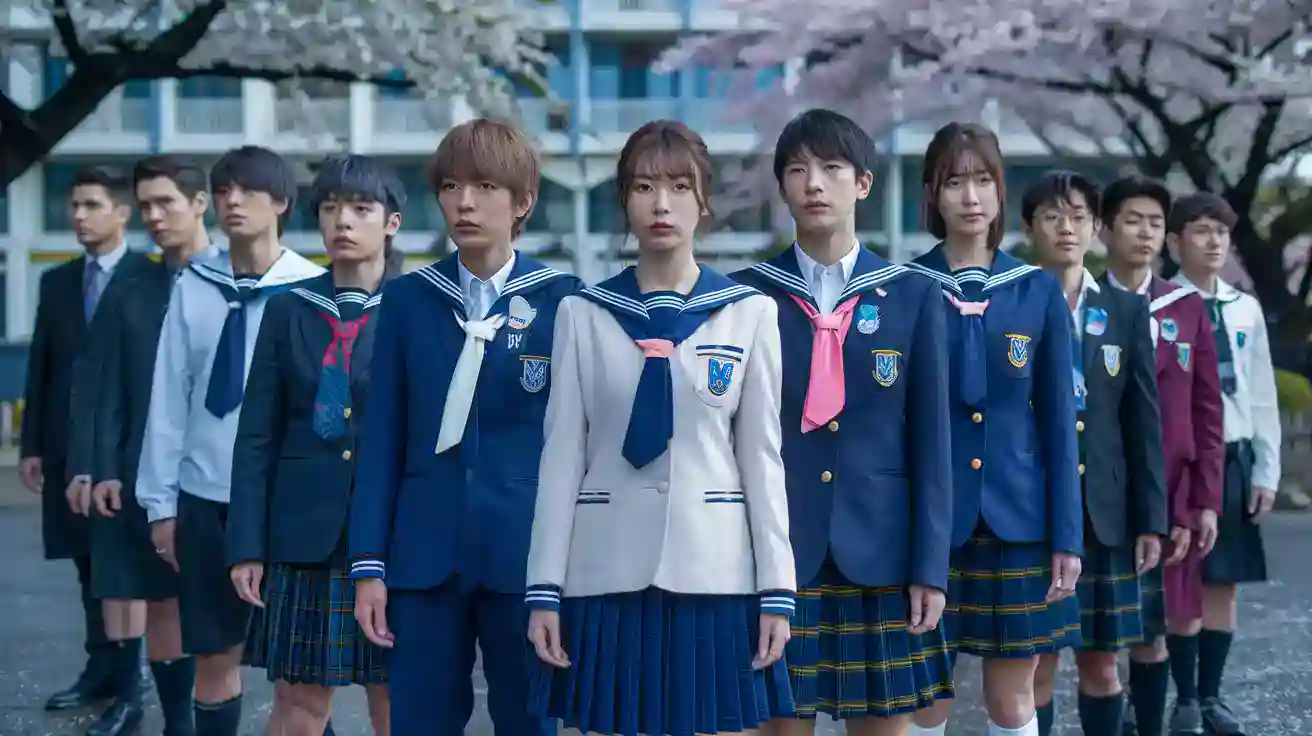
Japanese school uniforms, known as seifuku, capture attention with their iconic sailor-inspired designs and deep cultural roots. You will see most Japanese junior high and high schools require uniforms, a tradition since the late 19th century. Compared to Western schools, where uniforms are less common, these outfits help you feel a sense of pride and belonging.
Many students link their uniforms to affiliation and school spirit.
The sailor dress aesthetic, influenced by Western styles, gives seifuku a unique, recognizable charm.
Key Takeaways
Japanese school uniforms, known as seifuku, blend tradition with modernity, reflecting cultural identity.
The sailor-style uniform for girls and the gakuran for boys are iconic designs that symbolize youth and school spirit.
Uniforms promote a sense of belonging and equality among students, reducing social barriers.
Customization of uniforms allows students to express individuality while adhering to school rules.
Japanese school uniforms have influenced global fashion trends, inspiring designers worldwide.
Recent shifts towards gender-neutral options in uniforms support inclusivity and respect for personal identity.
Seasonal variations in uniforms ensure comfort and practicality throughout the year.
Japanese school uniforms play a significant role in pop culture, appearing in anime, manga, and music, symbolizing youth culture.
Japanese School Uniforms: History
Origins
Early Adoption
You can trace the roots of japanese school uniforms back to the late 19th century. The first school to introduce uniforms was Gakushūin, an academy in Tokyo for Japan’s nobility. Uniforms at this time signaled elite status and set students apart from others. Boys wore outfits inspired by naval officers, which showed the influence of Western military fashion. This choice reflected Japan’s desire to modernize and align with Western countries.
Uniforms quickly became a symbol of prestige. You would notice that all-male schools adopted these styles as Japan moved away from traditional clothing like kimono and hakama. The shift marked a new era in education and social identity.
Western Influence
During the Meiji era, Japan opened its doors to Western ideas. You saw schools replace traditional garments with Western-style uniforms. Boys started wearing the gakuran, a black jacket with a stand-up collar and straight pants. Girls moved from kimono to colorful hakama, blending Japanese and Western styles. This change did not just affect fashion; it also shaped how students saw themselves and their place in society.
Evolution
Meiji Era
The Meiji era marked a turning point for seifuku. Schools introduced Western-style uniforms to reflect modernization. Boys wore gakuran modeled after naval cadet uniforms, while girls began to adopt more practical clothing. The table below highlights key milestones in the development of japanese school uniforms:
Year/Period | Milestone Description |
|---|---|
Meiji Era | Introduction of Western-style uniforms, transitioning from traditional clothing like kimono and hakama. |
1914 | Influence of World War I led to the adoption of more practical clothing for women, moving away from kimono. |
1930s | Emergence of the sailor suit as a dominant style for school girls, allowing for better movement. |
Post World War II | Return of the sailor skirt as a formal school uniform after the war, despite earlier adaptations to pants. |
Showa Era | Establishment of typical school uniforms, with boys in black suits and girls in sailor suits, reflecting cultural identity. |
Late Showa Era | Evolution of uniforms to combine elements of Western suits, making them less prone to modification and more modern. |
Modern Changes
You can see that seifuku continued to evolve through the Heisei and Reiwa eras. Schools shifted toward Western-inspired blazers and skirts, influenced by fashion trends like the gyaru subculture. Today, many schools focus on sustainability and inclusivity. You might notice gender-neutral options and modern fabrics that offer comfort and flexibility. The table below shows the most significant changes since the Meiji era:
Era | Key Changes |
|---|---|
Meiji | Introduction of Western-style uniforms; boys wore gakuran modeled after naval cadet uniforms. |
Heisei | Shift to Western-inspired blazers and skirts; influence of fashion trends like the gyaru subculture. |
Reiwa | Focus on sustainability and inclusivity; introduction of gender-neutral options and modern fabrics. |
Japanese school uniforms have transformed from symbols of elite status to icons of youth culture. You can see how seifuku reflects both tradition and modernity, making it a unique part of student life in Japan.
Design
Girls’ Uniforms
Sailor Style
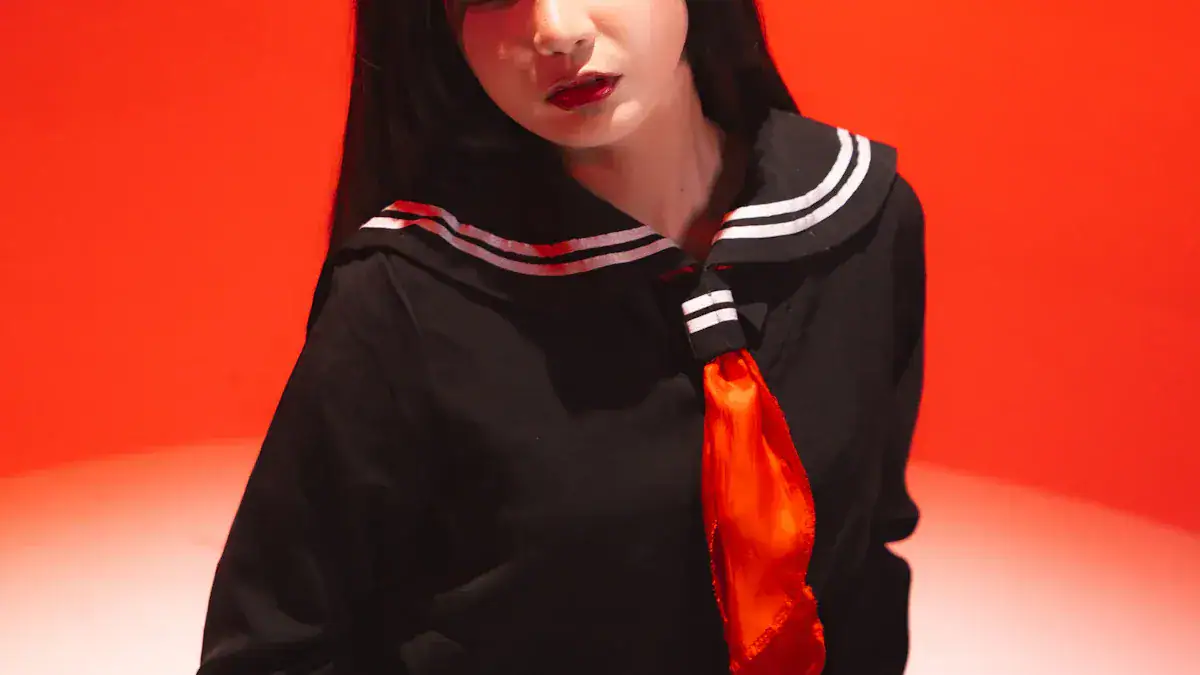
You will recognize the sailor-style uniform as one of the most iconic school outfits in Japan. This design, known as sailor fuku, features a blouse with a sailor collar and a pleated skirt. The style draws inspiration from European naval uniforms, especially those of the British Royal Navy. You often see ribbons or ties at the neckline, which add a touch of elegance. The sailor-style uniform gives a feminine, pure, and graceful impression. Many students feel proud to wear this classic look, which has become a symbol of youth in Japanese culture.
The sailor fuku stands out for its timeless appeal and strong association with school life in Japan.
Blazers
You will notice that modern seifuku often includes blazers. Designers create these uniforms with a tailored jacket, a skirt, and a shirt. Blazers have become the most common style in recent years. Many schools choose blazers for their smart appearance and versatility. You might see famous fashion designers involved in creating these uniforms, which adds prestige to the school. Blazers allow students to express individuality through small accessories, such as pins or ribbons, while maintaining a unified look.
Other common design elements for girls’ uniforms include:
Vest style for warmer months
One-piece dress type, often seen in prestigious schools
Pinafore type, which gives a wholesome appearance
Bolero type, popular in middle schools
Collarless jacket type, seen in high-level schools
Sailor blazer type, combining sailor and blazer features
Boys’ Uniforms
Gakuran
You will see that boys’ uniforms often feature the gakuran. This military-inspired outfit includes a stand-up collar, five golden buttons, and straight-leg pants. The color is usually black or dark blue. The structured design gives a formal and disciplined look. The gakuran reflects tradition and the influence of Western military fashion. You can spot this style in many junior high and high schools across Japan.
Blazers and Slacks
Many schools now prefer blazers and slacks for boys. This style offers a modern alternative to the traditional gakuran. You will find blazers paired with dress shirts and ties, creating a polished appearance. The blazer style allows for more comfort and flexibility, which appeals to students. Schools often choose dark colors for boys’ blazers, maintaining a sense of formality.
Feature | Boys’ Uniform (Gakuran) | Girls’ Uniform (Sailor Suit) |
|---|---|---|
Style | Military-inspired outfit | Feminine sailor-style design |
Color | Typically all black or dark blue | Various colors, often with a pleated skirt |
Structure | Stand-up collar, five golden buttons, straight-leg pants | Blouse with sailor collar, pleated skirt, ribbon or tie |
Variations
Seasonal Styles
You will experience different styles of seifuku depending on the season. Japanese school uniforms adapt to the weather, ensuring comfort throughout the year.
Summer uniforms use lightweight and casual fabrics. You will feel cool during hot and humid months.
Winter uniforms feature heavier materials. You will wear sweaters, blazers, and extra layers to stay warm.
This seasonal approach helps you focus on your studies without worrying about the temperature.
Regional Differences
You will find many variations in uniform styles across Japan. Schools in different regions choose designs that reflect local culture and climate.
Uniform Type | Description |
|---|---|
Sailor uniform | A traditional design for female students, inspired by naval uniforms, featuring a blouse and pleated skirt. |
Gakuran uniform | A common male uniform characterized by a standing collar, usually in black or navy blue. |
Blazer uniform | A newer style often worn by female students, typically paired with ribbons or ties. |
Bolero uniform | Worn with a jumper skirt, but not commonly adopted today. |
Eton jacket uniform | A collarless jacket introduced in elementary or junior high schools. |
Jumper skirt uniform | Previously popular in summer, now often replaced by other styles. |
Suspender skirt uniform | Typically worn in elementary schools, sometimes in kindergartens. |
One-piece uniform | A minor type of uniform, worn with a blouse in winter. |
You will notice that schools in urban areas often choose modern blazer styles, while rural schools may keep traditional sailor or gakuran designs. This variety shows how japanese school uniforms reflect both tradition and innovation.
Culture
Symbolism
Seishun (Youth)
You experience a unique sense of youth when you wear seifuku. In Japan, seishun means more than just being young. It represents a time of growth, friendship, and self-discovery. Japanese school uniforms connect you to this idea. When you put on your uniform, you join a tradition that links generations. Adults often feel nostalgia when they see students in uniforms, remembering their own school days. You notice this theme in manga and anime, where school settings and uniforms symbolize the excitement and innocence of youth.
Japanese school uniforms evoke feelings of nostalgia and childhood memories.
School uniforms appear in pop culture, highlighting their role in representing youth.
Groups like ATARASHII GAKKO! use matching uniforms to express youth culture and challenge old norms.
Wearing seifuku lets you feel part of a new generation while honoring the past.
School Identity
You help shape your school’s identity every time you wear your uniform. The colors, badges, and styles show where you belong. Uniforms create a safe and orderly environment, making you feel proud of your school. You see logos or emblems on your blazer or shirt, which boost your sense of pride. Uniforms also reflect national values and foster unity among students.
Uniforms symbolize your school’s identity and promote unity.
You feel responsible and disciplined when you follow uniform standards.
The acceptance of uniforms by students and parents strengthens their role in school culture.
Social Impact
Belonging
You feel a strong sense of belonging when you dress like your classmates. Uniforms help you fit in and reduce social barriers. You notice that everyone looks similar, which promotes harmony and group spirit. Strict uniform standards teach you self-control and attention to detail. You learn to work together and respect rules, which prepares you for life beyond school.
Aspect | Description |
|---|---|
Social Equality | Uniforms minimize visible economic differences among students. |
Group Harmony | Consistent appearance promotes social harmony and unity (wa). |
Discipline Training | Strict standards teach self-control and attention to detail. |
School Identity | Uniforms foster a sense of belonging and pride in the institution. |
You build friendships and trust when you share the same uniform with your peers.
Equality
You see equality in action when everyone wears the same uniform. Japanese school uniforms help minimize economic differences, so you do not feel left out because of your family’s income. The sailor suit-style uniform, introduced in the 1920s, aimed to promote gender equality by giving boys and girls similar clothing. You experience fairness and inclusion, which reduces bullying and helps you focus on learning.
Uniforms minimize visible economic differences among students.
You feel included and respected, no matter your background.
You notice that uniforms reflect broader social changes in Japan. They symbolize discipline and collective ideals, but you also see students advocating for more personal freedom and rights. This shift shows how uniforms continue to evolve with society.
Japanese school uniforms play a vital role in shaping your educational experience, teaching you values like discipline, equality, and belonging.
Pop Culture

Anime & Manga
Iconic Characters
You see Japanese school uniforms everywhere in anime and manga. Artists use uniforms to show the type of school and the personality of the characters. You notice that average schools feature basic blazers and ties. High-class schools stand out with uniforms that have special adornments and unique colors. These details often signal wealth or status. Gakuran uniforms appear in stories with delinquent students, giving a tough impression. Sailor outfits for girls remain the most recognized style. Magical or futuristic schools introduce extravagant and creative uniform designs.
School uniforms in anime often reflect the type of school, such as average schools with basic blazers and ties.
High-class schools feature uniforms with adornments and unique colors, indicating wealth.
Gakuran uniforms are associated with schools that have delinquent issues, while sailor outfits for girls are widely recognized.
Magical or futuristic schools tend to have more extravagant and unique uniform designs.
You recognize iconic characters like Usagi Tsukino from “Sailor Moon” and Haruhi Suzumiya from “The Melancholy of Haruhi Suzumiya” by their uniforms. These outfits help you identify the character’s role and personality. Uniforms in anime and manga create a sense of nostalgia and connect you to Japanese youth culture.
School uniforms in anime and manga symbolize youth, friendship, and the excitement of student life.
Fashion Influence
Global Trends
You see Japanese school uniforms shaping fashion trends around the world. The kogal style, which started with high school students in Japan, became popular in the 1990s. You notice pop icons like Namie Amuro wearing school-inspired outfits, making the look famous. Movies, manga, and anime feature these uniforms, spreading their appeal globally.
The kogal fashion, which emerged from Japanese school uniforms, became a widespread trend in the 1990s, popularized by high school students and later by pop icons like Namie Amuro.
School uniforms have been featured in various media, including movies, manga, and anime, contributing to their global recognition and appeal.
The adaptation of school uniform styles into casual fashion, such as oversized slacks and loose shirts, has influenced surfer and skateboarder fashion trends.
You find that casual fashion now includes elements from school uniforms. Oversized slacks and loose shirts, inspired by seifuku, appear in surfer and skateboarder styles. You see these trends in street fashion, especially in cities like Tokyo and Seoul. Japanese school uniforms continue to inspire designers and young people worldwide.
Music & Entertainment
Idol Groups
You notice Japanese idol groups often wear outfits that look like school uniforms. These groups project a youthful and innocent image. Their costumes resemble traditional seifuku, which helps you connect with their music and personalities.
Japanese idol groups often embody a youthful and innocent image.
Their outfits frequently resemble traditional school uniforms.
This trend has influenced both fashion among fans and the broader public.
You see fans copying these styles, wearing similar uniforms at concerts and events. The influence spreads beyond music, shaping fashion choices for young people. Idol groups use school uniforms to create a sense of unity and nostalgia, making their performances more relatable.
Japanese school uniforms play a key role in pop culture, shaping anime, fashion, and entertainment. You experience their impact every time you watch a show, follow a trend, or listen to your favorite idol group.
Comparison
Western Uniforms
Design Differences
You notice clear differences when you compare Japanese school uniforms with those in Western countries. Japanese schools often choose distinctive designs for boys and girls. Boys wear the gakuran, a black or navy jacket with a stand-up collar. Girls usually wear sailor suits or bolero jackets paired with pleated skirts. Western schools tend to favor blazers for both boys and girls. Girls in Western schools often wear blouses with skirts or trousers. You see that Western uniforms look more formal and sometimes resemble business attire.
Japanese uniforms reflect European military influence, while Western uniforms show local cultural trends.
You find that Japanese students have more freedom to modify their uniforms. You might see untucked shirts or personalized accessories. Western schools usually enforce stricter dress codes. You must follow uniform rules closely, which limits personal expression.
Here is a table that highlights the main design differences:
Feature | Japanese School Uniforms | Western School Uniforms |
|---|---|---|
Design for Boys | Gakuran (black or dark blue jacket with stand-up collar) | Blazers or casual attire |
Design for Girls | Sailor suits or bolero jackets with skirts | Blouses with skirts or trousers |
Dress Code Flexibility | Students can modify uniforms (e.g., untucked shirts) | Generally stricter adherence to uniform rules |
Historical Influence | Inspired by European military uniforms | Varies widely, often influenced by local culture |
You see that Japanese uniforms stand out for their unique style and cultural symbolism. Western uniforms focus more on practicality and tradition.
Asian Uniforms
Korean & Chinese Styles
You observe that other Asian countries also have distinctive school uniforms. Korean school uniforms share similarities with Japanese styles. You often see blazers, dress shirts, and ties for both boys and girls. Korean uniforms look modern and stylish. You notice that students in Korea pay close attention to fit and fashion. Many schools allow students to choose accessories, such as scarves or pins, to personalize their look.
Chinese school uniforms take a different approach. You usually see tracksuits or sportswear as the standard uniform. These outfits prioritize comfort and practicality. You find that Chinese students wear uniforms in bright colors, often with school emblems. Some schools in China have started to adopt blazer styles, but tracksuits remain common.
You discover that Asian school uniforms reflect each country’s values and educational culture.
Japanese uniforms emphasize tradition and youth identity.
Korean uniforms highlight style and individuality.
Chinese uniforms focus on comfort and group unity.
You realize that school uniforms across Asia share the goal of promoting equality and belonging. Each country adapts its designs to suit local needs and cultural preferences. You see how Japanese uniforms continue to inspire trends in Korea and China, shaping the future of student fashion.
Trends
Customization
Japanese school uniforms may look strict at first glance, but you often find ways to make them your own. Customization has become a big part of student life. You might notice classmates rolling up or lengthening their skirts, choosing socks in different colors and lengths, or swapping traditional loafers for sneakers. Many students also personalize their look with unique accessories. These small changes let you express your personality while still following school rules.
Accessories
You can add a personal touch to your uniform with a variety of accessories. Some of the most common items include:
Jewelry, such as simple earrings or bracelets
Kimono sash belts for a traditional flair
Geta or tabi socks, which bring a Japanese twist
Japanese socks in different patterns
Kanzashi hair ornaments
Hats for style or sun protection
Hand fans, especially in summer
Phone cases that reflect your interests
Bags, including backpacks and knot handbags
Customizing your uniform helps you stand out and feel more comfortable at school. Even small changes, like a new bag or a colorful pair of socks, can make your daily routine more enjoyable.
Controversies
Gender Issues
Uniforms have sparked important conversations about gender in Japanese schools. Many students and educators now question the tradition of gender-segregated uniforms. Over 80% of school nurses in Japan consider these uniforms problematic. Most believe that conventional, gender-based dress codes cause issues for students. In fact, 96% of school nurses support letting you choose between options like pants or skirts, regardless of gender.
Most school nurses see gender-segregated uniforms as a problem.
The majority disagree with keeping traditional, gender-based dress codes.
Almost all support a system where you can pick the uniform style that fits you best.
You see more schools introducing gender-neutral options. This shift helps everyone feel included and respected, no matter how they identify.
Future
Sustainability
Japanese schools are taking steps to make uniforms more sustainable and accessible. You might see resale platforms like “UNINOWA” by Kanko Gakuseifuku, which encourage you to reuse uniforms instead of buying new ones. Some schools now offer rental options, so your family can rent uniforms for a low monthly fee. In places like Hita, this approach eases financial stress for parents.
About 40% of schools have introduced genderless uniforms or let you choose between skirts and pants. In Shinagawa Ward, Tokyo, junior high school uniforms will be fully subsidized starting in 2025, making them free for families.
Here are some trends shaping the future of Japanese school uniforms:
Trend | Description |
|---|---|
Gender-neutral options | More schools let you choose uniforms that suit your identity. |
Seasonal flexibility | Schools allow you to pick uniforms based on the weather. |
Technology integration | Uniforms may include RFID chips or temperature-regulating fabrics. |
You also see a growing focus on mental health, diversity, and breaking down gender stereotypes. Schools want you to feel comfortable, confident, and ready to learn—no matter what you wear.
Japanese school uniforms stand out for their iconic designs and deep cultural symbolism. You see how these outfits shape youth identity and inspire global fashion.
Uniform styles have evolved, with students now choosing higher bows, casual sweaters, and sportier sneakers.
Uniforms symbolize adolescence and personal expression, blending tradition with individuality.
Designers worldwide draw inspiration from Japanese school aesthetics, reflecting a desire to challenge norms.
You experience a sense of pride and belonging every time you wear your uniform, connecting you to a vibrant tradition that continues to influence trends around the world.
FAQ
What makes Japanese school uniforms different from Western ones?
You see Japanese uniforms use sailor suits and gakuran styles. Western uniforms often use blazers and ties for both genders. Japanese designs focus on tradition and youth identity.
Can you customize your school uniform in Japan?
You can personalize your uniform with accessories like pins, socks, or bags. Some schools allow small changes, but you must follow basic rules. Creativity shows in how you wear your uniform.
Why do Japanese schools require uniforms?
You wear uniforms to promote equality and group harmony. Uniforms help you feel part of your school and reduce social barriers. Schools believe uniforms teach discipline and responsibility.
Are there gender-neutral options for Japanese school uniforms?
You find more schools offering gender-neutral choices. You can select pants or skirts regardless of gender. This change supports inclusivity and respects your identity.
How do Japanese uniforms change with the seasons?
You switch to lighter fabrics in summer and wear sweaters or blazers in winter. Seasonal uniforms keep you comfortable throughout the year. Schools design uniforms to match the climate.
Do Japanese school uniforms appear in pop culture?
You see uniforms in anime, manga, and idol performances. These outfits symbolize youth and school life. Pop culture helps make Japanese uniforms famous worldwide.