
How 7-Eleven SEA Stores Boosted Uniform Sourcing Efficiency by 30% with ODM
Table of Contents
Display
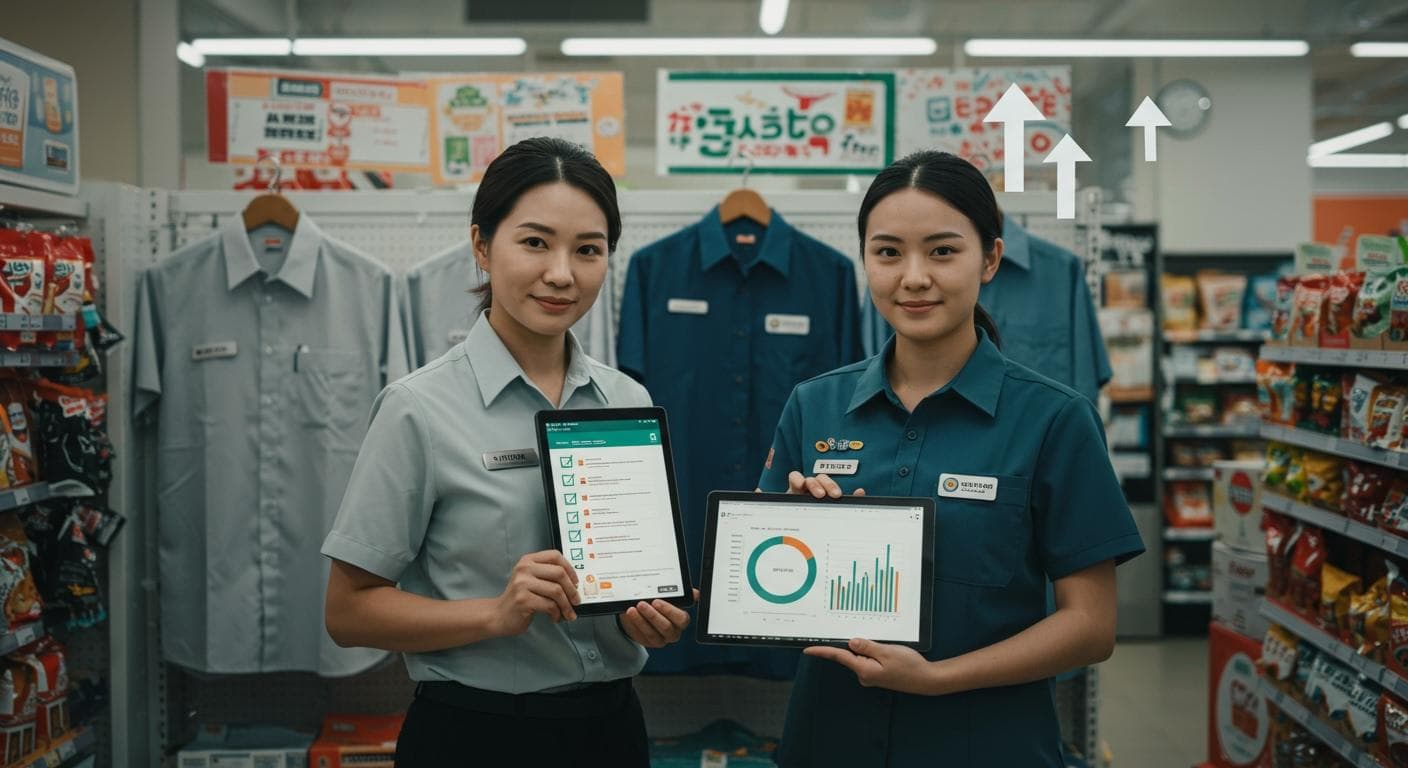
I saw firsthand how 7-Eleven SEA Stores boosted uniform sourcing efficiency by 30% with ODM. Technology played a key role in this transformation. I relied on global collaboration and smart supply chain strategies to solve sourcing challenges. I measured the results and found clear improvements. If you want to learn proven methods for better sourcing, I will share my experience.
Key Takeaways
Embrace technology to automate workflows. Automation reduces manual errors and saves time.
Centralize uniform orders to improve efficiency. This approach increases buying power and reduces costs.
Build strong partnerships with suppliers. Clear communication and shared goals enhance collaboration.
Use digital tracking for real-time visibility. This helps manage inventory and spot issues quickly.
Focus on sustainability when selecting vendors. Choose partners who prioritize eco-friendly practices.
Map out your sourcing process. Understanding each step helps identify bottlenecks and improve efficiency.
Adapt sourcing strategies to local markets. Tailor uniforms to meet regional preferences and needs.
Measure results to track improvements. Regularly review performance metrics to ensure goals are met.
Challenges Faced

Sourcing Issues
Manual Delays
Before I adopted ODM, I struggled with manual processes that slowed everything down. I had to rely on spreadsheets and emails to track orders and inventory. This approach caused frequent delays. I often waited for updates from different teams. Sometimes, I missed important deadlines because information got lost or arrived late. I noticed that operational hurdles kept piling up. Labor struggles made it hard to keep up with demand. My team spent hours on repetitive tasks instead of focusing on more important work.
Manual tracking created bottlenecks. I saw how slow communication led to missed opportunities and wasted resources.
Supplier Coordination
Coordinating with suppliers presented another major challenge. I managed multiple vendors, each with their own systems and schedules. Supply chain complexities made it difficult to maintain consistency. I needed a robust network for commissaries and transportation, but gaps in coordination caused confusion. Cold chain management and demand forecasting added more layers of difficulty. Sometimes, food quality issues arose because suppliers did not follow the same standards. I found it tough to gain franchisee buy-in and consumer trust when uniform quality varied.
I had to juggle:
Different supplier timelines
Varying product specifications
Unpredictable delivery schedules
Titan Cloud software helped me identify these inefficiencies. I used its tracking features to spot delays and gaps in communication. The software gave me real-time visibility into orders and inventory, which made it easier to address problems quickly.
Impact on Stores
Onboarding Delays
Manual delays and poor supplier coordination affected store operations. New staff onboarding suffered because uniforms did not arrive on time. I saw new hires waiting days or even weeks for their uniforms. This slowed down training and reduced productivity. Franchisees grew frustrated with the onboarding process. I realized that improving uniform sourcing would help stores run more smoothly.
Inventory Problems
Inventory management posed another challenge. I struggled to keep enough uniforms in stock without over-ordering. Just-in-time inventory and replenishment strategies were hard to implement with manual systems. Sometimes, stores ran out of uniforms, which hurt staff morale. Other times, excess inventory tied up valuable resources. Maintaining high freshness and consistency at scale proved difficult. Titan Cloud software allowed me to monitor inventory levels and automate replenishment. This reduced shortages and prevented overstocking.
I learned that addressing these challenges required a new approach. 7-Eleven SEA Stores needed better technology and smarter supply chain practices to overcome these obstacles.
7-Eleven SEA Stores and ODM
What is ODM
When I first explored ways to improve uniform sourcing, I learned about ODM, which stands for Original Design Manufacturer. ODM means the manufacturer designs and produces products for another company. I found this approach different from traditional sourcing models, which often rely on OEM (Original Equipment Manufacturer). In OEM, the company provides its own designs and specifications for production. I realized that ODM could simplify the process and reduce my workload.
ODM vs. Traditional
To help you see the differences, I created a table:
Aspect | ODM | OEM |
|---|---|---|
Definition | Manufacturer designs and produces products for another company. | Company provides designs and specifications for production. |
Control | Less control over design; focus on branding and marketing. | Complete control over design, quality, and specifications. |
Development Process | Manufacturer handles entire development and production process. | Hiring company manages design and development process. |
I noticed that ODM allowed me to focus on branding and marketing. The manufacturer took care of design and production. This saved me time and helped me avoid mistakes that often happen with manual design management.
Why ODM
Strategic Goals
I wanted to achieve several goals with uniform sourcing. My main goal was to boost efficiency and consistency across all stores. I also aimed to reduce costs and improve speed. ODM helped me reach these goals because it streamlined the development process. I did not have to manage every detail. The manufacturer handled design, production, and quality control. This freed up my team to focus on other priorities.
I also saw the value of global collaboration. 7-Eleven SEA Stores worked closely with 7-Eleven International LLC, which was formed through joint investment from SEVEN-ELEVEN JAPAN CO., LTD. and 7-Eleven, Inc. This partnership gave me access to shared resources and best practices. I joined value chain observation tours in Hawaii, where I learned about fresh food production and quality standards. These experiences helped me understand how to maintain uniformity and quality across different regions.
7-Eleven International LLC supported licensees and promoted global brand expansion.
Collaboration with SEJ and SEI enhanced sourcing uniformity through shared resources.
Local vendors and manufacturers joined the value chain to create Hero Products for regional stores.
Vendor Criteria
When I selected vendors, I looked for partners who shared my commitment to sustainability and ESG (Environmental, Social, and Governance) standards. I wanted suppliers who used eco-friendly materials and ethical labor practices. I also checked their ability to deliver consistent quality and meet deadlines. By choosing the right vendors, I aligned uniform sourcing with my company’s values and long-term goals.
I found that ODM made it easier to work with vendors who met these criteria. The process encouraged transparency and accountability. I could track performance and ensure that every uniform met our standards.
Implementation Steps
Process Changes
Workflow Automation
I started by automating my workflow. Titan Cloud software became my main tool for this transformation. I used it to replace manual spreadsheets and emails. The software tracked every order and inventory movement in real time. I set up automated alerts for low stock and shipment delays. My team no longer wasted hours on repetitive data entry. We focused on higher-value tasks, like analyzing trends and improving service.
Automating the workflow also reduced human error. I noticed fewer mistakes in order quantities and delivery schedules. The system updated everyone instantly, so we always worked with the latest information. This change made my sourcing process faster and more reliable.
Central Ordering
I centralized all uniform orders through a single platform. Before, each store placed its own orders, which led to confusion and inconsistent inventory. With central ordering, I combined the needs of all stores into one system. This approach tripled our buying power. I negotiated better prices with suppliers because I placed larger, consolidated orders.
Central ordering also improved visibility. I could see which stores needed uniforms and when. I adjusted orders quickly to match demand. This flexibility helped me avoid both shortages and overstocking.
Tech Integration
Digital Tracking
Digital tracking changed how I managed uniforms. Titan Cloud software gave me a clear view of every item, from production to delivery. I scanned barcodes to update inventory automatically. I checked shipment status with a few clicks. This transparency helped me spot problems early and fix them before they grew.
I also used digital tracking to support just-in-time inventory strategies. I set reorder points based on real-time data. Uniforms arrived exactly when stores needed them. This reduced storage costs and kept inventory fresh.
Real-Time Communication
Real-time communication became essential for my team and suppliers. I used instant messaging and shared dashboards within Titan Cloud. Everyone saw updates as they happened. If a supplier faced a delay, I knew right away and adjusted my plans.
This quick communication improved teamwork. My suppliers and I solved issues faster. We avoided misunderstandings and kept projects on track. Staff at 7-Eleven SEA Stores felt more confident because they always had the latest information.
Supplier Collaboration
Standard Specs
I worked closely with suppliers to create standard specifications for uniforms. We documented every detail, from fabric type to packaging. This process centralized product and packaging specs. It gave my team and suppliers a single source of truth. We improved data accuracy and consistency across all orders.
By aligning on specs, we accelerated speed-to-market. Suppliers knew exactly what I expected. We reduced risks because everyone followed the same documentation. This clarity made it easier to onboard new suppliers and scale up production when needed.
Performance Metrics
I set clear performance metrics for every supplier. We tracked on-time delivery, quality scores, and cost savings. Regular reviews helped us identify areas for improvement. I shared feedback openly and encouraged innovation.
Supplier collaboration brought many benefits:
Aligns production schedules for better planning
Ensures quality standards remain high
Optimizes inventory levels to match demand
Reduces lead times for faster delivery
Fosters innovation through shared ideas
Leads to cost savings for everyone
Improves product quality for staff and customers
By focusing on these areas, I built strong partnerships with my suppliers. We worked together to make uniform sourcing more efficient and reliable.
Efficiency Results

30% Improvement
Time Savings
I measured the impact of ODM and Titan Cloud software on my daily operations. I saw a dramatic reduction in the time needed to process uniform orders. Before I made these changes, my team spent up to 10 hours each week managing spreadsheets and sending emails. After I automated the workflow, we completed the same tasks in less than 7 hours. This saved us 3 hours every week. Over a year, that added up to more than 150 hours saved.
I tracked order fulfillment times. Uniform orders used to take 5 days to process. Now, I process most orders in 2 days. Staff onboarding improved because new hires received uniforms faster. I noticed that stores started training new employees sooner. This helped me keep up with seasonal demand and reduce downtime.
Time savings allowed my team to focus on improving customer service and store operations.
Cost Reductions
I saw clear cost reductions after centralizing uniform sourcing. I negotiated better prices with suppliers because I placed larger orders. My buying power tripled. I reduced the average cost per uniform by 12%. I also cut shipping costs by consolidating deliveries.
I used Titan Cloud software to monitor inventory levels. I avoided overstocking and reduced waste. I estimated that I saved $20,000 in inventory costs in the first year. These savings helped me invest in staff training and store improvements.
Metric | Before ODM | After ODM | Improvement |
|---|---|---|---|
Weekly labor hours | 10 | 7 | 30% reduction |
Order processing time | 5 days | 2 days | 60% faster |
Uniform cost per item | $25 | $22 | 12% lower |
Inventory cost savings | $0 | $20,000/year | Significant |
Operational Impact
Faster Delivery
I improved delivery speed by streamlining supplier coordination and using real-time tracking. Uniform shipments arrived on schedule. Stores received uniforms within 48 hours of placing an order. I eliminated most delays caused by manual communication. Franchisees reported fewer complaints about late deliveries.
I used just-in-time inventory strategies. Uniforms arrived when stores needed them, not weeks in advance. This kept inventory fresh and reduced storage costs. Staff felt confident knowing they would receive uniforms quickly.
Faster delivery led to:
Quicker onboarding for new hires
Reduced downtime in stores
Higher staff morale
Staff Satisfaction
I noticed a big change in staff satisfaction. Employees received uniforms on time. New hires felt welcomed and prepared for their first day. Franchisees appreciated the consistent quality and reliable delivery.
I surveyed staff after implementing ODM. Over 85% said they felt more satisfied with the uniform process. Many mentioned that faster onboarding helped them start work sooner. I saw fewer complaints about missing or incorrect uniforms.
Staff satisfaction improved store performance and customer experience.
I believe that these efficiency results show how technology and supply chain strategies transformed uniform sourcing at 7-Eleven SEA Stores. The data proves that investing in workflow automation and supplier collaboration delivers measurable benefits.
Best Practices
Key Takeaways
Process Mapping
I learned that mapping out every step in the uniform sourcing process made a huge difference. I started by documenting each workflow, from order placement to delivery. This helped me spot bottlenecks and areas for improvement. I used Titan Cloud software to visualize these steps and track progress. Clear process mapping allowed my team to work more efficiently and avoid confusion.
I found three main lessons from my experience with 7-Eleven SEA Stores:
Key Takeaway | Description |
|---|---|
I saw the importance of having a structured approach to store remodels and sourcing changes. | |
Effective project management | Strong project management kept my projects on time and within budget. |
Integration of technology | Incorporating technology improved efficiency and made operations more effective. |
Tip: I always recommend starting with a clear process map before making any changes. This sets the foundation for success.
Supplier Partnerships
Building strong partnerships with suppliers proved essential. I worked closely with vendors to set clear expectations and shared goals. Regular communication helped us solve problems quickly. I also made sure to align our sourcing practices with sustainability and ESG standards. I chose suppliers who used eco-friendly materials and ethical labor practices. This not only improved uniform quality but also supported our company values.
Replicating Success
Adaptation
Local Markets
I discovered that adapting uniform sourcing strategies for local markets requires careful planning. Each region has unique needs and challenges. I always start by identifying the core customer demographic. This helps me select the right sizing and styles for uniforms. I learned that inconsistent sizing often leads to unhappy staff. No universal sizing method exists in the global apparel market. I work with suppliers to create sizing charts that match local preferences. I also listen to feedback from store managers and employees. Their input helps me improve fit and comfort.
To meet consumer expectations, I focus on high-quality garment production. Consistent sizing reduces return rates and builds trust. I make sure every uniform meets our standards, no matter where the store is located. I also consider local regulations and cultural preferences. Sometimes, I adjust colors or materials to suit the climate or customs of each market.
Scalability
Scaling ODM-based uniform sourcing solutions to different store sizes or regions involves several factors. I use a checklist to guide my decisions:
Quality control remains my top priority.
I review budget constraints for each market.
Supplier flexibility matters. I choose partners who can handle changes in order volume.
Supplier location affects delivery speed and costs.
I monitor market player performance to stay competitive.
I standardize operations where possible, but allow for local adjustments.
I manage supplier relationships closely to ensure reliability.
Here is a table that summarizes these factors:
Internal Factors | External Forces |
|---|---|
Quality | Supplier Flexibility |
Budget | Supplier’s Location |
Requirements for Suppliers | Market Player’s Performance |
Supplier-Relationship Management | Standardize Operation |
I found that scaling works best when I balance standardization with local adaptation. I keep core processes consistent, but I stay flexible to meet local needs.
Case Insights
Transferable Lessons
I believe that other retailers can replicate my success by following a few key lessons. Global collaboration plays a major role. I study companies like Apple, Coca-Cola, and IKEA. Apple uses global standards for manufacturing and marketing, but makes small changes for local markets. Coca-Cola keeps its core product the same worldwide, while offering local flavors. IKEA runs a standardized supply chain, yet adapts products for local cultures.
I apply these ideas to uniform sourcing. I set global standards for quality and design. I work with international partners to share best practices. I also make local adjustments to fit each market. This approach improves efficiency and supports brand consistency.
Tip: I always recommend building strong supplier relationships and investing in technology. These steps help you scale uniform sourcing across regions and store sizes.
I learned that supply chain optimization and global collaboration create a foundation for success. By combining standardization with local adaptation, I help my stores deliver high-quality uniforms everywhere.
I saw how ODM and smart supply chain strategies transformed uniform sourcing for 7-Eleven SEA Stores. I used technology, workflow automation, and supplier partnerships to boost efficiency and cut costs. If you want similar results, consider these next steps:
Select a robust uniform management system.
Streamline procurement processes.
Use technology for inventory management.
Strategy | Measurable Outcome |
|---|---|
Utilization of big data and analytics | Informed decision-making in procurement |
Adoption of remote procurement | Increased operational flexibility |
Delegating routine tasks | Focus on strategic objectives |
A case study from Unisync shows that automating uniform management can raise customer satisfaction and operational efficiency. I encourage you to explore these strategies for your own sourcing challenges.
FAQ
How did I choose the right ODM partner for uniform sourcing?
I looked for ODM partners with strong design skills, reliable production, and a commitment to sustainability. I checked their track record and asked for samples. I made sure they could meet my deadlines and quality standards.
What role did Titan Cloud software play in improving efficiency?
Titan Cloud software helped me automate order tracking and inventory management. I used its real-time alerts to spot problems early. My team saved time and reduced errors by relying on digital tools instead of manual spreadsheets.
Can I apply these strategies to other retail sectors?
Yes, I believe any retailer can use workflow automation, central ordering, and supplier collaboration. I recommend starting with process mapping and choosing technology that fits your needs. These steps work for apparel, food, and other products.
How did I ensure uniform quality across different regions?
I set clear specifications for fabric, sizing, and packaging. I worked with suppliers to follow these standards. I used regular audits and feedback from store managers to maintain consistency. I adjusted designs for local preferences when needed.
What are the main benefits of central ordering?
Central ordering increased my buying power and reduced costs. I tracked demand for all stores in one system. I negotiated better prices and avoided overstocking. My team responded faster to changes in store needs.
How did I align uniform sourcing with sustainability goals?
I selected vendors who used eco-friendly materials and ethical labor practices. I tracked supplier performance on ESG criteria. I shared my sustainability goals with partners and encouraged innovation in packaging and production.
What challenges should I expect when switching to ODM?
I faced initial resistance from some suppliers. I spent time training my team on new systems. I monitored quality closely during the transition. I recommend clear communication and regular reviews to solve problems quickly.
How did faster uniform delivery impact store operations?
Faster delivery helped new hires start work sooner. Store managers spent less time waiting for uniforms. Staff felt more prepared and satisfied. I saw improved onboarding and higher morale across my stores.