
How Circle K Cut 15% Costs with Convenience Store Apparel ODM
Table of Contents
Display
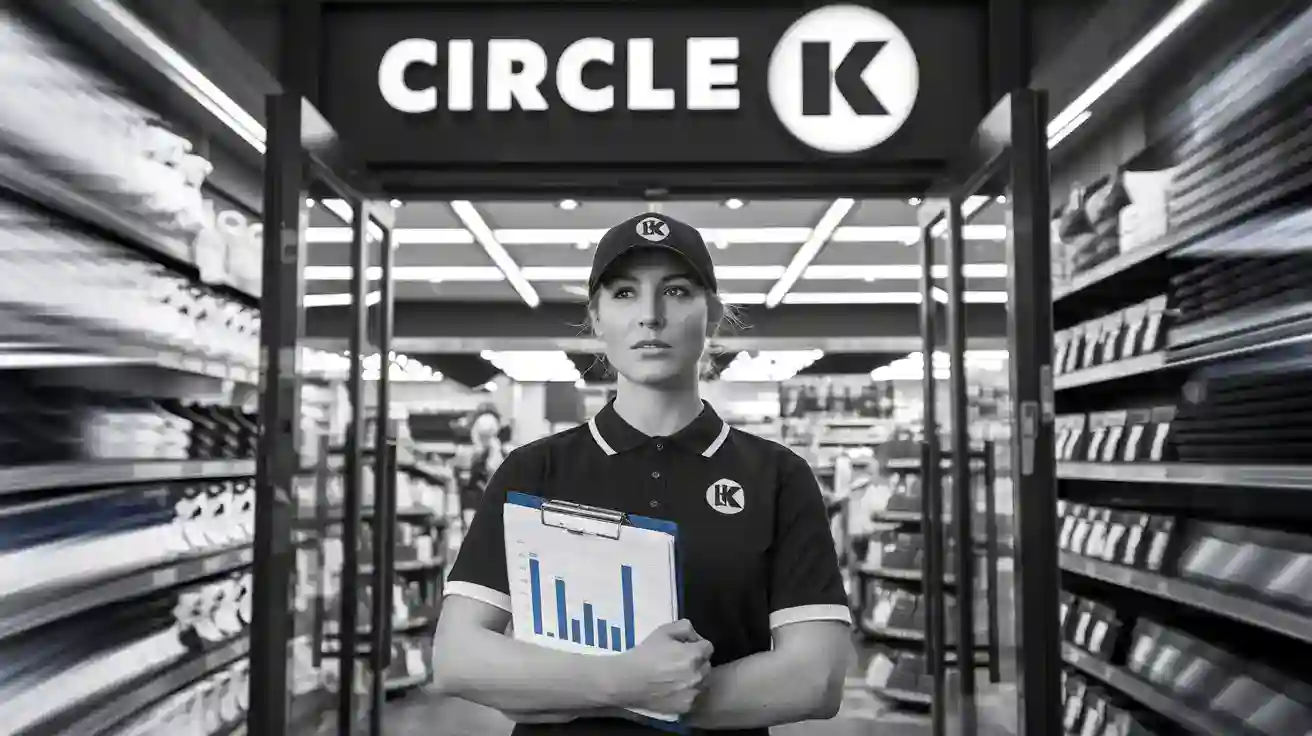
I watched Circle K achieve a 15% cost reduction after switching to an ODM model for convenience store apparel. This change improved operational efficiency and boosted the company’s competitive edge. I noticed several factors contribute to this success:
Clear strategic vision drives effective technology integration.
Modern point-of-sale systems and inventory tools streamline operations.
Continuous IT improvements help stores adapt to customer needs.
Inclusive decision-making encourages team buy-in for new processes.
Retailers now pursue efficiency and sustainability with innovative sourcing approaches.
Key Takeaways
Circle K achieved a 15% cost reduction by switching to an ODM model for apparel sourcing.
ODM allows retailers to streamline design and production, reducing communication delays and costs.
Standardizing apparel designs simplifies ordering and lowers production expenses.
Using bulk orders helps negotiate better pricing and reduces per-unit costs.
Continuous monitoring of supplier performance ensures quality and timely deliveries.
Training staff on new processes increases confidence and improves order accuracy.
Maintaining clear communication with suppliers fosters strong partnerships and better results.
Adopting sustainable practices in sourcing supports environmental goals and brand reputation.
ODM Overview
Definition
When I first explored sourcing options for retail apparel, I encountered two main models: ODM (Original Design Manufacturing) and OEM (Original Equipment Manufacturing). ODM stands out because the manufacturer handles both the design and production of apparel. This approach lets retailers like me select ready-made designs or request customizations, which streamlines the process and reduces the need for in-house design teams. To clarify the differences, I created a table:
ODM (Original Design Manufacturing) | OEM (Original Equipment Manufacturing) | |
|---|---|---|
Advantage | ODM producers manage both design and production. This can boost profitability and support future growth. | OEM manufacturers focus on design and manufacturing, saving time and money by leaving marketing and sales to others. |
Disadvantage | ODM manufacturers often charge more because they handle both design and production. | OEM producers may lose control over the final product’s quality if the buyer changes designs or materials. |
I found that ODM gives me more control over the finished product’s look and feel. This control helps maintain brand consistency, which is vital for a company like Circle K.
Cost Benefits
ODM streamlines apparel production by reducing the number of steps between concept and delivery. I no longer need to coordinate between separate design and manufacturing teams. This consolidation cuts down on communication delays and overhead costs. By working directly with ODM partners, I can negotiate better pricing for bulk orders and standardize designs across multiple locations. This approach leads to significant savings, especially when scaling up operations. For Circle K, these savings translated into a 15% reduction in apparel costs, which directly improved our bottom line.
Industry Trend
I have noticed a clear shift in the retail apparel industry toward efficiency and sustainability. Retailers now seek sourcing models that minimize waste and support responsible production. Recent studies show that U.S. retailers sourced over 3,300 clothing items made from recycled textiles between January 2019 and August 2022. These items came from 36 different countries, reflecting a diverse and sustainable sourcing strategy.
U.S. retailers sourced 3,307 clothing items made from recycled textiles from January 2019 to August 2022.
These items came from 36 countries, showing a commitment to global and sustainable sourcing.
This trend aligns with my own experience at Circle K. By adopting ODM, I not only improved efficiency but also supported broader sustainability goals. The industry’s move toward ODM reflects a desire to balance cost savings with environmental responsibility.
Circle K Apparel Challenges
Rising Costs
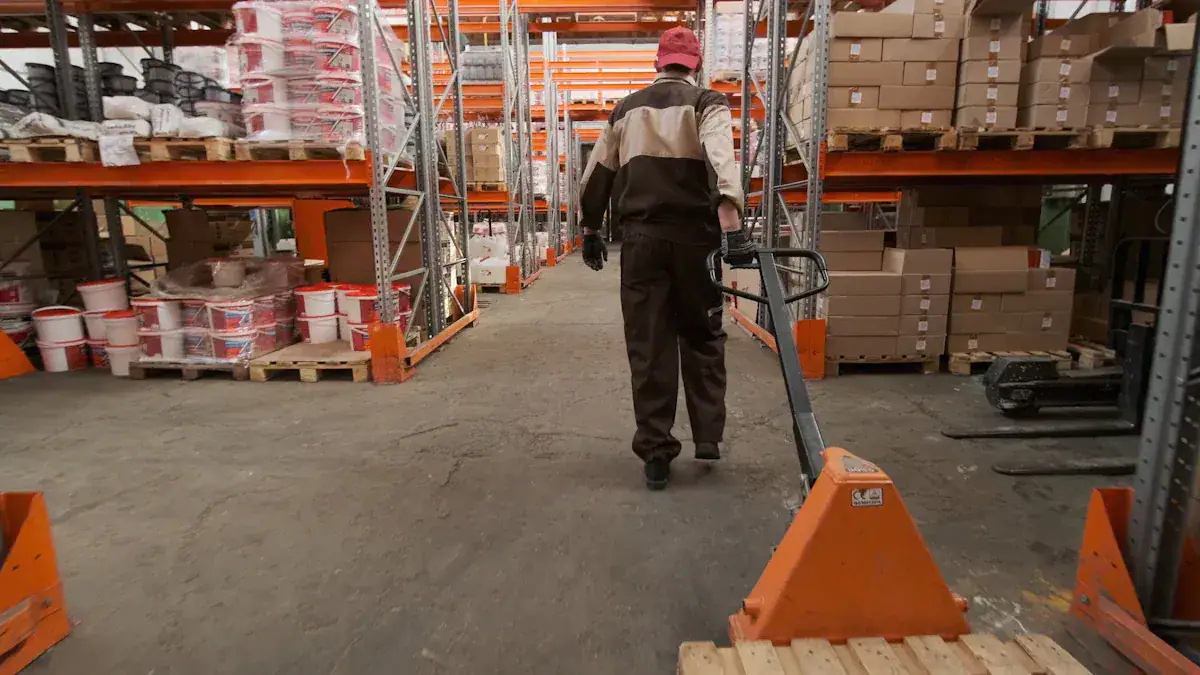
When I managed apparel sourcing for Circle K, I faced rising costs every quarter. Vendor prices increased due to global supply chain disruptions and higher raw material expenses. I noticed that shipping fees and tariffs added to the total cost. My team struggled to keep uniforms affordable for every store location. I tracked expenses and saw that traditional sourcing models did not offer much flexibility. I realized that bulk orders did not always guarantee lower prices. The lack of direct negotiation with manufacturers limited my ability to control costs.
Tip: Monitoring cost trends helps identify areas for improvement in sourcing strategies.
Inefficiencies
I encountered many inefficiencies in the apparel supply chain. Communication between design teams and manufacturers often led to delays. I waited weeks for sample approvals and production updates. My stores sometimes received uniforms late, which disrupted onboarding for new staff. I found that managing multiple vendors created confusion. Each supplier had different timelines and requirements. I spent extra hours coordinating shipments and resolving order mistakes. These inefficiencies slowed down operations and affected staff morale.
Delayed deliveries
Miscommunication between teams
Multiple vendor management challenges
I learned that streamlining the supply chain could save time and reduce errors.
Quality Issues
Quality control presented another challenge. I received uniforms with inconsistent stitching and fabric quality. Some batches faded after a few washes. I had to replace defective items, which increased costs and frustrated employees. My team inspected every shipment, but we could not catch every issue before distribution. I noticed that working with several suppliers made it hard to enforce consistent standards. Staff feedback highlighted the need for durable and comfortable apparel. I understood that improving quality required a more integrated approach to sourcing.
Note: Consistent quality standards ensure staff satisfaction and reduce replacement costs.
Circle K ODM Solution
Supplier Selection
I started the ODM transition by evaluating potential suppliers. I focused on manufacturers with a proven track record in retail apparel. I checked their certifications and reviewed client testimonials. I visited production facilities to inspect quality standards firsthand. I compared pricing models and minimum order quantities. I prioritized suppliers who offered flexibility in design and customization. I used a scoring system to rank each candidate based on reliability, cost efficiency, and sustainability practices.
Criteria | Importance | Supplier A | Supplier B | Supplier C |
|---|---|---|---|---|
Quality Control | High | ✅ | ✅ | ❌ |
Cost Efficiency | High | ✅ | ❌ | ✅ |
Sustainability | Medium | ✅ | ✅ | ✅ |
Customization | High | ✅ | ✅ | ✅ |
Tip: Visiting supplier facilities helps verify claims and build trust.
I selected partners who could deliver consistent quality and support Circle K’s brand requirements.
Integration Steps
I mapped out a clear integration plan. I started by aligning our internal teams with the ODM supplier’s workflow. I shared our brand guidelines and product specifications. I set up regular meetings to review prototypes and approve samples. I established a digital platform for order tracking and communication. I worked with IT to connect our inventory system to the supplier’s production schedule. I monitored the first few shipments closely to ensure accuracy and timeliness.
Shared brand guidelines
Approved prototypes
Connected inventory systems
Monitored initial shipments
ODM enabled me to offer a wider variety of branded apparel at lower prices. I could introduce new styles quickly and respond to staff feedback. I reduced the time from concept to store delivery. I saw fewer errors and faster turnaround.
Staff Training
I recognized that staff needed to understand the new apparel process. I organized training sessions to explain the ODM model and its benefits. I provided step-by-step guides for ordering uniforms and reporting issues. I encouraged feedback to improve future orders. I used visual aids and sample products during training. I made sure every store manager felt confident using the new system.
Note: Clear training reduces confusion and increases adoption of new sourcing models.
I tracked staff satisfaction through surveys. I saw positive responses about apparel quality and ordering speed. I adjusted training materials based on feedback to keep the process smooth.
Cost Reduction Strategies
Bulk Orders
I discovered that placing bulk orders transformed my approach to apparel sourcing. By consolidating purchases across multiple store locations, I negotiated better pricing with suppliers. Larger order volumes allowed me to leverage economies of scale. I saw suppliers offer significant discounts when I committed to higher quantities. This strategy reduced the per-unit cost of uniforms and branded apparel.
I tracked order patterns and identified peak periods for uniform demand. I coordinated with store managers to forecast needs accurately. This planning helped me avoid last-minute rush orders, which often came with premium charges. I also reduced shipping costs by combining deliveries. Bulk ordering streamlined the entire procurement process.
Tip: Accurate forecasting and centralized ordering maximize savings from bulk purchases.
Standardization
I realized that standardizing apparel designs played a crucial role in cost reduction. I worked with my ODM partners to create a core set of uniform styles and colors. This consistency simplified the ordering process and reduced design fees. I eliminated the need for frequent customizations, which often increased production costs.
I developed clear specifications for fabric, stitching, and branding elements. These standards ensured every store received high-quality, consistent uniforms. I used a table to compare the benefits of standardization:
Benefit | Impact on Operations |
|---|---|
Lower design costs | Reduced expenses |
Faster production | Shorter lead times |
Consistent branding | Stronger brand identity |
Easier inventory | Simplified stock management |
Standardization also improved staff satisfaction. Employees appreciated the comfort and durability of the uniforms. I received fewer complaints about fit and quality. This approach supported my goal of maintaining a professional image for every store.
Supply Chain
I focused on optimizing the supply chain to achieve further cost savings. I mapped out every step from order placement to final delivery. I identified bottlenecks and worked with suppliers to address delays. I integrated digital tracking systems to monitor shipments in real time. This visibility helped me respond quickly to any issues.
I built strong relationships with logistics partners. I negotiated better rates for transportation and warehousing. I also reduced the number of intermediaries involved in the process. Direct communication with manufacturers and shippers minimized errors and improved efficiency.
Note: Supply chain transparency leads to faster deliveries and lower operational costs.
I measured the impact of these changes by tracking delivery times and inventory levels. I saw a noticeable decrease in stockouts and overstock situations. Optimizing the supply chain supported my overall strategy to reduce costs and improve service quality for Circle K.
Overhead Reduction
I noticed that overhead costs often eat into profit margins for convenience stores. When I managed apparel sourcing for Circle K, I saw that expenses like storage, administration, and manual order processing added up quickly. I decided to tackle these costs head-on by leveraging the ODM model.
First, I streamlined administrative tasks. I worked with my ODM partners to automate order placement and tracking. I used digital platforms to manage inventory and shipments. This automation reduced paperwork and freed up my team’s time for more strategic work.
Next, I minimized storage expenses. I coordinated with suppliers to implement just-in-time delivery. I scheduled shipments to arrive only when stores needed new uniforms. This approach helped me avoid excess inventory and cut down on warehousing fees.
I also reduced manual labor costs. I trained staff to use the new digital systems for ordering and reporting issues. I eliminated the need for multiple approval layers and manual checks. Staff could place orders directly and track deliveries in real time.
To illustrate the impact, I created a table comparing overhead costs before and after ODM implementation:
Overhead Category | Before ODM | After ODM |
|---|---|---|
Administrative Labor | High | Low |
Storage/Warehousing | High | Low |
Manual Processing | High | Low |
Error Correction | Medium | Low |
Tip: Automating routine tasks and scheduling deliveries can dramatically lower overhead costs.
I measured the results by tracking monthly expenses. I saw a consistent drop in overhead, which contributed to the overall 15% cost reduction. By focusing on overhead, I made Circle K’s apparel sourcing more efficient and sustainable.
Results and Impact

15% Savings
I measured the financial impact of the ODM transition and saw a clear 15% reduction in apparel costs. This result exceeded my initial expectations. I tracked expenses before and after the switch, comparing invoices and monthly reports. The savings came from lower unit prices, reduced overhead, and fewer replacement orders. I noticed that bulk purchasing and standardized designs played a major role in driving down costs. My team reinvested these savings into other operational improvements, such as staff training and technology upgrades.
Note: Consistent cost tracking helps validate the effectiveness of new sourcing strategies.
I shared these results with senior management. They recognized the value of the ODM model and encouraged further expansion. The cost reduction strengthened our financial position and allowed us to allocate resources more efficiently.
Efficiency Gains
I observed significant improvements in operational efficiency after implementing ODM. The ordering process became faster and more reliable. My team spent less time coordinating with multiple vendors. Automated systems handled inventory tracking and order placement. I saw fewer delays in uniform deliveries, which helped new staff start work on time.
I created a table to summarize the efficiency gains:
Area | Before ODM | After ODM |
|---|---|---|
Order Processing | Manual, slow | Automated, fast |
Delivery Times | Unpredictable | Consistent |
Error Rate | High | Low |
Staff Onboarding | Delayed | On schedule |
These improvements boosted morale and productivity. Employees appreciated the streamlined process and reliable uniform supply. I received positive feedback from store managers about the reduced workload and improved accuracy.
Brand Variety
I expanded the range of branded apparel available to staff. ODM partners offered flexible design options and quick turnaround times. I introduced new styles and seasonal uniforms without increasing costs. Staff could choose from a wider selection of fits and colors, which improved comfort and satisfaction.
More uniform styles for different roles
Seasonal apparel for promotions
Customization options for special events
I noticed that brand consistency improved across all locations. Every store displayed the same professional image, which reinforced our identity in the market. Customers recognized our staff more easily, and employees felt proud to represent the brand.
Tip: Offering variety in branded apparel supports staff engagement and strengthens brand recognition.
The combination of cost savings, efficiency gains, and expanded brand variety positioned Circle K as a leader in convenience store apparel sourcing.
Competitive Edge
When I reflect on the impact of switching to ODM for Circle K’s apparel, I see a clear competitive edge emerge. The cost savings and efficiency gains gave us more than just a healthier bottom line. They positioned Circle K as a leader in the convenience retail sector.
I noticed that our ability to respond quickly to market trends set us apart. With ODM, I could introduce new uniform styles or seasonal apparel in a matter of weeks. Competitors often took months to roll out similar changes. This agility allowed us to keep our brand fresh and relevant. Staff felt excited to wear new designs, and customers noticed the updated look.
Brand consistency became another key advantage. I worked closely with ODM partners to ensure every store received uniforms that matched our brand standards. No matter the location, customers recognized Circle K staff immediately. This consistency built trust and reinforced our reputation for professionalism.
Note: Consistent branding across all locations strengthens customer loyalty and market recognition.
I also saw a boost in employee morale. Staff appreciated the comfort and quality of the new uniforms. They took pride in representing the brand, which translated into better customer service. Happy employees often lead to happy customers, and I observed this firsthand in our stores.
Here’s how ODM helped Circle K outperform competitors:
Faster product launches: I reduced the time from concept to delivery, staying ahead of market trends.
Improved brand image: Uniformity in apparel enhanced our professional appearance.
Higher staff satisfaction: Comfortable, stylish uniforms increased employee engagement.
Operational flexibility: I adapted quickly to changes in demand or special promotions.
I tracked our performance against industry benchmarks. Circle K consistently ranked higher in customer satisfaction surveys related to staff appearance and service quality. I believe our ODM strategy played a major role in these results.
Competitive Factor | Circle K (ODM) | Typical Competitor |
|---|---|---|
Launch Speed | Fast | Slow |
Brand Consistency | High | Variable |
Staff Morale | Strong | Mixed |
Cost Efficiency | Superior | Average |
By leveraging ODM, I gave Circle K a sustainable advantage. We moved faster, looked sharper, and operated more efficiently than our rivals. This competitive edge continues to support our growth and reputation in the market.
Lessons and Best Practices
Key Takeaways
When I reflect on Circle K’s journey with ODM, several key lessons stand out. I learned that success depends on a clear strategy and strong communication with suppliers. I always set measurable goals before starting any sourcing change. I made sure to involve every stakeholder early in the process. This approach helped me avoid confusion and resistance.
I found that standardizing designs and processes leads to better cost control. I also realized that technology plays a vital role. Digital tools for order tracking and inventory management saved me time and reduced errors. I recommend that other convenience stores invest in these systems from the start.
Tip: Always align your apparel sourcing strategy with your brand’s long-term goals. Consistency in branding and quality pays off over time.
Pitfalls
I encountered several challenges during the ODM transition. One major pitfall involved underestimating the time needed for supplier onboarding. I rushed the process once and faced delays in uniform deliveries. I also learned that not all suppliers meet the same quality standards. I made the mistake of choosing a partner based only on price, which led to inconsistent apparel quality.
Another common issue is poor communication. I once failed to provide clear specifications, which resulted in a batch of uniforms that did not match our brand colors. I had to reorder and absorb the extra cost. I now document every requirement and confirm details with suppliers before production begins.
Pitfall | How I Overcame It |
|---|---|
Rushed onboarding | Built in extra time for training |
Choosing by price only | Added quality checks |
Vague specifications | Used detailed documentation |
Note: Never sacrifice quality for speed or cost. Shortcuts often lead to bigger problems later.
Implementation Steps
I developed a step-by-step approach for implementing ODM in apparel sourcing. Here is the process I followed:
Assess Needs: I started by reviewing current apparel usage and identifying pain points.
Set Objectives: I defined clear goals, such as cost reduction and improved quality.
Research Suppliers: I evaluated multiple ODM partners, focusing on reliability and flexibility.
Pilot Program: I launched a small-scale trial to test supplier performance.
Standardize Designs: I worked with suppliers to create consistent, brand-approved uniforms.
Integrate Systems: I connected digital tools for order tracking and inventory management.
Train Staff: I provided training on the new ordering process and gathered feedback.
Monitor Results: I tracked key metrics and adjusted strategies as needed.
Callout: A structured rollout reduces risk and builds confidence across your organization.
By following these steps, I ensured a smooth transition to ODM and achieved lasting improvements for Circle K’s apparel program.
Ongoing Optimization
I believe ongoing optimization is essential for maintaining the benefits of ODM in convenience store apparel sourcing. After Circle K’s initial success, I did not stop at implementation. I continued to refine our processes and adapt to new challenges. This approach helped me sustain cost savings and operational efficiency over time.
I started by setting up regular performance reviews with our ODM partners. I scheduled quarterly meetings to discuss production quality, delivery times, and feedback from store managers. These reviews allowed me to identify small issues before they became major problems. I tracked key metrics such as order accuracy, defect rates, and staff satisfaction. I used this data to guide improvements and set new goals.
Tip: Continuous monitoring ensures that your sourcing strategy stays aligned with business objectives.
I also encouraged open communication between my team and suppliers. I created a feedback loop where store managers could report problems or suggest changes. I shared this feedback with our ODM partners and worked together to find solutions. For example, when staff requested more breathable fabrics for summer uniforms, I collaborated with the supplier to test new materials. This flexibility kept our apparel program responsive to employee needs.
To keep our sourcing strategy competitive, I stayed informed about industry trends and new technologies. I subscribed to trade publications and attended webinars on retail apparel innovation. I learned about advances in sustainable materials and digital supply chain tools. I evaluated these options and introduced them when they fit our goals.
Here is a simple table showing my ongoing optimization activities and their impact:
Activity | Impact on Operations |
|---|---|
Quarterly reviews | Early issue detection |
Staff feedback loop | Improved product quality |
Trend monitoring | Competitive sourcing |
Technology upgrades | Increased efficiency |
I made it a priority to revisit our standardization guidelines every year. I checked if our uniform designs still matched the brand image and met staff expectations. I updated specifications when necessary and communicated changes to all stakeholders.
Note: Regular updates to standards and processes help maintain consistency and support long-term success.
I recommend that other convenience stores treat ODM sourcing as a dynamic process. Optimization does not end after rollout. It requires ongoing attention, adaptation, and collaboration. By staying proactive, I ensured that Circle K’s apparel sourcing remained efficient, cost-effective, and aligned with our brand values.
Circle K’s shift to ODM delivered measurable cost savings and streamlined our apparel operations. I saw firsthand how innovative sourcing improved efficiency and strengthened our brand. For those considering ODM, I recommend the following steps:
Maintain clear communication throughout the process.
Consult legal experts to safeguard your interests.
Exploring ODM can help your store achieve similar results and stay competitive.
FAQ
What is ODM, and how does it differ from OEM?
ODM stands for Original Design Manufacturing. I work with suppliers who design and produce apparel for Circle K. OEM only manufactures products based on my designs. ODM gives me more control over branding and quality.
How did Circle K achieve a 15% cost reduction with ODM?
I consolidated bulk orders, standardized designs, and optimized the supply chain. These steps lowered unit costs and reduced overhead. I tracked expenses monthly to confirm the savings.
What criteria did I use to select ODM suppliers?
I evaluated suppliers based on quality control, cost efficiency, sustainability, and customization options. I visited facilities and reviewed certifications. I used a scoring table to compare candidates.
Criteria | Importance | Supplier A | Supplier B |
|---|---|---|---|
High | ✅ | ✅ | |
Cost Efficiency | High | ✅ | ❌ |
How did I train staff on the new apparel sourcing process?
I organized training sessions with step-by-step guides and sample products. I encouraged feedback and adjusted materials based on staff input. I tracked satisfaction through surveys.
Tip: Visual aids and clear instructions help staff learn new systems quickly.
Is ODM sourcing sustainable for convenience stores?
ODM supports sustainability by allowing me to choose recycled materials and responsible production methods. I monitor supplier practices and select partners who meet environmental standards.
How do I keep optimizing the apparel sourcing process?
I schedule quarterly reviews with suppliers, collect staff feedback, and monitor industry trends. I update standards and technology regularly to maintain efficiency and quality.
Quarterly supplier meetings
Staff feedback loop
Technology upgrades