

5 Reasons to Choose OEM for Overseas Convenience Store Bulk Uniforms
Table of Contents
Display
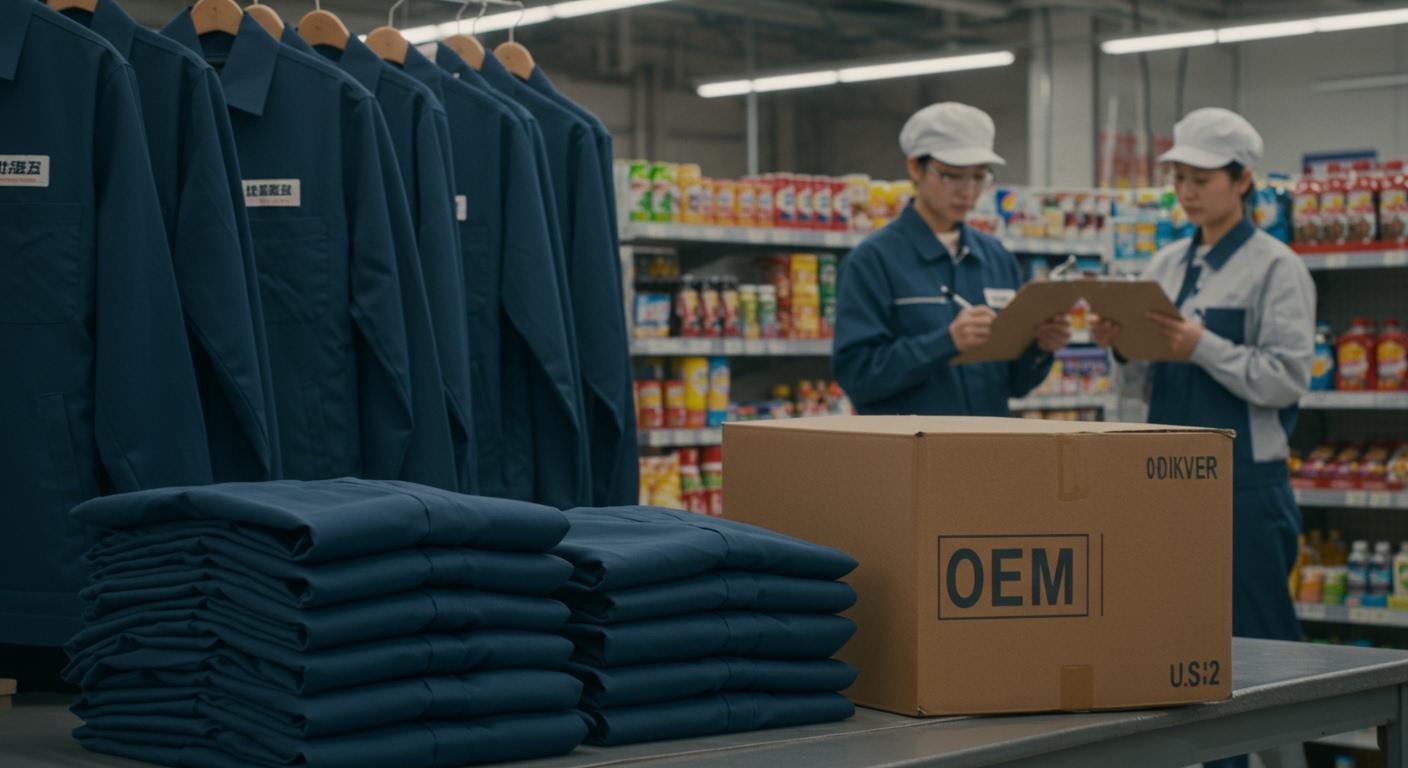
When I choose oem for overseas convenience store bulk uniforms, I notice immediate cost savings, higher product quality, and flexible customization. I see clear advantages in inventory management and streamlined delivery. For example, suppliers like Guangxi Yuzi offer a quality rating of 5.0 and a price per unit at $3.12, making my decision to choose oem even easier. I often compare reorder rates and minimum order quantities to ensure I choose oem partners who help my store stay efficient.
Here’s a quick comparison for my reference:
Manufacturer | Minimum Order Quantity | Reorder Rate | Price per Unit | Quality Rating |
|---|---|---|---|---|
Nanchang Triple Crown | 20-30 pieces | 26% | N/A | N/A |
Hengshui Jiahe | N/A | 40% | N/A | N/A |
Guangxi Yuzi | N/A | N/A | $3.12 | 5.0 |
I choose oem to guarantee my uniforms meet the demands of my business, keep my staff comfortable, and reflect my brand standards. Every time I choose oem, I gain confidence in my supply chain and my store’s image.
Key Takeaways
Choosing OEM suppliers can lead to significant cost savings on bulk uniforms, especially with volume discounts.
High product quality is ensured through strict quality control measures and certifications from reputable suppliers.
Customization options allow you to create uniforms that reflect your brand identity and meet your store’s unique needs.
Efficient international distribution helps reduce overhead costs and streamline logistics for timely delivery.
Reliable communication and support from suppliers enhance the ordering process and ensure consistent quality.
Sustainable fabric options are available, allowing you to align your uniforms with eco-friendly practices.
Using digital platforms simplifies the ordering process and provides real-time tracking for your uniform shipments.
Establishing a strong relationship with suppliers can improve your supply chain efficiency and overall business operations.
Choose OEM for Cost Savings
When I work with OEM suppliers for my convenience store uniforms, I see real savings in my budget. I focus on sourcing strategies that maximize value and minimize waste. I always look for suppliers who understand the importance of wholesale pricing, private label flexibility, and efficient supply chain management. These factors help me keep my costs low and my operations smooth.
Bulk Pricing Advantages
Volume Discounts
I notice that wholesale suppliers offer significant volume discounts when I place bulk orders. For example, when I order more than 200 units, I often receive an average of 18% savings on the price per uniform. This discount makes a big difference in my overall budget. I also pay attention to minimum order quantities (moqs) because they determine when these discounts apply. By meeting the right moqs, I unlock better pricing and improve my supply chain efficiency.
Aspect | Details |
|---|---|
Budget per uniform | |
Durability | High-durability fabrics reduce replacement frequency |
Bulk discount threshold | Triggers at 200+ units (average 18% savings) |
Local manufacturing benefits | Reduces import duties by 5–15% |
I always compare suppliers to find the best combination of price, quality, and moqs. Private label options allow me to customize uniforms while still benefiting from wholesale rates. I rely on supplier verification to ensure I work with reputable partners who deliver on their promises.
Lower Per-Unit Costs
Bulk orders lower my per-unit costs. I see this every time I negotiate with suppliers for private label uniforms. When I increase my order size, the price per item drops. This strategy helps me control my production expenses and keep my supply chain predictable. I also use supplier verification to confirm that my partners can handle large-scale manufacturing and meet my minimum order quantities.
Efficient International Distribution
Reduced Overhead
Efficient international distribution reduces my overhead. I choose suppliers who automate procurement and streamline sourcing. This approach frees up my resources and lets me focus on core business activities. I also benefit from outsourcing non-core functions, such as uniform production, to experts. This move improves my pricing and execution.
Strategy | Description |
|---|---|
Category Management | Segments spend into logical categories to create tailored strategies |
Procurement Automation | Automates routine tasks to free up resources for strategic work |
Total Cost of Ownership | Focuses on the overall cost of acquiring and maintaining products |
Outsourcing Non-Core Functions | Allows experts to handle low-impact categories like uniforms |
Standardization | Aligns processes across global teams to save time and identify opportunities |
Renegotiating Contracts | Revisits supplier contracts for better terms |
Eliminating Maverick Spending | Reduces non-contracted purchases to protect margins |
Streamlined Logistics
I always look for suppliers who offer streamlined logistics. They help me manage my wholesale supply chain and keep my inventory moving. Supplier verification ensures that my partners have the right systems for international shipping and customs. I also value suppliers who can handle private label production and meet my moqs without delays. This reliability keeps my supply chain strong and my costs under control.
By focusing on sourcing, supplier verification, and wholesale strategies, I make sure my convenience store uniforms meet my standards for price, quality, and efficiency. Private label options, bulk orders, and the right minimum order quantities give me the flexibility I need to grow my business.
Quality and Product Quality Assurance

When I choose OEM suppliers for my convenience store uniforms, I always prioritize quality. I know that product quality assurance starts with consistent standards and ends with reliable performance in every retail environment.
Consistent Standards
I rely on suppliers who follow strict quality metrics. These suppliers use ISO 9000 standards to guide their processes. I see clear standards and systematic processes in every step. Continuous improvement is part of their culture.
ISO 9000 certification
Clear standards for every product
Systematic processes for manufacturing
Continuous improvement in quality metrics
Certifications
I always check for certifications before placing an order. Suppliers who hold BSCI, SEDEX, OEKO-TEX®, GOTS, and GRS certifications show their commitment to product quality. These certifications guarantee compliance with global quality metrics. I also look for social compliance, such as fair wages and safe working conditions. Third-party QC inspections give me extra confidence in the quality of my uniforms.
Quality Control
Quality control is essential for every bulk order. I work with suppliers who use 100% inspections and AQL checks during production. At the development stage, I review tech packs, consult on fabric choices, and request samples. These steps ensure that product quality matches my expectations. During production, strict quality metrics keep every uniform consistent.
High-Grade Materials
I always ask about the fabric before I place an order. High-grade materials make a big difference in product quality. I want uniforms that last and look professional.
Durable Fabrics
Durable fabric is my top priority. I choose suppliers who offer advanced fabric technology and finishing techniques. These innovations help my uniforms stand up to daily wear and tear. I see the benefits in reduced replacement costs and better staff comfort.
Reliable Components
Reliable components matter just as much as fabric. I check zippers, buttons, and stitching for quality. Suppliers who focus on quality metrics in every detail help me avoid problems later. I know that every part of the uniform must meet my standards for product quality.
Meeting Global Needs
My stores operate in different countries, so I need uniforms that adapt to each retail environment. Suppliers who understand global needs help me maintain product quality everywhere.
Adapted for Retail Environments
I look for suppliers who innovate with fabric technology and embroidery. Compliance with industry standards ensures my uniforms meet local requirements. Digital integration lets me track orders and manage inventory in real time.
Adaptation Strategy | Description |
|---|---|
Innovation | Advancements in fabric technology, embroidery, and finishing techniques |
Compliance | Adherence to industry standards for quality and design |
Digital Integration | Real-time order tracking and inventory management |
Operational Efficiency | Rapid product development cycles for diverse consumer needs |
Performance and Longevity
Performance and longevity are key quality metrics for my uniforms. I choose fabric that resists fading and shrinking. Reliable suppliers help me maintain product quality over time. I see the results in staff satisfaction and a consistent store image.
Customization and Sourcing Strategy
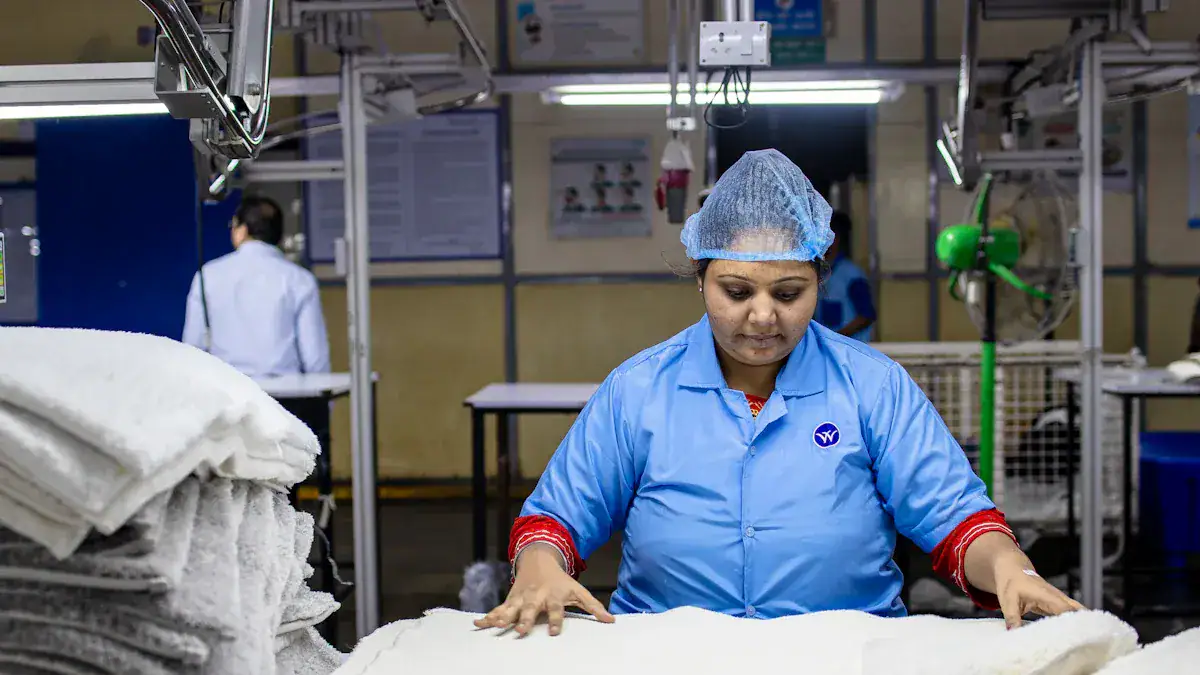
When I choose OEM suppliers, I gain access to a sourcing strategy that supports my convenience store’s unique needs. I see how customization and specialized sourcing help me stand out in a crowded market. My optimal sourcing strategy starts with design flexibility and ends with a uniform that fits my brand perfectly.
Design Flexibility
I value design flexibility because it lets me create uniforms that match my store’s image. OEM suppliers offer a sourcing strategy that includes branding options and tailored fits. I work with partners who understand the importance of customization and specialized sourcing.
Branding Options
I use branding options to make my uniforms reflect my store’s identity. OEM suppliers provide fully customized pieces that enhance my brand. I rely on strict quality control to keep every piece consistent. When my business grows, I know my supplier can scale production without losing quality.
Benefit | Description |
|---|---|
Customization | OEM suppliers provide fully customized pieces tailored to brand identity, enhancing uniform branding. |
Quality Control | Strict quality standards ensure consistency across all pieces, fostering customer trust and loyalty. |
Scalability | OEM manufacturers can scale production efficiently, meeting rising brand demand without compromising quality. |
Tailored Fits
I choose tailored fits to keep my staff comfortable. My sourcing strategy includes options for different body types and work environments. I see how customization improves morale and helps my team feel valued.
Material Selection
Material selection is a key part of my optimal sourcing strategy. I look for sustainable fabrics that match my store’s climate and needs. I ask my supplier about sourcing options that support ethical and sustainable production.
Climate-Appropriate Fabrics
I select climate-appropriate fabrics to keep my staff comfortable year-round. My sourcing strategy includes organic cotton, recycled polyester, hemp, and bamboo fabric. These materials offer breathability, durability, and sustainability.
Fabric Type | Description |
|---|---|
Organic Cotton | Grown without synthetic pesticides, breathable, and requires less water and energy to produce. |
Recycled Polyester | Made from post-consumer plastic, durable, reduces waste, and conserves resources. |
Hemp | Strong, durable, requires minimal water and pesticides, breathable, and lightweight. |
Bamboo Fabric | Fast-growing, renewable, soft, breathable, and naturally antibacterial, ideal for warm environments. |
I focus on sustainable sourcing and partner with suppliers who maintain an ethical supply chain. I ask about fair labor practices and transparency in production.
Functional Features
I choose functional features that support my staff’s daily tasks. My sourcing strategy includes stretchy fabrics for movement, absorbent materials for comfort, and durable construction for long-lasting wear. I see how sustainable manufacturing practices, like reduced water usage, improve my uniforms and support my values.
Enhancing Brand Identity
Customization helps me build a strong brand identity. My sourcing strategy focuses on uniforms that create a consistent image and boost staff morale.
Staff Morale
I notice that custom uniforms improve staff morale. My team feels proud to wear uniforms that fit well and look professional. I see how sustainable and comfortable materials make their workday easier.
Store Image
Custom uniforms serve as walking advertisements for my store. I use customization to create a memorable image that stands out in the market. My sourcing strategy ensures every uniform acts as a visual representation of my brand. I see increased brand awareness and trust from customers.
Tip: Custom work uniforms create a consistent brand image, increase brand awareness, and build trust. They differentiate my business and make it memorable to customers. High-quality custom uniforms act as walking advertisements, enhancing brand recognition.
My optimal sourcing strategy combines customization, sustainable materials, and specialized sourcing. I work with OEM suppliers who support my sourcing goals and help me grow my business.
Reliable Wholesale Shirt Suppliers
When I choose wholesale shirt suppliers for my convenience store uniforms, I focus on reliability and efficiency. I want my shirts to arrive on time, meet my quality standards, and support my sourcing strategy. I know that strong suppliers help me manage my apparel inventory and keep my store running smoothly.
On-Time Delivery
I depend on wholesale shirt suppliers who deliver my shirts when I need them. Timely delivery keeps my staff looking professional and my operations on track.
Advanced Scheduling
I use advanced scheduling systems to plan my bulk shirt orders. These systems use technology like artificial intelligence and machine learning to predict my needs. I can personalize my apparel orders for different job roles. I also benefit from regular updates and replacements, which keep my uniforms current. This approach makes my sourcing more accurate and my production more efficient.
Real-Time Tracking
I always ask my wholesale shirt suppliers for real-time tracking. I want to know where my shirts are at every step. Clear communication about shipping times and tracking helps me avoid delays. I check supplier reputation before placing orders, because reputable suppliers handle issues quickly and keep delivery times consistent.
Tip: Domestic suppliers often offer faster fulfillment, sometimes even same-day shipping. International sourcing usually means longer lead times, so I plan my inventory carefully. Proximity to suppliers helps me respond to trends and changes in demand.
Key Factor | Explanation |
|---|---|
Shipping and Logistics | Supplier shipping capabilities impact timely delivery and customer satisfaction. |
Communication | Clear updates about shipping and tracking are essential for reliability. |
Supplier Reputation | Trusted suppliers deliver consistently and resolve issues quickly. |
Inventory Management
I rely on wholesale shirt suppliers to help me manage my apparel inventory. Good inventory management keeps my shirts fresh and reduces waste.
Replenishment Efficiency
I work with suppliers who offer efficient replenishment. They keep my stock levels high enough to meet customer demand. I use inventory availability features to avoid running out of shirts. My sourcing strategy includes regular checks to ensure product freshness.
Reduced Lead Times
I choose wholesale shirt suppliers who reduce lead times. Shorter lead times mean I get my shirts faster and keep my apparel inventory up to date. Waste reduction is important to me, so I look for suppliers who minimize operational costs and avoid overstocking.
Feature | Benefit |
|---|---|
Inventory availability | |
Product freshness | Ensures quality and freshness of products |
Waste reduction | Minimizes operational costs and waste |
Logistics Support
I need strong logistics support from my wholesale shirt suppliers, especially for international sourcing. Reliable logistics make my production and sourcing more predictable.
International Shipping
I choose suppliers who offer integrated data backbones. These systems connect ERP, WMS, and PLM platforms for real-time stock visibility and automated order placement. I want standardized SKU taxonomy and data quality checks to minimize shipping errors. Defined carton dimensions and packaging specs help me optimize freight costs.
Logistics Support Service | Description |
|---|---|
Integrated data backbone | Unified ERP, WMS, and PLM for real-time stock visibility and automated order placement. |
Master data governance | Standardized SKU taxonomy and data quality checks to minimize shipping errors. |
Packaging and cartonization standards | Defined carton dimensions and single packaging spec to optimize freight costs. |
Transportation strategy | Carrier contracts and service levels for predictable transit times. |
Quality control and compliance | QC checkpoints and ISO 9001 standards for process quality. |
Customs Assistance
I ask my wholesale shirt suppliers for customs assistance when I order shirts from overseas. They help me navigate international sourcing regulations and paperwork. This support ensures my apparel shipments clear customs quickly and arrive on time. I value suppliers who provide quality control and compliance checks, so my shirts meet all standards.
Note: Strong logistics support from wholesale shirt suppliers makes international sourcing easier. I get my shirts faster, avoid customs delays, and keep my apparel production on schedule.
I always choose wholesale shirt suppliers who support my sourcing goals, offer reliable delivery, and help me manage my apparel inventory. Their expertise in production, logistics, and international sourcing keeps my shirts fresh, my staff happy, and my store looking professional.
Streamlined Communication and Support
When I choose wholesale uniform suppliers, I want more than just products. I need clear communication, reliable support, and a system that makes every step easy. My experience shows that streamlined support improves quality, builds trust, and keeps my wholesale orders on track.
Account Management
Single Contact Point
I always look for wholesale suppliers who assign a dedicated account manager. This person becomes my single point of contact. They understand my brand, my pricing needs, and my timeline challenges. I do not have to repeat myself with every order. My account manager knows my wholesale requirements and helps me keep quality consistent across all my store locations. I get faster answers and more predictable lead times. When I have a question about fabric or compliance, my account manager guides me. This support makes onboarding new staff much easier and keeps my wholesale operations smooth.
A dedicated account manager elevates my wholesale experience by offering personalized guidance and quick solutions.
Personalized Service
Personalized service matters to me. My account manager helps me with design choices, fabric options, and quality checks. They know my wholesale order history and suggest improvements. I feel confident that my suppliers care about my business. This relationship leads to better quality and fewer mistakes in my wholesale orders.
Easy Ordering
Digital Platforms
Ordering wholesale uniforms should be simple. I use digital platforms that make the process fast and transparent. Some of the best platforms I have used include:
JOOR: I get full data visibility and a user-friendly showroom app. I can see all my wholesale options and manage orders easily.
NuORDER: This platform lets me manage product catalogs and orders. It also integrates with my inventory system, so I always know what I have in stock.
Team Uniform Orders (TUO): I like that TUO has no start-up costs or monthly fees. Their technology makes large group ordering easy and low-risk.
Tuozhen: I find competitive pricing and a wide selection of wholesale clothing. This helps me meet the needs of different markets.
These platforms help me keep my wholesale orders organized and improve my quality control.
Step-by-Step Guidance
I value step-by-step guidance when placing wholesale orders. The best suppliers break down the process for me:
Segment by Role and Department: I can choose uniforms based on job roles. This makes sure each team gets the right wholesale attire.
Customization Options: I select fit, fabric, and features like pockets or reinforced seams. This helps me match uniforms to each role’s needs and maintain quality.
Clear Ordering System: I use an intuitive system where I pick my department and see all compliant wholesale options. This reduces errors and keeps my orders efficient.
Step-by-step systems save me time and help me maintain high quality in every wholesale order.
After-Sales Support
Warranty Policies
After I receive my wholesale uniforms, I want to know my suppliers stand behind their quality. Good warranty policies give me peace of mind. If I find a defect or a quality issue, I can get a replacement or repair quickly. This support protects my investment and keeps my staff looking professional.
Feedback Channels
I use many feedback channels to stay connected with my wholesale suppliers:
Text Chat: I get quick answers to my questions about quality or delivery.
Business Texting: My suppliers send me updates and special offers.
Direct Email: I use email for detailed questions about new wholesale products or promotions.
Chatbots: Automated replies help me with simple questions any time.
Direct Mail: I receive personalized messages and offers.
Social Media: I engage with suppliers and share feedback on quality.
Phone Calls: I have direct conversations to solve urgent issues.
These channels help me communicate my needs and keep my wholesale orders running smoothly. I find that open feedback leads to better quality and stronger relationships with my suppliers.
Tip: Using multiple feedback channels ensures my concerns about quality or delivery never go unheard.
I choose wholesale suppliers who offer strong communication, easy ordering, and reliable after-sales support. This approach helps me maintain high quality, streamline my wholesale process, and keep my convenience store uniforms at their best.
I choose OEM for my convenience store uniforms because I see cost savings, strong product quality, and flexible customization. Reliable supply and support from suppliers keep my business running smoothly. When I work with suppliers, I follow these steps to request quotes:
I request catalogs from top suppliers.
I assess fit and fabric with suppliers.
I plan a visit with sales representatives from suppliers.
I evaluate pricing and lead times from suppliers.
I formalize a pilot order with suppliers.
Suppliers help me meet my goals and improve my store’s image. I encourage others to contact suppliers and request a quote for their next bulk uniform order.
FAQ
What is OEM and why should I choose it for bulk uniforms?
I choose OEM because it lets me customize uniforms for my store. OEM suppliers help me control quality and cost. I get uniforms that match my brand and meet my needs.
How do I find verified suppliers for overseas uniforms?
I use a global sourcing guide to check supplier credentials. I look for verified suppliers with strong reviews and certifications. This helps me avoid risks and get reliable products.
Can suppliers help me design uniforms for different climates?
Yes, suppliers offer many fabric choices. I ask for climate-appropriate options like breathable cotton or moisture-wicking blends. This keeps my staff comfortable in any location.
How do suppliers support sustainable apparel?
I ask suppliers about their materials and production methods. Many suppliers use organic cotton, recycled polyester, or bamboo. This supports my goal for sustainable apparel and reduces my store’s environmental impact.
What is the minimum order quantity for bulk uniforms?
Suppliers set different minimum order quantities. I check with each supplier before ordering. Some let me start with 20 pieces, while others require larger orders for better pricing.
How do I track my uniform order with suppliers?
I use digital platforms that suppliers provide. These platforms show real-time tracking and updates. I always ask my supplier for order status and delivery dates.
What should I do if I receive defective uniforms?
I contact my supplier right away. Most suppliers offer warranty policies or replacements. I keep records of my order and share photos of defects to speed up the process.
How do suppliers handle international shipping and customs?
Suppliers manage shipping and customs paperwork for me. I ask about their logistics support before placing an order. This helps my uniforms arrive on time and avoids delays.