

Smart ideas for customizing work uniforms with company branding
Table of Contents
Display
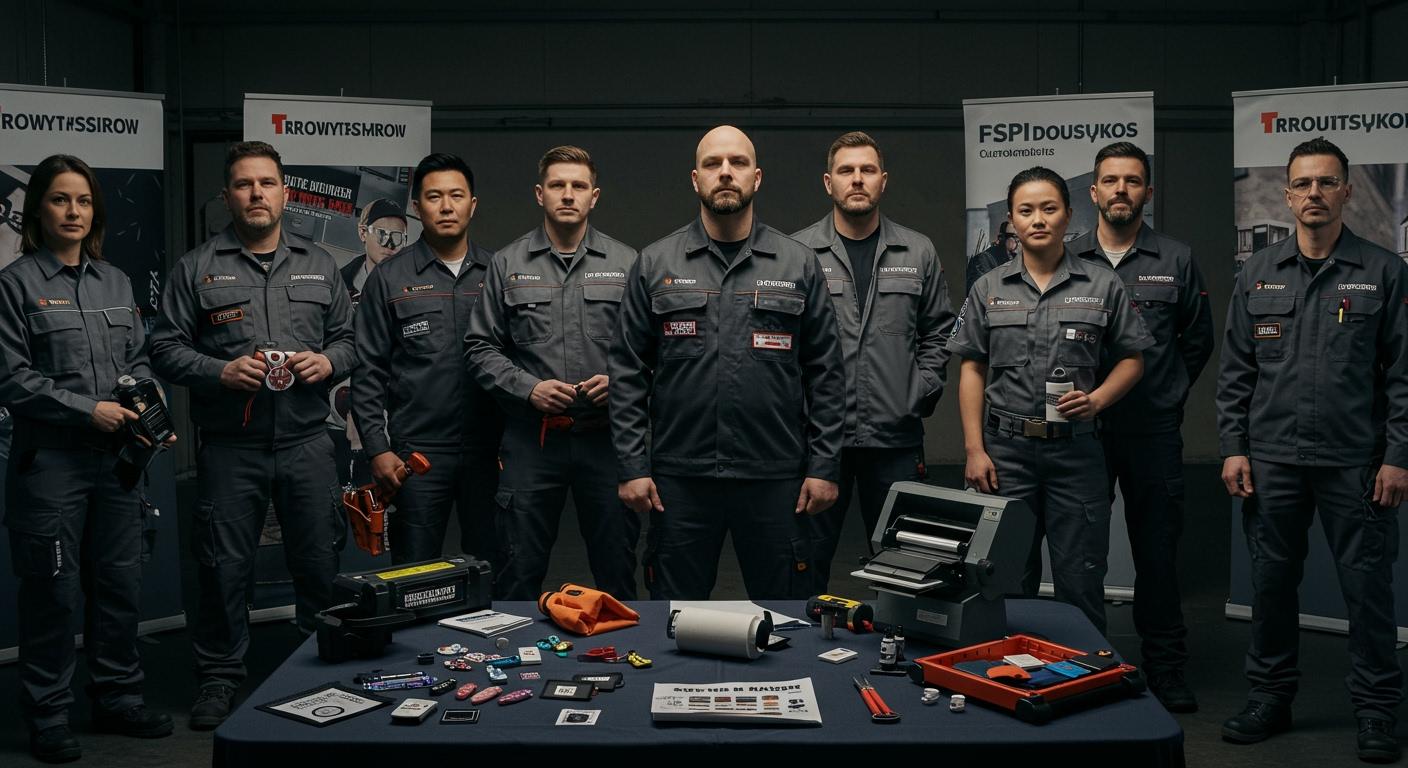
Smart ideas for customizing a uniform for work start with focusing on consistent branding that reflects your company’s values. You strengthen your team’s sense of unity and increase job satisfaction when you introduce branded workwear.
Staff who wear branded uniforms report higher job satisfaction and a stronger sense of belonging.
86% of employees believe that a dress code enhances the overall professionalism of the workplace.
Branded workwear elevates the standard, communicating to both employees and clients that excellence is a shared value.
Uniforms communicate a business as professional, reliable, consistent, and detail oriented. The majority of customers view people in uniforms as better trained and more knowledgeable about their company’s products and services. Well-designed uniforms play an essential role in effective communication between customers and restaurants.
Uniforms also clarify service by giving the guests an idea of what type of service to expect. For example, when guests visit a restaurant at Disney hotel resorts, they are expecting casual and colorful uniforms which create a fun and friendly mood for customers.
You build trust with your customers and create a positive first impression through strategic branding choices.
Key Takeaways
Branded uniforms boost employee satisfaction and create a sense of belonging, leading to a more motivated workforce.
Choosing the right uniform style enhances professionalism and helps customers easily identify staff, improving service quality.
Comfort and functionality in uniforms increase productivity and reduce fatigue, making employees more effective in their roles.
Using your brand’s color palette in uniforms strengthens brand recognition and creates a cohesive look across your team.
Selecting a reliable uniform provider ensures quality and consistency, helping your branding project succeed from start to finish.
Uniform for Work Selection
Choosing the right uniform for work is a critical step in building a professional image and supporting your team’s daily needs. The process involves more than just picking a style. You need to consider your industry, the specific job roles, and the comfort and safety of your employees. A structured approach helps you create custom work uniforms that reflect your brand and meet practical requirements.
Tip: A five-step approach to work uniform design includes: assessing job roles, selecting appropriate styles, choosing functional fabrics, integrating branding elements, and reviewing samples for fit and comfort.
Style Choices
You have many options when selecting a uniform for work. The style you choose should match your company’s image and the tasks your employees perform. For example:
Hospitality uniforms focus on mobility and comfort. They often use cotton or synthetic blends that are easy to clean and maintain a welcoming look.
Retail and customer service uniforms highlight brand identity. Polo shirts and regular pants are common, making staff easy to recognize and projecting professionalism.
Front desk staff usually wear formal attire, such as suits or blazers in neutral colors, to create a strong first impression.
Housekeeping uniforms prioritize comfort and function. Tunics and aprons made from breathable fabrics help staff stay comfortable during long shifts.
Kitchen staff require protective gear, like chef coats and non-slip shoes, made from heat-resistant materials for safety.
Uniform for work style choices help enhance customer recognition, reinforce your brand, and boost professionalism. When you create custom work uniforms that fit your business, you make it easier for customers to identify your staff and feel confident in your services.
Industry Fit
Every industry has unique requirements for custom work uniforms. You need to ensure that your work uniform design aligns with both industry standards and safety regulations. The following table outlines key factors to consider:
Factor | Description |
|---|---|
Safety | Uniforms must protect employees and avoid risks, such as loose straps or flammable materials. |
Comfort | Choose fabrics that are easy to wear and not too hot, supporting productivity throughout the day. |
Quality | High-quality materials ensure durability and a polished appearance, representing your company well. |
Cleaning | Select uniforms that are easy to maintain and do not require special cleaning methods. |
Sustainability | Consider ethical sourcing and manufacturing for a responsible choice. |
Branding | Use colors and logos that reflect your business and meet visibility standards. |
Cost | Balance your budget by prioritizing the most important features for your team. |
Different job roles also require specific features in their uniform for work. For example, food processing staff need full-body coverage and sanitary garments, while automotive workers need flame-resistant and high-visibility clothing. Healthcare professionals benefit from easy-to-sanitize scrubs and lab coats, and customer-facing roles require stylish, comfortable uniforms that reinforce your branding.
Comfort and Function
Comfort and function play a major role in employee satisfaction and productivity. When you create custom work uniforms that fit well and feel good, your team can focus on their tasks without distraction. Employees often request features like extra pockets for tools or breathable fabrics for long shifts. Comfortable uniforms reduce fatigue and increase motivation, which leads to higher job satisfaction.
Functional uniforms are especially important in high-risk industries. For example, construction and healthcare workers need uniforms that meet safety standards and allow for easy movement. When your team feels safe and comfortable, they are more likely to stay with your company, which improves morale and retention.
Custom work uniforms that combine comfort, function, and style help foster a sense of unity among your staff. A well-designed uniform for work creates a shared identity, boosts engagement, and encourages loyalty. By focusing on these elements, you set your team up for success and strengthen your company’s reputation.
Fabrics
Choosing the right fabric for your work uniforms ensures your team stays comfortable and looks professional throughout the day. You need to balance durability, comfort, and climate suitability to get the best results.
Durability
Durable fabrics help uniforms last longer, even in high-activity industries. You want materials that resist wear, tear, and frequent washing. The table below shows common fabric options and their benefits:
Fabric Type | Benefits |
|---|---|
Cotton | Breathable, comfortable, absorbs moisture, but low durability without blends. |
Polyester | Resists shrinking and wrinkling, water-resistant, maintains uniform appearance after washes. |
Polyester and Cotton Blends | Combines softness and breathability of cotton with durability and wrinkle resistance of polyester. |
Nylon | Strong, lightweight, abrasion-resistant, quick-drying, and resists oil and chemical damage. |
Flame-Resistant Fabrics | Self-extinguishing materials like Nomex and Kevlar for protection in hazardous environments. |
Denim | Robust and durable, suitable for heavy labor and construction work uniforms. |
Companies use several tests to measure fabric durability. These include abrasion resistance, tear strength, and colorfastness. No single test covers all aspects, so a combination gives a complete picture.
Wyzenbeek and Martindale tests check abrasion resistance.
Elmendorf Tear Test measures how fabric tears.
Tensile Strength Test shows how much force fabric can handle.
Colorfastness and dimensional stability tests ensure uniforms keep their look after washing.
Comfort
Comfortable uniforms help your team stay focused during long shifts. You should look for fabrics that feel soft, allow movement, and manage moisture well. The table below highlights popular choices:
Fabric Type | Key Features | Pros | Cons |
|---|---|---|---|
Cotton | Softness, breathability, absorbency | Comfortable for long shifts | Wrinkles and shrinks easily |
Polyester | Durability, wrinkle resistance, quick drying | Low maintenance | Less breathable than cotton |
Cotton-Polyester Blend | Comfort and durability | Versatile for year-round use | N/A |
Spandex | Flexibility and stretch | Improves fit and comfort | N/A |
Rayon | Silky feel, lightweight | Comfortable | Less durable |
Performance Fabrics | Moisture-wicking, antimicrobial | Keeps you comfortable during long shifts | N/A |
Climate Considerations
You need to match fabric choices to your work environment. For indoor jobs, lightweight and breathable fabrics work best. Outdoor roles require weather-resistant and durable materials. In hot climates, choose fabrics that wick moisture and allow air flow. For cold areas, insulating fabrics like wool help keep your team warm.
Breathability keeps you cool in hot weather.
Moisture management prevents discomfort.
Durability is key for demanding tasks.
Easy-care fabrics save time with frequent washing.
Tip: To ensure everyone gets the right fit, set uniform order limits by role, renew allowances automatically, control shipping, and use reporting tools for better management.
Colors
Brand Palette
You set the foundation for strong company branding when you use your brand’s color palette in your uniforms. Aligning uniform colors with your brand identity helps your team stand out and makes your logo more visible. High-contrast color schemes improve both safety and professionalism. When you select uniform colors that complement your logo, you create a recognizable image that customers remember. For example, blue often signals trust and professionalism, while green can highlight eco-friendly values. Bright accent colors like orange or yellow can help certain roles stand out.
Tip: Stick to classic color combinations that reflect your brand’s long-term vision. This approach ensures your uniforms remain relevant and recognizable over time.
Cohesive Look
A cohesive look across all uniform types strengthens your brand’s presence. You can achieve this by matching uniform colors to your company logo and ensuring consistency in every department. Many companies use a brand standards guide to specify exact colors for uniforms and logos. Tools like monitor hoods and light booths help maintain color accuracy during design and production. Color matching devices, such as spectrophotometers, ensure the final product matches your brand’s palette.
Strategy | Description |
|---|---|
Branded Uniforms | Reflect your brand image for a unified, professional appearance. |
Employee Involvement | Engage your team in choosing styles and colors to boost satisfaction. |
Custom Embroidery | Tie different styles together while keeping logos clear and visible. |
Uniforms that share a consistent color scheme help new employees adapt quickly and make it easier for customers to recognize your staff.
Accent Colors
Accent colors add personality and energy to your uniforms. They can highlight specific roles or departments, making it easier for customers to identify staff. The right accent colors also evoke emotions and reinforce your brand’s message. For example, red is common in fast food, white signals cleanliness in healthcare, and blue conveys trust in business settings. Test your designs in different formats and gather feedback to ensure your accent colors work well in every context. Consistent use of accent colors across all uniforms strengthens brand association and makes your team more memorable.
Logo Placement
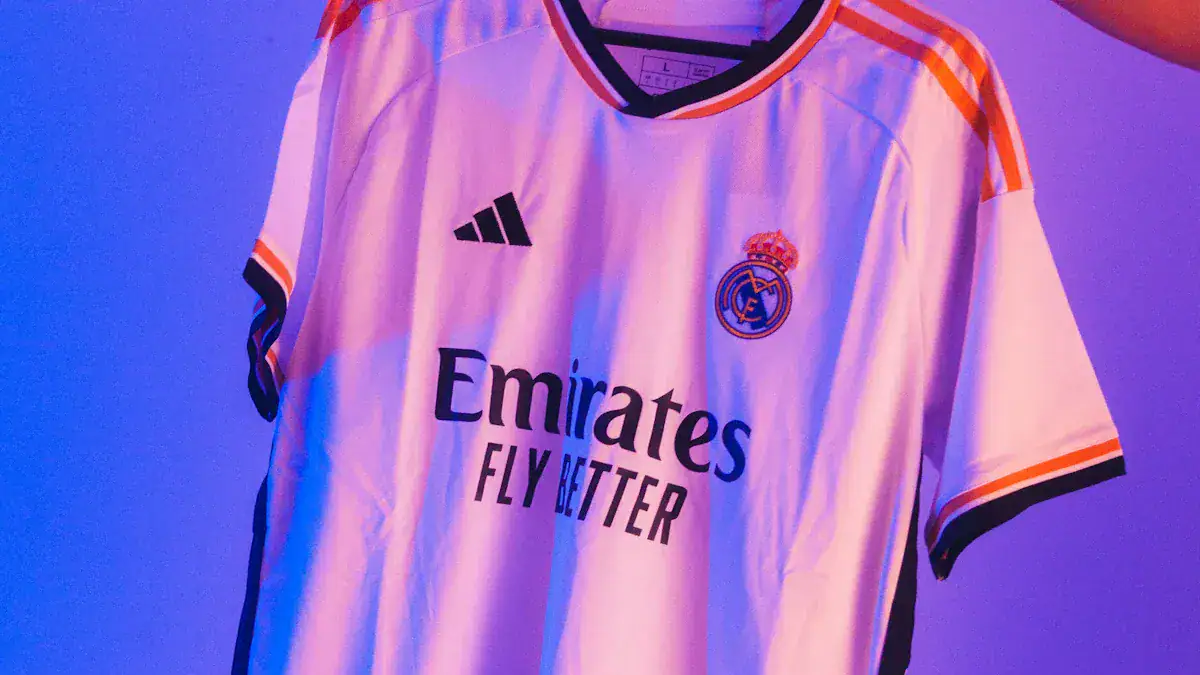
Choosing the right logo placement on your uniforms plays a key role in how customers perceive your brand. Strategic placement not only increases visibility but also helps your team look professional and unified. You can select from several classic options, each offering unique benefits for different types of uniforms.
Placement | Description | Ideal For |
|---|---|---|
Left Chest | Classic and professional choice, ideal for embroidered apparel. | Service staff, front-facing employees |
Center Chest | Bold and attention-grabbing, great for screen printing and sublimation. | Team apparel, giveaways, branded clothing |
Sleeve | Allows for additional branding without overwhelming the front. | Secondary logos, taglines on T-shirts |
Back Yoke | Less intrusive, offers visibility from behind. | Jackets, sweatshirts, team uniforms |
Lower Hem | Minimalist look, often paired with woven tags. | Tote bags, zip-up hoodies, fashion-forward designs |
Visible logos make it easier for customers to identify your staff. This recognition builds trust and encourages positive interactions. When you use consistent logo placement, you reinforce your branding and help your team feel connected.
Chest
The chest area remains the most popular spot for logo placement. You often see logos on the left chest, which creates a professional and trustworthy appearance. This position works well for embroidered logos and suits a wide range of industries, from hospitality to retail. The left chest placement allows customers to quickly recognize your staff and associate them with your company. Center chest logos offer a bolder look and work best for team apparel or promotional events. Both options keep your branding front and center, making a strong impression.
Tip: Choose left chest placement for a subtle, classic look. Select center chest for maximum visibility at events or on team gear.
Sleeve
Sleeve logo placement gives you extra space for branding without crowding the front of the uniform. You can use sleeves for secondary logos, taglines, or even department names. This approach keeps the main uniform design clean while still promoting your brand. Sleeve logos work especially well on T-shirts, polos, and jackets. They add a unique touch and help differentiate roles within your team. Customers notice sleeve logos when staff reach or gesture, which increases brand recall.
Sleeve placement maintains a tidy appearance.
You can highlight special programs or partnerships.
Employees feel a sense of pride wearing uniforms with thoughtful details.
Back
Placing your logo on the back of a uniform ensures visibility from behind. This option works well for jackets, sweatshirts, and team uniforms. You can position the logo just below the collar for subtle branding or use a larger design across the upper back for greater impact. Back logos help customers identify staff in busy environments, such as events or large retail spaces. This placement also adds uniqueness to your uniforms without overwhelming traditional areas like the chest.
Note: Back logo placement is ideal when you want to maximize visibility without distracting from the front design.
When you select the right logo placement, you make it easier for customers to remember your brand. Uniforms with well-placed logos signal professionalism and credibility. Your team feels united, and your customers feel confident in your services.
Customization Methods
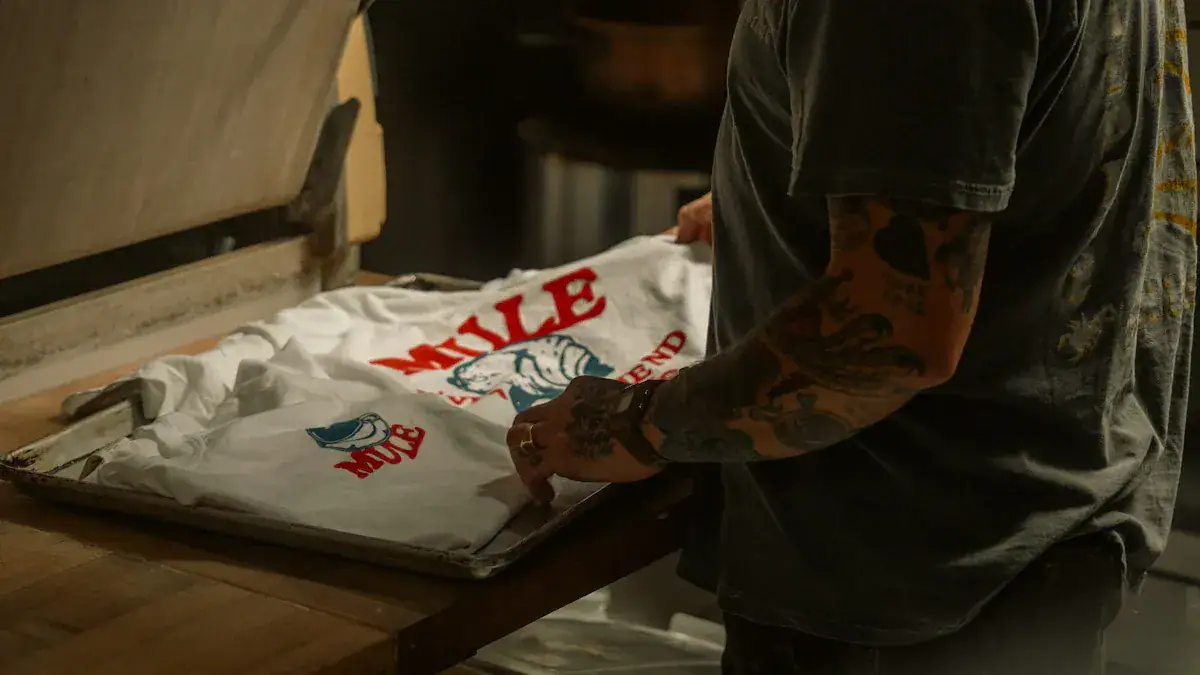
When you customize employee uniforms, you can choose from several branding techniques. Each method offers unique benefits and suits different needs. The three most popular options are embroidery, screen printing, and heat transfer.
Method | Advantages | Disadvantages |
|---|---|---|
Embroidery | Durable, professional look, ideal for heavy fabrics | Not ideal for intricate designs, higher cost |
Screen Printing | Vibrant colors, cost-effective for large orders, flexible finish | Less durable, time-consuming setup for small orders |
Heat Transfer | Full color, detailed designs, good for small orders | May not show well on dark fabrics, costly for large orders |
Embroidery
Embroidery gives employee uniforms a polished and long-lasting finish. You can personalize uniforms by adding employee names, department titles, or even motivational patterns. This approach helps your team feel recognized and valued.
Aspect | Explanation |
|---|---|
Personalization | Adding names makes uniforms more approachable for customers and coworkers. |
Department Differentiation | Embroidering department names organizes teams and allows easy identification. |
Professionalism | Custom embroidery boosts professionalism and enhances appearance. |
Team Pride | Departmental embroidery builds pride and camaraderie among team members. |
You reinforce team identity when you use embroidery for names and departments. Employees feel proud to wear uniforms that reflect their role and contribution.
As BBN Times states, “One of the most effective ways to nurture team spirit and unity is through custom apparel… When team members wear branded clothing, they feel like part of something bigger—a collective mission that they are contributing to.”
Embroidered logos also catch people’s eyes and spark conversations. Your team becomes brand ambassadors wherever they go, expanding your brand’s visibility beyond the workplace.
Screen Printing
Screen printing works well for large, colorful designs. You can use logo screen printing to create eye-catching graphics on employee uniforms. This method suits big orders and delivers vibrant results. Screen printing offers a soft and flexible finish, making uniforms comfortable for daily wear. You should note that screen printing may not last as long as embroidery, especially after many washes.
Heat Transfer
Heat transfer allows you to print detailed, full-color designs on employee uniforms. This method works best for small orders and intricate logos. You can achieve sharp images and gradients that embroidery or screen printing cannot match. Heat transfer may not show well on dark fabrics and can become expensive for large batches. You should consider this option when you want to highlight special events or limited-edition uniforms.
When you select the right customization method, you enhance your brand’s image and help your team feel connected. Durable, personalized uniforms foster pride and professionalism, making a lasting impression on customers.
Working with Providers
Selecting the right uniform provider ensures your branding project succeeds from start to finish. You want a supplier who understands your vision and delivers consistent quality.
Supplier Selection
When you search for a uniform supplier, focus on these key criteria:
Quality & Expertise: Choose suppliers who meet international quality standards. They should have experience in your industry and offer fabric quality testing.
Service & Support: Look for providers who offer custom design options, reliable delivery, and strong after-sales support.
Brand Alignment: Make sure the supplier understands your brand vision and operational needs. They should help your uniforms reflect your company’s values and personality.
Comfort & Practicality: Prioritize comfort and practicality in every design. This keeps your team happy and productive.
Consistency: Select a supplier who can maintain brand consistency across all locations. This creates a cohesive customer experience.
Tip: Ask for references or case studies from similar industries to gauge a supplier’s reliability.
Communication
Clear communication with your provider leads to better results. Start by defining your brand’s core values and mission. Explain how you want customers to perceive your employees. Discuss industry standards to ensure your uniforms fit the environment. Share details about job functions, safety, compliance, and comfort needs. Provide your brand colors and design elements to keep everything consistent.
Describe the customer impression you want to create.
Address industry norms and functional requirements.
Share your brand’s color palette and design guidelines.
Sample Review
Before you place a large order, always review uniform samples. This step helps you catch issues early and ensures the final product meets your standards.
Description | |
|---|---|
Quality Assurance | Set clear standards and use systematic processes for continuous improvement. |
Customer Feedback Integration | Involve your team in reviewing samples and gather their feedback for improvements. |
Final Quality Checks | Inspect all details, including seams, prints, and personalization, before approval. |
Complete Final Inspection | Use a checklist to measure dimensions and examine every aspect of the sample. |
Accountability | Require sign-off from both operators and supervisors before the order leaves the facility. |
Note: Reviewing samples protects your investment and guarantees your uniforms look and feel right.
You can create effective branded uniforms by following a few key steps. Start by assessing your team’s needs and defining must-have features. Choose cohesive colors and durable fabrics that match your brand. Select a reliable supplier who understands your goals. Professional uniforms offer measurable benefits:
Reinforce business identity and customer trust
Boost team morale and cohesion
Improve staff recognition and response times
Uniforms act as daily visual reminders of your brand, helping your team feel valued and united.
FAQ
What is the best way to choose a uniform color for my brand?
You should select colors from your brand palette. This creates a strong visual identity. Use high-contrast combinations for better logo visibility. Test samples in different lighting to ensure accuracy.
How often should I update or replace employee uniforms?
You should review uniforms every 12 to 18 months. Replace items that show wear or no longer match your brand standards. Regular updates keep your team looking professional.
Can I add employee names to uniforms?
Yes, you can add names using embroidery or heat transfer. This personal touch helps customers connect with your staff. It also builds team pride.
Which customization method lasts the longest?
Embroidery usually lasts the longest. It resists fading and washing. Choose embroidery for logos and names if you want a durable, professional finish.