

Convenience Store Uniforms: Customization for Overseas Franchises
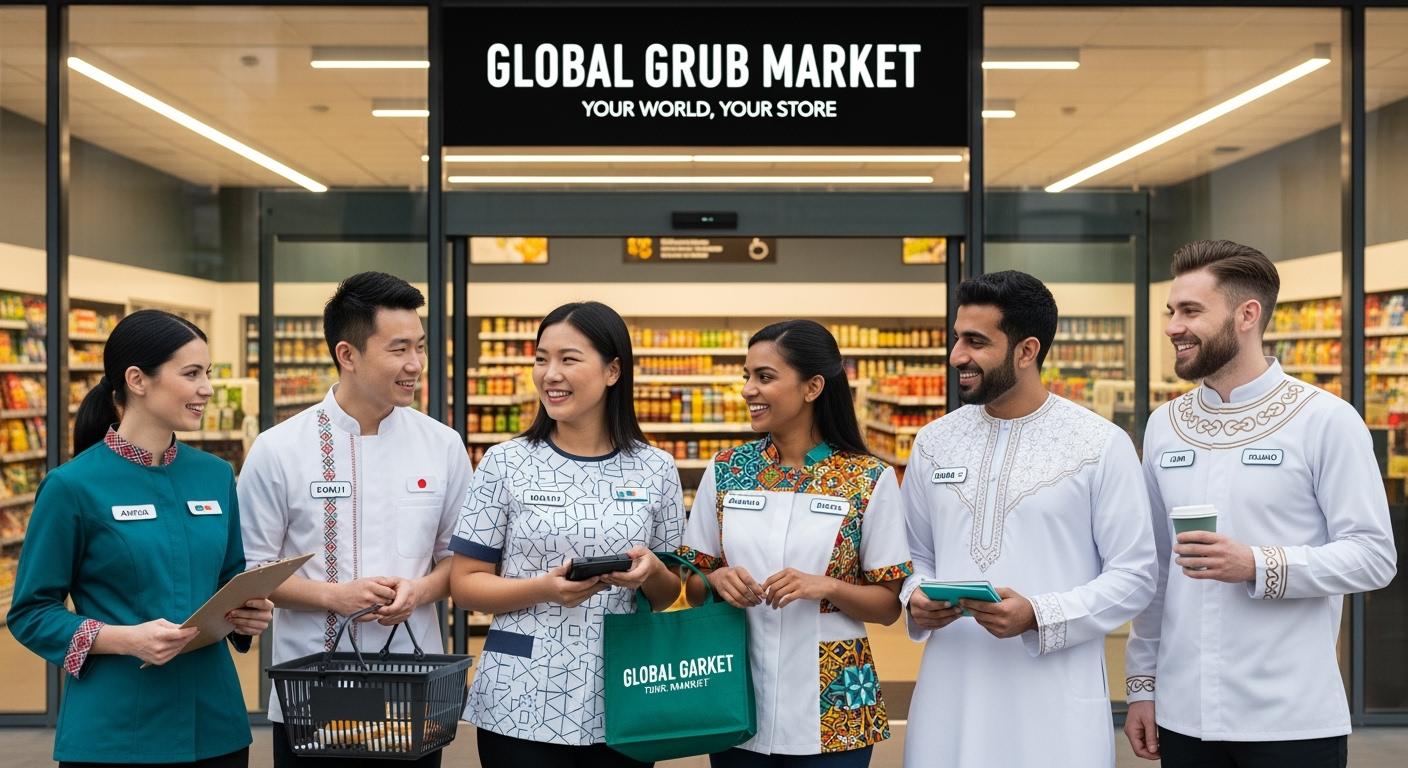
You shape first impressions with Convenience Store Uniforms. Uniforms do more than create a cohesive look; they directly influence how customers perceive your brand and how employees feel at work. When your team wears apparel that fits well and reflects your values, you foster pride and belonging. This leads to improved morale and stronger service.
- Custom uniforms promote team unity and boost confidence, which translates into better customer interactions.
- Simplified dress codes and centralized management streamline operations, making onboarding and procurement more efficient.
Modern platforms for online ordering and partnerships with local suppliers allow you to adapt quickly to regional needs. By focusing on these actionable strategies, you support both your employees and your brand.
Key Takeaways
- Custom uniforms enhance team unity and boost employee confidence, leading to better customer service.
- Adapt uniforms to local cultures by respecting customs and preferences, ensuring employees feel comfortable and valued.
- Choose materials based on climate; breathable fabrics work for hot areas, while thicker options suit colder regions.
- Stay compliant with local labor laws and industry standards to avoid legal issues and ensure employee safety.
- Integrate brand identity into uniforms with consistent colors and logos to strengthen customer recognition and loyalty.
- Utilize online uniform stores for efficient ordering and allow employees to select their sizes and styles for better fit.
- Collaborate with local suppliers to improve delivery times and reduce costs, ensuring uniforms meet regional needs.
- Gather regular feedback from employees to refine uniform designs, enhancing comfort and operational efficiency.
Customizing Convenience Store Uniforms for Global Markets

You face unique challenges when you expand your convenience store brand into new countries. Each market brings its own expectations, climate, and legal requirements. Customizing Convenience Store Uniforms for these global markets ensures your team looks professional, feels comfortable, and complies with local standards.
Cultural Sensitivity
Local Customs
You must respect local customs when designing uniforms. In some regions, modesty plays a significant role in daily attire. For example, in the Middle East, you may need to provide long sleeves and higher necklines. In contrast, stores in Western Europe often prefer more relaxed styles. You should consult with local managers to understand these preferences. This approach helps you avoid cultural missteps and shows respect for your employees and customers.
Tip: Survey your staff about their comfort and cultural needs before finalizing any uniform design.
Regional Aesthetics
Visual preferences differ from country to country. Bright colors may appeal to customers in Southeast Asia, while neutral tones might work better in Scandinavia. You can use local patterns or motifs to connect with the community. For instance, adding a subtle regional accent to a shirt collar or apron can make your brand feel more familiar and welcoming. You should balance these local touches with your global brand identity to maintain consistency.
Climate Adaptation
Material Choices
You need to select materials that match the local climate. Lightweight, breathable fabrics work best in hot and humid regions. In colder areas, thicker materials and layered options keep employees comfortable. For example, a store in Singapore might use moisture-wicking polo shirts, while a location in Canada could offer fleece jackets. You should test materials for durability and comfort before making a final decision.
Seasonal Options
Many countries experience dramatic seasonal changes. You should provide uniform options for both summer and winter. Short-sleeved shirts and shorts suit warm months, while insulated jackets and long pants protect staff during colder periods. Offering seasonal uniforms not only improves comfort but also boosts morale, as employees feel cared for throughout the year.
| Region | Summer Uniform Example | Winter Uniform Example |
|---|---|---|
| Japan | Short-sleeve shirt, slacks | Fleece vest, long pants |
| UK | Polo shirt, skirt/trousers | Sweater, thermal trousers |
| UAE | Lightweight tunic, pants | Long-sleeve tunic, vest |
Regulatory Compliance
Labor Laws
You must follow local labor laws when designing Convenience Store Uniforms. Some countries require specific safety features, such as reflective strips for night workers. Others may have rules about gender-neutral options or religious accommodations. You should review all relevant regulations before placing any orders. This step protects your business from legal issues and demonstrates your commitment to fair treatment.
Industry Standards
Industry standards often dictate uniform requirements. Food safety regulations may require hairnets, aprons, or closed-toe shoes. In some markets, you must display employee names or store logos in a certain way. You should stay updated on these standards to ensure compliance and avoid penalties. Regular training sessions help your staff understand why these rules matter.
Note: Partner with local legal advisors to stay informed about changing regulations and standards.
By adapting your uniforms to local cultures, climates, and regulations, you create a positive environment for both employees and customers. This thoughtful approach strengthens your brand and supports your global growth.
Design and Branding Strategies
Brand Identity in Uniforms
Colors and Logos
You reinforce your brand identity every time your team puts on their uniform. Colors and logos serve as powerful visual cues for customers. When you align your uniforms with your brand’s signature colors and logo, you create instant recognition and a strong connection to your company’s values. Customizing these elements not only enhances brand integrity but also personalizes each customer interaction. Consistency in colors and logos across all locations builds trust and a cohesive brand image.
- Uniforms that reflect brand identity help customers recognize your store quickly.
- Custom logos and colors make every interaction feel personal and memorable.
- Consistent branding across franchises fosters customer loyalty.
Store Name Integration
You can further strengthen your brand by integrating the store name into your uniform design. Placing the store name on shirts, aprons, or hats ensures that customers always know where they are shopping. This strategy supports brand recall and helps new customers feel confident in their choice. You should select placement and font styles that match your overall branding for a unified look.
Style and Fit
Regional Sizing
You improve comfort and professionalism by offering uniforms in sizes that match local body types. Regional sizing ensures that every employee feels confident and comfortable at work. You should work with suppliers who understand local sizing standards to avoid fit issues. This attention to detail reduces returns and increases employee satisfaction.
Gender and Age Considerations
You create an inclusive environment by considering gender and age in your uniform choices. Offering a range of styles, such as fitted shirts for women or adjustable options for younger staff, shows respect for your team’s diversity. Many stores now use polyester fabrics for their durability and easy maintenance. You can choose shirts with sweat-wicking, antimicrobial, and anti-wrinkle finishes to meet the needs of all employees.
- Kwik Trip uses neat, clean, and properly pressed uniforms.
- Stores have shifted from pique-knit shirts to more durable fabrics.
- Polyester remains popular for its longevity and simple care.
Enhancing Customer Perception
Professional Appearance
You influence customer perception with every detail of your store environment, including uniforms. A professional appearance signals reliability and care. Visual sensory stimuli, such as color and design, attract consumer attention and evoke positive emotional responses. When your team looks polished, customers feel more confident in your services.
Employee Morale
You boost employee morale by providing uniforms that fit well and look professional. Comfortable, attractive uniforms encourage pride and motivation. Employees who feel valued deliver better service, which leads to improved customer experiences. The right uniform design supports both operational efficiency and team spirit.
Tip: Regularly gather feedback from your staff to refine uniform style and fit for maximum comfort and impact.
Material Selection and Functionality

Quality and Durability
You need uniforms that withstand the demands of a busy retail environment. High-traffic stores expose apparel to frequent spills, constant movement, and repeated washing. Selecting the right materials ensures your uniforms last longer and protect your staff. Many franchises choose performance wicking fabrics and durable polyester shells with waterproof features. These materials resist stains and damage, keeping employees safe and presentable.
| Feature | Description |
|---|---|
| Fabric Type | Durable lightweight performance wicking fabric |
| Outer Shell | Waterproof polyester with taped seams |
| Insulation | Quilted insulation for warmth |
| Pockets | Seven pockets for utility |
| Hood | Detachable for versatility |
Uniforms with these features protect staff from spills, burns, and chemicals. They also help you meet safety standards and improve visibility in crowded aisles. You can measure the longevity and cost-effectiveness of your uniforms by following a structured process:
| Process | Description |
|---|---|
| Material Evaluation | Review requirements for durability, comfort, and style |
| Sample Testing | Test fabrics in real-world retail environments |
| Cost Analysis | Identify best price points through manufacturer networks |
| Quality Control | Monitor production for consistent material standards |
| Inventory Management | Stock selected materials for ongoing uniform needs |
Comfort and Breathability
You want your team to feel comfortable during long shifts. The right fabric choices make a big difference, especially in stores located in hot or humid climates. Cotton and linen offer breathability and moisture absorption, while bamboo and modal provide softness and wick away sweat. These materials help regulate body temperature and reduce discomfort.
| Fabric | Key Features | Best For |
|---|---|---|
| Cotton | Breathable, moisture-absorbing, soft | Hot weather, all settings |
| Linen | Quick-drying, airy, durable | Extremely hot weather |
| Bamboo | Moisture-wicking, antibacterial, lightweight, hypoallergenic | Humid climates, sensitive skin |
| Rayon | Cool against skin, affordable, often blended | Summer clothing |
| Modal | Durable, softer than cotton, handles moisture well | Active wear in hot weather |
You should match fabric selection to your store’s climate and employee needs. This approach keeps your staff focused and productive.
Easy Maintenance
You simplify operations when you choose uniforms that are easy to clean and maintain. Many franchises use uniform rental programs to ensure employees always have clean, functional attire. This system reduces logistical challenges and removes the burden of laundry from your staff.
- Uniform rental programs provide fresh uniforms regularly.
- Employees feel more satisfied and valued when maintenance is not their responsibility.
- Standardized yet flexible uniforms streamline processes and support operational efficiency.
Tip: Choose machine-washable fabrics and stain-resistant finishes to further reduce maintenance time and costs.
By prioritizing quality, comfort, and easy care, you set your team up for success. The right material choices for Convenience Store Uniforms support both employee satisfaction and smooth daily operations.
Sizing, Ordering, and Distribution
Online Uniform Stores
You can streamline the uniform procurement process by using online uniform stores. These platforms allow you to manage orders, track inventory, and view available styles in real time. You gain access to a centralized catalog, which helps you maintain consistency across all franchise locations. Online stores often provide detailed product descriptions, size charts, and images. This information reduces confusion and helps your employees select the right items.
Tip: Choose an online supplier that offers multi-language support and local currency options. This feature simplifies ordering for international teams.
Many online uniform stores integrate with your existing HR or payroll systems. This integration automates order approvals and tracks spending. You can set permissions for managers or team leads to approve requests, which keeps your budget under control.
Employee Self-Selection
You empower your staff when you let them select their own uniform sizes and styles. Self-selection improves comfort and satisfaction. Employees can log in to the online store, view available options, and choose what fits best. This approach reduces the number of returns and exchanges.
- Employees feel valued when they have input in their uniform choices.
- Self-selection ensures a better fit, which leads to higher morale and productivity.
- You can offer style variations, such as short sleeves or long sleeves, to accommodate personal preferences.
A simple self-selection process looks like this:
- Employee receives a login for the online uniform store.
- Employee reviews available styles and sizes.
- Employee selects preferred items and submits the order.
- Manager reviews and approves the request.
This process saves time and reduces administrative workload.
Stocking and Delivery Solutions
You need reliable stocking and delivery solutions to keep your stores running smoothly. Centralized warehouses can store bulk orders and ship uniforms as needed. You can set up automatic restocking based on usage data. This system prevents shortages and ensures every employee has what they need.
| Solution Type | Benefit | Example Use Case |
|---|---|---|
| Centralized Warehouse | Fast shipping to multiple locations | National franchise rollouts |
| Local Distribution | Quick delivery for urgent needs | Seasonal uniform changes |
| On-Demand Delivery | Reduces excess inventory | New employee onboarding |
Note: Work with local logistics partners to reduce shipping times and costs. Local suppliers can respond quickly to urgent requests.
You can use tracking systems to monitor deliveries and inventory levels. This visibility helps you plan ahead and avoid delays. When you combine online ordering, employee self-selection, and efficient delivery, you create a seamless process for managing Convenience Store Uniforms across all your franchise locations.
Implementation Across Franchises
Local Supplier Collaboration
You gain a competitive edge when you collaborate with local suppliers. Regional sourcing streamlines your supply chain and improves delivery times. You avoid the risks associated with global networks, such as shipping delays and political instability. Local suppliers respond quickly to your needs, allowing you to adjust orders based on market demand. This flexibility helps you maintain consistent inventory and adapt to seasonal changes. You also benefit from cost-efficiency, as local sourcing reduces transportation expenses and supports community businesses. By working with suppliers nearby, you ensure that your Convenience Store Uniforms arrive on schedule and meet the expectations of your staff and customers.
Tip: Build strong relationships with local suppliers to enhance supply chain resilience and ensure reliable uniform delivery.
Brand Consistency
You must balance brand consistency with local customization to succeed in international markets. Clear brand guidelines set the foundation for visual identity and operational standards. Franchisees can incorporate local elements, such as colors or motifs, while following these guidelines. This approach maintains a unified brand image and allows for regional relevance. You should provide comprehensive references for logo usage, color schemes, and messaging tone. Standardized templates for marketing materials help franchisees customize their stores without losing brand integrity.
| Strategy | Description |
|---|---|
| Developing Clear Brand Guidelines | Defines visual identity, tone, and operational standards for all locations. |
| Encouraging Local Adaptations Within Guidelines | Allows local elements while maintaining brand consistency. |
| Develop Comprehensive Brand Guidelines | Offers detailed instructions for logo, color, and messaging tone. |
| Streamline Marketing Collateral | Supplies templates for marketing materials that support brand unity. |
A fully managed uniform program, such as Unitec’s, ensures that employees always represent your brand accurately. You can offer tailored designs that reflect local aesthetics while maintaining the core elements of your brand.
Feedback and Improvement
You improve your uniform program by gathering feedback from employees across all franchises. Regular surveys and open communication channels help you identify issues with fit, comfort, or style. You should encourage staff to share their experiences and suggestions. This input guides your decisions when updating uniforms or introducing new options. You can use digital platforms to collect feedback efficiently and analyze trends over time. By acting on employee insights, you create uniforms that support morale and operational efficiency.
Note: Schedule periodic reviews of your uniform program to ensure ongoing improvement and adaptation to changing market needs.
You build a successful global franchise by combining local supplier collaboration, brand consistency, and continuous feedback. These strategies help you deliver high-quality Convenience Store Uniforms that meet the needs of every market.
Case Studies and Lessons Learned
Success Stories
Japanese Franchise in the US
You can learn a lot from Japanese convenience store brands that have expanded into the US. These franchises faced the challenge of blending their signature style with American expectations. Managers worked closely with local teams to adjust uniform designs. They introduced breathable fabrics and relaxed fits to suit the US climate and culture. The uniforms kept the brand’s iconic colors and logos, which helped customers recognize the store. Employees reported higher morale because the uniforms respected both the brand and local comfort needs. This approach built trust with American customers and set a standard for future expansions.
European Franchise in Southeast Asia
A leading European convenience store chain entered Southeast Asia with a strong focus on local adaptation. You see their success in how they balanced brand identity with regional preferences. The franchise used lightweight materials and added local motifs to shirts and aprons. Managers offered both short and long-sleeve options to address the tropical climate. Employees appreciated the thoughtful design, and customers felt a stronger connection to the brand. This strategy improved customer loyalty and helped the franchise grow quickly in the region.
Overcoming Challenges
Cultural Missteps
You may encounter cultural missteps if you overlook local traditions or dress norms. Some franchises learned this lesson the hard way. For example, uniforms that ignored modesty standards or used inappropriate colors led to negative feedback and even legal issues. You can avoid these problems by focusing on three key considerations:
| Key Considerations | Description |
|---|---|
| Cultural Adaptation | Include uniform diversity that respects and acknowledges different traditions, customs, and dress norms. |
| Regulatory Compliance | Stay updated on compliance requirements in each country to prevent legal issues. |
| Cross-Border Regulations | Understand and adapt to regulations to ensure smooth operations and enhance global reach. |
You should always consult local experts and involve employees in the design process. This helps you respect cultural values and avoid costly mistakes.
Supply Chain Issues
Supply chain problems can disrupt your uniform rollout. You might face these common challenges:
- Individual store managers struggle to find reliable local suppliers, causing delays in uniform delivery.
- Different stores order the same uniforms from various vendors, which leads to inconsistent quality and pricing.
- Essential items arrive late, delaying the overall rollout of new uniforms.
You can solve these issues by centralizing your procurement process and building strong relationships with trusted suppliers. Regular communication and clear guidelines help you maintain quality and consistency across all locations.
Tip: Review your supply chain regularly to identify weak points and improve delivery times.
Lessons for Franchise Managers
You gain valuable insights from these case studies. Always prioritize local adaptation when designing Convenience Store Uniforms. Involve your employees and respect cultural differences. Build strong supplier networks to avoid delays and inconsistencies. By learning from both successes and challenges, you set your franchise up for sustainable growth and a positive brand reputation.
Future Trends in Convenience Store Uniforms
Sustainable Materials
You see a major shift toward sustainability in the retail industry. Many franchises now prioritize eco-friendly fabrics when designing Convenience Store Uniforms. Recent data shows that 65% of companies are using more sustainable materials. This movement brings several advantages:
- Improved company image and reputation
- Increased customer loyalty
- Potential cost savings through durable uniforms
You can choose recycled polyester, organic cotton, or bamboo blends to reduce environmental impact. These materials last longer and require less frequent replacement. Customers notice your commitment to sustainability, which strengthens your brand and encourages repeat business. Employees also appreciate working for a company that values responsible practices.
Tip: Highlight your sustainable uniform choices in-store and online to attract environmentally conscious shoppers.
Smart Uniform Technology
You can transform daily operations by integrating smart uniform technology. Automated Uniform Management Systems, powered by RFID technology, are gaining popularity in convenience stores worldwide. These systems automate the storage and retrieval of uniforms, which improves operational efficiency and organization. You reduce labor costs and enhance theft protection by using RFID tags to track each uniform.
When your employees need their uniforms, they simply scan an RFID card or wristband. The system identifies them and retrieves the correct uniform automatically. This process ensures secure access and efficient distribution. You eliminate manual tracking and reduce errors, which saves time for both managers and staff.
Automated uniform systems benefit your business by streamlining operations, reducing waste, and ensuring uniforms are always available. You create a more organized workplace and support a smoother onboarding process for new hires.
Note: Consider investing in RFID-enabled uniform lockers to boost security and simplify inventory management.
Personalization Options
You can enhance employee satisfaction and customer engagement by offering personalized uniform options. Modern ordering platforms allow staff to select preferred fits, styles, and even add their names or roles to their uniforms. Personalization helps employees feel valued and increases their sense of belonging.
| Personalization Feature | Benefit |
|---|---|
| Name Embroidery | Builds team identity |
| Role Badges | Improves customer interactions |
| Style Choices | Boosts comfort and morale |
You maintain brand consistency while allowing for individual expression. Personalized uniforms also help customers identify staff members quickly, which improves service quality. As technology advances, you can expect even more customization options, such as color selection or digital badges.
Tip: Survey your team regularly to learn which personalization features matter most to them.
You drive success by customizing Convenience Store Uniforms for each market. Focus on these steps:
- Build strong local partnerships.
- Balance global branding with local relevance.
- Invest in infrastructure before launching.
- Stay patient and selective with market entry.
- Align your team for unified marketing.
- Combine centralized oversight with local execution.
- Use digital and traditional channels for reach.
Thoughtful adaptation boosts your brand, motivates employees, and improves customer perception. Make uniform customization a priority and review your strategy as markets change.
FAQ
What factors should you consider when choosing uniforms for overseas franchises?
You should evaluate local climate, cultural norms, labor laws, and brand identity. Consult with local managers and suppliers to ensure uniforms meet both employee needs and regulatory requirements.
How can you maintain brand consistency while allowing local customization?
You should provide clear brand guidelines for colors, logos, and messaging. Allow local adaptations within these standards. Use templates and reference materials to help franchisees stay aligned with your brand.
What are the benefits of using online uniform stores?
You streamline ordering, track inventory, and offer employees self-selection. Online platforms simplify procurement, reduce errors, and support multi-language and currency options for global teams.
How do you ensure uniforms comply with local labor laws?
You should review regulations in each country before ordering. Partner with local legal advisors and suppliers to stay updated on requirements for safety, gender neutrality, and religious accommodations.
What materials work best for uniforms in hot climates?
You should choose lightweight, breathable fabrics like cotton, linen, or bamboo. These materials wick moisture and keep employees comfortable during long shifts in warm environments.
How can you gather employee feedback on uniforms?
You can use digital surveys, suggestion boxes, or regular meetings. Encourage open communication and act on feedback to improve fit, comfort, and style.
What steps help you avoid supply chain issues with uniforms?
You should centralize procurement, build strong relationships with local suppliers, and use tracking systems. Regularly review your supply chain to identify and resolve weak points.
Can you personalize uniforms for individual employees?
You can offer options like name embroidery, role badges, and style choices. Personalization boosts morale and helps customers identify staff quickly.