

How Important is Softshell Jacket Breathability?
Table of Contents
Display
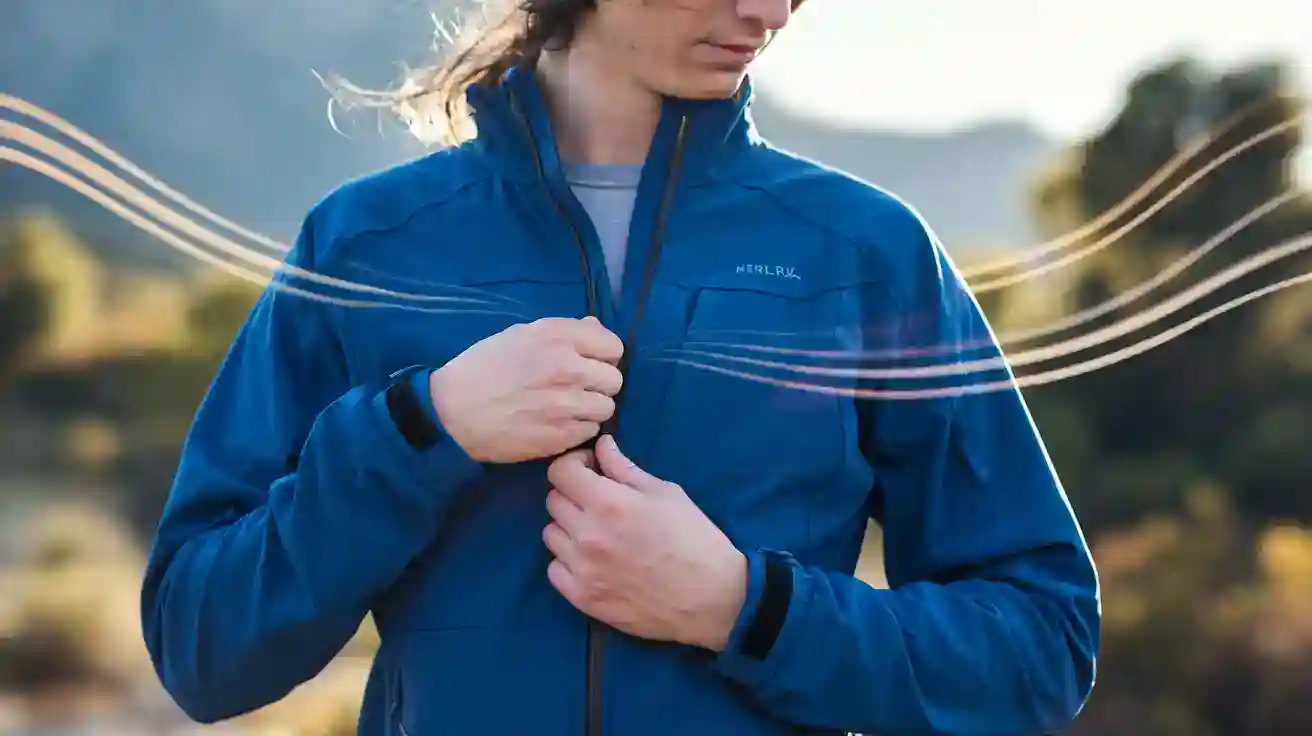
I consider Softshell Jacket Breathability essential for anyone who values comfort and performance during active pursuits. When I choose a jacket for hiking or running, I want it to let heat and sweat escape so I avoid feeling clammy. The right balance of breathability keeps me comfortable, while too much or too little can affect my experience.
Aspect | Impact on Comfort and Performance |
|---|---|
Breathability | Enhances comfort during high-output activities by allowing moisture to escape, preventing a clammy feeling. |
Too Much Breathability | Can compromise weather resistance, leading to discomfort in wet conditions. |
Right Choice of Jacket | Depends on specific activities and environmental conditions, indicating breathability is crucial for comfort and performance. |
For me, making breathability a top priority ensures I stay dry and focused, whatever my activity.
Key Takeaways
Breathability is crucial for comfort during outdoor activities. It allows heat and sweat to escape, preventing a clammy feeling.
Too much breathability can reduce weather resistance. Choose a jacket that balances breathability and protection based on your activity.
Look for moisture-wicking fabrics and ventilation features like underarm zippers to enhance airflow and keep you dry.
Select jackets based on activity intensity. High-intensity activities require maximum breathability, while low-intensity activities need moderate breathability.
Layering is key. Start with a moisture-wicking base layer, add insulation, and finish with a breathable softshell for optimal comfort.
Regular maintenance, like washing and reproofing, keeps your jacket breathable and effective over time.
Not all softshell jackets are equally breathable. Check product labels for breathability ratings to make informed choices.
Windproofing and waterproofing features can affect breathability. Prioritize based on weather conditions and activity level.
Softshell Jacket Breathability

Definition
When I talk about softshell jacket breathability, I refer to the jacket’s ability to let air move in and out. This feature plays a vital role in keeping my body temperature stable during activities like hiking, biking, or skiing. Manufacturers design these jackets with woven nylon or polyester fabrics that stretch and breathe well. I always look for this quality because it helps me stay comfortable and dry, even when I push myself on the trail.
Moisture Management
Moisture management stands at the core of softshell jacket breathability. I notice that when I sweat, the jacket’s fabric works to pull moisture away from my skin. This process, called wicking, moves sweat to the outer surface, where it can evaporate quickly. Many softshell jackets use moisture-wicking fleece linings and underarm vents. These features help heat and sweat escape, which prevents overheating and keeps me feeling fresh. I find that small perforations in the fabric also play a big part in this process, letting sweat vapor out without letting water in.
Airflow
Airflow is another key aspect of softshell jacket breathability. I value jackets that allow perfect air circulation, especially during high-output activities. Good airflow means that warm, moist air does not get trapped inside the jacket. Instead, it moves out, and cooler air comes in. This exchange keeps my body temperature in check and reduces the risk of feeling clammy or sticky. I always check for features like underarm zippers or mesh panels, which boost airflow and make a noticeable difference during intense exercise.
Microporous Structure
The microporous structure of a softshell jacket sets it apart from less breathable outerwear. I often choose jackets with a breathable membrane made from materials like PTFE or PU. These membranes contain billions of tiny holes per square centimeter. The design allows small water molecules—like those in sweat vapor—to pass through, while blocking larger water droplets from entering. This structure acts as a filter, using surface tension to keep rain out but letting humidity escape. I appreciate how this technology creates a balance between weather protection and breathability.
Tip: When I shop for a softshell jacket, I check the product’s breathability rating. Many brands use the Thermal Evaporative Resistance (RET) coefficient, which measures how well the fabric lets water vapor escape. Lower RET values mean better breathability. However, I know that testing methods can vary between brands, so I compare ratings within the same brand for the most accurate results.
Softshell jacket breathability remains a crucial feature for anyone who values comfort and performance. The combination of moisture management, airflow, and advanced microporous structures ensures that heat and sweat escape efficiently. I rely on these features to regulate my body temperature and enjoy my favorite outdoor activities without distraction.
Comfort and Performance
Temperature Regulation
Preventing Overheating
When I head out for a long hike or a challenging climb, I rely on my softshell jacket to keep my body temperature in check. The breathability of the fabric allows heat to escape, which prevents me from overheating during strenuous activity. I notice that compared to traditional fleece or waterproof shells, my softshell jacket feels lighter and less bulky. This balance of warmth and moisture management makes it ideal for active use.
Softshell jackets provide a balance of warmth and moisture management, which is essential for temperature regulation during outdoor activities.
They are designed to keep the wearer warm while also allowing moisture to escape, preventing overheating.
Compared to traditional fleece and waterproof shells, softshells offer better breathability and less bulk, making them ideal for active use.
Reducing Sweat
I often find myself sweating when I push my limits on the trail or during a run. Breathable fabrics in my jacket help regulate my body temperature and prevent moisture buildup. Good ventilation features, such as underarm zippers or mesh panels, allow sweat to escape and reduce the risk of overheating. I appreciate how these design elements keep me dry and comfortable, even when my activity level spikes.
Breathable fabrics are essential for regulating body temperature and preventing moisture buildup, allowing sweat to escape and reducing the risk of overheating.
Good ventilation in hunting jackets helps manage moisture by allowing sweat to escape, preventing overheating during intense activities.
Activity Enjoyment
Wearing comfort plays a huge role in how much I enjoy my outdoor activities. When I hike, climb, or run, I look for jackets that enhance comfort and allow me to focus on the experience rather than my clothing. Loose-fitting clothing creates a micro-air gap, which helps moisture evaporate and heat escape. Built-in ventilation zones, such as mesh panels and perforated fabric, improve air exchange during strenuous activities. Temperature control features like deep front zips and snap neck openings help me manage heat effectively.
Loose-fitting clothing creates a micro-air gap, enhancing moisture evaporation and heat escape.
Built-in ventilation zones like mesh panels and perforated fabric significantly improve air exchange during strenuous activities.
Temperature control features such as deep front zips and snap neck openings help manage heat effectively.
I have noticed that improved breathability in my softshell jacket leads to better athletic performance. Field studies show that when moisture vapor escapes, my body temperature stays regulated and my comfort increases. This improved comfort allows me to maintain optimal performance and avoid overheating during physical activities. Wearing comfort directly impacts my ability to stay focused and enjoy the outdoors.
Note: I always prioritize wearing comfort and performance when choosing a jacket for active use. Breathability ensures that I stay dry, comfortable, and able to perform at my best, no matter the conditions.
Activities and Weather

High vs. Low Intensity
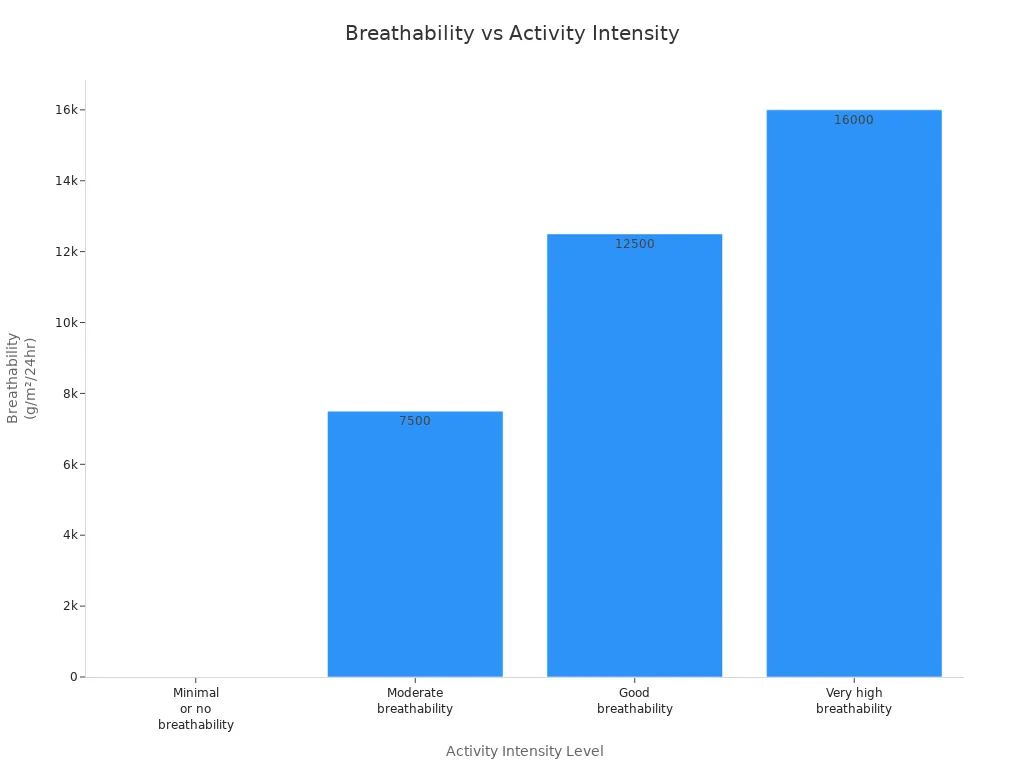
When I select outerwear for outdoor activities, I always consider the intensity level. High-intensity pursuits like trail running or mountaineering demand maximum breathability. I rely on jackets that allow air and moisture to escape quickly, keeping me comfortable and dry. For low-intensity activities, such as resort skiing or urban travel, moderate breathability suffices. I use the following table to match breathability ratings with activity intensity:
Breathability Rating (g/m²/24hr) | Activity Intensity Level |
|---|---|
0 g/m²/24hr | Minimal or no breathability, best for light use or as emergency rain protection. |
5,000 – 10,000 g/m²/24hr | Moderate breathability, suitable for low-intensity activities like resort skiing and urban travel. |
10,000 – 15,000 g/m²/24hr | Good breathability, ideal for moderate-intensity activities like hiking or cycling. |
15,000 g/m²/24hr and above | Very high breathability for intense activities such as trail running or mountaineering. |
Choosing the Right Jacket
I always compare softshell jackets to hardshells before making a decision. Softshells offer excellent flexibility and breathability, which I find essential for aerobic sports. Hardshells provide full waterproofing but feel stiffer and less comfortable during movement. The table below highlights the differences:
Feature | Softshell Jackets | Hardshell Jackets |
|---|---|---|
Breathability | Less breathable than softshells | |
Stretch & Mobility | Excellent flexibility | Stiffer, less flexible |
Weather Protection | Water-resistant, not fully waterproof | Fully waterproof and windproof |
I choose a water-resistant softshell for activities that require a full range of motion and breathability. For heavy rain or extreme weather, I switch to a hardshell.
Fair Weather Use
I reach for a water-resistant softshell when the forecast calls for dry or windy conditions. These jackets excel in fair weather, providing flexibility and moderate protection. I appreciate how the stretchy, breathable fabrics keep me comfortable during hiking or urban commuting. While they handle light rain or snow flurries, I avoid using them in prolonged heavy rain.
Layering
Layering plays a crucial role in maximizing comfort. I start with a moisture-wicking base layer, add an insulating mid-layer, and finish with a water-resistant softshell. This system allows me to adapt to changing conditions. If the weather turns, I can swap the outer layer for a hardshell. I find that layering with a softshell jacket gives me the best balance of breathability and protection.
Tip: I always check the weather and activity intensity before choosing my jacket. For high-output days, I prioritize breathability and mobility. For wet or cold conditions, I adjust my layers and consider switching to a hardshell.
Softshell Jacket Features
Windproofing
I always look for windproofing when I need protection from cold gusts. Softshell jackets use tightly woven fabrics and special membranes to block wind. This feature keeps me warm during exposed hikes or climbs. I notice that windproof jackets feel more comfortable in dry, breezy conditions. When I move quickly or face strong winds, windproofing helps me maintain body heat. However, I know that adding windproof layers can reduce breathability. I weigh this trade-off before choosing my jacket for the day.
Windproof softshell jackets excel in dry and windy environments.
They keep me warmer than regular fleece or non-windproof layers.
I sacrifice some breathability for extra warmth and protection.
Waterproofing
Waterproofing matters most when I expect rain or wet snow. I see many jackets labeled as waterproof softshell, but I know true waterproofing often means less breathability. Most softshells resist water but do not keep me dry in heavy, sustained rain. I use them as outer layers in light showers or dry weather. For downpours, I switch to a hardshell. Waterproof features add weight and stiffness, which can limit my movement. I prefer softshells for comfort and flexibility unless the forecast calls for serious rain.
Softshell jackets are water resistant, not fully waterproof.
Waterproof softshell options exist, but they trade breathability for weather protection.
I choose waterproofing only when wet conditions are unavoidable.
Breathability
Breathability stands out as the most important feature for high-intensity activities. When I hike, run, or climb, I need my jacket to let heat and sweat escape. Breathable fabrics and ventilation zones keep me dry and comfortable. I prioritize breathability for aerobic sports and mild weather. If I expect wind or light rain, I balance breathability with windproofing and water resistance. I avoid fully waterproof jackets for active use because they trap moisture and make me feel clammy.
Tip: I always match my jacket features to my planned activity and the weather. For hiking or running, I pick breathability first. For windy days, I add windproofing. For wet weather, I consider waterproofing but accept less comfort.
Trade-offs and Prioritization
I weigh the trade-offs between breathability, windproofing, and waterproofing every time I shop for a jacket. As weather protection increases, breathability and comfort decrease. Softshells offer more comfort and flexibility than waterproof jackets, especially during dynamic movements. I use this checklist to decide which feature to prioritize:
I consider my activity—hiking, skiing, or everyday wear—since each needs different protection and mobility.
I assess the weather—rain, snow, or wind—to choose the right level of water resistance and insulation.
For high-intensity activities, I prioritize breathability to avoid overheating.
In windy conditions, I select windproof features to stay warm.
I find that softshell jackets work best as outer layers in dry weather or light showers. They provide greater comfort in windy and dry conditions compared to waterproof jackets. I always balance my need for protection with my need for comfort and performance.
Assessing Breathability
Fabric Types
When I shop for a softshell jacket, I always start by examining the fabric type. The construction of the jacket plays a major role in how well it breathes. Most softshells use a multi-layer hybrid system, usually with two or three layers. I have found that two-layer jackets offer excellent elasticity and breathability. These jackets let moisture escape quickly, which keeps me comfortable during activities like hiking or climbing. Three-layer jackets add an extra membrane for more waterproofing. However, this extra layer can sometimes reduce breathability. I pay close attention to the middle layer, since it controls how much moisture can pass through while still blocking wind and light rain. Choosing the right fabric type helps me match my jacket to my activity level and the weather conditions.
Design Elements
I always look for smart design features that boost breathability. Air vents and zippers make a big difference in how a jacket performs. Long air vents on the sides allow me to cool down fast when I start to overheat. I prefer jackets with smooth-gliding VISLON® zippers because they give me quick access to these vents, even with gloves on. Some jackets use innovative layering techniques that separate the fleece lining from the membrane. This design promotes better airflow and helps manage moisture more effectively. I also check for mesh panels or underarm zippers, which increase ventilation during high-output activities. These features let me control my comfort level and adapt to changing conditions on the trail.
Tip: I always test the zippers and vents in the store. If I can open and close them easily, I know the jacket will work well during intense activities.
Product Labels
Product labels and ratings help me compare jackets before I buy. Many brands list breathability ratings on their tags, often measured in grams per square meter per 24 hours (g/m²/24hr). Higher numbers mean better breathability. Some jackets use the RET (Resistance to Evaporative Heat Transfer) scale. Lower RET values indicate higher breathability. I always compare these numbers within the same brand, since testing methods can vary. I also look for terms like “moisture-wicking,” “vented,” or “air-permeable” on the label. These keywords signal that the jacket is designed for active use.
Label Term | What It Means |
|---|---|
Moisture-wicking | Moves sweat away from skin |
Vented | Includes extra openings for airflow |
Air-permeable | Allows air and vapor to pass through |
When I understand these labels and ratings, I can make a smarter choice. I always match the jacket’s breathability to my planned activity and expected weather. This approach keeps me comfortable and focused, no matter where my adventure takes me.
Myths and Tips
Common Misconceptions
I often hear several myths about softshell jacket breathability and waterproofing. Many people believe that all softshell jackets are waterproof. In reality, softshells lack the waterproof membranes found in traditional hardshell jackets. If I rely solely on a softshell during heavy rain, I end up feeling damp and uncomfortable. I have learned that waterproof breathable membranes work through diffusion, which depends on a humidity difference between the inside and outside of the jacket. When I work hard and sweat, the inside of my jacket gets wet, making it less effective at moving moisture out, especially in humid conditions. In heavy rain, the external humidity rises, reducing the jacket’s breathability. The effectiveness of waterproof breathable jackets drops in high humidity because the driving pressure for diffusion disappears.
Many people mistakenly believe all softshell jackets are waterproof.
Softshells lack the waterproof membranes found in hardshells.
Relying on a softshell in heavy rain leads to discomfort and dampness.
Waterproof breathable membranes require a humidity difference to work well.
High humidity reduces breathability and comfort.
I notice that these myths impact how people choose jackets. Softshells are less bulky and more breathable than hardshells, making them ideal for high-output activities. They provide a balance of weather protection and lightweight breathability, which I find crucial for outdoor adventures. The stretch-woven fabrics allow sweat vapor to escape, helping me manage moisture and prevent overheating.
Maximizing Breathability
Layering
I maximize my jacket’s breathability by using a smart layering system. I start with a moisture-wicking base layer made from merino wool or synthetic materials. This layer manages sweat and keeps me warm. Next, I add an insulating mid-layer, such as fleece or lightweight down, for extra warmth. I finish with my softshell jacket as the outer layer. This setup protects me from wind and lets moisture escape. Breathability becomes essential during aerobic activities like trail running or mountain biking. My jacket adapts to changing temperatures, keeping me comfortable without constant layer adjustments.
Layering System Table
Layer | Material | Function |
|---|---|---|
Base Layer | Merino/Synthetic | Wicks moisture, retains warmth |
Mid Layer | Fleece/Down | Adds insulation |
Outer Layer | Softshell | Blocks wind, allows moisture out |
Tip: I always choose layers that work together to keep me dry and comfortable during high-energy activities.
Care and Maintenance
Proper care and maintenance keep my softshell jacket performing at its best. I make sure the Durable Water Repellent (DWR) treatment stays effective by washing my jacket regularly. Dirt and oil can clog the fabric, reducing breathability. When I notice water no longer beads on the surface, I reproof the jacket, especially in high-wear areas. Regular washing and reproofing help maintain the jacket’s ability to let moisture escape.
Regular washing prevents dirt and oil buildup, which can compromise breathability.
Reproofing restores the DWR treatment, especially in high-wear zones.
Proper care ensures my jacket remains comfortable and effective for years.
Note: I always follow the manufacturer’s care instructions to extend the life and performance of my softshell jacket.
I always prioritize breathability when choosing a softshell jacket because it directly affects my comfort and performance during outdoor activities. Wearing comfort matters most when I climb, hike, or ski, especially in changing weather. Softshell jackets excel in high-output sports, allowing body heat to escape and preventing overheating. I find that wearing comfort improves my focus and overall performance. When shopping, I look for jackets that balance breathability and air permeability. I consider these points:
Softshell jackets suit activities that generate body heat, such as climbing and backcountry skiing.
They help manage heat and moisture, making them ideal for hiking, running, and biking.
Hardshell jackets trap heat, so I avoid them for high-intensity use.
I always balance breathability with windproofing and water resistance to match my needs.
FAQ
How do I know if my softshell jacket is breathable enough?
I check the product label for breathability ratings like RET or g/m²/24hr. I also look for features such as vents, mesh panels, or moisture-wicking fabrics. If I stay dry and comfortable during activity, I know my jacket breathes well.
Can I wear a softshell jacket in the rain?
I wear my softshell jacket in light rain or drizzle. For heavy or prolonged rain, I switch to a hardshell. Softshells resist water but do not keep me dry in downpours.
What activities benefit most from a breathable softshell jacket?
I use breathable softshell jackets for hiking, running, biking, and climbing. These activities generate heat and sweat. Breathability keeps me comfortable and focused during high-output sports.
How do I maintain my jacket’s breathability?
I wash my jacket regularly with mild detergent. I avoid fabric softeners. When water stops beading on the surface, I reapply DWR treatment. Clean fabric and a fresh DWR help my jacket breathe better.
Does layering affect breathability?
Yes, layering matters. I choose a moisture-wicking base layer and a breathable mid-layer. This system lets sweat escape. Heavy or non-breathable layers can trap moisture and reduce comfort.
Are all softshell jackets equally breathable?
No, not all softshells breathe the same. I compare fabric types, membrane technology, and design features. Jackets with more vents, mesh, or advanced membranes usually offer better breathability.
What is the difference between windproof and breathable jackets?
Windproof jackets block cold air. Breathable jackets let heat and moisture escape. Some softshells balance both. I pick windproof features for cold, windy days and prioritize breathability for active pursuits.
Tip: I always match my jacket’s features to my activity and the weather for the best comfort.