

How to Tailor Convenience Store Uniforms for Global Markets
Table of Contents
Display
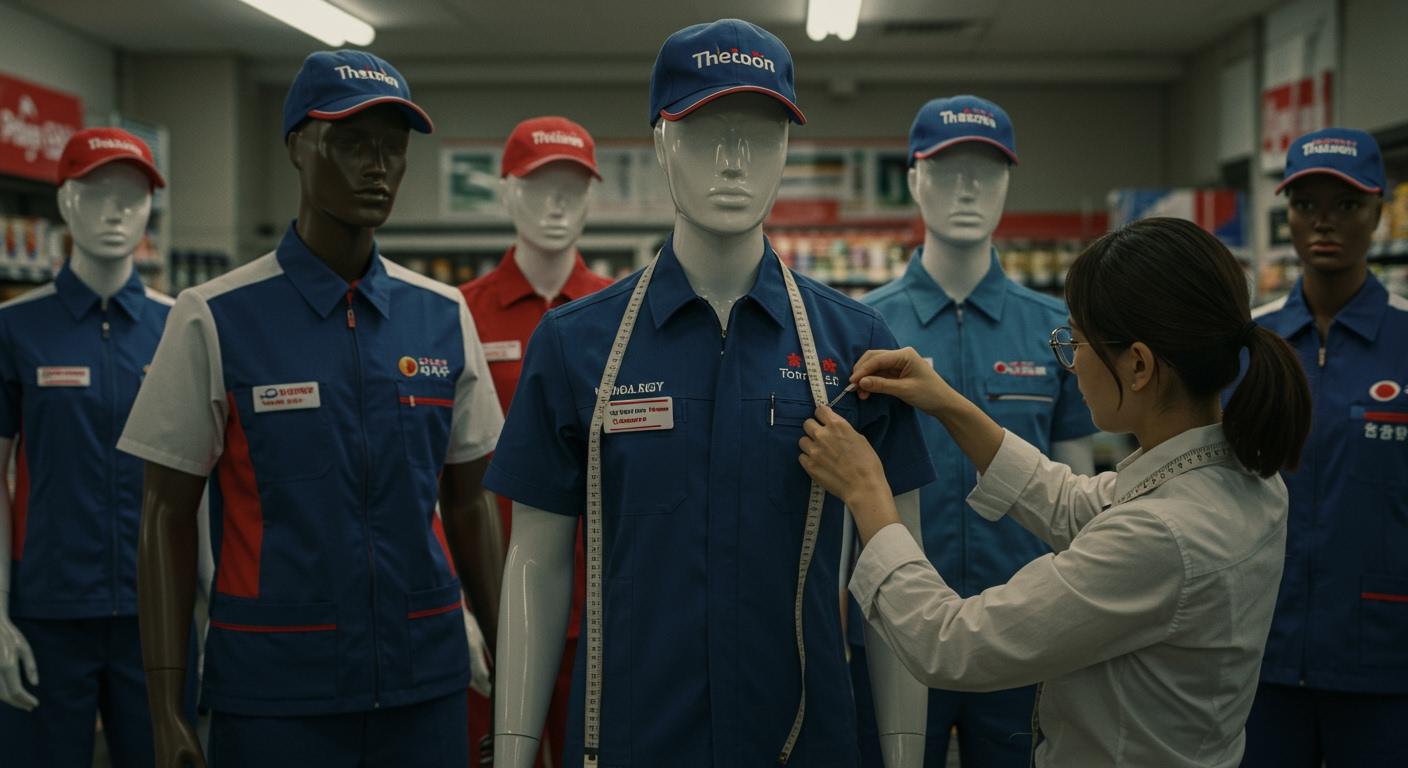
I have learned that tailoring convenience store uniforms for global markets requires a careful balance between brand identity and local adaptation. Understanding local dress codes, climate, and cultural preferences shapes apparel choices and drives a cultural shift in retail. For example:
Some regions require modest uniforms, while others prefer casual styles.
In the Middle East, long sleeves and head coverings respect customs and boost comfort.
Traditional prints in Japan and bright colors in Mexico help stores connect with communities.
I believe that ODMs play a key role in this process by offering flexible design solutions and applying Cultural Adaptation Tips for each location.
Key Takeaways
Research local dress codes to ensure uniforms align with cultural expectations and enhance employee comfort.
Incorporate regionally significant colors and patterns to build trust and connect with local communities.
Select climate-appropriate fabrics to improve employee satisfaction and demonstrate cultural awareness.
Maintain core brand elements while allowing for local adaptations to protect brand identity and message.
Engage with local teams and cultural experts to ensure authenticity and avoid negative publicity.
Test prototypes with employees to gather feedback and refine designs before full implementation.
Prioritize ethical sourcing and fair labor practices to enhance brand reputation and customer loyalty.
Monitor customer and employee feedback post-launch to make necessary adjustments and ensure ongoing satisfaction.
Cultural Sensitivity in Uniform Design
Local Dress Codes
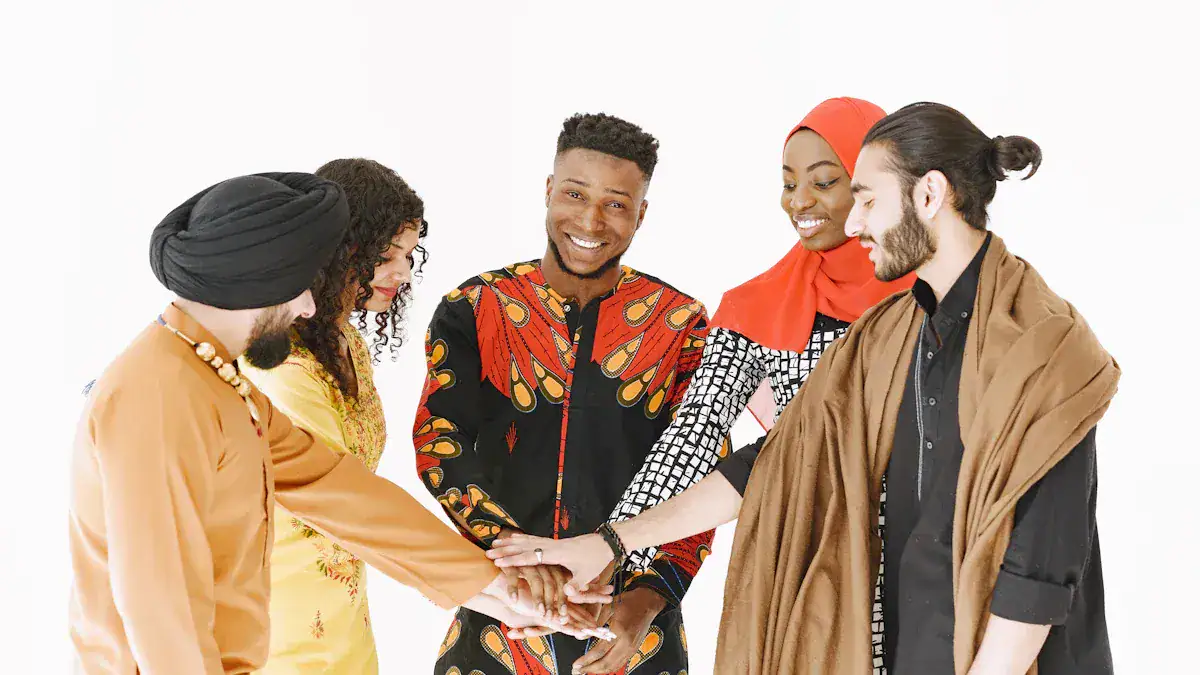
I always start my uniform design process by researching local dress codes. I have seen that cultural expectations shape what employees wear and how customers perceive them. In the U.S., people value individual expression. Stores often choose relaxed uniforms that reflect comfort and personal style. European countries prefer formal and refined dress codes. Tradition and social conformity influence these choices. I notice that workplace environments mirror these cultural values. American stores adopt casual looks, while European stores maintain a polished appearance.
Local dress codes affect acceptance and comfort.
Employees feel proud when uniforms match cultural norms.
Customers trust brands that respect local customs.
I engage with cultural experts to ensure authenticity. This step helps me avoid negative publicity and build trust with the community.
Color and Pattern Preferences
Color and pattern choices play a big role in cultural adaptation. I pay close attention to what each region prefers. In Japan, traditional prints connect stores to local heritage. In Mexico, bright colors create a lively atmosphere and foster goodwill. I have learned that bespoke uniforms reflecting local customs build trust and enhance employee pride.
Customizing uniforms to local tastes shows respect for cultural values.
Regionally significant patterns demonstrate a brand’s commitment to cultural sensitivity.
Consumers expect brands to understand the cultural significance of design choices.
I believe that brands perceived as culturally sensitive form deeper connections with their audience. This approach fosters loyalty and advocacy.
Climate-Appropriate Fabrics
Climate influences fabric selection in every market. I choose materials that suit local weather conditions. In hot regions, I select lightweight and breathable fabrics. In colder climates, I opt for thicker and insulating materials. This decision supports employee comfort and aligns with cultural expectations.
Climate-appropriate fabrics improve employee satisfaction.
Uniforms that match local climate needs show cultural awareness.
Adapting to climate demonstrates respect for cultural norms and practical needs.
I always consider how climate and cultural factors work together. This strategy helps me create uniforms that employees enjoy wearing and customers appreciate.
Brand Identity vs. Local Adaptation
Core Brand Elements
I always begin by identifying the core brand elements that must remain consistent across all markets. These elements include the logo, signature colors, and overall style. I believe that these features help customers recognize the brand instantly, no matter where they shop. When I design uniforms for global convenience stores, I focus on keeping these essentials visible and unchanged. This approach protects the brand’s image and message.
To illustrate the most common challenges I face when balancing brand identity with local adaptation, I use the following table:
Challenge | Description |
|---|---|
Maintaining a uniform brand image across different locations while allowing for local variations. | |
Cultural Nuances | Understanding and integrating local cultural elements into the uniform design without losing brand essence. |
Core Brand Message Dilution | Ensuring that local adaptations do not compromise the fundamental message of the brand. |
I find that keeping the brand’s core elements strong helps prevent confusion and keeps the brand message clear.
Adaptable Features
I adapt certain features of the uniform to fit local needs. I often change fabrics, sleeve lengths, and accessories to match the climate and cultural expectations of each region. For example, I use lightweight materials in tropical areas and thicker fabrics in colder places. I also adjust patterns and colors to reflect local preferences. I notice that incorporating local textiles and styles into uniforms boosts employee pride and engagement. Employees feel valued when their attire reflects their cultural heritage.
Employees dressed in culturally relevant uniforms act as cultural ambassadors.
Cultural alignment through uniforms leads to better employee morale.
This alignment positively impacts customer service and brand representation.
I see that these changes help employees connect with customers and make the brand more relatable.
Consistency Strategies
I use several strategies to maintain consistency while allowing for local adaptation. I create design guidelines that outline which elements must stay the same and which can change. I work closely with local teams to understand cultural nuances and ensure that adaptations do not dilute the brand’s core message. I test prototypes with employees and customers to gather feedback before launching new uniforms.
Tip: I always encourage collaboration between design teams and local staff. This teamwork helps me balance brand identity with cultural adaptation.
I believe that these strategies help brands stay recognizable and respected in every market. By respecting cultural differences and maintaining core brand elements, I create uniforms that support both global recognition and local acceptance.
Cultural Adaptation Tips
Researching Local Norms
I always begin my uniform design process by researching local norms. I use several research methods to understand the cultural expectations in each market. I rely on cross-cultural survey design, which helps me collect valid data by respecting communication styles. I also balance emic and etic approaches to gain both culture-specific insights and universal comparisons. Collaborating with local experts and pilot testing my ideas allows me to mitigate cultural bias and improve sensitivity.
Research Method | Description |
|---|---|
Cross-cultural survey design | Requires attention to cultural nuances and communication styles to ensure valid data collection. |
Emic vs etic approaches | Balances culture-specific insights with universal constructs for meaningful comparisons. |
Cultural bias mitigation | Involves pilot testing and collaboration with local experts to enhance cultural sensitivity. |
Uniforms reflect and preserve cultural heritage. They celebrate and respect diverse cultural identities. I incorporate traditional patterns, colors, and symbols to communicate my commitment to cultural diversity. I believe that thoughtful design sends a clear message about inclusivity and respect for local values.
Tip: I always consult with community leaders and cultural experts before finalizing any design. This step helps me avoid misunderstandings and ensures that my uniforms honor local traditions.
Modifying Uniforms for Culture
I modify uniforms based on cultural research to improve employee satisfaction and customer perception. I have learned that these changes make employees feel like they belong to the organization. When uniforms communicate organizational identity, job satisfaction increases. Employees who participate in the design process report even higher satisfaction.
Modifications based on cultural adaptation tips enhance employees’ sense of belonging.
Employees feel proud when their uniforms reflect their cultural background.
Uniforms influence customer perceptions of service quality.
I notice that uniforms play a significant role in service encounters. Customers expect employees to wear attire that respects local customs. When I include employees in the design process, I see better morale and stronger customer relationships. Cultural adaptation tips guide me in making these modifications effective and meaningful.
Aligning with Local Values
I always align my uniform designs with local values. I use cultural adaptation tips to ensure that every detail matches community expectations. I study local traditions and values before choosing colors, patterns, and accessories. Uniforms serve as a powerful medium for organizations to reflect cultural heritage. In a diverse world, they celebrate and respect various cultural identities, showcasing unique aspects of heritage, tradition, and values. Thoughtfully designed uniforms communicate an organization’s commitment to cultural diversity and inclusivity.
I select colors and symbols that hold cultural significance.
I avoid designs that might offend or misrepresent local beliefs.
I work with local teams to ensure every uniform supports community pride.
I believe that cultural adaptation tips help me create uniforms that build trust and loyalty. When I respect local values, I strengthen the bond between my brand and the community. This approach leads to long-term success in global markets.
Integrating Local Elements
Regional Colors and Patterns
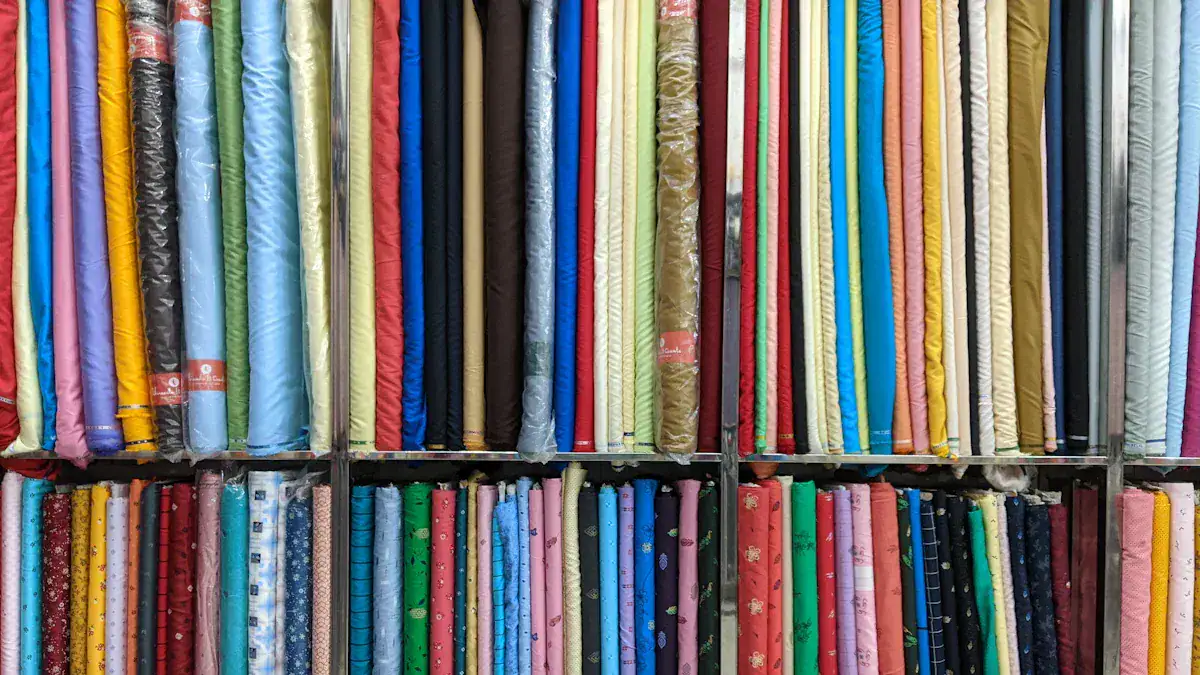
I always start by exploring the colors and patterns that define a region. I visit local markets and observe what people wear. I notice that colors often carry deep meanings. For example, red in China symbolizes luck and celebration. In India, vibrant hues like orange and green reflect energy and tradition. I select patterns that connect with local heritage. I use floral prints in Japan to honor cherry blossom season. I choose geometric designs in Africa to celebrate cultural artistry.
I create mood boards with regional colors and patterns.
I consult with local artists to understand the significance of each design.
I test color combinations with employees to see which ones resonate.
Tip: I always ask community members for feedback before finalizing a design. Their input helps me avoid mistakes and ensures the uniform feels authentic.
Accessories and Details
Accessories add personality to uniforms. I pay attention to small details that make a big impact. I include scarves, pins, or hats that reflect local customs. In France, I add a simple neck scarf for elegance. In Thailand, I use embroidered badges that show respect for tradition. I select buttons and trims that match regional styles.
Accessory | Region | Cultural Meaning |
|---|---|---|
Neck Scarf | France | Sophistication |
Embroidered Pin | Thailand | Respect for heritage |
Beaded Bracelet | Kenya | Community and unity |
I encourage employees to personalize their accessories. This approach boosts morale and helps staff feel connected to their culture.
Note: I avoid accessories that might cause discomfort or violate safety rules. Comfort and safety always come first.
Fit and Silhouette
Fit and silhouette shape how uniforms look and feel. I study local fashion trends to choose the right cut. In South Korea, I use tailored fits that create a sharp appearance. In Brazil, I prefer relaxed silhouettes for comfort in warm weather. I adjust sleeve lengths and pant styles to match local preferences.
I offer multiple size options to ensure everyone finds a good fit.
I use stretch fabrics for flexibility and ease of movement.
I gather feedback from employees about comfort and style.
I believe that a well-fitting uniform improves confidence and job satisfaction. Employees perform better when they feel comfortable and proud of their attire.
Callout: I always pilot test new fits with a small group before rolling out changes. Their feedback guides my final decisions.
Integrating local elements into convenience store uniforms helps brands connect with communities. I see that thoughtful choices in color, accessories, and fit make employees feel valued and respected. This strategy builds trust and loyalty in every market.
Safety and Compliance
Safety Standards
I always put safety first when designing convenience store uniforms. I know that employees face different risks depending on their tasks and location. I choose materials that resist fire, chemicals, or sharp objects if the job requires it. I add reflective strips for workers who handle deliveries at night. I make sure that every button, zipper, or accessory does not pose a hazard. I also check that uniforms fit well so employees can move freely and avoid accidents.
I work closely with local safety experts to understand the unique risks in each market. I update my designs when new safety standards appear. I believe that a safe uniform protects employees and builds trust with customers.
Hygiene Requirements
Hygiene plays a huge role in uniform design, especially in stores that sell food or beverages. I select fabrics that are easy to clean and resist stains. I look for materials that do not trap dirt or bacteria. I often use antimicrobial finishes to keep uniforms fresh and safe.
Hygiene requirements for uniforms in the food industry emphasize the use of low-lint and antimicrobial materials to prevent contamination. Regulatory bodies like the FDA and HACCP enforce strict guidelines to ensure food safety, which directly influences the design and material choices for uniforms.
I follow strict washing instructions and recommend regular cleaning schedules. I avoid designs with too many pockets or folds, since these can collect crumbs or spills. I also make sure that uniforms dry quickly, so employees always have a clean set ready for work.
Regulatory Compliance
I face many challenges when trying to meet regulations in different countries. Each market has its own rules about safety, the environment, and labor. I stay updated on these laws to avoid fines and protect my brand’s reputation.
Compliance with safety regulations is crucial, especially in high-risk environments where specific uniform features are required.
Environmental regulations are pushing for sustainable practices, affecting materials sourcing and manufacturing processes.
I also deal with state laws about chemicals like PFAS. Some places ban certain substances, so I search for safer alternatives. This process takes time and investment, but I know it is important for health and the environment.
Manufacturers face challenges due to a patchwork of state laws regarding PFAS compliance.
There is a need to transition to alternative materials, which requires significant investment in research and development.
The global regulatory landscape complicates compliance for companies operating in multiple markets.
I always document my choices and keep records of certifications. I work with legal teams and suppliers to make sure every uniform meets the latest standards. By staying proactive, I help my clients avoid legal trouble and keep their employees safe.
Ethical and Sustainable Practices
Responsible Sourcing
I always prioritize responsible sourcing when I design convenience store uniforms. I know that my choices affect both people and the planet. When I select suppliers, I look for those who share my commitment to ethical practices. I choose sustainable fabrics that minimize environmental impact. I also support local economies by sourcing and manufacturing uniforms nearby. This approach reduces transportation emissions and strengthens community ties.
Responsible sourcing enhances my brand’s reputation. I see that customers trust brands that align with their values. When I use ethical materials and transparent supply chains, I foster loyalty and admiration. Many shoppers now prefer to support companies that reflect their beliefs about sustainability. This commitment sets my brand apart in a crowded market.
Here are some of the most effective ethical and sustainable practices I follow:
Choose sustainable fabrics that minimize environmental impact.
Focus on creating uniforms that last longer to reduce waste.
Support local economies by sourcing and manufacturing uniforms nearby.
Implement efficient delivery systems to reduce transportation emissions.
Use made-to-order uniforms to prevent overproduction and waste.
Provide eco-friendly care advice to extend the life of uniforms.
Fair Labor
I believe that fair labor practices form the foundation of ethical uniform production. I always ensure that workers receive fair wages and operate in safe environments. I visit factories and speak with employees to confirm that they work under good conditions. I avoid suppliers who do not meet my standards for worker treatment.
For instance, ensuring workers receive fair wages and operate in safe environments demonstrates a commitment to social responsibility.
I also require my partners to follow international labor laws. I check for certifications that prove their commitment to fair labor. When I support fair labor, I help create a positive impact on workers’ lives and build a stronger, more responsible brand.
Environmental Impact
I take the environmental impact of my uniforms seriously. I select materials that use less water and energy during production. I focus on durability indexing, which means I design uniforms to last longer and reduce waste. I also use smart logistics to cut down on transportation emissions.
I encourage customers and employees to follow eco-friendly care instructions. Simple steps, like washing uniforms in cold water and air drying, help extend the life of each garment. I also use right-sizing, which means I only produce the number of uniforms needed. This practice prevents overproduction and reduces landfill waste.
I believe that every decision I make can help protect the environment. By choosing sustainable materials, supporting fair labor, and reducing waste, I show my commitment to ethical and sustainable practices in every market.
Case Studies
Successful Adaptations
I have seen many convenience store brands succeed by tailoring uniforms to local markets. One example stands out from my work in Southeast Asia. I worked with a global chain that wanted to expand into Thailand. The team listened to local staff and community leaders. We chose lightweight, breathable fabrics for the hot climate. We added traditional Thai motifs to the shirt collars. Employees wore embroidered pins that honored local festivals. Customers noticed these details and felt a stronger connection to the brand.
Another success story comes from my experience in Scandinavia. I helped a retailer introduce uniforms that matched the region’s minimalist style. We used neutral colors and simple cuts. We selected eco-friendly materials to align with local values. Employees appreciated the comfort and sustainability. The brand saw an increase in customer satisfaction and loyalty.
Tip: I always recommend pilot testing uniforms with a small group of employees before a full rollout. Their feedback helps me refine the design and avoid costly mistakes.
I believe that successful adaptations start with listening. I ask questions, gather feedback, and respect local traditions. Brands that invest in research and collaboration build trust and thrive in new markets.
Lessons from Failures
I have learned important lessons from failed attempts at adapting convenience store uniforms. Sometimes, brands rush into new markets without understanding local needs. I remember a project in Eastern Europe where the uniforms ignored cultural preferences. Employees felt uncomfortable, and customers did not relate to the brand. Sales dropped, and the company had to redesign the uniforms.
Existing supplier contracts can create problems. I once worked with a brand that could not change fabrics or styles because of long-term agreements. The uniforms did not fit the climate or culture. Employees struggled with comfort, and the brand lost credibility.
Timing and resilience matter in entrepreneurship. I have seen brands give up too quickly when faced with challenges. Adapting uniforms takes time and patience. Cultural relevance must guide every decision. I always consider local customs, symbols, and regulations.
Strategic adaptations are necessary. I use the following checklist to avoid common pitfalls:
Understand local market needs before designing uniforms.
Review supplier contracts for flexibility.
Allow time for research and testing.
Prioritize cultural relevance in every detail.
Adapt designs to meet local preferences and regulations.
Note: I always document lessons from failures. These insights help me improve future projects and guide brands toward success.
I believe that learning from mistakes is essential. Brands that adapt, listen, and stay resilient can overcome challenges and succeed in global markets.
Measuring Impact
Customer Satisfaction
I always measure the success of uniform adaptations by listening to customers. Their feedback tells me if the uniforms help them feel welcome and respected. I use surveys and comment cards to gather opinions about the look and feel of the uniforms. I notice that customers respond positively when uniforms reflect local culture and values. High satisfaction scores often mean that the design choices work well.
I also pay attention to customer behavior. When customers interact more with staff, I know the uniforms help build trust. I track repeat visits and observe how customers react to new uniform styles. If I see more smiles and friendly conversations, I feel confident that the uniforms make a difference.
Uniforms that match local expectations create a sense of belonging for customers. They feel comfortable shopping in stores where employees look approachable and professional.
Employee Comfort
I believe that employee comfort is just as important as customer satisfaction. I always ask staff how they feel about their uniforms. I use interviews and anonymous surveys to collect honest feedback. Employees tell me if the uniforms fit well, allow easy movement, and suit the climate. When staff feel comfortable, they perform better and show more enthusiasm at work.
The proper fit and comfort of employee uniforms also subtly but significantly influence customer trust. If a uniform fits poorly, an employee’s discomfort can manifest in their body language, potentially making customers uneasy. Conversely, a comfortable uniform allows employees to focus entirely on delivering exceptional customer service, which is crucial for building trust.
I also use a Uniform Management System to make ordering and replacing uniforms easier. This system reduces stress and helps employees feel valued.
A Uniform Management System (UMS) streamlines the uniform order experience by addressing common pain points associated with traditional programs. This shift not only enhances operational flow but also boosts employee satisfaction by providing a hassle-free uniform purchase experience.
I notice that uniforms foster a strong sense of team spirit. Employees feel proud to wear attire that represents their store and culture.
Company uniforms foster a strong sense of collective identity and belonging among employees.
Uniformity minimizes distinctions based on personal clothing choices, creating an inclusive environment.
This shared appearance can significantly boost morale and productivity, leading to a happier and more effective workforce.
Business Metrics
I always track key business metrics to measure the impact of cultural adaptation in uniforms. These numbers show how uniforms affect the store’s performance. I look at turnover rates, absenteeism, and internal promotions. I also monitor customer satisfaction scores and average transaction values. When uniforms fit local needs, I see improvements in these areas.
Metric | Target/Goal |
|---|---|
Turnover rate | |
Absenteeism rate | Less than 3% monthly |
Internal promotion rate | 60%+ of management positions filled internally |
Employee referral rate | 40%+ of new hires through referrals |
Customer satisfaction scores | 4.5+ out of 5.0 |
Average transaction value | Increase by 8-12% |
Shrinkage rates | Engaged employees reduce theft/waste |
Profitability per employee | 10-15% gains from cultural improvements |
I use these metrics to guide future uniform designs. When I see positive results, I know my approach works. I believe that measuring impact helps me create uniforms that support both employees and customers, leading to long-term business success.
Actionable Steps
Flexible Design Framework
I always begin with a flexible design framework when adapting convenience store uniforms for global markets. This approach allows me to respond quickly to local needs and changing trends. I use a step-by-step process to create a system that supports both brand consistency and local adaptation.
I select a suitable floor plan based on the store’s size and type. For example, I might choose a grid layout for a small store or a free-flow plan for a larger space.
I use modular fixtures and displays. These elements can be rearranged and resized, which makes it easy to update the store’s look or uniform presentation.
I add movable accessories and elements. Scarves, pins, and hats can be swapped out to reflect local customs or seasonal changes.
I incorporate digital and interactive features. Touchscreens and digital signage help engage customers and showcase uniform options.
I test and measure the store layout. I evaluate performance and identify areas for improvement by collecting feedback from employees and customers.
Tip: I always keep the design framework simple and adaptable. This strategy helps me make quick changes without disrupting daily operations.
Stakeholder Collaboration
I believe that collaboration with stakeholders is essential for successful uniform adaptation. I involve store managers, employees, and local community leaders in every step of the process. Their input helps me understand cultural expectations and practical needs.
I organize workshops and feedback sessions. Employees share their experiences and suggest improvements. Managers provide insights into store operations and customer preferences. Community leaders offer advice on local customs and values. I use this information to refine my designs and ensure that uniforms meet everyone’s needs.
I also encourage open communication. I set up channels for ongoing feedback, such as suggestion boxes or online surveys. This approach helps me address concerns quickly and build trust with all stakeholders.
Note: I always value stakeholder opinions. Their feedback leads to better designs and stronger community connections.
Prototype Testing
I rely on prototype testing to ensure that uniform adaptations work in real-world settings. I use systematic testing methods to evaluate comfort, durability, and cultural fit. I invite employees to wear prototypes during their shifts and share honest feedback.
I conduct unit and integration tests in a controlled environment. This process confirms the validity, reliability, and objectivity of each design.
I use formative and participatory research methods. Employees and managers participate in feedback sessions to inform modifications.
I focus on contextual modifications. Most changes relate to the setting or population, which helps me tailor uniforms to specific markets.
Evidence Description | Key Findings |
|---|---|
Leadership participation in adaptation process | Stakeholder involvement in feedback on feasibility and acceptability of interventions. |
Use of formative and participatory research | Engaging employees directly to inform uniform modifications. |
Contextual modifications | Adaptations often relate to local settings and populations. |
I believe that prototype testing reduces risk and improves satisfaction. Employees feel valued when they help shape their uniforms. Customers notice the attention to detail and respond positively.
Callout: I always pilot test new designs before a full rollout. This step helps me catch problems early and make necessary adjustments.
Applying Cultural Adaptation Tips
I always use cultural adaptation tips as a practical guide when I design uniforms for global convenience stores. I believe that applying these tips helps me create uniforms that respect local traditions and meet brand standards. I want to share my step-by-step approach so you can see how I put these tips into action.
Step 1: Gather Local Insights
I start by talking to local employees and community leaders. I ask questions about colors, symbols, and styles that matter in their culture. I visit local markets and observe what people wear. I take notes on popular fabrics and accessories. This research gives me a clear picture of what the community values.
Step 2: Match Brand and Culture
I compare my brand’s core elements with the local insights I have collected. I look for ways to blend signature colors or logos with regional patterns. I avoid designs that clash with local customs. I always check if the uniform supports both brand recognition and cultural acceptance.
Step 3: Test and Refine Designs
I create sample uniforms based on my research. I invite employees to try them on and share feedback. I ask if the uniforms feel comfortable and if they reflect local identity. I listen to suggestions and make changes as needed. I repeat this process until everyone feels satisfied.
Tip: I always encourage open feedback during testing. Honest opinions help me avoid mistakes and improve the final design.
Step 4: Educate and Train Staff
I organize training sessions to explain the meaning behind each uniform element. I tell employees why certain colors or patterns were chosen. I share stories about local traditions and how they connect to the uniform. This education builds pride and helps staff become cultural ambassadors.
Step 5: Monitor and Adjust
I track customer and employee reactions after the uniforms launch. I use surveys and interviews to gather feedback. I watch for changes in customer satisfaction and employee morale. If I notice problems, I make adjustments quickly.
Action | Purpose | Outcome |
|---|---|---|
Gather local insights | Understand cultural preferences | Authentic uniform design |
Match brand/culture | Blend identity and tradition | Strong brand connection |
Test/refine designs | Ensure comfort and acceptance | Higher employee satisfaction |
Educate/train staff | Build cultural awareness | Staff pride and engagement |
Monitor/adjust | Respond to feedback | Continuous improvement |
I believe that applying cultural adaptation tips is an ongoing process. I stay flexible and open to change. I always put people first, making sure uniforms help employees feel proud and customers feel welcome. This approach leads to long-term success in every market.
I believe that successful uniform design for global convenience stores depends on blending brand identity with local culture. I always prioritize local research, safety, and sustainability in every project.
When I adapt uniforms to fit community values, I see stronger employee pride and customer loyalty.
I encourage ODMs and retailers to keep innovating and listening to local feedback.
Effective cultural adaptation leads to long-term growth and global retail success.
FAQ
What is the first step I take when designing uniforms for a new market?
I always start by researching local culture and dress codes. I talk to community leaders and employees. I observe what people wear in daily life. This helps me understand what will work best.
How do I balance brand identity with local adaptation?
I keep core brand elements like logos and colors consistent. I adjust fabrics, patterns, and accessories to fit local preferences. I use a flexible design framework to blend both needs.
Tip: I always test prototypes with local staff before finalizing designs.
Why do I choose climate-appropriate fabrics?
I select fabrics based on local weather. Lightweight materials work in hot regions. Thicker fabrics suit cold climates. This keeps employees comfortable and improves job satisfaction.
How do I ensure uniforms meet safety and hygiene standards?
I follow local regulations and industry guidelines. I choose safe, easy-to-clean materials. I add features like reflective strips or antimicrobial finishes when needed.
Safety Feature | Purpose |
|---|---|
Reflective strips | Nighttime visibility |
Antimicrobial fabric | Hygiene |
What role do employees play in the uniform design process?
I invite employees to share feedback and ideas. I organize workshops and surveys. Their input helps me create uniforms that fit well and reflect local culture.
How do I measure the success of uniform adaptations?
I track customer satisfaction scores, employee comfort, and business metrics. I use surveys, interviews, and sales data. Positive feedback and improved performance show that my approach works.
Note: I always adjust designs based on feedback to ensure continuous improvement.