

Convenience Store Uniform ODM Checklist: 8 Key Stages from Quotation to Delivery
Table of Contents
Display
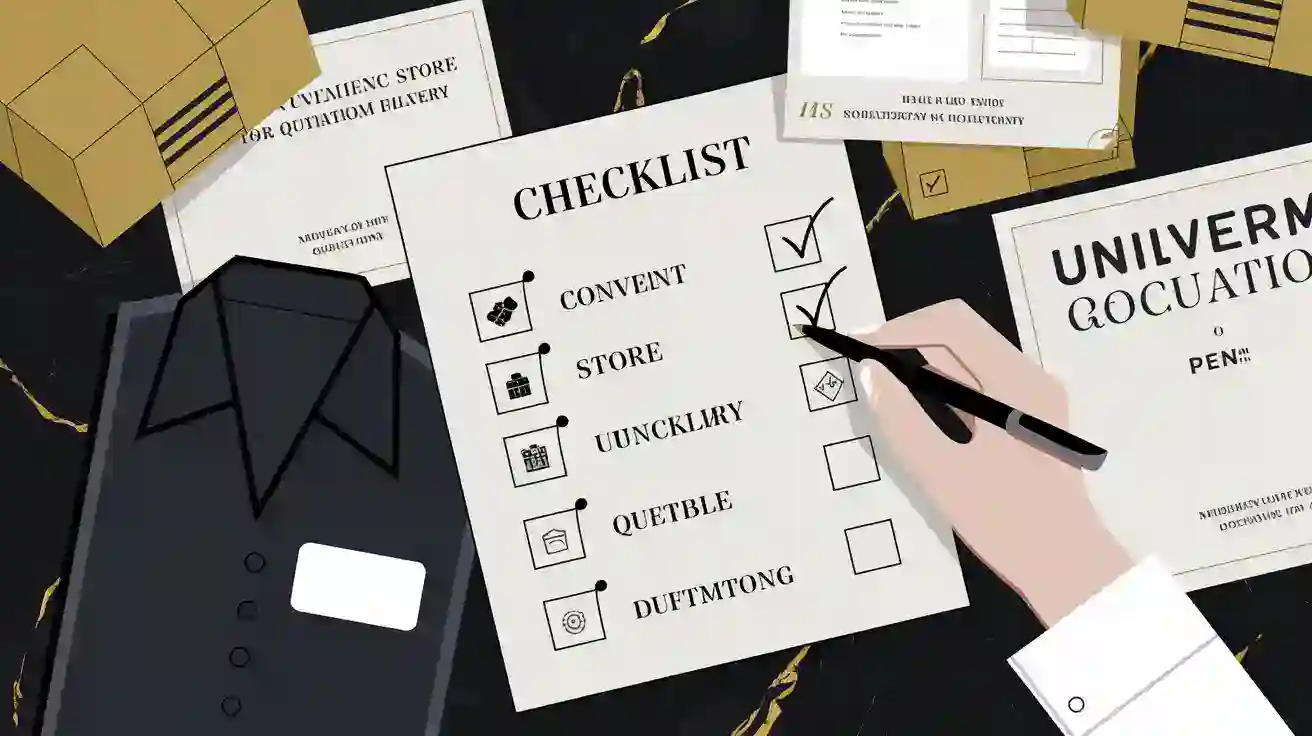
I rely on a proven checklist to guide every step in the ODM process for a Convenience Store Uniform. I follow these eight key stages: quotation, design, sample review, order and contract, material and quality, production monitoring, inspection and packaging, delivery and support.
Clear communication, strict quality control, and thorough documentation keep each stage efficient and reliable. I use this checklist as my roadmap to achieve consistent results.
Key Takeaways
Start the ODM process by providing detailed store information to the vendor. This helps tailor the quotation to your needs.
Clearly specify uniform requirements, including types, colors, sizes, and any special features. This ensures accurate quotations.
Review the pricing breakdown carefully to avoid hidden costs. Ask for clarification on any unclear items.
Communicate openly with the vendor about lead times and payment terms. This prevents misunderstandings and budget surprises.
Involve employees in the design process. Their feedback can lead to uniforms that are comfortable and boost morale.
Conduct thorough sample reviews, focusing on material quality and fit. This ensures uniforms meet comfort and performance standards.
Establish a clear delivery schedule with the vendor. Include buffer time for unexpected delays to keep operations smooth.
Maintain organized documentation throughout the process. This supports accountability and helps resolve any issues quickly.
Quotation & Evaluation
Requesting a Quotation
Store Details
I always start by sharing detailed information about my store with the vendor. I include the store location, number of employees, and any special requirements. This step helps the vendor understand my needs and tailor the quotation. I make sure to clarify the store’s operating hours and any seasonal changes in staffing. Accurate store details prevent confusion later in the process.
Uniform Requirements
I specify the exact requirements for the Convenience Store Uniform. I list the types of garments needed, such as shirts, pants, aprons, and hats. I mention preferred colors, sizes, and any branding elements like logos or name tags. I also highlight any functional needs, such as stain resistance or easy-care fabrics. Clear uniform requirements ensure the vendor can provide an accurate and relevant quotation.
Reviewing the Quotation
Pricing Breakdown
I carefully review the pricing breakdown provided by the vendor. I look for transparency in costs, including unit prices, setup fees, and customization charges. I ask for clarification if any item seems unclear. I compare the quotation with my budget and check for any extra services or fees that may not be necessary. I always watch for hidden costs that can impact my bottom line. Common hidden costs include:
Excess uniform inventory and distribution. Unused uniforms increase expenses.
Poor tracking leads to receiving incorrect garments.
Program administrators may get distracted from other duties, causing delays.
Downtime spent resolving sizing and order issues reduces productivity.
Ordering the wrong item results in poorly fitting uniforms or extra orders.
Extra services and fees for unused options can add unexpected charges.
Tip: I request a detailed cost breakdown and ask the vendor to highlight any optional services or fees.
Lead Times
I check the lead times for production and delivery. I confirm whether the vendor can meet my schedule, especially during busy periods. I ask about potential delays and how the vendor handles them. Reliable lead times help me plan staffing and uniform rollout without disruption.
Payment Terms
I review the payment terms to avoid surprises. I look for information on deposit requirements, payment milestones, and accepted payment methods. I clarify refund and cancellation policies before signing any agreement. Clear payment terms protect my budget and ensure a smooth transaction.
Note: Open communication with the vendor at this stage helps me avoid misunderstandings and costly mistakes. I document all agreements for future reference.
Convenience Store Uniform Design
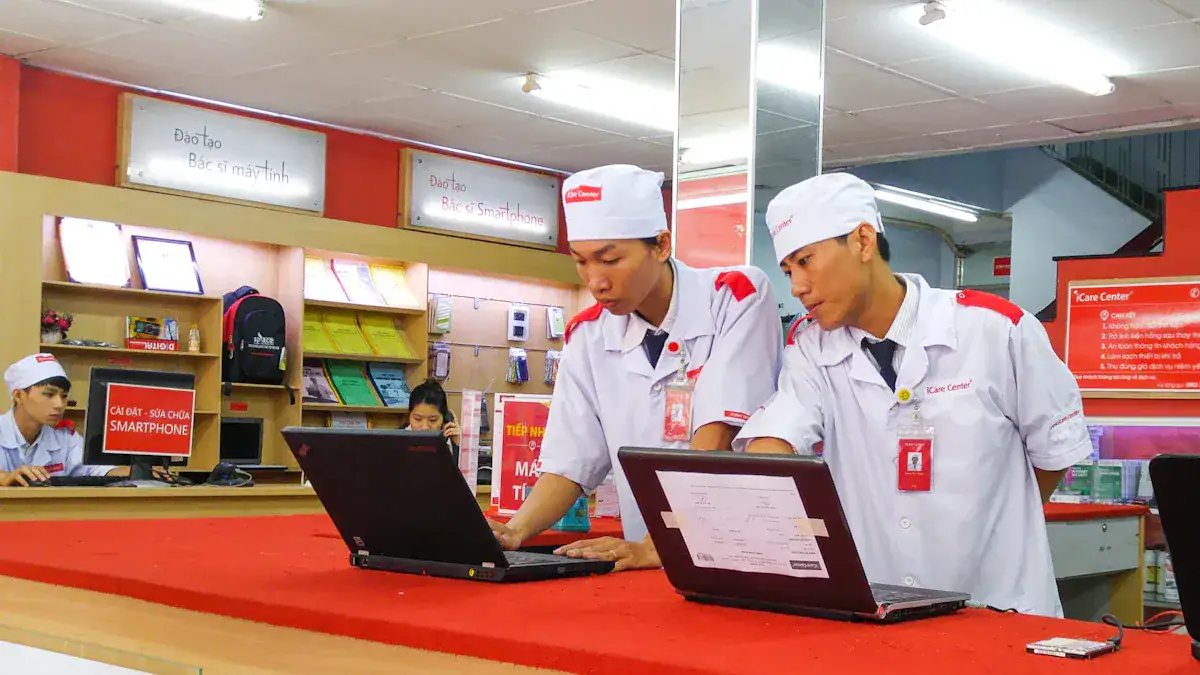
Initial Design Concepts
When I begin the design phase for a Convenience Store Uniform, I focus on creating concepts that balance function and style. I work closely with the vendor to explore customization options that fit my store’s brand and employee needs.
Customization Options
I consider several customization options to make the uniforms unique and practical. I look at adjustable features, fabric choices, and garment styles. I want uniforms that employees feel comfortable wearing throughout long shifts. I also pay attention to current design trends in convenience store uniforms, which include:
Personalization: I add customizable elements so employees can express their individual styles.
Sustainability: I select eco-friendly materials and production methods to support environmental responsibility.
Inclusivity: I choose gender-neutral and body-positive designs to ensure every team member feels represented.
Color Psychology: I use strategic colors to influence customer moods and reinforce brand recognition.
Streetwear Aesthetics: I incorporate casual, trendy styles that appeal to modern consumers.
Tip: I ask employees for feedback on design features. Their input helps me create uniforms that boost morale and comfort.
Branding Elements
Branding plays a crucial role in the design process. I integrate my store’s logo, color palette, and dress code standards into every uniform. These branding elements create a cohesive and professional image for my store. When customers see consistent branding in the Convenience Store Uniform, they recognize my commitment to quality and service. Uniforms with strong branding enhance visual consistency and professionalism, which fosters customer trust and loyalty.
Design Approval
After developing initial concepts, I move to the approval stage. I want to ensure every detail meets my expectations before production begins.
Mockups
I request detailed mockups from the vendor. These visual samples show how the final uniforms will look, including colors, logos, and garment styles. I review each mockup carefully and compare them to my brand guidelines. I check for accuracy in logo placement, color matching, and overall design.
Revisions
If I notice any issues or areas for improvement, I provide clear feedback to the vendor. I ask for revisions until the mockups align with my vision for the Convenience Store Uniform. I document all changes and approvals to maintain a record for future reference. This step ensures that the final product matches my expectations and supports my store’s brand identity.
Sample Review
Sample Production
Material Selection
I always begin the sample review by focusing on material selection. I request fabric swatches from the vendor and examine them for durability, breathability, and ease of care. I check if the material resists stains and holds color after washing. I also consider how the fabric feels against the skin, since employees wear these uniforms for long shifts. I compare several options to ensure the chosen material meets both comfort and performance standards.
Construction
Next, I inspect the construction of the sample. I look closely at the stitching, seam strength, and finishing details. I check if the buttons, zippers, and fasteners are secure and easy to use. I also evaluate the placement and size of pockets, since these features affect daily tasks. High-quality construction ensures the uniform will last through frequent wear and washing.
Evaluation Criteria
Fit & Comfort
I use a structured process to evaluate fit and comfort. I organize controlled wear tests where employees try on the sample uniforms during their regular activities. They move, bend, and reach as they would on the job. I ask them to rate comfort, softness, and how the uniform feels during both active and resting periods. This approach gives me independent feedback and a clear picture of how the uniform performs in real-world conditions.
Tip: I always collect feedback from a diverse group of employees to ensure the uniform fits all body types and preferences.
Color & Branding
I compare the sample’s colors to my store’s branding guidelines. I check if the colors match my expectations and remain consistent under different lighting. I also review the placement and clarity of logos and other branding elements. Uniforms that display strong branding help reinforce my store’s identity and create a professional appearance.
I rely on three main factors during the sample review stage:
Fit: I assess if the garment hugs the body correctly and allows for ease of movement.
Functionality: I evaluate how the garment performs in various positions and practical aspects like pocket placement.
Garment Quality: I check the overall construction quality, including stitch choice and materials used.
Feedback & Approval
Communicating Changes
After reviewing the sample, I gather all feedback and document specific changes. I communicate these requests clearly to the vendor, using photos or annotated notes when possible. I keep a record of all correspondence and approvals for future reference. This step ensures the final Convenience Store Uniform meets my expectations and supports a smooth production process.
Order & Contract
Order Details
Quantities & Sizes
I always begin the order stage by confirming the exact quantities and sizes needed for my team. I create a detailed list that includes every garment type, size range, and the number of pieces required for each. This step helps me avoid shortages or excess inventory. I verify the sizing chart with the vendor to ensure consistency. I also double-check the measurements for specialty items, such as aprons or hats, since these often have unique sizing requirements. I keep a record of who is ordering uniforms and monitor spending amounts to maintain control over the budget.
I track each order by employee name.
I set up a checks and balances system to prevent overspending.
I review the order summary before finalizing to catch any errors.
Delivery Schedule
I work with the vendor to establish a clear delivery schedule. I specify the preferred delivery dates and confirm the timeline for each batch. I ask the vendor to provide progress updates at key milestones. I include buffer time in the schedule to account for unexpected delays. I document the delivery plan and share it with my team so everyone knows when to expect new uniforms.
Tip: I always request written confirmation of delivery dates to ensure accountability.
Contract Signing
Key Clauses
I review the contract carefully before signing. I focus on key clauses that protect my interests and clarify responsibilities. I look for terms related to product quality, delivery deadlines, payment schedules, and dispute resolution. I pay special attention to cancellation and amendment policies. These clauses allow me to adjust the order if my needs change or if issues arise during production. I make sure the contract includes clear language about warranty coverage and after-sales support.
Documentation
Thorough documentation is essential for accountability and traceability. I organize all contract documents, order forms, and correspondence in a secure location. I use a structured approach to manage documentation, following a clear order of precedence:
Order of Precedence | Description |
|---|---|
(a) The Schedule | Excludes specifications |
(b) Representations and other instructions | Important for contract clarity |
(c) Contract clauses | Essential legal terms |
(d) Other documents, exhibits, and attachments | Additional supporting materials |
(e) The specifications | Detailed requirements for the order |
I include supporting materials such as size charts, branding guidelines, and delivery schedules. I keep copies of all signed agreements and amendments. This practice helps me resolve disputes quickly and ensures that every aspect of the Convenience Store Uniform order is traceable.
Note: I always maintain organized records to support future audits and reviews.
Material & Quality
Material Sourcing
Quality Standards
I always start by evaluating the quality standards for convenience store uniforms. I know that the right material impacts comfort, durability, and brand image. I compare several fabric options before making a decision. The table below summarizes the most widely used materials and their key characteristics:
Material | Quality Characteristics | Usage in Uniforms |
|---|---|---|
Cotton | Comfortable but high-maintenance; requires ironing and spoils easily | Common for shirts and t-shirts |
Polyester | Durable and low-maintenance; best used in blends for optimal qualities | Suitable for various uniform types |
Blends | Combines benefits of different materials; effective for printing logos and slogans | Ideal for branding on uniforms |
Antibacterial | Reduces body odor; must be anti-allergenic and anti-static for comfort | Popular in active retail roles |
Elastane | Improves fit and elasticity; too much can reduce breathability | Enhances comfort in fitted uniforms |
I select materials that balance comfort and durability. I look for fabrics that hold up to frequent washing and resist stains. I also consider how well the material supports branding, such as logo printing and color retention.
Tip: I always request fabric samples before finalizing my choice. This step helps me assess texture, weight, and color accuracy in person.
Supplier Selection
Choosing the right supplier is critical for maintaining quality and consistency. I follow a structured process to evaluate potential partners:
I review their inventory levels to ensure they can handle urgent orders.
I assess the quality of their materials and finished products.
I also compare suppliers using the following criteria:
Criteria | Description |
|---|---|
Experience | Suppliers should have a strong track record in sourcing uniforms for similar industries. |
Quality | The materials used must be durable and comfortable, impacting employee satisfaction and company image. |
Customer Service | A responsive supplier who can accommodate custom requests is essential for a smooth process. |
Brand Alignment | The supplier must align with the company’s brand image while offering customization options. |
I prioritize suppliers who understand industry trends and offer guidance on materials and styles. I value those who respond quickly to requests and support my branding needs.
Note: I always communicate my expectations clearly and document all agreements to avoid misunderstandings.
Quality Control
Testing Procedures
I implement strict testing procedures to verify material quality. I request lab reports and certifications from suppliers. I check for colorfastness, shrinkage, and resistance to wear. I organize wear tests with my team to evaluate comfort and durability in real-world conditions. I inspect samples for stitching quality and hardware reliability.
I test for stain resistance and ease of cleaning.
I verify that logos and branding elements remain intact after washing.
Compliance
I ensure all uniforms comply with industry standards and local regulations. I review certifications for safety, allergen control, and environmental impact. I confirm that antibacterial fabrics meet anti-allergenic and anti-static requirements. I keep records of all compliance documents for future audits.
Tip: I schedule regular quality checks throughout production to catch issues early and maintain high standards.
Production Monitoring
Production Timeline
Milestones
I always set clear milestones before production begins. These checkpoints help me track progress and maintain control over the uniform order. I break down the timeline into stages such as material sourcing, cutting, sewing, finishing, and final inspection. Each milestone marks a critical step in the process. I use these markers to identify potential bottlenecks early.
I rely on a structured timeline to keep production on schedule. The average production period for convenience store uniforms depends on the order type. I refer to the following table to plan my schedule:
Order Type | Standard Production | Rush Production | Additional Cost |
|---|---|---|---|
Standard Orders | Not applicable | No extra fee | |
Rush Orders | Not applicable | 10 business days | 25% rush charge |
I choose standard production for most orders. This option gives me enough time for quality checks and adjustments. When I need uniforms urgently, I select rush production, knowing it comes with a 25% surcharge. I always communicate my timeline expectations to the vendor at the start.
Progress Updates
I request regular progress updates from the vendor. These reports keep me informed about each stage of production. I ask for photos and written summaries at every milestone. I review these updates to verify that the work matches my specifications. If I notice any discrepancies, I address them immediately.
I use a checklist to monitor progress:
Material arrival
Cutting and sewing completion
Branding application
Final inspection
Tip: I schedule weekly calls with the vendor to discuss progress and resolve issues quickly.
Issue Resolution
Addressing Delays
Delays can disrupt my uniform rollout and affect store operations. I prepare for these challenges by setting clear expectations in the contract. I ask the vendor to notify me as soon as problems arise. I review the production timeline and identify the cause of the delay. I work with the vendor to develop solutions, such as reallocating resources or adjusting delivery dates.
I document every issue and the steps taken to resolve it. This record helps me improve future orders and hold vendors accountable. I always keep my team informed about changes to the schedule.
Note: Quick response to delays protects my store’s reputation and ensures employees receive uniforms on time.
Inspection & Packaging
Final Inspection
Visual Checks
I always begin the final inspection with a thorough visual check. I examine each uniform for color consistency, accurate logo placement, and clean stitching. I look for any loose threads, stains, or fabric defects. I compare the finished uniforms to the approved samples and brand guidelines. I make sure every detail matches my expectations. I use a checklist to track each item and ensure nothing gets overlooked. This step helps me catch small issues before they reach my team.
Functional Checks
After the visual review, I move on to functional checks. I test zippers, buttons, and fasteners to confirm they work smoothly. I check pocket placement and size to ensure they meet daily needs. I stretch seams and tug on stress points to verify durability. I want uniforms that stand up to the demands of a busy convenience store. I also ask a few employees to try on random samples and perform basic tasks. Their feedback helps me confirm the uniforms are comfortable and practical.
Tip: I always document inspection results and share them with the vendor. This record supports accountability and helps resolve any disputes quickly.
Packaging
Branding
Packaging serves as the first impression of my store’s brand when uniforms arrive. I choose packaging that reflects my values and reinforces my brand identity. Packaging acts as a physical representation of my brand. It visually conveys the brand’s personality and values. I often select packaging that features my logo, brand colors, or a message about our commitment to quality. Sustainable packaging options, such as recycled materials, help me communicate my dedication to environmental responsibility. This approach builds customer loyalty and strengthens my store’s reputation.
Protection
Uniforms must arrive in perfect condition. I select packaging that protects garments from moisture, dust, and damage during transit. I compare different packaging types to find the best fit for my needs. The table below summarizes the most common options and their impact on protection and branding:
Packaging Type | Features | Impact on Protection and Branding |
|---|---|---|
Standard Packaging | Simple protective polybags for basic protection during delivery. | Cost-effective solution for basic protection. |
Recycled Plastic Packaging | 100% recycled, reusable polybags—protect uniforms while reducing impact. | Significantly reduces environmental impact, enhancing brand image. |
Plastic-Free Glassine | Completely biodegradable, fully compostable glassine paper. | Zero plastic waste, aligns with sustainability values of the brand. |
I consider the following when choosing packaging:
Protection against dirt, moisture, and handling damage.
Alignment with my brand’s sustainability goals.
Visual appeal and clear branding for a strong first impression.
Note: Sustainable packaging not only protects uniforms but also highlights my commitment to eco-friendly practices. This choice can set my store apart and attract environmentally conscious customers.
Delivery & Support
Logistics Planning
Delivering convenience store uniforms on time requires careful logistics planning. I focus on strategies that keep the process smooth and predictable. I build strong relationships with my suppliers and negotiate clear terms. I schedule regular meetings with my procurement and HR teams to share updates and insights. Automated reorder reminders help me manage inventory and prevent shortages. I rely on robust communication tools to keep everyone informed and aligned.
Shipping Methods
Choosing the right shipping method ensures uniforms arrive when needed. I compare options based on speed, reliability, and cost. The table below summarizes the most common shipping methods and their average delivery times:
Shipping Method | Average Delivery Time |
|---|---|
UPS Ground | |
FedEx Ground | 1-5 business days |
USPS Retail Ground | 2-8 business days |
Standard Shipping | |
Expedited Shipping | 2-3 business days |
Overnight Shipping | Next business day |
Same-day Delivery | Same day as order placed |
I select the method that matches my timeline and budget. For urgent needs, I use overnight or same-day delivery. For routine orders, standard or ground shipping works well.
Timelines
I set clear delivery timelines with my supplier at the start of each order. I confirm estimated arrival dates and track shipments closely. I build in buffer time for unexpected delays. I communicate the delivery schedule to my team so everyone knows when to expect new uniforms.
Tip: I always request tracking numbers and monitor shipments online for real-time updates.
Receiving & Feedback
Quality Checks
When uniforms arrive, I inspect every shipment immediately. I check for correct quantities, sizes, and colors. I look for any damage or defects. I compare the delivered items to my original order and approved samples. If I find any issues, I contact the supplier right away to resolve them.
Staff Feedback
Employee feedback is essential for continuous improvement. I use several methods to gather input:
I distribute regular surveys to measure staff satisfaction with the uniforms.
I place suggestion boxes in break rooms so employees can share opinions and ideas.
I collect feedback after a few weeks of wear to identify any comfort or fit issues.
I also focus on inventory tracking and user-friendly management systems. I consider employee comfort and morale when evaluating uniform success. Aligning uniform features with team expectations helps boost satisfaction and productivity.
Note: Listening to staff feedback helps me make better decisions for future uniform orders.
After-Sales Support
Warranty
I review warranty terms with my supplier before finalizing the order. I make sure the warranty covers defects in materials and workmanship. If a problem arises, I follow the supplier’s process for repairs or replacements. I keep all warranty documents organized for easy reference.
Ongoing Communication
Maintaining strong supplier relationships is key to long-term success. I build strategic partnerships by staying in touch beyond just placing orders. I set a consistent ordering schedule that matches my store’s sales patterns. I conduct quarterly performance reviews with my suppliers to assess delivery reliability and product quality.
Best Practice | Description |
|---|---|
Build strategic partnerships | Maintain regular communication beyond just placing orders. |
Establish a consistent ordering schedule | Align ordering with sales patterns for efficiency. |
Implement quarterly supplier performance reviews | Assess suppliers based on delivery and product quality. |
Tip: Ongoing communication with suppliers helps me address issues quickly and ensures my team always has the uniforms they need.
I rely on a structured ODM checklist to deliver consistent results for convenience store uniforms. Clear communication, strict quality control, and thorough documentation keep my process efficient. I gather feedback from my team and suppliers to drive ongoing improvement. Continuous feedback enhances efficiency, reduces risks, and fosters ongoing improvement:
Benefit | Description |
|---|---|
Enhances Efficiency | Continuous feedback helps streamline procurement processes, making them more agile and responsive. |
Reduces Risks | Ongoing feedback allows for the identification and mitigation of potential risks in procurement. |
Fosters Ongoing Improvement | A culture of continuous improvement encourages regular updates and enhancements to procurement practices. |
I identify root causes of risks and disruptions.
I make continuous improvement a systematic process.
I integrate PDCA cycles for long-term success.
I encourage every store manager to use feedback as a tool for better uniform procurement.
FAQ
What is ODM in convenience store uniforms?
ODM stands for Original Design Manufacturing. I work with vendors who design and produce uniforms based on my requirements. This process gives me control over branding, quality, and customization.
How do I choose the right uniform material?
I compare fabric samples for comfort, durability, and ease of care. I select materials that match my store’s needs and branding. I always request samples before making a final decision.
How long does the uniform ODM process take?
The timeline depends on order size and customization. Standard orders usually take 20–25 business days. Rush orders can arrive in 10 days with an extra fee. I confirm timelines with my vendor before starting.
What should I include in my uniform order details?
I list garment types, sizes, quantities, and branding elements. I specify delivery dates and any special requirements. I double-check all details to avoid mistakes and delays.
How do I handle sizing issues with uniforms?
I verify sizing charts with the vendor. I organize wear tests for employees. I collect feedback and request adjustments if needed. Accurate sizing prevents discomfort and extra costs.
What if I find defects after delivery?
I inspect every shipment immediately. If I find defects, I contact the supplier and use the warranty for repairs or replacements. I keep records of all issues for future reference.
Can I request design changes after approval?
I communicate changes as soon as possible. I document all requests and confirm with the vendor. Some changes may affect cost or timeline, so I review the contract for amendment policies.
How do I ensure my uniforms meet compliance standards?
I request certifications from suppliers. I check for safety, allergen control, and environmental compliance. I keep all documents organized for audits and future orders.