

What cabin attendant uniforms look like worldwide
Table of Contents
Display
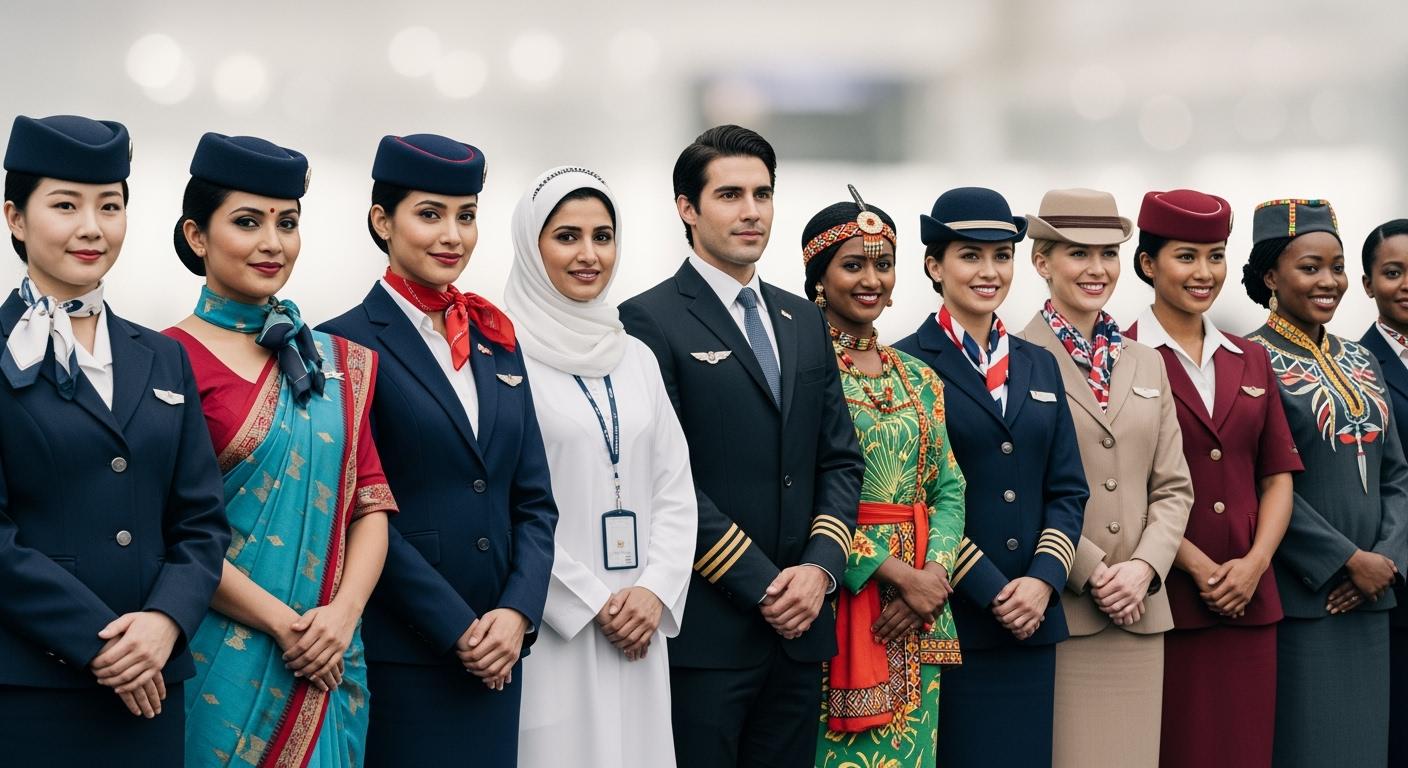
When you look at cabin attendant uniforms around the world, you see a wide range of colors, styles, and designs. Airlines use uniforms to show their brand, celebrate cultural heritage, and follow fashion trends.
Attendants from Air New Zealand wear flamboyant purple and black outfits.
Emirates crew stand out with red hats and cream scarves.
Singapore Airlines features the sarong kebaya, blending tradition and elegance.
Virgin Atlantic offers gender-free scarlet red suits.
Airline | Uniform Design Description |
|---|---|
Singapore Airlines | Sarong Kebaya blends Southeast Asian fashion with elegant tailoring, symbolizing grace and cultural heritage. |
Virgin Atlantic | Red power suit by Vivienne Westwood, combining eco-conscious materials and modern style. |
Emirates | Mixes Middle Eastern aesthetics with modern cuts, including a red hat and veil. |
Flight attendant uniforms have become fashion statements, helping airlines create a strong first impression.
Key Takeaways
Cabin attendant uniforms vary widely in style, color, and cultural influence, showcasing each airline’s unique identity.
Airlines use uniforms to create a strong first impression and enhance brand recognition among passengers.
Comfort and professionalism are key factors in uniform design, allowing attendants to perform their duties effectively.
Many airlines incorporate traditional elements into their uniforms, celebrating cultural heritage and local identity.
Gender-neutral options are becoming more common, reflecting modern values of inclusivity and self-expression.
Sustainability is a growing focus, with airlines using recycled materials and eco-friendly practices in uniform production.
Distinctive features, like Emirates’ red hats or Singapore Airlines’ sarong kebaya, help passengers easily identify crew members.
Uniforms not only serve a functional purpose but also create emotional connections with travelers, enhancing their overall experience.
Global Styles of Cabin Attendant Uniforms
When you travel, you notice that cabin attendant uniforms show a mix of tradition, practicality, and branding. Airlines use these uniforms to create a strong first impression and to help you recognize their brand instantly. You see a wide range of styles, colors, and designs, but some features remain consistent across the globe.
Common Features
Standard Attire
Most airlines choose uniforms that balance comfort and professionalism. You often see attendants wearing tailored suits, dresses, or skirts. These outfits allow crew members to move easily while looking polished. Some airlines, like Singapore Airlines, blend traditional elements with modern tailoring. Others, such as American Airlines, focus on clean lines and lightweight materials for efficiency. You notice that uniforms often include accessories like scarves, hats, or pins, which add a touch of personality and help distinguish different ranks or roles.
Color Schemes
Color plays a major role in how cabin crew uniforms look. Airlines select colors that reflect their brand and national identity. You see navy blue, red, and grey as popular choices because they suggest professionalism and reliability. Some airlines, like SpiceJet, use bold colors such as red and black to show energy and passion. Others, like Air India, use traditional colors and gold accessories to celebrate cultural heritage. The table below highlights some key features from airlines around the world:
Airline | Location | Key Features | What It Represents |
|---|---|---|---|
IndiGo | India | Navy-blue shift dress or pants, ‘Girl Power’ badge, functional design | Celebrates discipline and empowerment, reflecting modern Indian confidence. |
SpiceJet | India | Red and black uniform, sleek cuts, black shirt for male crew | Reflects boldness and energy, with red symbolizing passion. |
Air India | India | Traditional sarees, tricolour pin, gold accessories | Celebrates Indian hospitality and culture, a statement of national pride. |
British Airways | United Kingdom | Navy suits and dresses, structured hats, red-and-blue scarves | Reflects British elegance, discipline, and precision. |
American Airlines | United States | Grey and blue uniforms, lightweight material, clean look | Represents simplicity, efficiency, and professionalism. |
Lufthansa | Germany | Navy-blue attire, yellow scarf, emphasis on fit | Stands for structure, excellence, and pride in service. |
Branding and Identity
Uniforms do more than just dress attendants. You see how airlines use cabin crew uniforms as a branding tool. These uniforms act as a visible symbol of the airline’s identity. They help you recognize the airline quickly, just like the logo or aircraft livery. A well-designed uniform communicates professionalism and reliability. It creates a unified look across all customer touchpoints, making the airline memorable.
Cabin crew uniforms represent the airline’s brand identity.
Uniforms communicate professionalism and consistency to passengers.
A strong uniform design helps you remember the airline and builds brand cohesion.
Airlines use uniforms to create emotional connections with travelers and drive commercial value.
When you look at flight attendant uniforms worldwide, you see how airlines blend tradition, culture, and modern design. Uniforms help airlines stand out and make your travel experience more memorable.
Asian Flight Attendant Uniforms
Japan Airlines
Elegant Simplicity
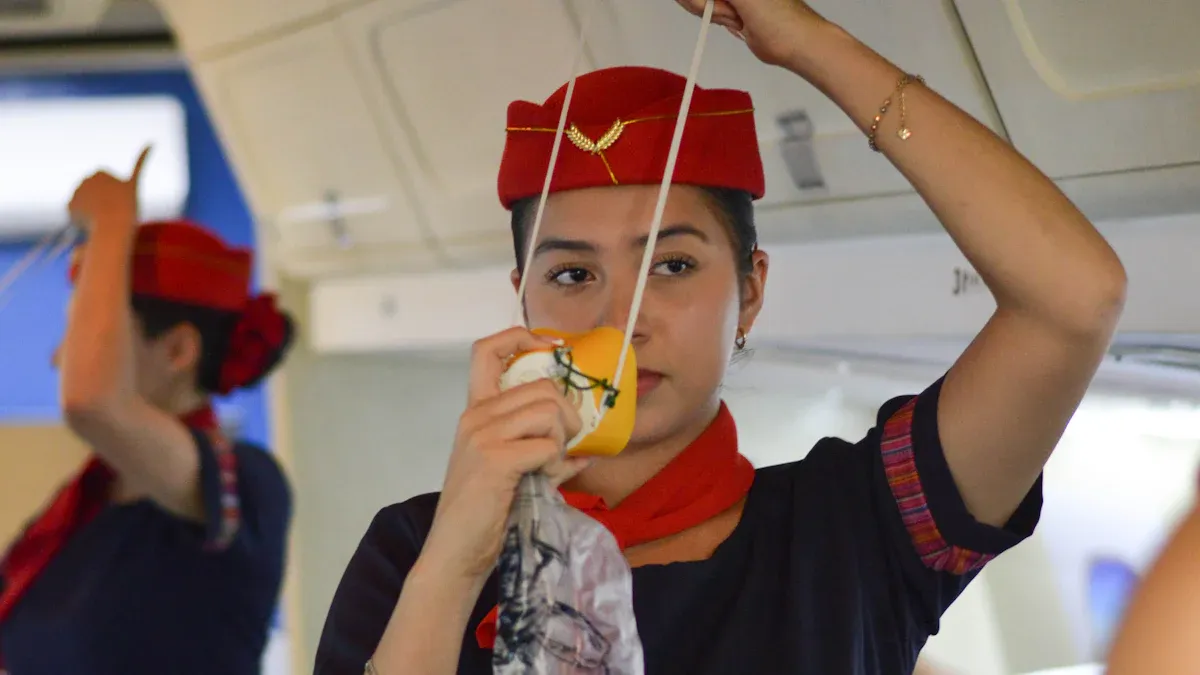
When you see Japan Airlines cabin attendant uniforms, you notice a clean and refined look. The design uses simple lines and soft colors, which create a sense of calm and order. You find that the uniforms avoid flashy details. Instead, they focus on elegance and comfort. Attendants can choose between skirts and pants, which gives them flexibility and helps them feel confident at work. The overall style matches the Japanese value of understated beauty.
Cultural Details
Japan Airlines brings Japanese culture into its uniforms in subtle but meaningful ways. You can see this in the use of traditional knots on the brand’s color belt and in the layering patterns that echo Japanese aesthetics. The airline also uses sustainable, plant-based fabrics, which show a commitment to modern values. The table below highlights how these design elements connect to Japanese culture:
Design Element | Cultural Significance |
|---|---|
Borderless design | Promotes diversity and inclusivity with gender-neutral options. |
Variations in attire | Allows personal expression through different styles (skirts, pants). |
Traditional knots | Represents Japanese culture through the brand’s color belt. |
Layering patterns | Reflects natural overlapping patterns in Japanese aesthetics. |
Sustainable materials | Incorporates plant-derived fabrics, aligning with modern values. |
You see that Japan Airlines uniforms blend tradition with innovation, making attendants stand out while honoring their heritage.
Singapore Airlines
Sarong Kebaya
Singapore Airlines has one of the most recognizable flight attendant uniforms in the world. When you board a flight, you notice the sarong kebaya, a traditional Southeast Asian garment. The uniform features intricate patterns and a figure-hugging fit, which symbolize Asian hospitality and grace. The sarong kebaya has a long history with the airline. The table below shows how the design has changed over time:
Year | Designer | Changes Made |
|---|---|---|
1968 | Original Design | Introduction of the sarong kebaya as the uniform for Singapore Airlines cabin attendants. |
1974 | Pierre Balmain | Updated design with streamlined crew neck, three-quarter sleeves, and a new batik print. |
1900 | Historical Shift | Transition from long, loose kebayas to contoured, fitted styles similar to SIA’s uniform. |
You see how the sarong kebaya connects the airline’s image to tradition and elegance. The uniform’s bright colors and detailed batik prints make Singapore Airlines attendants easy to recognize. This design sets the airline apart from others and shows pride in Asian culture.
Did you know? Many Asian airlines use traditional garments in their cabin attendant uniforms, while airlines from other regions often prefer Western-style suits. For example:
Thai Airways uses Thai silk for boarding and Western suits for in-flight service.
Garuda Indonesia modernizes the kebaya to reflect grace and professionalism.
Vietnam Airlines features the ao dai, a symbol of elegance and modesty.
Korean Air
Silk Tops and Scarves
Korean Air uniforms bring together modern style and Korean heritage. When you look at the cabin crew, you see pale turquoise blazers paired with silk blouses and white silk neck scarves. The use of silk is important. It connects the uniforms to traditional Korean textile craftsmanship. The soft materials and fresh colors give attendants a chic and polished appearance. You notice that the scarves add a touch of sophistication and help the airline stand out. Korean Air shows how you can blend cultural roots with a modern image in cabin attendant uniforms.
Other Asian Airlines
Cathay Pacific
When you see Cathay Pacific cabin attendant uniforms, you notice a modern and youthful style. The airline worked with designer Eddie Lau to create a look that feels fresh and professional. You find that the uniforms have a slimmer cut, which gives attendants a younger appearance. Female uniforms include a shorter jacket with vents and a skirt that falls just above the knee. The standard white blouse now features the company’s signature brush wing pattern in yellow and red. This detail adds a unique touch and connects the uniform to the airline’s brand.
For male attendants, the uniforms include a waistcoat with lapels and slimmer trousers. The design uses fewer pleats, which helps create a sharp and clean silhouette. All ranks now wear yellow as a signature color. This color stands out and helps you recognize Cathay Pacific crew members easily.
Modern, slim-cut design for a youthful look
Signature brush wing pattern on blouses in yellow and red
Yellow as a signature color for all ranks
Waistcoat and slimmer trousers for male attendants
Cathay Pacific shows how airlines can use cabin attendant uniforms to express both tradition and innovation.
China Airlines
China Airlines also brings a unique style to flight attendant uniforms. You see a blend of Eastern and Western influences in their design. The uniforms often use deep purple and magenta shades, which symbolize elegance and dignity. Female attendants wear tailored jackets and skirts, while male crew members wear suits with matching ties. The look feels both classic and modern.
China Airlines pays attention to small details. You might notice floral patterns or subtle embroidery that reflect Taiwanese culture. The uniforms help attendants feel proud of their heritage while looking professional. When you fly with China Airlines, you see how uniforms can connect tradition with a global image.
Airline | Uniform Highlights | Signature Colors | Cultural Elements |
|---|---|---|---|
Cathay Pacific | Slimmer cut, brush wing pattern, yellow accents | Yellow, Red | Modern Asian influence |
China Airlines | Deep purple/magenta, floral details, tailored jackets | Purple, Magenta | Taiwanese motifs, embroidery |
Tip: When you travel with Asian airlines, pay attention to the small details in cabin attendant uniforms. These details often tell a story about the airline’s culture and values.
European Cabin Crew Uniforms
British Airways
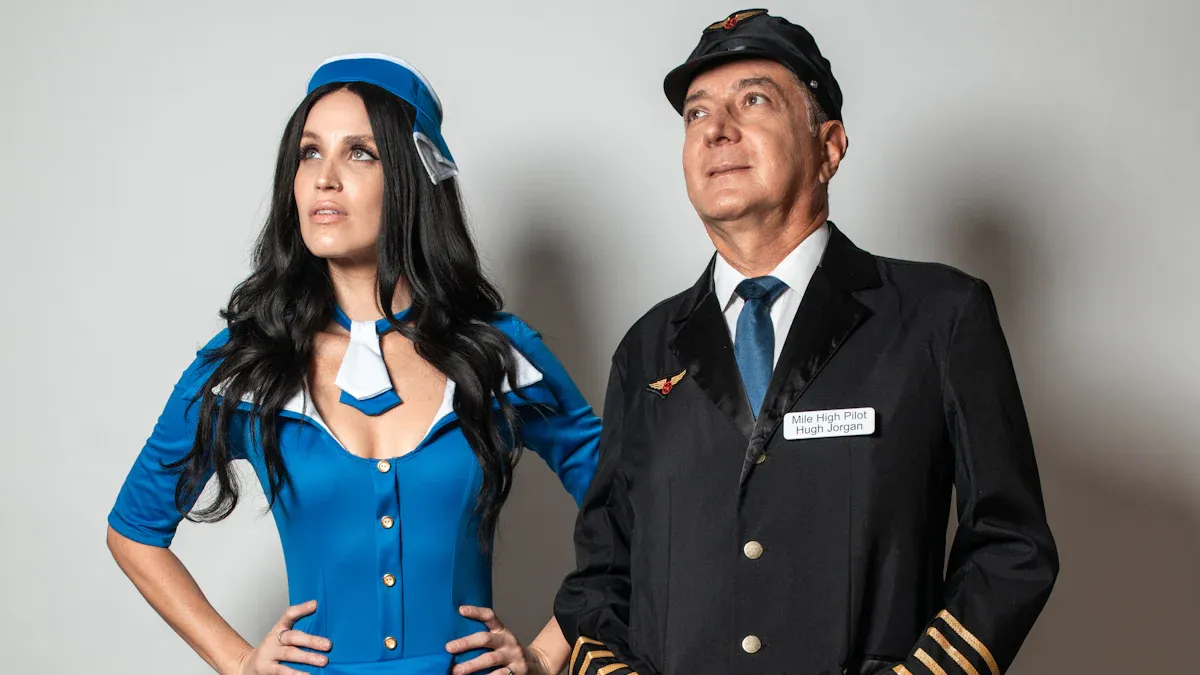
When you board a British Airways flight, you notice the sharp and modern look of their cabin crew uniforms. The airline worked with designer Ozwald Boateng to create a collection that feels both stylish and practical. You see tailored suits for both men and women, and women can also choose a jumpsuit. The uniforms feature a unique airwave pattern, inspired by the movement of air over an aircraft wing. This detail connects the design to the world of aviation.
You might appreciate how British Airways focuses on sustainability. Over 90% of the garments use recycled materials, which shows the airline’s commitment to the environment. The navy blue base color, accented with red, gives the uniforms a professional and recognizable appearance. The combination of modern tailoring and thoughtful details helps British Airways stand out among European airlines.
Designed by Ozwald Boateng for a modern, stylish look
Tailored suits and jumpsuits for flexibility and comfort
Airwave pattern inspired by aircraft wings
Over 90% recycled materials for sustainability
Tip: When you see the navy and red accents, you can instantly recognize British Airways cabin crew uniforms.
Air France
Parisian Style
Air France brings the spirit of Parisian fashion to the skies. You notice that the airline has a long tradition of working with famous French designers. In 1945, the Georgette Renal fashion house created the first wardrobe for Air France attendants. The look changed in 1951, when Georgette de Trèze updated the uniforms to match the style of the 1950s. In 1962, Marc Bohan from Dior designed a couture uniform, bringing haute couture into the world of flight attendant uniforms. This move set a new standard for elegance and refinement.
Over the years, Air France continued to work with top designers like Cristobal Balenciaga, who created a winter suit for female attendants in the late 1960s. Each new design reflected the latest Parisian trends, making sure the uniforms always looked modern and sophisticated. When you see Air France attendants, you notice the clean lines, chic accessories, and subtle details that define Parisian style. The uniforms help the airline project an image of elegance and high fashion.
Note: Air France uses its uniforms to connect the glamour of Paris with the professionalism of air travel.
Lufthansa
Dirndl-Chic
Lufthansa celebrates German culture through its unique approach to cabin attendant uniforms. During Oktoberfest, you see attendants wearing traditional dirndls in the airline’s signature colors of yellow, blue, and white. This special uniform honors German heritage while keeping a modern look. Male attendants wear leather trousers and waistcoats, which add to the festive atmosphere and highlight the airline’s roots.
The rest of the year, Lufthansa’s uniforms focus on structure and professionalism, but the dirndl-chic style during Oktoberfest stands out as a symbol of national pride. You can see how Lufthansa uses its uniforms to blend tradition with a fresh, contemporary design. This approach helps the airline create a memorable experience for passengers and shows respect for German customs.
Feature | Description |
|---|---|
Oktoberfest Uniforms | Dirndls for women, leather trousers for men |
Signature Colors | Yellow, blue, and white |
Cultural Influence | Honors German heritage and traditions |
Modern Touch | Updated cuts and fabrics for comfort and style |
When you fly with Lufthansa during Oktoberfest, you get a glimpse of German culture through the cabin crew uniforms.
KLM
Regal Flair
When you step onto a KLM flight, you notice a sense of regal flair in the uniforms. The airline uses a distinctive shade of cobalt blue that sets its crew apart from others in Europe. You see that this color represents Dutch heritage and the royal family, making every flight feel special. The design combines tradition with modern touches, so you recognize KLM attendants instantly.
You observe that KLM uniforms feature tailored jackets, crisp white shirts, and smart skirts or trousers. The blue hue creates a strong visual identity and helps you associate the airline with reliability and elegance. You might spot subtle orange accents, which pay tribute to the Netherlands’ national color. These details add vibrancy without overwhelming the overall look.
Tip: KLM’s uniforms have evolved over time, but the signature blue remains a constant. This consistency helps you identify the airline anywhere in the world.
KLM works with Dutch designers to keep the uniforms stylish and practical. You see that the materials are lightweight and comfortable, which allows attendants to move easily during service. The airline also considers sustainability, using recycled fabrics in recent updates. This approach shows KLM’s commitment to both fashion and environmental responsibility.
The table below highlights key features of KLM’s cabin crew uniforms:
Feature | Description |
|---|---|
Signature Color | Cobalt blue, symbolizing Dutch royalty |
Orange Accents | Subtle details honoring national pride |
Tailored Fit | Jackets, skirts, and trousers for a polished look |
Designer Influence | Collaboration with Dutch fashion experts |
Sustainable Materials | Use of recycled fabrics in recent designs |
You notice that KLM’s uniforms reflect the airline’s values and national identity. The combination of regal colors, modern tailoring, and sustainable choices creates a memorable impression. When you fly with KLM, you experience Dutch elegance and innovation through every detail of the cabin crew’s appearance.
North American Flight Attendant Uniforms
Delta Air Lines
Modern Options
When you board a Delta Air Lines flight, you notice how the flight attendant style blends modern fashion with practical features. Designers like Zac Posen have shaped the look of Delta’s uniforms, focusing on both aesthetics and function. You see that each piece supports attendants as they move through the cabin, whether they greet passengers or assist during service. The Distinctly Delta collection uses advanced materials, making the uniforms machine washable and resistant to stains. You find that these garments fit a wide range of body types, which helps every crew member feel comfortable and confident.
Delta’s uniforms use wearable technology and innovative fabrics.
The design supports comfort, durability, and safety for attendants.
Uniforms reflect a balance between tradition and a forward-thinking approach.
You recognize that Delta’s uniforms symbolize a new era for the airline. The look respects the past but also embraces the future, showing how airlines can evolve with changing trends.
American Airlines
Subtle Branding
American Airlines takes a more understated approach to flight attendant uniforms. You notice that the colors and fabrics create a professional and recognizable image. The airline uses color psychology to evoke feelings of trust and calm among passengers. You see that the design harmonizes with the airline’s brand, leaving a lasting impression.
Branding Element | Description |
|---|---|
Appearance Guidelines | Uniforms project professionalism and help passengers identify crew members. |
Color Psychology | Colors align with the brand and influence passenger emotions. |
Fabric Selection | Durable, comfortable fabrics maintain a neat look throughout the journey. |
Selecting the right fabric is important for American Airlines. You observe that the uniforms stay neat and wrinkle-free, even during long flights. This attention to detail reflects the airline’s commitment to professionalism. The overall design creates a sense of class and modernity, enhancing brand familiarity for travelers.
Colors, fabrics, and patterns match the airline’s image.
Uniforms symbolize modernity and reliability.
The design evokes positive feelings and strengthens brand recognition.
Air Canada
Maple Leaf Motifs
Air Canada’s flight attendant uniforms stand out with their strong national identity. You see the maple leaf motif featured prominently, which connects the airline to Canadian heritage. The new livery design reasserts Air Canada as the country’s flag carrier, making the maple leaf a symbol recognized worldwide.
“This is about more than just a new coat of paint. This is about the evolution of Air Canada and a new era in aviation. We’re taking the very best of Canada to the world. And nothing says that louder than the maple leaf.”
You notice that the Air Canada Rondelle appears on uniforms and accessories, reinforcing the airline’s representation of Canada. The design uses deep red and black tones, which create a sophisticated and memorable look. Attendants wear tailored jackets and scarves, often featuring subtle maple leaf patterns. These details help you associate Air Canada with national pride and quality service.
Trends in North American Uniforms
You see several trends shaping flight attendant uniforms in North America:
Alaska Airlines introduced gender-neutral uniform pieces, allowing attendants to choose styles that fit their identity.
Crew members can display preferred pronouns with decorative buttons.
Airlines collaborate with designers to create uniforms that reflect brand identity and functionality.
Updated grooming guidelines permit more freedom in nail polish, makeup, piercings, hairstyles, and tattoos.
You observe that airlines now prioritize inclusivity, comfort, and self-expression. These changes make the uniforms more adaptable and welcoming for all attendants.
Jet2
Practical Style
When you fly with Jet2, you notice that the airline values practicality and comfort in its cabin crew uniforms. The design process for these uniforms took 18 months and included feedback from many attendants. This approach ensures that the uniforms meet the real needs of the people who wear them every day.
You see that Jet2 focuses on flexibility and choice. Crew members can select from a dress, skirt, or trousers. This variety allows attendants to pick what fits best and feels most comfortable during long flights. The airline also introduced waistcoats and cardigans. These pieces add both style and warmth, making it easier for staff to adjust to different temperatures on board and at destinations.
Jet2 pays close attention to the materials used in their uniforms. You find that the fabrics are lightweight and breathable. This feature helps keep staff cool when they travel to hot places. For colder routes, Jet2 uses warmer, weather-resistant fabrics. This smart design means that attendants stay comfortable and ready to work, no matter the climate.
You might appreciate Jet2’s commitment to sustainability. The airline uses fibers made from recycled materials in the new uniforms. Old uniforms do not go to waste. Jet2 recycles up to 80,000 garments into new materials. Items that cannot be recycled, more than 3,000 pieces, are donated to charity. This effort reduces waste and supports communities.
Here are some key features you will notice in Jet2’s practical uniform design:
Crew can choose between a dress, skirt, or trousers for a better fit.
Waistcoats and cardigans offer extra style and comfort.
Lightweight, breathable fabrics keep staff cool in warm destinations.
Warmer, weather-resistant materials protect against cold weather.
Uniforms use recycled fibers to support sustainability.
Old uniforms are recycled or donated to charity.
Tip: When you travel with Jet2, pay attention to how the crew’s uniforms adapt to different environments. This focus on comfort and practicality helps attendants deliver excellent service on every flight.
Jet2 shows that you do not have to sacrifice style for function. The airline’s approach proves that thoughtful design can make a big difference in how attendants feel and perform at work.
Middle Eastern Cabin Attendant Uniforms
When you travel with Middle Eastern airlines, you notice that cabin attendant uniforms stand out for their elegance and cultural symbolism. These uniforms often reflect luxury, national pride, and a blend of tradition with modern style. Many airlines in this region use fashion to create a memorable experience for passengers and to showcase their unique identity.
Emirates
Red Hats and Scarves
You can easily recognize Emirates attendants by their iconic uniforms. The warm sandy-beige jackets feature red piping, which adds a touch of sophistication. The most striking element is the red hat, decorated with the Emirates Arabic logo. A white scarf drapes from the hat, and if you look closely, you see seven pleats in the fabric. These pleats represent the seven Emirates of the UAE, making the design meaningful and culturally significant. The overall look combines luxury with a sense of national pride. When you board an Emirates flight, you immediately feel the airline’s commitment to high standards and hospitality.
Qatar Airways
Elegant Suits
Qatar Airways presents a different approach to cabin crew style. You see attendants dressed in tailored maroon suits, which symbolize elegance and luxury. The uniforms use high-quality fabrics and precise cuts, giving the crew a polished and professional appearance. Both male and female attendants wear designs that balance tradition with modern fashion. The maroon color connects the airline to Qatari heritage and helps you identify the crew instantly. Accessories like hats and scarves add to the refined look. Qatar Airways uses these details to create a sense of exclusivity and comfort for every passenger.
Etihad Airways
Fashion-Forward Design
Etihad Airways takes inspiration from retro glamour and contemporary trends. You notice that the uniforms feature a blend of 1950s chic and modern style. The color palette includes deep purples and rich browns, which set the airline apart from others in the region. Designers have added unique touches, such as patterned scarves and tailored jackets, to give the uniforms a high-fashion feel. Etihad’s approach highlights both cultural influence and a forward-thinking attitude. When you see the attendants, you sense a connection to Abu Dhabi’s heritage and a commitment to innovation in the airline industry.
Middle Eastern airlines use uniforms to reflect luxury, regional culture, and national identity. You can see this in the designs of Emirates, Qatar Airways, Etihad Airways, and other carriers like Saudia, Oman Air, and Royal Jordanian. Each airline creates a look that blends tradition with modern fashion, making every journey feel special.
Airline | Uniform Highlights | Cultural Connection |
|---|---|---|
Emirates | Beige jackets, red hats, white scarves with pleats | Seven Emirates symbolism |
Qatar Airways | Maroon suits, tailored fit, elegant accessories | Qatari heritage |
Etihad Airways | Retro chic, deep colors, patterned scarves | Abu Dhabi inspiration |
Trends and Evolution of Cabin Crew Uniforms
Fashion and Cultural Influences
You can trace the story of flight attendant uniforms through decades of changing styles and social movements. In the early days, airlines dressed attendants in military-inspired outfits to project authority and professionalism. The 1950s introduced fitted blazers and knee-length skirts, reflecting the elegance of the era. By the late 1960s, you saw mod designs, with sheath minidresses and go-go boots making a bold statement. The ‘Golden Age of Travel’ brought luxury and high fashion, with designers like Christian Dior and Emilio Pucci shaping the look for air france and other carriers.
The 1970s marked a turning point. The women’s liberation movement influenced airlines to offer pants for female attendants, promoting comfort and equality. The 1980s shifted back to practical styles, focusing on professionalism. Today, you notice business-casual designs in classic colors, with jumpsuits and hijabs adding versatility. Flight attendant fashion now reflects contemporary values, blending comfort, style, and cultural identity.
Note: Uniforms often mirror the spirit of their time, from glamorous pillbox hats in the 1960s to the sleek, functional attire you see today.
Gender-Neutral and Inclusive Designs
Modern airlines recognize the importance of inclusivity. You see more carriers adopting gender-neutral uniforms and flexible grooming standards. Virgin Atlantic lets attendants choose uniforms that match their gender identity, and offers optional pronoun badges. United and Alaska Airlines allow visible tattoos and natural makeup, supporting self-expression. WestJet and PLAY have launched gender-neutral uniforms, while SkyUp no longer requires high heels, giving female crew the choice of sneakers and pants. JetBlue and Aero K also provide genderless options, making every attendant feel comfortable and respected.
United: Pronoun name tags, updated grooming standards
Virgin Atlantic: Uniform choice by gender identity, pronoun badges
WestJet: Gender-neutral uniforms, pronoun name tags
Alaska Airlines: Freedom in gender expression, pronoun tags
SkyUp: Sneakers and pants for female crew
PLAY: Gender-neutral uniforms, relaxed grooming
Aero K: Genderless uniforms
JetBlue: Attire choice for all attendants
You see that airlines now prioritize diversity and personal comfort, making the workplace more welcoming for everyone.
Sustainability and Materials
You notice a growing focus on sustainability in flight attendant uniforms. Airlines use recycled plastic bottles to create durable fabrics. Scandinavian Airlines leads with eco-friendly production methods, while Brussels Airlines uses animal-friendly wool, BCI-certified cotton, recycled polyester, and vegan leather shoes. These choices help reduce environmental impact and support ethical practices.
Recycled plastic bottles for fabric
Durable materials for longer wear
Eco-friendly dyeing processes
Animal-friendly wool (mulesing-free)
BCI-certified cotton
Recycled polyester (at least 50% recycled)
Vegan leather shoes (biobased alternatives)
Qatar Airways and other carriers now consider both style and sustainability in their design choices. You see uniforms that look professional, feel comfortable, and help protect the planet. Flight attendant uniforms continue to evolve, reflecting fashion, culture, inclusivity, and environmental responsibility.
Unique Uniforms in Other Regions
Hawaiian Airlines
Bold Capes
When you travel with Hawaiian Airlines, you see cabin attendants wearing uniforms that celebrate the spirit of the islands. The most striking feature is the bold cape, which adds a dramatic flair to the overall look. You notice that the cape uses vibrant colors and floral patterns inspired by native Hawaiian plants. This design helps attendants stand out and creates a welcoming atmosphere for passengers. The cape is not just for style; it also honors Hawaiian traditions and the airline’s commitment to local culture.
You observe that the rest of the uniform includes tailored shirts and skirts or pants in deep ocean blue or lush green. These colors reflect the natural beauty of Hawaii. Attendants often wear leis or flower pins, which add a personal touch and reinforce the airline’s connection to the islands. The combination of capes, colors, and accessories makes Hawaiian Airlines uniforms unique in the aviation world.
Tip: When you fly with Hawaiian Airlines, pay attention to the details in the uniforms. Each element tells a story about the islands and the people who live there.
Latin American Airlines
Vibrant Patterns
Latin American airlines use uniforms that burst with color and energy. You see attendants wearing outfits that feature bold prints, geometric shapes, and lively hues. These patterns often draw inspiration from local art, textiles, and landscapes. For example, Avianca’s uniforms include red jackets and scarves with gold accents, reflecting the warmth and vibrancy of Colombia. LATAM Airlines uses deep blue and magenta, which represent the diversity of South America.
You notice that many Latin American airlines encourage attendants to wear accessories that highlight their heritage. You might see embroidered details, woven belts, or jewelry made by local artisans. These touches help create a strong sense of identity and pride. The uniforms not only look beautiful but also make passengers feel welcome and connected to the region.
Airline | Uniform Feature | Cultural Inspiration |
|---|---|---|
Avianca | Red jackets, gold scarves | Colombian warmth |
LATAM Airlines | Blue and magenta palette | South American diversity |
Aeromexico | Embroidered details | Mexican artistry |
Note: Latin American airlines use uniforms to celebrate local culture and make every flight a colorful experience.
African Airlines
Cultural Motifs
African airlines design uniforms that showcase the continent’s rich heritage. You see attendants wearing garments with bold prints, intricate embroidery, and vibrant colors. Ethiopian Airlines uses traditional patterns and gold accents to honor Ethiopian history. Kenya Airways features uniforms with Maasai-inspired beadwork and earth tones, connecting the airline to local tribes.
You observe that many African airlines choose fabrics and designs that reflect their country’s identity. Attendants might wear headwraps, sashes, or jewelry that symbolize unity and pride. These cultural motifs help passengers feel a sense of belonging and respect for African traditions. The uniforms create a memorable impression and highlight the diversity of the continent.
When you travel with African airlines, you experience a celebration of culture through every detail in the uniforms. The designs help attendants share their stories and welcome you to their homeland.
Oceania Airlines
Relaxed Styles
You notice a distinct approach to cabin crew fashion when you travel with airlines from Oceania. Airlines in Australia, New Zealand, and the Pacific Islands often choose relaxed styles that reflect the region’s laid-back culture and natural beauty. You see that comfort and practicality guide many design choices, but you also find vibrant colors and patterns that celebrate local heritage.
Qantas, Australia’s flagship carrier, offers uniforms that blend tradition with modern comfort. You see crew members wearing tailored blazers and dresses in deep red and navy blue. The design includes subtle touches, such as scarf prints inspired by Aboriginal art. These details connect the airline to Australia’s history and landscape. You notice that Qantas allows attendants to choose between skirts, pants, or dresses, which gives them flexibility and confidence during long flights.
Virgin Australia takes a contemporary approach. You spot attendants in sleek, purple dresses or suits with silver accents. The uniforms use lightweight fabrics that help crew members stay cool in warm climates. You see that the airline encourages individuality by letting attendants select accessories, such as scarves or pins, that match their personality. Virgin Australia’s style feels fresh and energetic, which matches the brand’s youthful image.
Air New Zealand stands out with bold patterns and colors. You see uniforms in shades of black and purple, often featuring koru motifs. The koru, a spiral shape from the native fern, symbolizes new life and growth. You notice that the airline uses local designers to create uniforms that celebrate New Zealand’s culture. Crew members wear tailored jackets, dresses, or trousers, and some uniforms include Māori-inspired prints. These elements make Air New Zealand’s style unique and memorable.
Pacific Island airlines, such as Fiji Airways and Air Tahiti Nui, bring island spirit to the skies. You see attendants wearing uniforms with tropical prints, bright blues, and greens. The designs often feature flowers, waves, or traditional patterns. You notice that these uniforms help create a welcoming atmosphere and make passengers feel at home. Attendants sometimes wear flower pins or leis, which add a personal touch and reinforce the connection to island culture.
You can compare the relaxed styles of Oceania airlines in the table below:
Airline | Signature Style | Cultural Element | Color Palette |
|---|---|---|---|
Qantas | Tailored blazers/dresses | Aboriginal art scarves | Deep red, navy |
Virgin Australia | Sleek dresses/suits | Personalized accessories | Purple, silver |
Air New Zealand | Bold patterns/jackets | Koru, Māori prints | Black, purple |
Fiji Airways | Tropical prints | Flower pins, leis | Blue, green |
Tip: When you fly with Oceania airlines, pay attention to how uniforms reflect the region’s relaxed attitude and rich cultural heritage. You see that comfort, flexibility, and local pride shape every design choice.
You experience a sense of ease and warmth when you interact with attendants from Oceania airlines. The relaxed styles help crew members deliver friendly service and create a welcoming environment for travelers.
You see cabin attendant uniforms vary in style, color, and cultural influence, yet share a focus on professionalism and brand identity. Attendants from Emirates impress with red hats and cream scarves, while Air New Zealand’s flamboyant look creates lasting memories. Uniforms help you recognize airlines and feel welcomed. You notice gender-neutral options reflect modern values.
Emirates uniforms create a cohesive brand image.
Air New Zealand uniforms enhance the passenger experience.
You appreciate the creativity and diversity that uniforms bring to air travel.
FAQ
What do cabin attendant uniforms usually include?
You see cabin attendant uniforms often include a jacket, blouse or shirt, skirt or trousers, and accessories like scarves or hats. Airlines select these items for comfort, safety, and brand recognition.
Why do airlines use specific colors for uniforms?
You notice airlines choose colors that match their brand identity. Colors help you recognize the airline quickly and create a professional image. Some airlines use national colors to show pride.
Can flight attendants choose their uniform style?
You find some airlines allow attendants to select between skirts, pants, or dresses. Modern airlines offer gender-neutral options, giving you more freedom to choose what fits best.
How do uniforms reflect local culture?
You see uniforms often feature traditional patterns, fabrics, or accessories. Airlines use these details to celebrate local heritage and make you feel connected to the region.
Are flight attendant uniforms comfortable?
You experience comfort as a top priority in uniform design. Airlines use lightweight, breathable fabrics and flexible cuts. Uniforms help you move easily and stay comfortable during long flights.
Do airlines update their uniforms often?
You notice airlines update uniforms every few years to follow fashion trends, improve comfort, or support sustainability. Updates help you see the airline’s commitment to innovation.