

The best dressed crews in the sky: 10 iconic uniforms
Table of Contents
Display
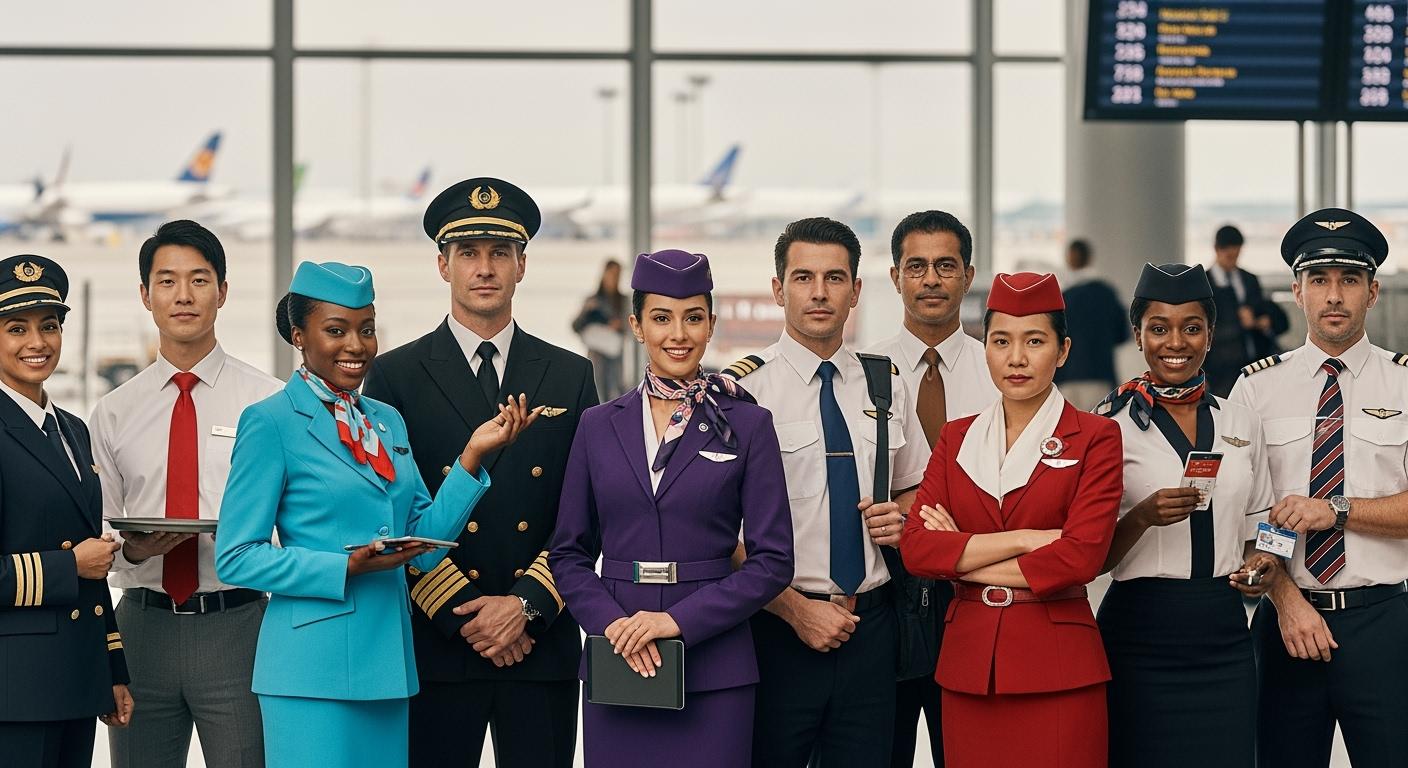
You may have noticed how flight attendant uniforms turn a simple journey into a memorable experience. These uniforms do more than set a stylish tone—they act as symbols of professionalism, safety, and national pride. When you see a crew dressed in their signature look, you witness a visual story of cultural values and heritage. Airlines often use design to reflect ideals and traditions, making their crews the best dressed in the sky. Take a moment to think about which uniforms have left a lasting impression on you.
Key Takeaways
Airline uniforms serve as powerful branding tools, helping passengers recognize airlines instantly.
Cultural elements in uniforms reflect national pride and heritage, enhancing the travel experience.
Fashion designers play a crucial role in creating iconic uniforms, blending style with functionality.
Uniforms foster a sense of unity among crew members, projecting professionalism and reliability.
Airlines adapt their uniforms to reflect changing trends, focusing on comfort and modern aesthetics.
Sustainable materials are becoming essential in uniform design, showcasing environmental responsibility.
Unique designs, like Air India’s saree, celebrate cultural traditions and create memorable identities.
The evolution of airline uniforms mirrors broader fashion trends, emphasizing inclusivity and comfort.
Why Airline Uniforms Matter
Branding and Identity
When you step onto a plane, the first thing you notice is often the flight attendant uniforms. These outfits do more than look good—they help you recognize the airline instantly. Cabin crew uniforms project professionalism and reliability, making you feel safe and welcome. Airlines use uniforms as a powerful branding tool, shaping their image in the minds of travelers. You see a recognisable style that sets one airline apart from another.
Airline uniforms create strong branding and employee recognition.
Uniforms act as symbols of national representation, reflecting the culture of the airline’s home country.
A well-groomed crew reassures you about the airline’s commitment to safety.
Uniforms foster unity among crew members, presenting a cohesive team.
The cabin crew, dressed in their uniforms, serve as ambassadors, influencing the airline’s reputation through every interaction.
Cultural Influence
You can learn a lot about a country by looking at its airline uniforms. Airlines often weave cultural elements into their designs, celebrating heritage and tradition. For example, Singapore Airlines features the sarong kebaya, a nod to multicultural roots. Thai Airways blends traditional Thai silk with modern tailoring, showing off the country’s rich hospitality. Air New Zealand uses patterns that honor indigenous Māori culture.
Airline | Uniform Description | Cultural Significance |
|---|---|---|
Air New Zealand | Deep purple dress with kōwhai print and purapura whetū patterns. | Celebrates Indigenous heritage and reflects Aotearoa’s culture and values. |
Taj Group of Hotels | Traditional Indian textiles and embroidery. | Showcases the diverse regional cultures of India. |
Singapore Airlines | “Sarong Kebaya” with vibrant batik prints. | Symbolizes Singapore’s multicultural heritage. |
Thai Airways | Traditional Thai elements with modern design, using Thai silk. | Reflects Thailand’s cultural richness and hospitality. |
You see how stylish airline uniforms can become a canvas for national pride and cultural storytelling.
Fashion and Innovation
Airline uniforms have always pushed the boundaries of sky-high fashion. Designers bring creativity and innovation to the industry, making each uniform unique. You notice how airlines collaborate with top fashion designers to create memorable looks. Emilio Pucci’s bold colors for Braniff International and Vivienne Westwood’s sustainable tailoring for Virgin Atlantic are just a few examples. Airlines update their uniforms to reflect changing trends, moving from traditional suits to modern, comfortable styles.
Year | Airline | Designer | |
|---|---|---|---|
1965 | Braniff International Airways | Emilio Pucci | Gemini IV Collection, reversible fabrics, Air Strip wardrobe concept |
1969 | Air France | Cristóbal Balenciaga | Tailored wool and terylene, crossover jacket, seasonal versions |
1986 | Qantas | Yves Saint Laurent | Cropped tuxedo-style jacket, introduction of trousers for female crew |
2005 | Korean Air | Gianfranco Ferré | Soft beige jacket, celadon green blouse, high-tech fabrics |
2014 | Virgin Atlantic | Vivienne Westwood | Sustainable tailoring, modern glamour |
You witness the evolution from classic looks to innovative designs, with each airline striving for a balance between comfort, style, and cultural relevance. Fashion designers like Christian Dior, Emilio Pucci, and Vivienne Westwood have left a lasting mark on the world of airline uniforms, making them icons of sky-high fashion.
Iconic Flight Attendant Uniforms
Pan Am Uniforms
Don Loper, 1960s
You step into the Jet Age when you see Pan Am’s flight attendant uniforms from the 1960s. Don Loper and Frank Smith shaped these uniforms to match the excitement of the Boeing 747 launch. The airline chose vibrant colors like Superjet Blue and Galaxy Gold, which made the crew stand out in every terminal. You notice the A-line jumper dress, Chesterfield jacket, and bowler hat. These pieces set new standards in airline fashion and made Pan Am an icon of the skies.
Classic Blue Suits and Pillbox Hats
You recognize Pan Am’s classic blue suits and pillbox hats as symbols of professionalism and style. The airline wanted you to feel safe and cared for, so the uniforms projected reliability. The clean lines and tailored fit gave the crew a polished look. You see how the design balanced tradition with modern trends, making Pan Am’s uniforms a benchmark for stylish airline uniforms.
Pop Culture Legacy
You find Pan Am uniforms in movies, TV shows, and advertisements. The airline’s look became a pop culture icon, representing the glamour of air travel. You remember scenes from “Catch Me If You Can” or the TV series “Pan Am,” where the uniforms evoke nostalgia and elegance. The airline uniforms from Pan Am still inspire designers and brands today.
Singapore Airlines Kebaya
Pierre Balmain, 1968
You experience timeless elegance when you see Singapore Airlines’ kebaya uniform. Pierre Balmain designed this look in 1968, and the airline has kept it almost unchanged. The sarong kebaya blends tradition, practicality, and style, making it one of the most recognizable flight attendant uniforms in the world.
Traditional Kebaya Design
You notice the Asian batik print, which reflects the airline’s identity and hospitality. The design uses vibrant colors and intricate patterns, celebrating Southeast Asian heritage. The uniform’s silhouette remains classic, showing how the airline values tradition and consistency.
Timeless Elegance
You see why the Singapore Airlines kebaya stands out:
The sarong kebaya has kept its original shape since 1968, proving its timeless appeal.
The design merges tradition, practicality, and elegance, which makes it last through decades.
The Asian batik print highlights the airline’s cultural roots and commitment to hospitality.
You understand that this uniform is more than clothing—it is a symbol of the airline’s dedication to service and cultural pride.
Emirates Signature Look
Simon Jersey, 1997
You recognize Emirates’ signature look as a blend of luxury and modern style. In 1997, the airline worked with Paco Rabanne to update its uniforms. The airline kept the classic red and beige color scheme but introduced sharper cuts and fits. Female crew members wear a shapely skirt and blouse under a slimline jacket with a mandarin collar. Male crew members wear navy blue jackets with beige trousers. Brown accessories add a contemporary twist.
Red Hat, Draping Scarf, Tan Suit
You spot the iconic red hat and draping scarf as soon as you board an Emirates flight. The tan suit, paired with clean lines and tailored pieces, gives the crew a polished and professional look. The airline’s design choices reflect 1990s fashion trends, making the uniforms both stylish and practical.
Luxurious Details
You appreciate the luxurious details in Emirates’ uniforms. The airline uses high-quality fabrics and sharp tailoring to create a sophisticated image. The addition of brown accessories and sleek silhouettes shows how the airline values both tradition and innovation. You see how Emirates’ flight attendant uniforms help the airline project a global, upscale brand.
Air France Couture
Christian Dior, Christian Lacroix
You see Air France set the standard for elegance in flight attendant uniforms. The airline has a rich history of collaborating with haute couture designers. Christian Dior, Cristóbal Balenciaga, and Christian Lacroix have all contributed to the airline’s iconic look. You notice how these partnerships elevate the uniforms to the level of high fashion. The airline’s commitment to style goes beyond the runway. You find exhibitions and fashion shows that celebrate the heritage of Air France uniforms. The collaboration with Xavier Ronze, head of costume design at the Paris Opera Ballet, brought new inspiration from historical artifacts. You witness how Air France uses designer expertise to create uniforms that blend tradition and innovation.
Air France uniforms show you the power of French chic. You see tailored jackets, elegant scarves, and refined silhouettes. The airline’s uniforms reflect the sophistication of Parisian style. You recognize the influence of haute couture in every detail, from fabric choice to color palette.
French Chic and Haute Couture
You experience French chic every time you board an Air France flight. The airline’s uniforms combine classic tailoring with modern touches. You see how the design uses subtle colors and luxurious materials. The airline wants you to feel the spirit of Paris in the sky. You notice how the uniforms project confidence and grace. The airline’s focus on haute couture makes its crew stand out as fashion ambassadors.
Air France works with top designers to create uniforms that represent French style.
The airline celebrates its uniform heritage through exhibitions and fashion events.
You see the influence of Parisian fashion in every aspect of the design.
Style Evolution
You watch Air France uniforms evolve over the decades. The airline adapts to changing trends while keeping its signature elegance. You see the transition from classic suits to more contemporary styles. The airline’s uniforms remain an icon of aviation fashion. You notice how each new design pays tribute to the past while embracing the future.
Qantas Modern Style
Martin Grant, 2013
You discover a bold new look when you see Qantas flight attendant uniforms designed by Martin Grant in 2013. The airline wanted to refresh its image with a modern approach. You notice the use of color blocking, a trend in contemporary fashion. The uniforms feature vibrant red and fuchsia set against a navy blue background. You sense a nod to retro glamour, reminding you of the golden age of flight.
The uniforms reflect current fashion trends, especially color blocking.
You see vibrant colors that evoke old-world glamour and confidence.
The airline uses design to connect with both tradition and innovation.
Bold Colors and Australian Flair
You recognize Qantas uniforms as a celebration of Australian identity. The airline’s design choices highlight national pride. You see bold colors that stand out in any airport. The uniforms project energy and optimism. The airline wants you to feel the warmth and friendliness of Australia from the moment you board.
Qantas uniforms show you how fashion and culture work together. You see a blend of modern style and classic influences. The airline’s crew becomes a symbol of Australian hospitality.
Virgin Atlantic Red
Vivienne Westwood, 2014
You encounter a striking vision in the sky when you see Virgin Atlantic’s flight attendant uniforms. Vivienne Westwood redesigned the uniforms in 2014, bringing British fashion and sustainability to the forefront. The airline chose recycled materials, including polyester yarn from used plastic bottles. You notice tailored silhouettes inspired by classic couture. The airline’s uniforms reflect both elegance and environmental responsibility.
Evidence Type | Description |
|---|---|
Sustainability | The uniforms use recycled materials, including polyester yarn from plastic bottles. |
British Fashion | The design features tailored cuts and classic couture, inspired by British style. |
Sustainability | The airline uses Closed Loop Recycling, turning worn polyester into new fabrics. |
British Fashion | Feminine silhouettes echo 1940s French fashion, adding elegance to the uniforms. |
Sustainable British Edge
You see Virgin Atlantic set itself apart with a bold red palette and sharp tailoring. The airline’s uniforms project confidence and individuality. You notice how the design merges British fashion heritage with modern sustainability. The airline’s commitment to eco-friendly materials makes its uniforms a model for the future. You recognize Virgin Atlantic as an icon of innovation and style in the airline industry.
Japan Airlines Tradition
Hanae Mori, 1967
You see Japan Airlines as a leader in blending tradition with modern style. In 1967, the airline partnered with Hanae Mori, a celebrated Japanese designer, to create uniforms that honor both heritage and innovation. The airline wanted you to feel the grace and dignity of Japanese culture as soon as you boarded. Hanae Mori introduced elegant lines and soft fabrics, making the uniforms comfortable for long flights while keeping a refined appearance. The airline’s approach to fashion set a new standard in Asia and inspired other carriers to rethink their own designs.
Blending Modern and Classic
You notice how Japan Airlines uniforms combine classic Japanese motifs with modern tailoring. The airline uses symbols that carry deep meaning in Japanese culture. For example:
The uniforms feature stylized crane motifs, which are significant in Japanese culture, symbolizing grace and longevity.
Crane-embellished hats and scarves are included, adding a distinctive national flair to the professional attire.
You see how these details make the uniforms stand out. The airline’s design choices help you connect with Japanese tradition while enjoying the comfort and practicality of modern fashion. Japan Airlines has become an icon in the world of flight attendant uniforms by honoring its roots and embracing change.
Thai Airways Royal Touch
Prapakas Angsusingh, 2000s
You experience a sense of elegance and hospitality when you fly with Thai Airways. The airline’s uniforms, designed by Prapakas Angsusingh in the 2000s, celebrate Thailand’s rich cultural heritage. The airline uses traditional Thai silk and selects colors like royal purple and gold to reflect the country’s royal history. Female flight attendants wear a two-part uniform. For boarding, you see them in a traditional outfit that highlights Thai craftsmanship. During the flight, they change into a practical Western-style suit for service. This thoughtful design honors tradition while meeting the needs of modern air travel.
Traditional Thai Elements
Thai Airways’ uniforms showcase the beauty of Thai culture. The airline’s use of luxurious materials and vibrant colors brings royal symbolism to life. You notice how the uniforms highlight elegance and respect for tradition. The airline’s approach to fashion creates a memorable experience for passengers and sets Thai Airways apart from other carriers. You feel the warmth and pride of Thailand in every detail of the design.
Lufthansa Dirndl-Chic
Dirndl-Inspired Uniforms
You witness a unique blend of tradition and celebration when you see Lufthansa’s dirndl-inspired uniforms. The airline introduces these special uniforms during Oktoberfest, connecting passengers to Bavarian culture. The dirndl, a traditional dress from southern Germany, becomes a symbol of regional pride. Lufthansa’s design team creates these uniforms with sustainability in mind, using materials produced in Europe. You see how the airline uses fashion to celebrate heritage and enhance the passenger experience.
Modern Meets Tradition
You can explore the significance of Lufthansa’s dirndl uniforms in the table below:
Aspect | Details |
|---|---|
Cultural Connection | The dirndl symbolizes a connection to Bavarian customs and heritage. |
Tradition | Lufthansa celebrates Bavarian culture during Oktoberfest, showcasing regional identity. |
Passenger Reception | The dirndl uniforms are well received by passengers, enhancing the travel experience. |
Sustainability | The dirndls are designed sustainably with materials produced in Europe. |
Annual Event | This marks the seventeenth year of Lufthansa’s dirndl uniforms during Oktoberfest season. |
You see how Lufthansa combines modern sustainability with traditional fashion. The airline’s approach makes each Oktoberfest flight special and memorable. Lufthansa’s dirndl uniforms have become a seasonal icon, showing how flight attendant uniforms can celebrate both culture and innovation.
Hawaiian Airlines Capes
Bold Capes and Island Motifs
You notice Hawaiian Airlines uniforms as soon as you step onto the plane. The airline uses bold capes and vibrant island motifs to create a memorable first impression. You see flight attendant uniforms that feature lively floral patterns, which instantly remind you of Hawaii’s natural beauty. The airline chooses colors that reflect the ocean, sand, and tropical flowers. You recognize the ‘Aloha’ spirit in every detail.
The airline uses capes with large, colorful prints that stand out in any airport.
You see floral designs that celebrate Hawaiian identity and tradition.
The motifs highlight the connection between the airline and the islands.
You understand that these design choices do more than look good. They help you feel welcome and relaxed. The airline wants you to experience the warmth and hospitality of Hawaii from the moment you board.
Distinctive Island Style
You find that Hawaiian Airlines sets itself apart with its unique approach to flight attendant uniforms. The airline does not follow the usual trends seen in other carriers. Instead, you see a style that honors local culture and history. The uniforms use lightweight fabrics, which keep the crew comfortable in tropical climates. You notice how the design blends practicality with tradition.
Feature | Description |
|---|---|
Cape | Bold, flowing, and decorated with island motifs |
Floral Patterns | Inspired by native Hawaiian flowers |
Colors | Ocean blue, sunset orange, and lush green |
Fabrics | Lightweight and breathable for tropical comfort |
You realize that the airline’s uniforms do more than serve a purpose. They tell a story about Hawaii and its people. The design celebrates the islands and makes every flight feel special. You see how Hawaiian Airlines uses fashion to share its culture with travelers from around the world.
More Stylish Airline Uniforms
National Airlines Vibrant Colors
You see National Airlines as a pioneer in bold design. The airline introduced flight attendant uniforms in the late 1960s that featured bright oranges, yellows, and blues. These colors made the crew stand out in any airport. You notice how the airline used color blocking and geometric patterns to create a sense of energy and excitement. The uniforms reflected the optimism of the Jet Age. You might remember the famous “Sun King” logo, which appeared on hats and scarves. This symbol became a sign of the airline’s commitment to cheerful service. The vibrant colors helped National Airlines build a strong brand identity. You can see how these uniforms influenced other airlines to experiment with color and style.
Feature | Description |
|---|---|
Colors | Orange, yellow, blue |
Patterns | Geometric, color blocking |
Accessories | Sun King logo hats and scarves |
Era | Late 1960s, early 1970s |
KLM Regal Flair
You experience a sense of elegance when you fly with KLM Royal Dutch Airlines. The airline has a long tradition of regal style. You notice the signature cobalt blue uniforms, which symbolize Dutch heritage and reliability. The airline works with Dutch designers to create tailored jackets and skirts that project confidence. You see subtle orange accents, a nod to the Dutch royal family. The uniforms use high-quality fabrics that keep the crew comfortable during long flights. You recognize the airline’s commitment to blending tradition with modern fashion. The crisp lines and classic silhouettes make KLM’s flight attendant uniforms a favorite among travelers. You feel the airline’s pride in its national identity every time you board.
KLM’s uniforms show you how a classic look can remain fresh and relevant. The airline updates its style over the years, but always keeps the regal blue as a central theme.
Korean Air Accessories
You discover a unique approach to style when you look at Korean Air’s uniforms. The airline stands out for its attention to detail, especially in accessories. You see scarves designed by Gianfranco Ferré, which have become highly sought after by passengers. These scarves add a touch of luxury and sophistication. You notice ribbon-like hairpins that resemble traditional Korean ‘binyeo’. These accessories showcase cultural pride and make the uniforms memorable.
Scarves and hairpins enhance the visual appeal of the uniforms.
The airline allows flight attendants to choose between skirts or pants, reflecting a modern attitude.
Gravity-defying neck scarves and elegant hairpins contribute to the stylish reputation of Korean Air.
You see how the airline balances tradition and innovation in every detail.
You realize that accessories play a key role in making Korean Air’s flight attendant uniforms iconic. The airline uses these elements to celebrate Korean culture while embracing global fashion trends. You feel the airline’s dedication to both comfort and style.
Alitalia Italian Glamour
You experience true Italian style when you see Alitalia’s flight attendant uniforms. The airline partnered with Alberta Ferretti, a renowned Italian designer, to create uniforms that showcase elegance and sophistication. You notice how the uniforms use high-quality, breathable fabrics. These materials keep the crew comfortable while maintaining a polished look. Satin gold buttons add a touch of luxury, and the Italian tricolor ribbon highlights national pride. You see how every detail reflects the spirit of Italian fashion. The airline’s commitment to glamour and comfort sets its crew apart in airports around the world.
Alberta Ferretti designed the uniforms to embody Italian elegance.
The airline chose breathable fabrics for comfort and style.
Satin gold buttons and the tricolor ribbon reinforce the connection to Italian fashion.
You recognize Alitalia’s uniforms as a celebration of Italy’s rich design heritage. The airline uses fashion to create a memorable experience for passengers.
British Airways Evolution
You witness a journey through fashion history when you look at British Airways uniforms. The airline has changed its style many times, working with famous designers. Maurice Helman created the first BOAC uniforms, setting a standard for professionalism. Sir Norman Hartnell introduced a navy suit in the 1950s, giving the crew a classic look. In the 1960s, the airline added kimonos for Japanese routes and embraced high fashion with Sir Hardy Amies’ vibrant designs. The 1970s brought a ‘space-age’ look from Clive Evans, showing the airline’s willingness to innovate. Paul Costelloe used eco-friendly fabrics in the 1990s, reflecting a growing concern for the environment. The latest update by Ozwald Boateng features modern options like jumpsuits and sustainable materials. You see how the airline now focuses on inclusivity and environmental responsibility. British Airways uniforms tell a story of change, creativity, and progress.
You notice how British Airways uses fashion to reflect its values and adapt to new trends. The airline’s uniforms combine tradition with innovation, making each era unique.
Delta Modern Look
You see Delta’s approach to flight attendant uniforms as a blend of performance and style. The airline listens to employee feedback, making sure the uniforms meet modern needs. You notice how the new collection uses breathable fabrics and offers a better fit for different body types. The design process included surveys, focus groups, and job shadowing. Delta’s uniforms now feature traditional color palettes, especially red and navy, which align with current fashion trends. You see how the airline values comfort and flexibility, making the uniforms practical for daily work. The collection also highlights high fashion and cultural storytelling, giving the crew a fresh and modern appearance.
The airline blends performance with a modern aesthetic.
Comfort and flexibility are key features of the new uniforms.
The collection returns to classic colors like red and navy.
The airline uses high fashion and cultural storytelling in its designs.
You recognize Delta’s uniforms as a reflection of today’s priorities: comfort, inclusivity, and style. The airline sets a new standard for modern flight attendant uniforms.
Air India Saree Tradition
You discover a unique blend of tradition and elegance when you look at Air India’s flight attendant uniforms. The airline stands out by dressing its female crew in sarees, a garment that has represented Indian culture for centuries. When you board an Air India flight, you see vibrant colors, intricate patterns, and graceful draping. The saree not only honors Indian heritage but also creates a memorable visual identity for the airline.
The saree tradition began in the 1960s, when Air India decided to move away from Western-style uniforms. The airline wanted to showcase Indian culture to travelers from around the world. You notice that each saree uses rich fabrics like silk or crepe, often decorated with gold borders or traditional motifs. The colors change with the seasons or special occasions, so you might see deep reds, bright blues, or elegant greens. These choices help the airline celebrate festivals and national events.
You see that Air India’s approach to uniforms is different from most international airlines. The saree requires skill to wear, and the airline provides special training for its crew. You might wonder how flight attendants manage their duties in such attire. The airline designs the sarees for comfort and practicality, allowing freedom of movement while maintaining a polished look. The blouse and petticoat underneath offer support, so the crew can work efficiently during flights.
The saree does more than look beautiful. It acts as a symbol of hospitality and respect. When you interact with Air India’s crew, you experience a warm welcome that reflects the values of Indian culture.
You also notice that male crew members wear tailored suits, which complement the elegance of the saree. This contrast highlights the airline’s commitment to both tradition and professionalism. The airline updates the saree designs from time to time, sometimes collaborating with Indian designers to keep the look fresh and relevant.
Here are some features that make Air India’s saree tradition special:
Use of luxurious fabrics and traditional patterns
Seasonal and festive color changes
Special training for crew to wear sarees comfortably
Collaboration with Indian designers for modern updates
Feature | Description |
|---|---|
Garment | Saree (female crew), tailored suit (male crew) |
Fabrics | Silk, crepe, cotton blends |
Design Elements | Gold borders, traditional motifs, vibrant colors |
Cultural Significance | Represents Indian heritage and hospitality |
When you fly with Air India, you see how the airline uses flight attendant uniforms to tell a story. The saree tradition connects you to India’s past and present, making every journey feel special.
Evolution of Airline Uniforms
Changing Trends
You can trace the story of airline uniforms through dramatic changes in style and purpose. In the early days, airlines dressed crews in military-inspired outfits. These uniforms used sturdy materials like leather and wool, focusing on practicality and protection. As commercial aviation grew, you saw a shift toward more glamorous looks. Airlines in the 1960s and 1970s introduced bold colors, geometric patterns, and accessories such as go-go boots and pillbox hats. Delta Airlines, for example, moved from traditional shirts and blouses in the 1940s to sleek, modern designs by 2022. Today, airlines offer versatile options like jumpsuits and hijabs, reflecting a commitment to inclusivity and comfort. You notice that flight attendant uniforms now blend professionalism with contemporary style, making each crew an icon of the airline’s brand.
Designer Influence
Fashion designers have played a major role in shaping airline uniforms. You see their creativity in every detail, from fabric choice to silhouette. Airlines often collaborate with top designers to create memorable looks:
Stan Herman designed United Airlines uniforms in the late 1970s, introducing western-style three-piece suits.
Yves Saint Laurent created Qantas Airways uniforms in 1986, using vibrant colors and tuxedo-style jackets.
Macario Jiménez brought tailored black suits with red piping to Aeroméxico in the late 2000s.
Vivienne Westwood developed Virgin Atlantic’s uniforms in 2014, focusing on sustainability and modern glamour.
Cristóbal Balenciaga designed Air France uniforms in 1969, blending function with sleek style.
Valentino Garavani created professional looks for Trans World Airlines in the 1970s.
You recognize that these designers helped airlines stand out in the competitive travel industry. Their work turned flight attendant uniforms into fashion statements and symbols of innovation.
Cultural and Fashion Shifts
You see how cultural changes and fashion trends have shaped airline uniforms over time. Early designs focused on rugged practicality, using durable materials for harsh conditions. As society changed, airlines began to blend functionality with fashion, reflecting new values and expectations. Modern uniforms use stylish and sustainable materials, showing a shift toward environmental responsibility. Airlines now prioritize comfort, flexibility, and inclusivity. You notice that uniforms mirror broader fashion trends, moving from strict formality to relaxed elegance. Airlines use design to express their identity and connect with passengers from around the world.
Airlines continue to evolve, using flight attendant uniforms to showcase their values and adapt to changing times. You witness a journey from tradition to innovation, with each uniform telling a unique story.
You see how flight attendant uniforms shape the identity of every airline and leave a lasting impression on passengers. These uniforms symbolize hospitality, innovation, and national pride:
Air India’s saree highlights cultural heritage and warmth.
Pan Am’s elegant style set industry standards and built lasting memories.
Singapore Airlines and British Airways evoke recognition and nostalgia.
Trend | Description |
|---|---|
Sustainability | Eco-friendly materials and minimalist designs are becoming essential. |
Inclusivity | Gender-neutral options and full size ranges reflect modern values. |
Technology | Smart textiles and AI-driven designs may define the future of uniforms. |
Which uniforms have shaped your travel memories? Share your favorites and imagine how the next generation of airline style will inspire the world.
FAQ
What makes a flight attendant uniform iconic?
You notice iconic uniforms by their unique design, cultural influence, and lasting impact. These uniforms often use bold colors, famous designers, or traditional elements. Airlines use them to create strong brand recognition and memorable passenger experiences.
Do airlines change their uniforms often?
You see airlines update uniforms every few years to match fashion trends or company rebranding. Some airlines keep classic styles for decades, while others refresh looks to stay modern and comfortable for crew members.
Who designs airline uniforms?
You find that airlines work with top fashion designers, local artists, or in-house teams. Designers like Vivienne Westwood, Pierre Balmain, and Alberta Ferretti have created uniforms that blend style, comfort, and national identity.
Why do some airlines use traditional clothing?
You see airlines use traditional clothing to celebrate national heritage and connect with passengers. Uniforms like the Singapore Airlines kebaya or Air India saree showcase cultural pride and make the airline stand out globally.
Are airline uniforms comfortable for crew members?
You notice airlines focus on comfort and practicality. Uniforms use breathable fabrics, flexible fits, and smart designs. Crew members need to move easily and work long hours, so airlines test uniforms for comfort and safety.
Can flight attendants choose their uniform style?
You find that some airlines offer options like skirts, pants, or jumpsuits. Airlines want crew members to feel confident and comfortable. Modern uniforms often include choices for different body types and personal preferences.
How do uniforms affect passenger experience?
You see uniforms create first impressions and set the mood for your journey. Stylish, well-designed uniforms help you feel welcome and safe. Uniforms also reflect the airline’s values and attention to detail.