

Boutique Hotel Staff Uniform OEM | Independent & Soft-Brand Properties
Table of Contents
Display
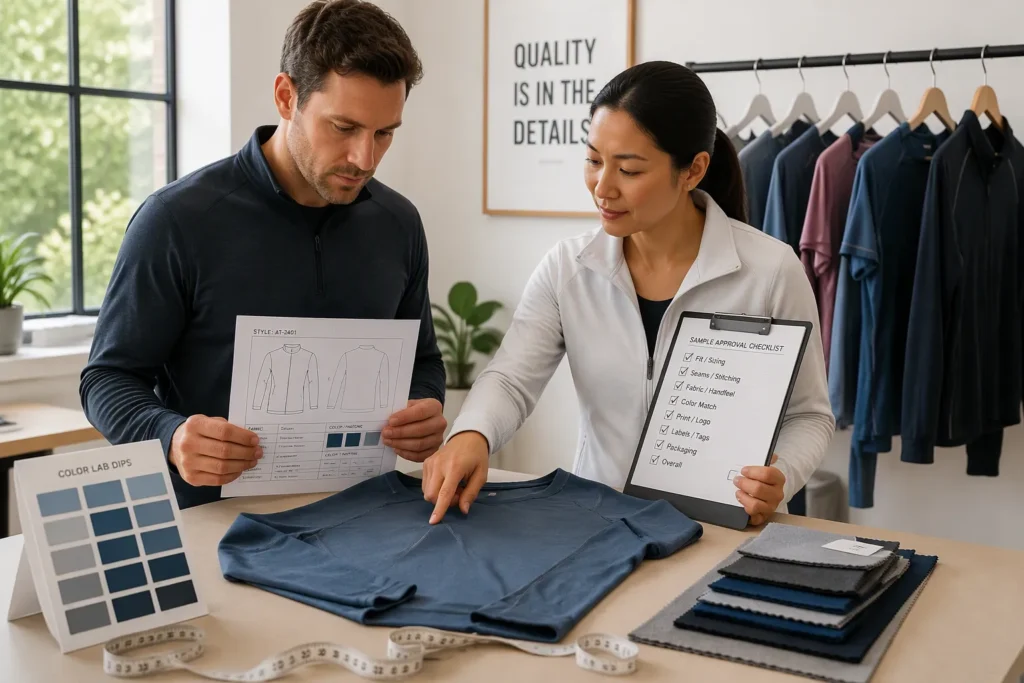
Yes, independent and soft-brand boutique hotels can get custom staff uniforms through OEM. The key is to treat the uniform as one brand kit. Define your identity first, choose the right sourcing model, and run careful sampling. Uniforms are the brand asset guests see most at your property. Your soft-brand status gives you design freedom that big flagship chains simply do not have.
The practical path is clear. Turn your brand into wearable items, compare catalog against private-label, pick a program type, and move from sample to bulk with a checklist. This guide shows you how to run a boutique hotel staff uniform oem program. It keeps front-office hosts and F&B floor crews in one cohesive look. It also helps you avoid the role-silo trap that splits up so many hotel uniforms.
Key Takeaways
Start by defining your brand kit: choose one color palette, one fabric family, and one logo style for all staff.
Pick a sourcing model that fits your order size: catalog adaptation for small budgets, or private-label OEM for a signature look.
Plan your reorders before you place the first bulk order. This way, you won’t run out of uniforms later.
Use three sample gates—sample, PPS, and bulk release—to catch problems early and make sure of quality.
Pick one person to approve at each gate so choices are clear and quick.
Keep the uniform design simple and classic so it holds up through many washes and seasons.
Let staff try the uniforms and give honest feedback on comfort and fit before you buy.
Create a central spec library to keep reorders consistent as your hotel or portfolio grows.
Quick Takeaways
Identity Before Fabric
Decide on your brand kit before you pick any fabric. Choose one color palette, one fabric family, and one logo style that front-office hosts and F&B floor crews can both use. Heather Grey Corp reports that 82% of hotel guests say how staff look shapes their view of service quality. So your hotel staff uniforms prove their value at every guest touchpoint, from arrival to departure.
Stop the role-silo habit. A polo for the desk and a soft jacket for the floor should look like relatives, not strangers. One visual language reads as confidence. Four unrelated outfits read as clutter, and they cost more to manage over a multi-year program. That is because each style carries its own reorder and size-set burden.
Keep the palette tight. Arcus AG advises a limited color range and clean, classic cuts. Busy patterns distract from your branding and date quickly. Timeless details survive more wash cycles and more seasons of guest scrutiny.
Match Program to Volume
Catalog adaptation fits a single property with a short calendar and a modest budget. Private-label OEM fits when you want a signature look and can commit to a full production run for that style. Neither path is better in the abstract. The fit depends on your volume and your brand ambition.
Build the timeline around sampling, not just sewing. A calendar with no room for a PPS round will stall at the worst moment. Heather Grey Corp notes that 70% of hotel uniforms still use dated fabrics that wrinkle, fade, or restrict movement. So a spec review early saves a costly reorder later.
Plan reorders before you place the first bulk order. Confirm the repeat-order minimum and the fabric’s continued availability with your supplier. A program that cannot be replenished in year two is a one-season experiment, not a uniform strategy.
Gate Every Sample
Run three gates: sample, PPS, and bulk release. Seal one approved sample per style and colorway before cutting starts, as Pham Fashion recommends. Reference it at every later inspection. The sealed sample is the single source of truth when a debate arises about shade, stitch, or logo position.
Check five categories at each gate: fabric, measurements, construction, branding and trims, and finishing and packing. Gazo Clothing uses this same structure in its 28-point quality check. It keeps sign-off objective rather than personal.
Name one sign-off owner per gate. Shared approval slows decisions and blurs accountability when a defect appears. A named owner also gives your supplier a clear contact for questions during production.
Who This Guide Is For
This guide is for adult business buyers at boutique, independent, and soft-brand hotels overseas. You run a property with its own character. You want staff clothing that carries that character into every guest interaction. You do not want a uniform program made for a thousand-room flagship hotel with a brand-standards binder.
Owners and General Managers
You own the property or run it day to day. You care about how guests see the hotel, how staff feel, and the total cost over several seasons. You make the final call on budget and brand direction. You also know the pain of a reorder that shows up in the wrong shade.
Your job is to set the brand kit. Pick the palette, the fabric family, and the logo treatment before anyone quotes a price. Then hand the sampling gates to a named owner on your team. This split keeps decisions fast and accountability clear.
Hospitality and Purchasing Leads
You turn the owner’s vision into a workable spec and a supplier agreement. InnLead’s guide to hotel procurement contacts notes that uniforms and staff apparel usually involve the Director of HR and the Executive Housekeeper as users, with the GM and VP Operations as signers. Know which person you are talking to at each stage.
Procurement discipline matters more than price alone. Source1 Purchasing points out that smaller operators often gain the most from procurement visibility. Real-time inventory tracking and group purchasing organization access let a single property secure pricing it could not reach alone. Apply the same logic to your hotel uniforms program: track use by role, watch contract compliance, and measure supplier performance each cycle.
In the GCC, uniform sourcing is not a pricing issue. It's a continuity issue. Hotels rely heavily on imported uniforms, long lead times, and complex replenishment cycles. What procurement teams really manage is availability, fit consistency, replenishment speed, and operational stability. — Bespoke Uniforms, LinkedIn
That framing applies well beyond one region. Build modular designs and pre-planned inventory into your brief.
Soft-Brand Portfolio Groups
You manage two to ten boutique properties under one collection. Umbrex describes the soft-brand model as controlled variation: an umbrella proposition that keeps each hotel visible. Guests expect variation in architecture and restaurant concepts, not identical furniture.
Uniforms should follow the same logic. Pau Andrade’s boutique hotel branding commentary puts it plainly: consistency wins trust, but uniqueness wins loyalty. Give each property a shared core kit and let local accents carry the sense of place. This guide leaves out casino floors, ski-resort seasonal programs, big-flagship chain brand-standards checklists, construction crews, and nursing apparel. Your focus stays on front-office hosts and F&B floor crews in one cohesive boutique look.
Entity and Buyer Intent
Manufacturer Snapshot
Shanghai Top Fortune Industry Co., Ltd. is an OEM uniform maker built for buyers like you. The company began around 2002 and now runs a 1,506 square meter factory in Songjiang, Shanghai. Its main work is OEM and ODM clothing for hospitality and service teams. As an oem uniforms and workwear manufacturer, it ships to Europe, the Middle East, Oceania, Southeast Asia, and the Americas. That export base matters for a boutique hotel staff uniform oem program. Your spec, size sets, and packaging must travel well and arrive ready to wear. A supplier with export experience knows carton marks, care labels, and the paperwork your customs broker expects. The factory sits near Shanghai’s port, which helps exports run smoothly.
You can see the full range on the company homepage and read the background on the about page. The factory does custom oem work on polos, light layers, soft jackets, and apron-compatible tops. One team manages your brand kit from first sample to final carton. That single point of contact keeps front-office and F&B floor styles in line. You avoid the handoff gaps that split a program across several vendors. A shared fabric family and one logo treatment stay consistent when one team owns the whole order. The team can also advise on fabric hand-feel and weight for your climate and service style.
MOQ and Quote Path
The minimum order quantity is about 2,000 pieces per style. Plan your size sets and colorways around that number before you ask for pricing. A clear role list and a target ship date speed up the quote. Send your brand brief, fabric direction, and logo placement details in one package. The more you confirm up front, the fewer revision rounds you face later. A complete brief also helps the factory flag any spec that may affect cost or timing. Include your packaging needs, such as individual poly bags or hangers. A written quote also sets the baseline for the PPS gate.
Reach the team at rill@topfortunemail.com or WhatsApp +86 13524210501 to start a spec review. The office address is Floor 3, Building 20, Haier Zhigu, No.66 Guangfulin East Road, Songjiang, Shanghai 201600. Expect a quote path built on your spec, not a catalog guess. As an oem hotel uniform partner, the factory quotes against confirmed fabric, construction, and branding fields. That approach protects your budget and your timeline. It also gives you a written basis for the sample gates ahead. Ask for a line-by-line quote so you can compare options before you commit.
Table of Contents
What the TOC Covers
This table of contents shows the whole path from brand idea to delivered boxes. Each link jumps to one section, so you can read it all or skip to the part your program needs today. If you are still shaping the brief, start with the identity and spec sections. If you already have a supplier conversation open, go straight to the gates, the comparison table, and the checklist.
The sections follow the order of a real sourcing project. You begin with takeaways and audience fit, then move into the manufacturer snapshot and quote path. From there you build the brand kit, write the RFQ, and run the sample-to-PPS-to-bulk gates. The later sections cover program choice, portfolio scaling, wear policy, and the closing steps before you request samples.
Quick Takeaways
Who This Guide Is For
Entity and Buyer Intent
Why Boutique Hotel Staff Uniform OEM Fits Independent Properties
Spec Stack for One Boutique Brand Kit
RFQ and Specs Table
Sample to PPS to Bulk Gates
Catalog vs. Private-Label OEM Hotel Uniforms
Guest Touchpoints and Portfolio Scaling
Storytelling Without Costume Theatre
Durability, Comfort, and Inclusivity
A Practical Redesign Framework
Choosing Your Model
Copy-Paste Procurement Checklist
Partnering with an OEM Manufacturer
Start Your Uniform Program
Use the checklist section as a working document. Print it, tick each line, and attach it to your quote request. The same checklist pairs well with the deeper resources in the blog, where you can compare related procurement guides before you commit to a program model.
Why Boutique Hotel Staff Uniform OEM Fits Independent Properties
Design Freedom Within Soft-Brand Standards
A big chain runs uniforms through a brand-standards checklist. That system keeps hundreds of properties looking the same, and it works well at that scale. Your property plays a different game. You answer to guests who chose you for character, not for a familiar logo over the door.
Soft-brand status gives you room to move. You can pick a modern cut, a personal detail, and a texture that feels curated rather than issued. Lands’ End calls this the boutique advantage: modern cuts, personal details, and unique textures that reflect a more curated experience. JA Uniforms adds a useful distinction. Custom design, not bespoke, lets a whole team wear a distinctive look consistently at scale. You get signature style without one-off tailoring costs.
One Uniform Language, Not Role Silos
Small properties often split uniforms by role. The desk gets one look, the floor gets another, and the bar gets a third. That habit multiplies SKUs, reorders, and shade-matching headaches. A single uniform language solves it: one shared palette, one fabric family, one logo treatment.
The evidence supports a related-but-not-identical approach. JA Uniforms notes that a complete staff wardrobe can unify front desk, housekeeping, food and beverage, and concierge teams under one cohesive look. Intentional color palettes then signal role and function. A tailored navy jacket at the front desk and a black shirt behind the bar read as one family with clear parts.
Element | Practical Guidance |
|---|---|
Tailored button-ups in brand-aligned neutrals; subtle ties, scarves, or pocket squares for brand color | |
F&B floor | Spill-resistant, easy-care fabrics with room to move at the arms and waist; straight, roomy pockets |
Branding | Subtle logo placement on blazers, aprons, or shirts; tonal embroidery over loud marks |
Comfort | Full range of motion under the arms, across the back, and around the waist |
Boutique Hotel Uniforms Europe Context
European buyers are moving toward relaxed luxury. Alibaba’s apparel trend reporting says traditional heavy branding is giving way to minimalist tailoring, tonal embroidery, and softer silhouettes. The same source notes fabrics built for 100+ industrial wash cycles under ISO 15797, using blends of recycled polyester, organic cotton, and bamboo. EU rules such as the Digital Product Passport are pushing material traceability and recyclability, which favors mono-fiber designs.
Roberto Uniform offers a sound method for boutique hotel uniforms europe programs. Start from brand codes — color, texture, attitude — then map them onto role-appropriate garments. A velvet accent can echo suite textiles; a linen blend can echo a courtyard restaurant. This matters most for independent european properties that market design credibility. Your hotel uniforms europe sourcing should protect local character through accent details while centralizing fabric SKUs. That keeps reorders fast and shade-matched, and it still lets a Lisbon townhouse feel different from a Copenhagen loft. A disciplined boutique hotel staff uniform oem brief captures all of this before sampling begins, so your boutique hotel uniforms stay coherent across every role and every season.
Spec Stack for One Boutique Brand Kit
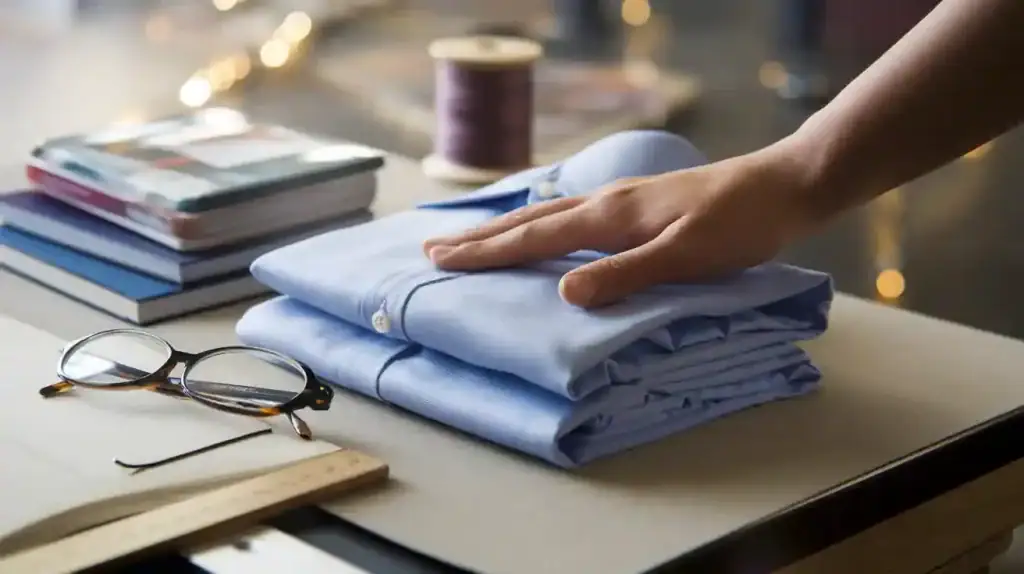
You build one kit, not four. Front-office hosts and F&B floor crews share the same palette, the same fabric family, and the same logo treatment. The pieces differ by role, but they read as one wardrobe. This is the core idea behind custom hotel staff uniforms that feel designed rather than issued.
Start with a mood board. Pull textures from your lobby, your restaurant, and your guest rooms. A linen blend that echoes your courtyard tables belongs in the kit. A soft worsted finish that matches your suite upholstery belongs there too. Share that board with your manufacturer before you discuss price. A good partner reads the board and proposes fabric and trim options that fit it.
Piece | Primary Wearer | Role in the Kit |
|---|---|---|
Polo | Front office, F&B floor | Everyday base layer, shared across roles |
Light layered shirt | Front office, F&B floor | Slightly dressier option for evening service |
Soft jacket | Front office, floor leads | Layer for arrival moments and cooler months |
Apron-compatible top | F&B floor | Clean silhouette under branded aprons |
Front-Office Polo and Light Layer
The polo carries most of the working day. Choose a piqué or jersey knit with a clean collar that holds its shape after repeated washing. Keep the placket simple. A tonal button reads more premium than a contrast one. Your custom polo shirt manufacturer can match the collar and cuff rib to your brand color without turning the shirt into a billboard.
The light layer sits over the polo for evening shifts and cooler seasons. Think of a soft button-through shirt in a lighter weight than your jacket. Long sleeves roll cleanly to the elbow. The hem stays put when your host leans over a desk. Confirm the shrinkage allowance with your supplier before you lock the size set, so the fit holds after the first wash cycle.
F&B Floor Tops and Soft Jacket
Floor crews need room to move. Specify a top with a generous armhole and a waist that does not ride up during service. Straight, roomy pockets help. A minimalist tee or a denim vest can carry a hip brand identity when the fabric quality is high. Keep the finish clean and let the texture do the work.
The soft jacket is the signature piece. Unstructured shoulders, a soft roll to the lapel, and a fabric that drapes rather than stands away from the body. Your custom jacket manufacturer should show you the interlining options before sampling. A lighter interlining keeps the jacket comfortable through a long shift. This is where custom oem work pays off, because the jacket sets the tone for the whole boutique hotel uniforms program.
Brand Visibility and Apron Compatibility
Branding should whisper. Tonal embroidery on the chest or cuff reads as considered. A small woven label at the hem works well for hotel staff uniforms that need a mark without noise. Place the logo where it stays visible during service, not where an apron strap covers it.
Apron compatibility drives the top design. The shoulder line must sit flat under a bib apron. The waist should not bunch when you tie the strings. Test the pairing in the sample round, not after bulk arrives. Denim aprons, canvas aprons, and minimalist tees all work when the top underneath is cut cleanly.
Map the kit across reception, f&b, and housekeeping before you finalize the spec. Housekeeping may need a different top weight, but it should still share the palette and logo treatment. That shared thread is what makes hotel uniforms read as one brand across every guest touchpoint. Send your mood board and role list to rill@topfortunemail.com to start the spec review.
RFQ and Specs Table
A clear RFQ turns your brand kit into a document your supplier can price and produce. Build one table that covers every field you need to confirm. This table becomes the backbone of your sample gates and your bulk contract.
Field | Spec to Confirm | Notes |
|---|---|---|
Composition | Fiber blend per piece | Name each fiber and its share |
Weight | Fabric weight in gsm | Match weight to season and role |
Hand-feel | Soft, crisp, or brushed | Describe the touch you want |
Colorfastness | Test method and rating | Ask for the lab report |
Care label | Wash and care instructions | Confirm symbols and language |
Seams | Type and placement | Specify reinforced stress points |
Stitch density | Stitches per unit length | Denser stitching reads as premium |
Fit block | Base pattern per size | Approve the block before grading |
Size range | Full size set | Include extended sizes |
Logo method | Embroidery or print | State the method per garment |
Logo placement | Position and size | Mark it on a technical sketch |
Packaging | Bag, hanger, or box | Match your guest-facing standard |
Carton marks | Label content and layout | Confirm before bulk release |
Fabric and Construction Fields
Fabric fields protect durability and comfort. Ask for the Martindale abrasion test (ASTM D4966) in your RFQ, as Lantaowork recommends; a good service uniform should survive 20,000 rubs. For industrial laundering, specify ISO 15797, which reproduces aggressive 90°C commercial wash cycles and reports shrinkage and color bleed. Write a target of 50 or more harsh wash cycles into the RFQ as a lab-tested requirement.
Construction fields protect fit and finish. Lock the fit block before grading, then confirm seam types at stress points and stitch density. Name your full size range, including extended sizes, so your supplier prices the real order.
Branding and Packaging Fields
Embroidery is the dominant decoration method for hospitality uniforms, BrandMerch reports, because it withstands laundering far better than screen printing or heat transfer. A well-embroidered polo keeps its logo clarity through years of commercial washing. State the method, placement, and size for each piece in your hotel uniforms kit.
Packaging carries your brand before a guest meets your staff. MFG Merch notes branded gift boxes, tissue paper, and ribbon for boutique retail sets and welcome packs. Confirm bag or hanger type, carton marks, and label layout. Keep a written spec document for fabric, color references, embroidery placement, stitching standards, and size charts, as Pathanjaliknitwear advises, so your custom oem reorders stay consistent.
Sample to PPS to Bulk Gates
Three checkpoints protect your program: sample, PPS, and bulk release. Each checkpoint has one named person who signs off. That person holds the pen and the responsibility. Without a named owner, approvals get loose and defects slip through.
Sample Gate
The sample gate proves the design works on real people. Your sign-off owner here is usually the hospitality director or the GM. Ask workers from each department to wear the sample. Include different body shapes and let them do the hardest moves of the job.
Review the sample against a clear list:
Fit and movement across the shoulders and waist
Fabric feel, see-through level, and temperature comfort
Pocket access and how closures work
Layering over the polo or under the jacket
Logo position and size
How it looks after a full shift and a test wash
Ask for specific comments. “Tight across the shoulders when reaching” tells your supplier more than “too tight.” Write down every change and mark the final approved sample as the production benchmark. Colors can look different on different fabrics and in different light, so approve the shade on a real garment, not a screen.
PPS Gate
The PPS gate confirms the pre-production sample matches your approved spec exactly. Your purchasing lead usually owns this sign-off. Check fabric, shade, measurements, construction, trims, pockets, closures, and branding artwork against the sealed sample.
Lock the size set and packaging here. Confirm bag or hanger type, carton marks, and label layout. Approve quantities and the delivery plan in writing. No bulk cutting starts until this written approval exists. Keep the approved sample or a detailed spec for future replacements, so your custom oem reorders stay consistent.
Bulk Release Gate
The bulk gate releases hotel uniform production only after written PPS approval. Your purchasing lead and the factory both sign. Set the inspection plan and delivery terms before the first carton ships.
Plan the logistics early. Yiteng Uniforms suggests finding business needs, picking a reliable supplier, scheduling delivery, watching the process, and checking uniforms on arrival. Freight shipping suits large orders at medium cost over one to two weeks, while express shipping fits urgent needs at higher cost. Pick a supplier with quality assurance and on-time delivery, as Colour Land advises. That discipline keeps your hotel uniforms arriving ready to wear.
Catalog vs. Private-Label OEM Hotel Uniforms
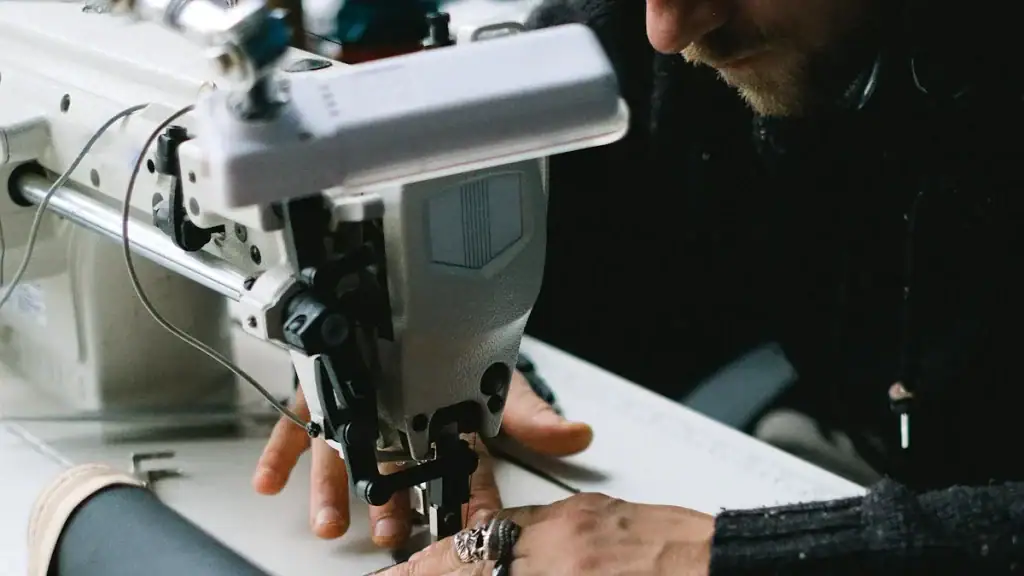
At the start of every program, you make one real choice: adapt a style that already exists in a catalog, or build a fully custom kit. Both routes end with a signed pre-production sample and a bulk order made to match it, as Uniform Mfg describes for OEM and ODM work. The difference comes down to how much design you provide and how much development you pay for.
Criterion | Catalog Adaptation | Private-Label / Fully Custom OEM |
|---|---|---|
Lead time | Shorter, because the base style already exists | Longer, because sampling starts from your tech pack |
MOQ | Lower per style, since you join an existing block | A full production run per style for a dedicated build |
Unit cost | Lower at small volumes | Higher per unit at first, then steadier across reorders |
Design control | Limited to fabric, color, and trim choices | Full control of fit block, seams, and silhouette |
Brand signature | Subtle, carried by color and logo | Strong, carried by cut and construction |
Reorder ease | Easy, while the catalog style stays active | Easy once your pattern and spec library are locked |
When Catalog Adaptation Fits
Catalog adaptation works well for a single independent property with a short timeline and a modest budget. You choose a proven polo or soft jacket, then change the fabric weight, color, and logo placement. Uniform Mfg calls this ODM work: you begin with an existing uniform block that is already graded and fit-tested, and you adapt it to your fabric, colors, branding, and any construction changes you want. You skip pattern development and get to a sample faster.
This route also works for seasonal jumps in staff numbers. Roberto Uniform notes that tourist-season teams in major art cities and coastal destinations need the same presentation standard as permanent staff. A catalog base lets you issue spare size banks and quick training boards without rebuilding a pattern each spring. Your custom hotel uniforms still look like one family when the palette and logo stay fixed.
When Fully Custom OEM Hotel Uniforms Fit
Fully custom oem hotel uniforms fit when your property sells design credibility and the uniform must carry it. You provide a tech pack and a measurement chart, and the factory builds to your design without changing it. Uniform Mfg describes this as OEM production from your tech pack. You control the fit block, the seam placement, the interlining in the jacket, and the drape of the light layer.
This path rewards a property with a strong point of view. A Milan design hotel and a Lake Como resort should not wear identical fabric weights even inside one brand family, as Roberto Uniform points out. A fully custom oem program lets you write regional notes into the spec: summer weights, outdoor layers, and formality levels by property type. Your boutique hotel staff uniform oem brief then becomes a document you reuse across every future property.
Hybrid Path
Most buyers land somewhere between the two ends. Uniform Mfg observes that a hotel group may hold a designer’s sketch but no measurement chart, while a distributor may want a standard polo with a different pocket and their own label. The scope call sorts out which route applies, so nobody pays for development that already exists.
Run the hybrid on purpose. Start from a graded block for the polo and the apron-compatible top, then build the soft jacket as a custom piece. Keep one fabric family and one logo treatment across both. Your oem hotel uniforms then share a purchasing logic even when the construction differs. Roberto Uniform recommends a matrix so several sites share that logic while each keeps its own climate and formality notes.
Lock the pattern and the spec library at the PPS gate. Every later reorder draws from that library, which is where custom oem work pays back its development cost. Review the corporate polo shirts OEM options before you choose a base block, and send your role list to rill@topfortunemail.com for a scope call.
Guest Touchpoints and Portfolio Scaling
Arrival, Dining, and Departure Moments
Guests see your uniform three times during one stay, and each moment matters in a different way. At arrival, the front-office host in a polo and soft jacket is the first person a guest meets. That jacket sets the mood before anyone speaks. Keep the layer neat at the shoulder and free of clutter at the waist, so the greeting feels calm and prepared.
Dining puts the focus on movement and close contact. Your F&B floor crew leans over tables, carries trays, and works in warm rooms. A light layered shirt with a roomy armhole keeps the look neat through a full service. Departure is the last impression, and it often happens at the desk again. The same host, in the same colors, closes the loop. One shared look across all three moments makes your hotel staff uniforms feel planned rather than put together.
Shared Core Kit, Local Accents
Being consistent does not mean being the same. Build a core kit that every property uses: the same polo block, the same light layer, the same logo treatment, and one fabric family. Then let each site add a local accent. A coastal property might pick a lighter weight and a sand tone. A city townhouse might add a deeper shade and a structured jacket.
This approach mirrors how boutique hotel uniforms europe buyers protect local character while centralizing fabric SKUs. Your hotel uniforms europe program stays coherent, and each property still feels like itself. Write the accent rules into the spec library, so a new GM knows exactly which fields they may change and which stay fixed.
Scaling Two to Ten Properties
Growth shows weak uniform systems fast. A central spec library is your first defense. Store the approved fit block, shade references, logo files, and packaging spec in one place. Every reorder and every new property draws from that library, which keeps complete hotel uniform systems stable as your portfolio grows.
Size-set buffers are the second defense. Hold a small stock of common sizes at each property, so a new hire does not wait for a production run. Reorder discipline is the third. Set a review schedule, track usage by role, and place repeat orders before stock runs low. These habits keep your hotel uniform systems predictable across two properties or ten, and they protect the look your guests remember.
Storytelling Without Costume Theatre
Let the Property's Story Drive Design
Your property already tells a story through its buildings, its food, and its local feel. The uniform should echo that story, not act it out. A literal costume turns staff into part of the set. Guests notice the difference quickly, and the effect feels staged rather than real.
Pull ideas from local craft instead. A weave pattern from a regional textile, a dye tone from the nearby landscape, or a stitch detail from a traditional garment can carry meaning without shouting. Use these touches in small amounts: a tonal trim on a collar, a textured panel on a soft jacket, a subtle weave in a polo. Understated details reward a second look. They also last through trend cycles, which keeps your boutique uniforms useful for more seasons.
Staff Involvement as Design Input
Your team wears the kit for hours at a time. Treat their experience as design data, not an afterthought. Lands’ End recommends a structured wear test before any company-wide rollout:
Have a select group of employees wear the uniforms for a few days to see how they work in real-world conditions.
Ask for honest feedback on comfort, fit, and functionality.
Check whether the materials breathe well and suit daily tasks, and whether the uniforms allow easy movement.
Make small changes—such as resizing logos, adding or removing pockets, or picking different fabrics—before the uniforms roll out company-wide.
Run this test with both front-office hosts and F&B floor crews, since their movement needs differ. Wooter notes that working with team members during the design process can boost excitement and build a sense of ownership. Small personal touches, such as individual names or numbers, turn a garment into something staff take pride in wearing. That pride shows up in how they carry themselves on the floor.
Clear Wear Policies
A strong boutique hotel uniforms program needs written rules, not guesses. Define grooming standards, approved accessories, and the limits for personal expression in one short document. Cover jewelry, headwear, footwear, and visible tattoos in plain language. State what staff may adjust, such as rolling sleeves or removing a jacket during a warm shift.
Share the policy during onboarding and again at each fit session. Ask staff to point out anything unclear, then revise the document. Clear rules protect your hotel uniforms look and respect your team at the same time. They also give supervisors a fair basis for coaching instead of making things up as they go.
Durability, Comfort, and Inclusivity
Built for Real Shifts
A boutique uniform proves its worth over hundreds of shifts, not one photo shoot. Start with the fabric blend and reinforced seams, because everything else depends on them. Alibaba’s apparel guide puts those two choices first for a good reason. A nice polo that tears at the shoulder in month three costs you more than a plain one that lasts.
Ask your supplier for lab reports that show colorfastness and shrinkage after 30+ industrial washes, as the same Alibaba guide suggests. If they cannot give you that data, assume the results will vary and plan for it. Reinforcement details matter just as much. The NAUMD uniform chronicle recommends bar tacks at pockets, belt loops, and seams, plus double or triple needle stitching at the shoulders and seat. A gusseted crotch and seat area adds room to move and helps prevent tearing. As a manufacturer, we often suggest reinforced seams, bar tacks on high-stress points, and darker lower garments to extend lifespan and reduce visible wear.
Inclusive Sizing and Fit
Move away from gendered uniform choices to make bulk buying and size management simpler, as Goal Uniform advises. This does not mean one size fits everyone. It means flexible sizing and comfortable styles that fit all body types. Neutral styles usually avoid overly slim or curve designs. Choose straight or relaxed cuts instead: a slightly longer tee, straight trousers with an elastic waistband, simple collars, zip-front jackets, and standard pockets.
Offer inclusive sizing so every team member gets a proper fit, Prudential Uniforms recommends. Keep an organized system for giving out and tracking garments, so staff always have clean, ready-to-wear uniforms and new hires get replacements without delay. Plan inventory to reduce delays and keep operations running smoothly. Design-led sizing, colors, and fits help staff feel comfortable and confident, and that confidence shows on the floor. Your hotel uniforms europe program should treat fit as a design decision, not an afterthought.
Responsible Material Choices
Recycled blends and long-life design cut waste and protect your budget over several seasons. Keep every claim factual. State the recycled content your supplier confirms in writing, and do not make up certifications. A durable garment that lasts three seasons beats a cheap one replaced twice. This logic fits boutique hotel uniforms europe buyers who want a smaller, better wardrobe. Your hotel uniforms should age well, wash after wash, and still look intentional at the door.
A Practical Redesign Framework
A redesign works best as three stages: audit and brief, spec and sample, rollout and reorder. Each stage hands a clear output to the next. You avoid the common trap of jumping straight to fabric swatches before anyone agrees on what the brand should feel like.
Audit and Brief
Start with the brand narrative. Write one page that describes your property in plain language: who stays with you, what they notice first, and what mood you want at the door. This page becomes the reference for every later decision.
Next, audit every guest touchpoint. Walk the arrival desk, the dining room, and the departure point. Note where staff stand, how they move, and what guests see at each moment. Then map roles to uniform needs. List each role, its movement demands, and its visibility level. A front-office host who stands and reaches across a desk has different needs than an F&B runner who carries trays through a warm room. This audit feeds your hotel uniform program with facts instead of guesses.
Spec and Sample
Turn the brief into a spec stack. Confirm fabric, weight, fit block, size range, logo method, and packaging. Then build samples and approve them through the sample, PPS, and bulk gates described above. Name one sign-off owner per gate.
Keep the kit tight during sampling. Test the polo under the soft jacket and the apron over the top. Ask staff from both front office and F&B to wear the samples through a real shift. Record every change in writing. Custom oem work rewards this discipline, because a locked spec protects every future reorder.
Rollout and Reorder
Plan distribution before the first carton lands. Build size sets per property, then hold a small buffer of common sizes so a new hire never waits for production. Set a reorder cadence that matches your hiring pattern and wash cycle.
Review usage by role each season. Track which sizes run short and which pieces wear fastest. Feed those findings back into the spec library. Strong hotel uniform programs stay stable across properties because the reorder logic is written down, not remembered.
Choosing Your Model
Selection Table by Property Profile
Your property profile points to a model. Use the table below to match your situation to a starting point, then confirm the details with your supplier.
Property Profile | Recommended Model | Why It Fits | Watch-Outs |
|---|---|---|---|
Single Independent Property | Catalog adaptation with light customization | Fast start, modest budget, proven fit blocks | Limited design control; confirm the style stays active for reorders |
Soft-Brand Collection Property | Hybrid: catalog base plus custom signature piece | Shared core kit with a distinctive jacket or top | Two sourcing logics to manage; lock one spec library |
Small Multi-Property Portfolio | Custom OEM with a central spec library | Consistent brand kit across sites, strong reorder discipline | Higher development effort; plan size-set buffers per property |
Find the row that matches you, then look at the row above it. Many buyers start with a simpler setup than they expect, then grow into a fuller program.
Stock, Made-to-Order, and Custom OEM
Every quote comes from one of three supply models. Stock means you buy ready-made garments and add your logo. Made-to-order means you pick a base style and change the fabric, color, or trim. Fully custom oem hotel uniforms mean the factory builds to your tech pack.
Compare them on four points. Lead time is shortest for stock and longest for full custom work, because sampling starts from your design. Minimums follow the same pattern: stock has the lowest bar, while a dedicated build usually needs the higher style minimum described in the quote path above. Custom work fits best when your brand depends on a specific cut, and stock fits best when speed matters most. Total cost of ownership rarely favors the cheapest unit price, since a garment that lasts more seasons and reorders cleanly usually costs less per year.
A custom oem uniform program rewards planning. Build your spec library once, then draw every reorder from it. That habit keeps your hotel uniform programs steady as you add properties. Treat custom oem as a partnership rather than a transaction, and the model pays you back across seasons. For a closer comparison of base styles, review the corporate polo shirts OEM options before you commit.
Copy-Paste Procurement Checklist
A checklist turns good intentions into a signed program. Copy the three blocks below into your project file. Tick each line as you clear it. Attach the finished list to your quote request, and your supplier sees a buyer who has done the homework.
Before You Request a Quote
You cannot price a program you have not defined. Build the brief first, then open the conversation. Each line below protects you from a revision round later.
Role list: name every role that wears the kit, from front-office host to F&B runner
Size sets: count bodies per role, including extended sizes
Budget bands: set a target range per piece and a total program ceiling
Brand brief: one page on palette, fabric family, logo treatment, and mood
Target ship date: work backward from your opening or season change
The role list and size sets drive the minimum order quantity, so confirm both before you ask for pricing. A brand brief with a mood board saves weeks of back-and-forth. Send the package to rill@topfortunemail.com and ask for a line-by-line quote.
During Sampling and Approval
Sampling is where the design meets real bodies. Give the sample to staff from both front office and the floor. Ask them to wear it through a full shift.
Fit sign-off: shoulders, waist, armhole, and hem checked on real wearers
Color sign-off: shade approved on a real garment, not a screen
Branding sign-off: logo method, placement, and size marked on a sketch
PPS approval: written sign-off that the pre-production sample matches the spec
Name one owner for each sign-off. Seal the approved sample and reference it at every later inspection. No cutting starts without written PPS approval. This discipline is the backbone of any custom oem program.
Before Bulk Release
The final gate protects your delivery. Confirm the details in writing before the first carton ships.
Packaging: bag, hanger, or box matched to your guest-facing standard
Carton marks: label content and layout approved
Delivery terms: shipping method, Incoterms, and arrival window agreed
Inspection plan: who checks what, and when
Keep the signed checklist with your spec library. Every reorder then draws from one approved record. For a deeper version of this document, use the full hotel brand uniform OEM procurement checklist.
Partnering with an OEM Manufacturer
What to Look For
Pick a partner based on four skills, not just the lowest price. First, check that they can make samples. The factory should build a real sample from your mood board and tech pack, not just send a catalog photo. Second, see how they work with your mood board. Share your palette, fabric direction, and logo treatment, then judge whether their reply shows they read your brief or ignored it. Third, agree on how often you will talk. A weekly written update with photo checkpoints is much better than silence followed by a surprise. Fourth, check their export experience. A hotel uniform manufacturer that already ships to Europe, the Middle East, Oceania, Southeast Asia, and the Americas knows carton marks, care labels, and customs paperwork.
Ask for a named contact and a response window. Ask how the team handles a shade mismatch at the PPS gate. A strong oem uniform manufacturer answers both without hesitation. Review the custom jacket manufacturer and custom polo shirt manufacturer pages to see the range before you shortlist.
About the Manufacturer
Shanghai Top Fortune Industry Co., Ltd. started around 2002 and runs a 1,506 square meter factory in Songjiang, Shanghai. The team handles OEM and ODM workwear for hospitality and service crews, with exports across five regions. As an oem uniforms supplier, the factory builds one brand kit from first sample to final carton, so front-office and F&B floor styles stay aligned. Read the background on the about page and the full range on the homepage.
Reach the team at rill@topfortunemail.com or WhatsApp +86 13524210501. The office sits at Floor 3, Building 20, Haier Zhigu, No.66 Guangfulin East Road, Songjiang, Shanghai 201600. Expect a hotel uniform oem service built on your confirmed spec, not a catalog guess.
FAQ
What is the minimum order? It is the style minimum in the quote path above. Plan size sets and colorways around that number before you request pricing.
How do I get a quote? Send your role list, size sets, brand brief, fabric direction, logo placement, and target ship date to rill@topfortunemail.com. Ask for a line-by-line quote.
How does this differ from a big-flagship brand-standards program? You keep design freedom. No binder dictates your palette or cut; your brief does.
Is this a front-desk-only, housekeeping-only, or concierge-only program? No. One kit covers front-office hosts and F&B floor crews together.
Do you handle casino or ski-resort programs? No. This guide and program focus on boutique, independent, and soft-brand hotels.
Where can I compare related guides? See the hotel front desk uniform OEM and hotel hospitality uniform OEM pages, the procurement checklist, and the blog. Review corporate polo shirts OEM options before you choose a base block.
Start Your Uniform Program
Book a Spec Review
A spec review is the quickest way to turn your brand brief into a kit with a price that can be built. You bring the role list, the size sets, the palette, and the logo treatment. The team checks each field against what the factory can really make and points out anything you must decide before sampling. You leave the call with a written spec, not a vague promise.
Email rill@topfortunemail.com or message WhatsApp +86 13524210501 to book your review. Include your target ship date and the properties in scope, so the talk starts on solid ground. A single independent hotel and a five-property soft-brand group need different answers, and the review adjusts to your profile. Bring your mood board too. Texture references from your lobby or restaurant help the team suggest fabric and trim options that match your intent.
Request Samples and a Quote
Ask for samples and a line-by-line quote in the same request. The sample shows fit, hand-feel, and logo placement on a real garment. The quote shows the numbers behind it, field by field, so you can compare options without guessing. Ask for both together and you shorten the path from first contact to a signed pre-production sample.
Use the hotel brand uniform OEM procurement checklist to put your package together before you send it. The checklist covers the role list, size sets, budget bands, brand brief, and target ship date in one place. Attach the finished list to your email, and the team can quote against confirmed fields instead of guesses. Review the custom polo shirt manufacturer and custom jacket manufacturer pages to see the range behind the kit.
Shanghai Top Fortune Industry Co., Ltd. has made OEM and ODM workwear since about 2002 from its 1,506 square meter factory in Songjiang, Shanghai. The team ships to Europe, the Middle East, Oceania, Southeast Asia, and the Americas, and it manages one brand kit from first sample to final carton. Start your hotel uniform program with a spec review, then move through the sample, PPS, and bulk gates with a named owner at each step. For more sourcing guidance, browse the blog and the homepage before you commit. Your guests will see the result at the door every day.
You succeed with uniforms when you treat OEM as a brand partnership, not just a purchase order. Build one brand kit, choose the program model that fits your property profile, and hold every sample to the sample, PPS, and bulk gates. Catalog adaptation, made-to-order, and fully custom OEM each work for a different situation. The goal is fit, not fashion.
Start your boutique hotel staff uniform oem program with a spec review. Email rill@topfortunemail.com or message WhatsApp +86 13524210501 at Shanghai Top Fortune Industry Co., Ltd. Use the procurement checklist and the blog to get your brief ready.
FAQ
What is the minimum order quantity for a boutique brand kit?
The minimum is about 2,000 pieces per style. Plan your size sets and colorways around that number before you request pricing. A shared kit across front-office hosts and F&B floor crews helps you reach the minimum with fewer styles.
How do I request a quote?
Send your role list, size sets, brand brief, fabric direction, logo placement, and target ship date to rill@topfortunemail.com. Ask for a line-by-line quote so you can compare options. You can also message WhatsApp +86 13524210501 to book a spec review first.
How does this program differ from a big-flagship brand-standards checklist?
A flagship chain runs uniforms through a central standards binder that keeps hundreds of properties identical. Your soft-brand property keeps design freedom. Your own brief sets the palette, cut, and logo treatment, and the factory builds to that spec.
Is this a front-desk-only program?
No. The kit covers front-office hosts and F&B floor crews together. You share one palette, one fabric family, and one logo treatment. The hotel front desk uniform OEM page covers a desk-only scope if you need it later.
Does the kit include housekeeping or concierge roles?
The core kit targets front-office and F&B floor staff. Housekeeping may need a different top weight, and concierge may want a dressier layer. Keep the same palette and logo so every role still reads as one brand family.
Do you produce casino hospitality or ski-resort staff uniforms?
No. This guide and program focus on boutique, independent, and soft-brand hotels. Casino floors and ski-resort seasonal programs follow different design and volume logic, so they sit outside this scope.
Can I start with a catalog style and move to full custom later?
Yes. Many buyers begin with a catalog base and light customization, then build a signature soft jacket as volume grows. Review the corporate polo shirts OEM options before you pick a base block.
Where can I compare related sourcing guides?
See the hotel hospitality uniform OEM page, the procurement checklist, and the blog for deeper comparisons before you commit.