

Botanical Garden Staff Uniform OEM China | Branded Garden Workwear
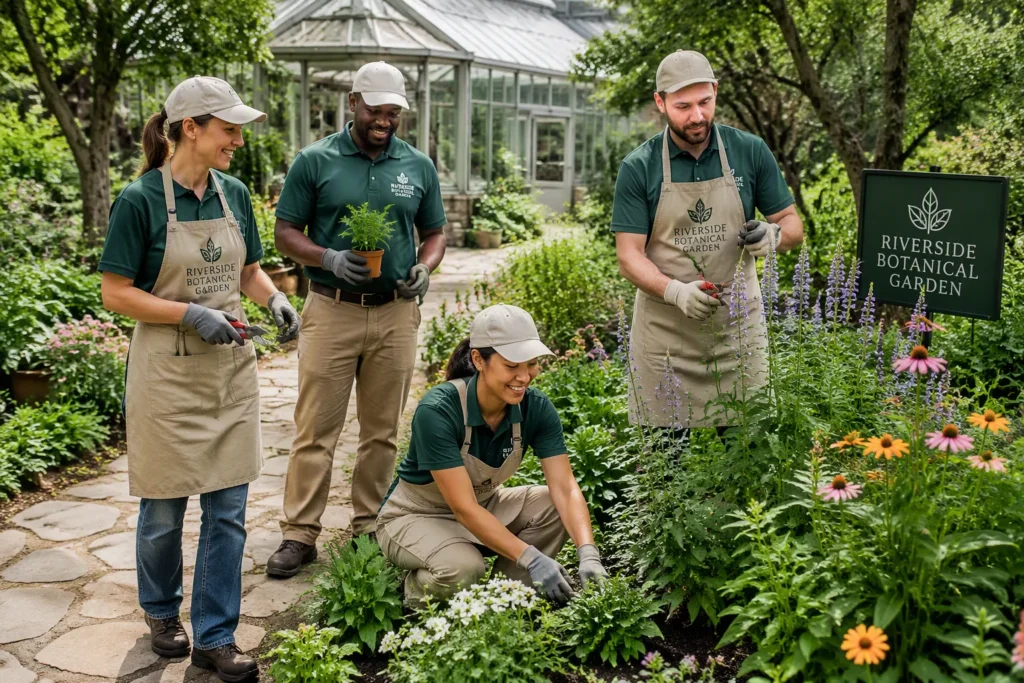
Shanghai Top Fortune Industry Co., Ltd. (Top Fortune) started around 2002 in Songjiang, Shanghai. Our 1,506 m² facility does OEM/ODM workwear exports to Europe, the Middle East, Oceania, Southeast Asia, and the Americas. You can get tough, branded, adult-sized botanical garden staff uniform pieces here. The MOQ is about 1,000 per style, covering horticulture technicians through cafe staff.
In this guide, you will find:
Staff roles and uniform scope
Fabrics and branding
OEM process and RFQ table
Catalog vs OEM and procurement checklist
Quality control and compliance
Key Takeaways
Set uniform needs for each garden role to pick the right clothes and features.
Pick fabrics that pull sweat away and last a long time, like polyester blends, for outdoor dampness and dirt.
Plan your branding early. Pick screen printing to save money, or embroidery for a nicer look.
Follow the OEM process: send a detailed RFQ, request samples, and check quality control.
Plan for extra costs like customs fees and give 45 to 75 days for bulk production.
Staff Roles and Uniform Scope
Horticulture, Grounds, and Visitor-Facing Roles
Your botanical garden or arboretum has several different staff groups. Each group needs different uniform features. Horticulture technicians work directly with plants. They prune, plant, and care for living collections all day. Their work involves kneeling, reaching, and handling soil. Grounds maintenance crews take care of lawns, pathways, and irrigation systems. They often work in wet conditions and need garments that resist moisture and dirt.
Visitor guides lead tours and answer questions. They need a polished look that reflects your institution’s brand. Ticket and retail counter staff handle transactions and greet guests. Cafe staff prepare and serve food and beverages. These roles require uniforms that look professional and clean easily. All uniforms here are for adult staff only. We do not produce kids or school uniforms.
Garment Types for Each Role
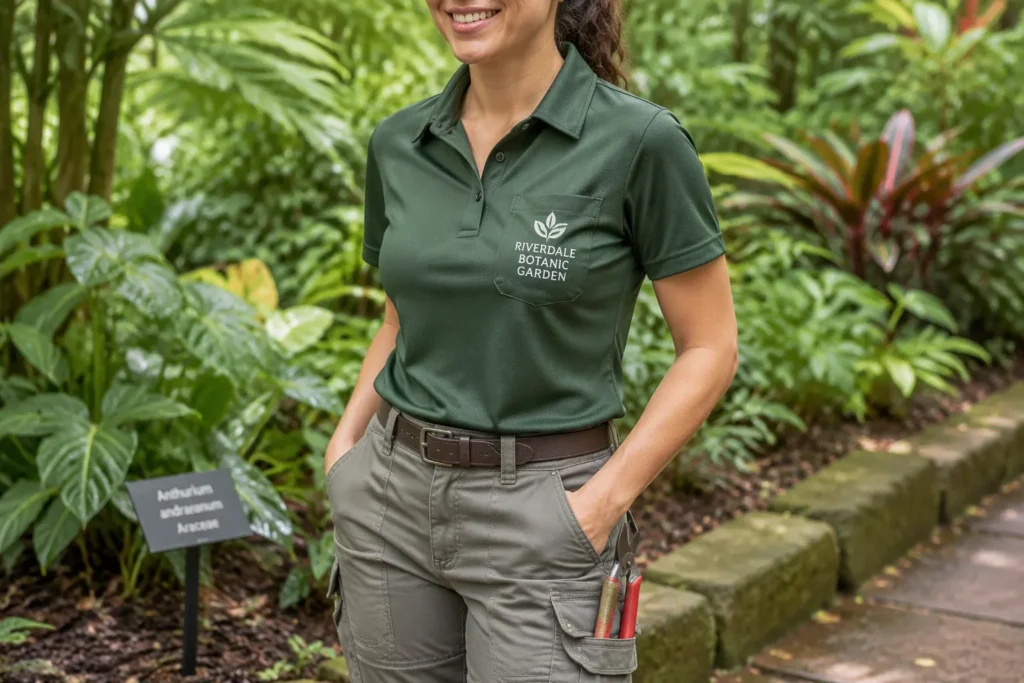
Different roles call for different garment types. Horticulture technicians and grounds crews benefit from durable cargo trousers with reinforced knees and multiple pockets. Moisture-wicking polos and shirts keep them comfortable during physical work. Softshell jackets provide warmth and wind resistance for cooler months. Caps shield faces from sun and light rain. High-vis accents on vests or sleeves improve safety near vehicles and equipment.
Visitor guides and ticket counter staff typically wear branded polos or button-down shirts. These present a neat, welcoming image. Cafe staff often need aprons over their shirts for food safety and easy cleaning. You can explore similar role-based uniform solutions for landscaping and grounds teams through our landscaping and grounds uniform guide. For retail and floral shop environments, our florist shop uniform page offers additional design ideas. A well-planned botanical garden staff uniform program covers every role with the right garment mix.
Fabrics and Branding for Botanical Garden Staff Uniform
Durable Easy-Care Fabrics for Outdoor Humidity
The fabric you pick decides how well your uniforms hold up. Your teams work in damp places and deal with soil every day. You need materials that manage wetness and feel good through long shifts.
The best work shirt for hot weather is a light, sweat-wicking shirt made from performance polyester or a polyester mix. These fabrics pull sweat off the skin, dry fast, and stay comfy through long, hard shifts better than cotton.
REI’s experts say most activewear uses nylon or polyester. These materials wick moisture and dry quickly. Fabric makers mix synthetics to fine-tune performance. Polyester-nylon blends give strong breathability and moisture control for your outdoor crew.
Polyamide fabrics now come with antimicrobial treatments. These treatments cut down odor buildup during humid workdays. Lighter polyamide weaves stop heat from building up during active tasks. Merino wool has natural antimicrobial traits from lanolin. Lanolin blocks bacterial growth and odor. Merino wool holds 10 to 100 times fewer bacteria than polyester after exercise. Blends like 80 percent wool with 20 percent nylon add strength while keeping breathability. Performance fabrics with engineered antimicrobial coatings also fight odors without blocking airflow. These choices fit your humid garden settings well.
For grounds crews, look for reinforced knees on cargo trousers. Multiple pockets keep pruning shears, gloves, and supplies close at hand. Softshell jackets with wind-resistant layers work well for cooler months. High-vis accents on vests or sleeves boost safety near vehicles. Your whole Botanical Garden Staff Uniform program gains from these fabric choices across all seasons.
Logo Options and Brand Consistency
Your uniform branding shows your institution to every visitor. You have two main logo methods for bulk orders. Screen printing puts ink right onto the fabric surface. Embroidery sews the design into the garment with thread.
The cost gap matters at scale. At 100 or more units, screen printing runs about $2 to $5 per shirt for one to four colors. Embroidery runs $5 to $11 per shirt based on stitch count. Screen printing saves you $3 to $6 per unit. At 500 units, the gap grows even more. A Devon & Jones polo shirt with one-color screen printing costs $27 each. The same shirt with embroidery costs $32 each. That is a $5 gap per shirt.
Screen printing also gives strong wash durability.
Screen printing gives the best wash durability among most printing methods. The thick ink layer bonds tightly with the fabric, keeping color and texture even after 80–100 washes.
Tests on 60/40 cotton-polyester shirts showed logos stayed crisp after 25 wash and dry cycles. Your uniforms will keep their branded look through many seasons.
Logo placement shapes how visitors see your brand. Here is a guide for your front-of-house staff:
Placement Area | Position & Adjustment | Ideal Size | Best For Visitor-Facing Staff |
|---|---|---|---|
Left Chest | 3–4 inches below collar (women’s: ~1 inch higher) | 3–4 inches wide | Gold standard for retail and hospitality; balances subtlety and visibility |
Sleeve | 1–3 inches above sleeve hem | 2–3 inches wide | Department ID without changing the uniform look |
Back | 2–3 inches below collar | 6–10 inches wide | High visibility from a distance for busy areas |
Left chest placement works best for daily guest interaction. You can add sleeve logos for department identification. Back logos suit high-traffic zones. You can also customize garment colors to match your brand guidelines exactly. For more details on custom polo production, visit our custom polo shirt manufacturing page.
OEM Process and RFQ Table
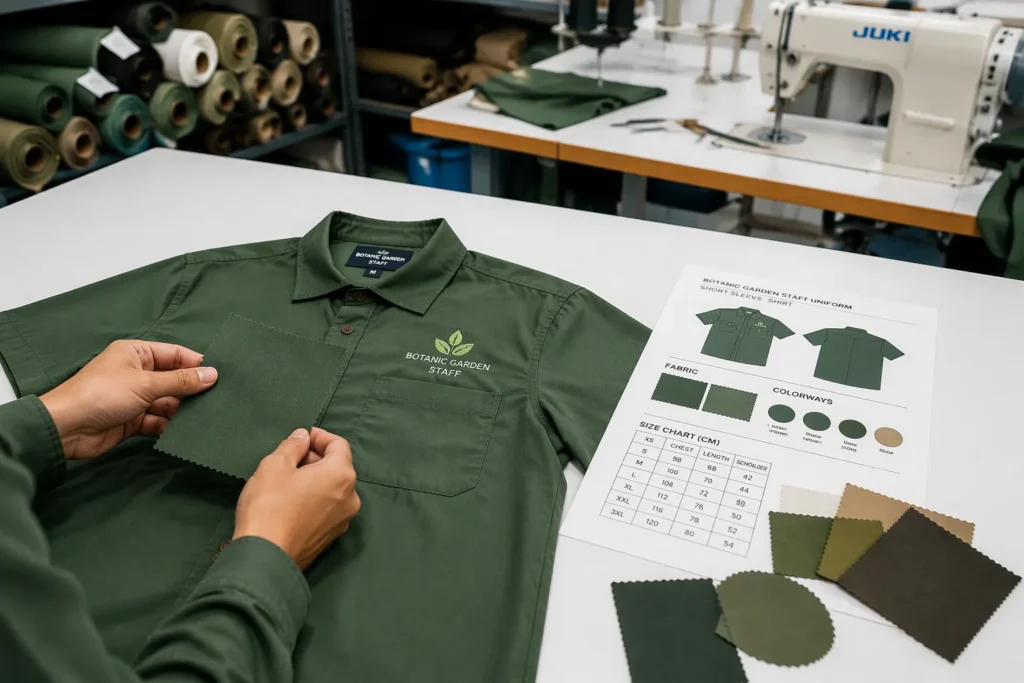
Turning your botanical garden staff uniform idea into a finished order follows a clear path. Top Fortune handles each step, so you can focus on your garden.
From Inquiry to Sample Approval
The OEM process begins when you share your project details. Follow these steps to go from inquiry to sample approval.
Initial Inquiry: Send your needs clearly. Include garment types, order quantity, size breakdown, destination country, and fabric preferences like material, weight, and performance. Add color references such as Pantone codes or samples, logo details like method, placement, and size, packaging needs, and your target delivery date. Also say if you need a pre-production sample. More detail helps the factory make an accurate plan faster.
Fabric and Material Selection: Pick fabrics that match your outdoor conditions. Common choices include TC Ripstop for tear resistance, TC Twill for stable structure, and polyester-cotton blends for balanced comfort and cost. Confirm the blend ratio and GSM. Fabric choice affects comfort, look, and how long the garment lasts. Decide on the fabric before sampling to avoid surprises.
Pattern Development and Sample Making: The factory makes a pre-production sample based on your spec sheet. Sample lead time is usually 2 to 4 weeks. When you review the sample, check size and fit against the approved size chart. Verify fabric feel and weight, color accuracy, stitching quality, logo and patch placement, pocket construction, and comfort during movement. Ask for changes if needed.
Sample Approval and Pre-Production Confirmation: Once the sample meets your standards, lock in every production detail. Confirm the fabric, size chart, logo artwork in print-ready format, color reference, quantity breakdown by size, packaging specs, production timeline, and payment terms. Write everything down before bulk production starts.
After sample approval, bulk production begins. Quality control checks happen during the process. Final inspection checks the finished goods. Shipping comes next, with export to your region ready.
Lead time reference: Sample or prototype takes 7–15 business days from approved tech pack. Bulk production takes 45–75 days from sample approval and deposit receipt.
RFQ Table and MOQ Details
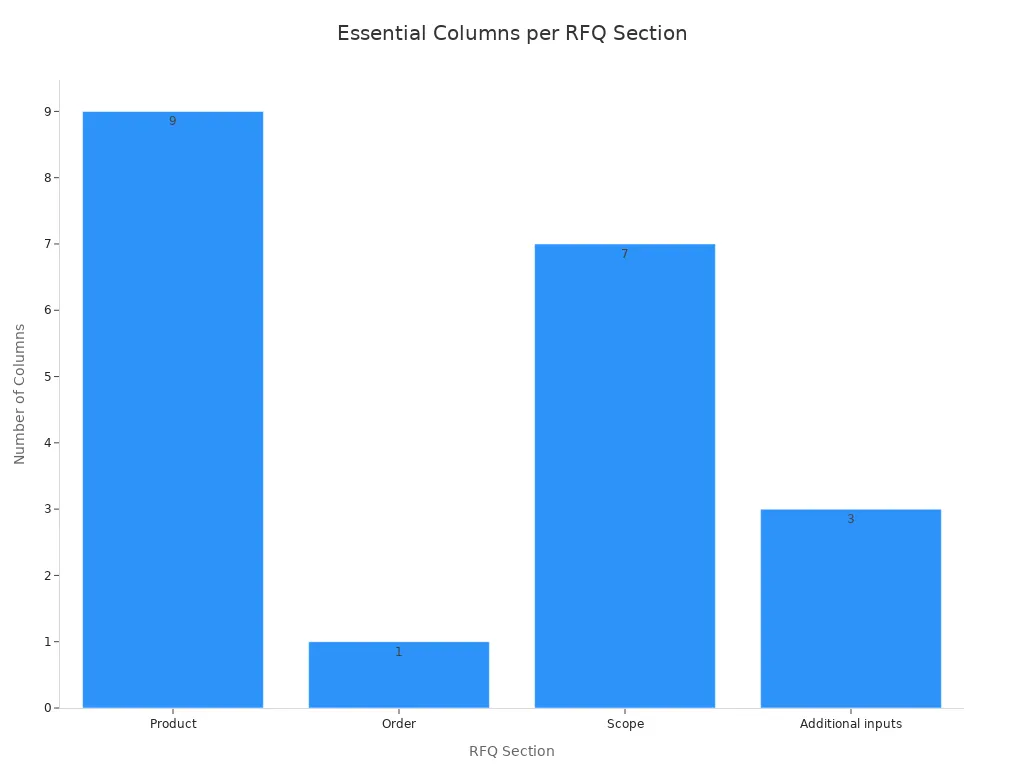
A well-structured RFQ table helps both sides move faster. Use this format for your request:
Item | Fabric | Size Range | Branding | Quantity | Lead Time |
|---|---|---|---|---|---|
Polo shirt | 65/35 polyester-cotton, 180 GSM | S–5XL | Embroidery, left chest, 4 in. wide | 1,000 pcs | 45 days |
Cargo trousers | TC Ripstop, 200 GSM | S–5XL | Screen print, back pocket | 1,000 pcs | 50 days |
Softshell jacket | Polyester outer with fleece lining | M–4XL | Embroidery, left chest and back | 500 pcs | 55 days |
Cap | 100% cotton twill | Adjustable | Embroidery, front center | 1,000 pcs | 40 days |
Apron | 65/35 poly-cotton, 250 GSM | One size | Screen print, front | 500 pcs | 40 days |
Each line in the table stands for one garment style in your botanical garden staff uniform program. You can add more columns for construction details or packaging preferences. Attach a size-wise quantity breakdown to your RFQ, or state that you will provide it before production.
The MOQ for Top Fortune is about 1,000 pieces per style. This MOQ works for most botanical garden staff uniform programs. You can mix different garment types across staff roles as long as each style reaches the minimum.
Export readiness is built into our process. We handle documentation, labeling, and packaging for international shipments.
For similar uniform programs at zoos and animal parks, explore our zoo keeper uniform OEM guide. The same OEM principles apply across different facility types.
Catalog vs OEM and Procurement Checklist
Catalog vs OEM Comparison
You have a real choice to make: buy from a catalog or build your own OEM program. Catalog items ship fast and have low minimums. OEM lets you control fabric, fit, and branding fully. Your choice depends on how closely your garden’s identity must match the clothes.
Factor | Catalog | OEM |
|---|---|---|
Customization | Few colors and sizes | Full control of fabric, color, and design |
Cost per unit | Higher for small amounts | Lower when you order a lot |
MOQ | Low, often no minimum | About 1,000 per style |
Branding | Stock logo placement | Embroidery, screen print, custom placement |
Lead time | Days to weeks | Sample 7–15 business days, bulk 45–75 days |
Catalog works for a quick test run. OEM pays off when you need the same branding across many roles. For big facilities with mixed teams, an OEM program follows the same idea used in facility management uniform programs. Theme parks with similar visitor-facing and grounds crews use the same approach, as shown in our theme park uniform guide.
Procurement Checklist for Buyers
Follow these steps to keep your order on track.
Define roles. List every staff group and the clothes each one needs.
Choose fabrics. Match weight and performance to your climate and soil exposure.
Confirm branding. Lock logo method, placement, and colors before sampling.
Request samples. Ask for design help during sampling so the supplier can fix files, adjust repeats, and correct colors for true printing. Ask for free fabric samples and a physical swatch pack before you commit to production. Use these to judge weight, feel, and print quality on the real fabric.
Verify QC. Check pre-production samples and inline inspections.
Plan shipping. Confirm packaging, labeling, and delivery timelines early.
Each step builds on the last. Skipping the swatch stage often leads to fabric that feels wrong in the field.
Quality Control and Compliance
Inspections, Standards, and Shipping
Top Fortune uses a three-step quality control process for your botanical garden staff uniform program.
Pre-production samples. You get a real sample before bulk production begins. You check the fabric feel, color accuracy, stitching quality, and logo placement. Then you approve the sample or ask for changes.
Inline inspections. Factory QC checks garments while production is running. They measure seam strength and size consistency. They find defects early.
Final random inspection. An independent inspector reviews the finished goods. They use AQL standards. Typical AQL levels are 2.5 for major defects. The shipment passes if defect counts stay below these limits.
Compliance standards are different for each destination. Europe requires CE marking and REACH compliance for chemical safety. The Middle East follows similar textile rules. Oceania and Southeast Asia accept international quality benchmarks. The Americas charge customs processing fees. These include the Merchandise Processing Fee at 0.3464% of value. The Harbor Maintenance Fee adds 0.125% of cargo value. Top Fortune handles export documentation for all regions.
Avoiding Hidden Costs
Several costs can surprise first-time importers. Customs inspections add unexpected charges. Here are common fees you may face:
Fee Type | Description | Cost |
|---|---|---|
X-ray inspection | Customs examines container via X-ray | ~$300 |
Intensive exam | Customs opens container for full check | $1,000+ |
Harbor Maintenance Fee (HMF) | For U.S. ports and harbors maintenance | 0.125% of cargo value |
Merchandise Processing Fee (MPF) | Fee for customs entry processing | 0.3464% of value (min $25, max $485) |
Other costs include demurrage when containers stay past free time. Storage fees apply at ports during inspection. Shifting or drayage fees cover container movement. Handling fees cover labor and equipment use. Administrative fees cover processing and coordination.
Plan for these costs in your budget. Account for tariffs on textile imports. Include packaging customization fees. Plan for rush order premiums. Top Fortune offers clear pricing upfront. Ask for a full cost breakdown before you place your order.
For questions about quality control or shipping costs, contact Top Fortune: rill@topfortunemail.com or WhatsApp +86 13524210501.
Here are six steps for your botanical garden staff uniform program. First, define what each staff role needs. Pick strong fabrics that can handle humidity and soil. Confirm how you will brand the uniforms and where the logos go. Ask for pre-production samples before bulk production starts. Check quality control through inspections. Then place your bulk order with Top Fortune.
Top Fortune began around 2002 with a 1,506 m² facility in Songjiang, Shanghai. It ships OEM and ODM workwear to Europe, the Middle East, Oceania, Southeast Asia, and the Americas. The MOQ is about 1,000 pieces per style. Making the uniforms in China helps keep costs low.
Contact Top Fortune for a quote and sample order at Floor 3 Building 20 Haier Zhigu No.66 Guangfulin East Road Songjiang Shanghai 201600. Email rill@topfortunemail.com or WhatsApp +86 13524210501.
FAQ
What is the minimum order quantity for botanical garden staff uniforms?
Top Fortune asks for about 1,000 pieces per style. You can mix clothing types for different staff roles. Each style still has to meet the minimum. This MOQ works well for most botanical garden and arboretum uniform programs.
How long does sampling and bulk production take?
Sampling takes 7 to 15 business days after you approve the tech pack. Bulk production takes 45 to 75 days from sample approval and deposit receipt. Plan your schedule around these time frames.
Which fabrics work best for outdoor humidity and soil exposure?
Pick moisture-wicking polyester blends or TC Ripstop. These fabrics dry fast and resist tearing. Reinforced knees on cargo trousers add strength. Softshell jackets with fleece lining work for cooler months. High-vis accents boost safety near vehicles.
Can you match our garden's brand colors and logo?
Yes. You can customize clothing colors to match your brand guidelines. Logo choices include embroidery and screen printing. Put logos on the left chest, sleeve, or back. Send Pantone codes and print-ready artwork before sampling.
Do you export to Europe, the Middle East, and the Americas?
Yes. Top Fortune ships to Europe, the Middle East, Oceania, Southeast Asia, and the Americas. We take care of export paperwork, labeling, and packaging. Rules differ by region. Contact us for requirements specific to your destination.