

Chic and Sustainable Overalls for Every Season
Table of Contents
Display
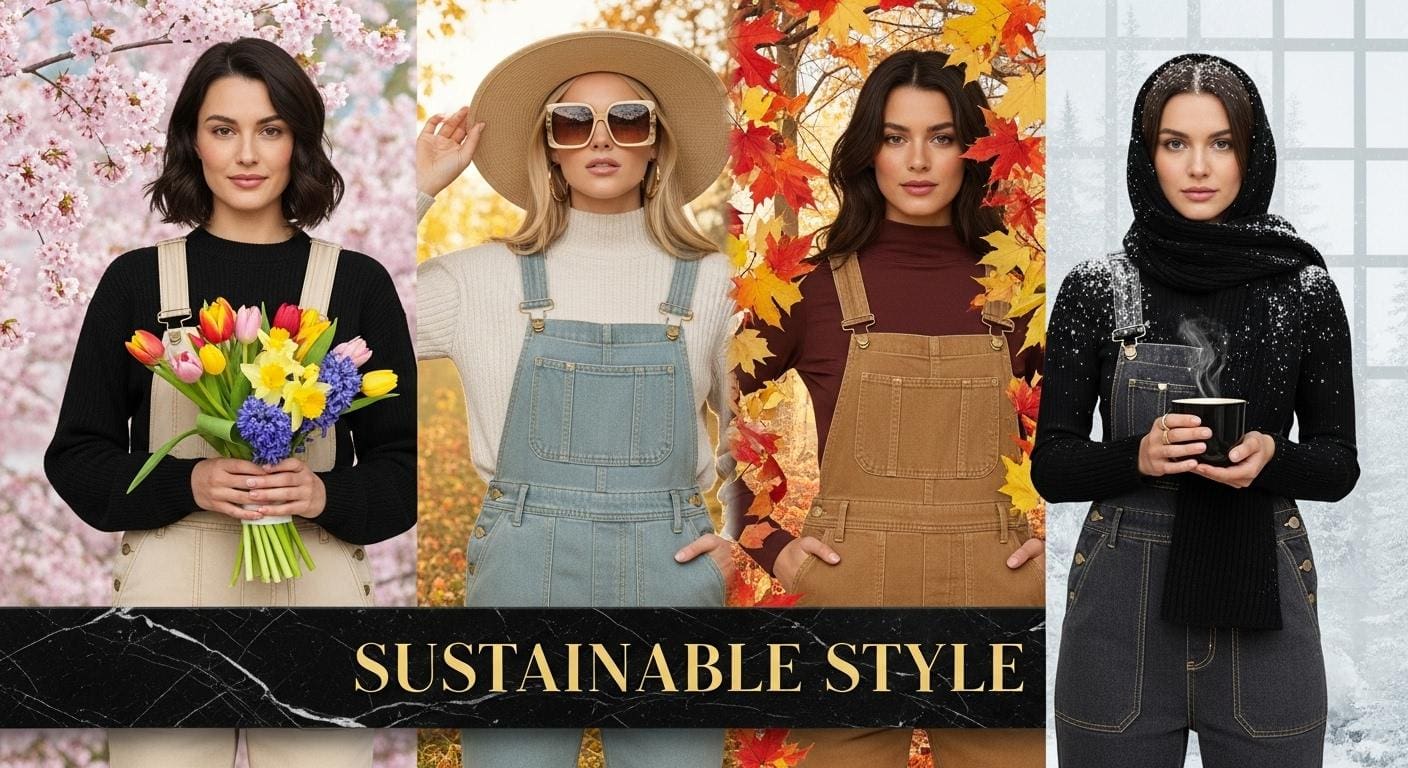
Yes, you can find overalls that are both stylish and sustainable for every season. Eco-friendly choices have become more popular as the sustainable fashion market grew to $3.6 billion in 2023. Many people now prefer organic cotton and shop online for new wardrobe staples. You can wear overalls year-round because they offer versatility and comfort. Sustainable fashion gives you practical options that help protect the planet while keeping your style fresh.
Key Takeaways
Sustainable overalls combine style and eco-friendliness, using materials like organic cotton, bamboo, and recycled fibers.
Choosing overalls made from eco-friendly materials helps reduce environmental impact and supports ethical labor practices.
Look for certifications like GOTS and Fair Trade to ensure your overalls meet high sustainability standards.
Sustainable overalls are versatile and can be worn year-round by layering or choosing appropriate materials for each season.
Finding the right fit is crucial; consider unisex, petite, and plus-size options to ensure comfort and longevity.
Investing in quality sustainable overalls saves money over time, as they last longer and require fewer replacements.
Proper care, such as washing in cold water and air drying, extends the life of your overalls and maintains their eco-friendly qualities.
Mix and match your overalls with various tops and accessories to create a sustainable wardrobe that reflects your style.
Sustainable Overalls

You can choose overalls that combine style with sustainability. These options use eco-friendly materials and responsible production practices. When you select sustainable overalls, you help reduce environmental impact and support ethical working conditions.
Materials
You find many eco-friendly materials in sustainable overalls. Each material offers unique benefits for the environment and your wardrobe.
Organic Cotton
Organic cotton is grown without synthetic pesticides or fertilizers. This process conserves resources and reduces greenhouse gas emissions. Many brands use GOTS certified organic cotton to ensure high standards. You get soft, breathable overalls that feel comfortable in every season. Organic cotton also supports healthier soil and water systems.
Bamboo
Bamboo fabric comes from a fast-growing, renewable plant. Bamboo absorbs CO2 and releases oxygen, which helps the environment. Some bamboo production may use chemicals, but many brands choose responsible practices to limit harm. Bamboo overalls feel lightweight and cool, making them perfect for warmer months.
TENCEL Lyocell
TENCEL Lyocell is made from sustainably grown trees. The closed-loop production process recycles solvents and water, reducing waste. You enjoy overalls that are smooth, strong, and gentle on your skin. TENCEL Lyocell stands out as a sustainable fabric for its low environmental footprint.
Recycled Fibers
Recycled materials play a key role in sustainable overalls. You see options made from recycled polyester, Econyl, and even recycled cotton. Recycled polyester uses 59% less energy than virgin polyester. Econyl comes from recycled materials like fishing nets, offering a durable and eco-friendly choice. Recycled cotton reduces waste and saves resources. These recycled options help keep materials out of landfills and lower the carbon footprint of your dungarees.
Tip: Look for overalls made with recycled materials to maximize sustainability and durability.
Production
Sustainable production practices set these overalls apart from conventional options. You support brands that use less water and energy, and that treat workers responsibly.
Ethical Standards
Ethical working conditions matter in sustainable fashion. Brands follow strict guidelines to protect workers and the environment. You can trust that your overalls come from factories with fair wages and safe workplaces. Ethical practices also include responsible sourcing of materials and transparent supply chains.
Certifications
Certifications help you identify truly sustainable overalls. The most recognized ethical certifications include:
Certification Name | Accredited By | Used For | Key Requirements |
|---|---|---|---|
GOTS and third-party bodies | Textiles | At least 70% organic; strict controls on chemicals, water, energy, and worker treatment. | |
Responsible Wool Standard (RWS) | Textile Exchange | Wool products | Focus on sheep welfare and sustainable grazing; prohibits mulesing. |
OEKO-TEX | OEKO-TEX | Textiles and fabrics | Ensures products are free from harmful substances; focuses on consumer safety rather than organic materials. |
You should look for GOTS certified organic cotton in your overalls for the highest standards in sustainability and safety.
Versatility
Sustainable overalls offer year-round wear and timeless style options. You can build a wardrobe that lasts and adapts to every season.
Year-Round Wear
You can wear overalls in spring, summer, fall, and winter. Choose lighter materials like bamboo or TENCEL Lyocell for warm weather. Opt for organic cotton or recycled fibers for cooler months. Layer your dungarees with sweaters or jackets to stay comfortable all year.
Style Options
You find many style options in sustainable overalls. Classic cuts, modern fits, and unique details let you express your personality. Timeless design means you wear your overalls for years, reducing the need for frequent replacements. Mixing recycled materials and sustainable fabrics creates durable and fashionable choices.
Note: Investing in versatile, sustainable overalls helps you build a wardrobe that supports the planet and your style.
Choosing Overalls
Fit & Sizing
Finding the right fit and sizing for overalls ensures comfort and longevity. You should consider how the garment adapts to your body and how it will last over time. Many brands offer unisex designs, as well as options for petite and plus sizes.
Unisex
Unisex overalls suit a wide range of body types. Adjustable straps and flexible waistbands help you customize the fit. You can share these garments or wear them in different ways. Unisex styles often feature relaxed cuts, making them easy to layer throughout the year.
Petite & Plus
If you need petite or plus sizing, look for brands that tailor their overalls to your measurements. Petite overalls have shorter inseams and adjusted proportions. Plus-size options offer more room in the hips and thighs, with reinforced seams for durability. Sizing issues can lead to early disposal, so choosing the right fit helps your overalls last longer.
Factor | Considerations |
|---|---|
Durability | Choose strong fibers and quality fabric for color fastness and abrasion. |
Adapted Fit | Select sizing tailored to your body for comfort and longevity. |
Care Instructions | Look for easy-care garments with clear washing guidelines. |
Tip: Adjustable features like straps and waistbands help accommodate different body shapes and extend the life of your overalls.
Price & Value
You may notice that sustainable overalls often cost more than conventional ones. The price reflects ethical labor practices, eco-friendly materials, and certification fees. These factors contribute to the overall value and longevity of the garment.
Investment vs. Affordable
Sustainable fashion can be an investment. Higher prices often mean fair wages for workers and premium materials like organic cotton or recycled fibers. Some eco-friendly overalls cost 75-85% more than standard options. If you have a limited budget, you can still find budget-friendly options by shopping sales or choosing brands that offer lower-priced lines. The cost of raw materials, manufacturing processes, and certifications all influence the final price.
Ethical labor practices and eco-friendly materials increase the price.
Certifications like USDA Organic or Fair Trade add to the cost.
Premium materials and responsible manufacturing ensure durability.
Note: Investing in quality overalls saves money over time because you replace them less often.
Where to Buy
You can shop for sustainable overalls online or support local brands. Many reputable retailers offer a wide selection, making it easy to find the right style for your needs and budget.
Online
Online marketplaces provide access to many sustainable brands. You can browse options from Everlane, Komodo, People Tree, Reformation, Etsy, Thought, Toad&Co, NA-KD, and La Maison Simons. These retailers focus on ethical production and eco-friendly materials. Shopping online lets you compare styles, prices, and reviews before making a decision.
Local Brands
Supporting local brands helps reduce shipping emissions and supports your community. Many small businesses offer sustainable overalls made from organic cotton or recycled fibers. You can visit local boutiques or markets to find unique designs and personalized service.
Online retailers offer convenience and variety.
Local brands provide unique styles and community support.
Tip: Check for sales or secondhand options to stay within your budget and find budget-friendly options.
Care Tips
Taking care of your sustainable overalls helps you keep them looking great and lasting longer. Proper care also preserves their eco-friendly qualities. You can make a big difference with a few simple habits.
Washing
Washing your overalls the right way protects both the fabric and the environment. Many sustainable overalls use natural fibers like organic cotton, bamboo, or TENCEL Lyocell. These materials need gentle care.
Wash less often: Over-washing wears out fabric and wastes water. Spot clean small stains instead of washing the whole garment.
Use cold water: Cold water preserves color and reduces energy use. Hot water can shrink or damage natural fibers.
Choose mild detergent: Pick a gentle, eco-friendly detergent. Harsh chemicals can break down fibers and harm the environment.
Turn inside out: Turn your overalls inside out before washing. This step protects the outer surface and keeps colors bright.
Air dry: Skip the dryer. Hang your overalls to dry. Air drying prevents shrinkage and saves energy.
Tip: Always check the care label on your overalls. Brands often provide specific instructions for their fabrics.
Repair
Repairing your overalls extends their life and keeps them out of landfills. You do not need advanced sewing skills to make simple fixes.
Patch holes: Use fabric scraps or iron-on patches to cover worn spots. This method adds character and prevents further tearing.
Reinforce seams: If you notice loose threads or weak seams, stitch them up before they become bigger problems.
Replace buttons and hardware: Lost a button or broken a strap? Replace hardware instead of discarding the garment.
Upcycle creatively: Turn old overalls into shorts, bags, or aprons. Upcycling gives new life to worn pieces and reduces waste.
Choosing durable fabrics from the start helps you avoid frequent repairs. Investing in textiles with longevity means you replace your overalls less often. When you care for your garments and repair them as needed, you support a more sustainable wardrobe.
Note: Small repairs and mindful washing habits can add years to your overalls. You save money and help the planet at the same time.
Ethically Made Overalls
When you look for ethically made overalls, you want brands that go beyond style. These companies focus on responsible sourcing, fair labor, and transparent supply chains. You can trust that your purchase supports both people and the planet.
Top Brands
You have many choices when searching for ethically made overalls. Some brands stand out for their commitment to ethical practices and quality. Here are several leaders in the field:
Smash + Tess
Toad&Co
Ecolife
Project Cece
Lucy & Yak
Outerknown
Reformation
Etsy
You also find other respected names like Not Perfect Linen, Universal Standard, Baukjen, Uskees, Hey Gang, BackBeatCo, Lykke Wullf, Made Trade, Arnhem, and Boutonne. These brands earn recognition for sourcing materials responsibly, ensuring fair labor, and maintaining transparency in their supply chains.
Brand Features
You want to know what makes these ethically made overalls different from conventional options. Each brand brings something unique to the table, from materials to production methods and price points.
Materials Used
You see a wide range of materials in ethically made overalls. Many brands use organic cotton, recycled fibers, or TENCEL Lyocell. Some focus on classic denim overalls made from organic or recycled denim. You also find options in linen or bamboo, which offer breathability and comfort. These materials help reduce environmental impact and support a sustainable lifestyle.
Production Practices
Ethical production practices set these brands apart. You support companies that provide fair wages and safe working conditions. Many brands publish details about their factories and supply chains. They often hold certifications like GOTS or Fair Trade. Some brands use innovative approaches, such as circular fashion or upcycling, to minimize waste. You can feel confident that your denim overalls come from a responsible source.
Brand | Unique Feature/Practice | Description |
|---|---|---|
Lucy & Yak | Transparent supply chain | Shares detailed info about factories and worker conditions. |
Outerknown | Responsible sourcing and Fair Labor | Uses organic and recycled materials, ensures fair wages. |
Reformation | Eco-friendly production | Focuses on water-saving and low-impact manufacturing. |
Smash + Tess | Small-batch, family-run production | Prioritizes ethical labor and sustainable fabrics. |
Toad&Co | Social and environmental initiatives | Partners with non-profits and uses eco-friendly materials. |
Ecolife | Recycled and upcycled materials | Creates overalls from post-consumer waste and sustainable sources. |
Project Cece | Ethical marketplace | Curates brands that meet strict ethical and environmental standards. |
Etsy | Handmade and vintage options | Supports small makers and upcycled classic denim overalls. |
Tip: When you choose ethically made overalls, you support brands that value people and the environment.
Price Range
You notice a range of prices for ethically made overalls. Some brands offer affordable options, especially on platforms like Etsy or Project Cece. Others, like Outerknown or Reformation, fall into the premium category due to their use of high-quality materials and ethical certifications. You pay more for classic denim overalls from brands that guarantee fair labor and sustainable production, but you gain durability and peace of mind.
Affordable: Etsy, Project Cece, Lucy & Yak
Mid-range: Toad&Co, Smash + Tess, Ecolife
Premium: Outerknown, Reformation
You can find ethically made overalls that fit your budget and values. When you invest in these pieces, you help drive positive change in the fashion industry.
Spring Overalls
Fabrics
Spring brings mild temperatures and longer days. You need fabrics that feel light and allow your skin to breathe. Choose eco-friendly materials like organic cotton, TENCEL Lyocell, and bamboo. These fabrics wick moisture and keep you comfortable as the weather warms up. Organic cotton offers softness and durability. TENCEL Lyocell feels smooth and resists wrinkles, making it easy to care for. Bamboo provides a cool touch and dries quickly. These options help you stay fresh and support the environment at the same time.
Tip: Look for blends that combine organic cotton with recycled fibers. These blends increase durability and reduce waste.
Best Picks
You have several standout brands for spring overalls. Each one uses eco-friendly practices and materials to create stylish, responsible choices.
Houdini uses 100% sustainable materials and focuses on transparency in production. Their overalls feature recycled and biodegradable fabrics, which means less impact on the planet.
Patagonia stands out for its environmental activism. Over 85% of its products come from Fair Trade Certified factories. The brand uses a high percentage of recycled materials and organic cotton.
Tentree commits to sustainability by using organic and recycled materials. The company aims for a fully circular business model by 2025 and holds B Corp certification.
These brands offer overalls that feel light, look modern, and support your eco-friendly values.
Styling Tips
You can create chic spring outfits with a few simple styling tricks. Try these ideas to get the most out of your overalls:
Pair your overalls with a slim top underneath and add a heel—like a boot, sandal, or pump—for a polished look.
Transition from day to night by changing accessories. Use flat sandals and a crossbody bag during the day. Switch to heels and a clutch for evening events.
If you prefer sneakers, show some ankle to keep your outfit youthful. Choose simple accessories to balance the look.
Note: Layer with a lightweight cardigan or denim jacket for cooler mornings and evenings. This approach keeps you comfortable and stylish as the weather changes.
Spring overalls give you the flexibility to dress up or down. You can express your personality while making eco-friendly choices that benefit both you and the planet.
Summer Overalls
Cool Materials
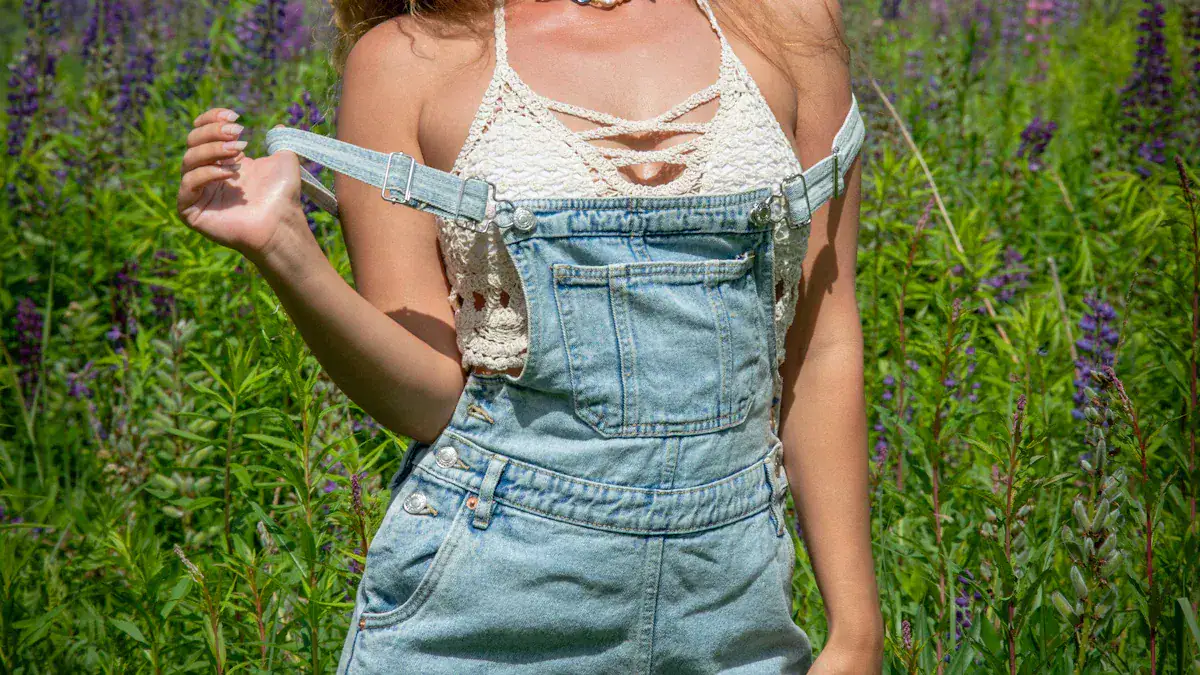
You want to stay cool and comfortable during hot summer days. Choosing the right materials for your overalls makes a big difference. Many brands now use eco-friendly fabrics that feel light and breathable. These materials help you beat the heat and support the planet at the same time.
Here is a quick look at some top brands and the materials they use for sustainable summer overalls:
Brand | Materials Used | Notes |
|---|---|---|
Boyish | OEKO-TEX certified recycled cotton | Focuses on ethical production and organic fabrics |
Swoveralls | Blend of organic cotton and recycled polyester | Known for comfort and unisex design |
Komodo | Mix of organic cotton and cellulose fibers | Established ethical brand since the 1980s |
Conscious Clothing | Plant-based fabrics and nontoxic dyes | Advocates for careful consumption and slow fashion |
For Days | GOTS certified organic cotton | Zero waste and recyclable fashion model |
You can see that organic cotton, recycled fibers, and plant-based fabrics are popular choices. These materials allow your skin to breathe and wick away moisture, making them ideal for summer wear.
Tip: Look for overalls made with OEKO-TEX or GOTS certified fabrics to ensure both comfort and eco-friendly standards.
Best Picks
You have many options when searching for the best sustainable overalls for summer. Several brands stand out for their commitment to the environment and innovative designs. Here are some top-rated choices:
Abysse for circularity and closed-loop production
UV Skinz for supporting coral reefs
Summersalt for transparency in sourcing and manufacturing
V sun for ocean activism and recycled materials
Surf yogis for non-toxic chemicals in their products
A Drop in the Ocean for refillable and low-waste options
Ripl for supporting coastal communities
These brands focus on both style and sustainability. You can find overalls that match your values and keep you cool all season.
Styling Tips
You can style your summer overalls in many ways to stay comfortable and chic. Try wearing a simple tank top or a lightweight tee underneath. Choose sandals or canvas sneakers for a relaxed look. Add a wide-brimmed hat and sunglasses to protect yourself from the sun.
If you want to dress up your outfit, layer delicate jewelry or a colorful scarf. Roll up the hems of your overalls for a breezy, casual vibe. You can also tie a shirt around your waist for extra style and convenience.
Note: Always choose light colors and loose fits for summer. These choices reflect sunlight and allow air to circulate, keeping you cool.
Summer overalls made from eco-friendly materials help you enjoy the season while caring for the environment. You get comfort, style, and peace of mind with every wear.
Fall Overalls
Layering
Fall brings unpredictable weather, so you need to prepare for both chilly mornings and warmer afternoons. Start with a lightweight base layer, such as a fitted long-sleeve shirt or a soft turtleneck. This base keeps you comfortable without adding bulk. Add a jacket or a structured blazer on top. You can remove the outer layer as the day warms up, making it easy to adjust your outfit for changing temperatures. Layering not only helps you stay comfortable but also gives your look more depth and style.
Tip: Choose natural fibers like organic cotton or bamboo for your base layers. These materials breathe well and feel gentle on your skin.
Best Picks
You have many sustainable brands that offer overalls perfect for fall. These brands focus on comfort, durability, and eco-friendly materials. Here are some top choices:
Pact uses organic cotton and offers minimalistic designs. Their Fair Trade certified collection ensures ethical production.
Alternative Apparel features recycled cotton and hemp-blend fibers, making their pieces soft and sturdy.
TenTree plants ten trees for every purchase and uses organic materials in their clothing.
Whimsy and Row commits to zero-waste fashion and produces locally in the US.
Kotn works with authentic Egyptian cotton and supports fair labor.
Thought creates socks and layers from bamboo and organic cotton, ideal for pairing with overalls.
Rapanui uses 100% recycled cotton and produces on demand to cut down on waste.
Beaumont Organic makes use of leftover scraps, creating unique and sustainable pieces.
NationLTD partners with local factories and aims for zero waste.
Patagonia is known for outerwear and donates profits to fight climate change.
MATE the Label offers organic cotton sweatpants and tops, focusing on comfort and sustainability.
Many of these brands design overalls with soft, breathable fabrics. You get comfort for layering and durability for repeated wear. Most brands use organic or recycled materials, so your choices support a more sustainable fashion industry.
Styling Tips
You can style your fall overalls in several ways to create a polished and practical look. Pair your overalls with a monochrome top for a clean, modern appearance. Layering remains key in fall, so add a cozy cardigan or a chunky knit sweater when temperatures drop. Choose ankle boots or classic sneakers to complete your outfit. Scarves and beanies add warmth and a touch of personality.
Try rolling up the cuffs of your overalls to show off your favorite fall socks.
Use earth tones and muted colors to match the season’s palette.
Add a belt bag or crossbody purse for hands-free convenience.
Note: Layering and thoughtful accessories help you transition your overalls from early fall to the colder months with ease.
Winter Overalls
Warmth
When winter arrives, you need overalls that keep you warm and comfortable. Insulated or heavier fabrics work best for cold weather. Many sustainable brands use advanced materials that provide excellent insulation without adding bulk. You can compare the most effective options in the table below:
Material | Insulation Type | Warmth Level | Additional Features |
|---|---|---|---|
Thinsulate | Synthetic | High | Lightweight, bulk-free |
Fleece lining | Synthetic | Moderate | Soft, comfortable |
AirBlaze® | Eco-friendly | 40% warmer | Water-repellent, wind-tight finish |
Gore-Tex | Waterproof | N/A | Ideal for damp conditions |
Cordura | Abrasion-resistant | N/A | Ensures durability and longevity |
You can choose overalls with AirBlaze® insulation for a sustainable and warm option. Frostline® Bib Overalls, for example, use this material and keep you comfortable even in temperatures as low as -25°F. These overalls also feature a water-repellent finish, which helps you stay dry during snowy days.
Best Picks
Several brands offer winter-ready overalls that combine warmth, durability, and eco-friendly features. The table below highlights some top choices and their key strengths:
Brand | Key Product | Waterproofing | Insulation | Price | Unique Strengths |
|---|---|---|---|---|---|
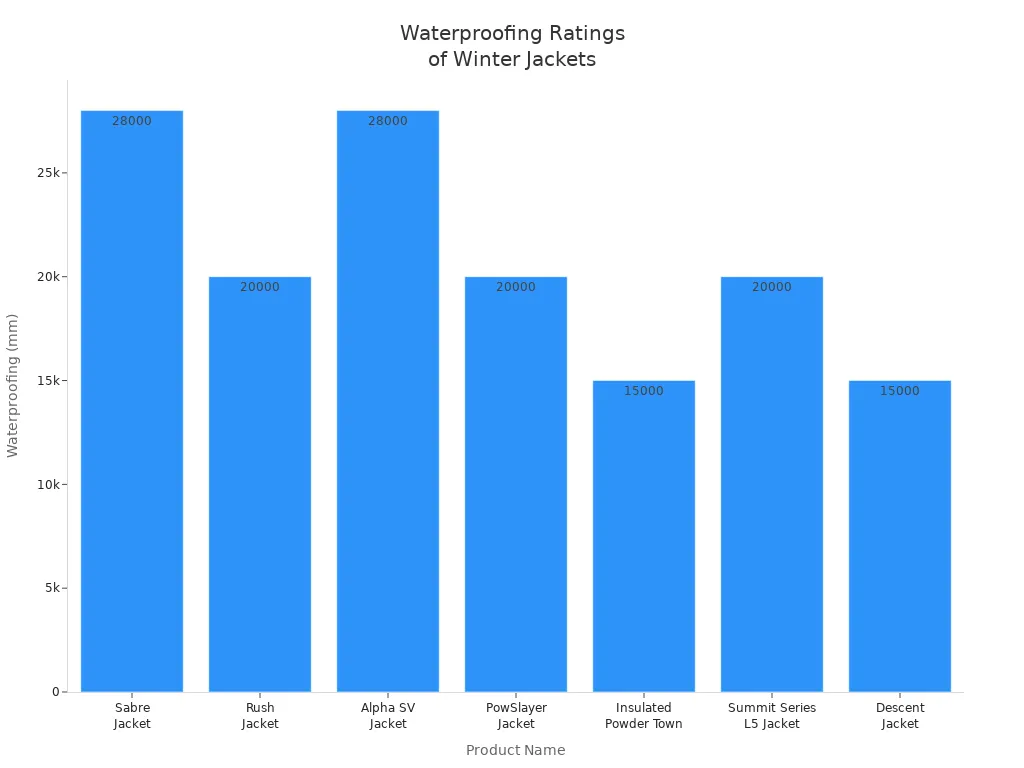
Arc’teryx | Sabre Jacket | 28,000 mm | N/A | $650 | 99% waterproofing in -25°C, lightweight design |
Patagonia | PowSlayer Jacket | 20,000 mm | Recycled polyester | $599 | 98% weather protection, eco-friendly focus |
The North Face | ThermoBall Eco Jacket | N/A | Recycled polyester | $250 | Lightweight, made from recycled materials |
Salomon | N/A | N/A | N/A | N/A | AdvancedSkin technology for better warmth |
You can see that brands like Patagonia and The North Face use recycled polyester for insulation. Arc’teryx stands out for its high waterproofing ratings, which help you stay dry in harsh winter conditions. The chart below compares waterproofing ratings for these sustainable winter jackets:
Styling Tips
You can stay warm and stylish by layering your overalls with the right pieces. Try these strategies for the best results:
Layer with a turtleneck to add warmth and a polished look.
Add a cozy cardigan for extra insulation without feeling bulky.
Style with a chunky sweater, especially if your overalls have a relaxed fit.
Accessorize with a scarf and beanie to boost both warmth and style.
Tip: Choose boots with thick soles and wool socks to keep your feet warm. You can also select gloves made from recycled materials for a fully sustainable winter outfit.
Winter overalls with proper insulation and thoughtful layering help you enjoy outdoor activities while supporting eco-friendly fashion.
Sustainable Wardrobe
Mixing & Matching
You can build a sustainable wardrobe by learning how to mix and match your clothing. Overalls work as a core piece because they pair well with many tops, shoes, and accessories. You might wear a striped tee one day and a solid turtleneck the next. This approach helps you create new outfits without buying more clothes. You save money and reduce waste. Try layering with sweaters or jackets for cooler months. You can also roll up the cuffs or add a belt to change the look. Mixing and matching encourages creativity and supports a zero-waste lifestyle. You make the most of every item in your ethical closet.
Tip: Keep a few versatile tops and shoes that match your overalls. You will find it easier to create different looks for every season.
Accessories
You can elevate your style and maintain an eco-friendly wardrobe by choosing the right accessories. Many options exist that support zero-waste and ethical fashion values. Consider these choices:
Belts made from vegetable-tanned leather, recycled materials, or non-PVC vegan leather
Tights crafted from recycled fibers, organic cotton, or wool
Shoes such as sustainable sandals, vegan sneakers, or cork-based footwear
Hats using organic cotton or recycled fabrics
Scarves made from organic cotton, bamboo, or hemp
Jewelry from transparent brands or recycled sources
Bags designed with eco-friendly materials and avoiding PVC
These accessories help you personalize your outfits while supporting zero waste and sustainable practices. You can choose items that last longer and have less impact on the environment. When you select accessories with care, you add style and function to your ethical closet.
Note: Small changes like switching to recycled tights or vegan shoes make a big difference in your wardrobe’s sustainability.
Mindful Shopping
You can make smarter choices when building a sustainable wardrobe. Mindful shopping means you think before you buy. Start by identifying gaps in your closet. You might need a warm layer for winter or a light top for summer. Focus on quality over quantity. High-quality garments last longer and reduce waste. Shopping secondhand gives you access to unique pieces and lowers your environmental impact. You also support zero-waste goals by caring for your clothes. Wash gently and repair when needed. These habits help you keep your wardrobe fresh and sustainable.
Choose quality items for longevity
Shop secondhand for unique and eco-friendly finds
Care for garments to extend their life
You create a zero waste and ethical closet by shopping with intention. Every purchase supports your values and helps the planet.
Longevity
You can extend the life of your sustainable overalls and wardrobe with a few smart habits. Longevity means getting the most wear out of every piece you own. This approach saves money and reduces waste. You help the planet by keeping clothes in use for as long as possible.
Start with quality. Choose overalls made from durable materials like organic cotton, TENCEL Lyocell, or recycled denim. High-quality fabrics resist fading and tearing. Strong stitching and reinforced seams also add years to your garments. Before you buy, check for double-stitched hems and sturdy hardware.
Care for your clothes properly. Follow the care label instructions. Wash your overalls in cold water to protect fibers and colors. Air dry them instead of using a dryer. This method prevents shrinkage and saves energy. Spot clean stains when possible. You avoid unnecessary washes and keep fabrics strong.
Tip: Turn your overalls inside out before washing. This step protects the outer surface and keeps them looking new.
Repair instead of replacing. Small fixes can make a big difference. Patch holes with fabric scraps or iron-on patches. Sew loose buttons or reinforce weak seams. Many brands offer repair guides or even repair services. You can learn basic mending skills online. These skills help you keep your favorite pieces in rotation.
Rotate your wardrobe. Give your overalls and other clothes a break between wears. Rotating outfits reduces wear and tear. You also get more variety in your daily looks.
Store your clothes with care. Hang overalls on sturdy hangers to keep their shape. Fold heavy items to avoid stretching. Store clothes in a cool, dry place. Avoid direct sunlight, which can fade colors.
Share or swap when ready. If you outgrow your overalls or want a change, consider swapping with friends or donating to a local charity. You give your clothes a second life and help others build a sustainable wardrobe.
Longevity Habit | Benefit |
|---|---|
Quality materials | Longer-lasting garments |
Proper washing | Maintains fabric strength |
Timely repairs | Prevents bigger damage |
Smart storage | Preserves shape and color |
Sharing/swapping | Reduces waste, helps others |
Note: Every small action you take adds up. When you care for your overalls and wardrobe, you support a more sustainable future.
You discover that overalls offer practical style for every season. Their multifunctional design lets you dress up for events or stay comfortable at work. By choosing sustainable options, you support ethical brands and reduce your impact on the environment.
Mix and match for minimalistic living
Use storage pockets for convenience
Enjoy protection and durability
To build a sustainable wardrobe, follow these steps:
Research ethical brands
Invest in quality pieces
Care for your clothes
Donate or repair when needed
Eco-friendly fashion proves that you can look chic and feel good all year.
FAQ
What makes overalls sustainable?
You find sustainable overalls made from organic cotton, bamboo, TENCEL Lyocell, or recycled fibers. Brands use ethical production methods and hold certifications like GOTS or Fair Trade. These choices help reduce environmental impact and support fair labor.
How do you care for sustainable overalls?
Wash your overalls in cold water with mild detergent. Air dry them to prevent shrinkage and save energy. Spot clean stains when possible. Always check the care label for specific instructions.
Can you wear overalls in every season?
Yes! You can wear lightweight overalls in spring and summer. Choose heavier fabrics or layer with sweaters and jackets for fall and winter. Overalls adapt easily to changing weather.
Where can you buy sustainable overalls?
You can shop online at stores like Reformation, Lucy & Yak, and Toad&Co. Local boutiques and eco-friendly marketplaces like Etsy also offer sustainable options. Look for brands that share information about their materials and production.
Are sustainable overalls available in plus or petite sizes?
Many brands offer inclusive sizing. You find petite and plus-size options at Lucy & Yak, Universal Standard, and other ethical labels. Check size charts and reviews to ensure the best fit.
How do you know if a brand is truly ethical?
Look for certifications like GOTS, Fair Trade, or OEKO-TEX.
Read about the brand’s supply chain and labor practices.
Ethical brands share transparent information about their factories and materials.
Do sustainable overalls cost more?
Sustainable overalls often cost more because of ethical labor, eco-friendly materials, and certifications. You invest in quality and durability. Over time, you save money by replacing clothes less often.