

How to Identify the Best Features in Snow Pants for Winter Sports
Table of Contents
Display
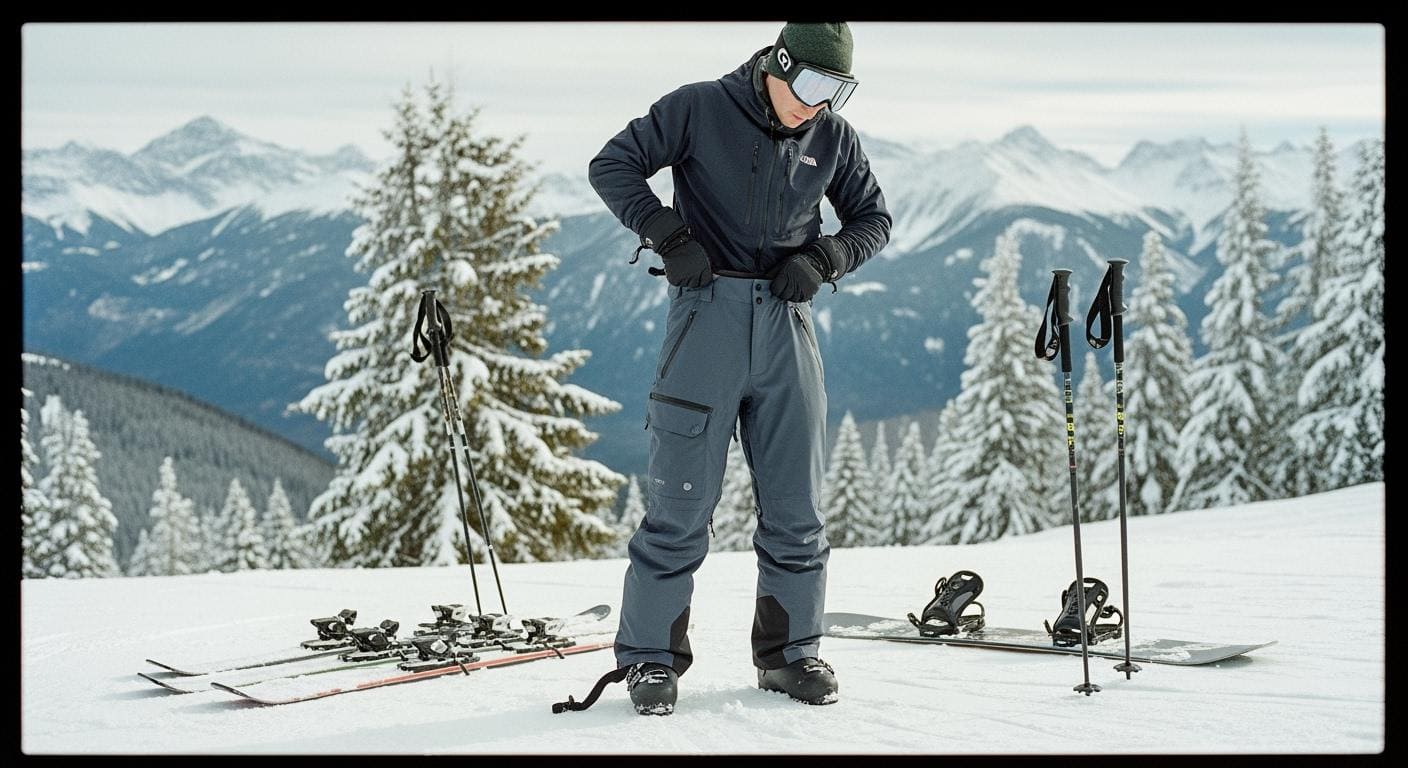
You need reliable protection when you face cold, wet, and snowy conditions during winter sports. The right pair of snow pants can keep you dry, warm, and comfortable. Key features like waterproofing, insulation, and fit make a noticeable difference in your experience.
Waterproofing keeps you dry on snowy days.
Insulation provides warmth, especially if you are new to winter sports.
A good fit with adjustable waist tabs and snow gaiters improves comfort and movement.
Think about your favorite activities, local climate, and personal comfort when choosing the best pair.
Key Takeaways
Choose snow pants with waterproofing to stay dry in wet conditions.
Look for insulation to keep warm, especially in cold climates.
Select a good fit with adjustable features for comfort and mobility.
Consider durability; high-quality materials extend the life of your pants.
Understand the types of snow pants: insulated, shell, and bib for different needs.
Check waterproof ratings; higher numbers offer better protection against moisture.
Use layering under snow pants for temperature control and comfort.
Test the fit by moving around in the pants to ensure freedom of movement.
Why Snow Pants Matter
Protection from Cold and Wet
You face harsh conditions when you step onto the slopes or trails. Snow pants play a vital role in shielding you from cold temperatures and moisture. If your clothing gets wet, it loses its ability to keep you warm. This can cause your skin and muscles to cool down quickly, which may lead to discomfort or even injury. You need gear that keeps you dry and maintains warmth, even in wet weather.
Cold weather can lower your performance because of low temperatures, strong winds, and moisture.
Wet clothing reduces insulation, making it harder for your body to stay warm.
Materials that wick moisture, dry quickly, and insulate well help you stay comfortable and safe.
Tip: Choose snow pants made from fabrics that keep water out and dry fast. These features help you stay warm and active longer.
Comfort and Mobility
You want to move freely when you ski, snowboard, or hike in winter. Snow pants offer a balance between protection and flexibility. Unlike some bulky winter gear, they feel lighter and less restrictive. This design lets you bend, twist, and stretch without feeling trapped by your clothing.
Snow pants are lighter and allow more movement than other winter sports apparel.
Insulation and breathability levels affect how comfortable you feel during activities.
Well-designed pants help you avoid overheating or sweating too much.
If you pick pants with the right insulation and ventilation, you can focus on your sport instead of your gear. You stay comfortable and enjoy your time outdoors.
Durability for Winter Sports
You need snow pants that last through tough conditions. High-quality fabrics and strong construction make a big difference. Waterproof and wear-resistant materials help your pants survive snow, ice, and rough terrain. You want gear that stands up to repeated use and keeps performing season after season.
Many snow pants use advanced fabrics like Gore-Tex. These materials block moisture but let heat escape, which helps you stay dry and prevents odors. Durable pants protect you from sharp edges, falls, and abrasions. You invest in gear that supports your adventures and keeps you safe.
Note: Look for reinforced seams and sturdy zippers. These details add strength and help your pants last longer.
Types of Ski and Snowboard Pants
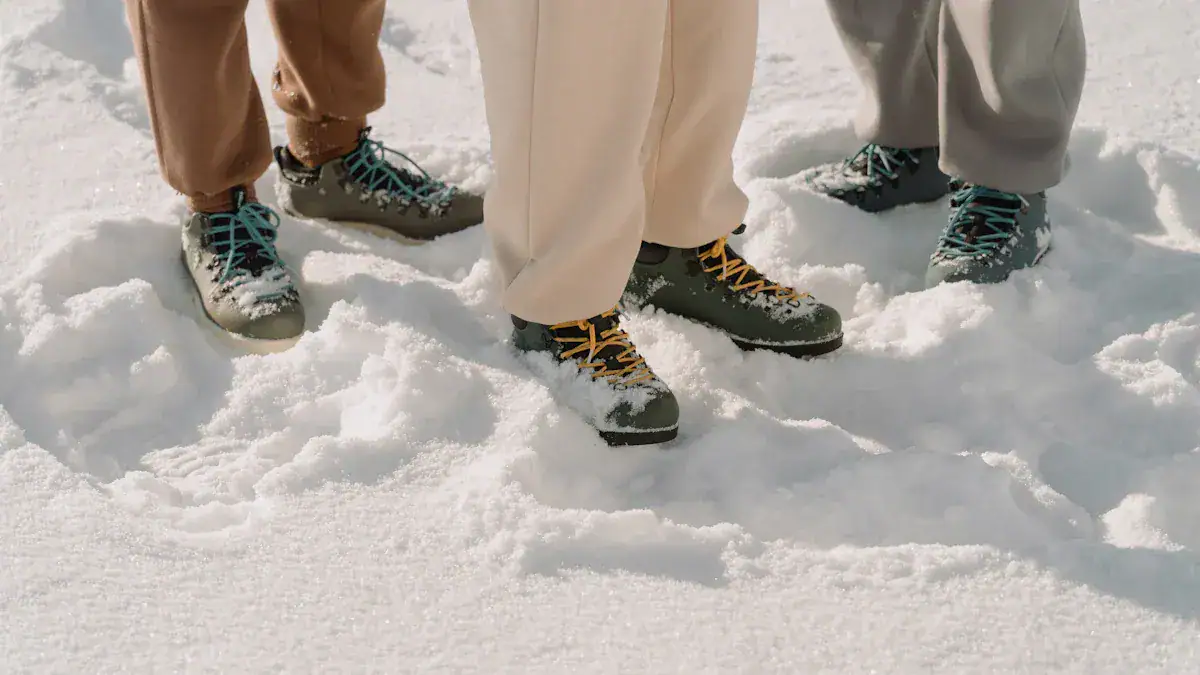
Insulated Ski Pants
You want warmth when you spend hours outside in cold weather. Insulated ski pants use synthetic or down insulation to trap heat and keep your legs comfortable. These pants work best for resort skiing, snowboarding, or any activity where you face low temperatures and spend time sitting on lifts. Insulation is measured in grams per square meter. Higher numbers mean warmer pants. Some insulated ski pants focus warmth in key areas, such as the seat and knees, so you stay comfortable where you need it most.
Waterproofing matters just as much as insulation. Most insulated ski pants feature waterproof fabrics with ratings that show how well they block moisture. A 20K waterproof rating gives you strong protection in wet snow or rainy conditions. You should check the fit before buying. Insulated ski pants come in slim, regular, and relaxed fits. Choose a style that lets you move freely and wear base layers underneath.
Tip: If you get cold easily or ski in frigid climates, insulated ski pants offer the best protection.
Shell Ski Pants
Shell ski pants give you versatility for changing weather. These pants do not have built-in insulation, so you control warmth by adding or removing layers. Shell ski pants use lightweight, waterproof, and windproof materials. You get excellent breathability, which helps you stay dry during high-intensity activities. Shell ski pants work well for snowboarding, backcountry skiing, and days when temperatures change quickly.
You should look for shell ski pants with high waterproof ratings. A 20K rating keeps you dry in heavy snow or rain. Shell ski pants allow for easy movement, so you can hike, climb, or ride without restriction. You can adjust your layers to match the conditions. Shell ski pants suit you if you want flexibility and plan to be active.
Shell ski pants are ideal for:
Snowboarding
Backcountry skiing
High-intensity winter sports
Bib Pants
Bib pants, also called snow bibs, give you extra coverage and protection. These pants extend up to your chest and use straps over your shoulders. Snow bibs keep snow out, especially in deep powder or when you fall. You get more storage with extra pockets on the chest and sides. Snow bibs work well for skiing, snowboarding, and snowmobiling in deep snow.
Fit matters with snow bibs. You want adjustable straps and a roomy cut for layering. Many snow bibs use waterproof and insulated materials, so you stay warm and dry. Snow bibs suit you if you need maximum protection and plan to spend time in deep snow.
Note: Snow bibs help you avoid snow getting inside your pants, which keeps you comfortable all day.
Type of Ski Pants | Insulation | Waterproofing | Fit | Best For |
|---|---|---|---|---|
Insulated Ski Pants | High | 10K-20K | Slim/Regular | Cold climates, resort skiing |
Shell Ski Pants | None (Layered) | 10K-20K | Flexible | Snowboarding, backcountry skiing |
Bib Pants (Snow Bibs) | Varies | 10K-20K | Adjustable | Deep powder, snowmobiling |
You can choose from different types of ski pants based on your activity and climate. Insulated ski pants keep you warm in cold weather. Shell ski pants give you flexibility for layering and breathability. Snow bibs offer extra protection and storage in deep snow. You should try on each style to find the best fit for your needs.
Soft-Shell and Stretch Pants
You want flexibility and comfort when you move on the slopes or trails. Soft-shell and stretch pants give you both. These pants use flexible fabrics that stretch with your body. You can bend, squat, and twist without feeling restricted. Soft-shell pants feel lighter than insulated or shell pants. You get a soft, quiet material that does not make noise when you walk or ski.
Soft-shell pants use woven fabrics that block wind and shed light snow. Many brands add a water-repellent coating. You stay dry in light snowfall or during short periods in wet conditions. These pants do not offer the same waterproof protection as hard-shell pants. You should avoid them in heavy rain or deep powder. Soft-shell pants work best in mild winter weather or during high-energy activities.
Stretch pants use elastic fibers like spandex or elastane. You get a close fit that moves with you. These pants suit you if you want a slim look and maximum mobility. You can wear them for cross-country skiing, snowshoeing, or hiking. Stretch pants also work well for spring skiing when temperatures rise and snow gets softer.
Tip: Choose soft-shell or stretch pants for activities that require lots of movement. You get comfort and breathability without extra bulk.
You can compare soft-shell and stretch pants with other types using this table:
Feature | Soft-Shell Pants | Stretch Pants | Insulated Pants | Shell Pants |
|---|---|---|---|---|
Warmth | Moderate | Low to moderate | High | Varies (layered) |
Waterproofing | Water-resistant | Water-resistant | Waterproof | Waterproof |
Breathability | High | High | Moderate | High |
Mobility | Excellent | Excellent | Good | Good |
Best For | Mild weather, active use | High movement, mild days | Cold climates, resorts | Wet snow, layering |
You should pick soft-shell pants if you want breathability and comfort. These pants help you stay cool during uphill climbs or fast-paced sports. Stretch pants give you a snug fit and freedom to move. You can wear them for sports that need agility and speed.
Many soft-shell and stretch pants include zippered pockets, adjustable waistbands, and reinforced knees. You get practical features for outdoor use. Some models have built-in gaiters to keep snow out of your boots. You should check the fit before buying. Try moving, squatting, and stretching in the pants to see if they match your needs.
You can layer base tights under soft-shell or stretch pants for extra warmth. You get versatility for changing weather. If you plan to ski in deep snow or wet conditions, you should choose waterproof shell or insulated pants instead.
Note: Soft-shell and stretch pants work best for cross-country skiing, snowshoeing, hiking, and spring skiing. You get comfort and mobility for active winter sports.
Key Features of Snow Pants
Waterproof Materials and Ratings
You need ski pants that keep you dry in wet and snowy conditions. The materials and construction determine how well your pants perform in harsh weather. Most ski and snowboard pants use advanced fabrics and coatings to block moisture and wind.
Water-Resistant vs. Waterproof
You often see two terms when shopping for ski pants: water-resistant and waterproof. Water-resistant pants use coatings like DWR (Durable Water Repellent) to help water bead up and roll off the surface. These pants work for light snow or drizzle but do not protect you in heavy rain or wet snow.
Waterproof ski pants use special membranes and layered fabrics to stop water from getting inside. You find two-layer and three-layer constructions. Two-layer fabrics have a waterproof membrane bonded to the outer layer, giving you solid protection. Three-layer fabrics add another layer for better durability and performance. You stay dry even in extreme conditions.
Tip: Choose waterproof ski pants if you plan to spend hours in wet snow or rain. Water-resistant pants suit mild weather and short outings.
Waterproof Ratings (5,000-20,000mm)
You see waterproof ratings listed in millimeters when comparing ski pants. This number shows how much water pressure the fabric can handle before leaking. Higher ratings mean better protection. For example, a rating of 5,000 mm works for light drizzle and dry snow. A rating of 10,000 mm handles average rain and snow. If you want maximum protection, look for ratings of 20,000 mm or more. These pants keep you dry in heavy, wet snow and prolonged rain.
Waterproof Rating | Suitable Conditions | Performance |
|---|---|---|
0 to 5,000 mm | Light drizzle, dry snow | Not much in terms of inclement weather |
10,000 mm | Average rain and snow | Playing outdoors in drier snow areas |
20,000 mm and up | Heavy, prolonged rain or wet snow | Extreme conditions and strenuous activities |
You should check waterproof ratings before buying ski pants. High ratings give you confidence on stormy days. You stay comfortable and focused on your sport.
Breathability and Ventilation
You need ski pants that let heat and moisture escape during activity. Breathability keeps you comfortable and prevents overheating. The breathability of ski pants depends on the fabric and design. Fabrics with high breathability ratings allow more water vapor to pass through, which helps you stay dry inside.
Zippered Vents
You find zippered vents on many ski pants. These vents sit inside the thighs and measure about 6.5 inches. You open them to dump heat quickly when you get warm. Mesh linings inside the vents stop snow from entering while letting moisture escape. Zippered vents make a big difference during skiing and snowboarding. You control your temperature and avoid sweating too much.
Note: Open zippered vents during climbs or intense runs. Close them when you need warmth.
You should look for ski pants with adjustable ventilation. This feature helps you stay comfortable in changing weather.
Insulated Options
You want ski pants that keep you warm in cold weather. Insulated pants use different types of insulation to trap heat. You find synthetic and down insulation in most ski and snowboard pants.
Synthetic vs. Down Insulation
Synthetic insulation works well in wet conditions. It keeps you warm even if the pants get damp. Synthetic materials dry quickly and resist moisture. Some ski pants use a PU layer to block water from reaching the insulation, which boosts thermal performance. Down insulation feels lighter and packs smaller. It provides excellent warmth in dry weather but loses its insulating power when wet.
Down insulation loses warmth if it gets damp.
Synthetic pants dry faster and suit variable weather.
PU layers help keep insulation dry inside ski pants.
You should choose synthetic insulation for wet climates or unpredictable weather. Down insulation works best in dry, cold conditions. Both options help you stay warm and active on the slopes.
Tip: Pick insulated ski pants with the right insulation type for your local climate and activity level.
Adjustable Waistbands and Cuffs
You want snow pants that fit well and stay comfortable during winter sports. Adjustable waistbands help you customize the fit. Many brands use Velcro tabs, elastic bands, or integrated belts. You can tighten or loosen the waistband to match your body shape or add layers underneath. This feature prevents your pants from slipping down while you move or bend.
Cuffs at the bottom of snow pants play a key role in keeping snow and cold air out. Adjustable cuffs let you seal the pants around your boots. Some pants use snap closures, zippers, or drawcords. You can open the cuffs for ventilation or close them for warmth. Adjustable cuffs also help you fit the pants over bulky boots.
Tip: Adjust the waistband and cuffs before you start your activity. You get a secure fit and better protection against snow and wind.
You should look for snow pants with easy-to-use adjustment systems. These features improve comfort and help you focus on your sport.
Reinforced Cuffs and Knees
You need durable snow pants for winter sports. Reinforced cuffs and knees protect high-wear areas from damage. Manufacturers add extra fabric or abrasion-resistant patches to these spots. You get better resistance to tears, cuts, and scrapes from ski edges, rocks, or ice.
Reinforced cuffs prevent fraying when your pants rub against boots or bindings. Knees with added protection help you kneel or fall without damaging the pants. This feature extends the life of your gear and keeps you safe.
Feature | Benefit |
|---|---|
Reinforced Cuffs | Prevents fraying and tearing |
Reinforced Knees | Adds durability for kneeling and falls |
Abrasion-Resistant | Protects against sharp edges and rocks |
You should check for reinforced areas when you shop for snow pants. These details make a big difference in tough conditions. You invest in gear that lasts longer and performs better.
Pockets and Storage
You need storage for essentials when you ski or snowboard. Snow pants often include multiple pockets for convenience. You can carry snacks, keys, lift passes, or your phone. Some pants use zippered pockets to keep items secure. Others feature cargo pockets with flaps for easy access.
Waterproof pockets protect your belongings from snow and moisture. You can store electronics or valuables without worry. Insulated pockets help keep your hands warm during breaks. Breathability matters for pocket design too. Mesh-lined pockets allow air to flow and prevent overheating.
Common pocket types:
Zippered hand pockets
Cargo pockets
Back pockets
Waterproof stash pockets
Note: Organize your gear before you head out. Use different pockets for different items. You stay prepared and avoid losing important things.
You should choose snow pants with enough pockets for your needs. Well-designed storage adds convenience and helps you enjoy your time outdoors.
Gaiters for Snow Protection
You face deep snow and wet conditions when you enjoy winter sports. Snow gaiters help you keep snow and moisture out of your boots. Manufacturers design gaiters as inner cuffs sewn into the bottom of snow pants. These cuffs wrap tightly around your boots and create a barrier against snow, ice, and cold air.
Gaiters use elastic bands or snap closures to seal the gap between your pants and boots. You pull the gaiters down over your boots before you step outside. This simple step prevents snow from sneaking inside your pants, even if you fall or walk through powder. You stay dry and comfortable all day.
Tip: Always check that your gaiters fit snugly around your boots before you start your activity. Loose gaiters let snow and water in, which can make your feet cold and wet.
Many snow pants include reinforced gaiters for extra durability. You find rubberized or waterproof materials that resist tearing and wear. Some gaiters feature hooks or loops that attach to your boot laces. This design keeps the gaiters in place during movement.
You benefit from gaiters in several ways:
You block snow and moisture from entering your boots.
You keep your lower legs warm and dry.
You avoid discomfort and cold feet during long days outside.
You protect your pants from fraying at the cuffs.
If you choose insulated snow pants, you often get gaiters as a standard feature. Insulated pants work best in cold climates, and gaiters add another layer of protection. You should look for pants with gaiters if you plan to ski, snowboard, or hike in deep snow.
Some gaiters have mesh panels for breathability. You get airflow without losing protection. You can also find zippered gaiters that make it easier to put on and take off your boots.
Feature | Benefit |
|---|---|
Elastic cuffs | Seal out snow and water |
Reinforced fabric | Prevents tears and increases durability |
Boot hooks | Keep gaiters secure during movement |
Mesh panels | Improve breathability |
You should inspect gaiters for quality before you buy snow pants. Strong stitching and tough materials help gaiters last longer. You enjoy better comfort and protection when you choose pants with well-designed gaiters.
Choosing the Right Fit
Slim, Regular, and Relaxed Fits
You will find three main styles when shopping for ski pants: slim, regular, and relaxed fits. Slim-fit ski pants offer a close silhouette that follows the shape of your legs. This style works well if you prefer a streamlined look and want less bulk. Slim-fit pants often use stretch fabrics, so you can move freely without feeling restricted.
Regular-fit ski pants strike a balance between comfort and performance. You get enough room for base layers while maintaining a tailored appearance. Regular-fit pants suit most body types and provide flexibility for skiing, snowboarding, or hiking.
Relaxed-fit ski pants give you extra space and a looser feel. This style is ideal if you want maximum comfort or plan to wear thick thermal layers underneath. Relaxed-fit pants allow for easy movement and work well for long days on the slopes.
Fit Type | Description | Best For |
|---|---|---|
Slim | Close to body, less bulk | Streamlined movement |
Regular | Balanced, room for layers | Most body types |
Relaxed | Loose, extra space | Layering, comfort |
Tip: Try different fits to see which style matches your activity and comfort needs.
Sizing Tips for Ski Pants
Choosing the right size for ski pants helps you stay comfortable and perform your best. You should measure key areas before buying:
Waist: Measure at the narrowest part of your torso.
Hips: Measure at the widest part of your hips.
Inseam: Measure from the crotch to the bottom of your leg.
For women’s insulated ski pants, make sure there is enough room for base layers without limiting movement. Materials vary in warmth and bulk, so check the product details. Features like adjustable waistbands and articulated knees improve fit and comfort.
When you try on ski pants, wear your base layers to mimic real skiing conditions. Move around to test your range of motion. The pants should cover your ski boots but not drag on the ground. If you follow these steps, you will find ski pants that fit well and support your winter activities.
Layering Under Snow Pants
Layering under ski pants helps you regulate temperature and stay comfortable in cold weather. Thermal pants trap heat close to your body and allow moisture to escape. This prevents chills and keeps you dry during intense activity. Some thermal pants are designed to sit directly against your skin, which improves moisture management.
The fit of thermal pants matters. Tight-fitting layers can cause discomfort when worn under ski pants. You should choose thermal pants that provide warmth without adding too much bulk. If you add too many layers, you may restrict movement and reduce comfort. Select materials that balance insulation and breathability for the best results.
Note: Layering gives you flexibility to adjust for changing weather. Choose ski pants with enough room for base layers, but avoid excessive bulk.
Adjustability for Comfort
You want ski pants that adapt to your body and your movements. Adjustability plays a major role in how comfortable you feel during winter sports. Manufacturers design ski pants with features that let you customize the fit and improve your experience on the slopes.
Many ski pants include adjustable waistbands. You can tighten or loosen the waistband using Velcro tabs, integrated belts, or elastic drawcords. This feature helps you get a secure fit, especially when you add layers underneath. You avoid pants slipping down or feeling too tight when you move. Adjustable waistbands also make it easier to share ski pants with friends or family members who have different body shapes.
Cuff adjustability is another important feature. You find snap closures, zippers, or drawstrings at the bottom of many ski pants. These allow you to seal the pants around your boots, keeping snow and cold air out. You can open the cuffs for ventilation or close them for warmth. Adjustable cuffs help you fit ski pants over bulky boots or tuck them in for a streamlined look.
Articulated knees and gusseted crotches add flexibility. These design elements let you bend, squat, and twist without restriction. You move more naturally and avoid discomfort during active sports. Some ski pants offer stretch panels in key areas, which improve mobility and comfort.
Here are some common adjustability features you should look for:
Velcro waist tabs for easy tightening or loosening
Integrated belts for a secure fit
Elastic drawcords for quick adjustments
Snap or zippered cuffs to seal out snow
Articulated knees for better movement
Stretch panels for added flexibility
Tip: Always test the adjustability features before you buy ski pants. Try tightening the waistband, adjusting the cuffs, and moving in different directions. You want ski pants that respond to your needs and keep you comfortable all day.
The table below shows how adjustability features impact comfort and performance:
Adjustability Feature | Benefit | When to Use |
|---|---|---|
Waist tabs | Custom fit, easy layering | Adding base layers |
Cuff closures | Seal out snow, fit over boots | Deep snow, cold weather |
Stretch panels | Improved mobility | Active sports, hiking |
Articulated knees | Natural movement | Skiing, snowboarding |
You should choose ski pants with multiple adjustability options. These features help you get the best fit and stay comfortable during any winter activity. You enjoy better performance and avoid distractions caused by poor fit or discomfort.
Additional Considerations
Weather and Climate
You need to match your snow pants to the weather and climate where you plan to spend time outdoors. Cold climates demand ski pants with strong insulation and a snug fit. These features help you retain warmth and block out icy winds. If you ride or hike in milder conditions, snowboard pants with a looser fit offer better ventilation and flexibility. You stay comfortable and avoid overheating when the temperature rises.
Ski pants work best in colder climates because they provide more insulation and a tighter fit.
Snowboard pants suit milder weather since their looser fit allows for improved airflow and movement.
You should always check the forecast before heading out. If you expect wet snow or rain, choose pants with high waterproof ratings. In dry, cold areas, focus on insulation and fit for maximum warmth.
Activity Level
Your activity level shapes the features you need in snow pants. If you plan to ski in the backcountry, you need pants that support mobility and temperature regulation. Softshell materials, articulated knees, and stretchy gaiters help you move freely. Zippered thigh vents let you release heat quickly. A beacon pocket adds safety for remote adventures.
Resort skiing requires hardshell snow pants with high waterproof ratings. Fully taped seams and zippered pockets keep water out and protect your belongings. You stay dry and comfortable during long days on the slopes.
Activity Level | |
|---|---|
Backcountry Skiing | Softshell material for mobility, ActiveTemp temperature regulation, zippered thigh vents, articulated knees, stretchy gaiters, beacon pocket for safety. |
Resort Skiing | Hardshell snow pants with high waterproofing, fully taped seams, and zippered pockets for maximum water resistance. |
You should select pants that match your activity. High-intensity sports need breathability and flexibility. Resort skiing calls for waterproof protection and secure storage.
Personal Warmth Preferences
Your personal warmth preferences play a big role in choosing snow pants. If you feel cold easily, insulated pants provide better warmth and comfort. You stay cozy even when temperatures drop. If you prefer versatility, shell pants allow you to layer for changing conditions. You can add or remove base layers to adjust warmth as needed.
Choose insulated pants if you get cold quickly and want extra warmth.
Pick shell pants if you want flexibility for layering in different temperatures.
Your choice depends on how much warmth you need and the conditions you expect.
You should think about your comfort level before buying ski pants. The right insulation and fit help you enjoy winter sports without distractions.
Budget and Value
You want snow pants that balance quality and cost. High-quality ski pants often cost more because they offer advanced features like waterproof zippers, sealed seams, and durable insulation. You get better performance and longer-lasting gear when you invest in premium options. The chart below compares prices and features for top-rated snow pants:
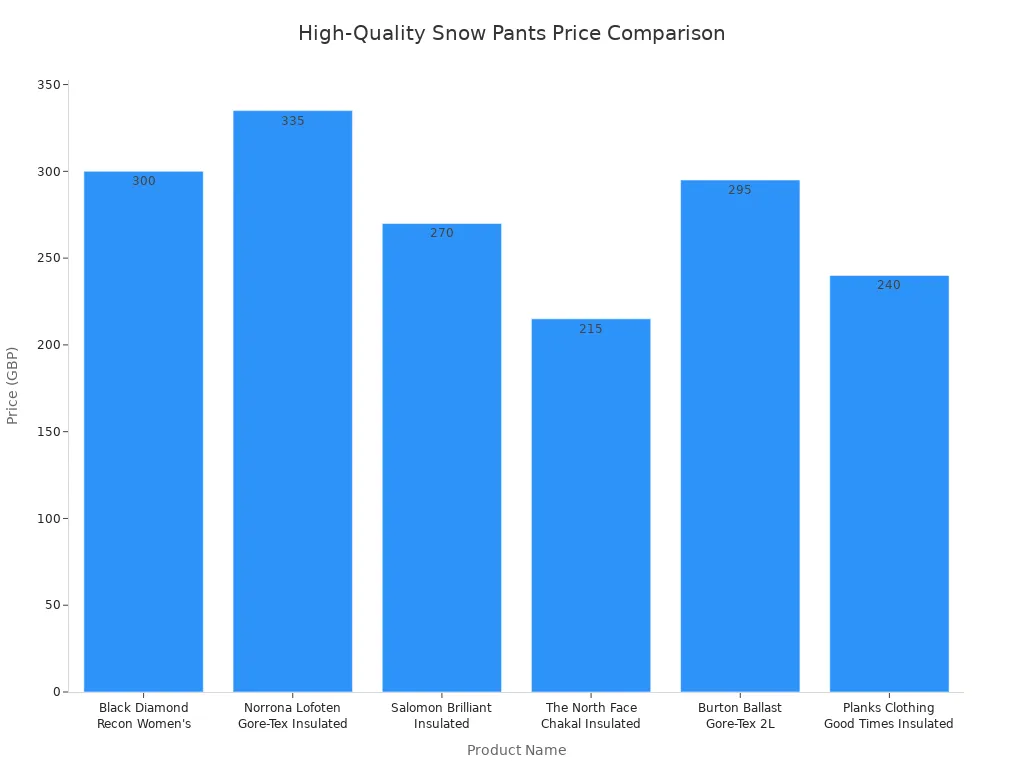
You should review the features and durability before making a purchase. Spending more upfront can save you money over time by reducing the need for replacements. Look for pants with warranties and eco-friendly materials for added value.
Budget and Value
You want ski pants that deliver both performance and value. Price often reflects the quality, durability, and features you get. High-end ski pants usually offer advanced waterproof technology, reinforced seams, and premium insulation. These features help you stay dry and comfortable during winter sports. You may notice that budget-friendly options provide basic protection but lack specialized details.
When you compare ski pants, look beyond the price tag. Consider the materials, construction, and included features. Waterproof ratings matter because they determine how well your pants resist moisture. You should check if the pants have taped seams, durable zippers, and reinforced cuffs. These elements add value by extending the lifespan of your gear.
Tip: Invest in ski pants with reliable waterproof protection if you spend many hours in wet snow or unpredictable weather.
You can find value in mid-range ski pants. These pants often balance cost and performance. You get solid waterproof ratings, decent insulation, and practical features like adjustable waistbands and multiple pockets. Some brands offer eco-friendly materials or recycled fabrics, which add long-term value and support sustainability.
Here is a simple table to help you compare ski pants by price and features:
Price Range | Waterproof Rating | Insulation Level | Key Features | Best For |
|---|---|---|---|---|
Budget | 5,000-10,000 mm | Light | Basic pockets, simple cuffs | Occasional use |
Mid-Range | 10,000-15,000 mm | Moderate | Adjustable waist, reinforced knees, zippered vents | Regular skiers |
Premium | 15,000-20,000 mm | High | Advanced waterproof tech, premium insulation, multiple pockets | Frequent or expert use |
You should think about how often you use ski pants. If you ski or snowboard every weekend, premium pants may save you money over time. These pants last longer and protect you better. Occasional skiers can choose budget or mid-range options and still enjoy comfort.
Warranty and return policies also affect value. Many top brands offer warranties that cover defects or damage. You get peace of mind knowing you can replace or repair your ski pants if needed. Always read the warranty details before you buy.
You can maximize your budget by shopping during sales or looking for last season’s models. Many stores offer discounts on ski pants after winter ends. You get high-quality gear at a lower price.
Note: Value does not always mean the lowest price. You should focus on ski pants that meet your needs and last through many seasons.
You make a smart investment when you choose ski pants with the right balance of waterproof protection, durability, and comfort. Quality gear helps you enjoy winter sports and saves you money in the long run.
Tips for Buying Snow Pants
Comparing Features and Brands
When you shop for ski and snowboard pants, you want to compare features and brands carefully. Each brand offers unique materials and designs. You should look for waterproofing to keep you dry in snow and rain. Breathability matters if you plan to ski in the backcountry or spend long hours outdoors. Durability depends on fabric thickness, often measured in denier. Thicker fabrics last longer and resist tears.
Fit affects your comfort and mobility. Some brands focus on slim fits, while others offer relaxed styles. Sustainability has become important for many buyers. You can choose pants made with recycled materials or ethical production practices. Different fabric types, such as hardshell or softshell, suit various skiing styles. Use this checklist when comparing options:
Waterproofing for protection against moisture
Breathability for comfort during activity
Durability based on fabric thickness
Fit for personal comfort and movement
Sustainability and ethical materials
Fabric types for your preferred skiing style
Tip: Always read product descriptions and reviews before deciding which ski and snowboard pants to buy.
Trying On for Fit
You need to try on snow pants before making a purchase. Proper fit ensures comfort and performance. You should move freely without bunching, gaping, or binding. Warmth depends on how well the insulation layers work with your body. Protection from moisture, snow, and wind improves when pants fit correctly. Good fit also enhances your mobility, giving you better control while skiing.
Follow these steps when trying on ski and snowboard pants:
Wear your base layers to mimic real skiing conditions.
Squat, lunge, and bend to test your range of motion.
Check the length to make sure pants cover your ski boots but do not drag on the ground.
Note: You should never skip this step. Trying on pants helps you avoid discomfort and ensures you get the best performance.
Warranty and Returns
You want peace of mind when buying ski and snowboard pants. Leading brands offer warranties and return policies to protect your investment. Most companies provide a satisfaction guarantee for new and unworn products within a short period, usually seven days. You can request a full refund or exchange if you are not satisfied. Manufacturer warranties often last up to 180 days for issues that appear after the initial period.
Review the table below to understand common policies:
Policy Type | Details |
|---|---|
Satisfaction Guarantee | 100% satisfaction guarantee for new and unworn products within 7 days. |
Refund/Exchange | Full refund or exchange available if not satisfied within 7 days. |
Warranty | 180-day manufacturer warranty for issues beyond 7 days. |
Conditions | Items must be returned in original condition; used items are not accepted. |
Some brands offer lifetime warranties, which cover the reasonable lifetime of the product. Coverage includes repairs or replacements for jackets, pants, and other apparel. Exclusions apply for damage due to misuse or normal wear and tear. You may need to pay for shipping when sending items for repair, but many companies cover return shipping.
Tip: Always check the warranty and return policy before you buy. This step helps you avoid surprises and protects your purchase.
You can use these tips to learn how to choose ski pants that fit your needs and last for many seasons.
You should focus on waterproof rating, breathability, fit, comfort, and budget when choosing snow pants. The table below highlights key features for ski and snow pants:
Feature | Ski Pants | Snow Pants |
|---|---|---|
Waterproof Rating | 20,000–30,000mm for wet conditions | 10,000mm for drier climates |
Breathability | High for dynamic use | Lower for static use |
Fit | Streamlined, athletic cut | Roomier fit for layering |
Comfort | 4-way stretch, articulated knees | Elastic waistbands, soft linings |
Budget | High-end ($300+) for durability | Budget-friendly ($120–180) |
Selecting pants that match your activity and climate improves safety and enjoyment. You gain better mobility, comfort, and protection. Try different styles and use these criteria to make a confident choice.
Enhanced mobility and comfort support safety.
Proper fit reduces risk of slips and falls.
Climate-appropriate gear keeps you warm and protected.
Research options and try on several pairs to find what works best for you.
FAQ
What waterproof rating should you look for in snow pants?
You should choose snow pants with at least a 10,000 mm waterproof rating for most winter sports. If you expect heavy snow or rain, select pants with a 20,000 mm rating for maximum protection.
Can you wear jeans or sweatpants under snow pants?
You should avoid jeans because they trap moisture and restrict movement. Sweatpants work for extra warmth, but thermal base layers provide better insulation and wick away sweat.
How do you clean and care for snow pants?
You should follow the care label instructions. Use cold water and mild detergent. Avoid fabric softeners. Hang dry your pants to preserve waterproof coatings.
Are insulated snow pants too warm for spring skiing?
Insulated snow pants may feel too warm in mild weather. You can choose shell pants and layer with lightweight thermals for better temperature control during spring skiing.
What features help snow pants last longer?
Look for reinforced cuffs, knees, and strong zippers. Durable fabrics and double-stitched seams increase lifespan. Regular cleaning and proper storage also help your pants last.
How do you know if snow pants fit correctly?
Try on snow pants with your base layers. You should move easily without tightness or gaps. Pants should cover your boots but not drag on the ground.
Do all snow pants come with built-in gaiters?
Most snow pants include built-in gaiters, but some lightweight or stretch models may not. Always check the product description before buying.
What is the difference between men’s and women’s snow pants?
Men’s snow pants usually have a straighter cut. Women’s pants offer a more tailored fit at the waist and hips. Both types provide similar features for warmth and protection.