

American school uniforms everyone is loving right now
Table of Contents
Display
I see students everywhere embracing american school uniforms with a fresh twist in 2025. The most popular styles include sharp polo shirts, pleated skirts, and sporty joggers. Shades of blue, white, and red dominate the scene. I notice key elements like preppy looks, sporty fits, and a strong focus on comfort and inclusivity. Many american private schools now use eco-friendly fabrics, which shows a shift toward sustainability. Converse and Doc Martens remain top choices for footwear, often paired with dainty socks. Compared to previous years, I find more modern designs, practical features, and better representation for all students.
Key Takeaways
American school uniforms in 2025 focus on comfort, style, and inclusivity.
Popular styles include polo shirts, pleated skirts, joggers, and loafers.
Sustainable fabrics like organic cotton and recycled materials are trending.
Schools are adopting gender-neutral options to promote inclusivity.
Personalization through patches and pins allows students to express their identity.
Color choices are expanding, with blue, white, and red remaining favorites.
Joggers and sneakers are favored for their comfort and practicality.
Parents value quality uniforms that last and reduce overall clothing costs.
Preppy Styles

I see preppy styles making a strong comeback in american school uniforms this year. Students choose classic pieces that look sharp and feel comfortable. I notice polo shirts, button-downs, pleated skirts, and loafers everywhere I go. These items create a polished look that stands out in hallways and classrooms.
Polo Shirts
Polo shirts remain a staple in many schools. I often spot students wearing them tucked into skirts or paired with joggers. The fabric feels soft, and the fit looks neat. Schools prefer polos because they offer a balance between casual and formal.
Color Trends
I observe shades of blue, white, and red dominating the polo shirt scene. Blue polos seem especially popular in american private schools. Many schools choose these colors because they match their logos and create a unified look. I made a simple table to show the most common colors I see:
Color | Popularity Level |
|---|---|
Blue | ⭐⭐⭐⭐⭐ |
White | ⭐⭐⭐⭐ |
Red | ⭐⭐⭐ |
Student Favorites
Students tell me they love polos for their versatility. I hear that they can layer them under sweaters or wear them alone. Many students say polos feel comfortable during long school days. I notice that some students personalize their polos with small pins or patches, adding a creative touch.
Pleated Skirts
Pleated skirts have become a symbol of sophisticated femininity in american school uniforms. I see them featured in school uniform catalogs and fashion magazines. Students enjoy the way pleated skirts move and look stylish.
Mini vs. Classic
I notice two main styles: mini pleated skirts and classic knee-length versions. Some students prefer the mini style for a modern look. Others choose the classic length for a more traditional vibe. Both styles appear in school dress codes, but schools often set guidelines for skirt length.
Tip: I recommend checking your school’s uniform policy before choosing a skirt style.
Pleated skirts are highlighted in school uniform offerings in 2025.
They are part of current fashion trends, indicating their popularity.
Pleated dresses and skirts symbolize sophisticated femininity, linking them to school uniforms.
Loafers
Loafers complete the preppy look. I see students pairing loafers with both pleated skirts and pants. These shoes offer comfort and style. Many students choose loafers in black or brown, which match most uniform colors. I notice that loafers last a long time and work well for busy school days.
I believe preppy styles will continue to shape american school uniforms. Students enjoy the mix of tradition and modern fashion. Schools appreciate the neat appearance and easy maintenance of these outfits.
Sporty Looks
Sporty looks have become a huge trend in american school uniforms this year. I see students everywhere choosing joggers and sneakers for their daily outfits. These pieces offer comfort and style, making them a favorite for busy school days.
Joggers
Joggers have taken over as the go-to choice for students who want to stay active and comfortable. I notice that schools now allow joggers as part of the official uniform, which shows how much the trend has grown.
Comfort
I find that joggers use advanced fabrics to keep students feeling good all day. Many joggers feature moisture-wicking materials that help manage sweat and keep skin dry. Stretchable fabrics let students move freely, whether they sit in class or play outside. I often hear students say joggers feel like wearing pajamas, but they still look neat and put together.
Versatility
Joggers work well for many situations. I see students wearing them with polos, hoodies, or even blazers for a smart-casual look. Multiple pockets make joggers practical for carrying essentials like phones and notes. Here is a table that highlights the defining features of sporty looks in 2025:
Feature | Description |
|---|---|
Moisture-Wicking Fabrics | Integrated to keep students comfortable during long school days. |
Stretchable Fabrics | Allows for higher motion, catering to energetic school students. |
Multiple Pockets | Smartly designed for carrying essentials like smartphones and notes. |
Note: I recommend checking if your school has specific rules about jogger colors or styles before buying a pair.
Sneakers
Sneakers have become the top footwear choice for students who want both comfort and style. I see a wide range of brands and designs in school hallways.
Converse Style
Converse sneakers remain a classic pick. I often spot students pairing them with joggers or pleated skirts. The simple design and variety of colors make Converse easy to match with any uniform. Many students choose white or black Converse for a timeless look, but I also see bold colors making a statement.
Doc Martens Trend
Doc Martens have gained popularity as a stylish alternative to traditional sneakers. I notice students wearing them for their durability and unique style. Doc Martens add a bit of edge to sporty outfits, especially when paired with dainty socks.
I also see other sneaker brands gaining traction. Here is a table showing the most common sneaker brands and their features:
Brand | Features | Price Range |
|---|---|---|
Nike | Durable materials, athletic construction, high brand appeal | |
Adidas | Comfortable cushioning, sleek styles | $35 to $65 |
New Balance | Reliable arch support, durable soles | $30 to $60 |
Puma | Lightweight builds, vibrant color options | $25 to $50 |
Reebok | Simple designs, sturdy build, affordable pricing | $25 to $45 |
I believe sporty looks will continue to shape school fashion. Students love the mix of comfort, function, and style that joggers and sneakers provide.
Gender-Neutral Options
Unisex Fits
Relaxed Styles
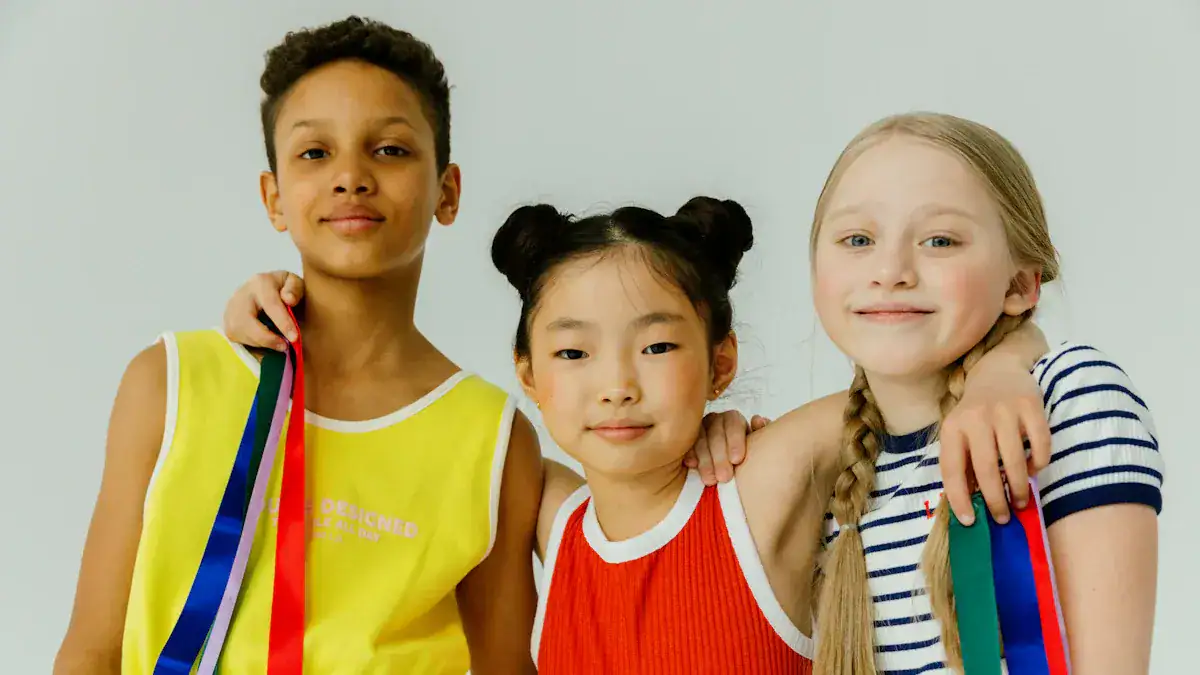
I see more schools choosing relaxed styles for their uniforms in 2025. Unisex fits have become a standard in many american private schools. I notice students wearing straight-leg pants, loose shirts, and simple jackets. These pieces use soft school uniform fabric that stretches and breathes well. Students tell me they feel less restricted and more confident when they wear these relaxed styles. I believe this shift helps everyone feel comfortable, no matter their body type or gender identity.
The introduction of unisex fits in school uniforms has notably improved student comfort and inclusivity by addressing the discomfort linked to traditional gendered uniforms. This shift has created a more welcoming environment for students of diverse gender identities and body types, fostering a sense of belonging and unity within schools.
I often see schools choosing school uniform fabric that works for all students. Cotton blends, recycled polyester, and moisture-wicking materials appear in catalogs. These fabrics help students stay cool and dry during long school days. I think relaxed styles will continue to grow in popularity as more schools update their dress codes.
Color Choices
Schools now offer a wider range of colors for gender-neutral uniforms. I see shades of blue, gray, and white leading the way. Some schools allow students to choose from several approved colors, which gives everyone more freedom. I notice that school uniform fabric in neutral tones looks sharp and feels soft. Many students say they like having options that match their personal style. I believe color choice plays a big role in making uniforms feel less restrictive.
Here is a table showing popular color choices for gender-neutral uniforms:
Color | Student Preference | School Approval |
|---|---|---|
Blue | High | Yes |
Gray | Medium | Yes |
White | High | Yes |
Black | Medium | Sometimes |
Inclusive Policies
School Initiatives
I see schools updating their school uniform policies to support all students. Many schools now include guidelines for gender identity and expression. Administrators work with students to create policies that respect everyone’s needs. I notice that schools choose school uniform fabric that suits different body shapes and comfort levels. Some schools even hold meetings to discuss new uniform options with students and parents.
“Trans and non-binary students can be included in school policies positively by having a dedicated Gender Identity and Expression or Trans Inclusive policy that can be referred to when a student wants to transition whilst in school or if a trans student is starting in the school. Through having a policy dedicated to gender identity and expression, a school can then use this to inform all other policies in which gender is explicitly or implicitly implied. This should be taken into consideration when thinking about bathrooms, sports, uniforms, curriculum and anti-bullying policies.”
I believe these initiatives help schools create a safer and more welcoming environment. I see more schools choosing school uniform fabric that feels good for everyone, not just one group.
Student Response
Students respond positively to these changes. Many tell me they feel more accepted and less anxious about what they wear. I hear stories about students who finally get to wear uniforms that match their identity. Some students say they used to feel uncomfortable in traditional uniforms. Now, with updated school uniform policies and better school uniform fabric, they feel included.
“Many trans and non-binary students find uniform policies to be ‘restrictive, while some were prevented from wearing a uniform that aligned with their gender identity’ (McBride et al., 2020, 4).”
I think schools must continue to listen to students and improve their school uniform policies. Choosing the right school uniform fabric and offering flexible options supports comfort and inclusivity for everyone.
Sustainable Uniforms
I have noticed a big shift toward sustainable uniforms in American schools this year. Many schools now focus on using school uniform fabric that is better for the environment. This change helps reduce waste and supports a healthier planet. I see more students and parents asking about where their uniforms come from and how they are made.
School Uniform Fabric
Organic Materials
When I look at the most popular school uniform fabric choices, I see organic cotton leading the way. Organic cotton feels soft and comfortable, which makes it a favorite among students. I also see bamboo blends becoming more common. Bamboo blends offer a smooth texture and have antibacterial properties, which is great for active students. Polyester-cotton blends remain popular because they are durable and easy to care for. Technical performance fabrics are another option I see in catalogs. These fabrics keep students cool and dry during busy school days.
Common sustainable school uniform fabric choices in 2025:
Organic cotton
Bamboo blends
Polyester-cotton blends
Technical performance fabrics
I believe these materials help schools meet both comfort and sustainability goals.
Recycled Options
I see a growing trend of using recycled materials in school uniform fabric. Many uniforms now use recycled polyester made from plastic bottles. This approach reduces plastic waste and gives new life to old materials. Some schools also use recycled cotton, which helps save water and energy. I think these recycled options show how school uniform fabric can support a greener future.
Eco-Friendly Trends
Parent Views
Parents tell me they care about the impact of school uniform fabric on the environment. They want uniforms made from sustainable fabrics and produced in ethical ways. I often hear parents ask about certifications and supply chain transparency. They like knowing that the school uniform fabric comes from responsible sources. Here is a table that shows what matters most to families:
Aspect | Description | Impact on Perception |
|---|---|---|
Use of eco-friendly fabrics such as organic cotton and recycled polyester. | Reduces environmental footprint, appealing to environmentally-conscious families. | |
Ethical Sourcing | Sourcing from suppliers committed to fair labor and environmental protection. | Ensures human rights are respected, promoting responsible trade. |
Responsible Manufacturing | Production methods that reduce waste and conserve resources. | Lowers carbon emissions, supporting a healthier planet. |
Transparency & Certifications | Openly sharing supply chain and holding sustainability certifications. | Builds trust and credibility with schools and parents. |
Student Impact
Students also notice the difference when schools choose better school uniform fabric. Many students say they feel proud to wear uniforms made from sustainable fabrics. They like the comfort and performance benefits of these materials. I see students talking about natural dyes and earthy colors, which come from chemical-free processes. Some students even join school clubs that promote eco-friendly choices.
Note: I encourage students to ask their schools about the types of school uniform fabric used and how they can support more sustainable options.
I believe the move toward sustainable uniforms will keep growing. Schools, parents, and students all play a role in making better choices for the environment.
Personalization
Personalization has become a major trend in American school uniforms in 2025. I see students everywhere adding creative touches to their outfits, making uniforms feel unique and personal. Schools now recognize the importance of self-expression, so they update school uniform policies to allow more flexibility.
Patches & Pins
Creative Touches
I notice students using patches and pins to show their interests and personality. Many students place patches inside their uniforms as reminders of their favorite books, shows, or hobbies. Some students choose pins that reflect their values or achievements. I often see badges with club logos or symbols from sports teams. These small details help students feel proud of their identity.
Patches highlight personal interests and hobbies.
Pins and badges showcase achievements and club memberships.
Colorful accessories add flair while keeping the uniform neat.
Flexible school uniform policies encourage students to use accessories and personalized items. I believe this approach helps students feel more confident and connected to their school community.
Dress Code Rules
Schools set clear guidelines for personalization. I see most school uniform policies allowing patches and pins, but only if they follow certain rules. For example, schools may require that patches stay inside the uniform or limit the size and number of pins. Some schools only allow badges related to school activities or achievements. I recommend checking your school’s uniform policy before adding new accessories.
Tip: Always ask your school about the rules for patches and pins. Staying within the guidelines keeps your look approved and respectful.
Color Choices
School Approval
Color choices play a big role in personalization. Schools update school uniform policies to include more options for students. I see bold color blocks and geometric patterns becoming popular for making a statement. Some schools approve gradient fades and ombré designs, which add depth and a modern touch to uniforms. Eco-friendly fabrics often come in earthy tones and subtle pastels, giving students a fresh look.
Here is a table showing popular personalization features in 2025:
Personalization Feature | Description |
|---|---|
Embroidery and Embellishments | |
Custom Logos | Incorporating team logos or crests to enhance identity and professionalism. |
Player Names and Numbers | Adding personalized names and numbers for organization and fan connection. |
Student Trends
Students love experimenting with color and design. I see many students choosing accessories in bright colors or patterns that stand out. Some students prefer subtle pastels or earthy tones, especially when they want a softer look. I notice that personalized items, like embroidered names or custom logos, help students feel more connected to their teams and clubs.
Bold color blocks and geometric patterns make uniforms unique.
Gradient fades and ombré designs add a modern vibe.
Eco-friendly fabrics in earthy tones and pastels are trending.
Personalization gives students a chance to express themselves while following school uniform policies. I believe this trend will keep growing as schools continue to support creativity and individuality.
Cost of School Uniforms
Affordability
Price Ranges
When I look at the cost of school uniforms in 2025, I see a wide range. The average uniform cost falls between $25 and $500 per student. This range depends on the type of school, the number of required pieces, and the quality of materials. Girls’ uniforms usually cost about 12% more than boys’ uniforms. I notice this price gap when I compare skirts, blouses, and accessories to boys’ pants and shirts. The cost has not changed much from previous years, so families still face similar financial concerns.
Here is a quick breakdown of school uniform costs in 2025:
Most basic uniforms: $25–$100 per set
Mid-range options: $100–$300 per set
Premium or specialized uniforms: $300–$500 per set
I find that these prices often add to the expense of other school supplies. Many parents tell me they must budget carefully to cover all back-to-school needs.
Parent Concerns
Parents often share their worries about affordability. I hear that school uniform costs can create stress, especially for families with more than one child. Some parents say they must choose between uniforms and other necessities. I have seen that specialized uniforms, like those for sports or formal events, can be much more expensive. Many families struggle to find affordable options because schools require specific brands or styles.
Here are the main factors that affect affordability:
Extra costs add up with other school supplies.
Required brands or styles can be overpriced.
Children outgrow uniforms quickly, leading to frequent replacements.
Limited shopping options make it hard to find deals.
Specialized uniforms can be extremely costly.
Families with multiple children feel the impact more.
Financial stress rises in many households.
Some parents must make tough choices about spending.
Tip: I recommend checking for school uniform exchanges or secondhand options in your community to help manage costs.
Value
Quality Materials
I always look for uniforms made from quality materials. Good school uniform fabric lasts longer and feels comfortable. Many schools now use blends of cotton, polyester, or even sustainable fibers. Parents tell me they appreciate uniforms that resist stains and hold up after many washes. I see that higher-quality materials can mean a higher price, but they often save money over time.
Longevity
Longevity matters when I consider the value of a uniform. Durable uniforms last through the school year and sometimes even longer. I notice that parents support uniforms because they foster equality, promote school identity, and make mornings easier. However, some parents worry that uniforms stifle individuality or do not always guarantee better behavior. Comfort also remains a concern for many families.
Here is a table that summarizes parent views on the value of school uniforms:
Supportive Views | Critical Views |
|---|---|
Foster equality | Stifle individuality |
Promote school identity | Create financial burdens |
Enhance discipline and security | Cause comfort issues |
Simplify morning routines | Do not always improve behavior |
I believe that choosing quality uniforms helps families get the most value for their money. The right balance between price, comfort, and durability makes a big difference.
School Uniform Statistics
2025 Data
Color Preferences
When I look at school uniform statistics for 2025, I see that blue, white, and red remain the top color choices in American schools. Blue stands out as the most popular, especially in private and international schools. I notice that schools choose these colors to create a sense of unity and to match their logos. Many students tell me they like these shades because they feel classic and easy to wear. I also see a few schools experimenting with gray and black, but traditional colors still lead the way.
Style Popularity
I observe that the popularity of certain styles has shifted this year. Polo shirts and pleated skirts continue to dominate, but joggers and relaxed fits are gaining ground. Many schools now allow students to mix preppy and sporty pieces, which gives everyone more options. The growth of the school uniform market comes from a focus on safety and discipline. More schools adopt standardized dress codes to create a secure environment. Private and international schools drive this trend because they want to maintain a strong brand identity. I see that families with higher incomes look for uniforms that offer both durability and style.
Industry Trends
Parent & School Expectations
I talk to many parents and teachers about their expectations for school uniforms. Most parents want uniforms to make mornings easier and to reduce the pressure to buy trendy clothes. Schools often hope uniforms will encourage discipline and help students focus on learning. I notice that educators have mixed feelings about dress codes. Some believe uniforms promote conformity, while others worry they limit individuality. Parents appreciate that uniforms can lower clothing costs over time. Here are some key points I hear most often:
Parents want practical uniforms that last.
Schools expect uniforms to support a positive learning environment.
Some teachers worry about losing student individuality.
Uniforms help families avoid the stress of keeping up with fashion trends.
I find that school uniforms simplify routines and help families save money, which matches the shift toward practicality over fashion.
Future Predictions
I expect the school uniform market to keep evolving. Schools and families want more choices that balance comfort, style, and safety. I see new trends like modular uniforms, which let students personalize their look with interchangeable pieces. Adaptive uniforms use climate-responsive fabrics to keep students comfortable in any weather. Antimicrobial uniforms are becoming popular because they help keep students healthy. I put together a table to show some of the biggest trends for 2025:
Trend Type | Description |
|---|---|
Modular School Uniforms | Interchangeable pieces for comfort and self-expression while keeping a unified look. |
Adaptive Uniforms | Climate-responsive fabrics that adjust to temperature and promote sustainability. |
Antimicrobial Uniforms | Fabrics with antibacterial agents to improve hygiene and student safety. |
Geographical Insights | Asia Pacific leads the market, but North America keeps strong traditions and steady growth. |
I believe that school uniform statistics will continue to reflect these changes as schools and families look for better options each year.
I see students choosing uniforms that blend comfort and inclusivity with bold style and sustainable materials. Schools now offer recycled fabrics, natural dyes, and adaptive clothing. I notice moisture-wicking and stretchable fabrics, plus smart features like UV protection. The market for school uniform fabrics is growing fast, driven by investments in eco-friendly designs and blended materials. I expect comfort and inclusivity to remain central as schools innovate with new styles and practical features.
FAQ
What are the most popular school uniform colors in 2025?
I see blue, white, and red as the top choices. Schools pick these colors for unity and tradition. Students tell me they like how these shades look with different styles.
Can I personalize my school uniform?
I add patches, pins, and accessories to my uniform. Schools allow personalization if I follow their rules. I check my school’s policy before adding anything new.
Are sustainable uniforms more expensive?
I notice sustainable uniforms sometimes cost more upfront. Over time, they last longer and save money. Parents tell me they prefer eco-friendly options for durability.
What shoes do students wear with uniforms?
I see Converse and Doc Martens everywhere. Students also wear loafers and athletic sneakers. I choose shoes that match my style and feel comfortable all day.
How do schools support gender-neutral uniforms?
Schools offer relaxed fits and more color choices. I see policies that respect all identities. Students feel included when schools update their uniform guidelines.
Where can I buy affordable school uniforms?
I shop at local stores, online shops, and school exchanges. I find secondhand uniforms at community events. Parents recommend checking for sales and discounts.