

Sports Nutrition Retail Staff Vest OEM | Sales-Channel Waistcoats
Table of Contents
Display
Most sports-nutrition brands already have a shirt on the floor. The gap that shows up in shop photos — and at a weekend tasting table — is the layer that puts a chest mark at eye level and still leaves the arms free to lift a case of tubs. That layer is a staff vest or waistcoat.
This page is only about that garment, for brand stores, shop-in-shops, and sales-channel counters. It is not a full retail apparel kit, not a field-rep travel program, and not a gym-floor polo brief. If you already run a polo or a light jacket, the vest should be designed to sit over that base, not to replace it.
Brand, retail operations, channel, and purchasing teams use this brief when they want one recognizable chest panel across shops and partner-retail stands.
Start from the chest mark, not from a full kit
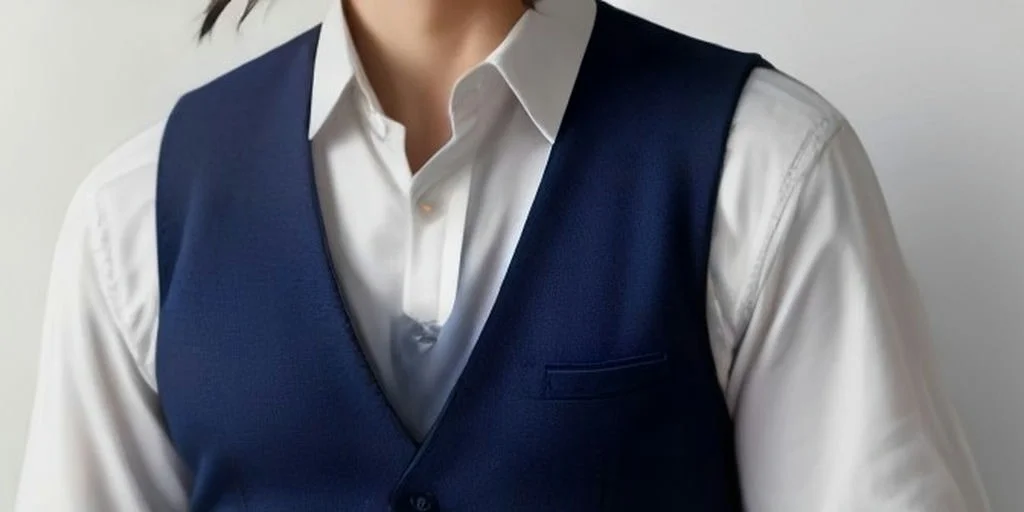
In a PeakAmp Nutrition store, a shopper’s first read is the wall of products and the person standing in front of it. A vest frames the logo at chest height, keeps the silhouette tidy in close-up photos, and does not add the bulk of an outer shell. A waistcoat with a slightly shaped front suits a brand counter. A straighter staff vest with a little more chest ease suits merchandisers who bend and reach all day.
This is why neighboring pages should stay neighboring pages. The fitness and sports-nutrition retail staff apparel guide starts with shop polos and sales jackets. The sports nutrition sales rep apparel guide is for people who travel between accounts. The supplement store franchise staff uniform guide covers a full shop-floor stack. Use those when you are building the kit. Use this page when the only open item is the vest.
Riverline Supplements can issue one waistcoat in brand stores and a slightly more pocketed vest to channel merchandisers who work a partner aisle. Both should share fabric family, color, and logo size. Neither should try to be a packable travel layer.
Length, armhole, and the base layer already in stock
A vest is judged on top of something else. If your crews already wear a mid-weight polo, the vest length, button stance, and armhole have to clear that collar and that sleeve. If you skip this step, you will approve a beautiful sample on a bare tee and then watch it ride, gap, or sit short over the real shirt.
Measure three things on a clothed staff member, not on a dress form:
Front length, so the hem covers the belt line when the wearer reaches a high shelf, but does not bunch on a tasting-table stool.
Armhole depth and shape, so a case of protein tubs can be lifted without cutting into the shoulder.
Closure stance, so the front does not gape over a polo placket or stack bulk at the neck.
State the base layer in the brief: existing polo, knit, or shirt, including its fabric weight. Ask the factory to sample the vest over that garment. A waistcoat that looks sharp in a flat photo can still fail when the armhole hits a polo sleeve.
Offer a regular and a slightly shaped fit in the same cloth so women and men on one crew can share a style family. Grade from a real size survey. A vest that pulls at the button on a reach will be worn open, and the logo will twist.
Hardware, pockets, and tasting-table realities
Sales-channel work is close-range and physical at the same time. Staff stand at a tasting counter, scoop a sample, restock a shelf, and talk to a shopper an arm’s length away. Hardware should be quiet and low-shine so it does not rattle against metal shelf edges. Buttons read as more formal in a PeakAmp flagship. A concealed zip is faster for high-turnover channel crews. A zip with a button placket can split the difference if you keep the front clean.
Pockets should be shallow and closeable. Deep open pockets collect powder residue and dump a tester or a card when the wearer bends to a low shelf. A practical map is:
One or two welt or flap pockets at the waist for a card, a phone, or a small tester.
One interior pocket for a store key or an ID.
No large exterior patch cargos on a customer-facing waistcoat.
Riverline merchandisers can have a slightly deeper interior pocket. Keep the exterior as clean as the shop waistcoat so the two garments still photograph as one family.
The chest needs a stable panel for embroidery or a flat mark. Left chest is the standard. A second mark on the back yoke or inside lining is optional and should stay tonal. Approve a sew-out on the actual vest fabric. A dense logo on a soft panel will pucker, and that pucker is obvious in a shelf-aisle photo.
A back that breathes matters more than most first sketches admit. A full lining in a warm shop makes the vest hard to wear for a whole shift. A partial lining or a back vent keeps the front stable for the logo and the back cooler. Confirm that the lining does not show at the armhole on a reach.
Matching a vest to a polo color you already approved
Color is where vest programs quietly split from the shirts already on the floor. “Same navy” is not a standard. The polo was dipped on a knit. The vest is usually a woven face, sometimes with a lining. If you do not dip the vest fabric against the same physical standard, the two garments will look like different companies in a staff photo.
Lock one body color and, at most, one quiet contrast for a role cue — a lining edge, a button thread, or a narrow inside binding. Navy, black, charcoal, and a reserved brand accent cover most nutrition-retail identities. Avoid a loud panel that fights the shelf design.
Send the approved polo lab dip or the retained swatch with the vest brief. Ask for a vest lab dip on the production face, viewed next to the polo under store lighting. Keep logo width and thread color identical to the shirt mark unless you have a written reason to change them.
If you do not yet have a polo standard, still lock a physical vest color before the first shop opening. It is cheaper to match a later shirt to a sealed vest dip than to live with two navies.
Quote inputs that actually change a vest pattern
Unit price on a vest moves with the pattern, the lining, the closure, and the chest panel — not with a vague headcount. Put these items in the first message if you want a quote you can compare.
Input | Why it changes the garment |
|---|---|
Base layer the vest is worn over | Sets length, armhole, and button stance |
Waistcoat vs straighter staff vest | Changes front shape and ease |
Closure | Buttons, concealed zip, or zip-plus-placket change make time and front bulk |
Lining | Partial vs full lining changes comfort and cost |
Pocket list | Exterior welts vs an added interior pocket |
Logo size and method | Embroidery on a chest panel needs a sew-out on the real cloth |
Color standard | Vest lab dip beside any existing polo swatch |
Size survey | Regular and shaped fits; quantities by region or channel |
Packing | By store, region, or channel kit |
If shop and channel vests share fabric and differ only by closure or an interior pocket, say so. If the lining or the pattern changes, treat them as two styles for volume planning.
A catalog vest with your mark is a fair start for a new shop or a short campaign. A private-label waistcoat is the better path when the garment has to sit in brand-store photography for years. Many brands do the middle: a proven block, then your color, your lining contrast, and a locked embroidery size. Write which path you want so the quote is not priced as a full new pattern.
A sample that has to work on a shelf and at a tasting stand
Fit the sample on real staff, over the real base layer. Have a shop associate wear the waistcoat through shelving and counter work. Have a channel merchandiser wear the vest while lifting cases and standing at a tasting table. Check front gap, hem ride-up, armhole comfort, and whether pockets stay closed. If the vest will be washed, wash it before you approve. Look for lining twist, shade change, and embroidery puckering.
The pre-production sample must use bulk fabric, bulk lining, production hardware, and the production mark. Sign it, and seal one copy at your office and one at the factory. Cutting should not start from an unlined proto or from a photo of a similar catalog vest.
When fabric and trim stay identical, you can combine shop and channel size runs in one style. Plan that combined volume around about 2,000 pieces per style. A different closure plus a different lining is usually a second style. Pack by region so a Riverline opening kit is not mixed with a PeakAmp replenishment carton.
Questions brand and channel buyers ask
How is this different from the other nutrition apparel pages?
Those pages specify shop polos, sales-rep travel layers, or a full franchise stack. This page specifies only the staff vest or waistcoat worn in brand shops and sales channels.
Is this a gym staff polo under another name?
No. A gym staff polo is a knit shirt for floor and front-desk crews. This vest is a sleeveless sales-channel layer designed to sit over a base already in the brand program.
Can store staff and channel merchandisers share one vest?
They should share color, fabric family, and logo size. They can differ on closure and interior-pocket depth. Keep that split in one written matrix, and dip both on the same color standard.
What do you need for a first sample?
The base-layer description, a choice of waistcoat or straighter vest, the pocket list, the color standard (including any existing polo swatch), logo files with a size in millimeters, and a size survey.
About Top Fortune and a retail-vest quote
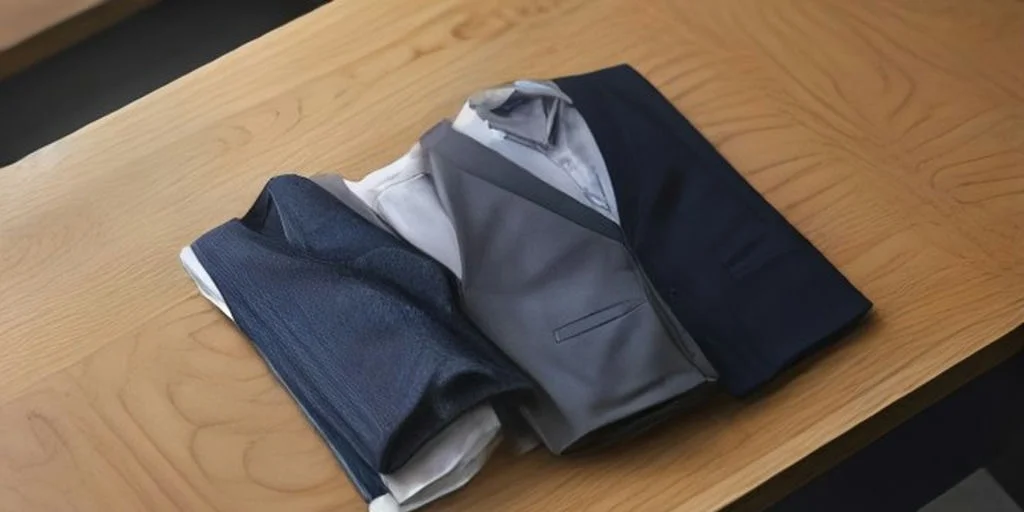
Shanghai Top Fortune Industry Co., Ltd. has built OEM and ODM staff-apparel programs since about 2002 from a 1,506 m² facility in Songjiang. Sampling, sewing, and embroidery sit in one place, which helps a vest follow an existing polo color and logo standard instead of drifting into a second navy. More background is on the About Us page.
Request a sports-nutrition retail staff vest quote: rill@topfortunemail.com | WhatsApp +86 13524210501
Send the base layer, closure and pocket notes, color standard, logo files, size curve, quantities, and the in-hands date. The sample that matters is the one worn over the shirt already on your floor, on a shelf shift and at a tasting stand.